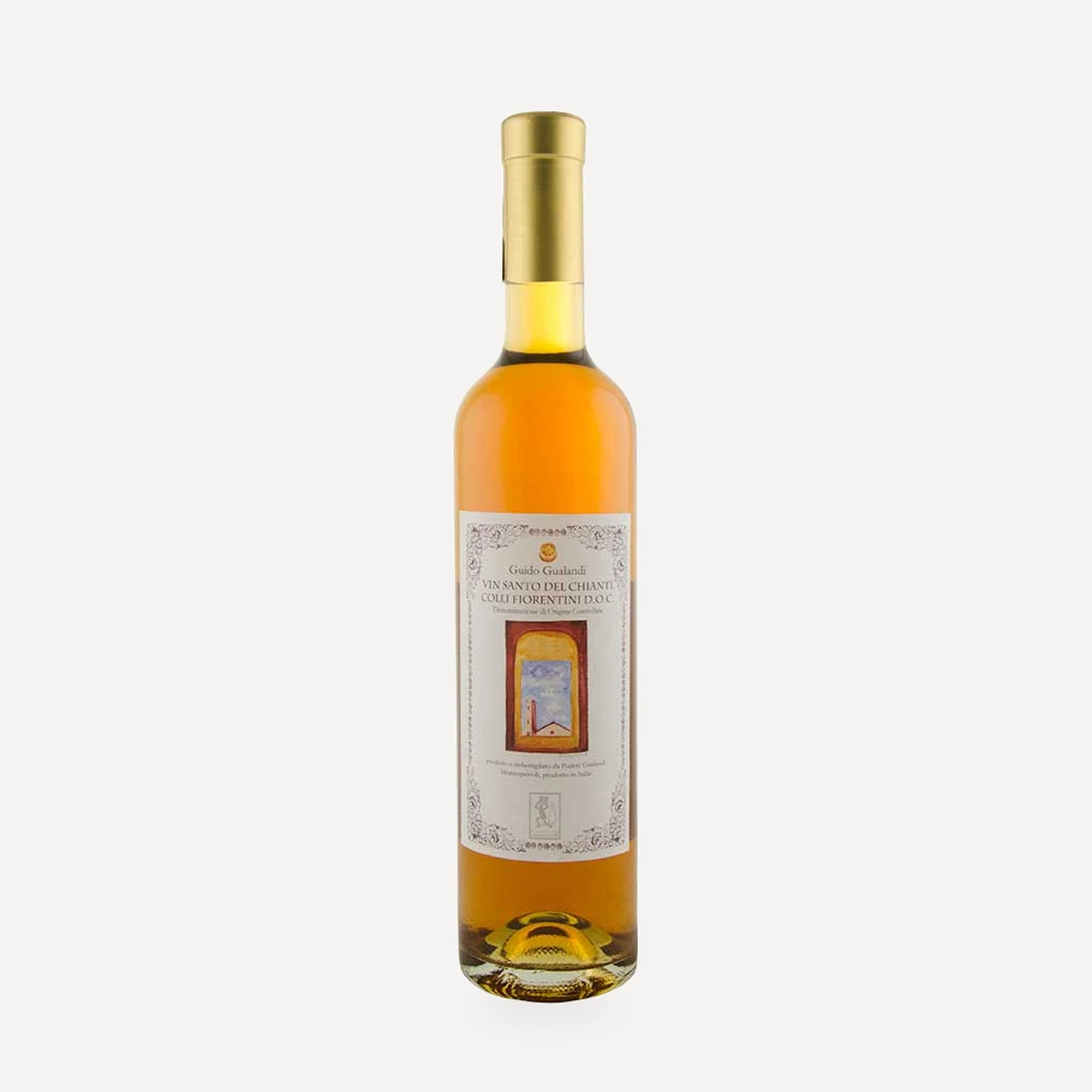
Storia
Family roots
The vineyards and olive trees at Podere Gualandi have family roots: Guido Gualandi took responsibility for plants first established by his ancestors, pruning and tending them with an emphasis on respect for the land and manual work.
Recovery of old Tuscan varieties
Several of the varieties that became central to the estate’s work—including Foglia Tonda, Pugnitello and the old Abrusco selection of Sangiovese—had been abandoned for more than a century. They were brought back to attention through research by the University of Florence. Guido Gualandi subsequently specialised in these old Tuscan grapes and planted them at the estate. Podere Gualandi was among the early producers to replant Foglia Tonda.
This recovery of historic plant material was paired with Guido’s study of ancient Mediterranean wine practices. An archaeologist specialising in Mesopotamian art and a professor of the history of food and wine in the Mediterranean, he developed a production approach that combines old Tuscan methods with a modern understanding of fermentation and maturation. The resulting work is deliberately manual and avoids industrial production systems.
Organic registration and environmental programme
In 2008, Podere Gualandi entered the organic operators’ register under ICEA certification. Vineyard work continued to favour hand labour, while tractor use was kept to a minimum.
The winery and Gualandi family residence subsequently developed an energy and resource programme based on photovoltaic electricity, solar-heated water, heating fuelled with branches from olive-tree pruning, underground rainwater storage and the reuse of water on the farm. Renewable sources account for 90% of the energy used by the winery and residence.
Sustainable-farming initiatives
Podere Gualandi also became involved in the Grani Antichi di Montespertoli project, joined FIVI and the World Wide Opportunities on Organic Farms network, participated in RAW events, and began holding lessons and conferences devoted to sustainable agriculture.
Terroir
Podere Gualandi is in Poppiano, within the commune of Montespertoli in the province of Firenze, Tuscany. The farm overlooks the Chianti hills.
The vineyards occupy two specifically distinguished soil contexts. Fruit used for the estate’s IGT wines comes from Pleistocene clay-and-sand soils. The Chianti vineyards are rooted in the area’s characteristic alberese mixed with stones. The estate treats these geological differences as integral to the character of its wines and seeks to preserve their expression through low-intervention cellar work.
Vinificazione
Podere Gualandi has been registered as an organic operator since 2008 and is certified by ICEA. Work in the fields is predominantly manual, and tractor use is deliberately minimised.
Vineyard rows are hoed by hand. The vines are treated with Bordeaux mixture and sulphur, while the estate avoids an industrial approach to cultivation. Three training systems are used: low spurred cordon, Guyot and alberello. Crop levels are controlled to a maximum of 900 g per vine and an average ceiling of 6,000 kg/ha.
Harvesting is entirely manual from the second half of September through the first week of October. Grapes are placed in traditional bigonce, enabling careful bunch selection before processing.
The wider farm programme stores rainwater underground for agricultural use, recycles water, minimises tractor work and derives heating fuel from olive-tree prunings. Podere Gualandi also supports sustainable agriculture through the Grani Antichi di Montespertoli project, lessons and conferences, FIVI membership and participation in World Wide Opportunities on Organic Farms and RAW.
Traditional cellar practice
Production follows methods historically used in the Tuscan countryside. Modern machinery is largely excluded, and the principal cellar materials are comparable to those used 50 or 100 years ago. The estate describes its wines as organic, traditional and low in sulphites.
Fermentation takes place in open, truncated-conical vats or in Italian-made Slavonian oak vessels supplied by Garbellotto and Penna. Grapes may ferment together with their stems. Pressing is carried out with an old manual press; this produces less liquid than modern mechanical equipment but forms part of the estate’s quality-focused, non-industrial approach.
Fermentation and élevage
After alcoholic fermentation, the wine is placed in an initial series of barrels and barriques. It remains there for about two months without racking and is moved periodically by bâtonnage. Malolactic fermentation is completed in these vessels.
After approximately two months, the wine is transferred to barriques or oak barrels with capacities ranging from 3 to 25 hL. It remains in wood until bottling and is frequently stirred together with its lees during maturation.
Preparation for bottling
The wines are not clarified before bottling. Depending on the cuvée, filtration is either omitted or kept light so that the character of the grapes is retained. The estate’s general production ceiling is 20,000 bottles per year.
Filosofia
Podere Gualandi follows a non-interventionist philosophy intended to let the terroir and historic grape material remain recognisable. Guido Gualandi seeks to avoid correcting flavour in the cellar, relying instead on processes such as fermentation with stems, manual pressing, racking and maturation in wood.
The approach combines two ideas: fidelity to centuries-old Tuscan practice and the informed application of modern knowledge. Manual production and old cellar materials are retained, while Guido’s archaeological and academic research into Mediterranean wine history provides the intellectual framework. The aim is not to standardise the wines according to industrial conventions, but to preserve distinctions derived from the land, the vintage, the vineyards and the varieties.
The recovery of old Tuscan grapes is part of the same programme. Foglia Tonda, Pugnitello and Abrusco Sangiovese are treated not as curiosities but as working components of the estate’s viticultural identity. Environmental measures—organic certification, reduced tractor use, renewable energy, water reuse and participation in sustainable-farming initiatives—extend this philosophy beyond the cellar.
Vini
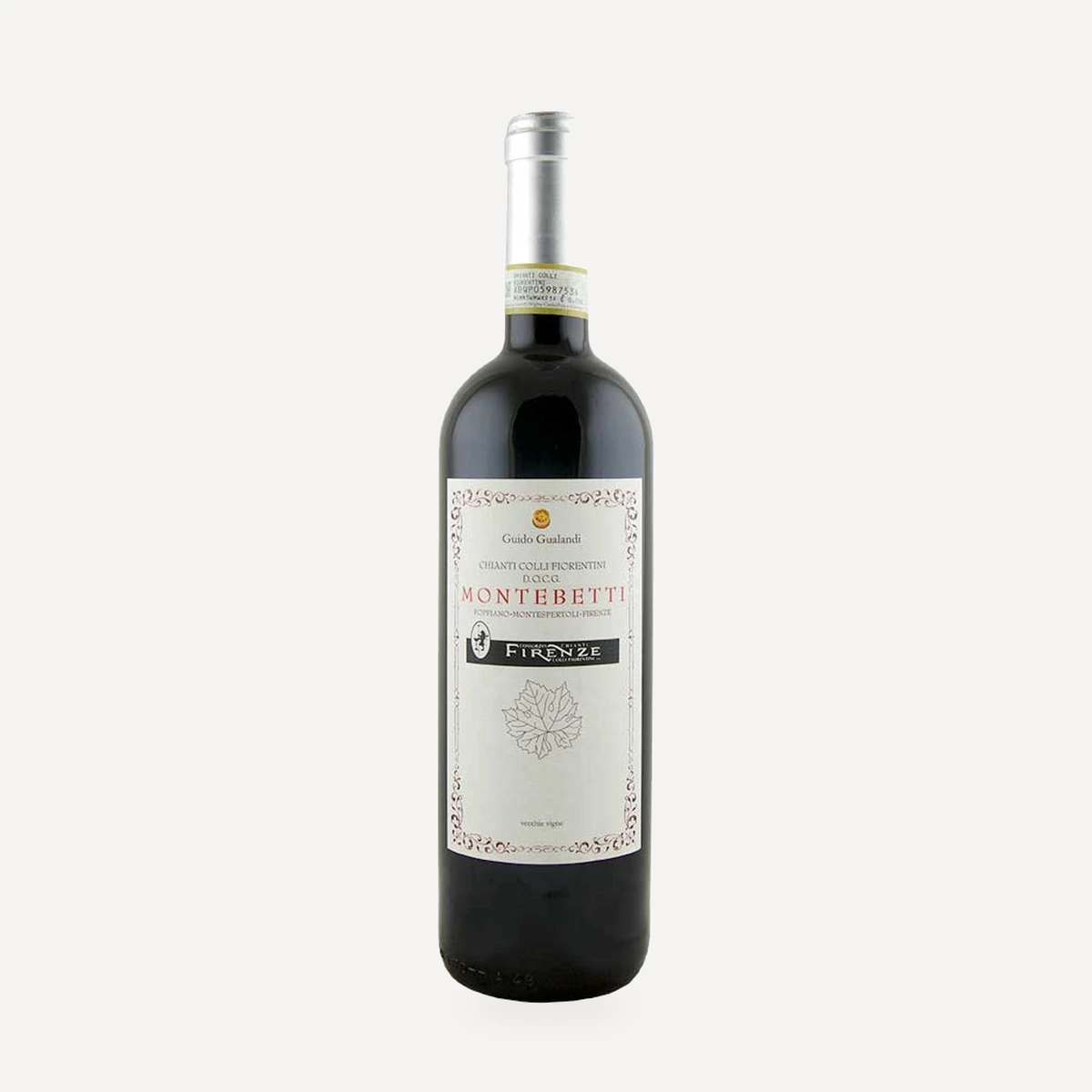
Chianti Montebetti D.O.C.G.
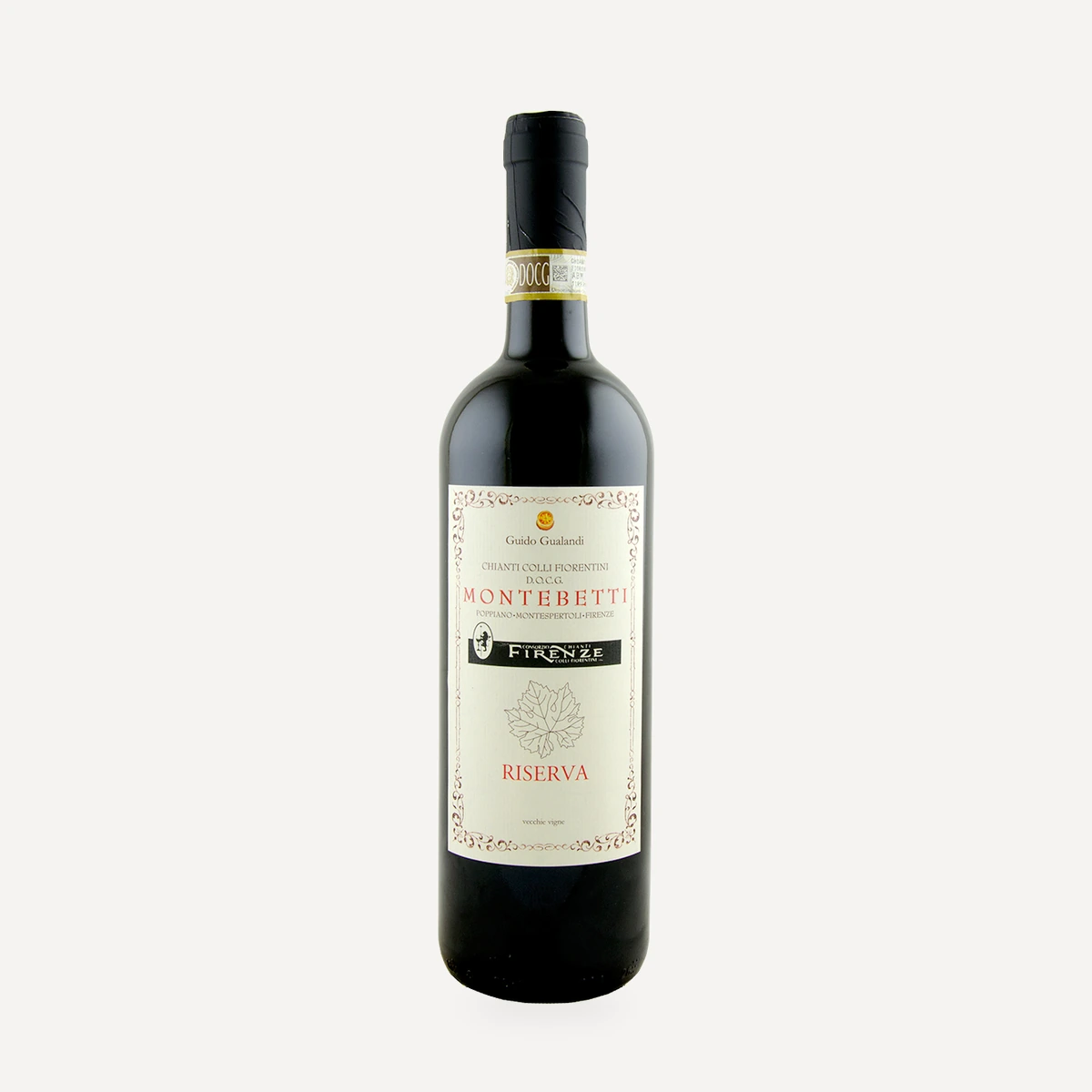
Chianti Montebetti Riserva DOCG
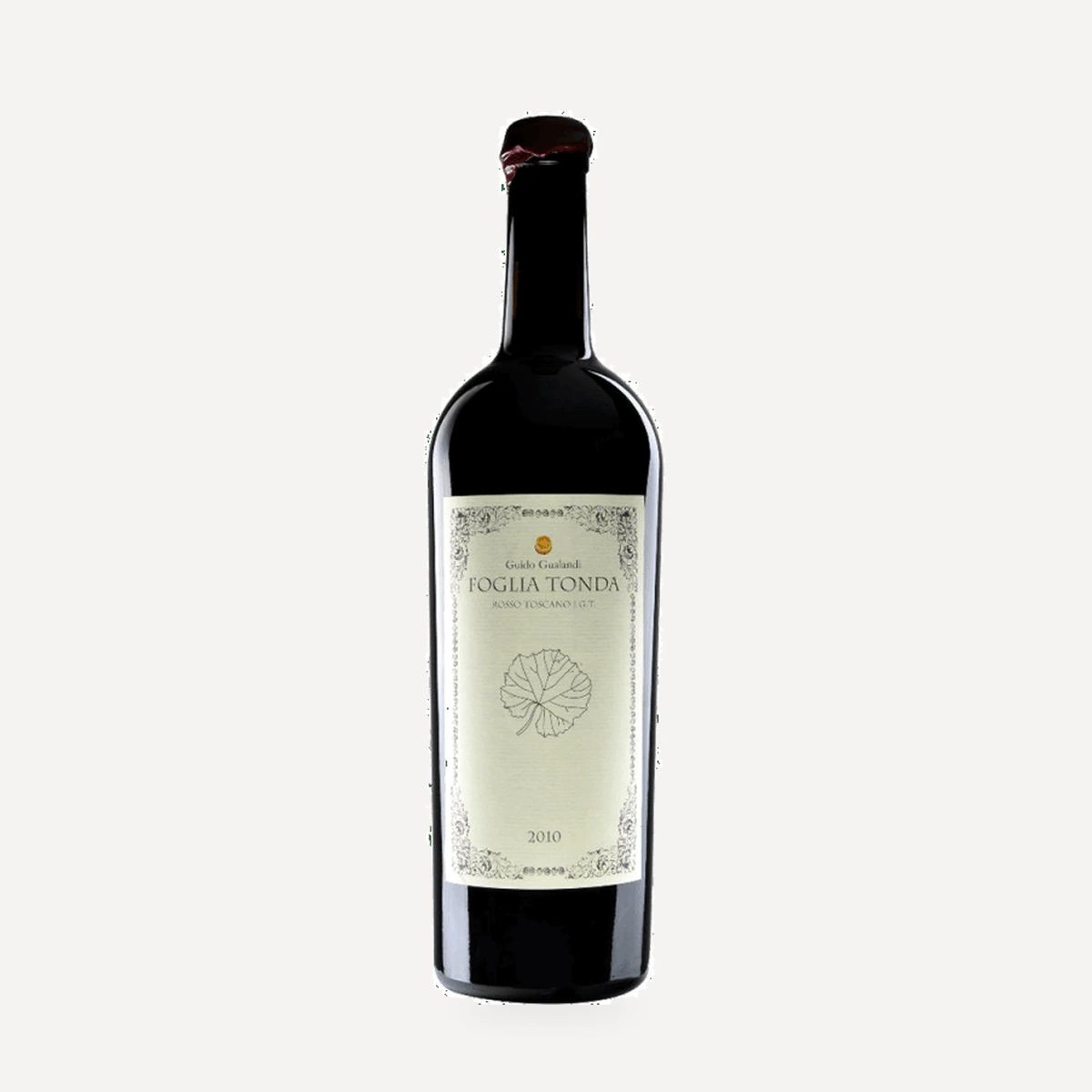
Foglia Tonda IGT
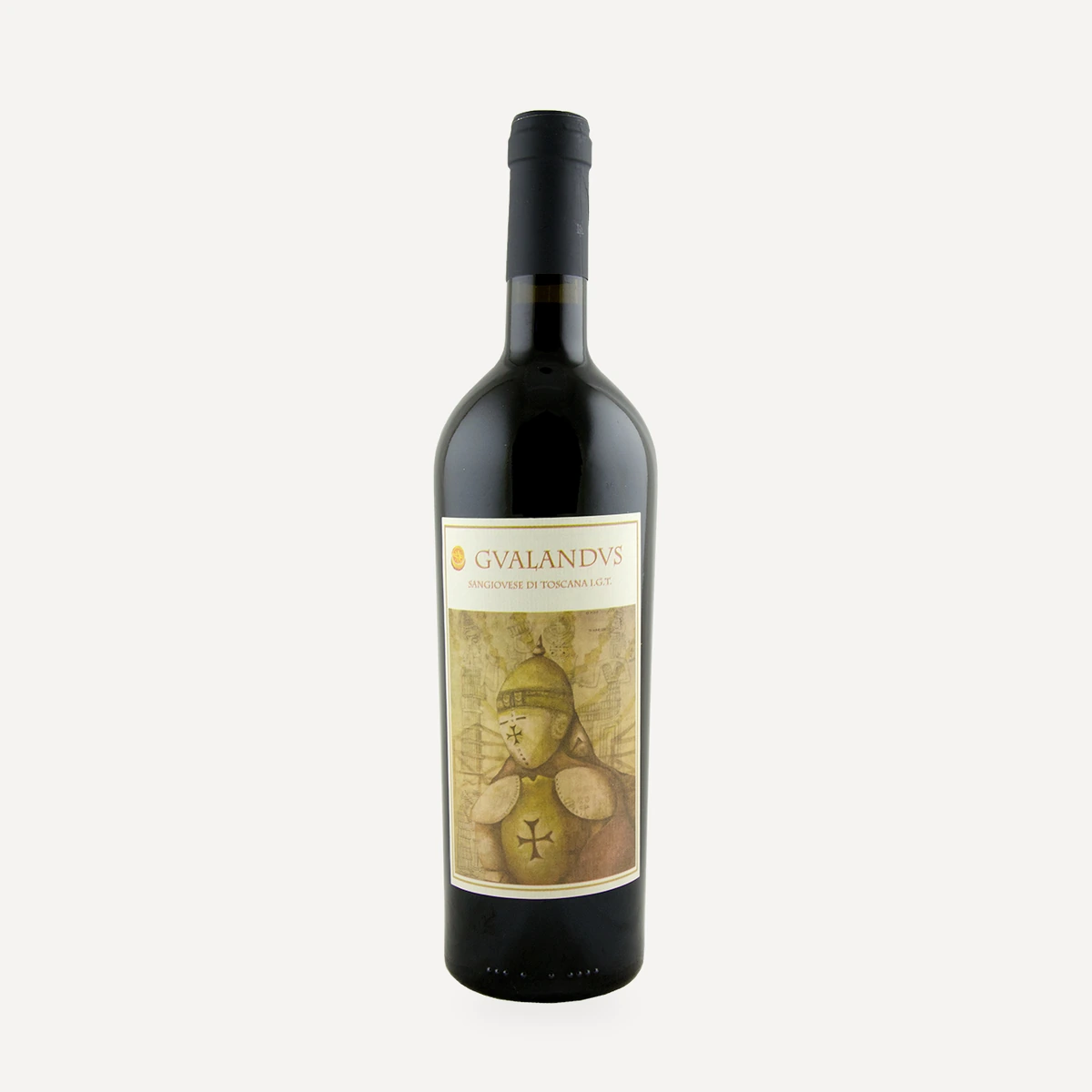
Gualandus Sangiovese Toscano I.G.T.
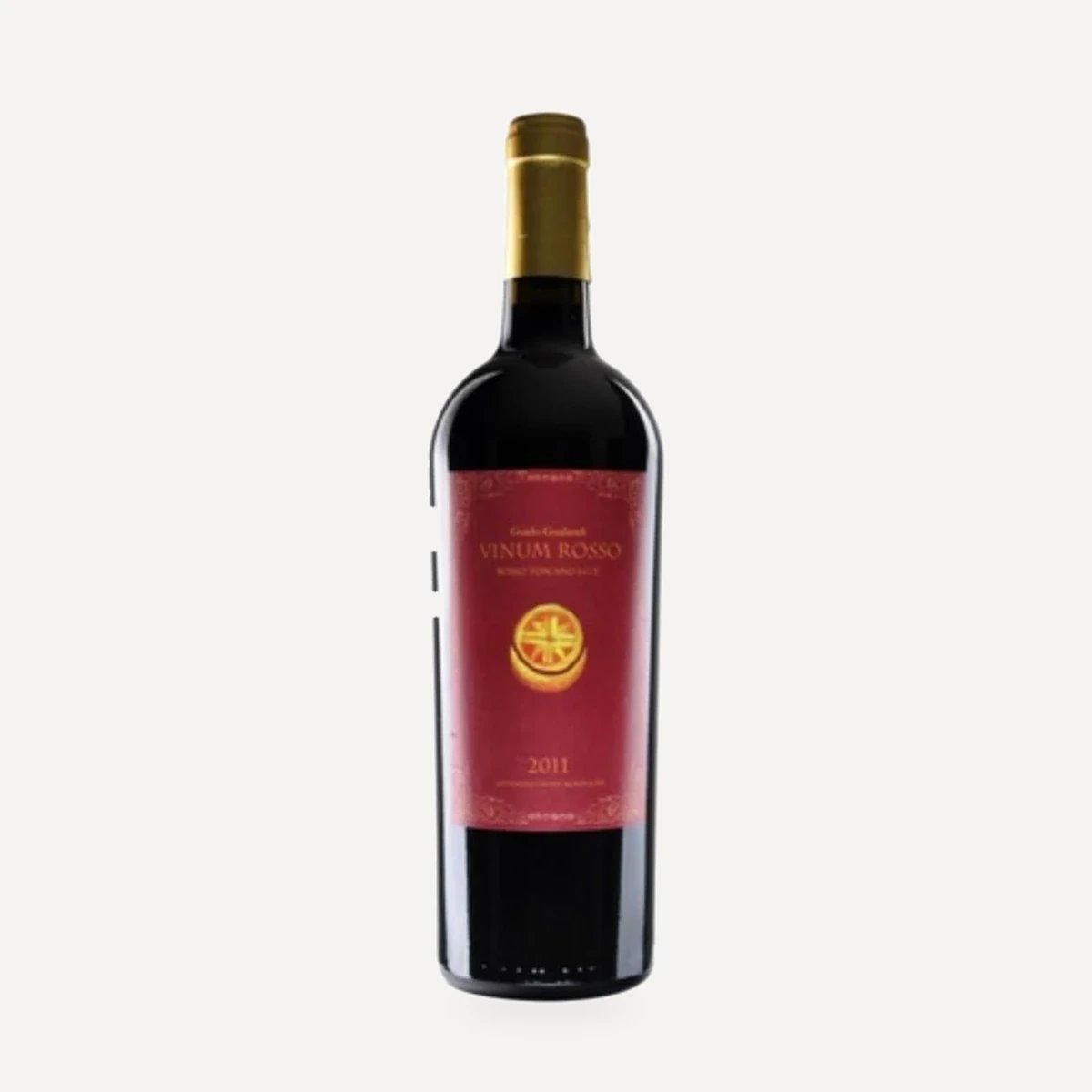
Vinum Rosso IGT
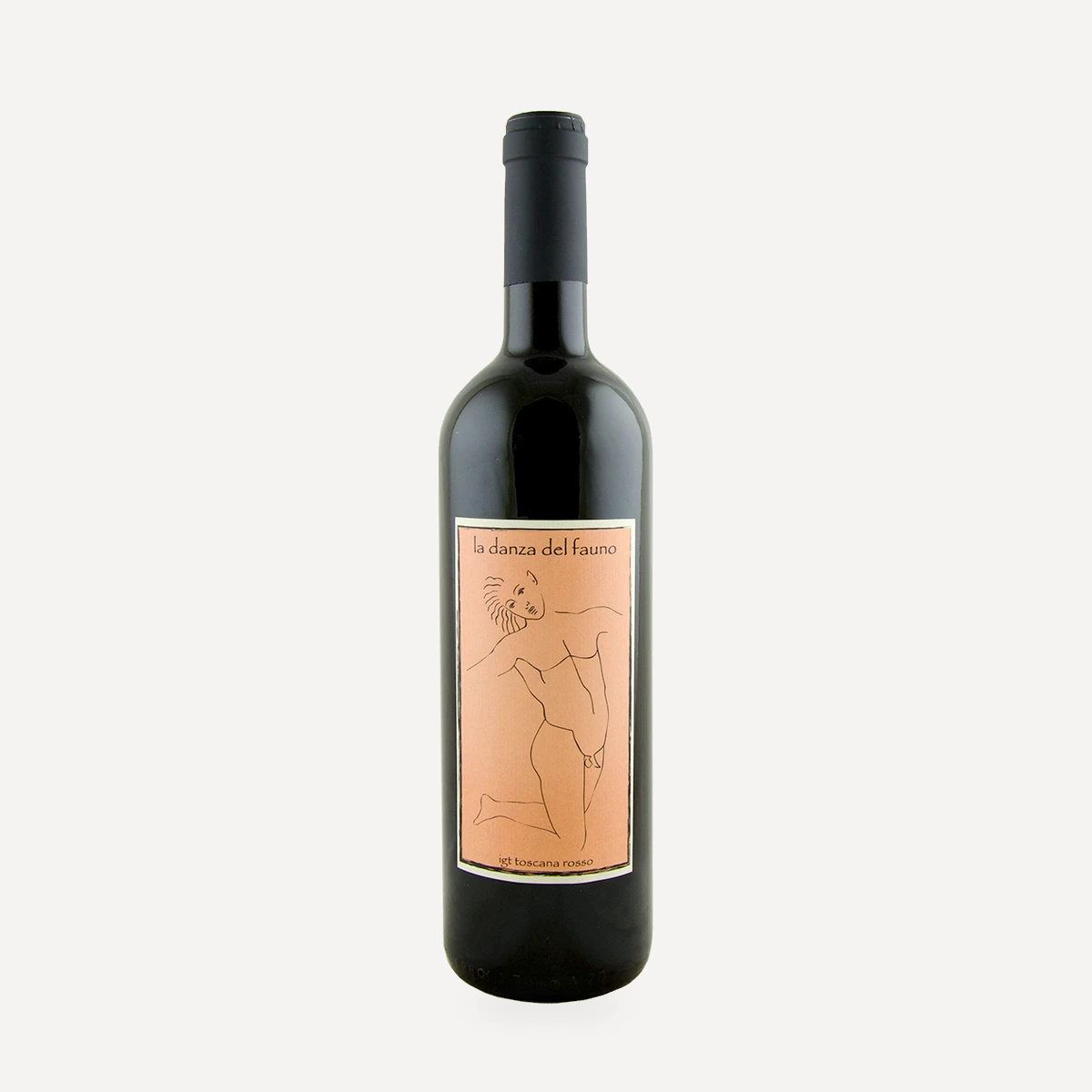
Danza del Fauno IGT
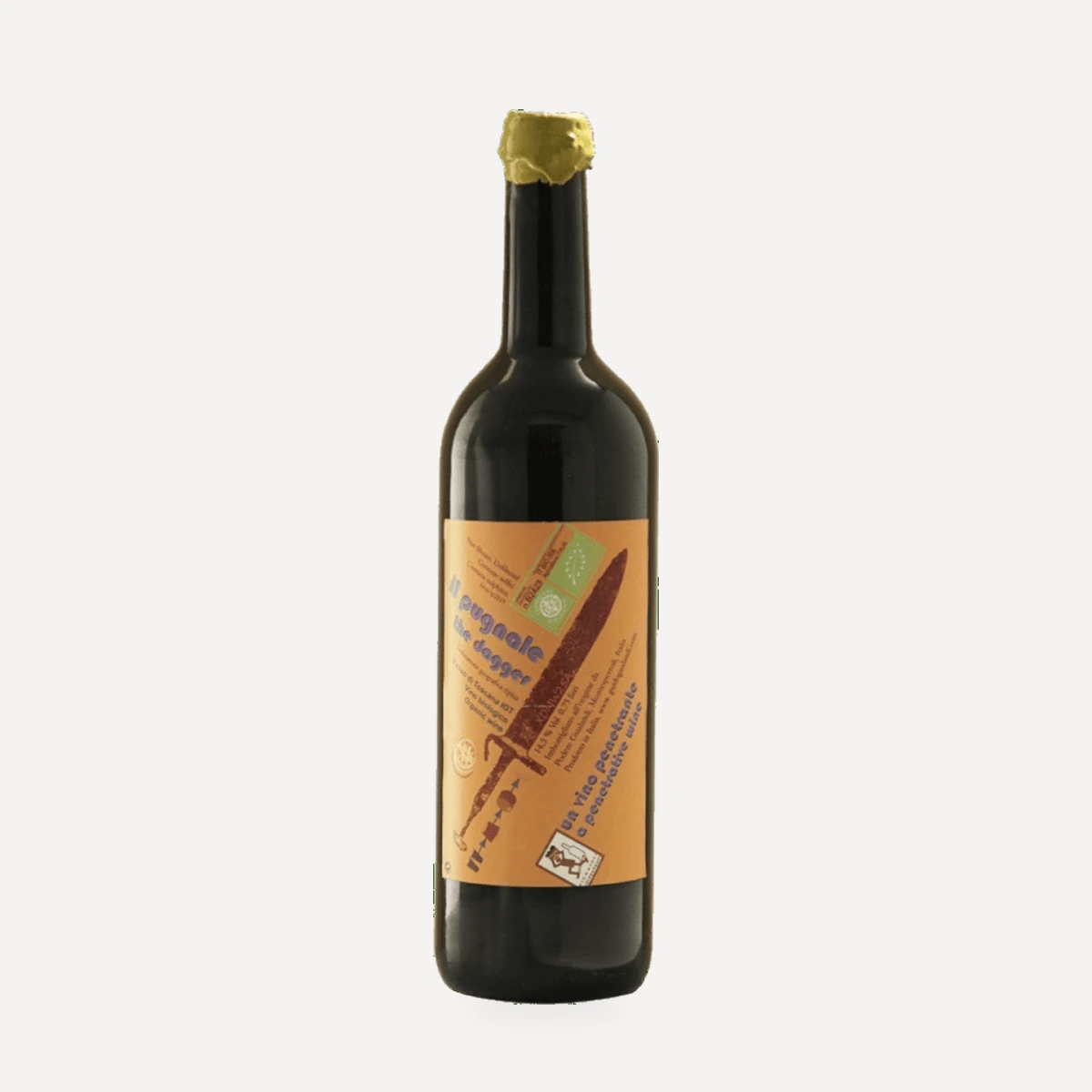
Il Pugnale IGT