Storia
Vineyard plantings
The oldest plantings represented within the estate date to 2005. They include the old Sangiovese vineyard known as Vigna vecchia, along with south-facing Merlot and Cabernet Sauvignon blocks.
A south-facing Vermentino vineyard was planted in 2010 at 390 metres above sea level.
Further vineyards followed in 2015: a west-facing Vermentino block at 450 metres, a south-facing Sangiovese and Ciliegiolo block at 490 metres, and the south-facing Sangiovese vineyard Vigna ai sassi at 450 metres.
In 2018, new west- and east-facing plantings were established at 450 metres. These plantings have been associated with the estate’s Ansonica, Vermentino and Alicante production across different releases.
Present-day estate
Poggio Cagnano is an independent, artisanal winery led by winegrowers Alessandro and Eleonora. Its four hectares of certified-organic vines occupy a compact area near Manciano in the Maremma, between Monte Amiata and the Argentario Sea. The estate grows and vinifies its own grapes, following a low-intervention approach based on spontaneous fermentation and restrained additions in the cellar.
Terroir
Poggio Cagnano lies near Manciano in the Maremma, approximately 20 kilometres between Monte Amiata and the Argentario Sea. The vineyards overlook the Argentario coast and are surrounded by olive trees and oak woods.
The four hectares of vines occupy differently oriented slopes. The estate describes the vineyard as lying at about 450 metres above sea level, while individual blocks represented within the property range from 390 to 490 metres. Recorded orientations include east, west and south.
The geological foundation is Macigno Toscano: a compact formation of arenaria stone, with sandy soils rich in arenaria and galestro. Individual vineyard profiles describe the texture as loamy sand. Recorded soil pH values are low, generally 5.5 and reaching 5.6 in the 390-metre Vermentino block.
The estate associates this sandy, acidic setting with freshness, savoury character and fine structure in its wines.
Vinificazione
The estate’s four hectares of vines are certified organic. Olive trees and oak woods surround the vineyard area, while the vines occupy east-, west- and south-facing positions across the compact arenaria formation.
Harvesting is performed by hand. The estate-grown range draws on vineyards planted between 2005 and 2018, with the main estate description placing their age at approximately 10–20 years.
Poggio Cagnano follows a low-intervention cellar approach. Alcoholic and malolactic fermentations are spontaneous, relying on wild yeasts, and total SO₂ is maintained below 30 mg/L.
Methods vary across the range. Grapes are harvested by hand and generally destemmed, although some red fermentations retain 15% whole bunches. The cellar uses stainless steel, unlined concrete vats, clay amphorae, a 1,200-litre conical wooden vessel and seasoned 300- and 500-litre tonneaux.
Skin contact ranges from a few hours for lightly extracted lots to approximately three weeks for extended skin fermentation. Other techniques include semi-carbonic fermentation under dry ice, foot treading, manual punch-downs and limited or daily pump-overs. Extraction is intended to remain full but gentle.
Élevage may take place on the lees in concrete, in clay amphorae, or in second- and third-use tonneaux. The described maturation periods range from approximately five or six months to twelve months, depending on the lot and vessel. Wines may rest briefly in steel between fermentation and maturation. Coarse filtration is used before bottling, and some lightly sparkling production completes fermentation in bottle.
Filosofia
Poggio Cagnano defines itself as an artisanal, independent winery and as the guardian of a small organic vineyard in the Maremma. The wines are estate-grown, with the work centred on the character of the Macigno Toscano formation, its sandy soils and its elevated, differently oriented vineyards.
The cellar philosophy favours minimal intervention: wild yeasts conduct spontaneous alcoholic and malolactic fermentations, total SO₂ is kept below 30 mg/L, and extraction is handled through restrained manual techniques. Concrete, amphora and seasoned wood provide alternatives for fermentation and maturation without imposing a single method on every lot.
The broader identity combines natural winegrowing, organic farming, hospitality and farm-to-table dining within the same rural estate.
Vini
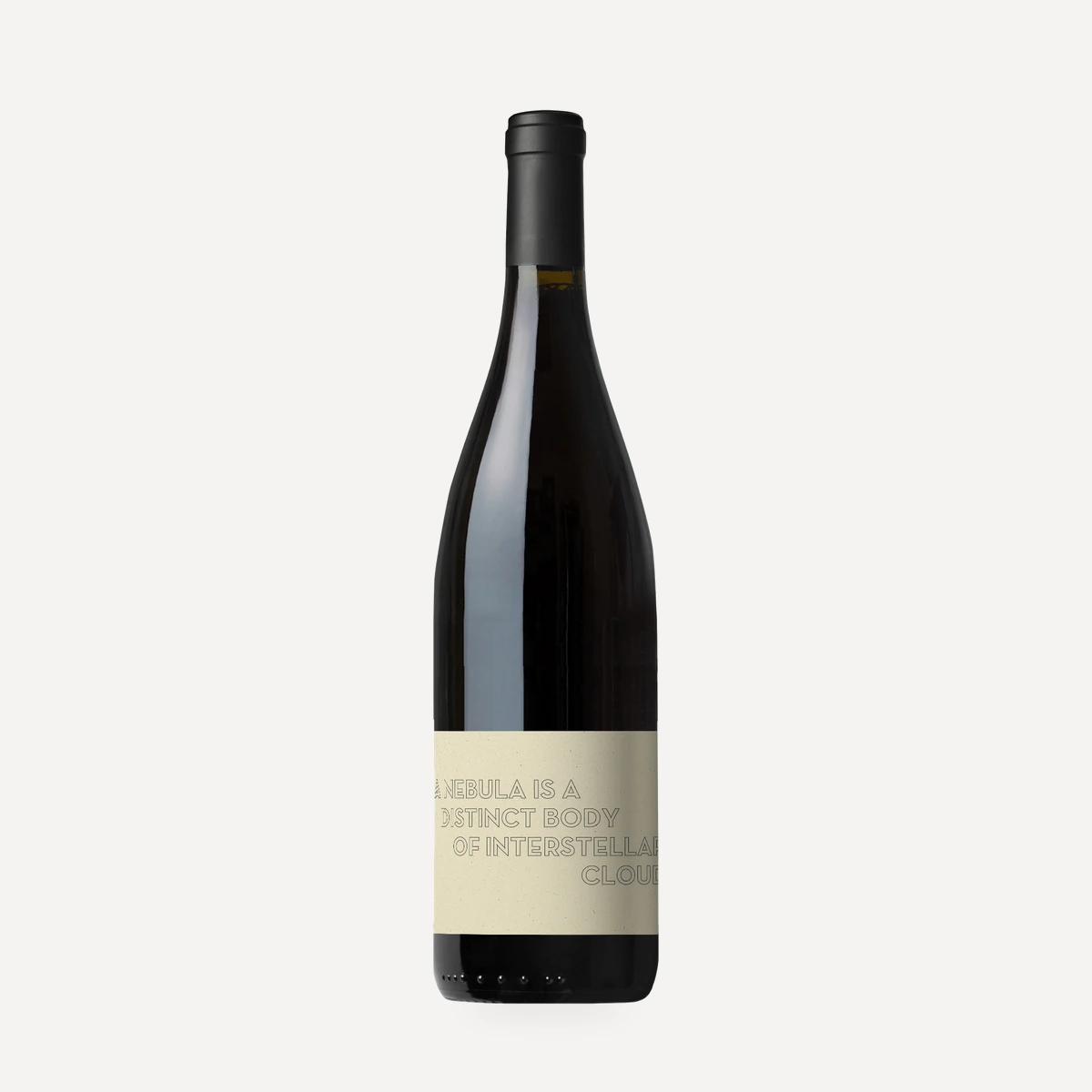
A Nebula Is...
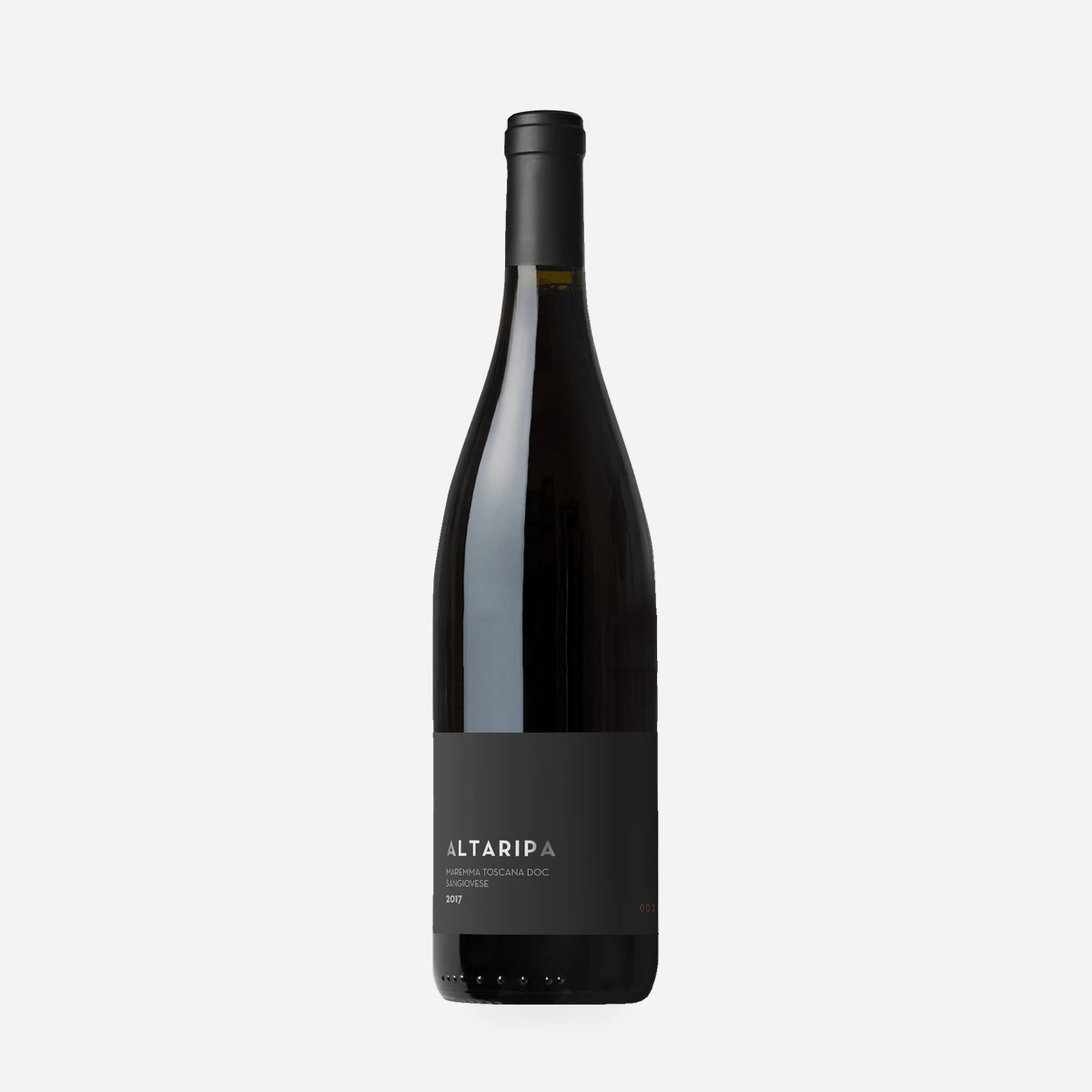
Altaripa
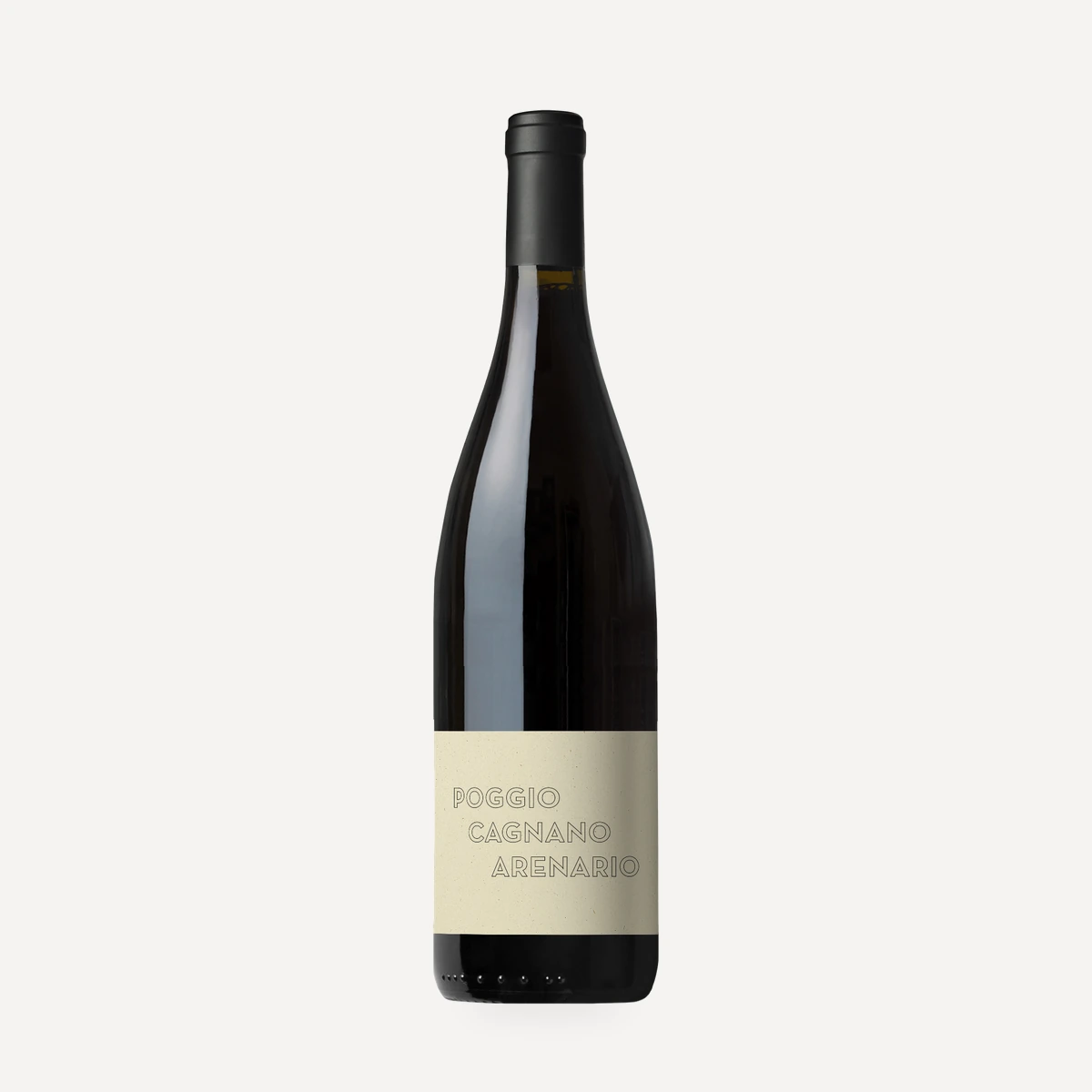
Arenario
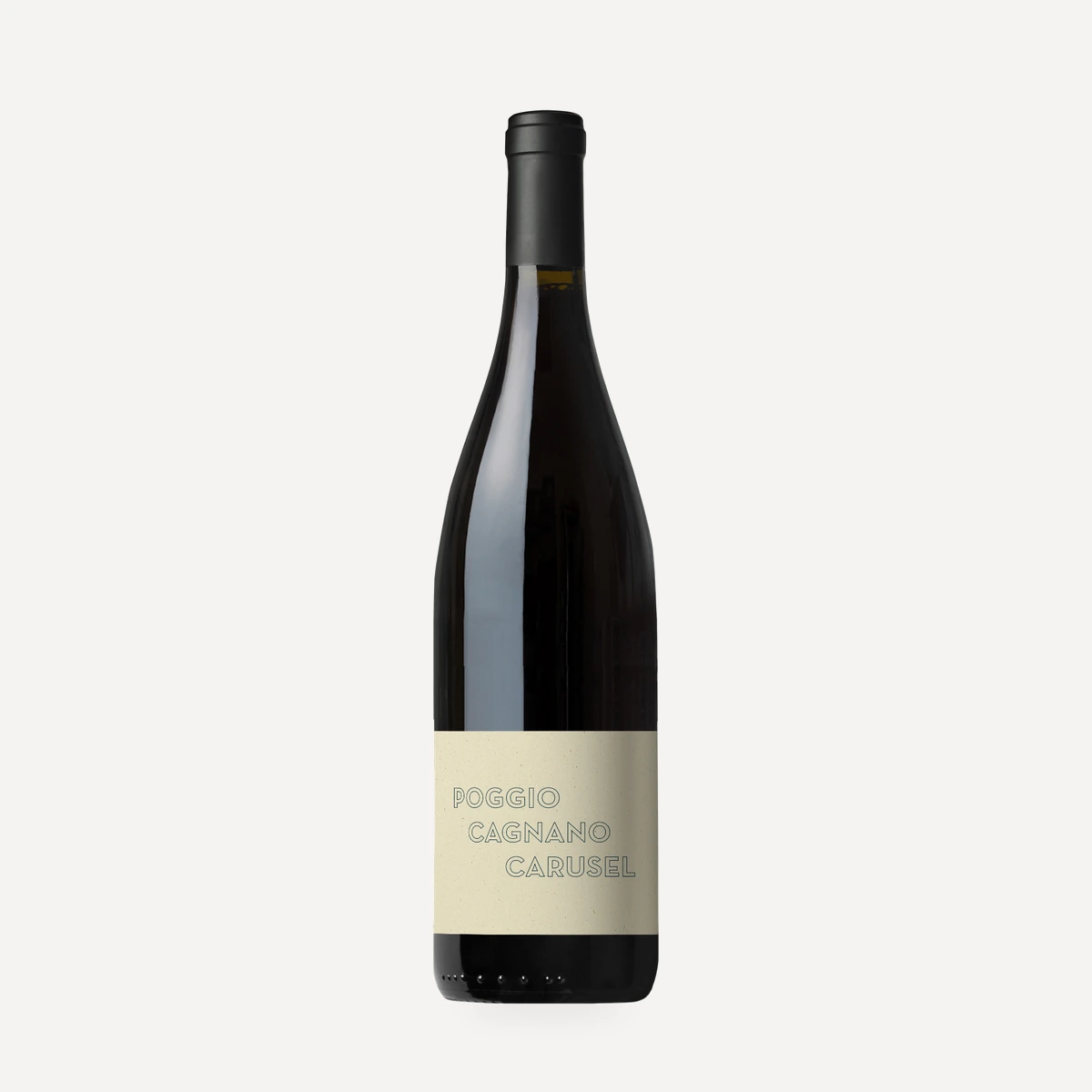
Carusel
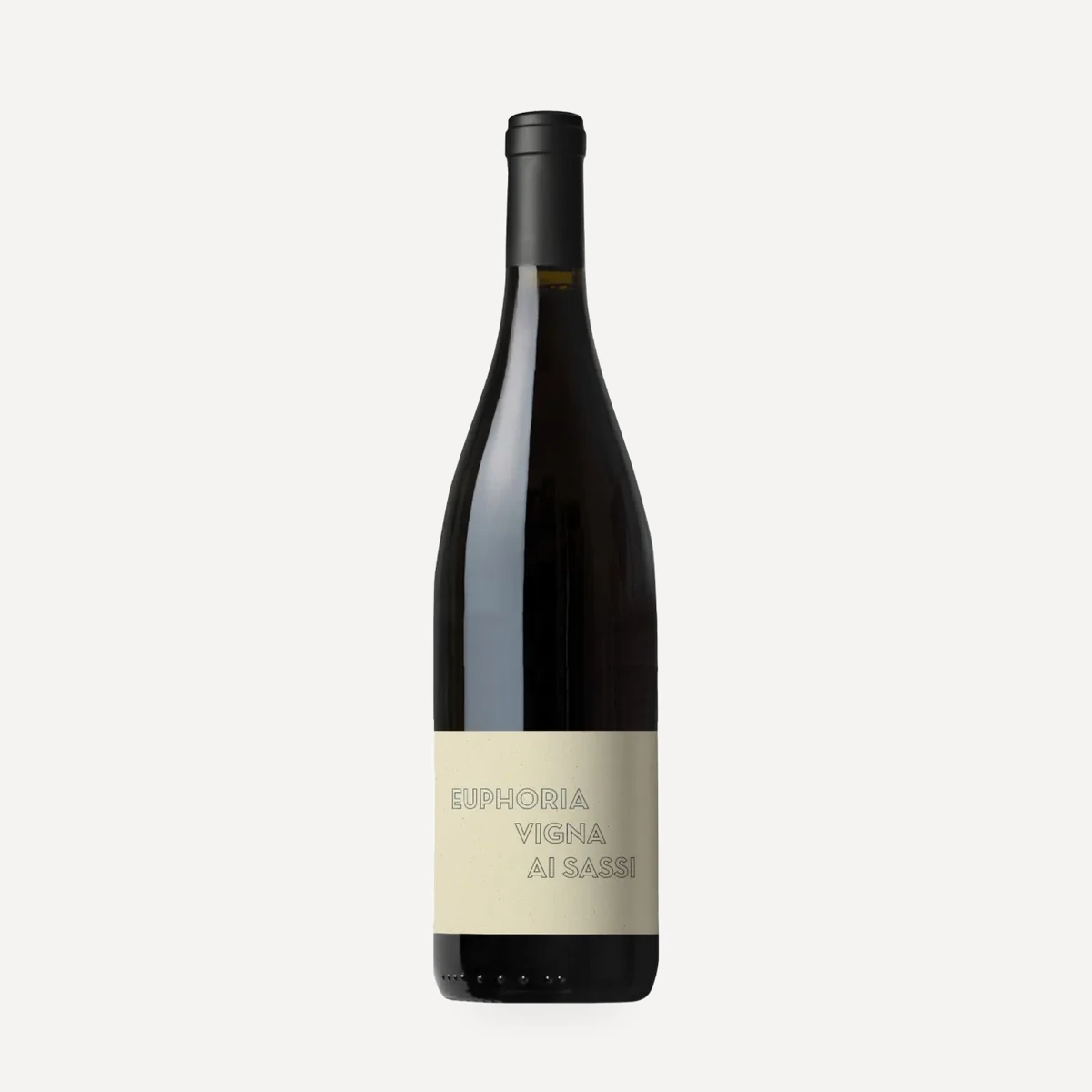
Euphoria Vigna ai Sassi
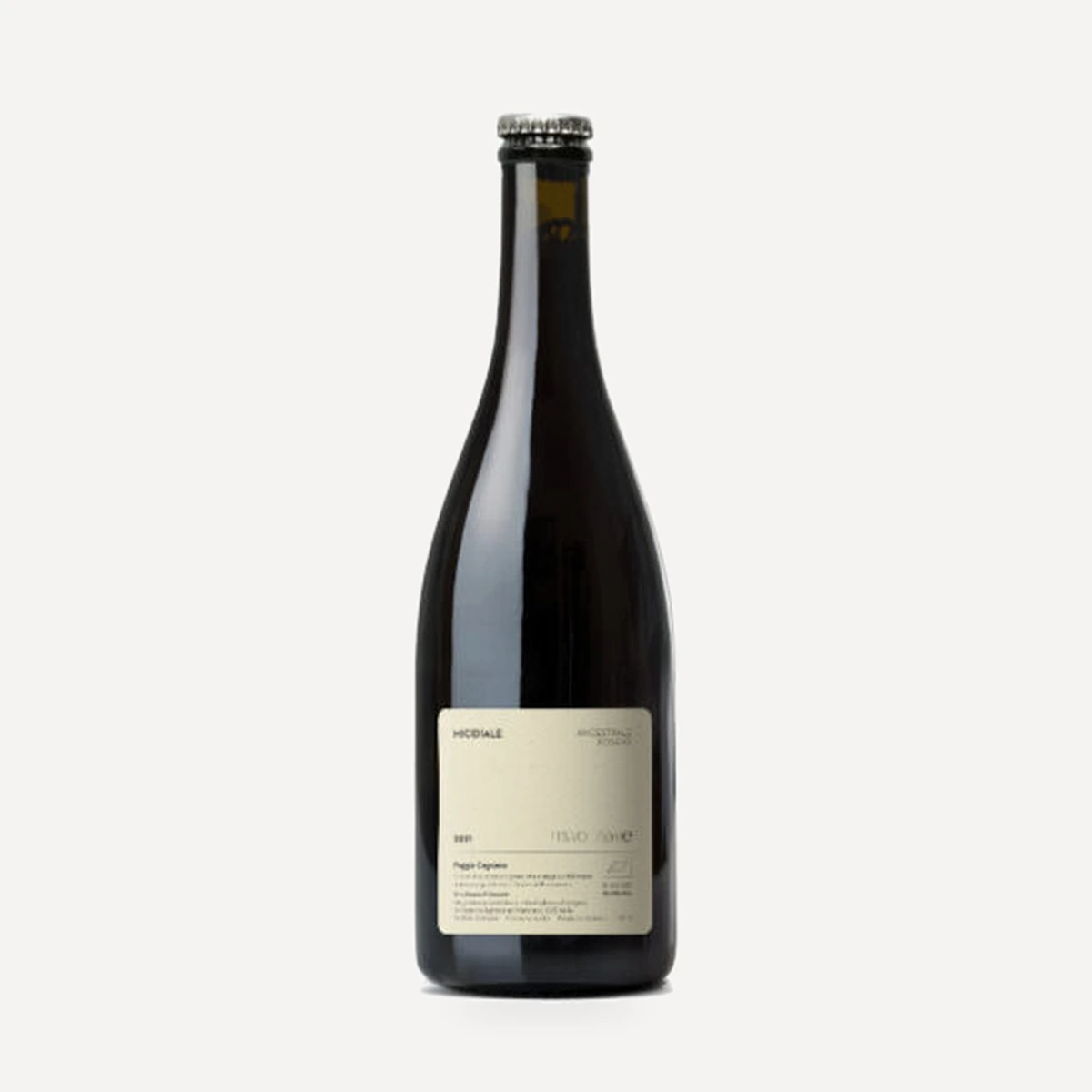
Micidiale Rosato
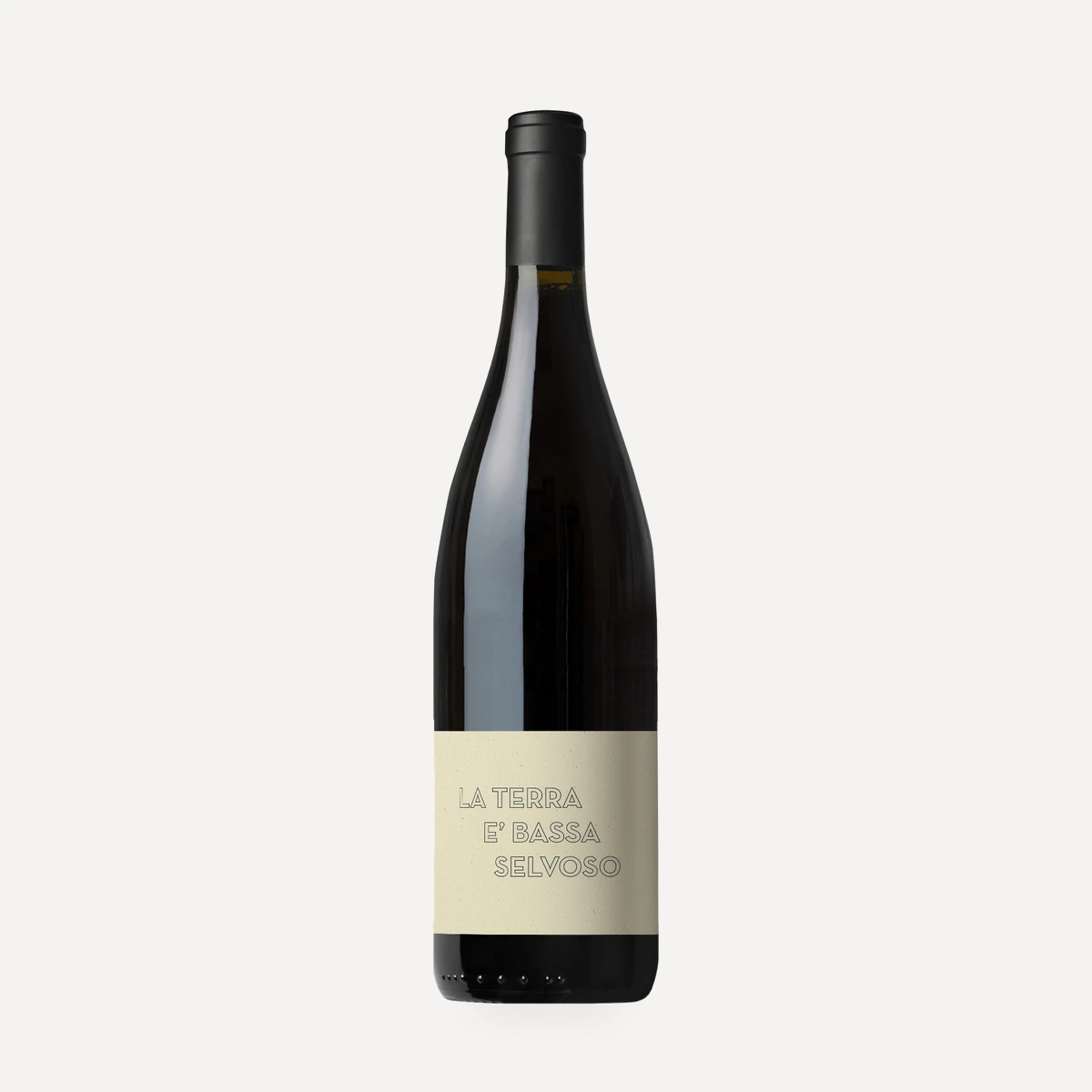
Selvoso — La Terra è Bassa
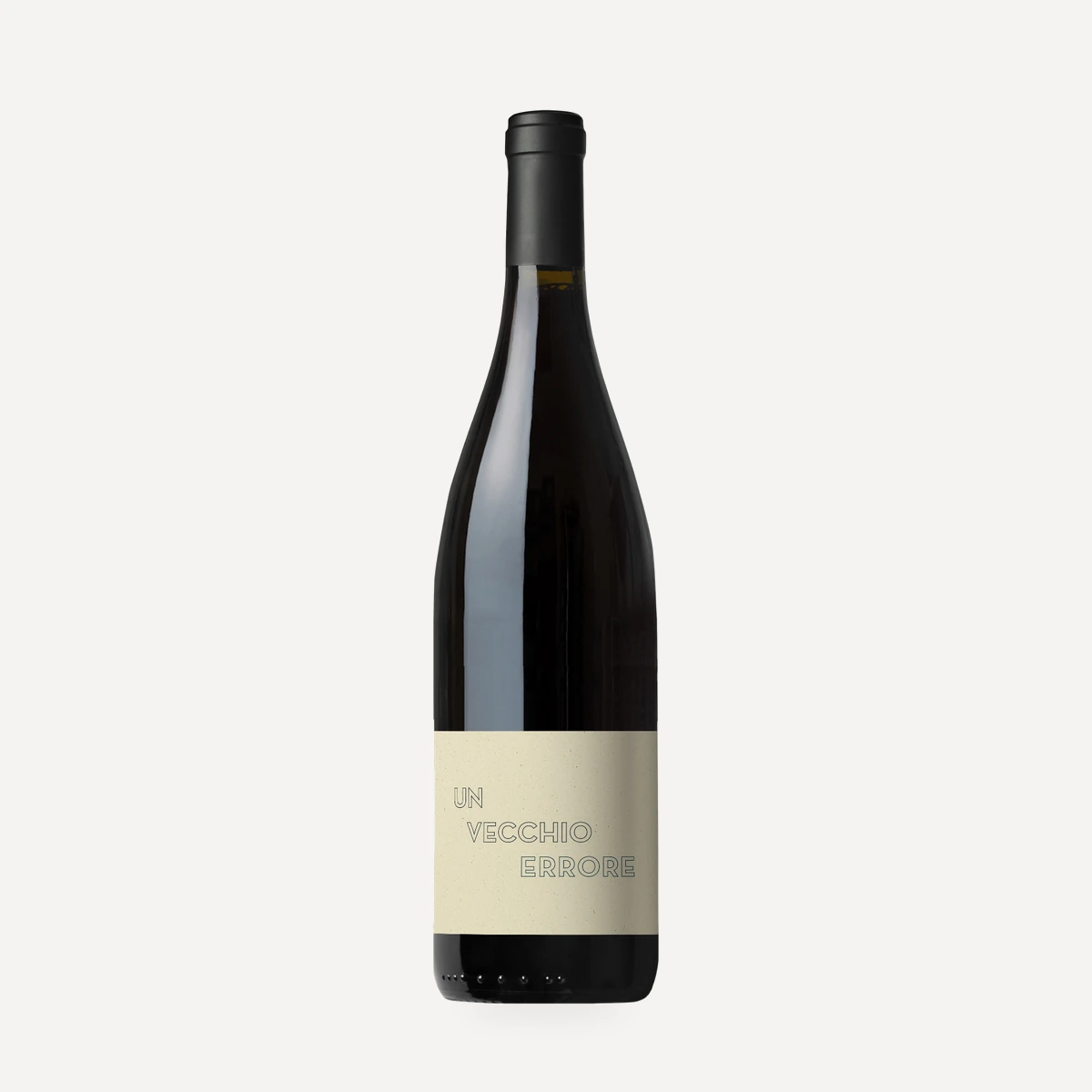
U.V.E.