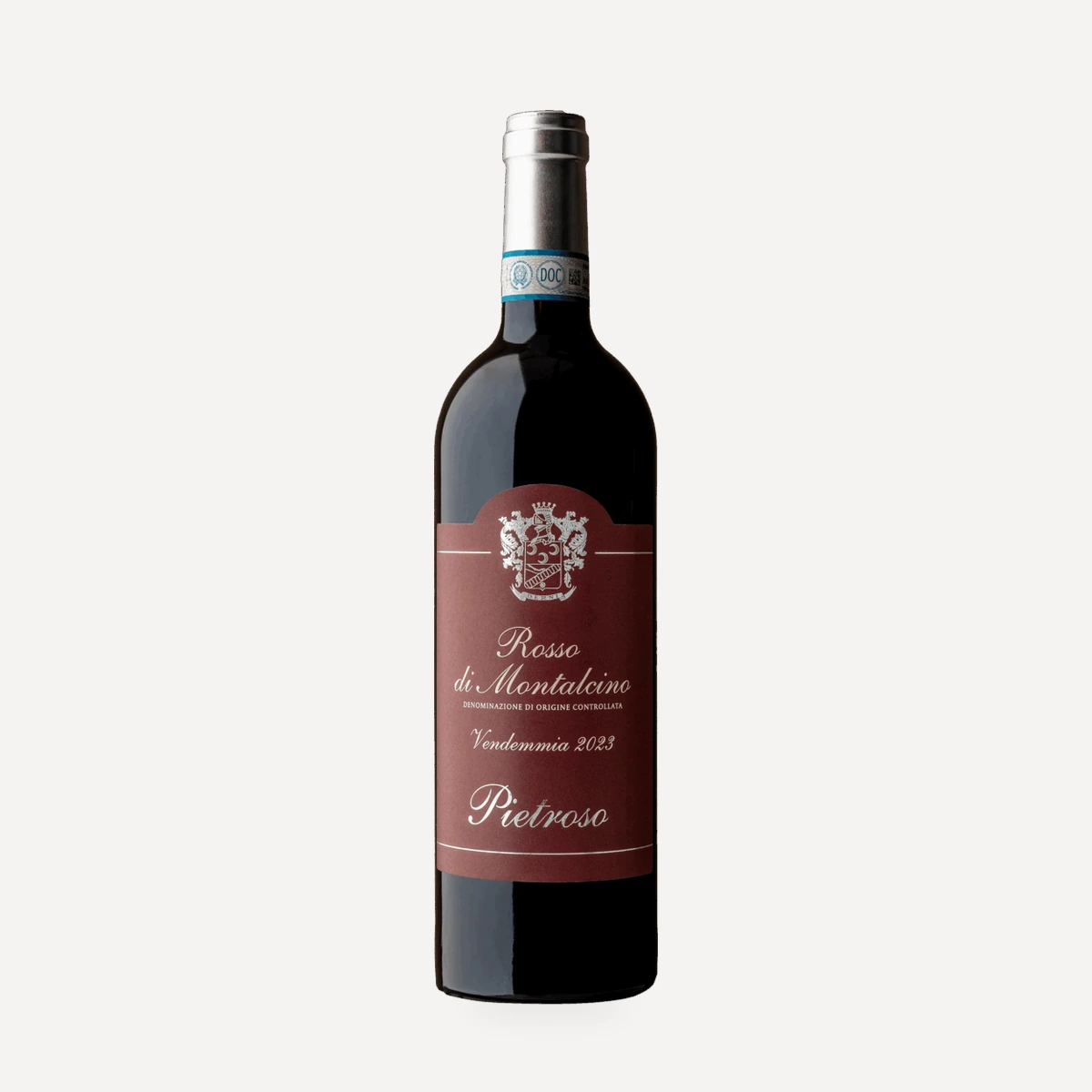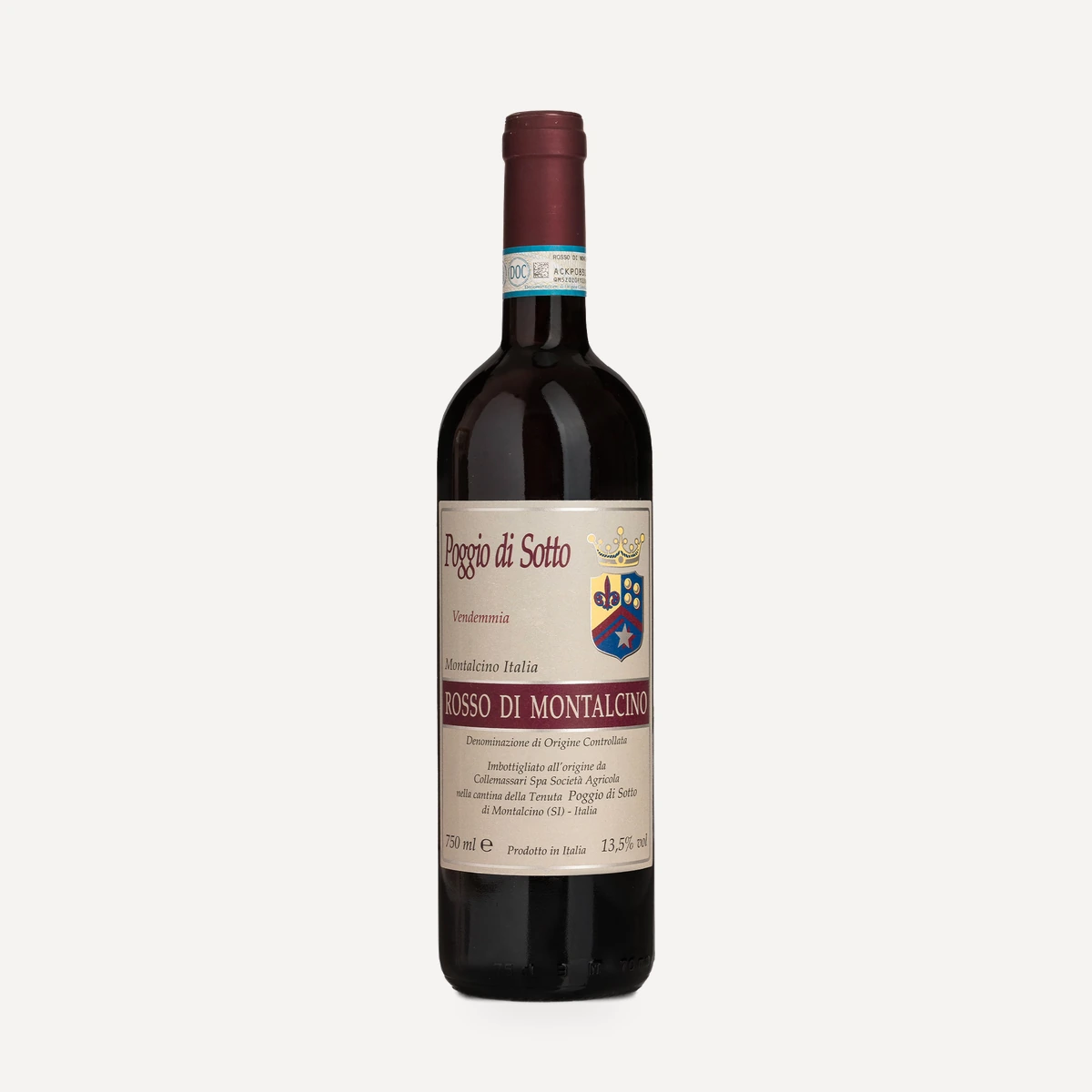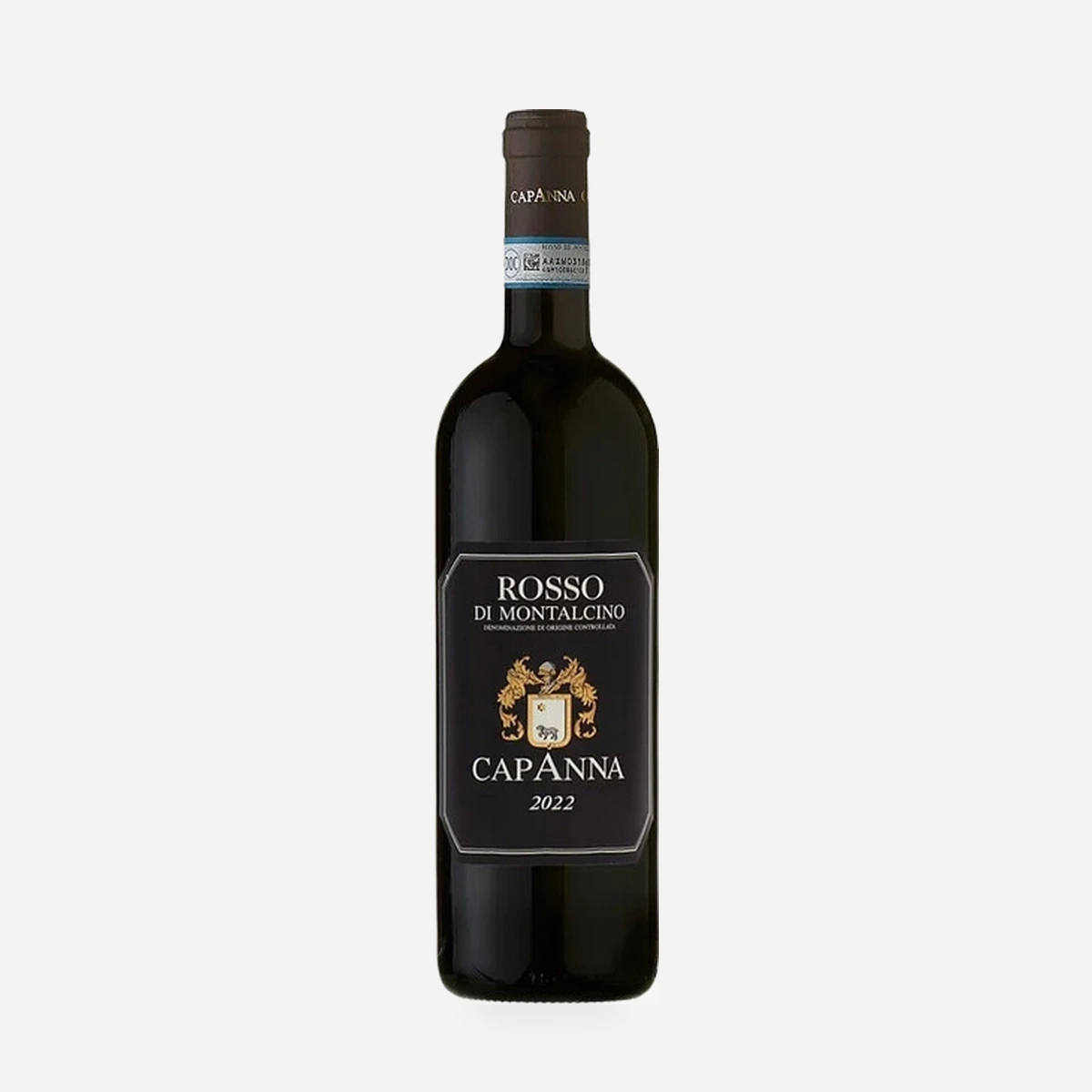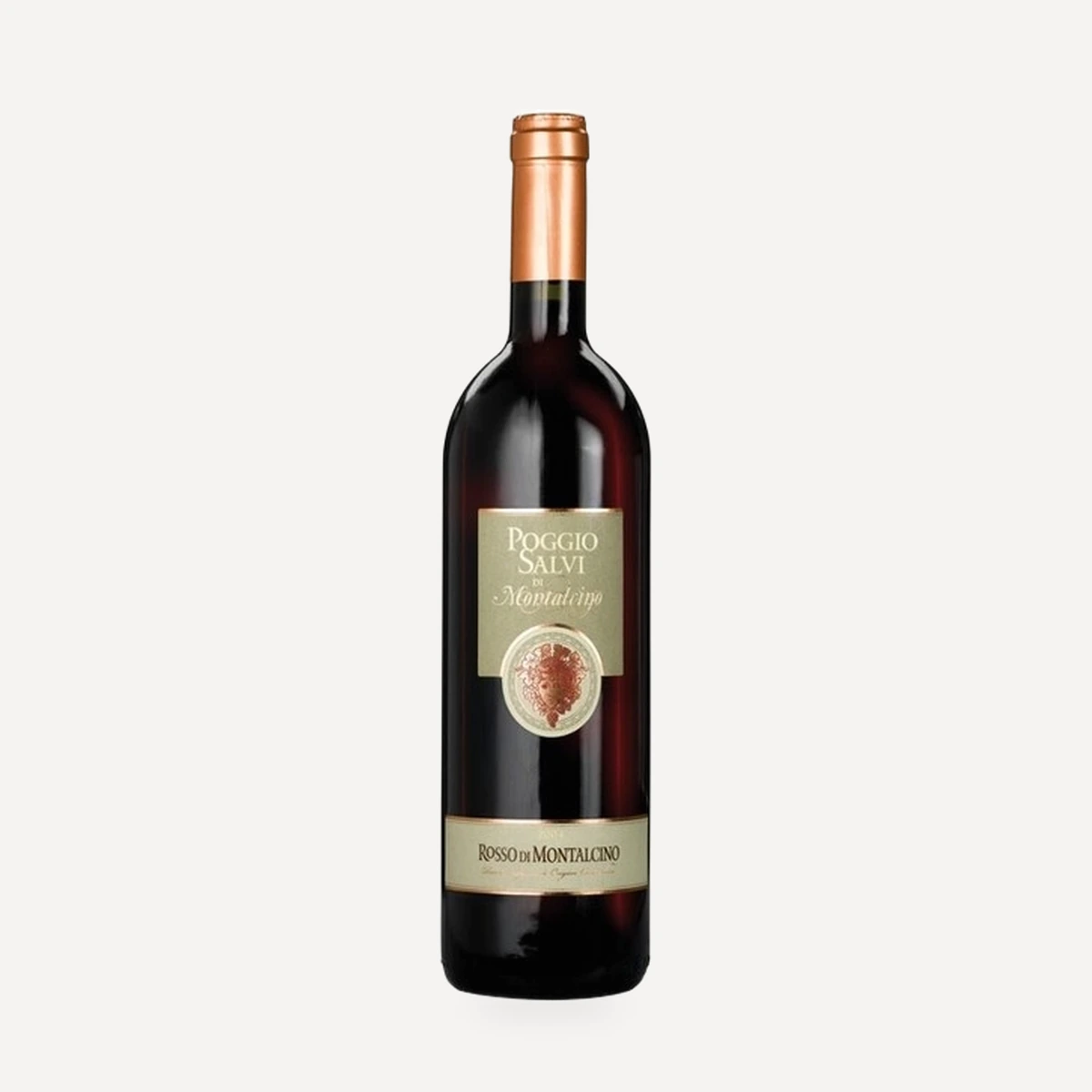
Questo vino
Vineyard and terroir
The wine is produced in Montalcino from south-west-facing vineyards planted at 350–500 metres above sea level. The rocky sites carry vines between 5 and 20 years old, planted at 5,000 vines per hectare and trained to spurred cordon.
Grapes
100% Sangiovese Grosso, the same variety used for Brunello di Montalcino. Rosso is conceived as a younger expression of Montalcino and is selected as such during the harvest.
Vinification
The grapes are picked by hand into crates around mid-September. Fermentation and maceration take place together in temperature-controlled stainless-steel tanks at 28–30 °C for 12–14 days. Pneumatic rakes are used to punch down the cap.
Ageing
Maturation lasts 12 months in Slavonian oak casks ranging from 30–60 to 100 hl, followed by at least two months of bottle refinement.
Technical data
Bottle size: 750 ml. Annual production: approximately 16,000 bottles.
Tasting profile
Brilliant ruby red. The bouquet is fruit-led, complemented by floral notes and light spice. The palate is fruity and balanced, with harmonious tannins and a persistent finish.
Serving and pairing
Serve at 16–18 °C. Pair with substantial pasta dishes, roasted meats and semi-aged cheeses. The wine may be enjoyed immediately. The technical table gives a longevity of 10 years, while the introductory description indicates scope for a further 10–15 years of ageing.
Vintage notes
The beginning of 2017 brought average temperatures but little rain. Mild weather at the end of March advanced the growing season slightly, while spring and summer were dominated by heat, drought and particularly high temperatures in July and August. Vineyards at Montalcino’s higher elevations benefited from cooler, well-ventilated nights. Harvest began about ten days earlier than the recent average and delivered a smaller crop of sound, high-quality grapes.
Label / history
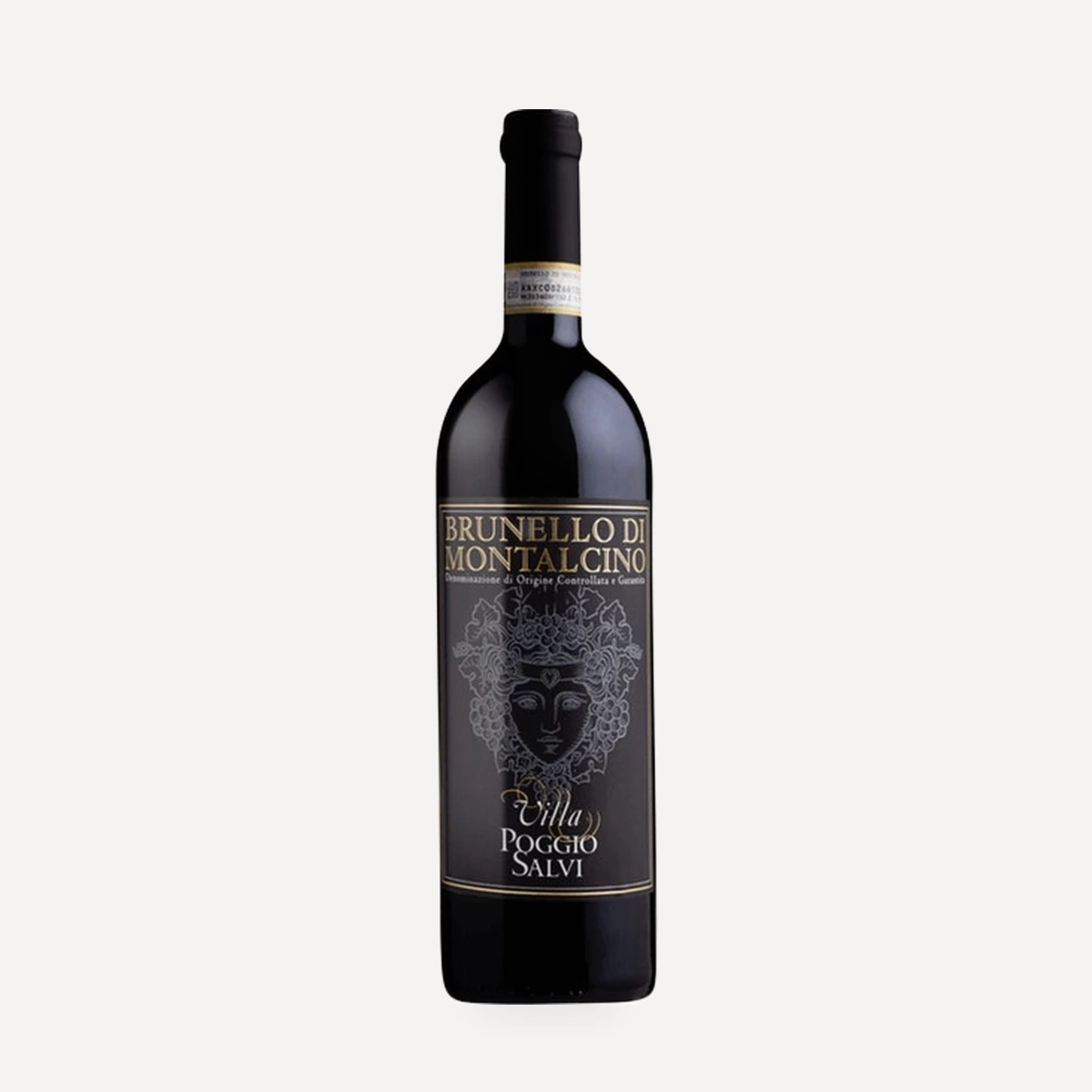
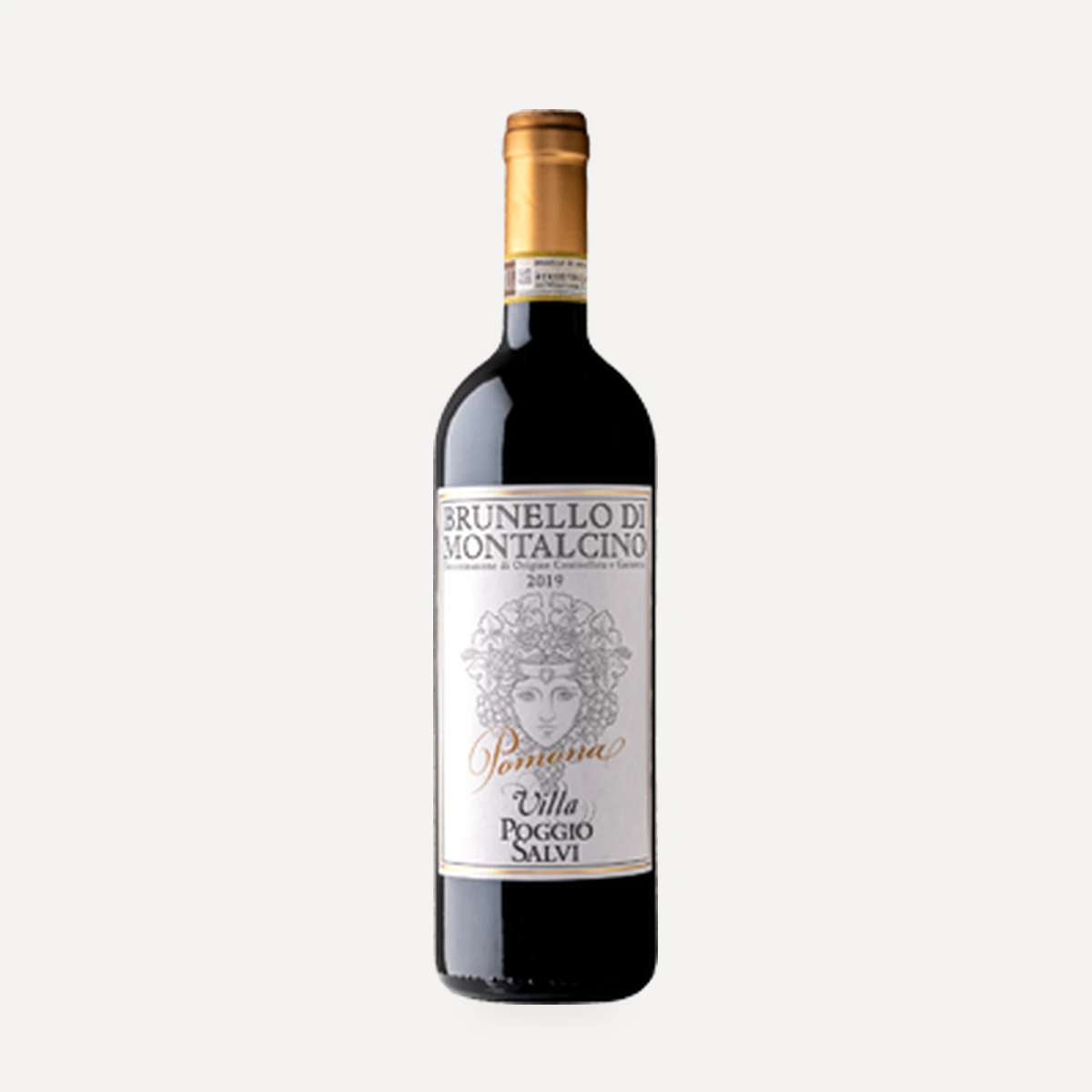
The 2017 release is identified by a gold-and-grey label.