Storia
Historical roots
The locality of Poggio Salvi was associated with wine long before the modern estate took shape. Records preserved in the Historical Archives of the Municipality of Montalcino identify the place as being known for its wines in the 16th century; those wines were served at the tables of prominent figures.
1979: purchase and reconstruction
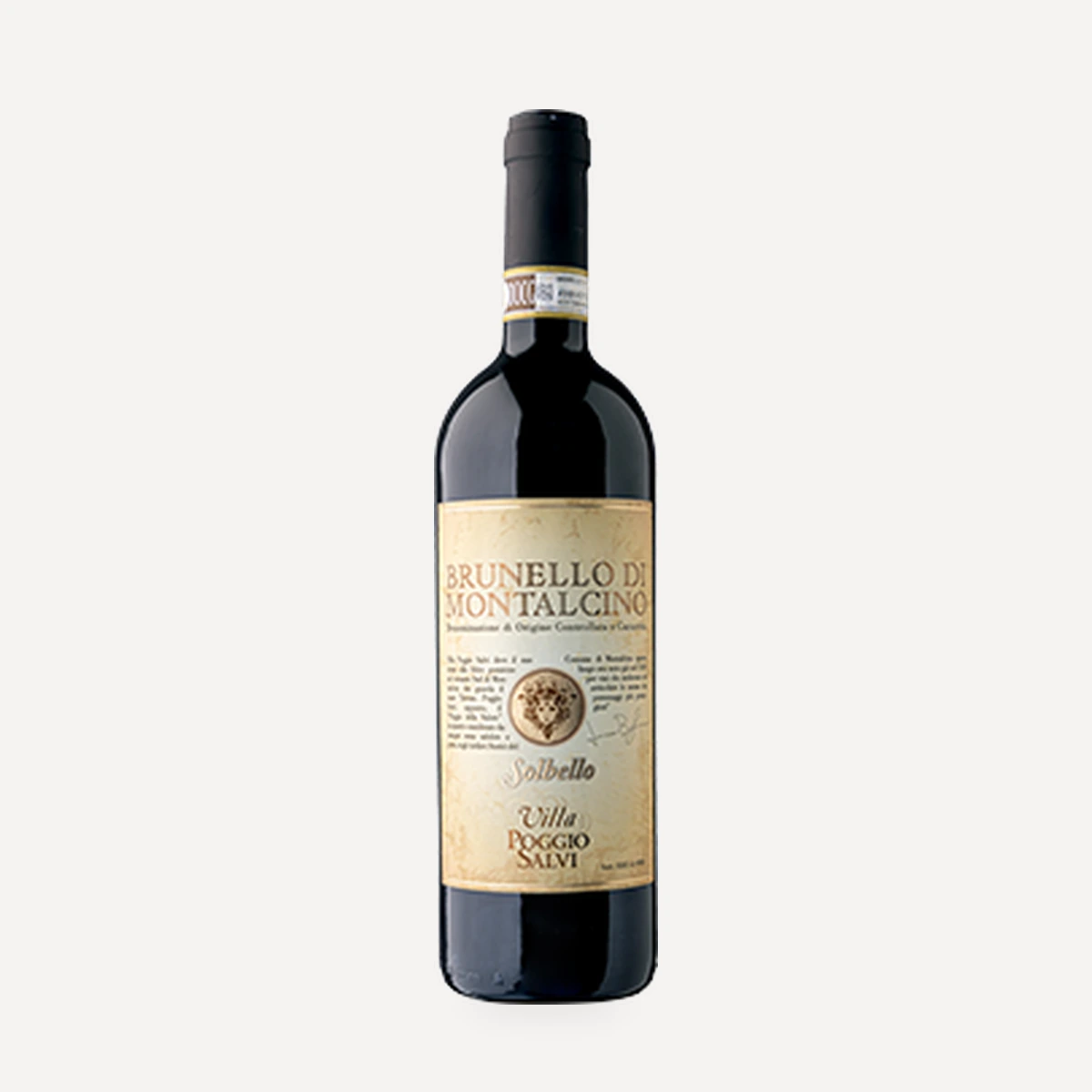
Engineer Pierluigi Tagliabue, drawn to the surrounding landscape, purchased the company in 1979 and began restructuring the estate. That year also established the visual identity still associated with Villa Poggio Salvi: the first labels carried the face of Pomona, drawn by the then-young Maurizio di Robilant.
The cellar has undergone successive enlargements since 1979. These developments transformed it into a large, modern structure beneath the villa while maintaining a close architectural relationship with the contours of the land.
1990: the cellar concept
Architect Enric Miralles, Pierluigi Tagliabue’s brother-in-law, drew the initial cellar concept in the sitting room of Villa Poggio Salvi in 1990. The present complex was subsequently developed by Pierluigi’s daughter, architect Benedetta Tagliabue, through EMBT—Enric Miralles Benedetta Tagliabue. Its functional spaces encompass fermentation, maturation, bottling and storage.
1998: Casavecchia
In 1998 the company added Casavecchia, an estate in the Chianti area. It became the production base for Chianti Colli Senesi and for Tosco and Lavischio, two Toscana IGT wines based on Sangiovese and Merlot.
Family continuity and contemporary identity
Villa Poggio Salvi is now directed by Pierluigi Tagliabue together with his grandson, winemaker Luca Belingardi. The Montalcino holding comprises 21 ha of vineyards planted entirely with Sangiovese Grosso clones.
The Pomona emblem has appeared across the labels from 1979 onward. A later redesign was entrusted to the Milan studio Robilant, reconnecting the contemporary identity with Maurizio di Robilant’s original 1979 drawing. Beginning with the 2015 vintage, a redesigned Brunello di Montalcino label commemorated 40 years of Villa Poggio Salvi. In 2026, Chianti Colli Senesi Caspagnolo also received a contemporary new presentation while retaining its established identity.
Terroir
Villa Poggio Salvi lies on the southern side of Montalcino, facing toward the Tyrrhenian Sea. Its Montalcino vineyards occupy elevations between 300 and 500 m. The Italian description characterizes the soils as rich in galestro.
Breezes arriving from the Tyrrhenian Sea help shape the vineyard microclimate. The estate is surrounded by dense holm-oak woodland and Mediterranean scrub, whose scents are part of the character associated with the locality. The clean air and healthy setting historically attracted people arriving from the Maremma, who sought refuge from less salubrious areas.
The name Poggio Salvi means “Healthy Poggio” or “Hill of Health,” reflecting the longstanding reputation of the place as pure and healthful. The cellar’s architecture follows the natural curves and movement of the ground, placing the production complex in direct physical continuity with this landscape.
Vinificazione
The Montalcino vineyard holding comprises 21 ha planted entirely with selected clones of Sangiovese Grosso. Villa Poggio Salvi presents its agricultural activity under the SQNPI integrated-production mark. Its philosophy places the vineyard at the origin of wine quality, with cellar work intended to guide rather than obscure what the growing season provides.
A large modern cellar lies just below the villa. Its architecture follows the natural contours of the terrain, integrating the building into the surrounding landscape. The original concept was sketched by Enric Miralles in 1990, and the current structure was developed by Benedetta Tagliabue with EMBT after successive expansions beginning in 1979.
The interior is organized into dedicated areas for fermentation, maturation, bottling and storage. Traditional practice and modern facilities are intended to work together throughout these stages. A defining element is the maturation of Sangiovese Grosso in large-capacity oak casks, maintaining the historical approach associated with the estate while allowing each vintage’s particular characteristics to remain evident.
Filosofia
Villa Poggio Salvi defines its approach as the production of traditional wines through modern methods. Its central principle is that wine originates in the vineyard; once the fruit reaches the cellar, it should be accompanied with knowledge and sensitivity to the characteristics of the individual vintage.
The estate links its forward-looking structure and technical capabilities with respect for the past. In practice, this is expressed through an emphasis on the restrained elegance of Sangiovese Grosso and its maturation in large oak casks according to historical tradition. Family continuity is represented by the joint direction of Pierluigi Tagliabue and his grandson, winemaker Luca Belingardi.
Vini
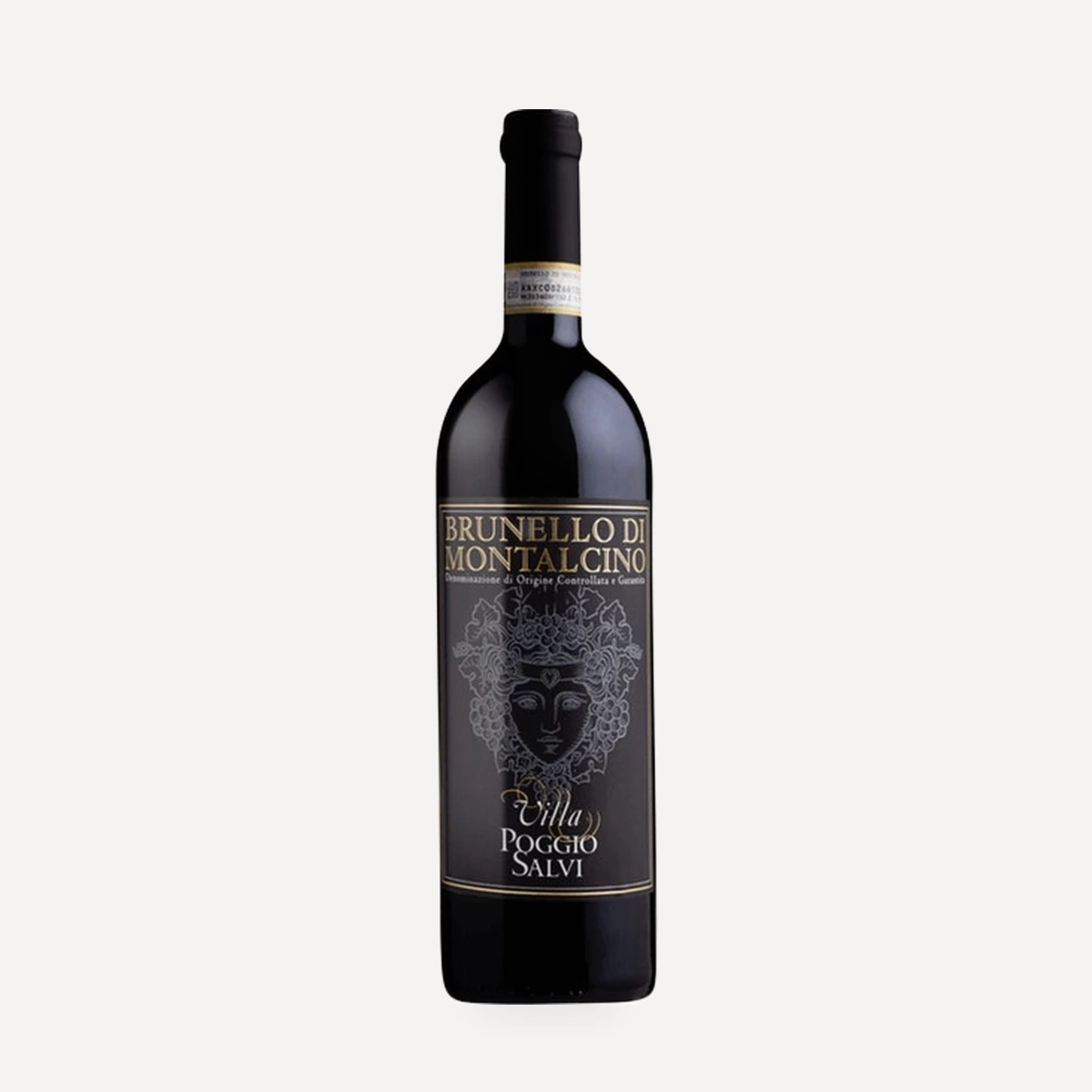
Brunello di Montalcino Annata DOCG
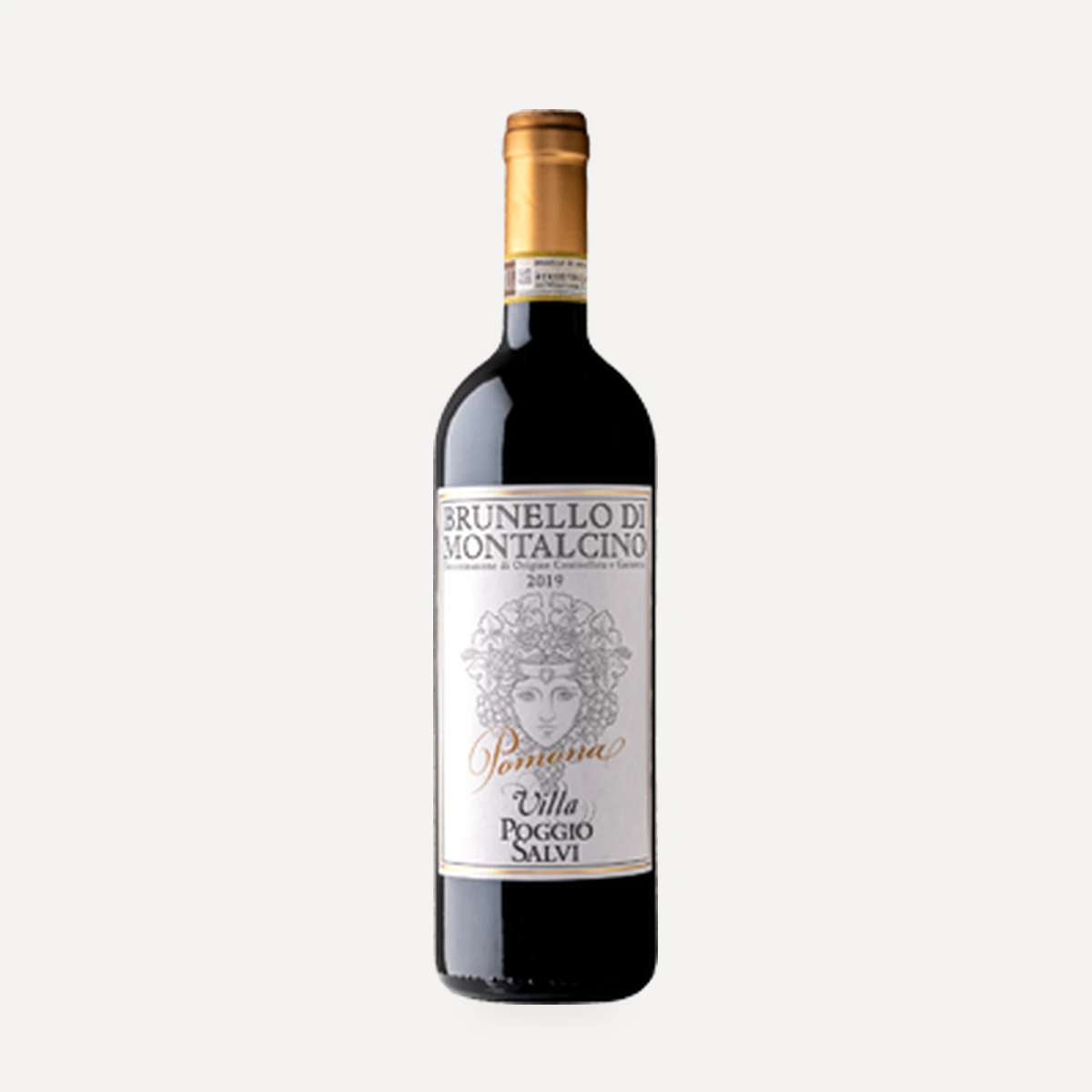
Brunello di Montalcino Cru - Pomona DOCG
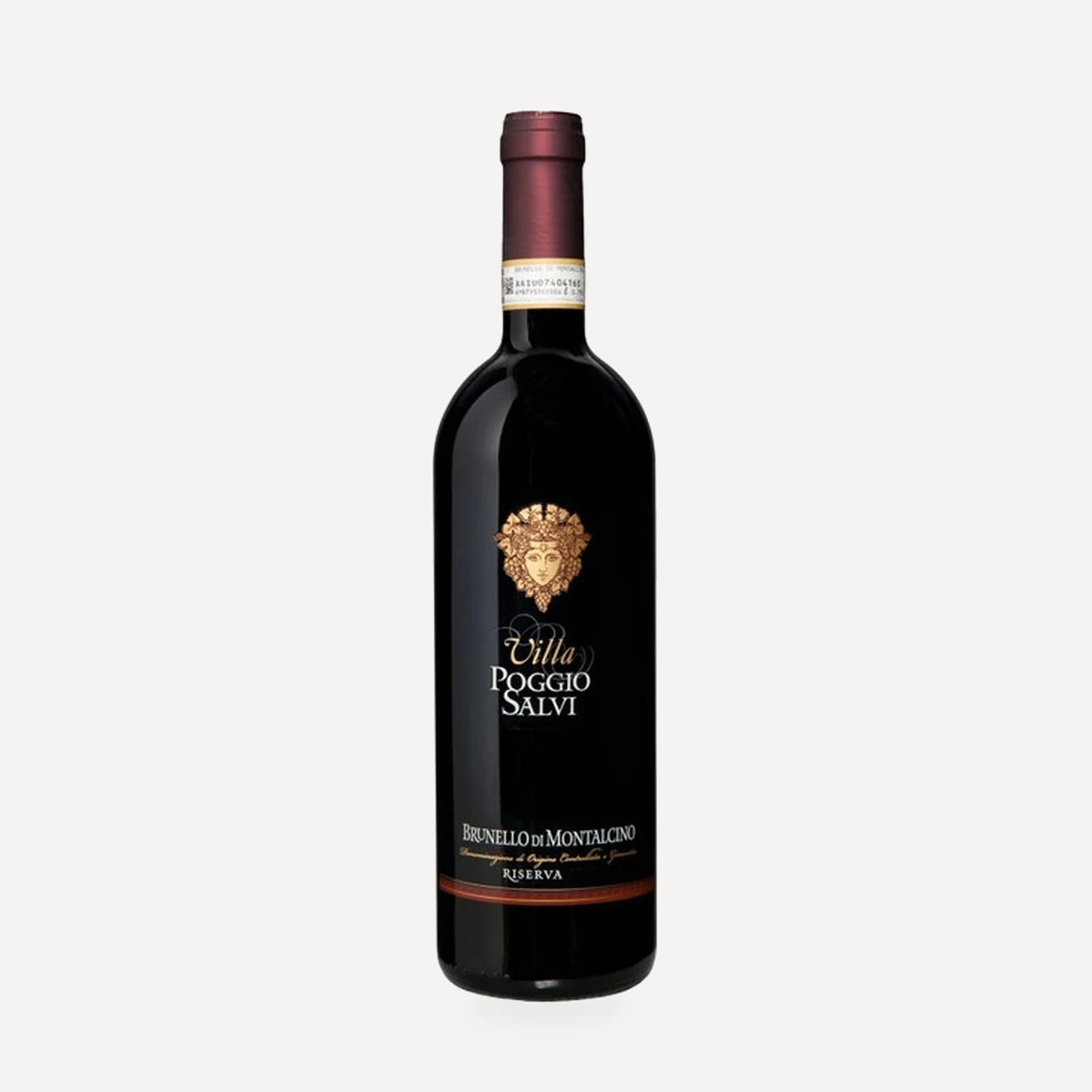
Brunello di Montalcino Riserva DOCG
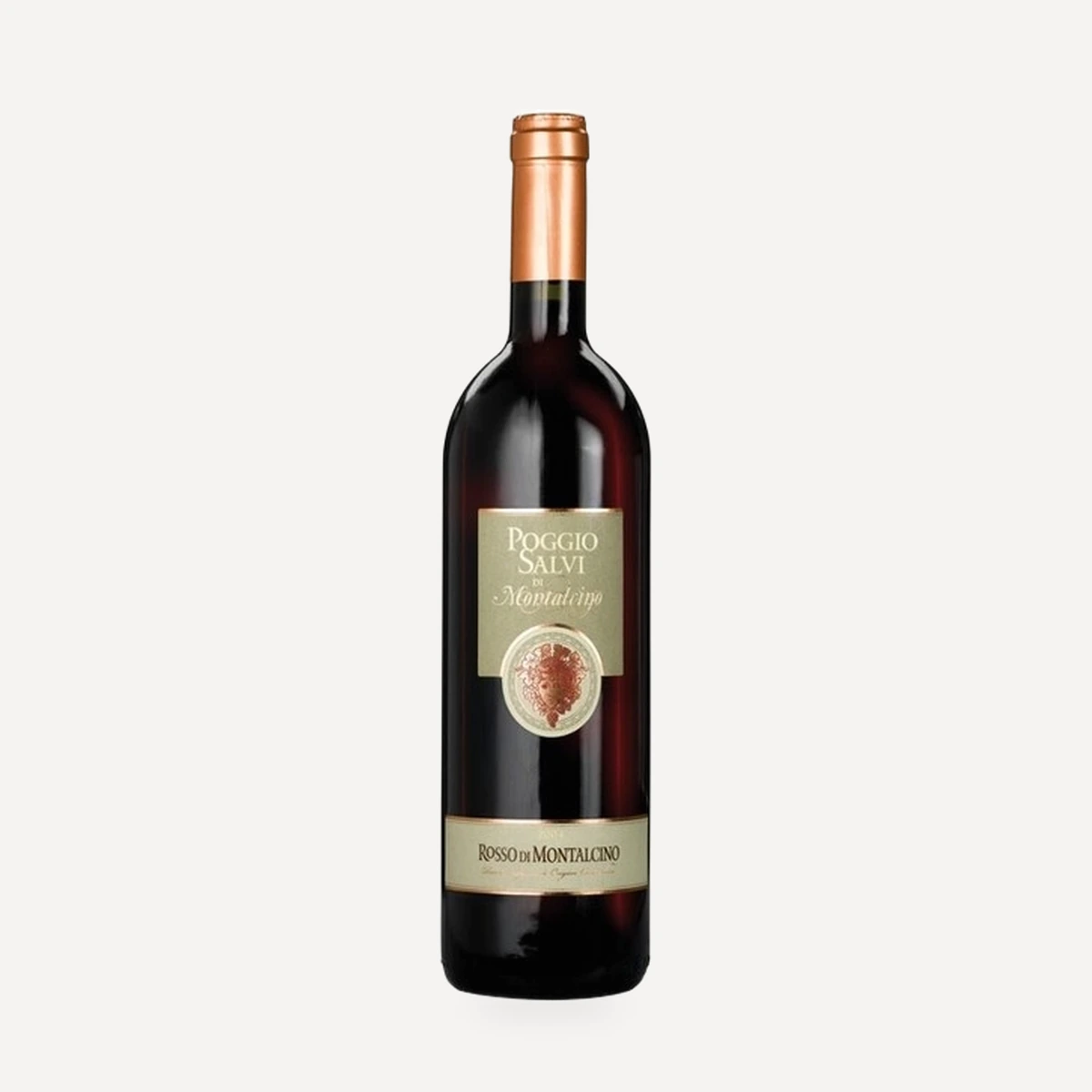
Rosso di Montalcino DOC
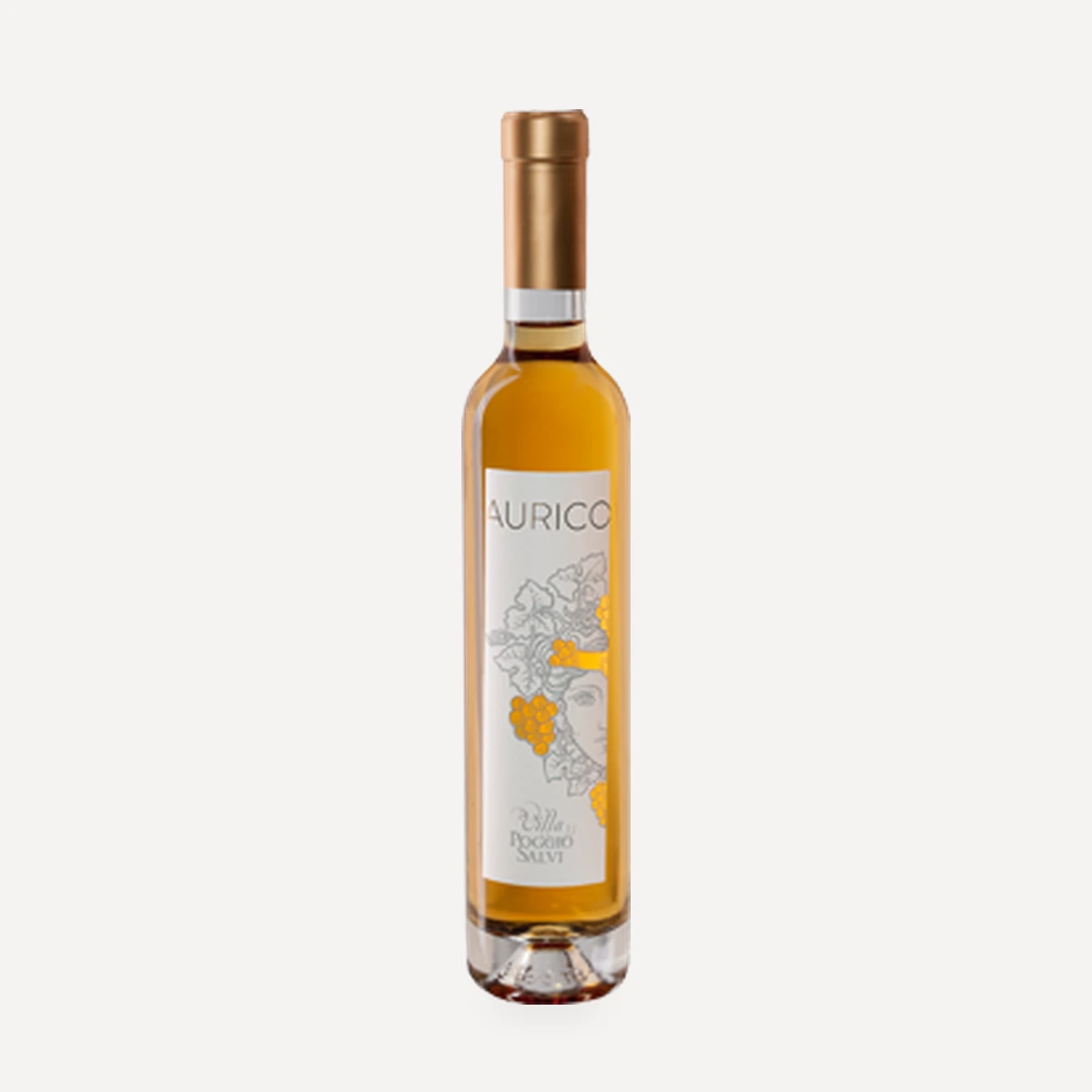
Aurico - Moscadello di Montalcino DOC
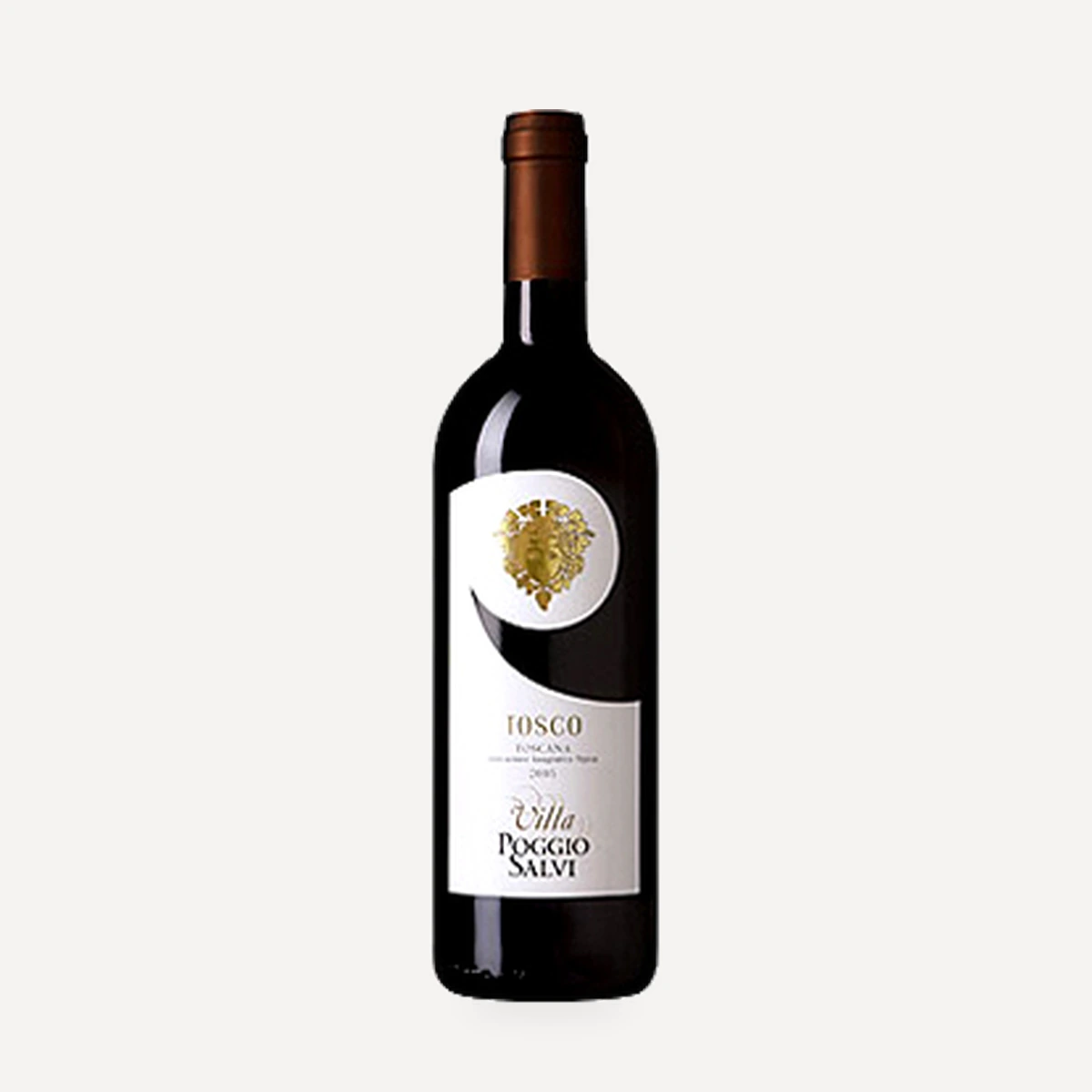
Tosco - Toscana Rosso IGT
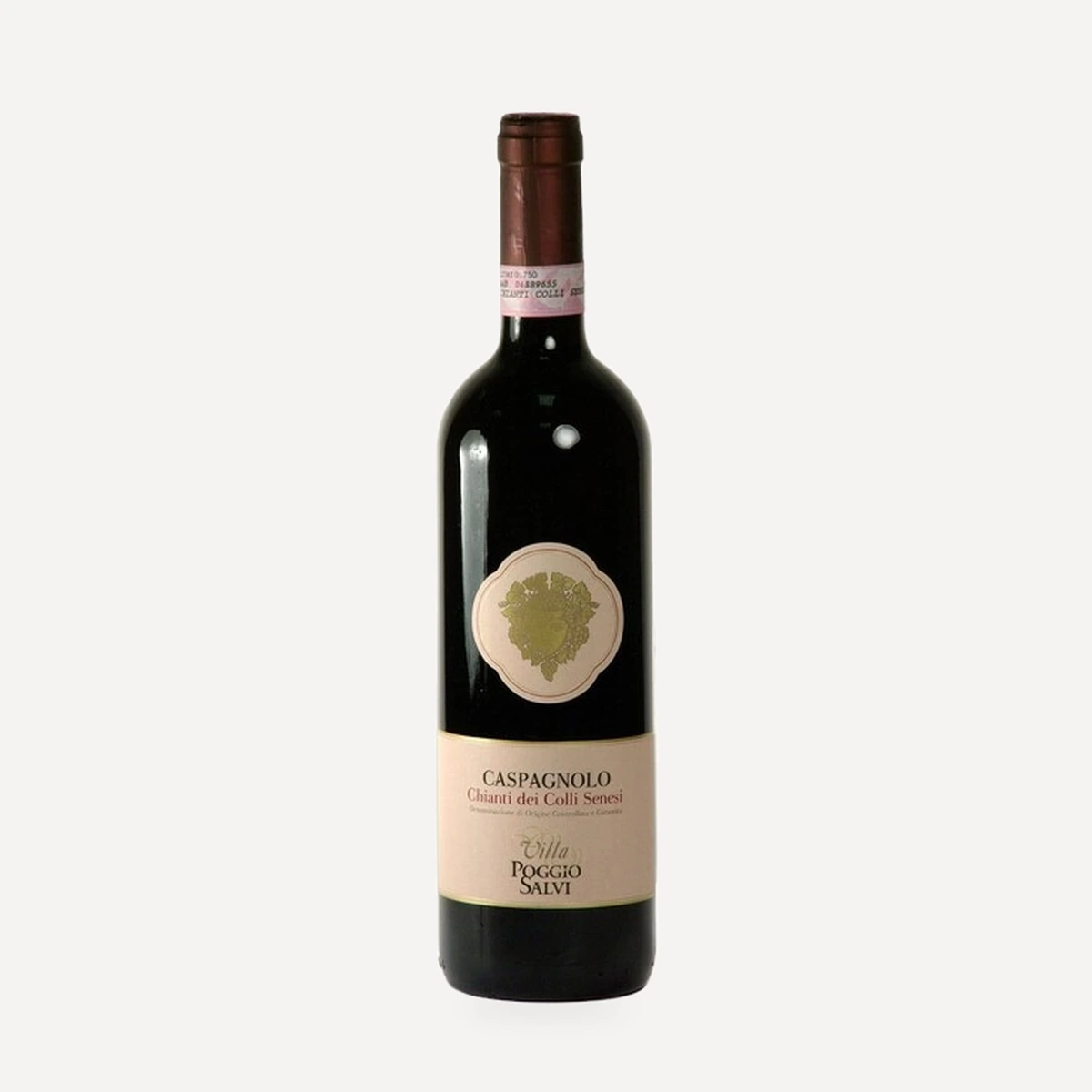
Caspagnolo - Chianti Colli Senesi DOCG
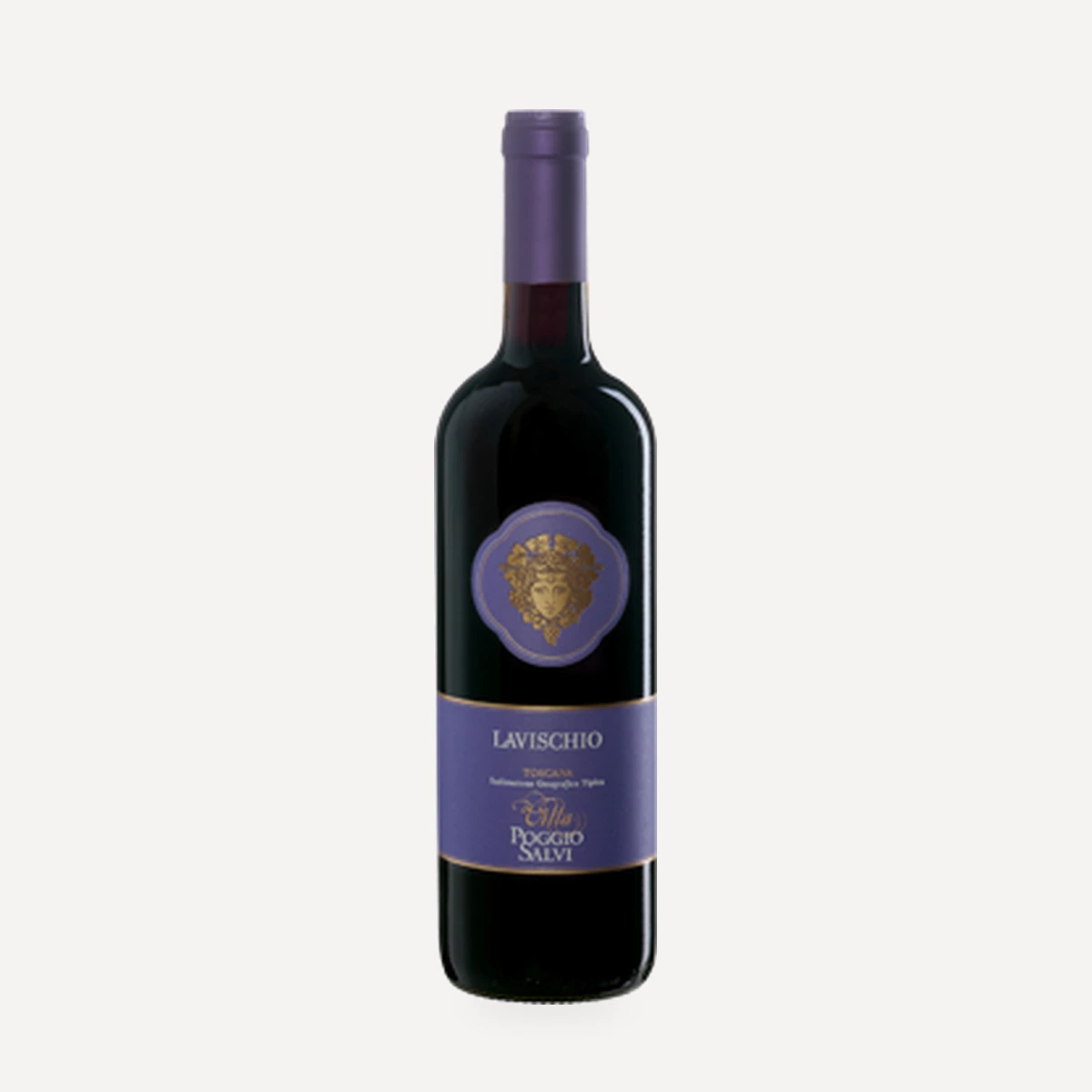
Lavischio - Toscana Rosso IGT
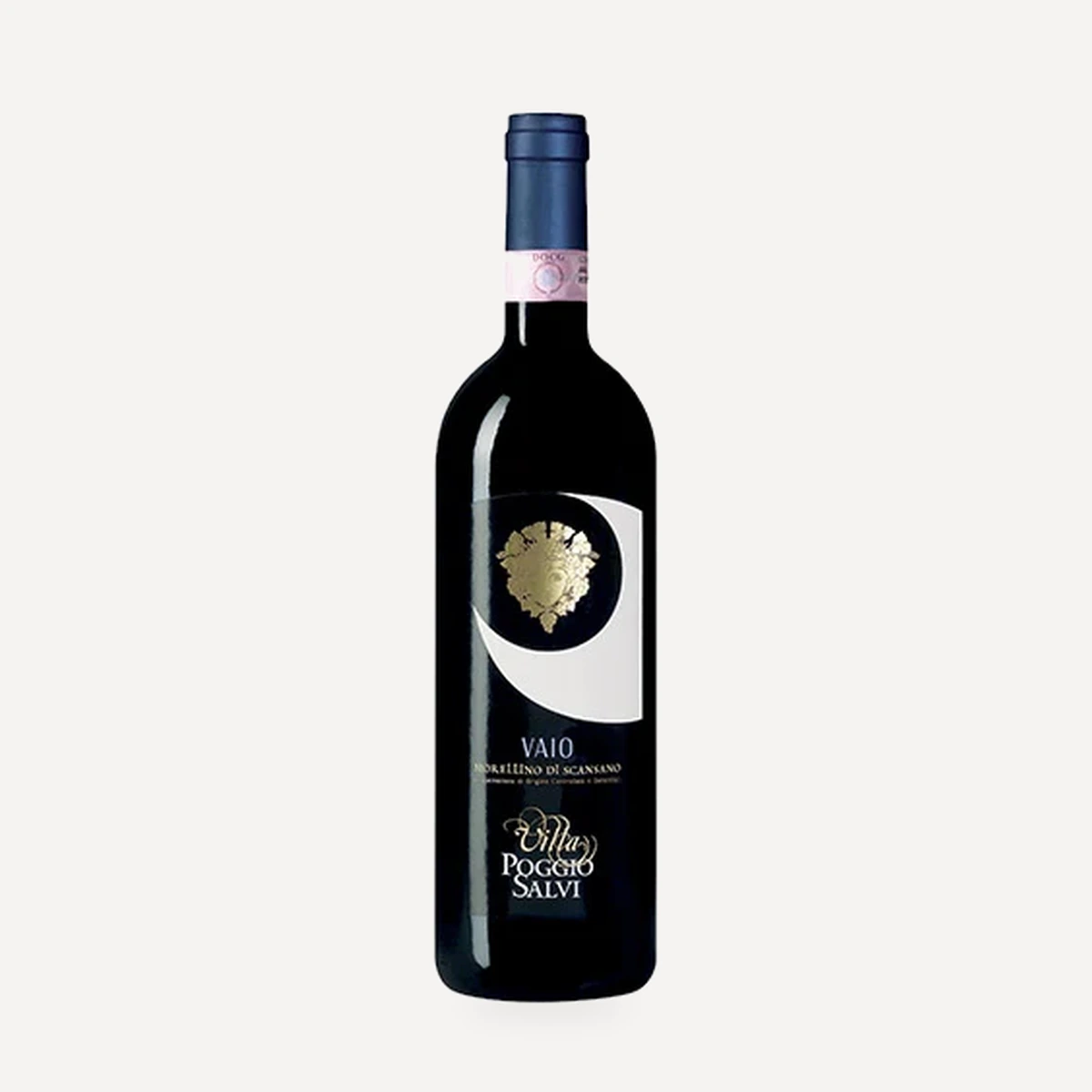
Vaio - Morellino di Scansano DOCG
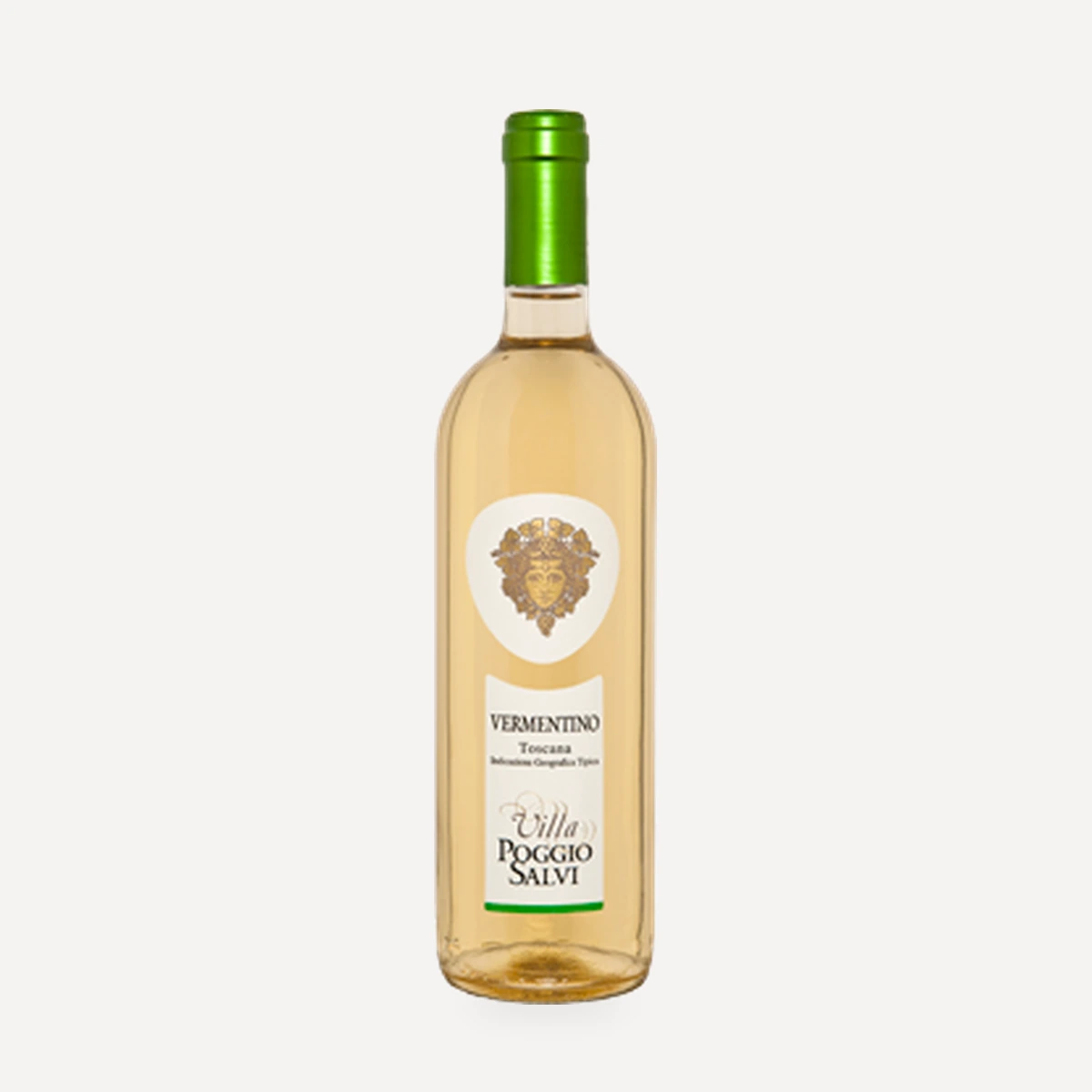
Vermentino - Toscana Bianco IGT