Storia
Origins and the seventeenth century
The Pallavicini family traces its long history to the thirteenth century. Its established presence in Lazio dates from the second half of the seventeenth century, associated with Cardinal Lazzaro Pallavicini and Stefano Pallavicini. The family subsequently included several cardinals, Pope Clement IX and Francesco Pallavicini, one of Rome’s first mayors after the city became the capital of Italy.
Principe Pallavicini identifies 1670 as the beginning of its winegrowing tradition. In that year Giovanni Battista Rospigliosi married Maria Camilla Pallavicini, a niece of Niccolò. The family’s longstanding holdings came to include properties around Rome, Colonna, Gallicano and Cerveteri.
Palazzo Rospigliosi Pallavicini
In 1704 Giovanni Battista Rospigliosi and Maria Camilla Pallavicini acquired the Palazzo del Giardino at Monte Cavallo. It became the residence of the Rospigliosi Pallavicini family and remains in family ownership.
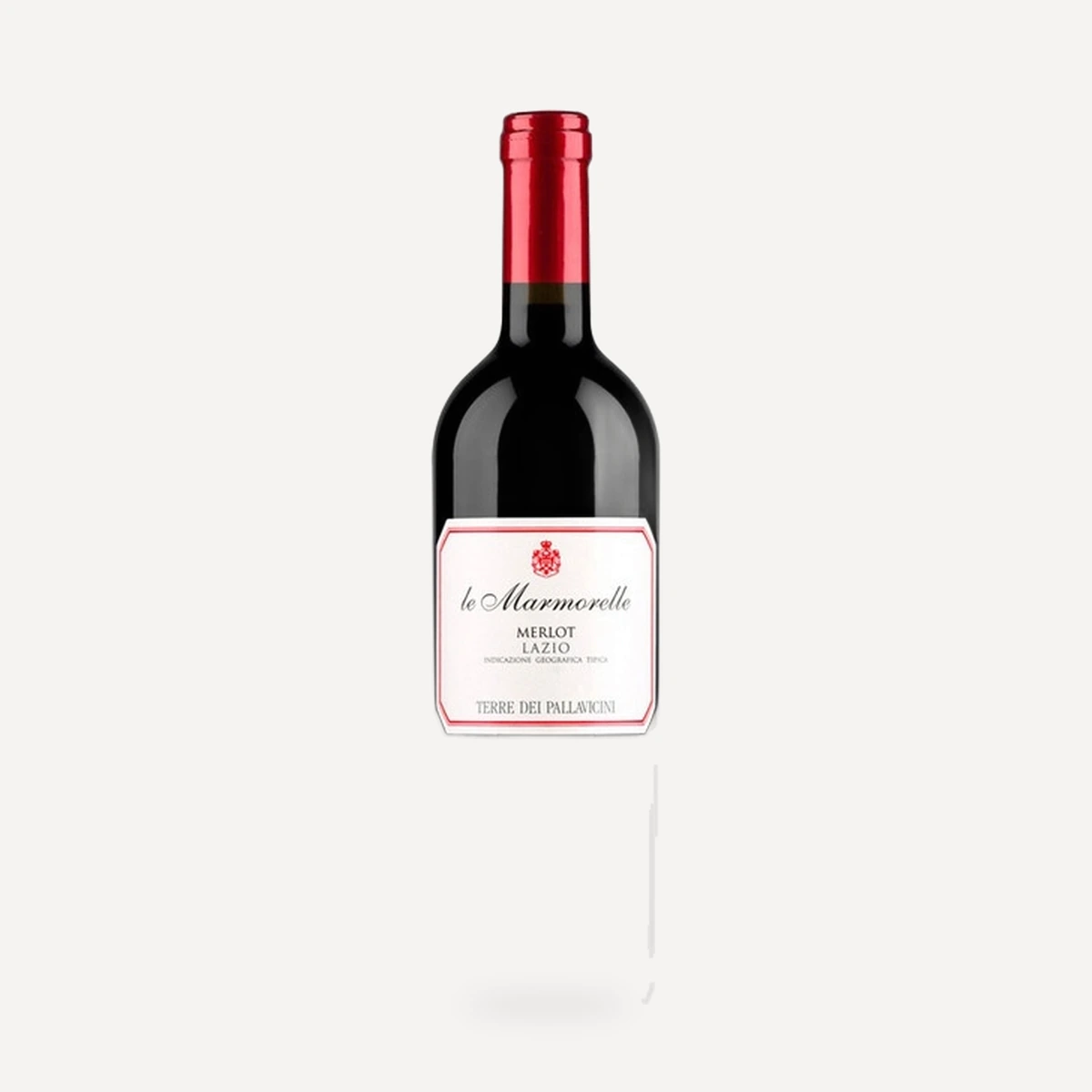
Documents preserved in the historical archives of Palazzo Pallavicini record the family’s supply of wine to the Vatican and to the English royal household. The holdings associated with wine production included the Colonna estate known as Marmorelle and an estate at Cerveteri.
The 2016 production project
A new production project began in 2016 under Don Sigieri Diaz Pallavicini, son of Princess Maria Camilla. Its premise was that improvement required openness to change. A new winery for white and red wines was created with conical, Lem-type stainless-steel vats, allowing every vineyard to be vinified separately. The objective was to study the character and potential of individual sites while raising quality throughout the range, with particular attention to the local Malvasia Puntinata and Cesanese varieties. The complete wine range was also reconsidered and its packaging redesigned.
Changes within the range
In 2018 the estate began its sparkling-wine project with Pinot Nero, attracted by the variety’s established suitability for sparkling production. The resulting wine delivered complexity, freshness and aromatic refinement, but the estate sought a stronger expression of Lazio and its own roots. Pinot Nero was subsequently abandoned in favour of Malvasia Puntinata, which became the sole variety for the project.
Casa Romana also evolved from a Petit Verdot and Cabernet Sauvignon blend to pure Cabernet Sauvignon. The change was intended to give the wine a more direct identity and a clearer relationship with the Lazio territory.
Opening the company’s capital
In January 2022 the Pallavicini family admitted new shareholders for the first time in approximately 350 years. Those joining the family included Gabriele Bartolucci, a Luxembourg lawyer specialising in sports law, and Alvise Recchi, an entrepreneur and founder of the international Sodali group. Their shared objective was to strengthen the position of wines from Rome’s vineyards within Italian and international wine culture.
Terroir
Location and landscape
Marmorelle, the largest estate, lies within the Municipality of Rome near Colonna. It occupies a historically important position in the Castelli Romani, between Rome and the edge of the crater belt of the Lazio volcano. Most of the estate’s vineyards and olive groves are concentrated here.
The vineyards stand at 200–230 metres above sea level. From them, the surrounding settlements of Montecompatri, Rocca Priora, Colonna, Monteporzio, Tivoli, Sant’Angelo Romano and Monte Celio are visible, as is Rome and the dome of St Peter’s Basilica.
Climate
The climate is mild. Winters are rarely severe, while maritime winds temper the summer heat.
Volcanic soils
The soils are volcanic and have predominantly alkaline-potassic chemistry. Their fertility is associated with elevated concentrations of potassium, magnesium, sodium and sulphur. A porous structure permits air movement and supports oxidation of organic matter.
Other vineyard soils are described as well structured and moderately deep, with a substantial lapilli component. These conditions accommodate Cabernet Sauvignon, Merlot, Petit Verdot and especially Cesanese.
Active Roman basalt quarries border the Marmorelle vineyards, providing visible evidence of the volcanic geology. Basalt—the solidified lava of the volcano—has long been used for Roman road paving, including sanpietrini. A compact grey volcanic rock called peperino, locally known as sperone, is also extracted nearby.
Vinificazione
The vineyards are trained in rows using Guyot and spurred-cordon systems. Vine age extends from 7 years to more than 70 years. Planting density is approximately 4,000 vines per hectare for white varieties and 5,000–7,000 vines per hectare for reds.
The white-variety plantings are led by Malvasia Laziale, Malvasia di Candia, Trebbiano Toscano, Greco, Grechetto and Bombino. Smaller plots broaden the varietal base with Chardonnay, Incrocio Manzoni, Traminer, Riesling, Semillon Blanc and Falanghina. Cabernet Sauvignon, Merlot, Petit Verdot and Cesanese are planted on structured, moderately deep soils with abundant lapilli; these red varieties are suitable for separate varietal vinification.
A purpose-built winery handles both white and red production. Its conical Lem-type stainless-steel vats make it possible to vinify each vineyard separately. This parcel-by-parcel structure is intended to reveal the distinctive character and potential of individual vineyards rather than treating the estate as a single undifferentiated source.
The winery project was designed to raise quality across the portfolio, with particular emphasis on the local Malvasia Puntinata and Cesanese varieties. It was accompanied by a reconsideration of the complete range and a redesign of the packaging.
Filosofia
Principe Pallavicini presents wine as a meeting of historical knowledge and contemporary practice. Its guiding ambition is to turn knowledge into experience, tradition into taste and elegance into authenticity.
The production approach begins with careful selection of grapes from suitable territories and follows each variety through maturation with the aim of preserving its identity. Quality, balance and varietal character take precedence, while every stage from selection to vinification is treated as part of a continuous creative process.
The 2016 project expresses a belief that growth and improvement require openness to change. Modern cellar equipment is used to understand individual vineyards more precisely, while Malvasia Puntinata and Cesanese provide an explicit link to Lazio’s viticultural identity. Changes to the sparkling-wine project and Casa Romana similarly reflect a preference for clearer territorial and varietal expression.
The declared values are authenticity, elegance and passion, together with the idea of wine as a shared cultural language capable of connecting different generations and sensibilities.
Vini
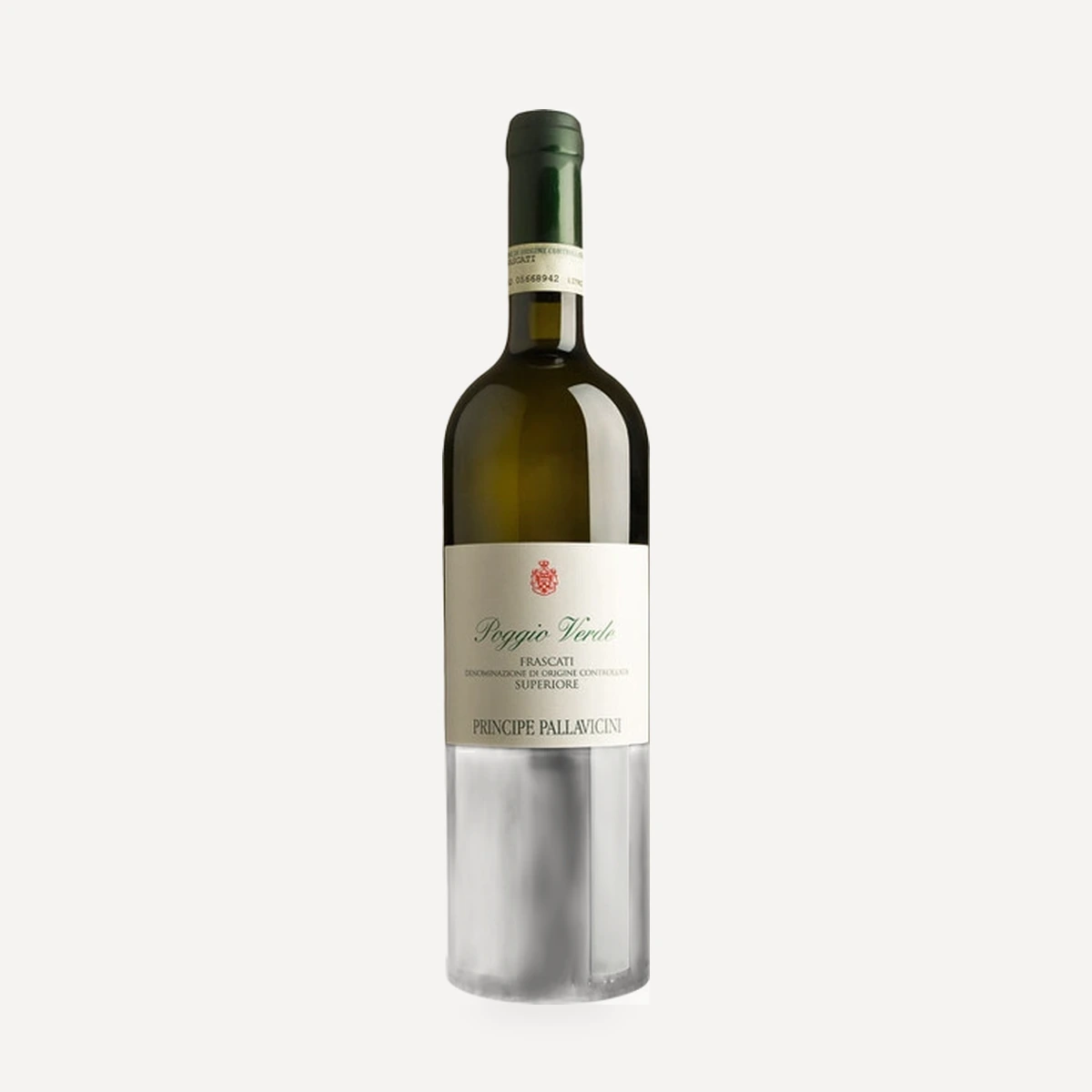
Poggio Verde
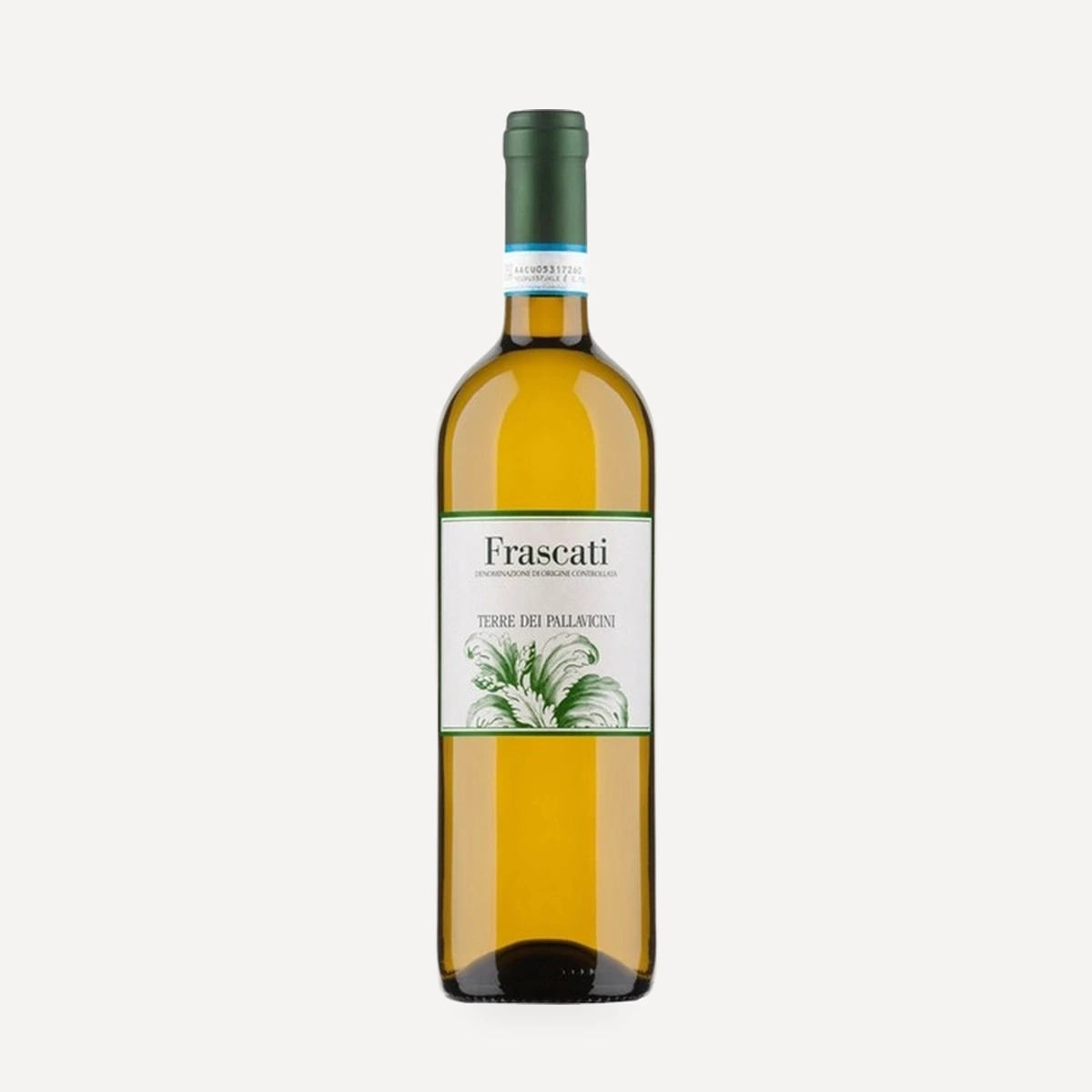
Frascati DOC
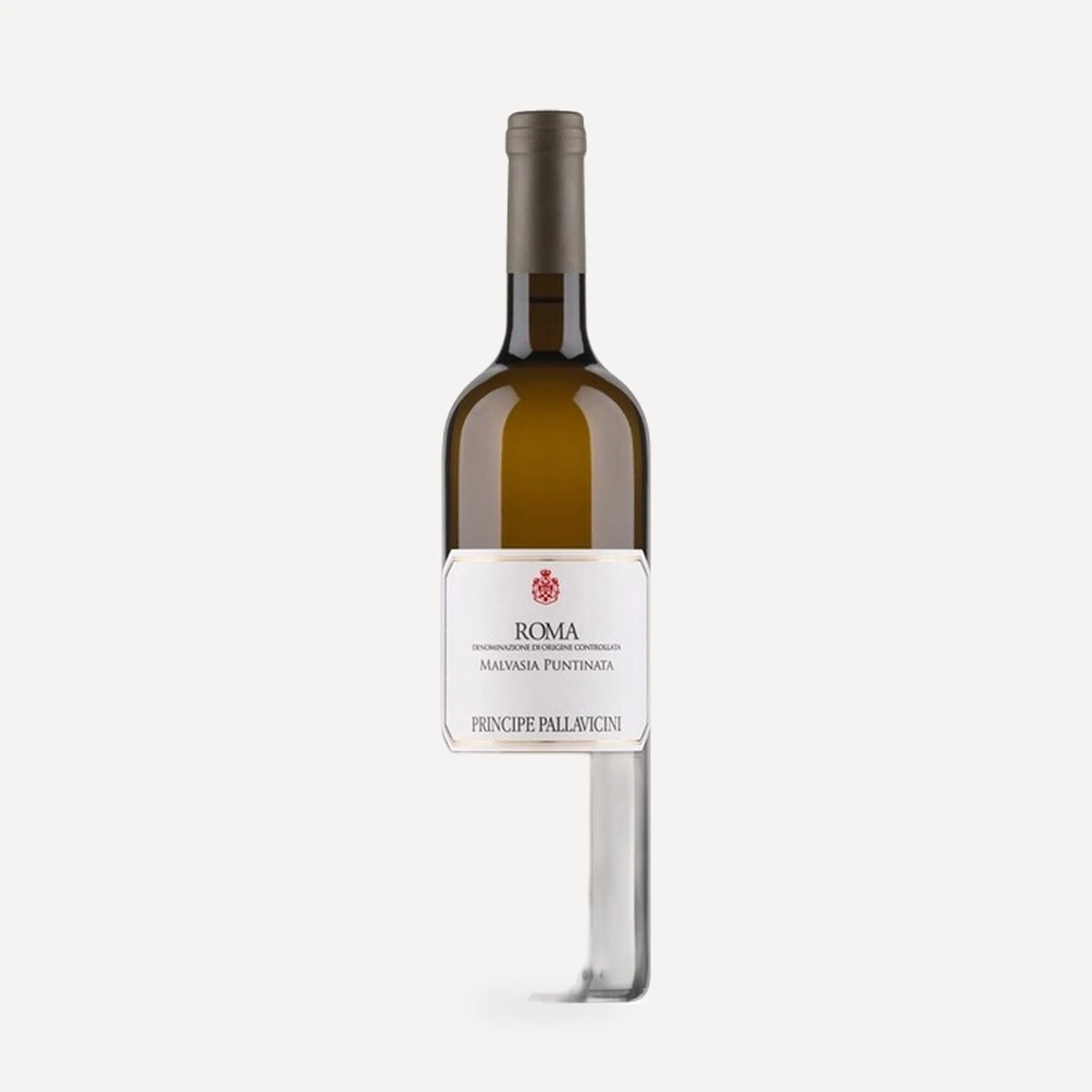
Roma DOC