Storia
Regional heritage
The Maremma has supported winegrowing since Etruscan times. Its longstanding varieties include Ciliegiolo, Alicante and Ansonica, while Procanico, Nocchianello, Duropersico and Verdello have become increasingly scarce. During the half-century preceding Ranchelle’s creation, many old mixed vineyards were removed and replanted with international grapes—including Merlot, Cabernet, Chardonnay, Syrah, Sauvignon and Viognier—or more widespread Italian varieties such as Sangiovese and Vermentino.
One important survivor was Millocchio, a mixed vineyard planted more than 60 years ago on a hillside above Poggio Murella. Its interplanted red and white vines preserve a broad collection of historic varieties and make it one of the Maremma’s few remaining traditional field-blend vineyards.
Preparation of the new vineyards, 2013–2014
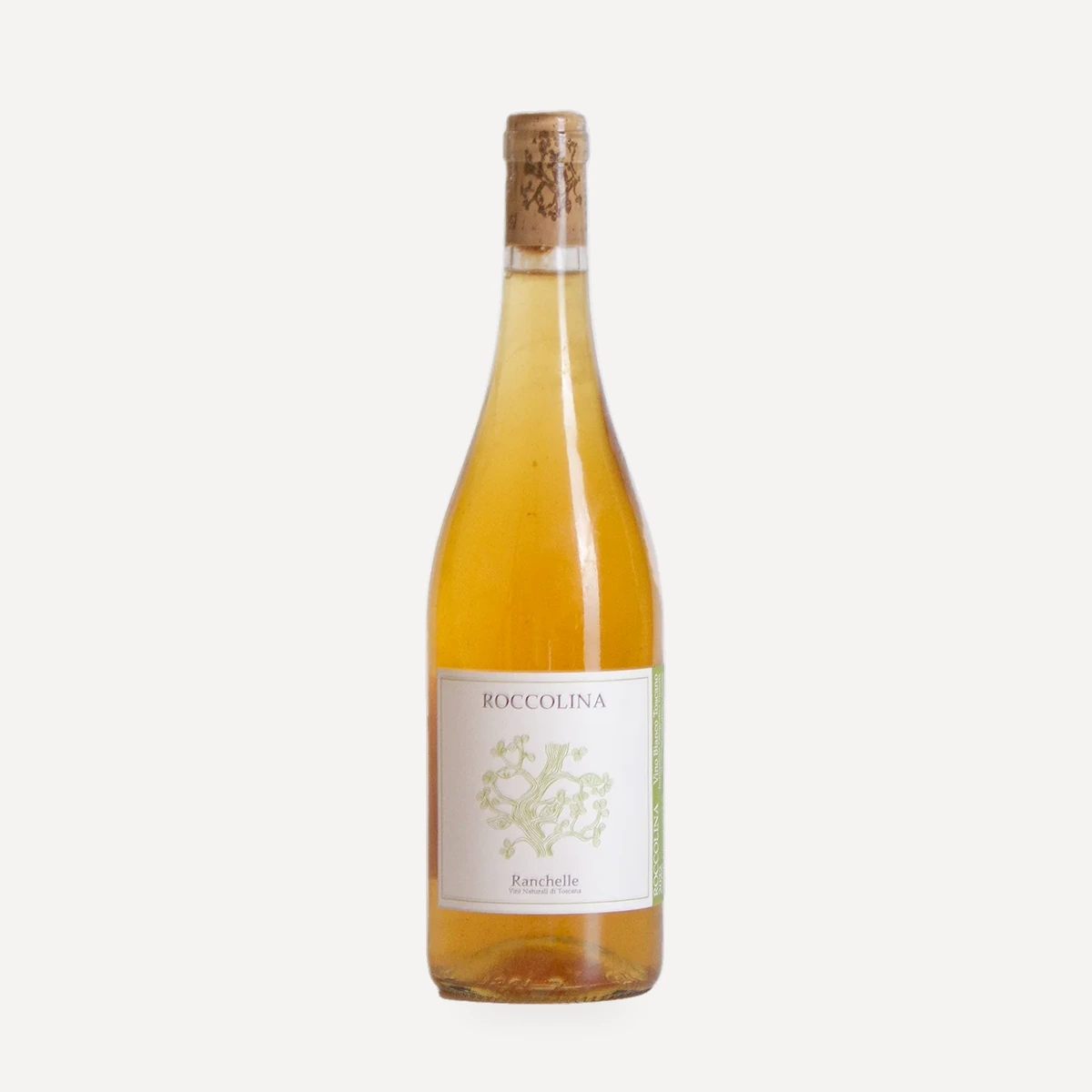
The ground later planted as Pergolacce and Roccolina had previously grown cereals and legumes. Green manure was sown in 2013, followed by deep soil preparation in 2014. Pergolacce had supported barley, spelt, peas and clover; Roccolina likewise occupied former arable ground.
Foundation in 2014
Christoph Fischer founded Ranchelle in 2014 to safeguard and restore the Maremma’s traditional grape heritage through natural winegrowing and winemaking. A German who had lived in Italy for many years, he focused on the hills around Poggio Murella after recognizing the value of their abandoned old vineyards and disappearing native varieties.
The winery concept was developed by ampelographer Enrico Bachechi. His knowledge of rare varieties, massal selection and historic vine collections shaped the project’s conservation work. Ranchelle took over Millocchio and set out to establish another three hectares of indigenous grapes, divided approximately equally between white and red varieties.
New plantings in 2015
Pergolacce and Roccolina were planted in 2015 with massal-selected material rather than uniform clones. Pergolacce received Alicante and Ciliegiolo, using grafting material from historic Maremman vineyards, notably that of Antonio Camillo.
Roccolina was planted with Procanico, Clairette or Francesino, Riminese or Duropersico, Nocchianello Bianco and Verdello. Its propagation material came from historic vineyards in Pitigliano, Gradoli, Manciano and Saturnia associated with Italo Ferri, Gianmarco Antonuzi, Antonio Camillo and Ugo Piccolo. The parcel retains the name recorded for the area on old cadastral maps.
Poggio Mattio and oenological consultancy, 2016
Poggio Mattio was planted in 2016 on land that had remained uncultivated for several years. The 1.5-hectare ridge vineyard was divided between Ansonica and the red varieties Alicante, Aleatico, Mammolo and Buonamico, all propagated by massal selection from historic Maremman vineyards.
Marco Giordano joined Ranchelle as oenological consultant in the same year. His work has focused on spontaneous fermentation with indigenous yeasts, minimal cellar intervention and the expression of the Maremma’s historic varieties.
The present project
Ranchelle now works four named vineyards around Poggio Murella and produces approximately 8,000 bottles annually. The old Millocchio field blend and the younger massal-selected parcels form a conservation project as well as the agricultural basis of the winery. Vinification takes place in a former village grocery shop converted into a simple, functional cellar.
Terroir
Ranchelle’s vineyards occupy the hills around Poggio Murella in the Tuscan Maremma, close to the Terme di Saturnia. The four parcels range from approximately 350 to 400 metres above sea level and are generally oriented southeast.
The soils combine shale, silt and clay. This composition is described as balanced and well drained; at Roccolina, the soil and 350-metre elevation are associated with freshness, minerality and aromatic lift. Mild air arriving from the coast meets these mineral soils, moderating the hillside environment and supporting a balance between freshness and ripeness.
Poggio Mattio is the highest parcel, at 400 metres. It occupies a panoramic ridge with a 360-degree outlook extending toward the sea at Monte Argentario. Millocchio lies on a hillside immediately above the village, where the old vines have developed deep root systems.
The vineyards are dry-farmed without irrigation. Altitude, soil and exposure give each parcel a distinct role, while coastal influence is particularly associated with freshness in Ansonica.
Vinificazione
Ranchelle works according to organic and biodynamic principles, although no certifying organization or certification date is identified. Synthetic chemicals, herbicides and pesticides are excluded. The vineyards are not irrigated.
Annual sovescio, or green manure, maintains living, fertile soils. Cover crops and spontaneous biodiversity support an ecosystem of soil organisms, insects, plants, microflora and old vines. Copper and sulfur are used only in small quantities—approximately 25% of the amount permitted under organic-farming rules.
Massal selection is central to the younger vineyards. Propagation material was gathered from historic vineyards in different parts of the Maremma and neighboring winegrowing areas, preserving variation within each grape rather than relying on uniform clones. This is intended to maintain genetic diversity, resilience and adaptation to local conditions. The old Millocchio field blend performs a parallel conservation role through its mosaic of co-planted varieties and old genetic material.
Harvesting is manual, using small crates. Work in the vineyards is directed toward healthy fruit suitable for spontaneous fermentation without corrective cellar inputs.
Ranchelle’s cellar occupies a former grocery shop in the village of Poggio Murella. The building has been converted into a simple, functional space for small-scale natural winemaking.
Grapes are harvested by hand in small crates. They are destemmed directly above the fermentation vessels, allowing the must and skins to fall by gravity and avoiding pumping at reception. Fermentations begin spontaneously through the indigenous yeasts found on the grape skins and in the cellar. Fermentation may take place in mastelle, and skin contact can be long or short depending on the grape and intended style.
Gravity is used whenever possible, including during pressing and transfers. When gravity is impractical, a gentle diaphragm pump is used. The cellar does not employ industrial yeasts, enzymes, powdered tannins, acidifiers, stabilizers, clarifying agents or other corrective additives.
Ageing takes place in used oak tonneaux, stainless-steel tanks or fiberglass vats. The wines are neither fined nor filtered. Sulfur additions are generally avoided; nitrogen, an inert gas, protects the wine during racking and bottling. The broader working standard is minimal sulfur, often with none added.
Filosofia
Ranchelle presents natural wine as a continuation of the Maremma’s pre-industrial farming tradition rather than a contemporary trend. Its guiding idea is that natural wine begins in living soil, vineyard biodiversity and healthy grapes long before fermentation starts.
The project seeks to protect old vineyards and nearly forgotten Tuscan and Mediterranean grapes. Millocchio preserves an established mixed planting, while the younger vineyards use massal selection to carry the genetic diversity of historic Maremman vines into new parcels.
In the cellar, the aim is to express grape, soil, season and individual vineyard character with as little intervention as possible. Fermentation is spontaneous, corrective products and processing aids are rejected, and gravity is favored over forceful handling. Vintage and climatic differences are treated as part of each wine’s identity rather than qualities to be masked or recreated.
The winery links natural farming with the integrity of the complete vineyard ecosystem—soil, insects, plants, microflora and vines. Patience, observation and respect for natural rhythms are presented as the foundations of its work.
Vini
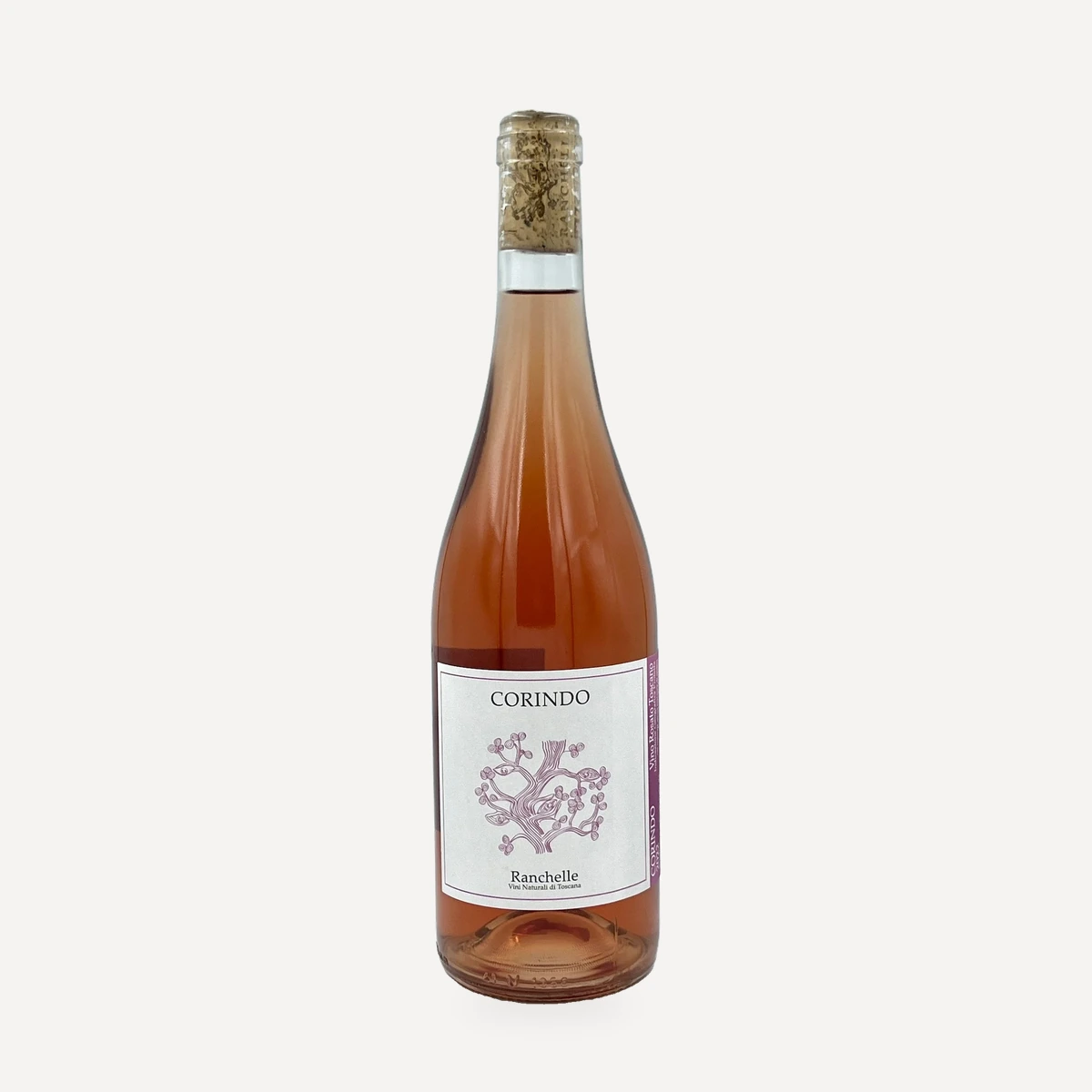
Corindo
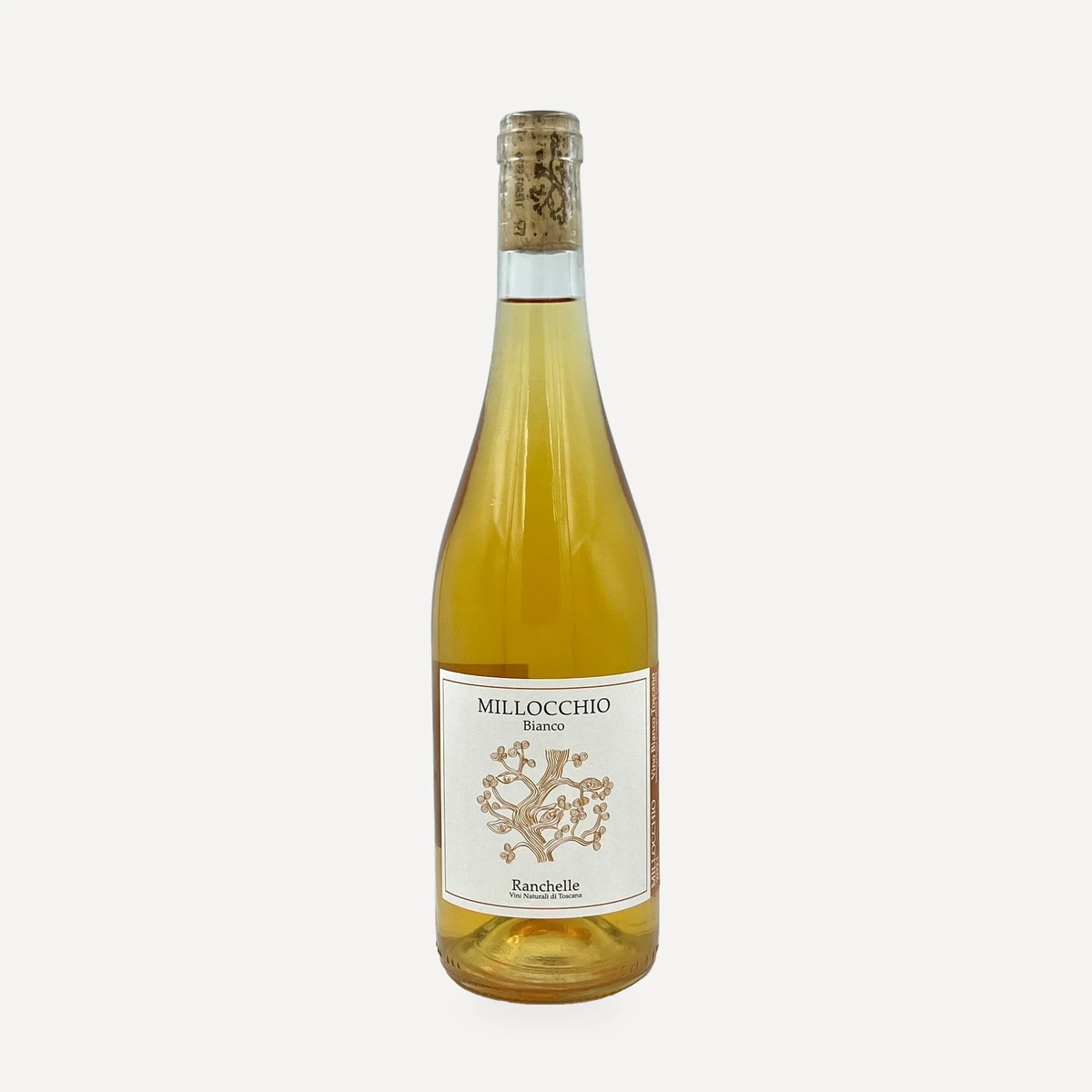
Millocchio Bianco
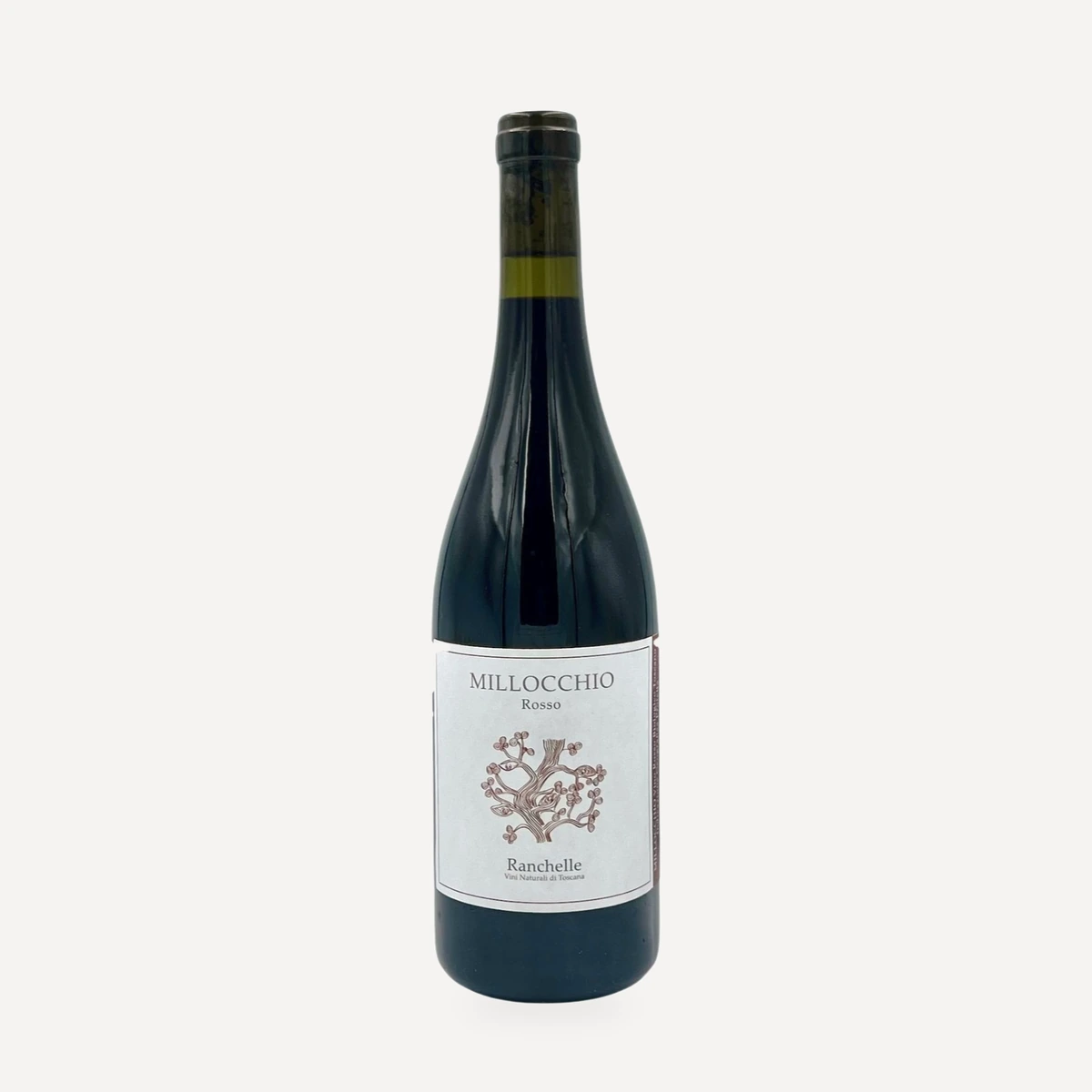
Millocchio Rosso