Storia
Family memories in the vineyards
Riccardo Danielli’s relationship with wine and farming began during childhood in Allerona. His grandfather, known as Rico, worked the land, ploughing with oxen and passing on a deep respect for it. His grandmother gathered chicory and taught the children which wild herbs to collect. Danielli also remembers the isolated Aleatico or Moscato vine that farmers planted at the end of a row and imagines that these rare plants were placed there especially for the children.
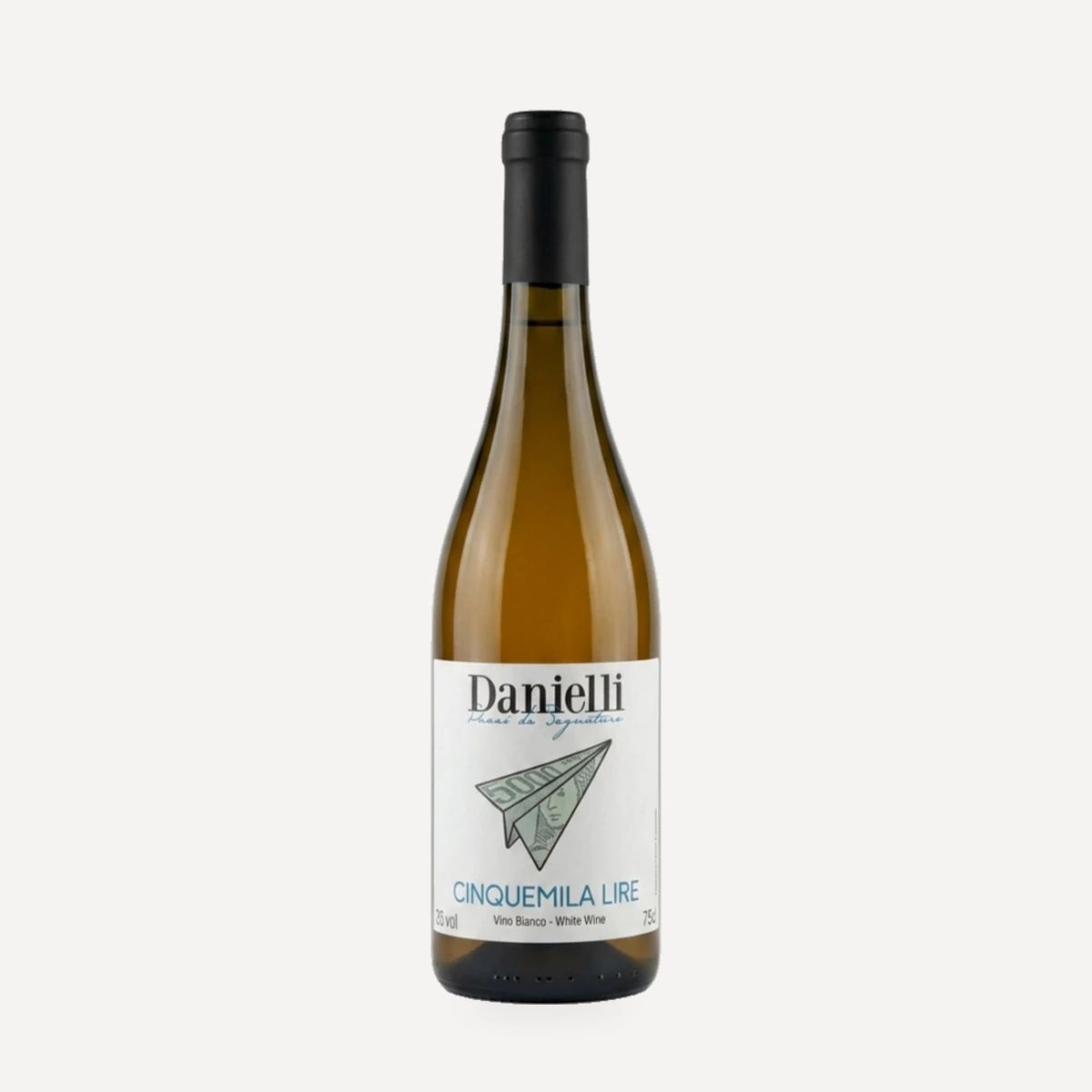
Grandfather Rico encouraged the younger members of the family to spend time in the fields. During harvest, after days that included riding tractors and listening to stories, he offered them 5,000 lire for every capagno, or bucket, of grapes they had picked. When Riccardo tried to refuse the money, his grandfather sometimes threw the banknotes from the terrace, accompanying the gesture with his characteristic loud laugh.
Rainy days shifted family life from the fields to the cellar. While Rico attended to wine in demijohns, racked it or bottled it, the children played at his feet. They made supposedly unsinkable boats from the walnut shells left from his breakfast, fixing toothpick masts with candle wax and fashioning sails from leaves or scraps of newspaper. Once the rain eased, they tested the boats in puddles and newly formed streams.
Return to the vineyard
As an adult, Danielli found a renewed sense of purpose in restoring an abandoned vineyard. The orderly vine rows became a means of ordering his own thoughts, while working the soil reconnected him with family memories and his childhood. He describes the vineyard as both his workplace and his daytime home.
The work includes hoeing the clay soil and caring for it without synthetic chemical products. Danielli associates this labour with patience and perseverance, regarding the vineyard as a place where the past remains present but where ideas for the future also emerge.
A new life in the cellar
Cellar work has accompanied Danielli through the winters and has become an essential part of his personal renewal. The present cellar holds wines as they develop slowly in vats and becomes a meeting place during harvest, where friends discuss the wine of the coming vintage. Danielli sees each vintage as a separate story and simplicity as the defining character of his cellar.
Terroir
The vineyards are associated with Allerona, among the green hills of Umbria. The surrounding landscape includes vineyards, olive trees and unpaved country roads.
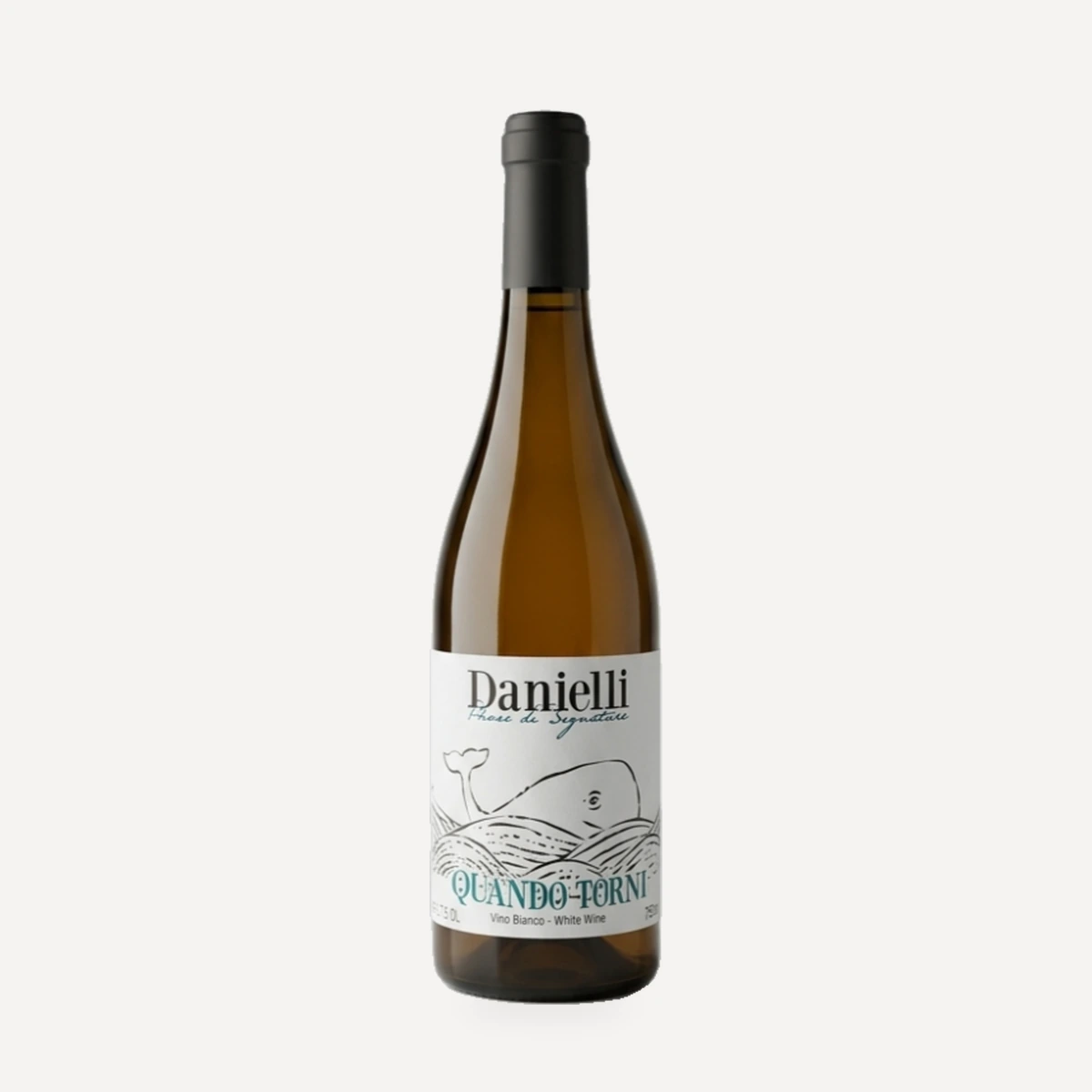
The vineyard soil is described as clay, while the broader ground evoked through the Balena narrative contains both sand and clay. Seashells encountered in the fields connect the place to the remembered story of a Pliocene sea whose seabed once occupied the land. This marine imagery presents today’s hills as the former waves and floor of that ancient sea.
Sun and rainfall are the climatic forces specifically reflected in the vineyard narrative. Danielli describes seeking a balance between the beneficial effect of sunshine and the impact of excessive rain.
Vinificazione
Danielli hoes and tends the clay soil without synthetic chemical products, treating the work as an exercise in patience and perseverance. Copper and sulfur are used only when he considers intervention necessary, particularly while navigating the balance between sunshine and periods of excessive rain.
The old vineyards preserve irregular, mixed-variety rows rather than a modern geometric planting pattern. Trebbiano, Verdello, Drupeggio, Malvasia and Grechetto grow together, while Moscato vines occur sporadically among them. The preservation of these mixed plantings forms part of Danielli’s commitment to inherited practices and the agricultural memory of Allerona.
Cellar work is presented as the winter counterpart to the agricultural year. Wines are allowed to develop with deliberate slowness in vats, while the cellar also hosts discussions among friends about the character of the forthcoming wine. Harvest brings a contrasting period of warmth and activity.
Danielli regards every vintage as a distinct story and identifies simplicity as the cellar’s guiding quality. The wider production repertoire employs steel, cement, terracotta amphorae and vats. Techniques represented across the range include direct pressing, early harvesting and extended skin contact, including a two-month maceration in terracotta amphora for one expression.
Filosofia
Danielli presents the vineyard as the place where personal identity, family memory and nature meet. He sees the agricultural year as a story ultimately conveyed through wine, and describes his relationship with the vineyard in terms of harmony and balance.
His stated objective is to make wine from the same substance as the land itself. Physical vineyard work, especially hoeing and caring for clay soils without synthetic chemical products, is associated with patience, perseverance and the recovery of childhood memories.
The past is not treated as static nostalgia. Danielli seeks to preserve old mixed vineyards, inherited traditions and the legacy of earlier generations while respecting natural rhythms and continuing to imagine the future. In the cellar, this philosophy becomes an emphasis on simplicity, unhurried development and the distinct story of every vintage.
Allerona is central to this outlook. It represents home, roots, colour, memory and the invitation to return to essentials. Enthusiasm and a sense of joy are presented as necessary companions to the daily effort of vineyard and cellar work.
Vini
Cinquemila Lire
Quando Torni
Tuttuno
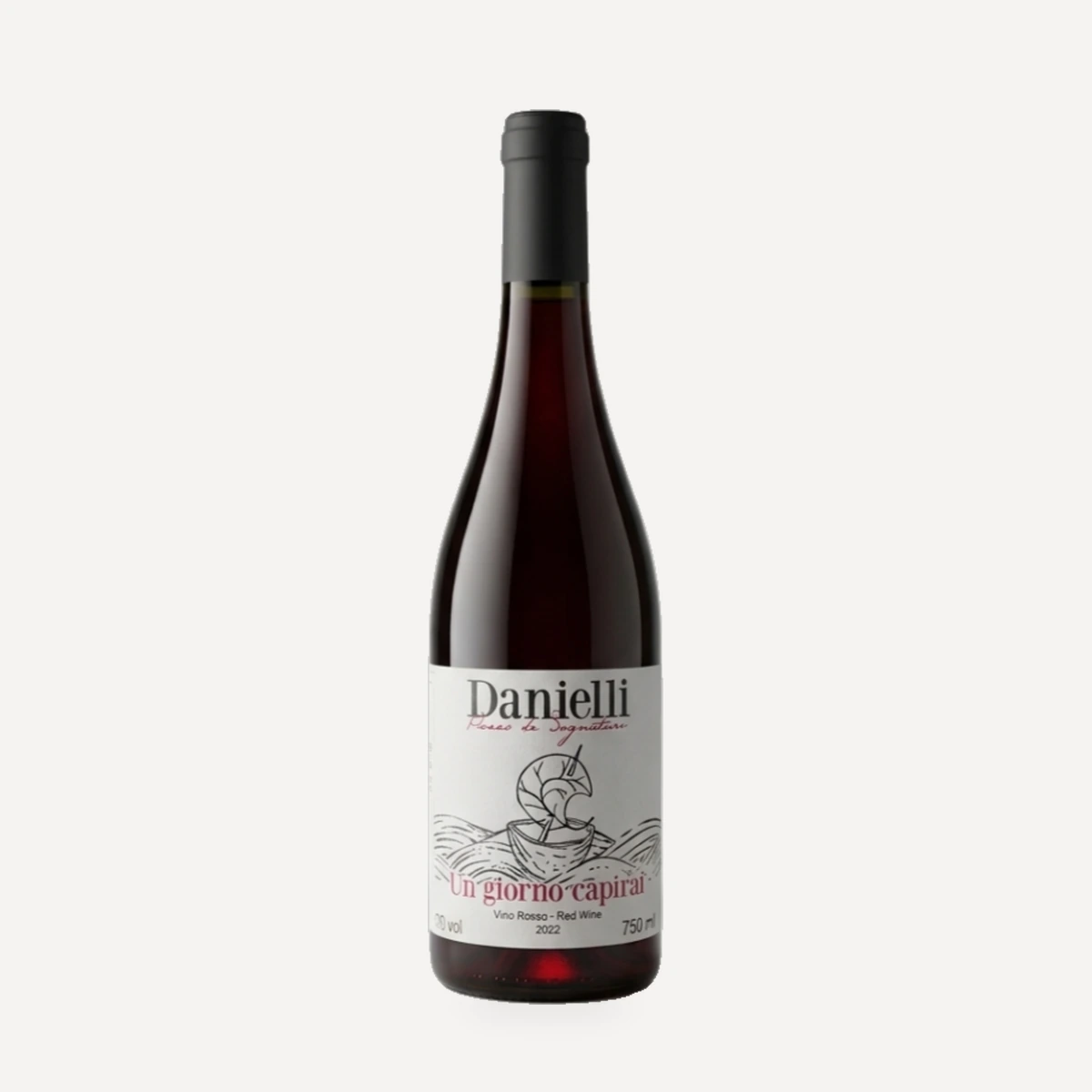
Un Giorno Capirai
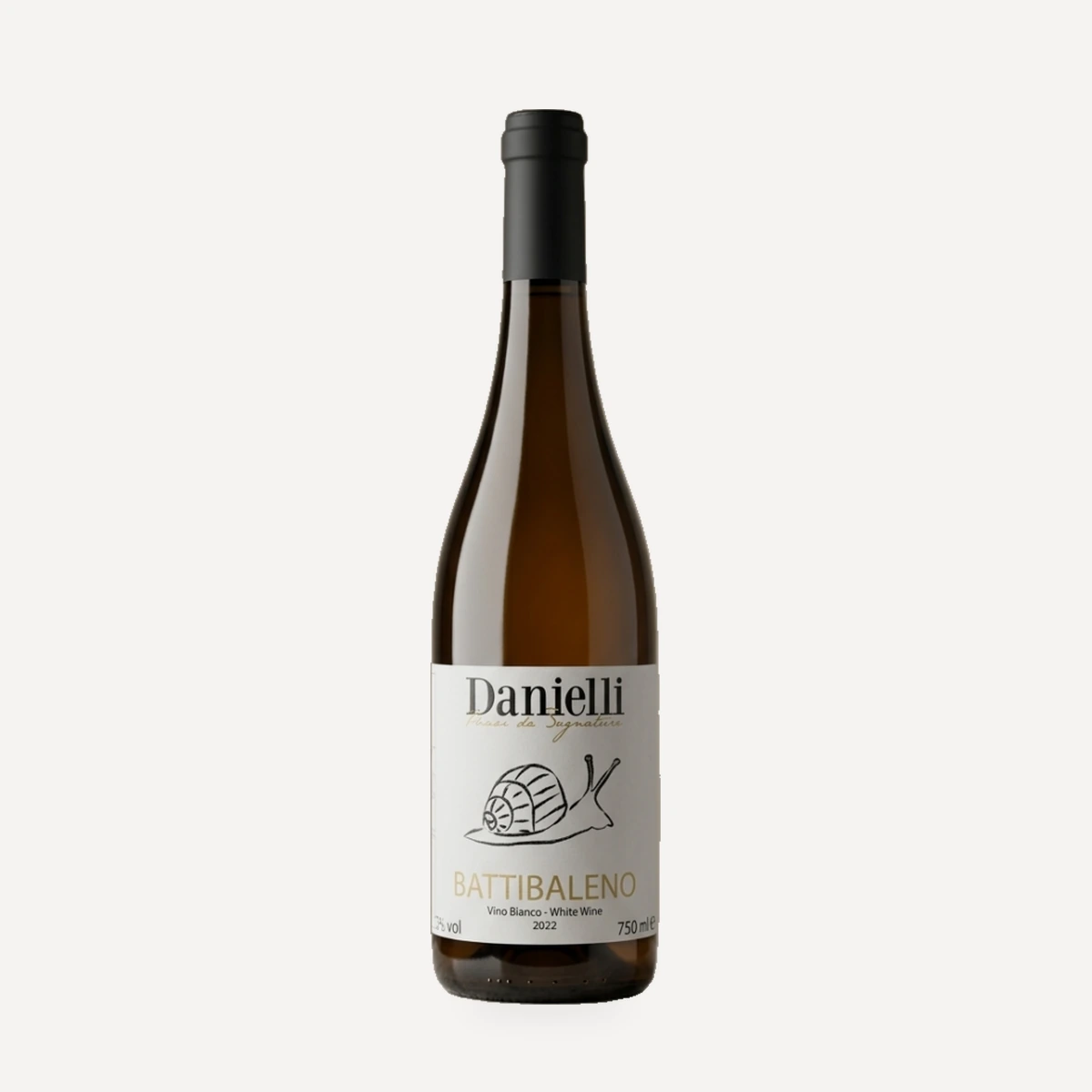
Battibaleno
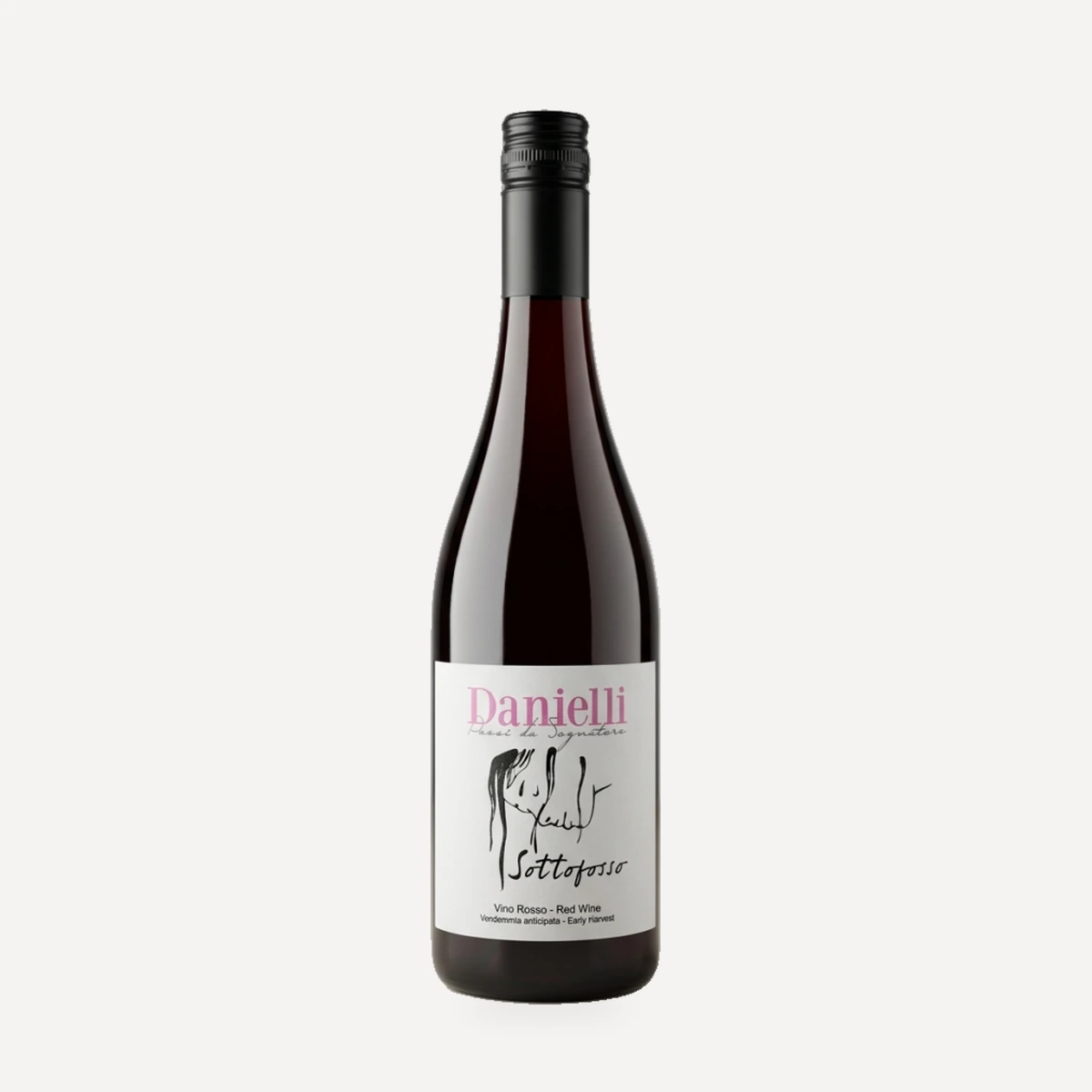
Sottofosso