Storia
Geological origins
Lirano’s landscape began with the emergence of the Langhe from the seabed approximately 12 million years ago. Its soils retain this marine history in the Lequio Formation, composed of alternating gray marl and yellow sand created in deep-sea environments and reshaped by river erosion.
The early twentieth century
At the beginning of the twentieth century, Lirano was a lively rural settlement. Its inhabitants worked the vineyards and fields belonging to the Vassallo family of counts.
Rivetto dates its activity to 1902. A separate historical trace survives at Nervo: municipal cadastral maps dated 1906 already record a vineyard parcel in that location, beneath the Rocca di Treiso and beside the Mazzalupo wood.
1944: the Zio Nando planting
Part of the vineyard now called Zio Nando was planted in 1944. Approximately 20% of the present vineyard preserves that original planting. The parcel carries the name of the man who planted it.
The biodynamic transition
Under Enrico Rivetto, Lirano developed from a predominantly vine-growing landscape into a mixed agricultural organism. The change began with a personal reappraisal of the farm: vineyards, woods, water, crops, animals and microorganisms came to be treated as interacting parts of a single system rather than as independent productive units.
Vines were deliberately removed to make room for flowering hedges and ecological corridors. Around 3,000 m² formerly occupied by vineyards were converted into nearly 2 km of hedges, approximately 1.5 m wide. More than 1,000 tall trees were planted among the vineyards. Vegetable gardens, orchards, greenhouses, cereal fields, pastures, medicinal plants and legumes were introduced or expanded, reversing monoculture and restoring the character of a mixed farm.
Briccolina became the pioneer vineyard for this biodynamic approach. Enrico Rivetto transformed the cru into a garden-vineyard worked entirely by hand, integrating hedges, trees, aromatic essences and medicinal plants among its Nebbiolo rows. It subsequently obtained Demeter certification and is presented as the only Demeter-certified cru in the Barolo zone.
Lirano as an agricultural living organism
The farm’s regeneration programme came to include estate-made compost, a seven-year fertilisation rotation, rain- and spring-water collection, phytodepuration of domestic and cellar wastewater, biological corridors, mixed cropping, free-roaming donkeys, beehives and the protection of 7 ha of woodland. A 4 km path was created through the vineyards and undergrowth, opening this landscape to visitors.
Agronomic work has also examined the relationship between the woods and fermentation. Grapes grown close to woodland were found to arrive in the cellar with distinctive and varied indigenous yeast populations on their skins, linking the surrounding ecosystem with fermentation and the resulting wine.
Terroir
Lirano
Lirano lies within the municipality of Sinio but geographically belongs to the hills of Serralunga d’Alba. It occupies a ridge between Sinio and Serralunga, positioned between Alta Langa and the Barolo hills, between woodland and vineyards, and in the broader space between the Alps and the Ligurian Sea.
The estate characterises the hill as a meeting place for contrasting natural forces held in balance. At approximately 400 m above sea level, and with extensive woodland around it, Lirano has a hybrid microclimate between Alta and Bassa Langa. Temperatures are moderated, ventilation is good, sunlight is ample and the air is clear.
Lirano’s Lequio Formation soils consist of alternating gray marl and yellow sand originating in deep seabeds and shaped by river erosion. Silt predominates, accompanied by appreciable sand and clay. The soils can retain rainwater at depth during dry periods, supporting steady vine development.
Briccolina
Briccolina occupies a slope in Serralunga d’Alba at an average altitude of 335 m, with west to south-west exposure. Its pale, mineral, calcareous soils belong to the ancient Lequio Formation. The texture is silty-loam, with clay, sand and limestone in balance; average soil depth is 70 cm. Organic matter and soil structure are both described as good, reflecting farming intended to protect the vine and its environment.
Air currents shape a comparatively dry microclimate. During summer and early autumn, warm air and limited ventilation prevail by day; cooler, livelier air arrives from late afternoon. This makes Briccolina drier and better ventilated than much of the wider Barolo zone.
The sloping position, shallow soil and warm exposure promote rapid drying after rain. Only capillary water remains available, moving slowly and consistently from soil to vine. Combined with moderate altitude and ventilation, this produces balanced vine vigour.
Other named sites
Serra, Manocino and San Bernardo lie in Serralunga d’Alba between approximately 320 and 420 m, with east, south-east and north-east exposures. Their Serravallian-origin soils are clayey and calcareous, sub-alkaline, and contain magnesium, calcium and iron.
Nervo lies at 350 m in Treiso with southern exposure. Its Lequio Formation soils alternate marl and sandy layers. Three sides of the vineyard are bordered by the Mazzalupo wood beneath the Rocca di Treiso, creating a setting with substantial surrounding biodiversity.
Vigna Lirano reaches 400 m in Sinio. Its Nebbiolo sector has western exposure and calcareous-clay soil; its Nascetta sector faces north and has sandy-calcareous, sub-alkaline soil with low nitrogen content.
Loirano Soprano lies at 390 m in Sinio and faces west. Its sandy-calcareous, sub-alkaline soils contain bluish marl at a depth of 1 m, little nitrogen and abundant magnesium.
Zio Nando lies at 365 m in Sinio with western exposure. Its soils are sandy-calcareous and sub-alkaline, low in nitrogen and well supplied with magnesium.
Vinificazione
Biodynamic agricultural organism
Lirano is managed as a biodynamic, mixed agricultural organism rather than a monoculture. Vines coexist with flowering hedges, medicinal herbs, tall trees, cereal fields, pastures, vegetable gardens, greenhouses and orchards. Biodiversity is treated as the structural principle connecting all crops and the surrounding landscape. Agricultural products made from the farm’s cereals, vegetables and fruit are organically certified, while Briccolina holds Demeter certification.
Soil regeneration and compost
Organic soil regeneration uses copper, sulfur, propolis and essential oils as agricultural allies. Fertility is supported with compost made on the property from cow manure, cellar waste and residues from gardens and fields. The material ferments for two years to become humus. On a rotating basis, the whole Lirano area is fertilised with this compost once every seven years.
Water management
A pond collects rainwater and spring water for irrigation and biodynamic treatments. It covers approximately 400 m², is about 2 m deep and stores more than 1,000 m³ of water. Domestic and cellar wastewater flows into a phytodepuration basin at the foot of the hill, where macrophyte plants and selected bacteria filter and purify it for reuse in the fields.
Hedges and ecological corridors
Nearly 2 km of mixed flowering hedges and medicinal plants form ecological corridors through the vineyards. Approximately 1.5 m wide, these corridors replaced about 3,000 m² of vines. They provide refuge and movement routes for bees, insects, birds and small woodland animals.
Hedge vegetation includes hornbeam, Rosa rugosa, dog rose, laurel, buddleia, abelia and lilac. Medicinal plants release antimicrobial essences used in the management of red and yellow spider mites.
Trees among the vines
More than 1,000 tall trees have been planted among the vineyards, including oaks, downy oaks, Turkey oaks, yews, lindens, birches, horse chestnuts, English oaks, walnuts, ash, willows, beeches, fruit trees, zelkovas, ironwoods and ginkgo biloba. Their roots help resist erosion and soil washout, while their canopies provide wildlife habitat.
Trees and hedges shelter fruit-eating birds during movement through the farm. They also host ladybirds and parasitoid Hymenoptera that prey on grapevine moths and leafhoppers.
Mixed crops
Ancient grains, spelt, maize and pasture occupy more than 1.5 ha and rotate every three years with chickpeas and beans. Orchards, vegetable gardens and greenhouses cover more than 5,000 m². The farm produces ancient grains, spelt, vegetables, fruit for juice and preserves, and medicinal plants for essences.
Animals and pollinators
Donkeys Filippa, Giulia and Lella move freely through vineyards and gardens. They regulate spontaneous vegetation; their hooves gently disturb the surface and press seeds into the soil; their manure enters the organic compost cycle. Swans Milo and Shira live on the pond.
Six beehives support pollination and microbial exchange between herbs and vines. Each hive contains approximately 40,000 worker bees, 200 drones and one queen. Bees collect vine pollen and herb nectar while transferring microorganisms, including yeasts, through the farm. The hives also yield honey, propolis and wax.
Woodland ecology and natural rhythms
Lirano is surrounded by 7 ha of woods containing centuries-old Turkey oaks, ash, oaks and hornbeams. Grapes growing close to the woods have been found to carry distinctive and varied indigenous yeast populations on their skins.
Agricultural work also considers daily and annual terrestrial rhythms, seasonal change, lunar cycles and stellar cycles when planning operations and interpreting plant growth and development.
Hand work at Briccolina
Briccolina is worked entirely by hand. Its Nebbiolo rows are interplanted with hedges, trees, aromatic essences and medicinal plants, creating a garden-vineyard designed to oppose intensive cultivation and sustain balanced vine growth.
Fermentation is connected to the wider ecology of Lirano. An agronomic study found that grapes grown close to the woods reach the cellar with distinctive and varied populations of indigenous yeasts on their skins. These native strains participate in fermentation and may influence flavour, creating a direct biological link between woodland, vineyard and cellar.
The cellar is located at Via Valdicroce 32 in Sinio. Waste generated there is incorporated into the wider farm cycle: solid residues contribute to the estate’s two-year composting process, while cellar wastewater passes through a phytodepuration basin containing macrophytes and selected bacteria before being reused in the fields.
Filosofia
A new paradigm
Enrico Rivetto’s philosophy begins with the idea that apparently separate elements form a complementary and interactive whole. Lirano is consequently understood as a complete agricultural living organism in which vines, other crops, soil, water, animals, insects, microorganisms, woods and cosmic rhythms participate in the same system.
His stated role is to preserve, care for and develop the beauty and balance of this organism. Wine functions as a means of communicating a different relationship with land and agricultural work—one intended to celebrate natural beauty and harmony.
Beyond monoculture
The model expressly rejects intensive exploitation and monoculture. Productive vineyard area has been sacrificed for hedges, trees, gardens, fields and wildlife corridors. Biodiversity is not treated as a peripheral conservation measure but as the foundation of the farm’s agricultural change.
Regeneration and circularity
The approach seeks organic regeneration of soil and circular use of farm resources. Manure and plant or cellar residues become compost; rain and spring water are stored; domestic and cellar wastewater is biologically purified and returned to the fields. Animals regulate vegetation and contribute manure, while bees connect flowers, vines and microorganisms.
Observation of the whole
Daily and annual rhythms of the Earth, lunar and stellar cycles, seasonal change and the relationships between living and non-living elements are incorporated into the way agricultural work is considered and planned. Imagination, awareness and a willingness to change established patterns are central to Enrico Rivetto’s description of this philosophy.
Vini
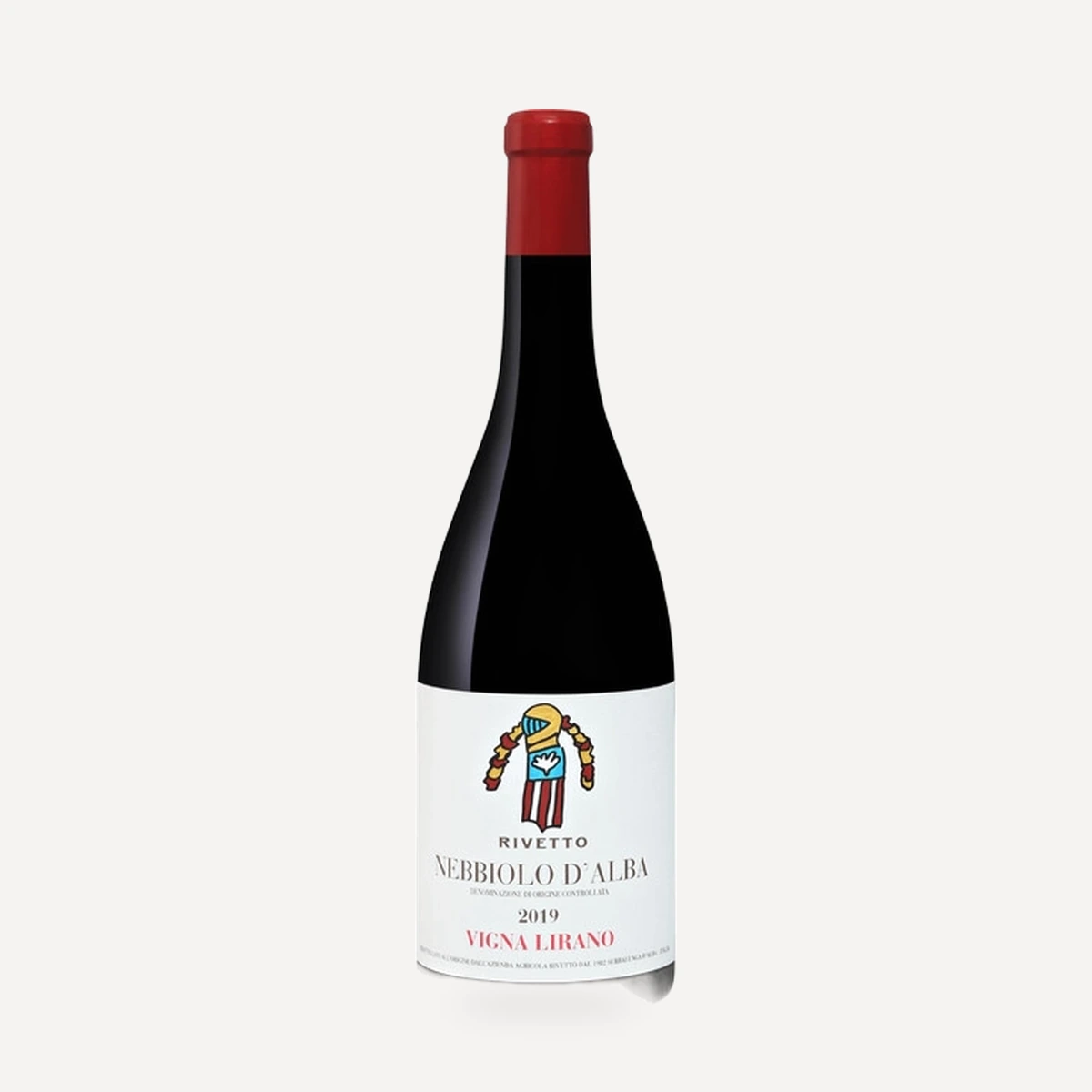
Nebbiolo d'Alba Vigna Lirano DOC
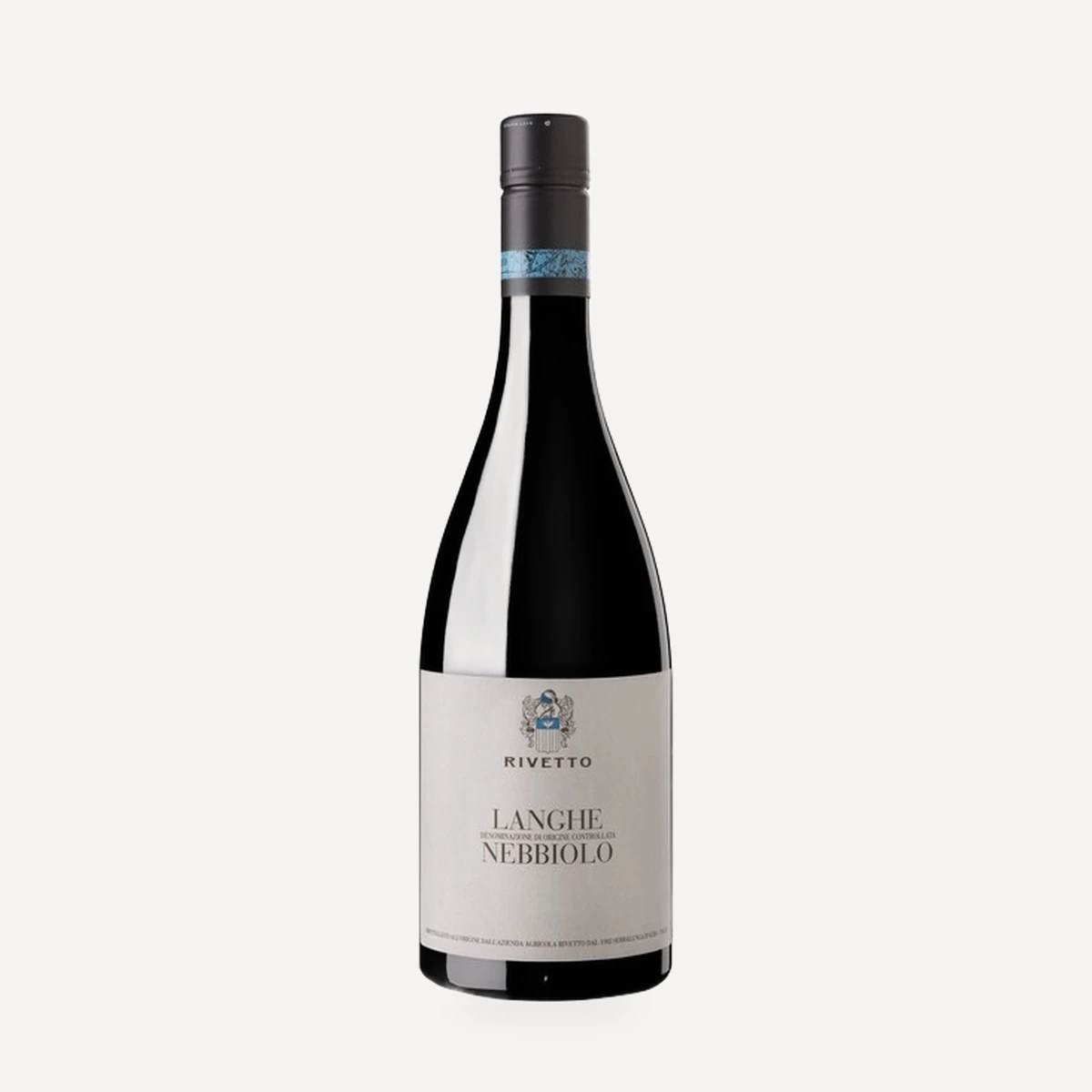
Langhe Nebbiolo DOC
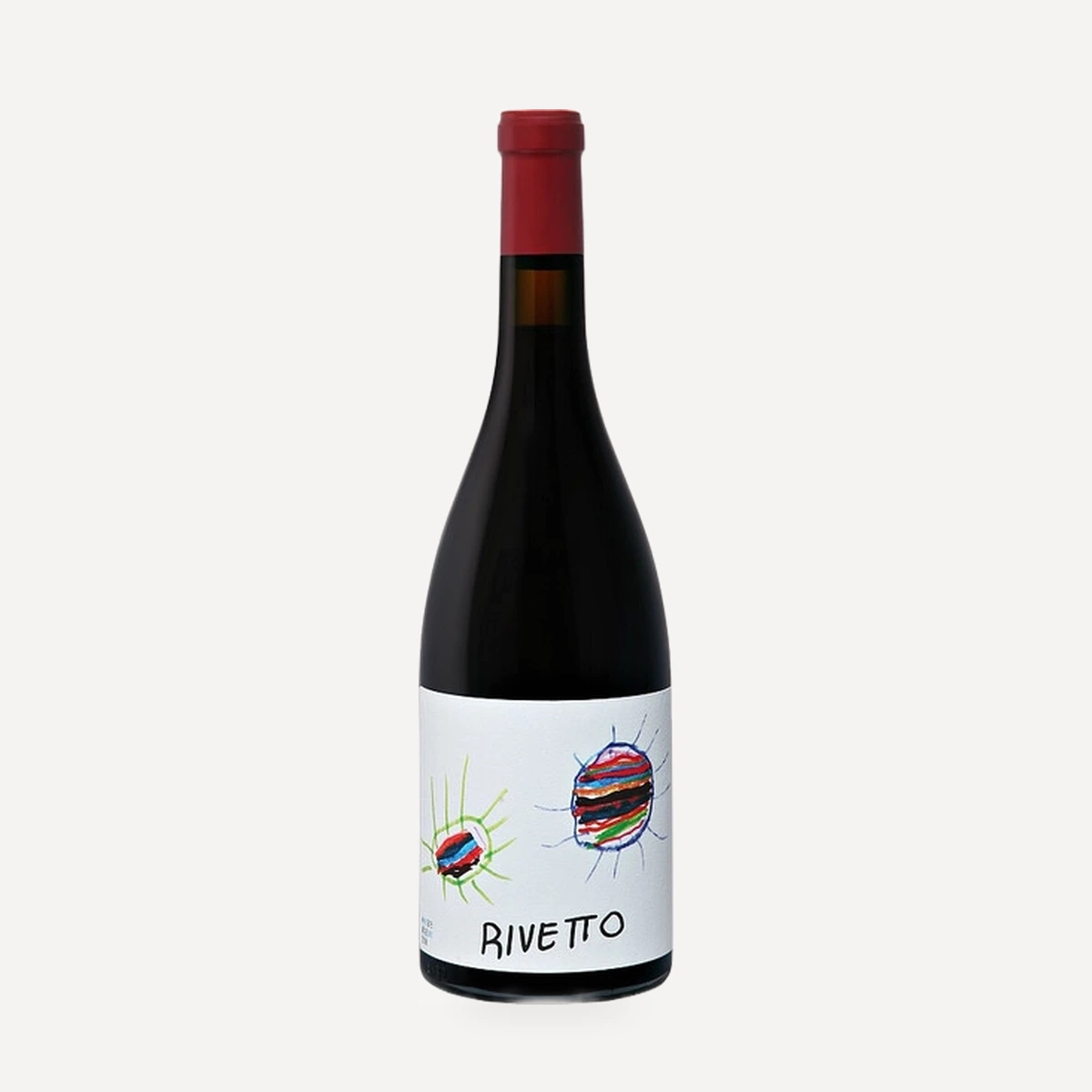
Rivetto Vino Rosso
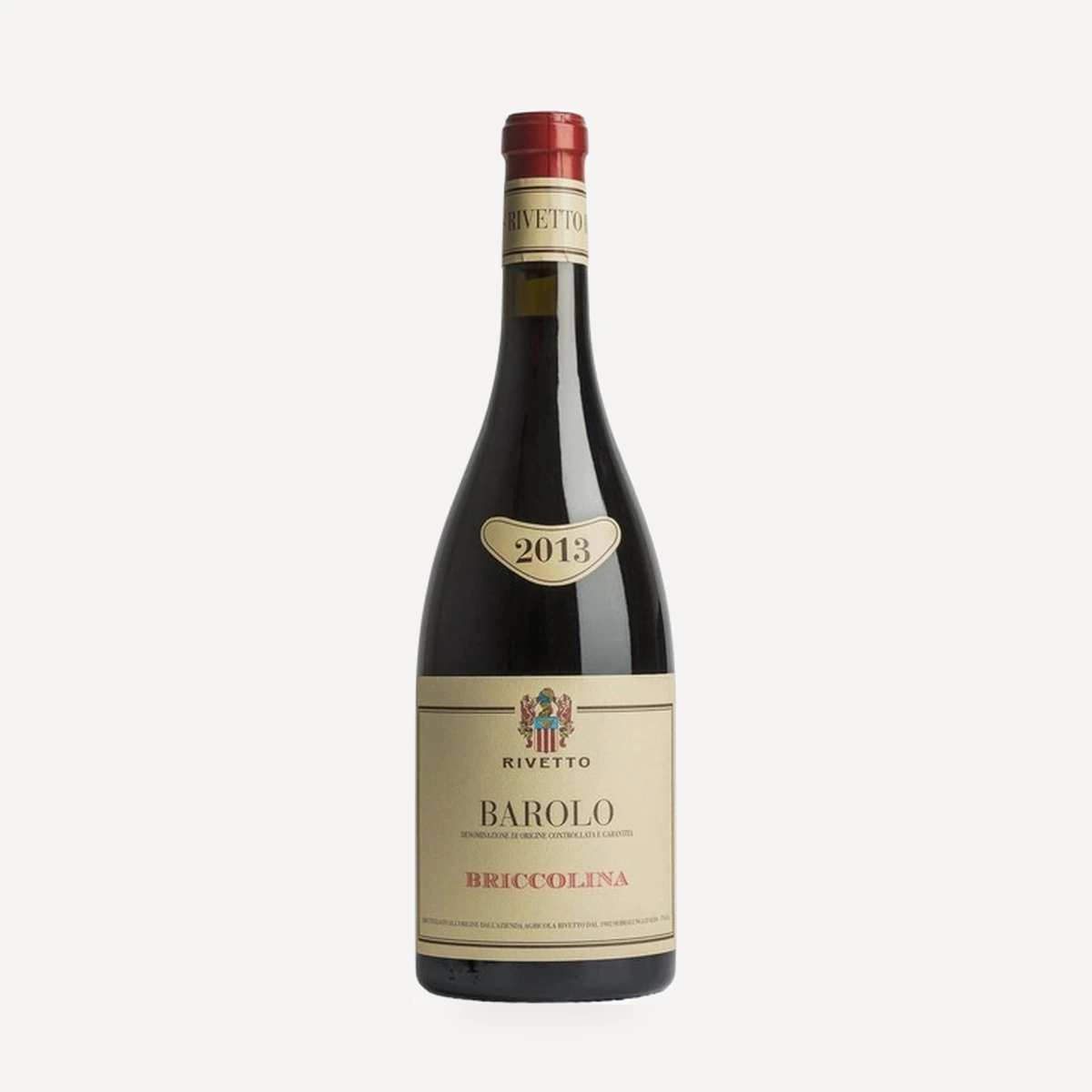
Barolo Briccolina DOCG
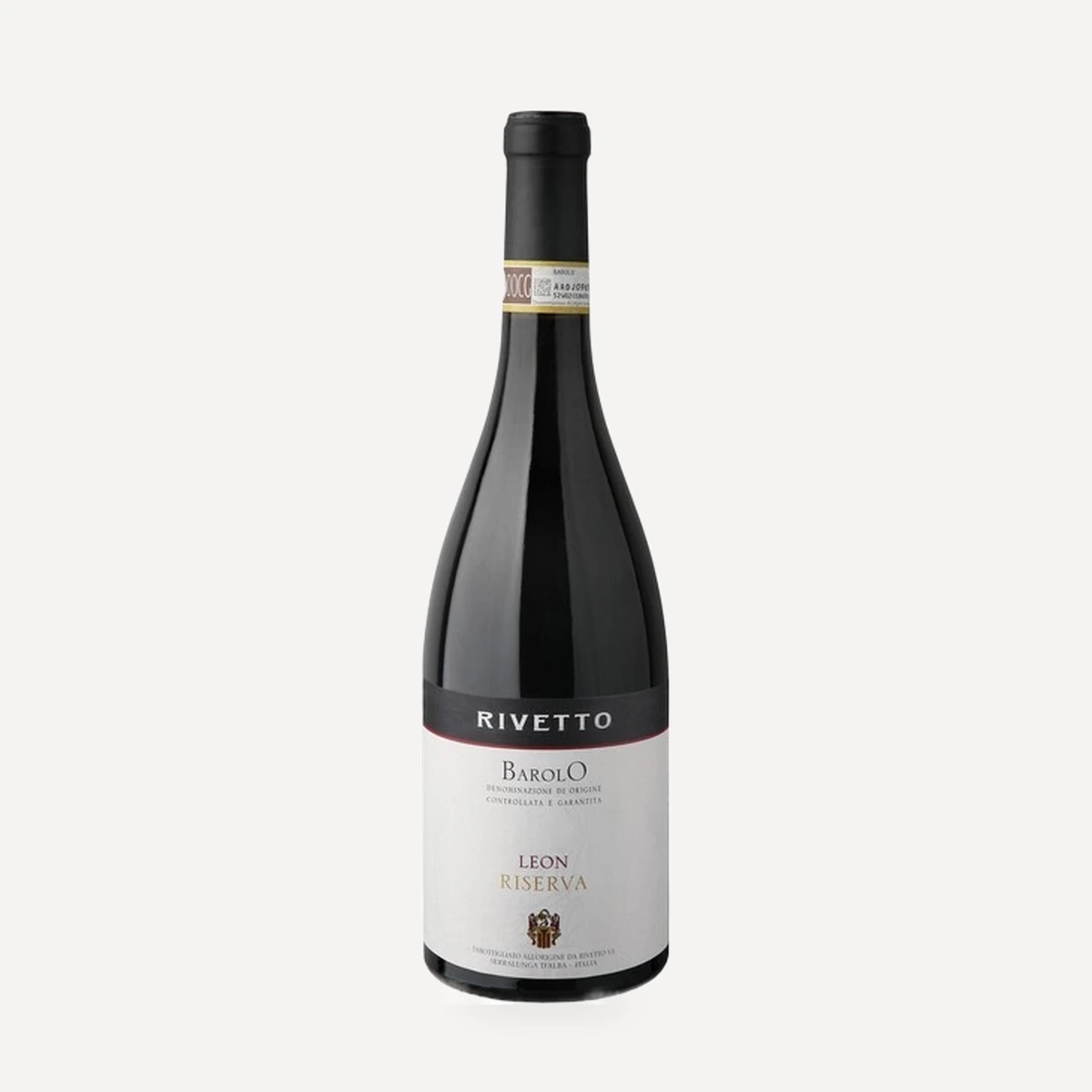
Barolo Leon Riserva DOCG
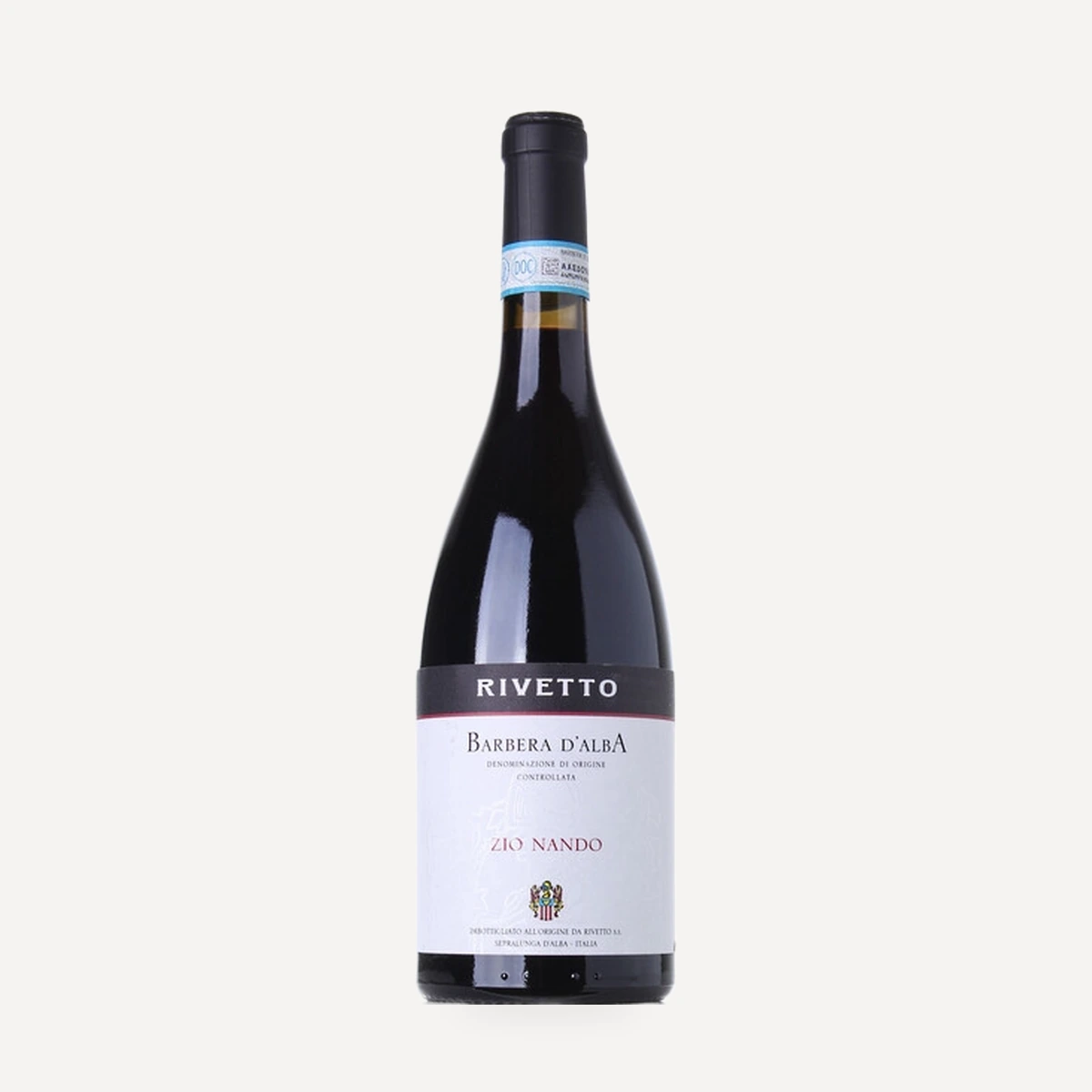
Barbera d'Alba Zio Nando DOC
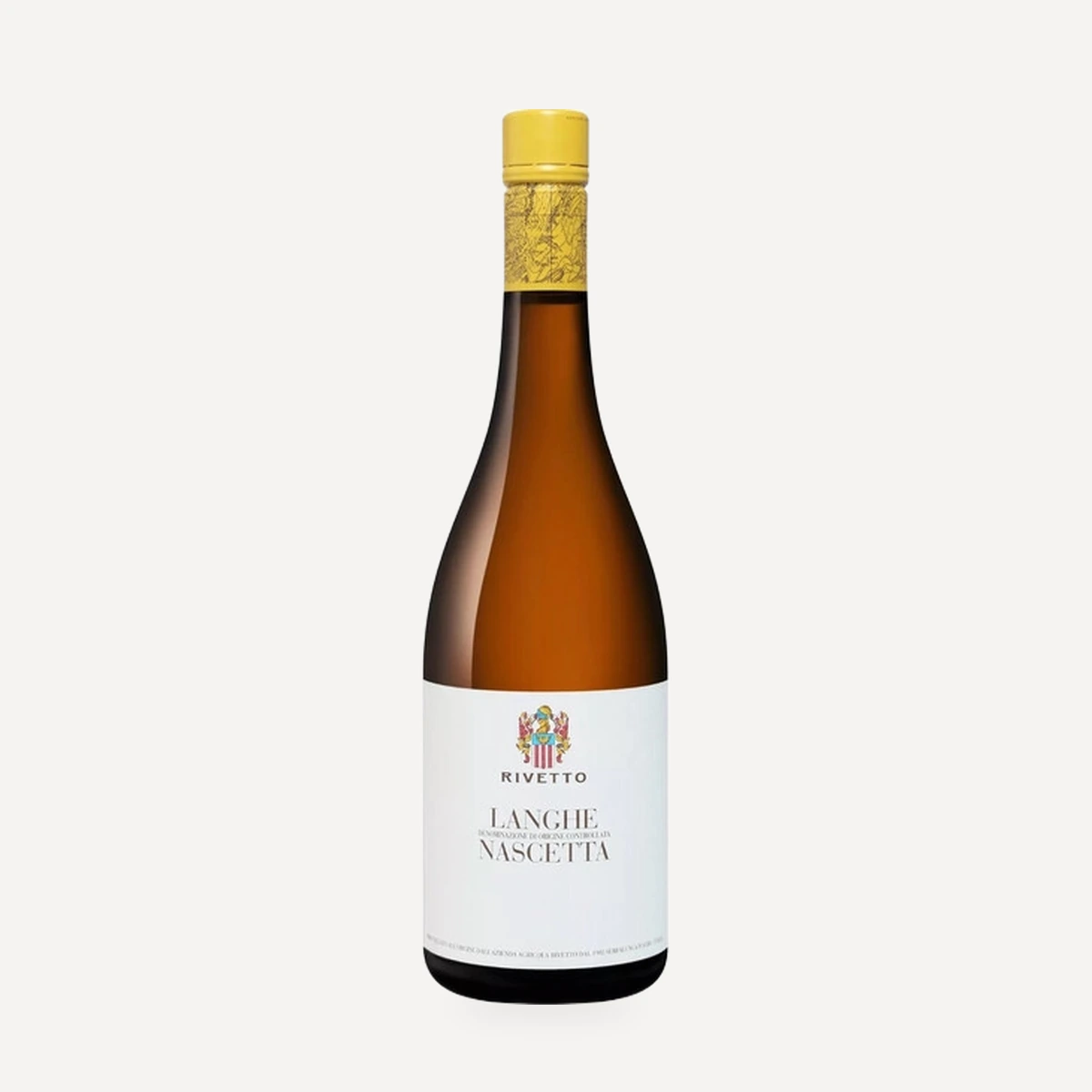
Langhe Nascetta Vigna Lirano DOC
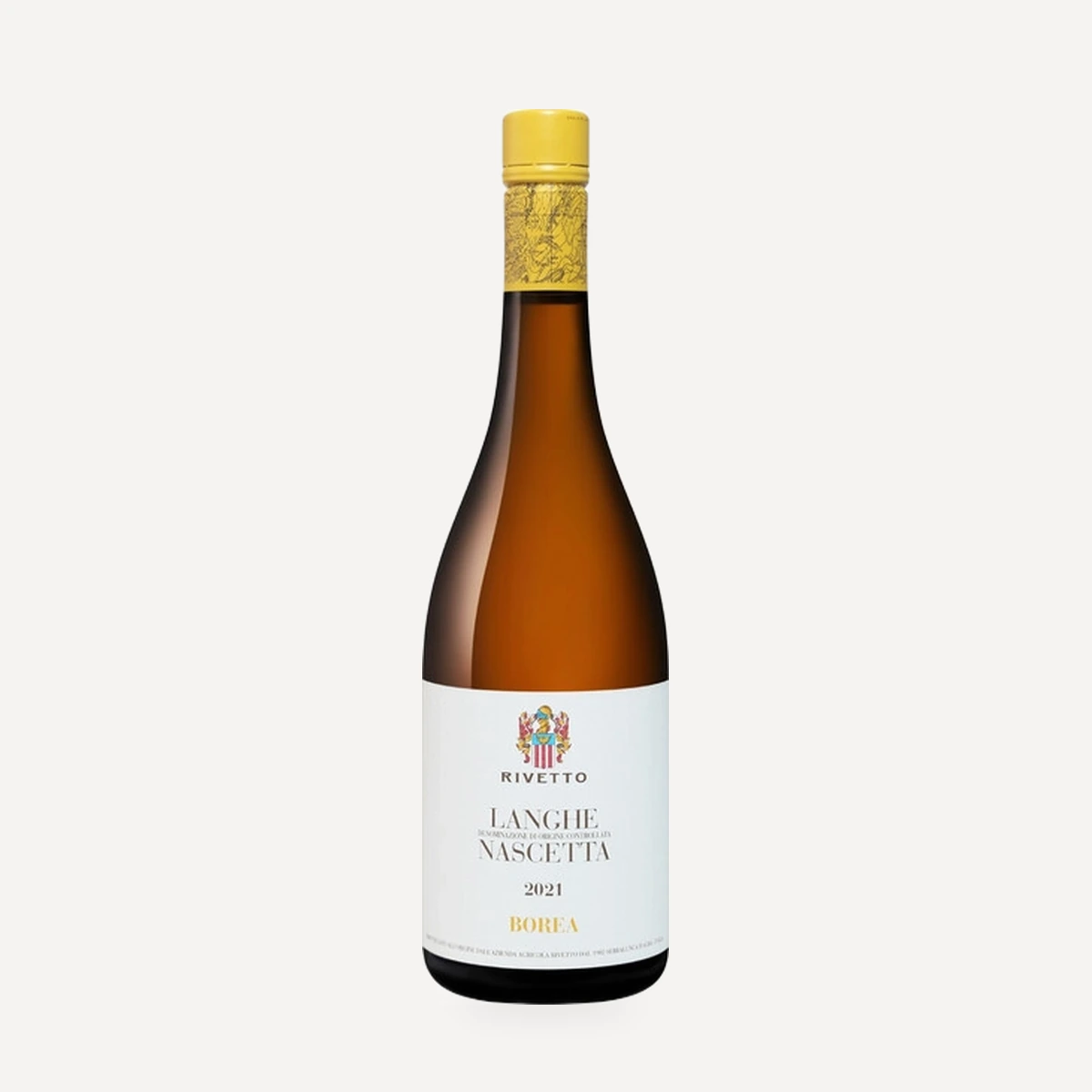
Borea Nascetta Langhe DOC
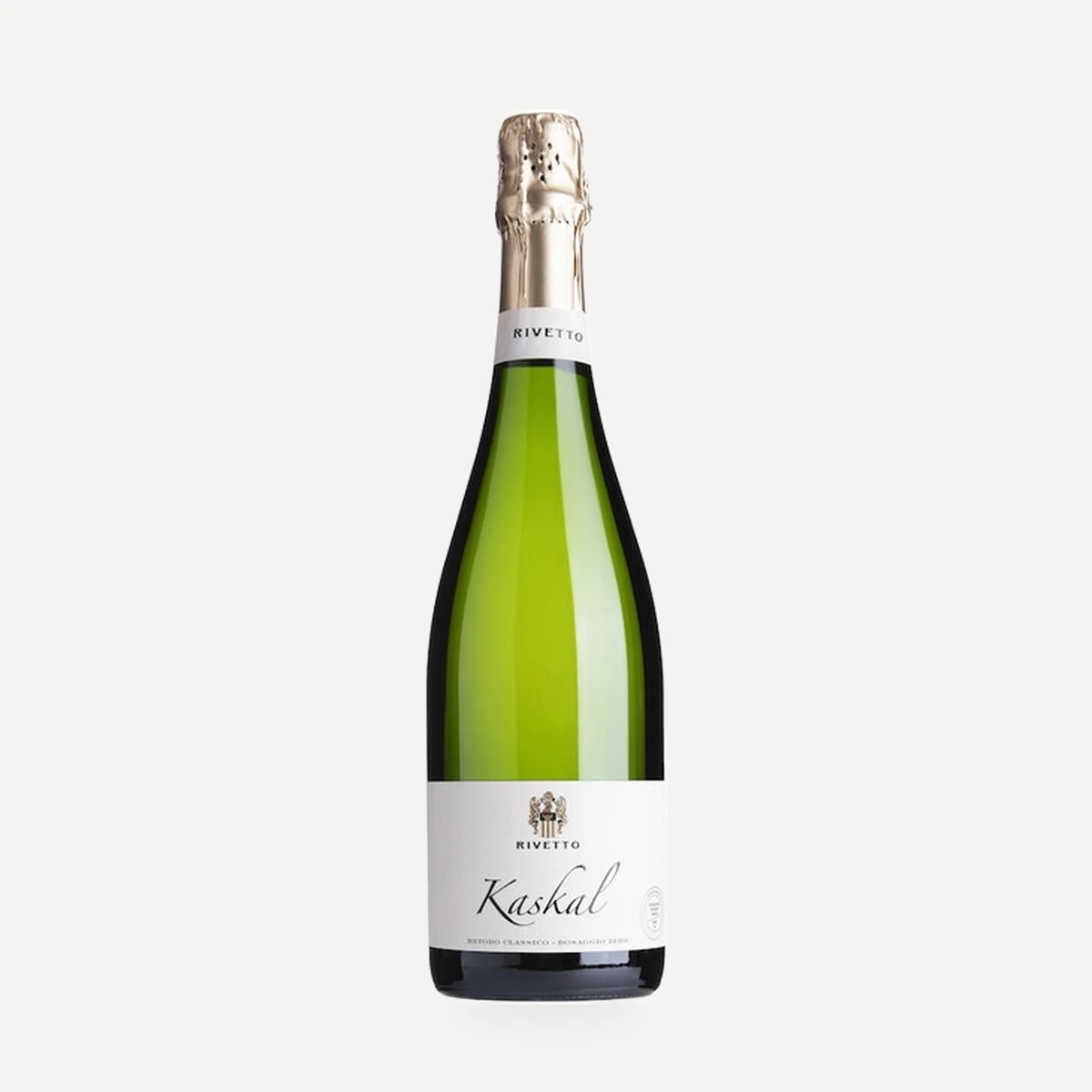
Kaskal