Storia
Family agricultural roots
Fiano and Aglianico belong to the family's inherited farming culture in Lapio. Earlier generations cultivated Aglianico and matured the resulting wine for 12 months in chestnut casks before selling it in bulk to local merchants. Respect for the family's land passed from grandparents and parents to the generation that later created the winery.
1990: the first specialized Fiano vineyard
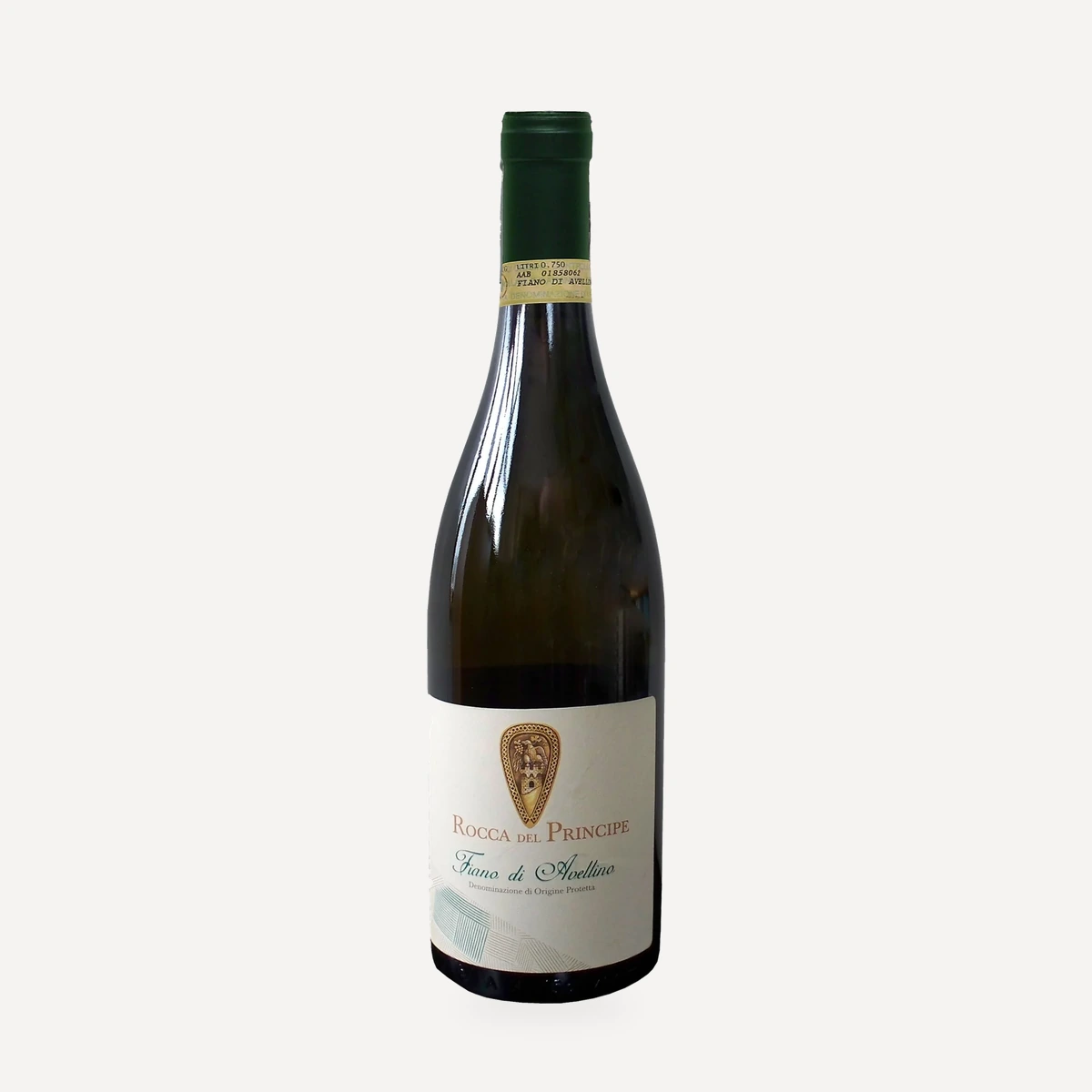
In 1990 the family established its first specialized Fiano di Avellino vineyard in Contrada Tognano. During the following years, part of the vineyard was grafted with cuttings taken from a century-old, pre-phylloxera Fiano vine. The purpose was to preserve the local Fiano material associated with the contrada. Fruit from these grafted vines subsequently became the basis of Cru Tognano.
1990–2014: development of the vineyards
The estate's Fiano vineyards were planted between 1990 and 2014 on opposing sides of Colle Arianiello. Before the winery was created, the family worked as grape growers and supplied its harvest to other producers. Aglianico was planted in Contrada Campore, continuing a family tradition of cultivating the variety in that area.
2004: creation of the winery
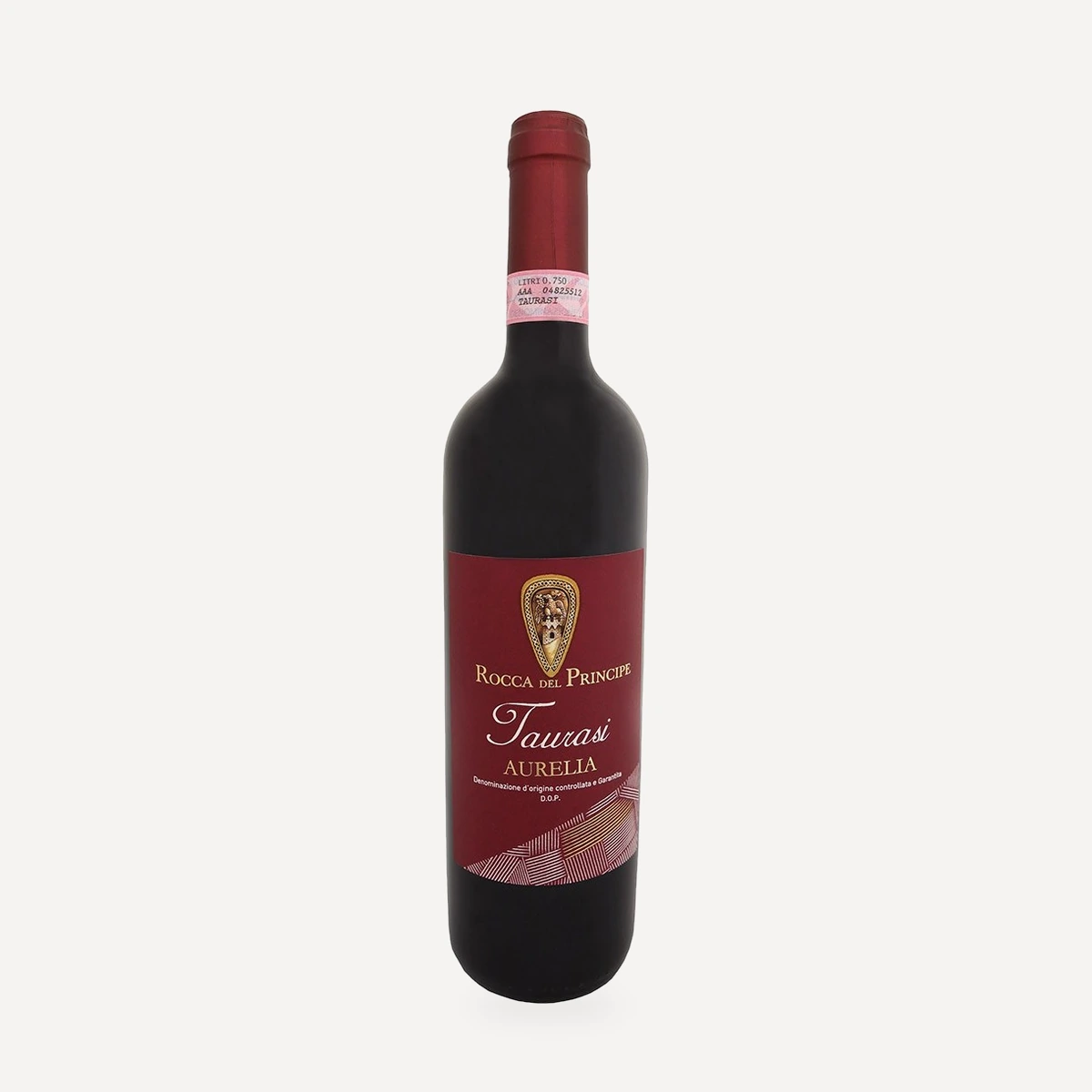
Rocca Principe was established as a wine-producing business in 2004 by Ercole Zarrella, his wife Aurelia Fabrizio and his brother Antonio. Until then, the family had produced grapes for sale to other wineries. Their shared objective was to make wines identified with the local territory, concentrating on Fiano, Aglianico and Taurasi.
The family today
The family's activity remains centered on Lapio and on Fiano di Avellino, to which it has devoted more than three decades. Ercole and Aurelia's three daughters—Maria Rita, Simona and Martina—each participate in the business through a dedicated role, continuing the family's attachment to its land.
Terroir
Lapio and Colle Arianiello
The estate lies at Lapio in the hills of Irpinia. Its Fiano vineyards occupy the slopes of Colle Arianiello, the highest part of the commune, across northern/northeastern and western exposures. Vineyard elevations range from approximately 500 to 600 metres above sea level.
Mountain influence
The nearby Monti Picentini shape the local climate. Monte Tuoro, a 1,400-metre summit situated close to the estate, moderates heat and accentuates temperature changes at night and during winter.
Northern and northeastern slope
The northern sector descends from approximately 600 metres in Contrada Arianiello to 550 metres in Contrada Tognano. Its climate is cooler and more ventilated, with more pronounced temperature variation than the surrounding territory. The looser soils have volcanic origins: the surface contains silt, sand, sandstone and lapilli, while clay occurs at depth. This structure helps the ground retain and transmit moisture even during hotter vintages. The resulting wines are characterized as finer and more elegant, with greater acidity and minerality.
Western slope
The western vineyards in Contrada Arianiello and Contrada Lenze stand at approximately 570 metres. Conditions are warmer and drier than on the northern side. The soils are more compact, combining clay-calcareous material with clay marl. Wines from this sector are described as richer, fruitier and softer.
Contrada Campore
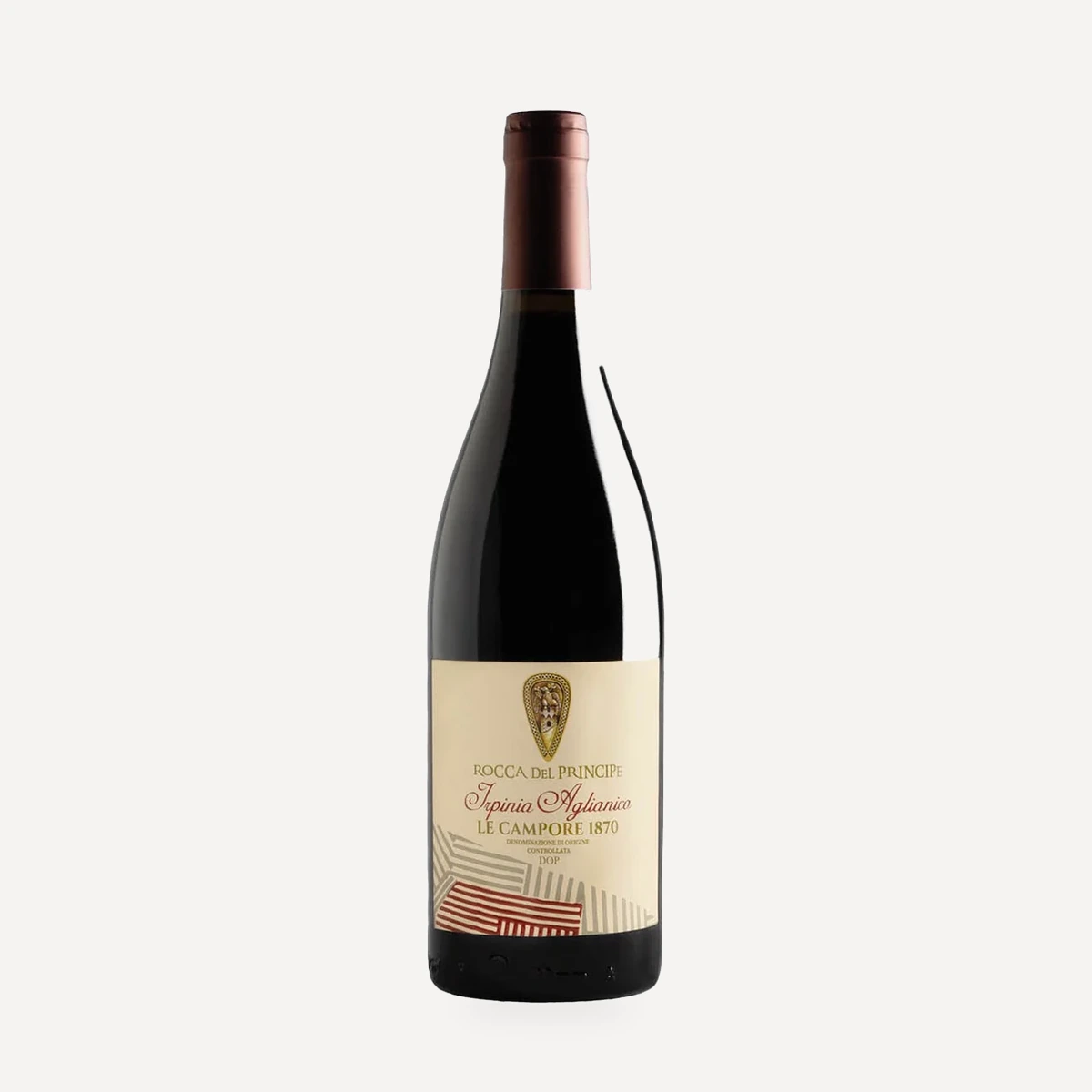
Contrada Campore lies at approximately 500 metres and has a south to southeast exposure. Its soils consist of clay and calcareous marls. The estate associates these conditions with its Aglianico plantings.
Contrada Tognano
Contrada Tognano occupies an east-facing position at approximately 550 metres. Its dry, ventilated climate is accompanied by numerous water springs. The soil is silty and sandy with volcanic ash at the surface, becoming clay-calcareous at depth. Summer sun, winter snow and persistent air movement form part of the vineyard's climatic setting.
Vinificazione
The estate manages about 10 ha of land, including 6 ha planted to Fiano and 1.5 ha to Aglianico. The Fiano vineyards were established between 1990 and 2014 on the slopes of Colle Arianiello, while Aglianico is grown in Contrada Campore.
Vines are trained on a vertical trellis with double Guyot pruning; more recent plantings use single Guyot. Planting density is 3,000 vines per hectare. Vineyard work is directed toward low yields and reduced environmental impact. The rows are cultivated, weeds are controlled exclusively by mechanical means, and organic fertilizer is applied every other year. Plant protection follows integrated pest-management principles. Green pruning is practiced, while cluster thinning is reserved for more generous vintages.
The family's earlier Aglianico tradition involved maturing wine for 12 months in chestnut casks before selling it in bulk to local merchants. Contemporary production is centered on estate-grown Fiano and Aglianico and on the appellations Fiano di Avellino DOCG, Irpinia Aglianico DOC and Taurasi DOCG.
Filosofia
Rocca Principe presents wine as an expression of its own land, with vintage weather regarded as the principal variable capable of changing that expression from year to year. The family founded the winery to concentrate on local wines—Fiano, Aglianico and Taurasi—and links this purpose to values inherited from parents and grandparents.
Respect for the land is expressed through low-yield viticulture, mechanical rather than chemical weed control, organic fertilization and integrated plant protection. The preservation of local vine material is equally important: cuttings from a century-old, pre-phylloxera Fiano vine were used to graft part of the Tognano vineyard. The participation of Ercole and Aurelia's three daughters extends these family values into the next generation.
Vini
Aglianico Irpinia DOC
Fiano di Avellino DOCG