Storia
Medieval origins and Villa Giavarina
Rocca Sveva occupies a medieval hamlet beside the ancient walls of Castello di Soave. Its underground cellars were cut into the rock of the hill on which the castle stands.
Villa Giavarina, a noble residence within the estate, dates from the 15th century and once belonged to the Giavarina family of Soave. Local chronicles place the family home at the foot of Monte Tenda in Borgo Covergnino. A grotto on the short ascent bore the Latin inscription Nostris manibus in rerum natura quasi alteram naturam efficere conamur—an expression of the aspiration to create, through human hands and within nature, a kind of second nature. A 15th-century inscription was also found near the villa.
Transformation into a wine estate
Cantina di Soave transformed the medieval hamlet into a centre devoted to wine production and culture. The resulting complex brought together the rock-hewn cellars, Villa Giavarina, a botanical garden, an experimental vineyard, a wine shop and hospitality spaces. The cellar became the maturation environment for the estate’s Veronese red wines, with large oak vessels, casks and rows of barriques housed in its cool underground rooms.
Restoration and expansion of hospitality
Villa Giavarina underwent a careful restoration in 2010, recovering its historic character and period interiors. It subsequently became a venue for receptions, ceremonies, meetings and other private events. The former noble park developed into the Botanical Garden and Green Terrace, while the estate added a restaurant and three equipped conference spaces.
Sustainability and agricultural heritage
In 2018, FAO included the vineyards of Soave among its Globally Important Agricultural Heritage Systems. The recognition identified the Soave vineyards as an agricultural landscape of global significance and, in an earlier estate announcement, as Italy’s first recognized historic rural landscape. Rocca Sveva also obtained V.I.V.A. sustainability certification under a voluntary programme assessing air, water, vineyards and the wider growing territory across environmental, social and economic criteria.
Cultural and community initiatives
Rocca Sveva has hosted educational activities with AIS Veneto and the AIS Parma delegation. A three-part course held in November and December 2018 combined theoretical instruction with guided tastings, including sessions on the estate’s history, its people and wine as an interpretation of place. On 2 April 2019, Rocca Sveva hosted the diploma ceremony for newly qualified AIS Parma sommeliers.
A charitable project undertaken with the Comune di Soave supported restoration of the town’s medieval walls through a limited-edition Soave Classico. The initiative began in 2018 and continued at Vinitaly and the City 2019, when a new vintage of the special bottling was presented. Part of the proceeds was allocated to restoration, while eleven local organizations became “Ambasciatori delle mura” by purchasing significant quantities of the limited edition.
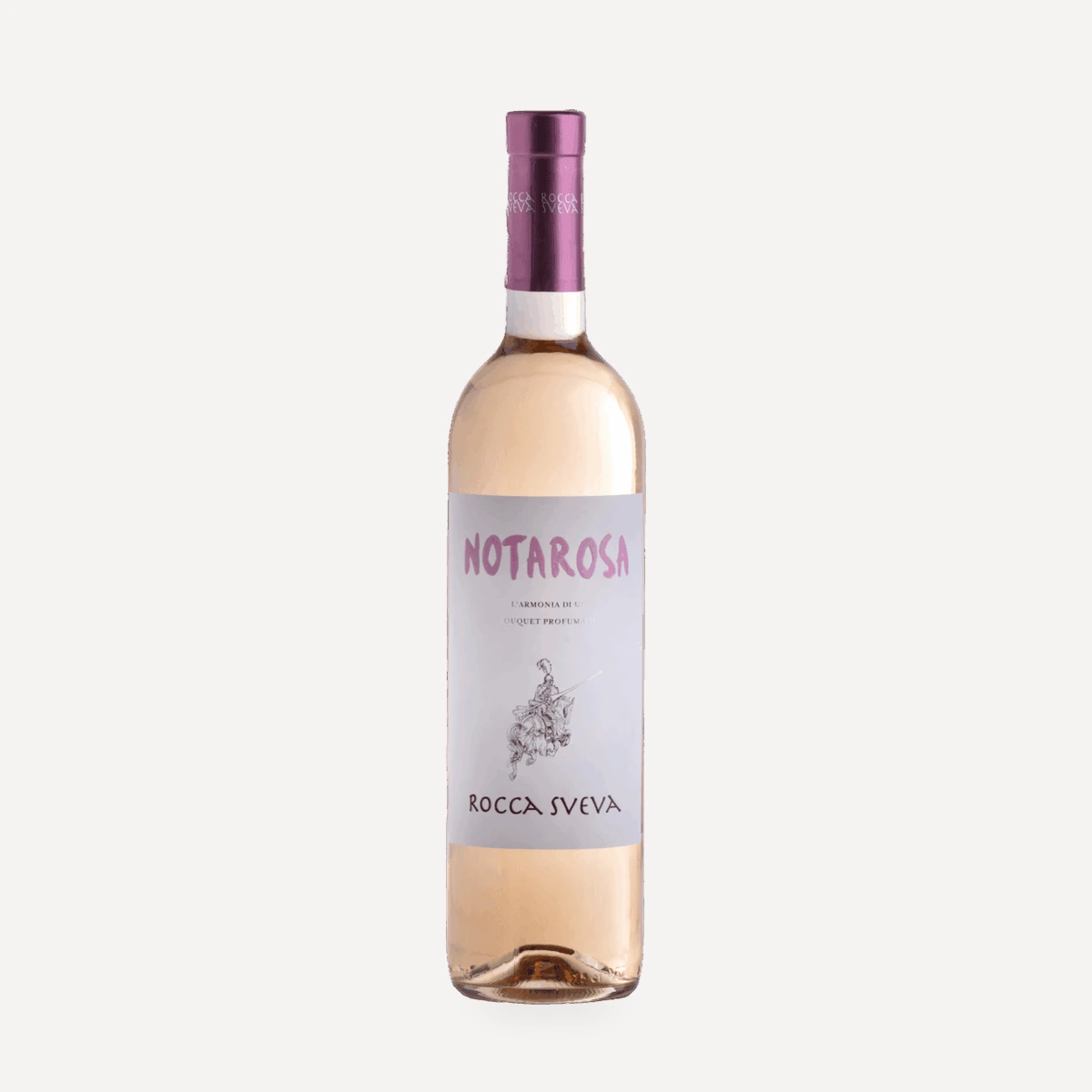
In 2020, Rocca Sveva introduced a Bardolino Chiaretto and, following a temporary closure of its retail and visitor operations, reopened the wine shops on 18 May and resumed cellar, garden and tasting visits on 29 May.
Terroir
Rocca Sveva’s vineyards extend across more than 100 ha in the hills of eastern Verona, with Soave at the centre of the estate’s identity. An earlier portfolio description also identified selected hillside vineyards in the DOC areas of Valpolicella, Soave, Bardolino and Garda.
The vineyard mosaic is divided into plots that differ in morphology, exposure and soil composition. This diversity creates a series of individual micro-terroirs rather than a uniform growing environment.
Castelcerino is a named geographical unit within Soave Classico and is described as one of the denomination’s oldest and most significant areas. Its hillside vineyards grow on limestone-derived soils with a clay texture. The combination is associated with aromatic finesse together with intensity, structure and length.
The estate itself lies beneath Castello di Soave, against the walls of the medieval village. Its panoramic Green Terrace occupies the slopes above Soave and looks toward the castle and surrounding countryside.
Vinificazione
Rocca Sveva treats vineyard care and the surrounding ecosystem as the foundation of wine quality. More than 100 ha are cultivated by generations of growers, with each plot managed in relation to its morphology, exposure and soil.
Harvesting is carried out exclusively by hand so that each selected cluster can be picked at optimal ripeness. Vineyard management, harvesting, maturation and packaging are presented as connected stages of a controlled production chain.
The V.I.V.A. sustainability programme evaluates four indicators—air, water, vineyard and territory—and covers environmental, social and economic performance. The certification reflects a commitment to development that is environmentally responsible and socially equitable.
The Soave vineyards’ 2018 FAO-GIAHS designation recognizes a historic agricultural system in which human activity, nature, inherited knowledge and the agricultural landscape remain closely connected.
Production is organized as a continuous chain from vineyard cultivation and harvest through maturation and final packaging. Grapes are harvested exclusively by hand, with picking timed to achieve optimal cluster ripeness.
The cellar is carved into the rock beneath Castello di Soave. Its naturally cool, dark environment is dedicated principally to slow maturation. Large oak vats and casks stand alongside rows of barriques, accommodating the different ageing requirements of the estate’s Veronese wines. The portfolio includes maturation in stainless steel as well as oak, while selected red wines receive extended barrel and bottle ageing.
The production philosophy emphasizes patient maturation and continuity between vineyard work, cellar ageing and packaging rather than treating these as separate operations. The historic-wine collection preserves mature vintages of Amarone and Ripasso within the estate wine shop.
Filosofia
Rocca Sveva’s guiding principle is that a fine wine begins with care for both the vineyard and its entire ecosystem. The estate presents sustainability as an inherited responsibility rather than a discrete technical choice, linking present-day cultivation to the knowledge accumulated by generations of growers.
Quality is pursued through precise vineyard management, manual harvesting and patient maturation. The diversity of individual plots is treated as an asset: differences in morphology, exposure and soil allow the wines to express a mosaic of eastern Veronese growing environments.
The estate’s cultural approach joins wine with place, history and hospitality. Its medieval hamlet, restored villa, underground cellar, botanical collection and educational events are intended to preserve and communicate the relationship between wine, local tradition and the landscape of Soave.
The V.I.V.A. programme extends this philosophy beyond environmental indicators to social and economic responsibility. Community initiatives such as the limited-edition bottling for restoration of Soave’s walls further connect wine production with stewardship of the town’s cultural heritage.
Vini
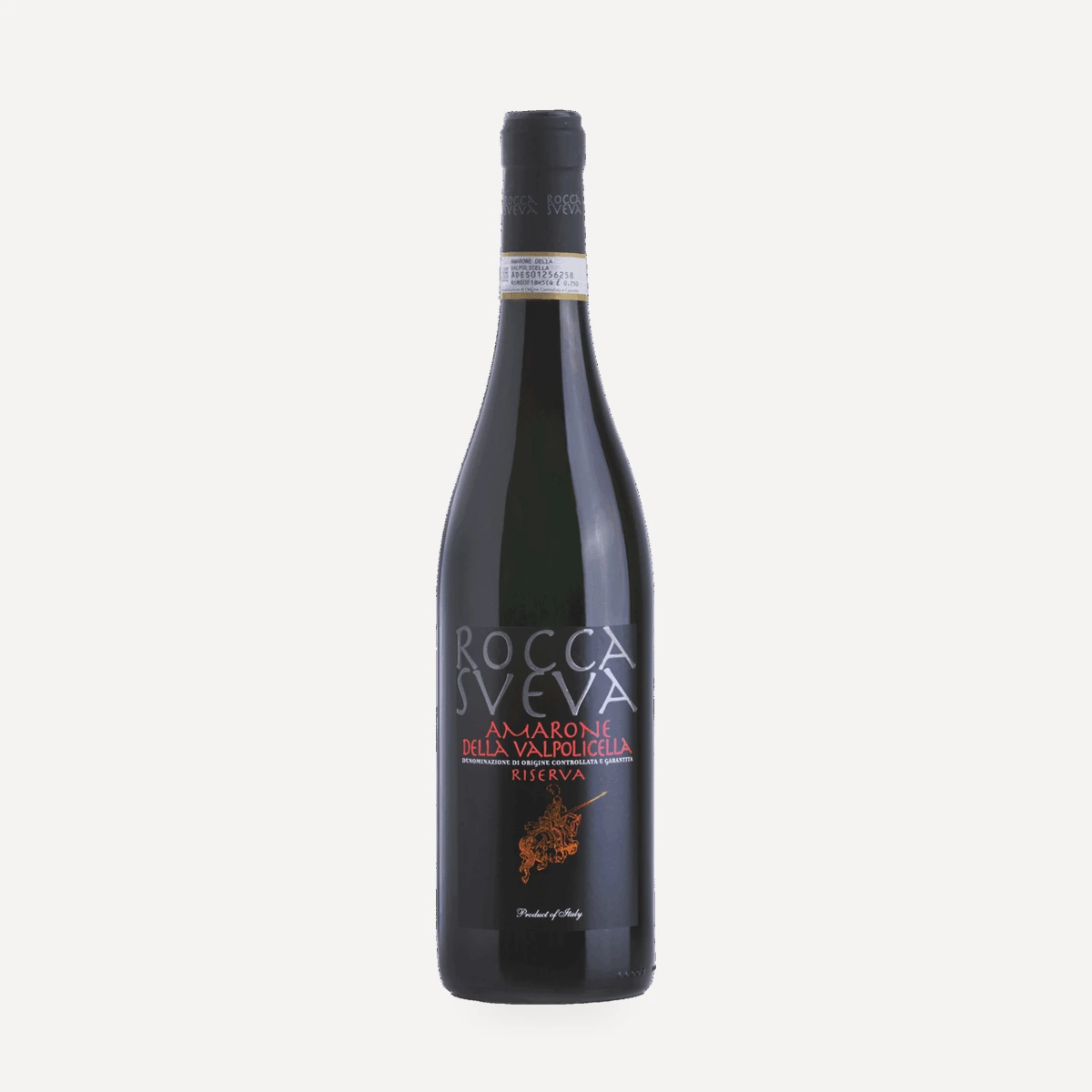
Amarone della Valpolicella Riserva DOCG
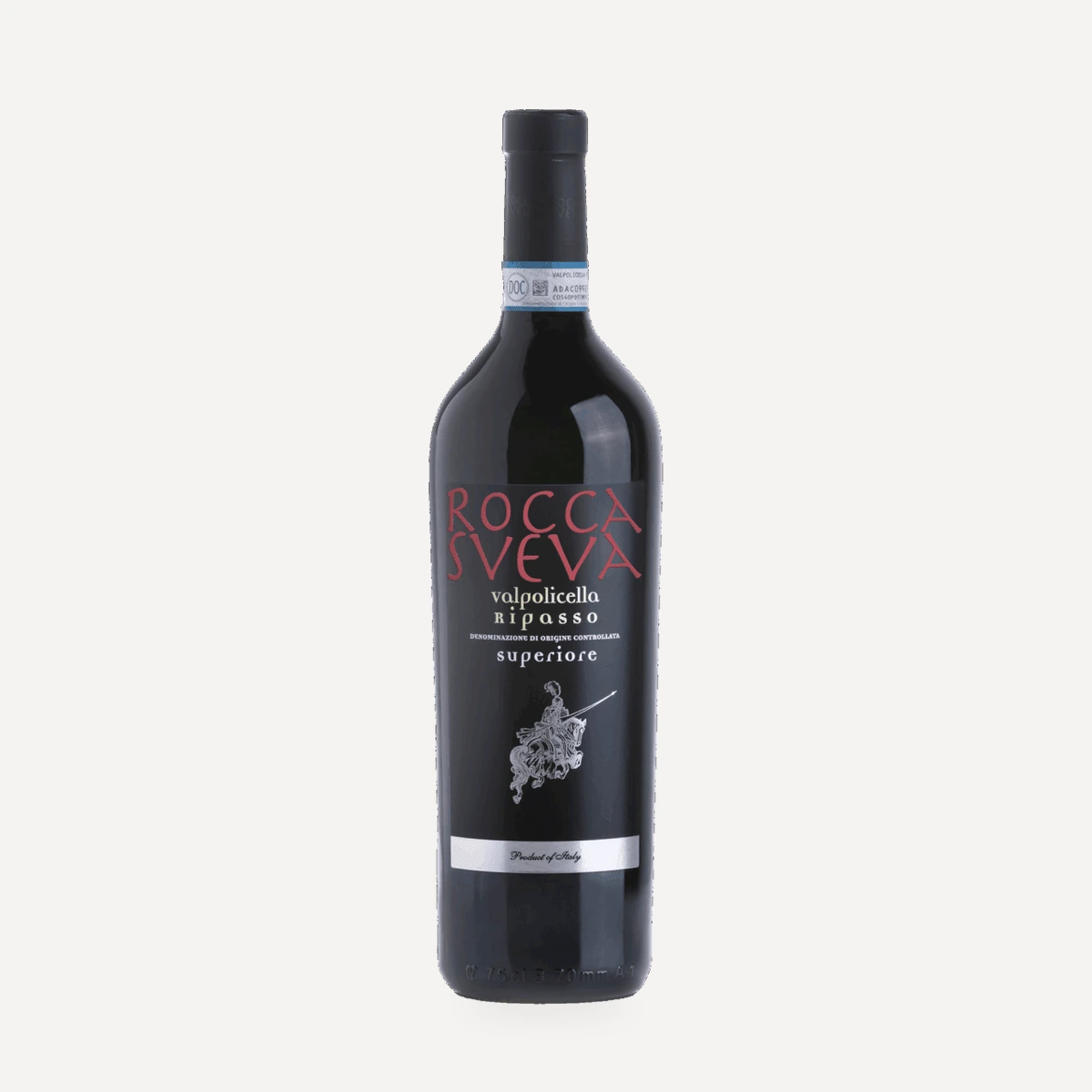
Valpolicella Ripasso Superiore DOC
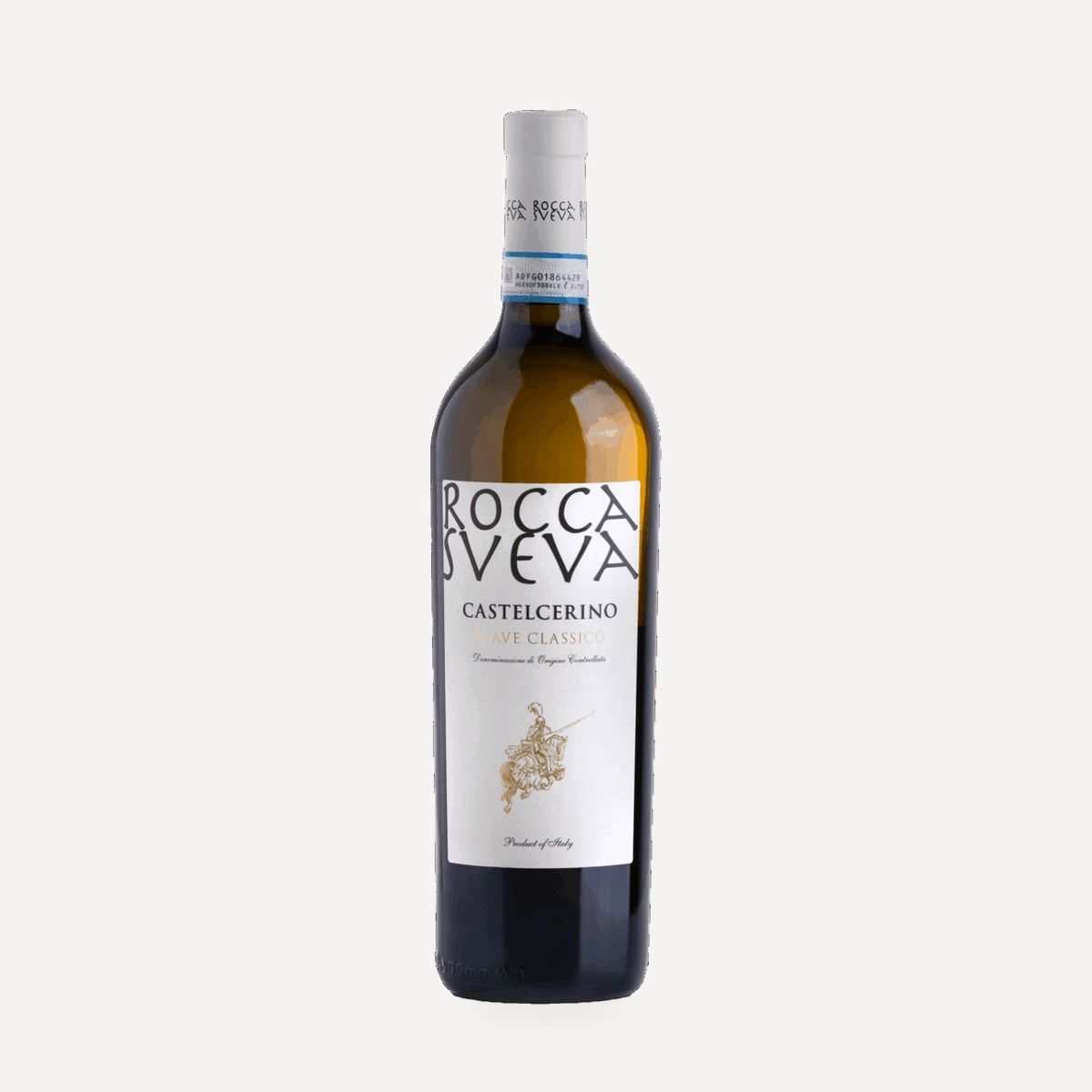
Castelcerino Soave Classico DOC
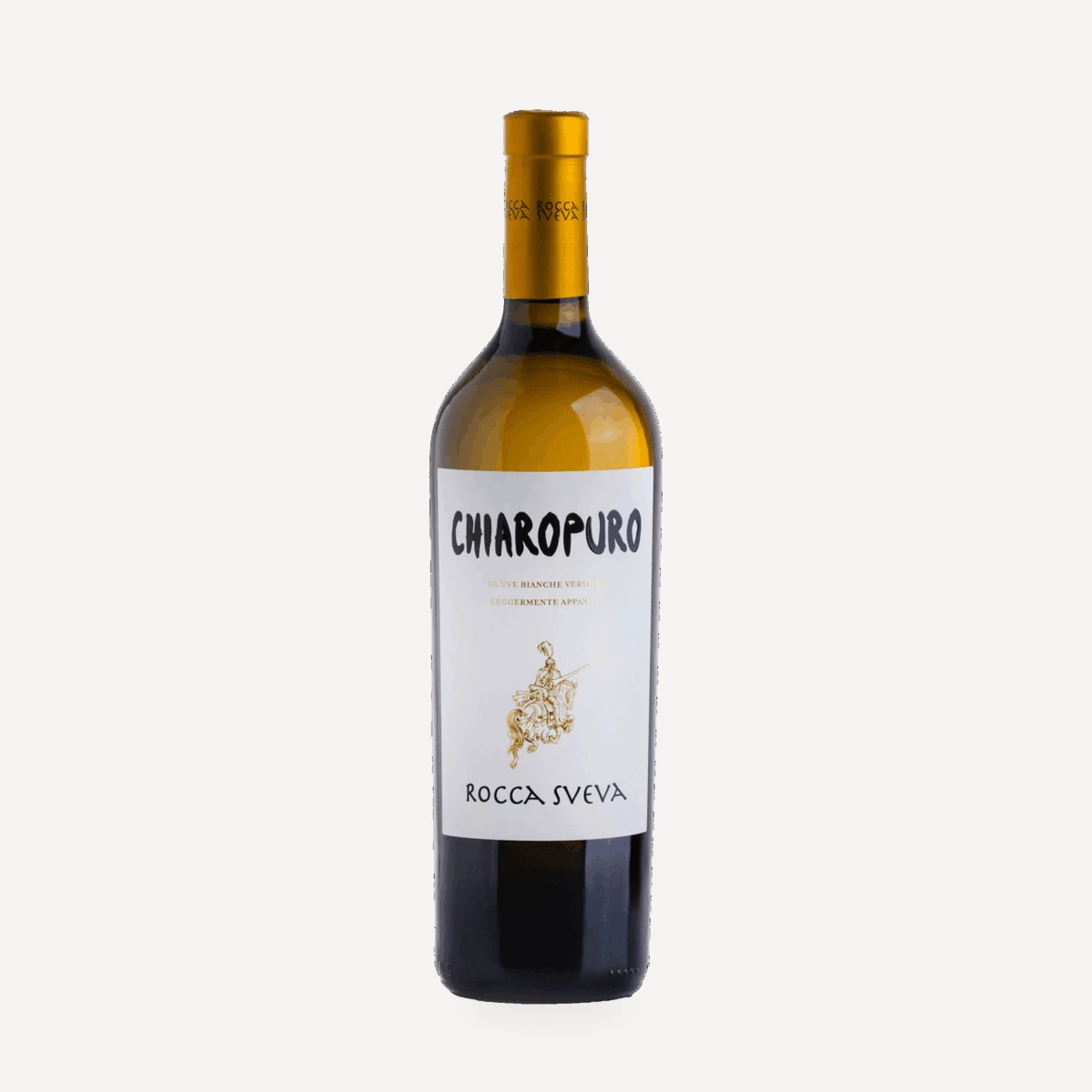
Chiaropuro Bianco Veronese IGT
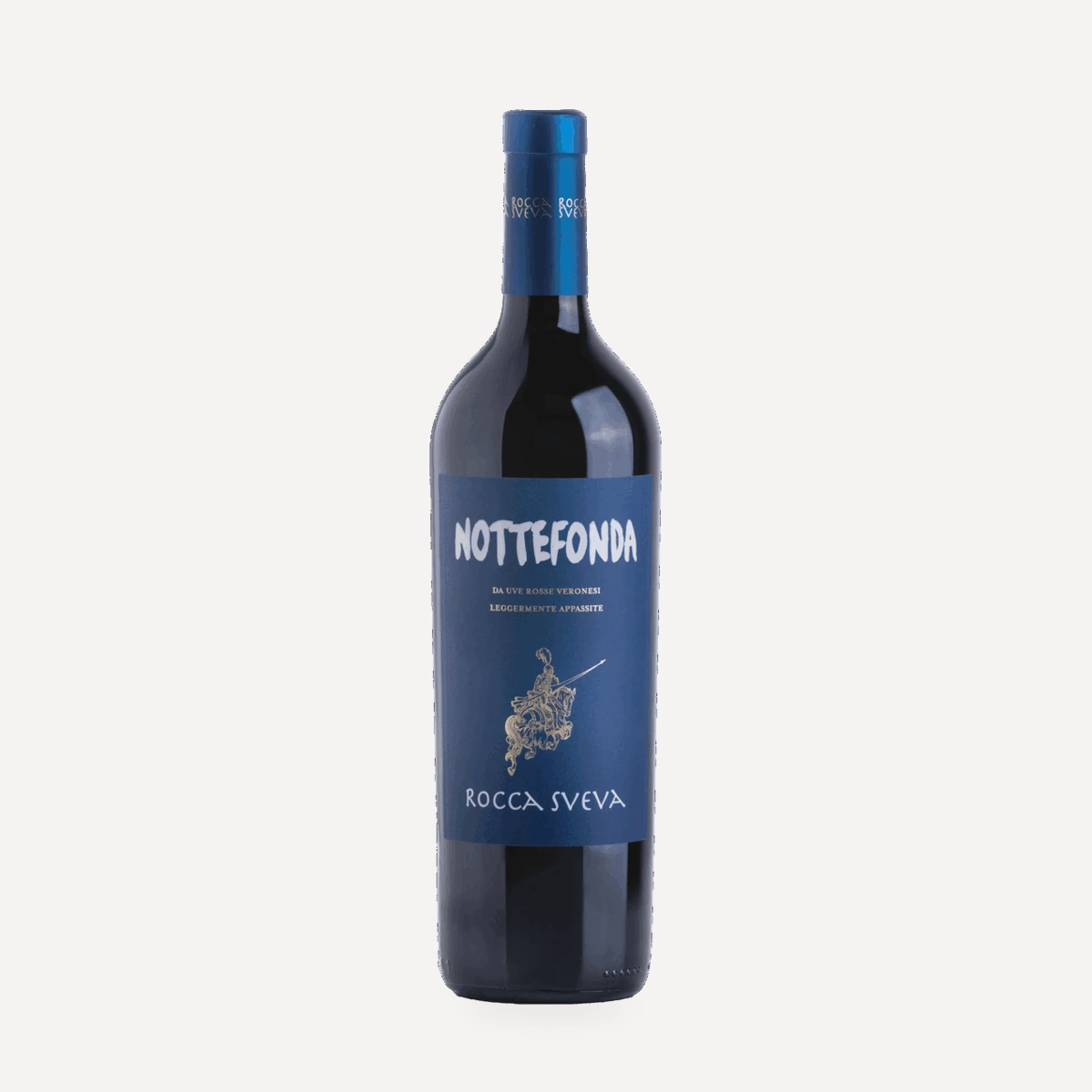
Nottefonda Rosso Veronese IGT
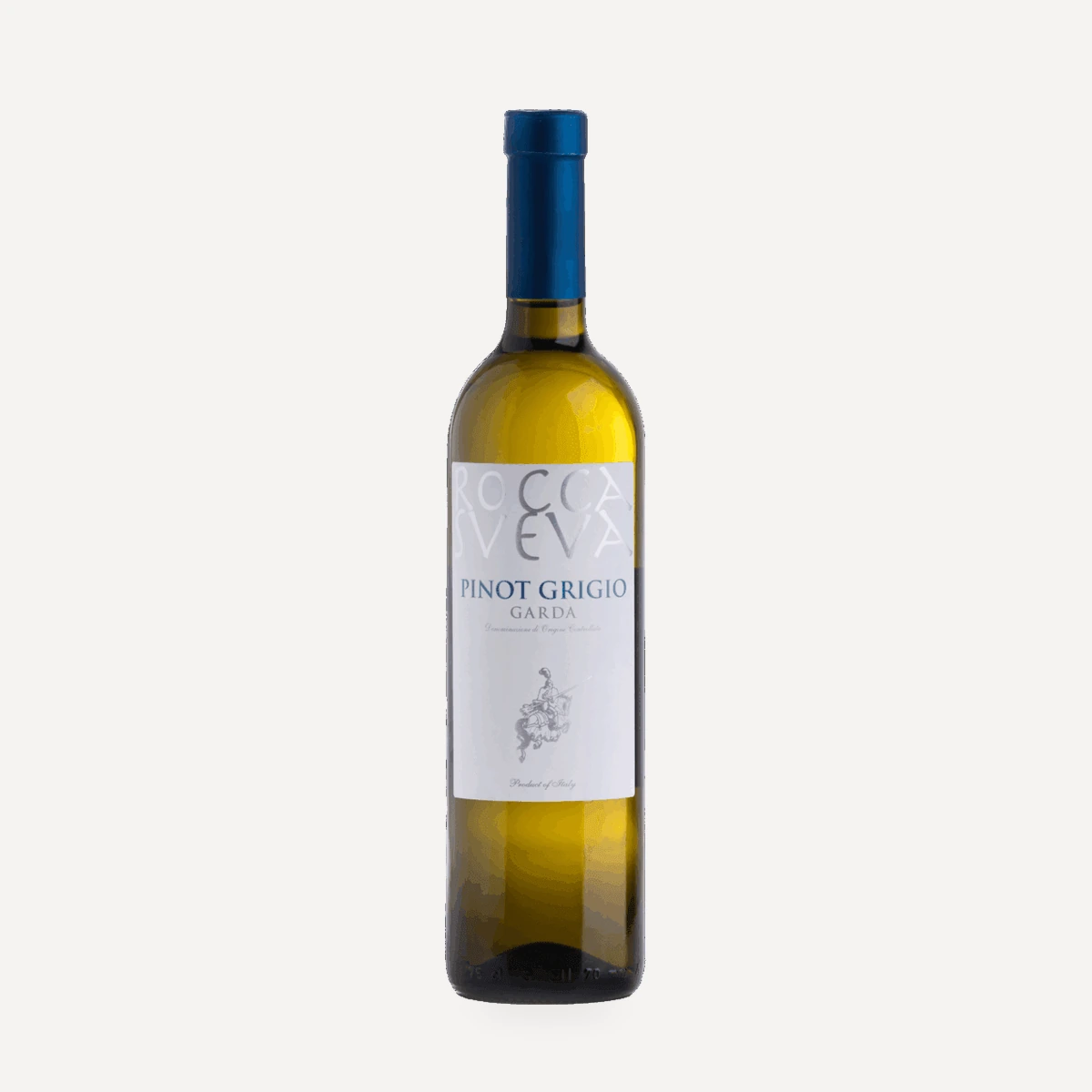
Pinot Grigio Garda DOC
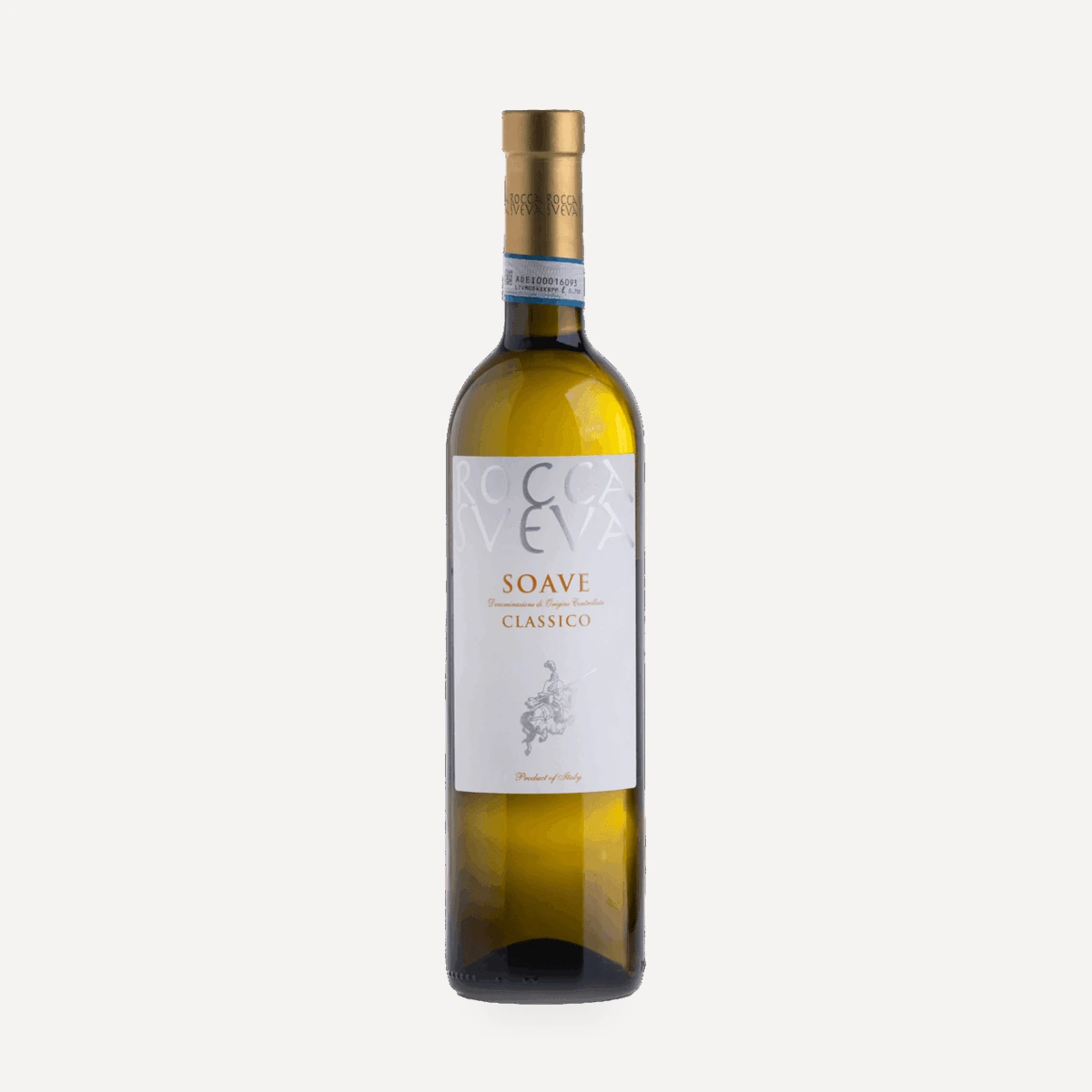
Soave Classico DOC
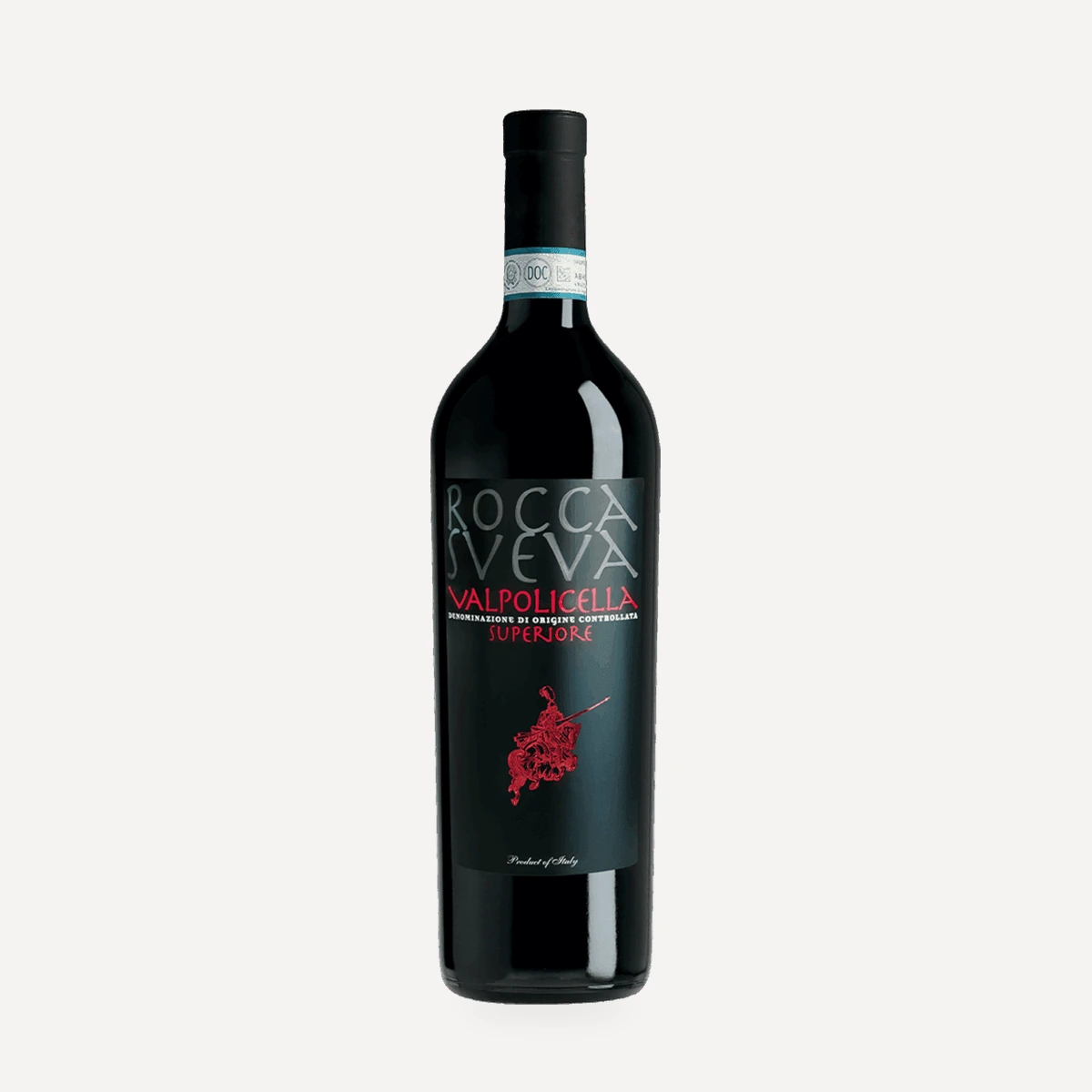
Valpolicella Superiore DOC
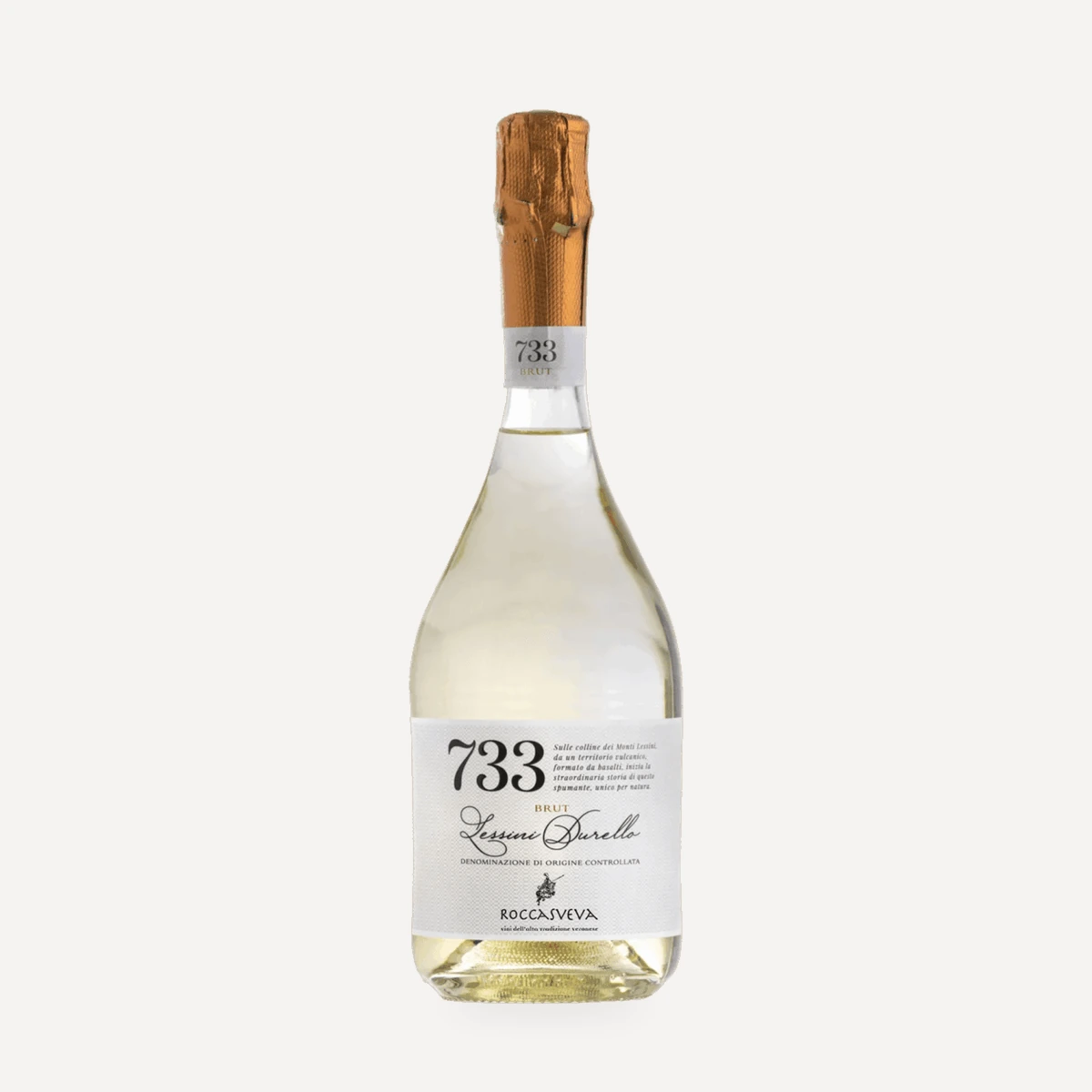
733 Lessini Durello DOC
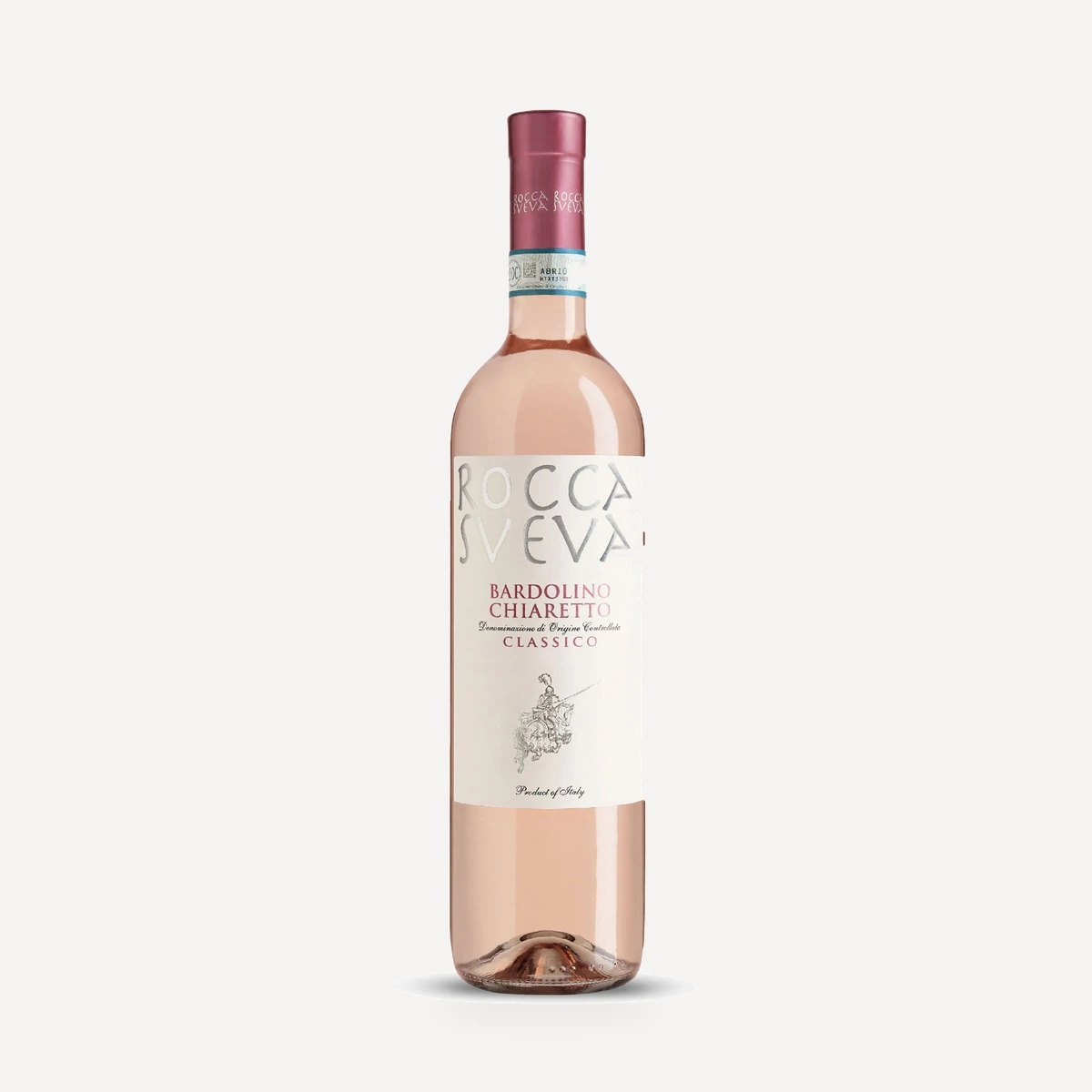
Bardolino Chiaretto DOC Classico
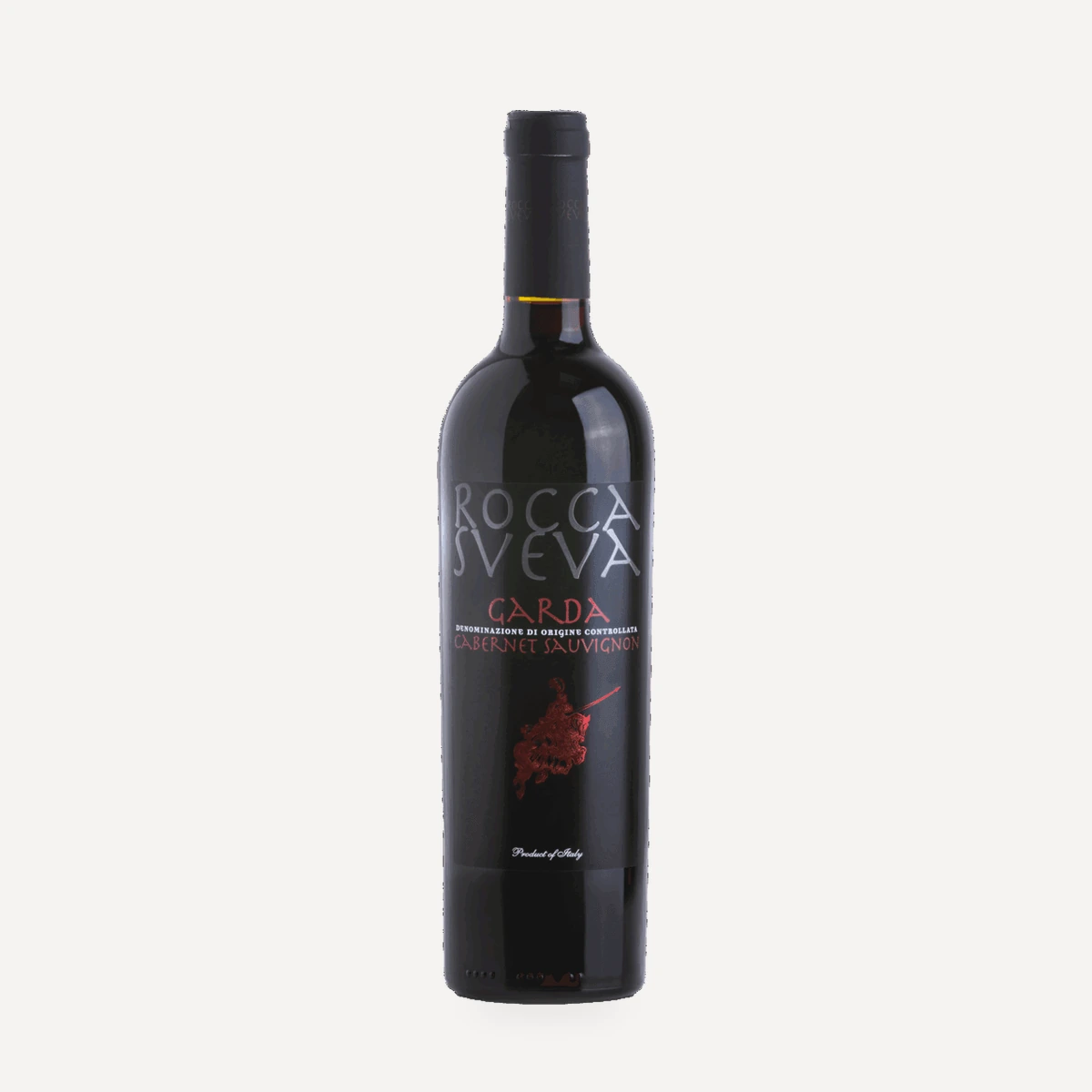
Cabernet Sauvignon Garda DOC
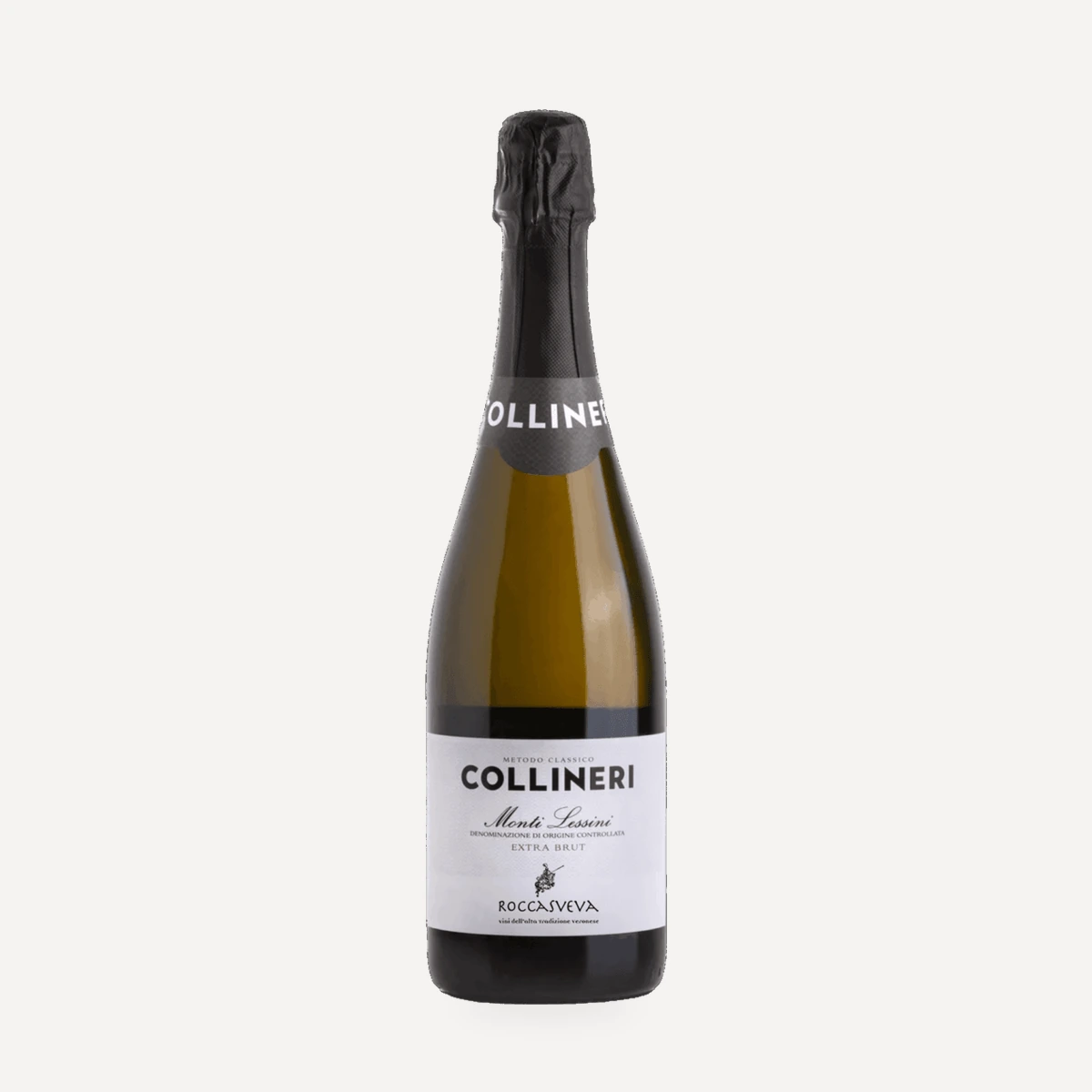
Collineri Monti Lessini DOC
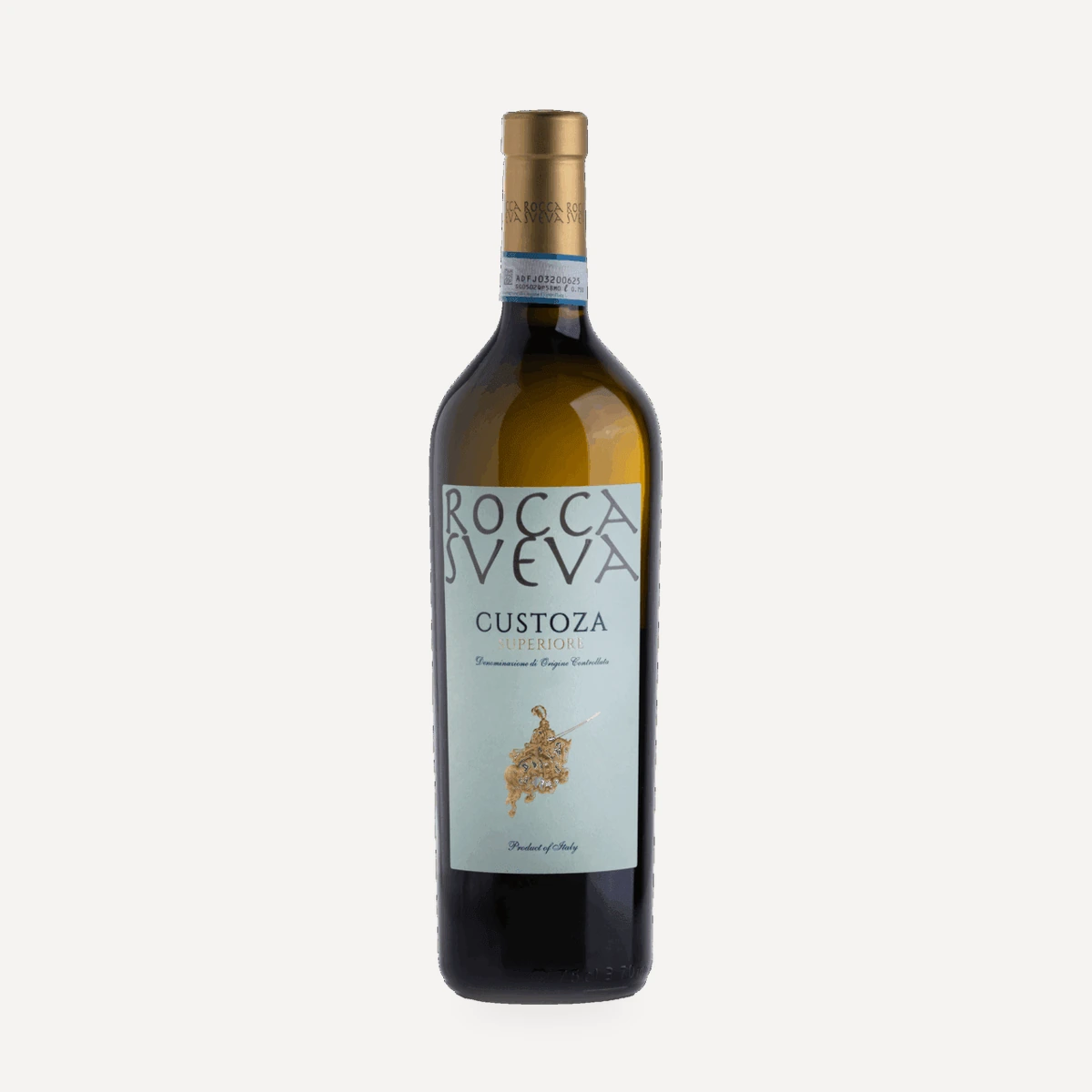
Custoza Superiore DOC
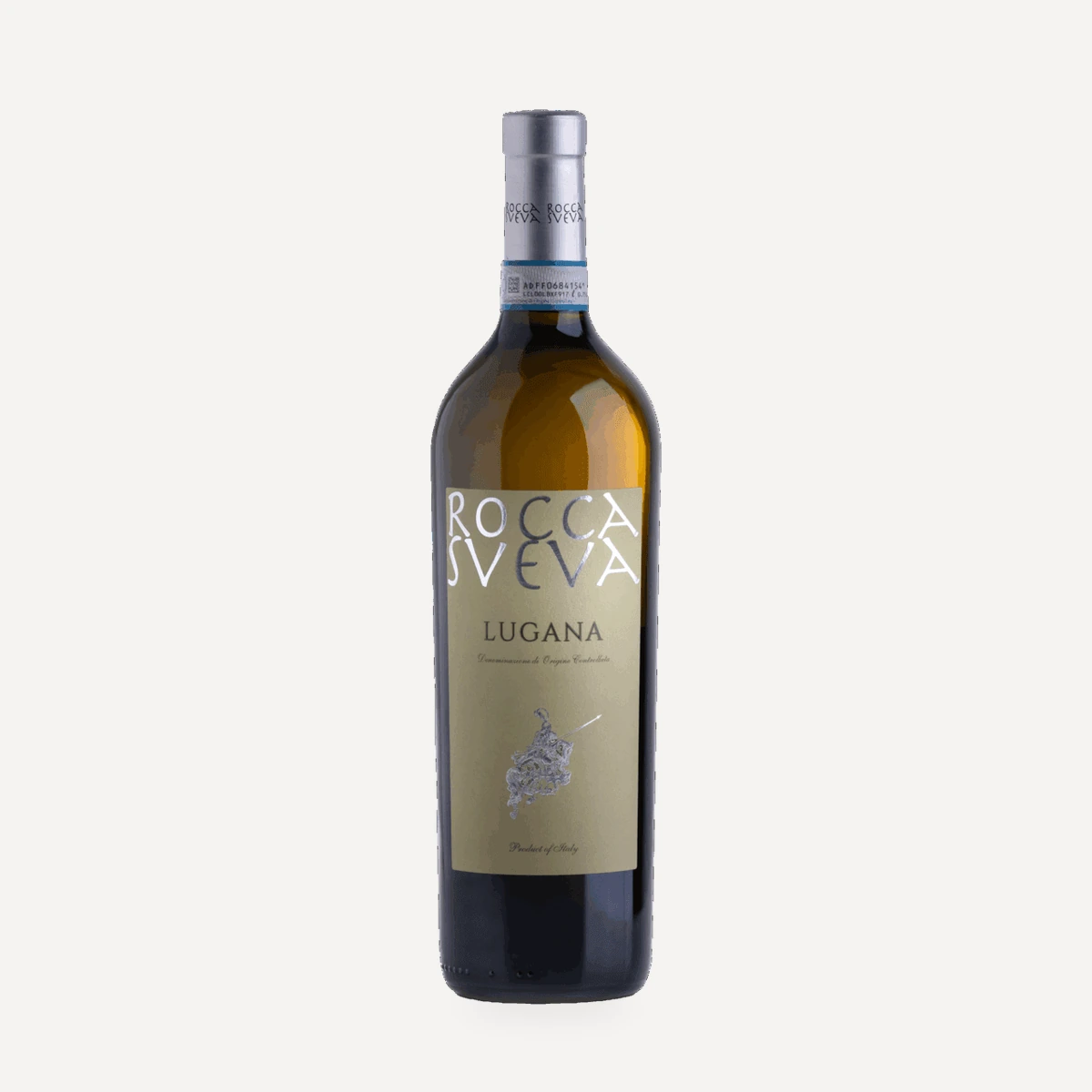
Lugana DOC
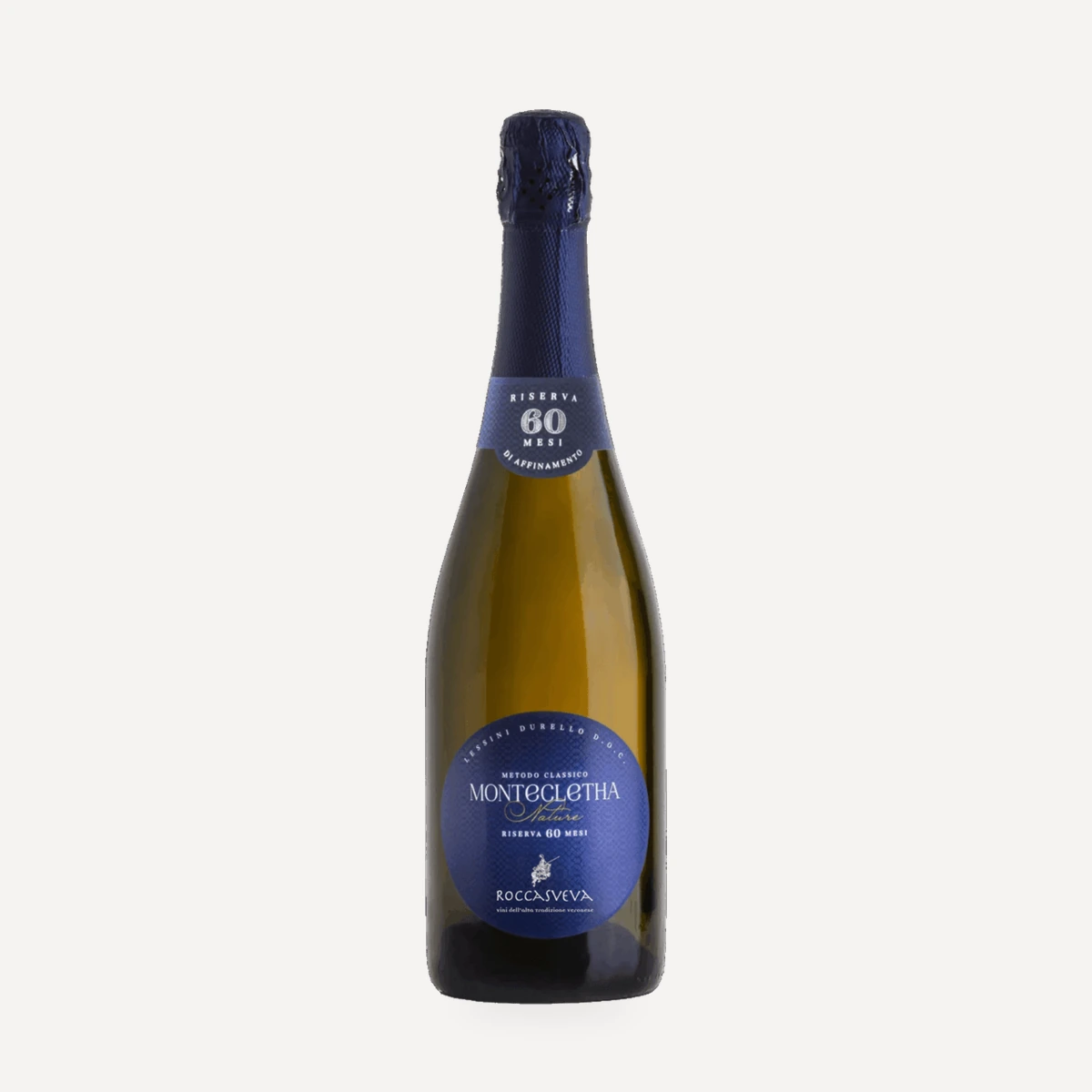
Montecletha Lessini Durello DOC RISERVA NATURE