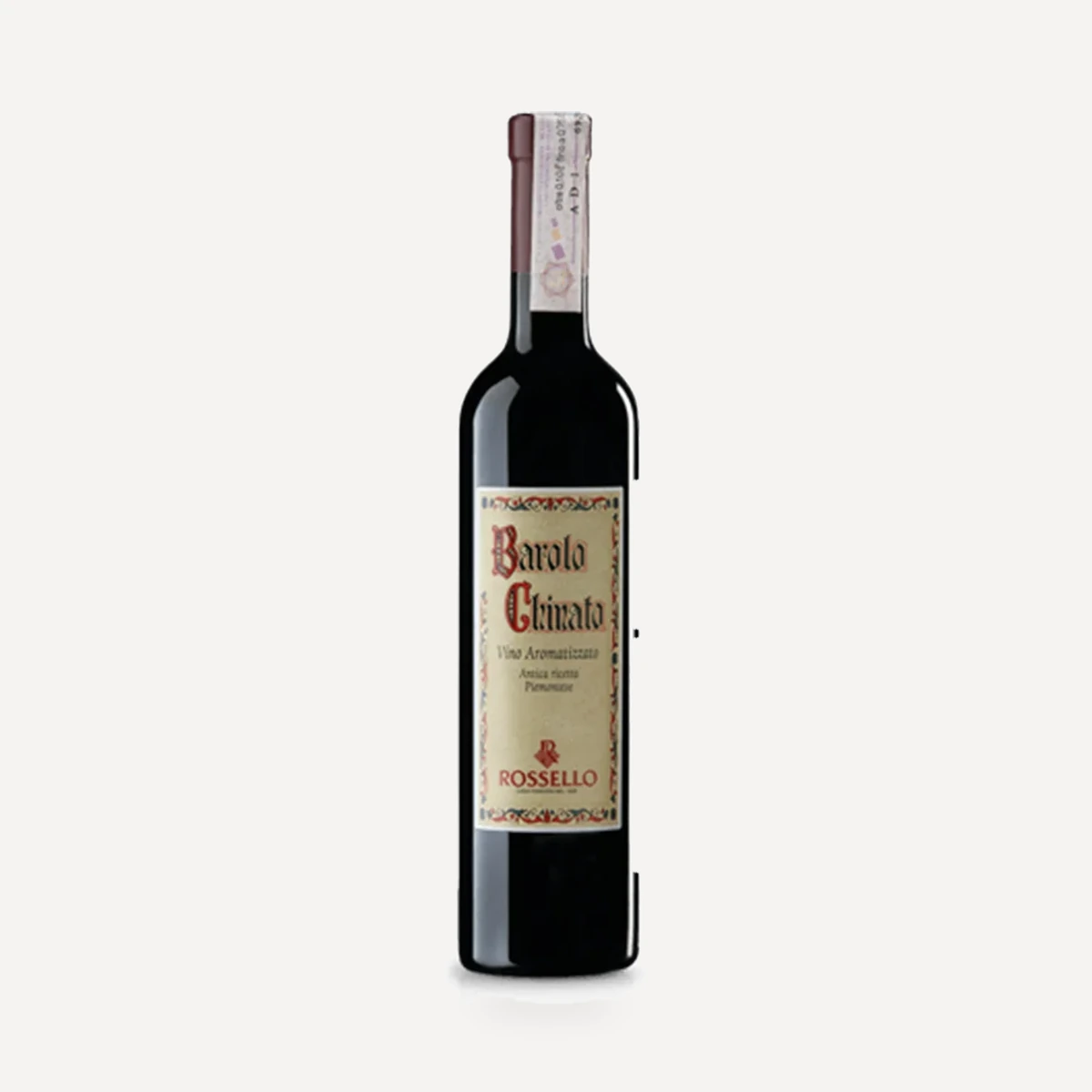
Storia
Origins and foundation
Rossello’s roots extend to the beginning of the 20th century in Cortemilia, a landscape distinguished by hillside vineyards supported by dry-stone terraces. Cavaliere Bernardino Rossello founded Rossello Vini in 1920, motivated by his attachment to Cortemilia and his passion for wine. Historical family photographs place Bernardino alongside his wife, Caterina.
The second generation: the 1950s
Pietro Rossello, representing the second generation, assumed leadership during the 1950s. The business adopted telephone selling—then a modern commercial model—to establish a direct relationship with private customers and deliver wine to households throughout Italy. Alongside domestic direct sales, restaurants and other commercial establishments in the Ho.Re.Ca. sector became an enduring part of the customer base.
The third generation: the 1970s and 1980s
Dino Rossello, the third generation, took command during the 1970s and continued the family’s direct-to-customer approach. In the 1980s he conceived Olio Salus, broadening the Rossello offering to include exclusively Italian extra-virgin olive oil, olive oil, and red and white wine vinegar.
The fourth generation: the 2000s
Giulio Rossello, Dino’s son, joined during the 2000s. His international background brought a renewed emphasis on growth and innovation as the family business approached its centenary, with attention to opportunities both within Italy and abroad.
Cortemilia’s terraces and limited releases
By 2017–2018, Rossello was presenting wines made exclusively from Cortemilia’s terraced vineyards, including Dolcetto d’Alba DOC and Langhe DOC Chardonnay. At ProWein 2018, the company previewed Barbera d’Alba DOC 2017 bearing the De.C.O. Cortemilia designation alongside Dolcetto d’Alba DOC 2017 and Langhe DOC Chardonnay 2017 from the same terraced landscape. The Cortemilia wines were produced in limited quantities.
The centenary
Rossello celebrated 100 years of activity in 2020 and four generations of family continuity. A numbered centenary series of 100 magnums—Barolo DOCG and Barbaresco DOCG in 1.5-litre format—was created to mark the approach to the anniversary and recognize the customers who had shared in the company’s history.
Terroir
Cortemilia and Alta Langa
Rossello is based in Cortemilia, in Alta Langa. The local landscape is defined by vineyard slopes supported by dry-stone terraces. Its distinguishing conditions include altitude, steep vineyard gradients, and pronounced temperature variation.
Dry-stone terraces
The retaining walls are built without mortar from Pietra di Langa, the characteristic local stone. The stone accumulates heat during daylight hours and releases it gradually into the surrounding ground over the course of 24 hours. This moderating effect supports the vines and grapes through ripening.
The terraced Cortemilia sites supply limited-production wines, and their demanding cultivation is characterized as heroic viticulture.
Vinificazione
Viticulture in Cortemilia takes place on steep, dry-stone terraces and is described as heroic because of the demanding terrain. The walls are assembled from local Pietra di Langa without mortar. By storing daytime warmth and releasing it gradually, the stone supports grape ripening under conditions shaped by altitude, slope, and temperature variation.
The Cortemilia terrace-grown releases are produced in limited quantities. No general certification, soil-management regime, disease-protection program, yield policy, harvesting protocol, or biodiversity program is identified.
Rossello’s production principles center on careful grape selection and high production standards. The portfolio employs several distinct techniques rather than a single uniform process.
Sparkling production includes both the Charmat method and the Metodo Classico Tradizionale. The traditional-method Pinot Nero sparkling wine is vinified as a white wine, undergoes its second fermentation in bottle, and remains on its lees for at least 24 months. The Charmat sparkling wines include both white-vinified and rosé-vinified Pinot Nero.
Wood maturation is used selectively. Barbera d’Alba receives a short period in oak, while Barolo is matured for at least 38 months overall, including no fewer than 18 months in wood. Distillation includes the traditional Piedmontese bain-marie still. Depending on the grappa, maturation takes place in stainless steel or in Slavonian-oak tonneaux, sometimes followed by barrique finishing.
The company also produces red and white wine vinegar under the Olio Salus name; these vinegars mature in oak and larch vats.
Filosofia
Rossello presents wine as the continuity of family history, place, and direct personal relationships. Its principal quality commitments are careful grape selection, high production standards, and wines with a clearly recognizable territorial character.
Four generations have retained a commercial model built on direct service. Personal contact allows staff to guide customers according to their preferences, while direct distribution is intended to protect the exclusivity of the Rossello name. Long-standing customer confidence is treated as the family’s most meaningful recognition.
The arrival of the fourth generation added an explicit commitment to innovation and growth without abandoning inherited family passion. This combination is directed toward both the Italian market and international development.
Vini
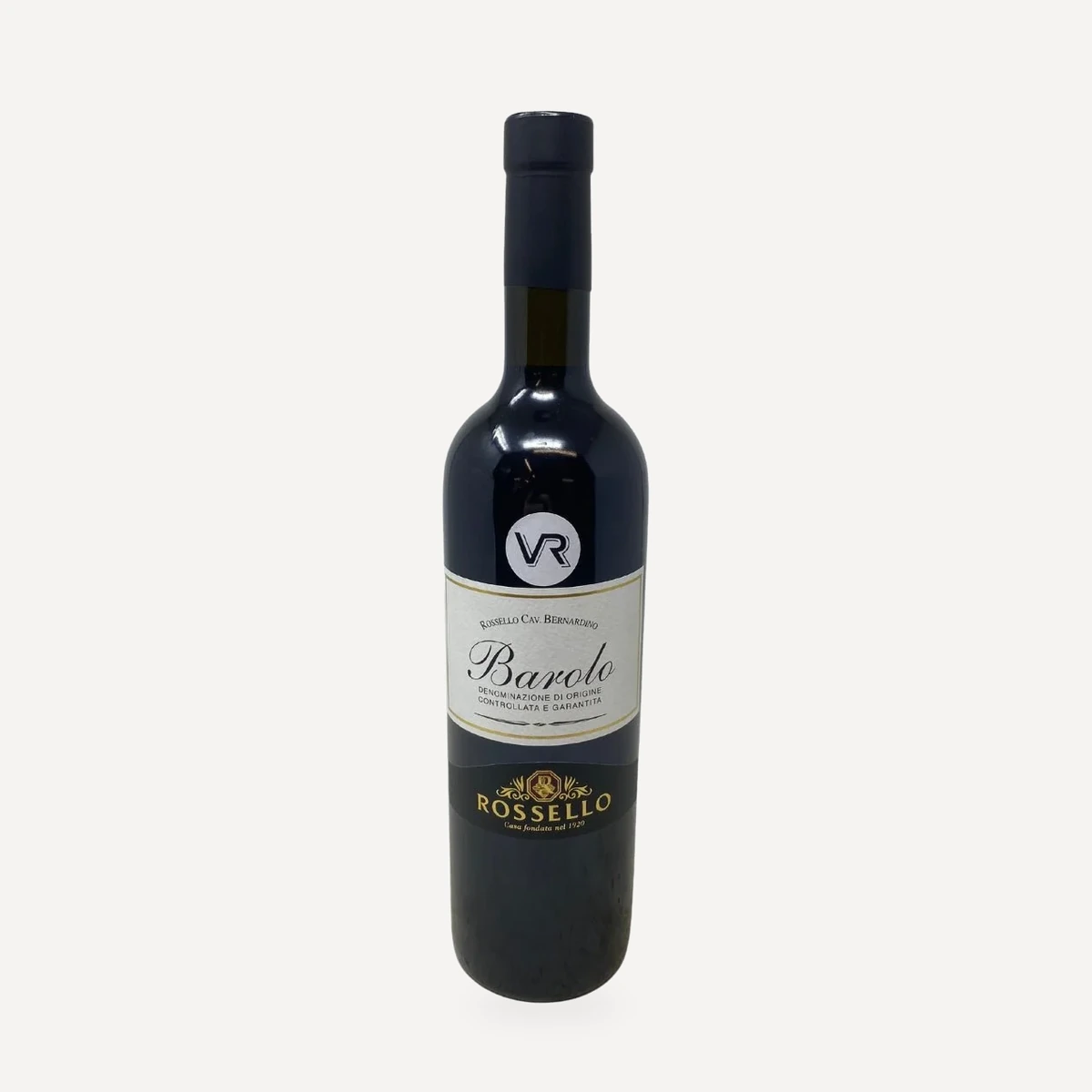
Barolo D.O.C.G.
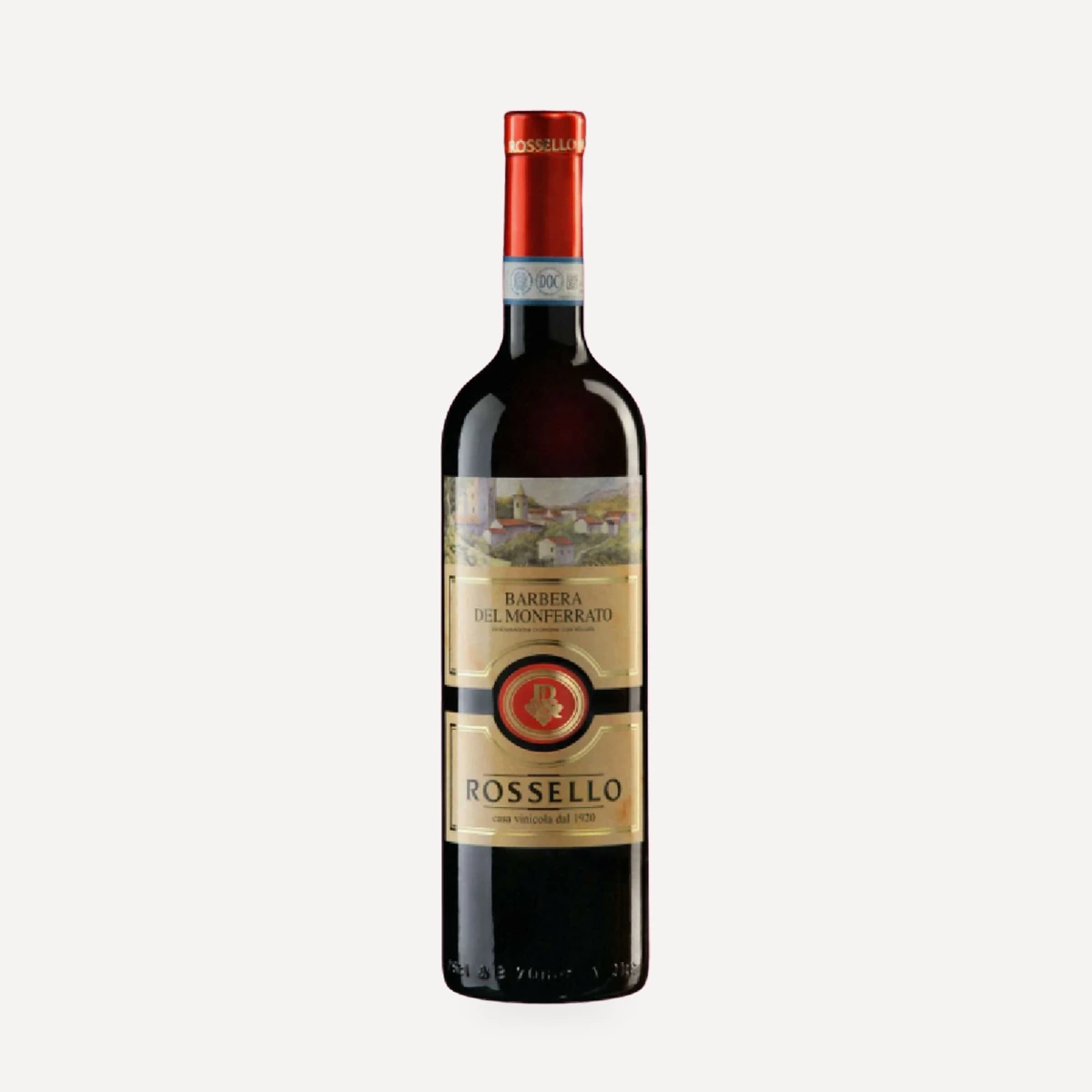
Barbera del Monferrato D.O.C.
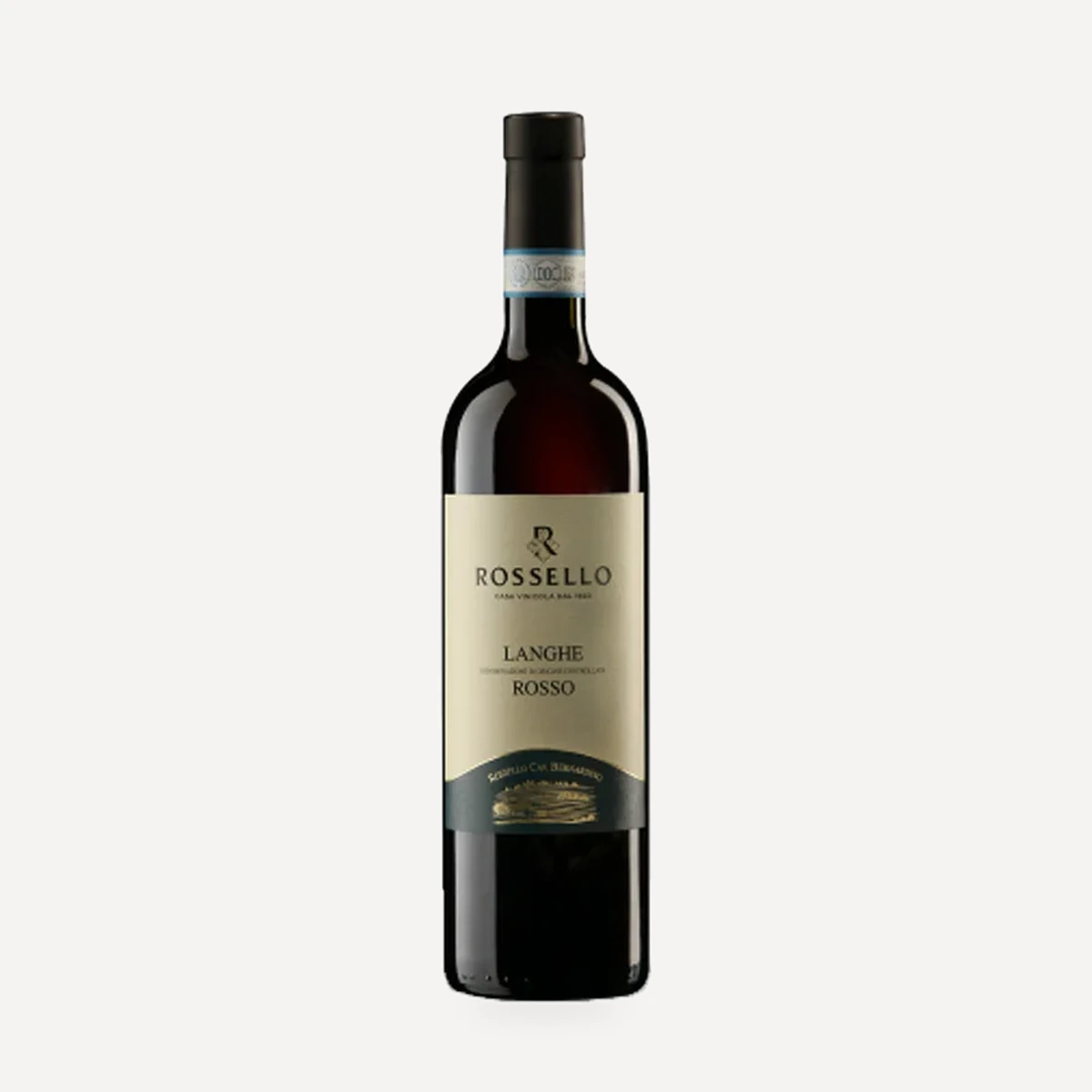
Langhe D.O.C. Rosso
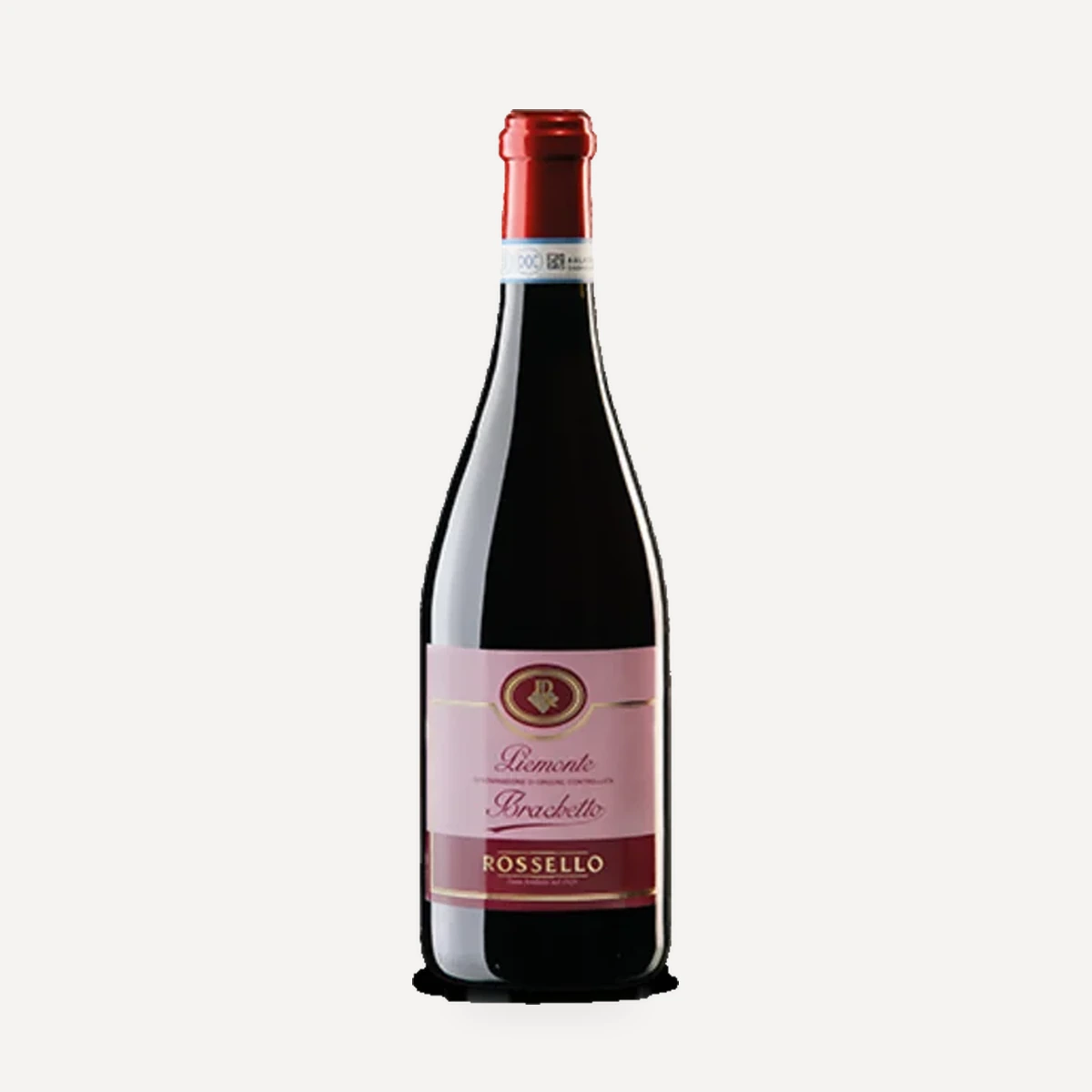
Piemonte D.O.C. Brachetto
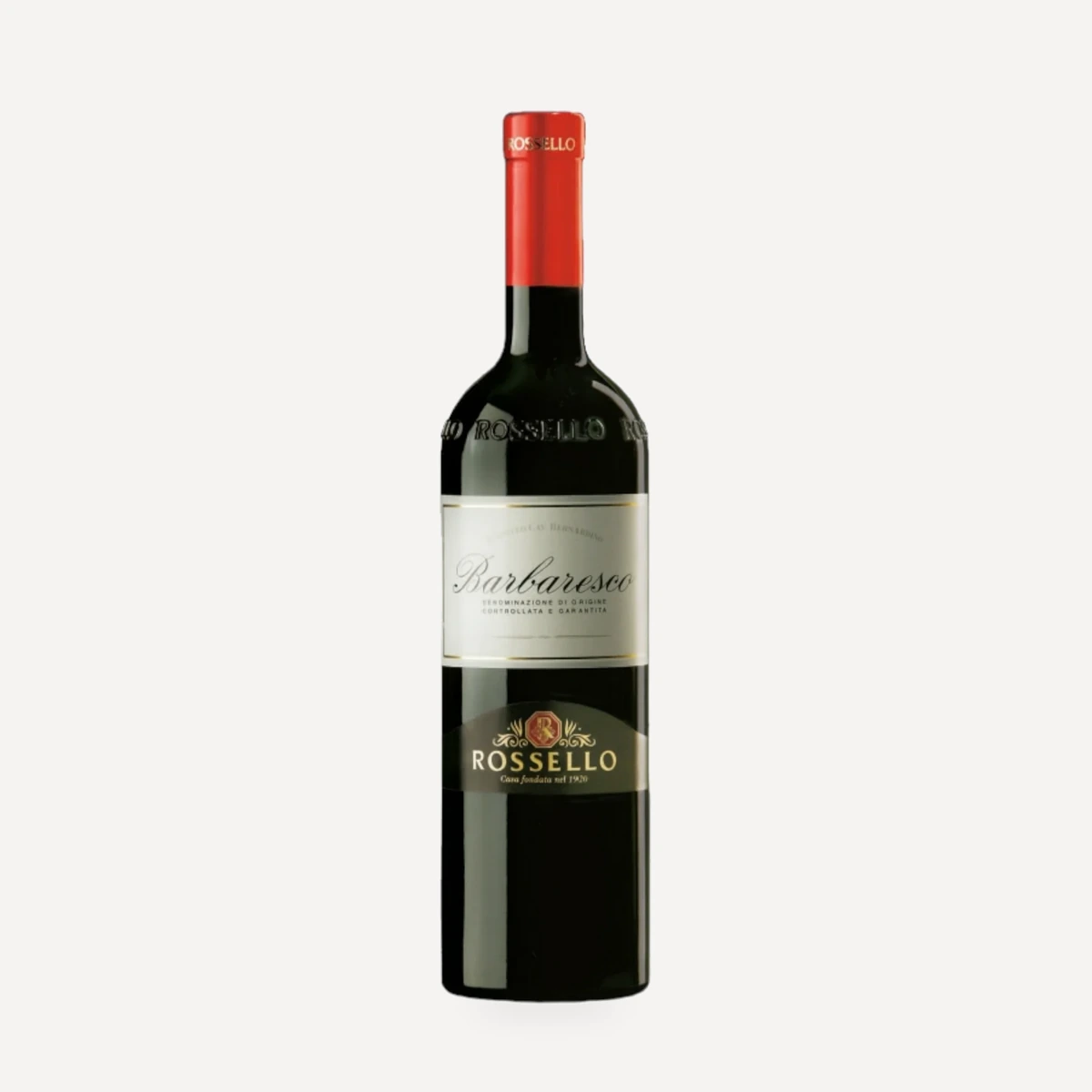
Barbaresco D.O.C.G.
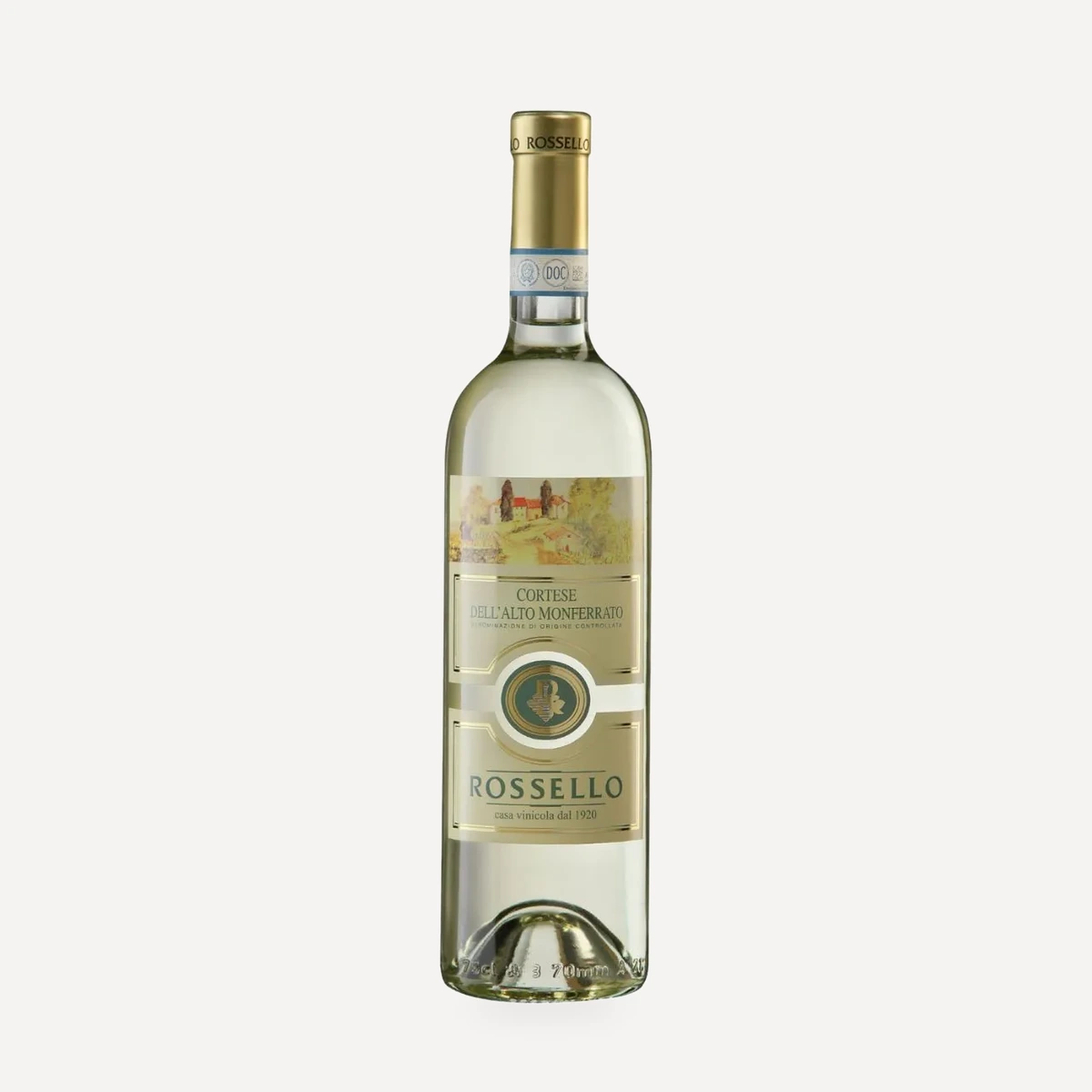
Cortese dell'alto Monferrato D.O.C.
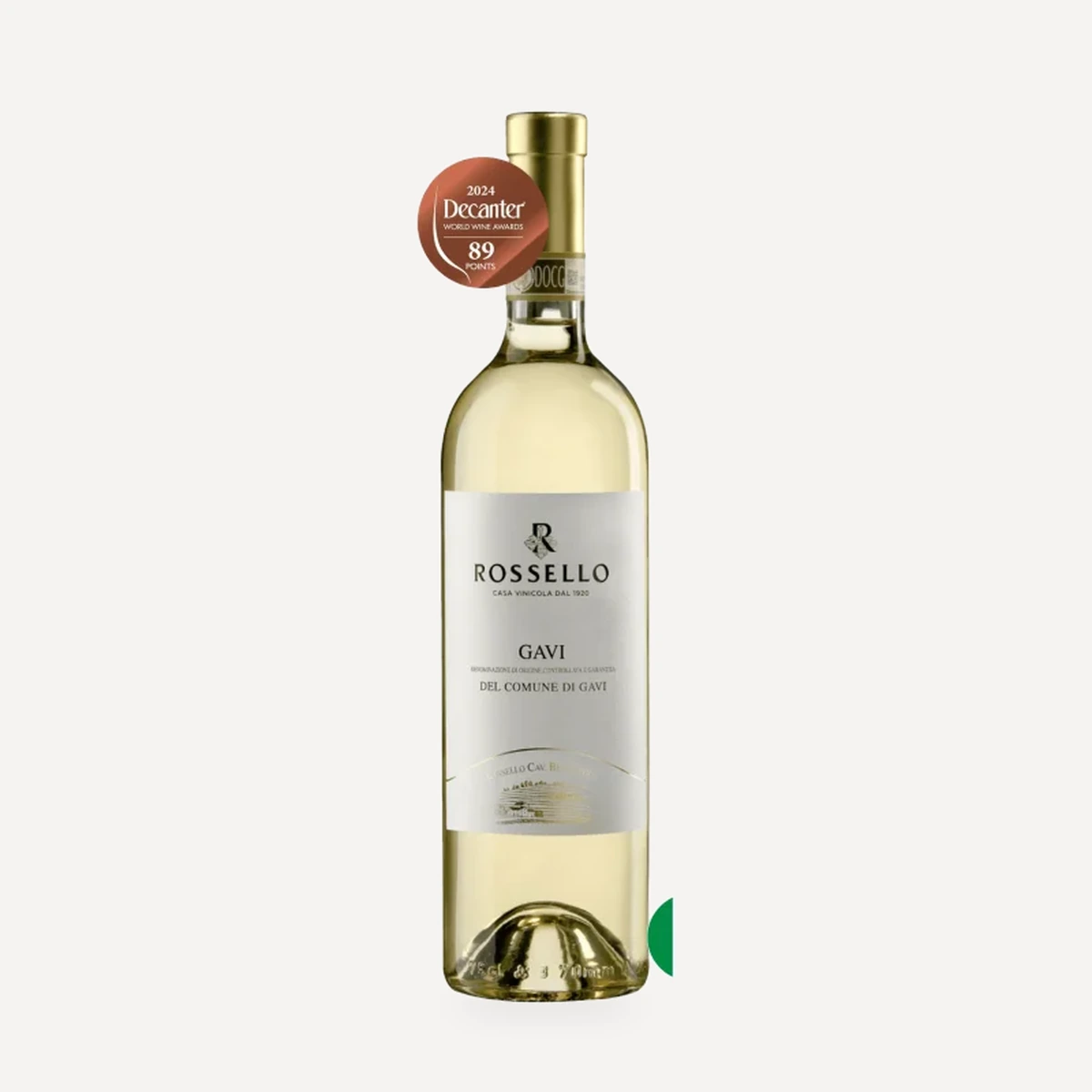
Gavi del comune di Gavi D.O.C.G.
Dolcetto d’Alba D.O.C.