Storia
More than six centuries of family viticulture
The Rovellotti family has practiced viticulture for more than 600 years, transmitting its working rules and methods across generations. The modern enterprise combines this inherited tradition with technological innovation and environmental stewardship.
The present activity began informally in the grandfather’s old cellar at Interno Castello 19, inside Ghemme’s historic Ricetto. The room was distinguished by a terracotta window decorated with a twisted-vine motif. Traditional vinification began there, but increasing production soon required the acquisition of additional spaces. The family chose to remain within the Ricetto despite the resulting logistical complications, regarding the location as inseparable from Ghemme’s wine culture.
1972–1990: the modern production era
The first harvest in the modern chronology took place in 1972. In 1985, Rovellotti began vinifying native grape varieties and adopted integrated pest management in its vineyards. The first Metodo Classico sparkling wine was vinified in 1990.
1999–2004: vineyards, equipment and hospitality
Two separate developments were recorded in 1999. Rovellotti established the 3.5-hectare Ronco al Maso Vespolina vineyard, while the first Calice d’Oro competition was also held. In 2001, the estate acquired a Gai bottling machine and a New Holland tractor. The Valdenrico vineyard was established in 2002. A tasting room opened inside the Ricetto in 2003, followed in 2004 by the planting of Vignone Greco Baraggiole.
2010–2014: recognition and cellar expansion
From 2010, the Calice d’Oro expanded from a provincial competition to one encompassing the whole of Alto Piemonte. Rovellotti produced its first Nebbiolo grappa in 2011 and received its first Calice d’Oro Alto Piemonte in 2013. In 2014, it purchased the Tarlo cellar inside the Ricetto, extending a production system already distributed among several historic cellars.
2016–2018: further planting and public spaces
An eight-hectare vineyard was planted at the new Monte Cavallo-Mareschi site in 2016. In 2018, the final Valdenrico Baraggiole planting was completed. That September, Antonello and Paolo Rovellotti inaugurated a new tasting room and estate shop and opened the Ricetto cellars to visitors. The three-day Autoctoni al Castello program brought together wine professionals, journalists, distributors, public authorities and visitors for cellar and vineyard tours, discussions and tastings.
The cellars in the Ricetto
Production is now divided among several cellars within the walls of the ancient Ricetto. Crushing, vinification, bottling, packaging, storage and dispatch are assigned to the spaces best suited to each operation. Newly acquired rooms have been restored with raw materials and, wherever possible, original fabric, retaining their historic layouts rather than substantially altering the buildings.
Terroir
Setting
Rovellotti’s vineyards surround Ghemme on the Colline Novaresi, where gentle hills separate the Po Valley’s wheat, maize and rice fields from the Alpine chain. Monte Rosa overlooks this transition from the plain to morainic and volcanic formations. Sun, rainfall and fog all shape the vineyard landscape.
Air and temperature
The sites are exposed to fresh Alpine air currents. Day-to-night temperature differences contribute to a microclimate suited to Nebbiolo, Vespolina, Bonarda and Vitigno Innominabile, supporting the development of their aromatic characteristics.
Soils
The wider Alto Piemonte morphology includes soils of morainic, fluvial and volcanic origin. Rovellotti’s vineyards have a markedly acidic component that gives the grapes a distinct character. A clay matrix, also present in the nearby Novara rice-growing areas, retains water like a sponge and supports bunch development. The resulting clusters are generally large, with a favorable skin-to-surface relationship.
Vinificazione
Rovellotti applies low-impact, eco-sustainable cultivation and maintenance methods across its vineyards, with the stated aim of limiting effects on both vines and fauna.
Integrated pest management has been practiced since 1985, principally to control Botrytis, downy mildew and powdery mildew. Insecticides are excluded except in rare cases considered essential to preserve the crop. Systemic treatments are limited, and from berry formation onward protection is based on Bordeaux mixture composed of copper sulfate and sulfur.
Weed control is mechanical and localized beneath the vine row once a year. Natural vegetation is retained between rows and mown several times during the year; the cut plant material is left on the soil. Some land remains as natural meadow to avoid a monotonous, continuous vineyard landscape and to preserve habitat for wildlife.
Harvest decisions also determine the eventual designation of fruit: grapes from land eligible for Ghemme may be selected for Ghemme DOCG or Riserva, or redirected to Colline Novaresi DOC Nebbiolo and Rosso.
Cellar organization
The production cycle is distributed among several cellars within Ghemme’s ancient Ricetto. Crushing, vinification, bottling, packaging, storage and dispatch take place in separate historic spaces adapted to their most suitable functions. The rooms have been restored with raw and, where possible, original materials while retaining their original structures. Vinification itself takes place at Interno Castello 26.
All grapes pass gently through a crusher-destemmer before entering fermentation vats. Subsequent work varies by wine type.
White wines
White grapes may receive an initial pressing step before low-pressure pneumatic pressing at 1–2 atmospheres; in some cases the preliminary step is omitted. Fresh must is clarified immediately by nitrogen flotation and fermented under temperature control. The cold chain is maintained to preserve the grapes’ original aromatic range. New wines enter refrigerated tanks or outdoor tanks, where artificial or winter cold provides tartaric stabilization at approximately −4 °C for an extended period.
Rosé wines
Rosé is produced by white-wine processing of Nebbiolo harvested early. A short cryomaceration allows the skins to impart the characteristic onion-skin color. After clarification, the must is held under a protective carbon-dioxide atmosphere and inoculated with selected yeasts for a slow, low-temperature fermentation. Clarification and temperature control are used to preserve aromatic character. Stabilization follows at approximately −4 °C.
Red wines
Red grapes ferment without active temperature intervention for 8–16 days. Repeated daily aerated pump-overs and délestage are used during this period. Fermentation ends with gentle pressing. The first pressed fraction is separated and added to the free-run wine, while the remaining fraction is directed to simpler wines.
The temperature is then raised to at least 20 °C to encourage the natural start of malolactic fermentation, in which bacteria transform malic acid into lactic acid. Biological stability follows malolactic fermentation; physical stabilization takes place during winter through natural cold. Most young reds remain in steel until bottling, while lots selected to become Ghemme DOCG or Ghemme DOCG Riserva are transferred to wood.
Maturation vessels
Young, single-variety wines complete their maturation in 52, 28 and 11 hl steel tanks to retain varietal character and freshness. Ghemme is treated in a traditional manner: small barrels are avoided in favor of 20–30 hl vats made in Switzerland from solid Vosges oak by cooper Küferei Suppiger. Valdenrico is fermented and matured in toasted-oak barriques.
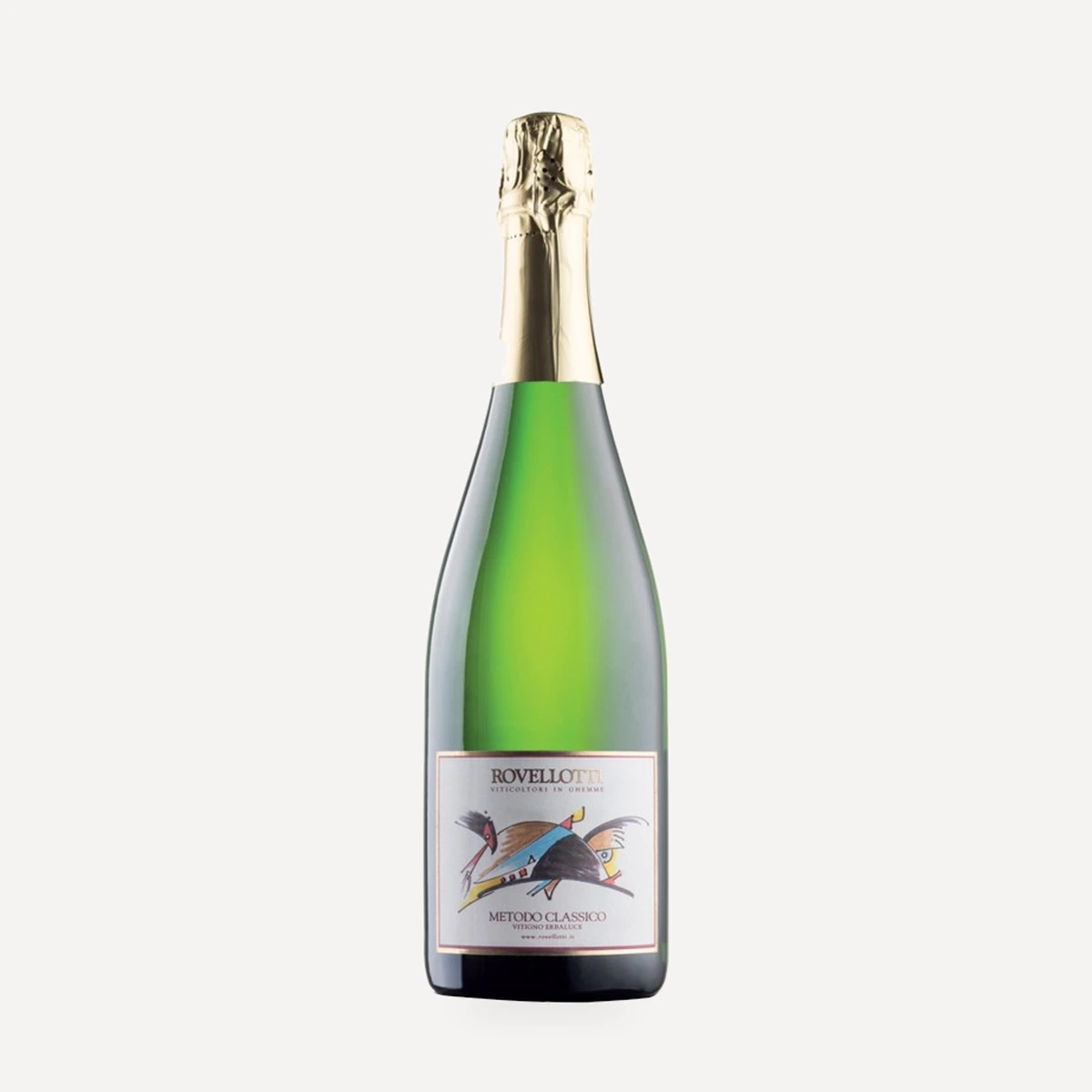
Metodo Classico
Grapes for Metodo Classico are harvested earlier than usual to retain acidity and aroma. Following pressing, the base wine is clarified by nitrogen flotation, fermented under temperature control and stabilized at approximately −4 °C. It is bottled under crown cap with the additions required for secondary fermentation in bottle.
The bottles remain on their noble lees for 18–60 months. Manual remuage precedes disgorgement. The bottle neck is frozen, the lees are expelled, and the bottles are topped, corked and secured with a muselet.
Passito
Grapes for passito wither and develop noble mold in small wooden boxes known as padelline for four to six months, depending on the season. They are then gently pressed. The must is clarified by nitrogen flotation and fermented in oak barrels for about one year. Fresh grapes processed in this way yield less than 25% of their original weight as wine.
Filosofia
Rovellotti defines its work through respect for inherited tradition and its home territory, environmental sustainability and considered use of technology. The family presents continuity and innovation as complementary rather than opposing forces.
Quality is prioritized over pursuing volume at all costs. Winemaking is intended to preserve the characteristics of native grapes: steel retains freshness in younger wines, while Ghemme follows a traditional large-cask approach. The estate’s environmental ethic extends from limiting vineyard treatments to retaining natural meadows and wildlife habitat.
Remaining inside the Ricetto is also a deliberate cultural choice. Even as production expanded, the family adapted additional historic rooms rather than moving the operation away from the castle. Restoration emphasizes original materials and the existing architecture, linking contemporary production to the wine culture of Ghemme.
The estate aims to represent Alto Piemonte in domestic and international markets, broaden awareness in Northern Europe and encourage shared policies for protecting the territory. Its intended audience is made up of informed and curious consumers interested in quality and the identity of the grapes.
Vini
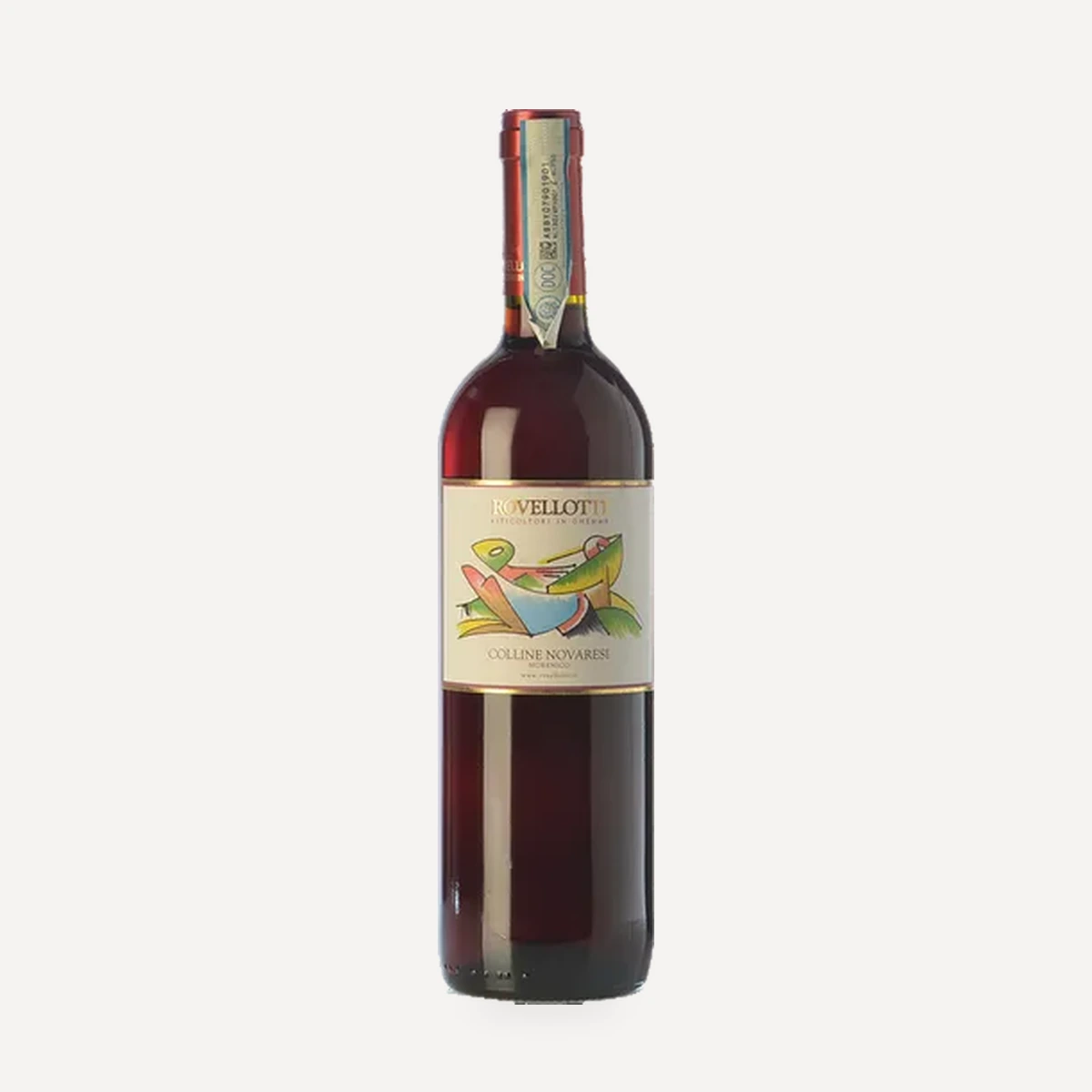
Colline Novaresi D.O.C. Morenico
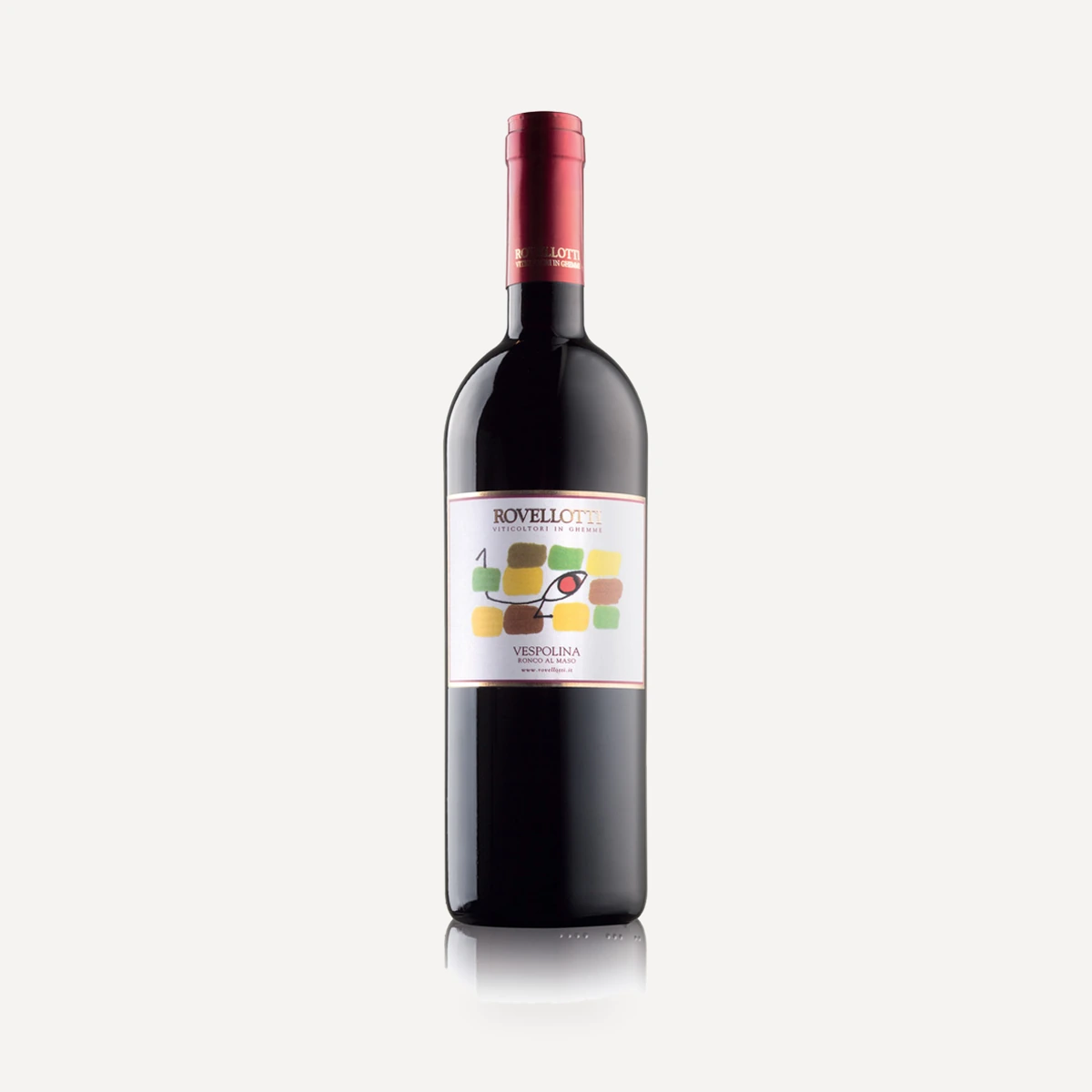
Colline Novaresi D.O.C. Vespolina Ronco al Maso
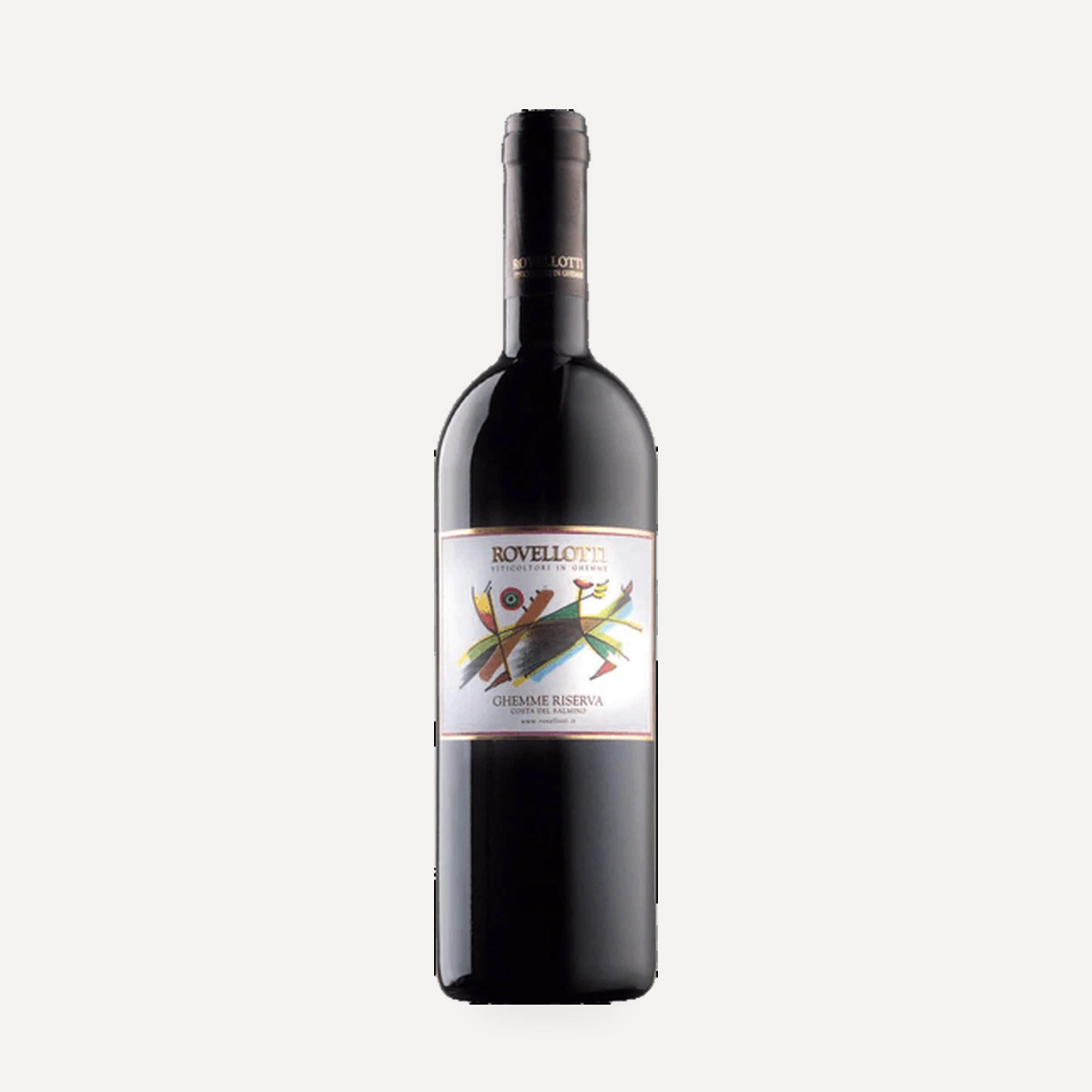
Ghemme D.O.C.G. Riserva Costa del Salmino