Storia
Nineteenth-century roots
Ruggeri’s history begins with the Bisol family in nineteenth-century Valdobbiadene. Eliseo Bisol operated a small cellar in Santo Stefano, while his son Luigi became one of Valdobbiadene’s earliest oenologists. Knowledge of the vineyards, winemaking and the local landscape subsequently passed through five generations of the family.
Foundation in 1950
On 26 June 1950, Luigi’s son Giustino Bisol and his cousin Luciano Ruggeri founded the present winery among the steep hills of Valdobbiadene. They chose Luciano’s surname, Ruggeri, as the name of the new enterprise. The founders committed the business to sparkling wine and to a demanding interpretation of the fruit grown on Valdobbiadene’s difficult slopes.
Giustino’s work was continued by his son Paolo Bisol and granddaughter Isabella Bisol. Ruggeri also developed long-standing relationships with local grower families; some have supplied the winery for several decades. This network now comprises more than 100 growers supported through continual dialogue, vineyard training and collaboration with Ruggeri’s agronomy team.
A culture of time
Ruggeri became an early advocate of the ageing potential of Glera and of extended contact with the lees. Its work linked careful vineyard selection with prolonged maturation in pressure tanks and further evolution in bottle. The approach ultimately became known as the Metodo Ruggeri.
A 1995 vintage provided an important reference for the later investigation of mature Valdobbiadene Prosecco Superiore. The unusually acidic and challenging 2014 vintage then prompted Paolo Bisol to initiate the Cinqueanni project. Grapes were harvested at the end of September 2014 from a small parcel within a historic vineyard containing century-old vines. After primary fermentation under oenologist Fabio Roversi, the wine entered an autoclave in spring 2015. Secondary fermentation was followed by four years in the autoclave; bottling took place in March 2019. Cinqueanni debuted in June 2019 and was released in July as 4,500 bottles, five years after harvest—the first Prosecco in its category to spend four years in an autoclave and reach the public five years after the vintage.
New ownership and sustainability commitments
In 2017 Ruggeri joined the Rotkäppchen-Mumm Group. The decision was based on a shared vision, common values and an intention to pursue higher quality while retaining the winery’s connection to Valdobbiadene and the Bisol family’s accumulated experience.
In February 2019 Ruggeri and its grower community entered the Sistema di Qualità Nazionale Produzione Integrata, or SQNPI. Sixty growers had joined by April 2020. Progetto Natura, an agronomic consultancy that had already worked with Ruggeri for twenty years, supported certification, grower advice and the training of internal staff. The first certified results included the Cartizze Brut and Dry wines from the 2020 harvest, subsequently carrying the SQNPI bee mark.
The parallel Vecchie Viti initiative brought Ruggeri’s growers together with Simonit&Sirch master pruners. Its purpose is to protect approximately 2,500 old vines, including plants between 80 and 100 years of age, through pruning adapted to each vine and designed to preserve sap flow, efficiency and longevity.
Seventy years and a renewed identity
For its seventieth anniversary in 2020, Ruggeri renewed its visual identity, labels and digital presence and introduced a redesigned hospitality concept at the Valdobbiadene wine shop. The restyled emblem refers to the “Golden Triangle” formed by Santo Stefano, San Pietro di Barbozza and Saccol, with a heart and flame expressing the winery’s connection to the local community. Ruggeri also described its wine club as the first established in the Valdobbiadene area.
Ladaltempo and the extension of Metodo Ruggeri
The Ladaltempo project began with the 2017 harvest. Selected base wine underwent secondary fermentation in an autoclave and remained on fine lees for 60 months. It was bottled in February 2023 and released only after the oenology team considered its evolution complete. The project formalised the idea that release should follow the wine’s development rather than an annual commercial timetable; subsequent editions need not appear every year or in vintage order.
In 2023 Paolo and Isabella Bisol also connected the project’s theme of time with more than fifty historic sundials found across Valdobbiadene, treating these vernacular objects as emblems of the rural landscape.
Cartizze, biodiversity and recent milestones
A study commissioned in Cartizze documented 116 local wild plant and flower varieties. The resulting photographic Herbarium was presented in 2023 during the Scuola delle Erbe exhibition in Saccol di Valdobbiadene.
Ruggeri released its first vintage-dated Valdobbiadene Superiore di Cartizze DOCG Brut from the 2023 harvest. The wine became a focal point of the winery’s 2024 programme and of an olfactory workshop created with Art Parfums, led by Ruggeri oenologist Andrea Canal and perfumer Gianluca Casamento.
In 2025 Ruggeri marked its seventy-fifth anniversary. By then production exceeded 1.7 million bottles annually, with distribution in more than 57 countries. The anniversary included presentations at Vinitaly, the Beyond75 design project and the customary June dinner for the grower families. In December 2025, Ruggeri presented the first vintage-dated edition of its Cartizze Dry, from the 2024 harvest.
Terroir
Ruggeri works in and around Valdobbiadene in the province of Treviso, eastern Veneto. The vineyards occupy steep hills where cultivation has helped form the landscape recognised as a UNESCO World Heritage Site in 2019. The combination of soils that originated in ancient seas, temperature variation and natural breezes underpins the local growing environment. Ancient seas and Dolomitic glaciers helped form and reshape the hills.
The slopes support old and century-old vines. Ruggeri describes these plants as living records of more than a century of local viticulture. Glera grown on the Valdobbiadene hills is associated with pronounced floral and fruit characters, while small quantities of Bianchetta, Perera and Verdiso contribute additional local identity and complexity to selected wines.
Cartizze
Cartizze is a 107-hectare subzone in the heart of the Valdobbiadene hills and is treated by Ruggeri as the “Grand Cru” of the Conegliano Valdobbiadene DOCG denomination. Its vineyards lie approximately 300–500 metres above sea level within the “Golden Triangle” formed by Santo Stefano, San Pietro di Barbozza and Saccol. Favourable slope orientation, natural breezes and soils composed principally of limestone, clay and sandstone support the fruit, floral character, freshness and texture associated with its Glera.
Ruggeri processes 12% of all grapes harvested in Cartizze, the highest share vinified by a single producer. A botanical investigation in the area recorded 116 local wild plant and flower varieties, demonstrating substantial biodiversity among the vines.
Vinificazione
Ruggeri’s vineyard model is based on close collaboration with more than 100 local grower-suppliers and a dedicated agronomy team. Continuous instruction in classrooms and vineyards covers pruning, disease prevention, integrated pest management and the reduction of unnecessary interventions.
Integrated production
Ruggeri entered the SQNPI programme in February 2019 with the support of its growers. Sixty growers had joined by April 2020. The programme seeks to minimise chemical and plant-health treatments, reduce cultivation passes and fertiliser applications, and favour active ingredients that persist for less time in the soil. Monitoring also extends to the winery’s carbon and water footprints. Progetto Natura—Ruggeri’s agronomic collaborator for twenty years—supported certification, provided advice to growers and trained internal personnel to assume monitoring and consulting responsibilities.
Cartizze Brut and Dry from the 2020 harvest became the first Ruggeri wines to carry the SQNPI bee mark. Ruggeri also follows the Equalitas Sustainable Winery standard, which integrates environmental, social and economic dimensions.
Old-vine preservation
The Vecchie Viti project is conducted with the grower families and Simonit&Sirch. Master pruners and vine specialists tailor cuts to each plant, aiming to avoid interruption of sap flow and maintain vine health, efficiency and longevity. The work initially focused on approximately 2,500 vines aged 80–100 years or more, with the broader goal of transferring the techniques to younger vineyards. Growers receive both classroom and practical training.
Old vines selected from different vineyards are harvested carefully by hand on the same day for the associated project. Their age naturally limits the number of bunches produced.
Biodiversity and landscape
Ruggeri commissioned a botanical investigation of Cartizze that identified 116 local wild plant and flower varieties. The findings became a photographic Herbarium presented in Saccol in 2023. Beyond the vineyards, Ruggeri financed conservation work on the Cordana stream in the park of Villa dei Cedri, where excavation exposed historic stone walls and helped restore the site as a venue for cultural activity.
Ruggeri’s production philosophy is organised around precise grape selection, controlled sparkling-wine production and maturation periods that are substantially longer than conventional schedules for young Prosecco.
The Metodo Ruggeri encompasses the full production chain. Fruit is selected for the intended project, and wines undergo secondary fermentation in large sealed pressure tanks. Rather than being bottled immediately after prise de mousse, selected cuvées remain in autoclave on fine lees to acquire greater structure, aromatic depth and complexity. Maturation continues in bottle, allowing the winery to assess the evolution and longevity of Glera.
The duration varies by project. Selected wines remain on lees for several months, while the first Ladaltempo, from the 2017 harvest, matured on fine lees for 60 months before bottling in February 2023. Its release was governed by the oenology team’s assessment of maturity rather than a fixed annual schedule.
Cinqueanni provided an earlier and particularly extended demonstration. Fruit from a small historic old-vine parcel was harvested at the end of September 2014. Primary fermentation took place under Fabio Roversi, and the wine entered an autoclave in spring 2015. After secondary fermentation, it remained there until bottling in March 2019—four years in pressure tank and five years on lees in total before release.
The broader range demonstrates variations within this framework. Ruggeri has employed long autoclave ageing followed by bottle maturation, and it retains mature bottles for technical vertical tastings, including examples more than twenty years old. The purpose is to express vintage and vineyard differences while preserving aromatic clarity, fragrance, balance and consistency.
Filosofia
Time is the central idea in Ruggeri’s self-defined philosophy. It connects inherited knowledge with a willingness to experiment, wait and release a wine only when its development warrants it. This “culture of time” treats Glera as capable of complexity and bottle evolution rather than only immediate freshness.
Ruggeri frames its identity around rigor, consistent quality and a recognisable balance of aroma, fragrance and harmony. Innovation is intended to remain anchored in Valdobbiadene’s traditions, practical knowledge and relationships with growers. Paolo Bisol describes the winery’s deepest impulse as an ambition for quality present in every major decision and daily task.
The relationship with more than 100 grower families is presented as a single extended community. Long-term trust, continual training and collaboration with agronomists are treated as essential links between vineyard health and finished-wine quality.
Environmental responsibility is defined through reduced intervention, integrated production, biodiversity protection, vine longevity, carbon- and water-footprint monitoring and attention to social and economic sustainability. Experimentation is consequently paired with preservation: extending ageing, exploring new styles and applying technical innovation while protecting old vines, local plant life and the cultural landscape.
Vini
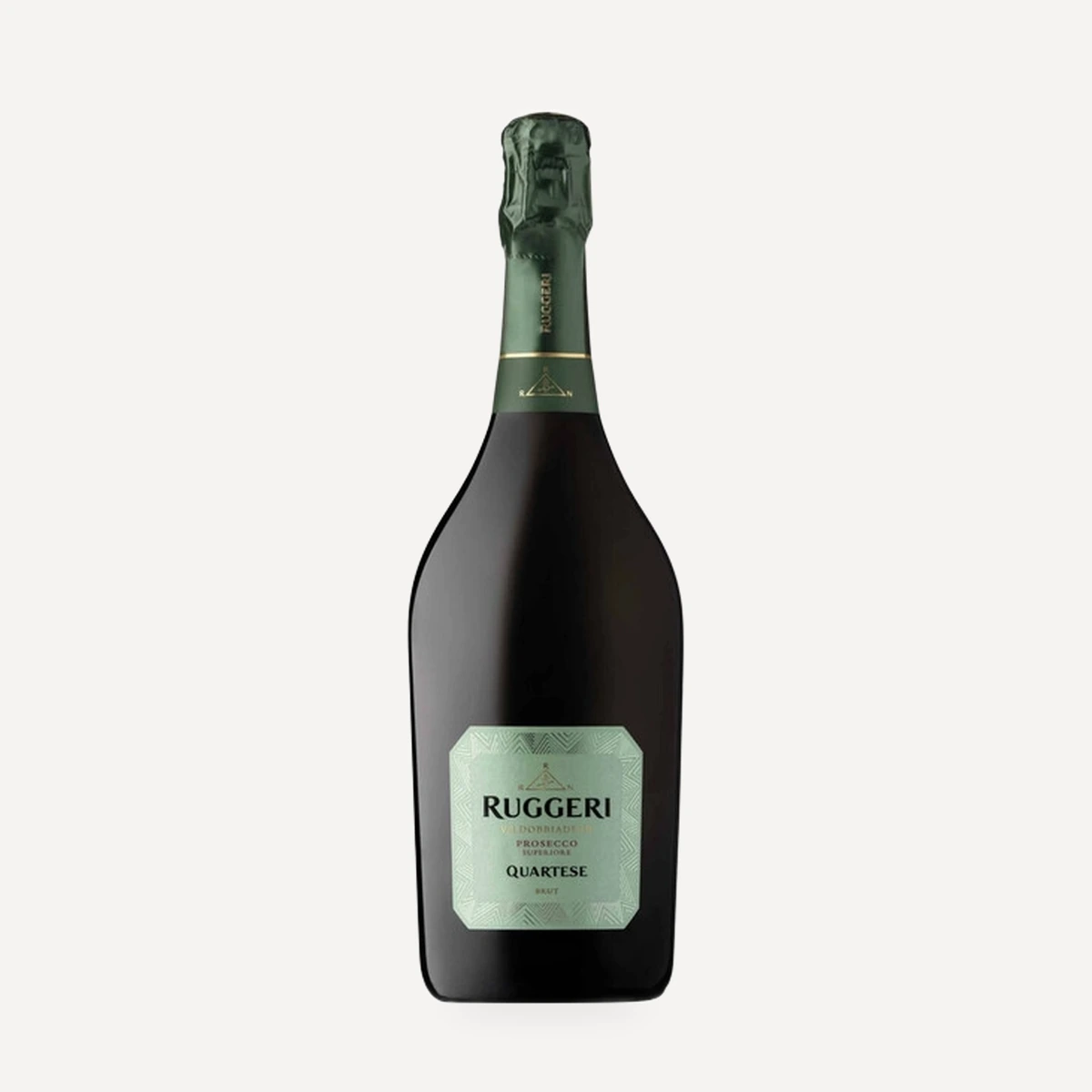
Quartese Brut Superiore Prosecco di Valdobbiadene DOCG
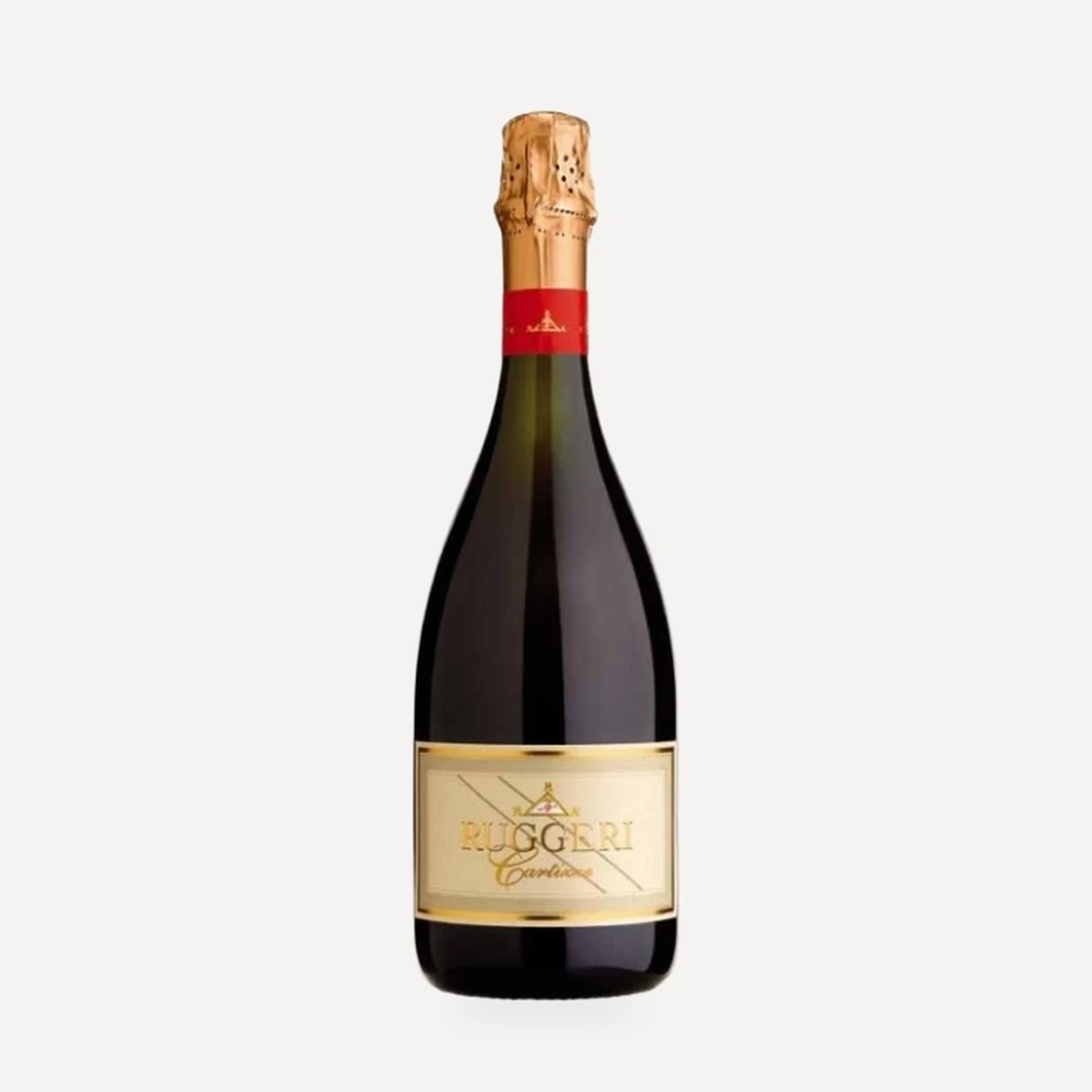
Prosecco Valdobbiadene Superiore di Cartizze DOC
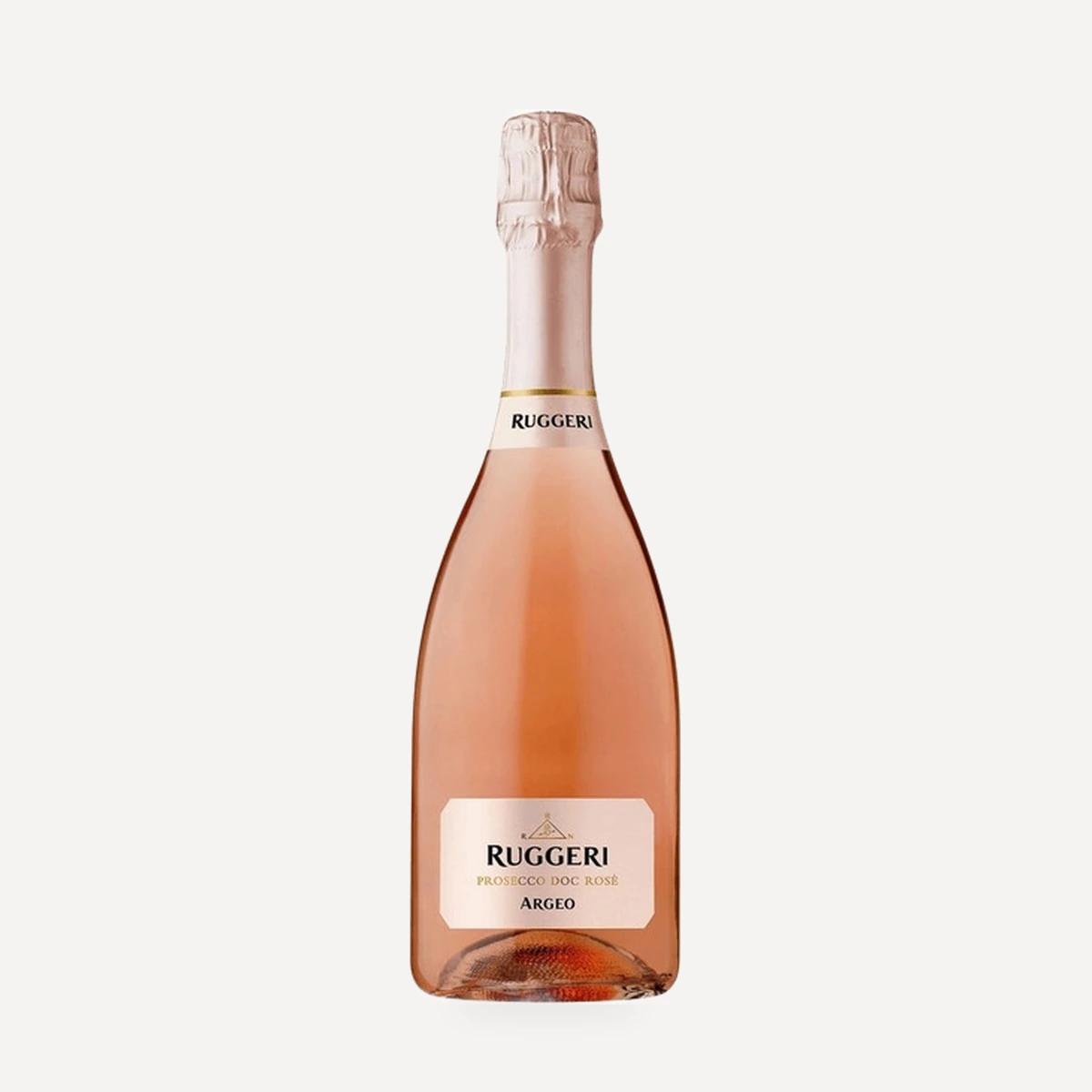
Argeo Prosecco Brut Rose DOC
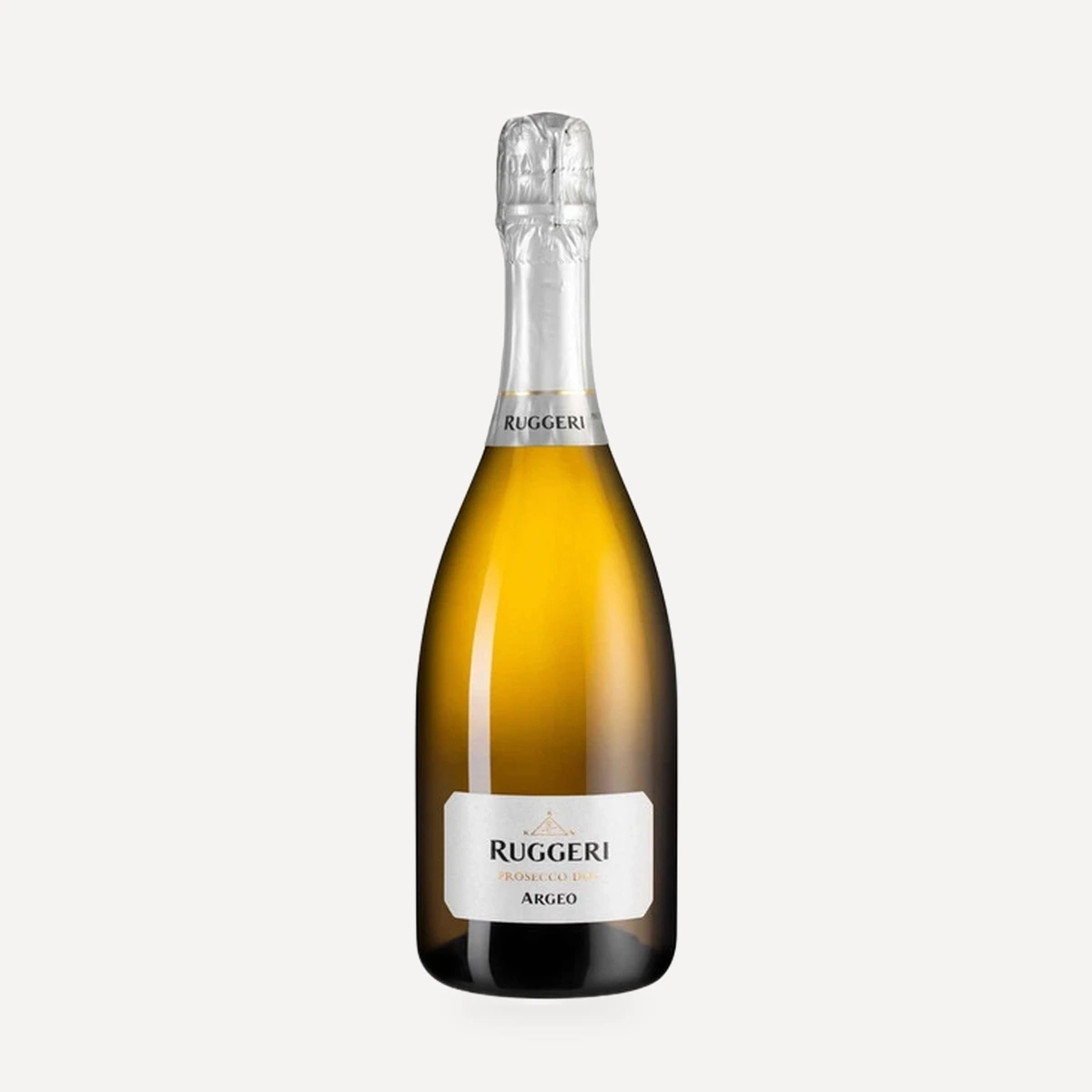
Argeo Prosecco Brut DOC
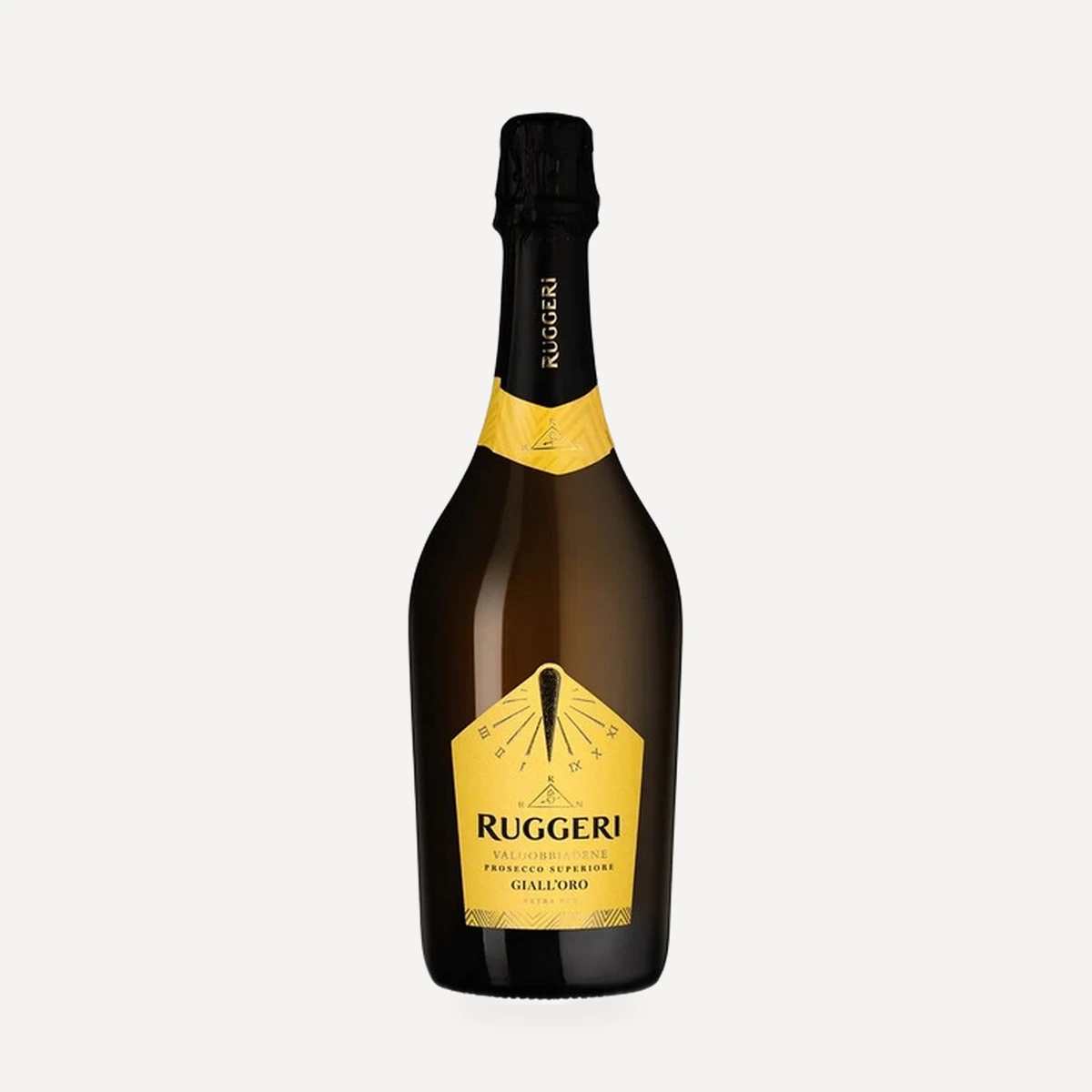
Prosecco Valdobbiadene Giall'Oro DOCG