Storia
Early 2000s
The story begins with a student working as a waiter. During a dinner, Luigi Veronelli spoke about olive oil, while one of his assistants left information about the first Critical Wine/Terra e Libertà gathering at the La Chimica social centre in Verona. Attending that event deepened the student's relationship with wine and renewed a connection to the land and to his grandparents.
Andrea Muheim and Lioba Wackernell had helped create the gathering's direct black-pitchfork-on-red logo. Andrea Bonini, then Veronelli's assistant, met the future Sagona producer the following year. They subsequently lost contact and met again almost ten years later.
Arrival at Sagona
Seven years before the account was written, taking the wrong bus led to Pratomagno and an unexpected stop at Sagona. Andrea Bonini was encountered again at a social centre. Their renewed discussions connected wine and political engagement with an ambition to contribute to social change. Wine and olive-oil production followed.
Labels and the vineyard atelier
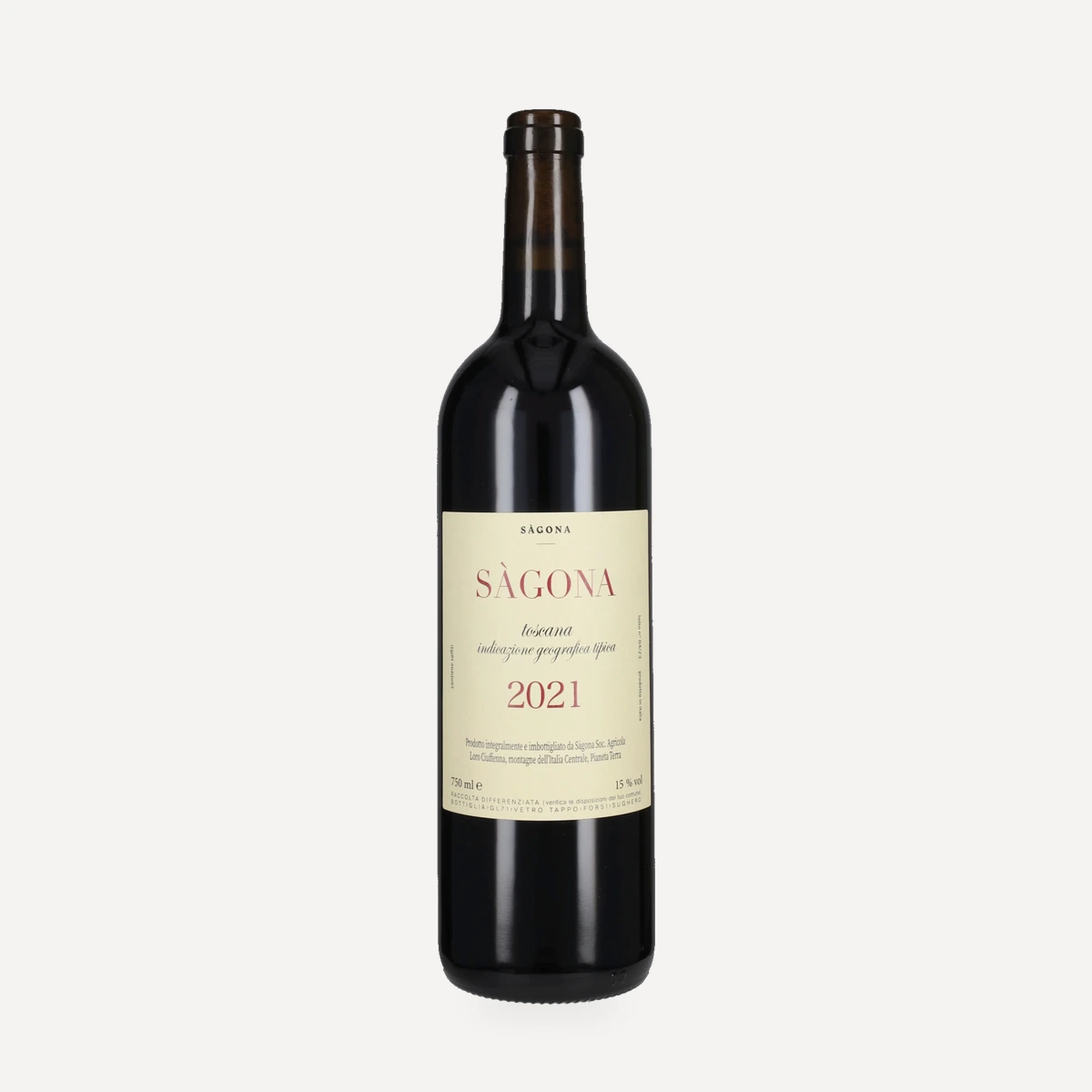
Three years before the account, a project began to create a new visual identity for the bottles. Andrea Muheim travelled from Merano, observed and tasted the products, and returned with ideas. The collaboration brought together Andrea Muheim, Lioba Wackernell and Sandro.
In September of the year preceding the account, Andrea and Sandro transformed the vineyard into an open-air atelier for a week. They worked among the rows for eight hours a day, painting beneath the sun and an improvised shelter while the grapes ripened. Their presence and unfamiliar tools attracted the attention of both younger and older local observers. The resulting paintings connected the vineyard, the finished bottles, farming and art.
Terroir
Sagona is located on Pratomagno, with its address at Via San Clemente in Valle in Loro Ciuffenna, Toscana. The vineyard is depicted as an active agricultural setting where grapes were ripening during September.
Vinificazione
Sagona produces both wine and olive oil. No cellar equipment or vinification, maturation, stabilization, filtration or bottling methods are specified.
Filosofia
Sagona's self-portrait links wine with agriculture, the land and family memory. Its formative narrative also connects wine with political engagement and an aspiration to contribute to social change. The collaboration with artists treats farming and art as complementary forms of work: the vineyard supplies both grapes and creative inspiration, while the bottle brings together wine and images born among the rows.
Vini
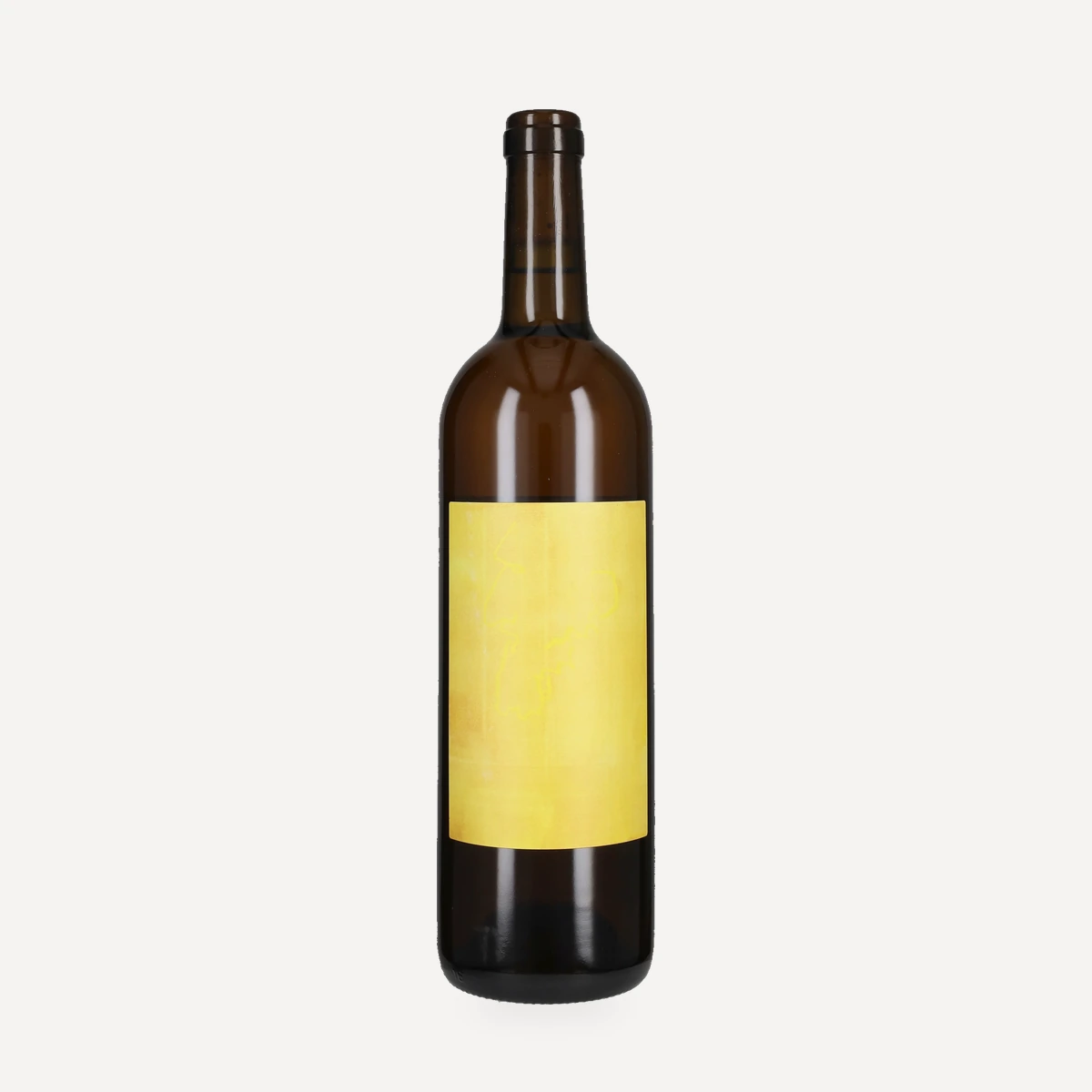
Fon Fon
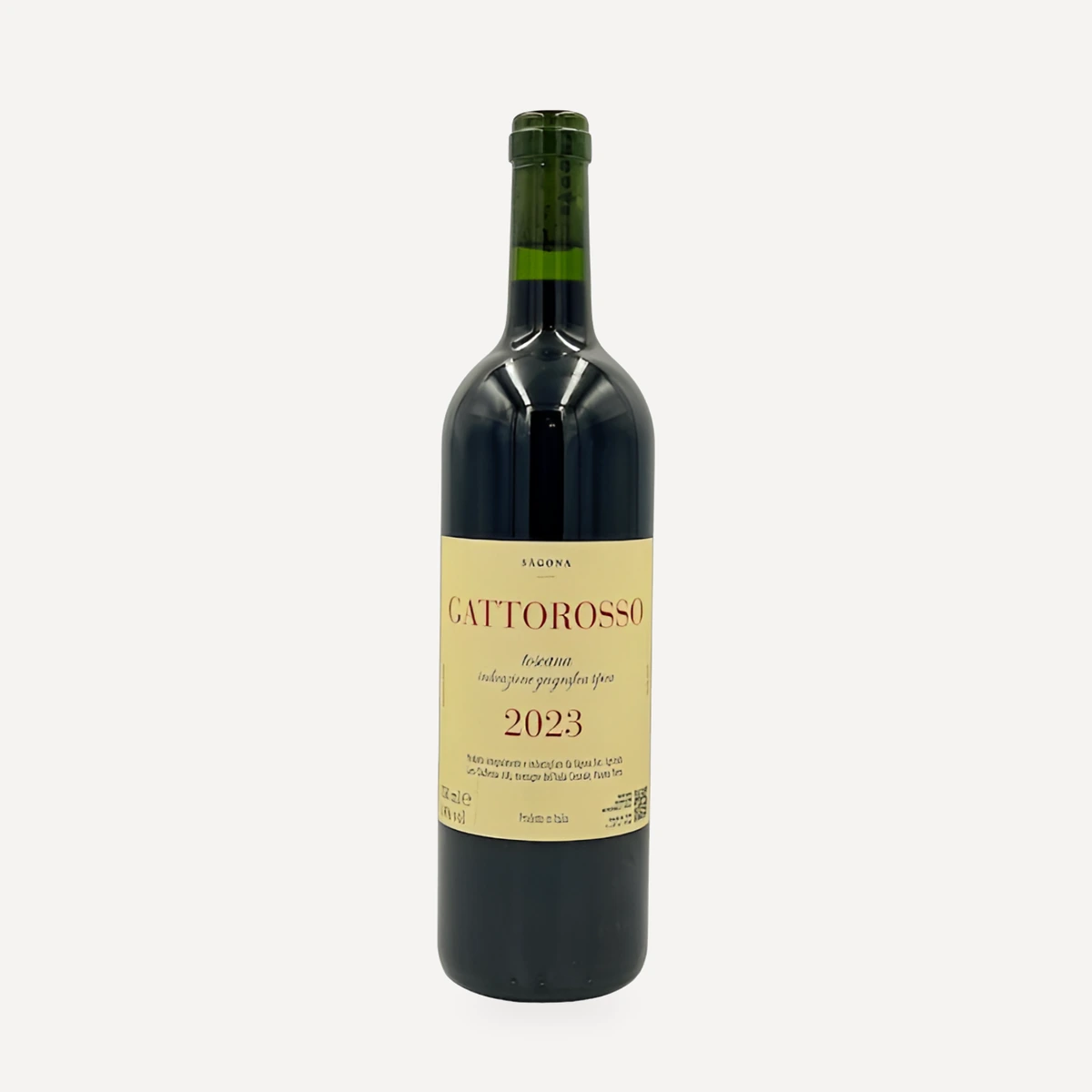
Gattorosso
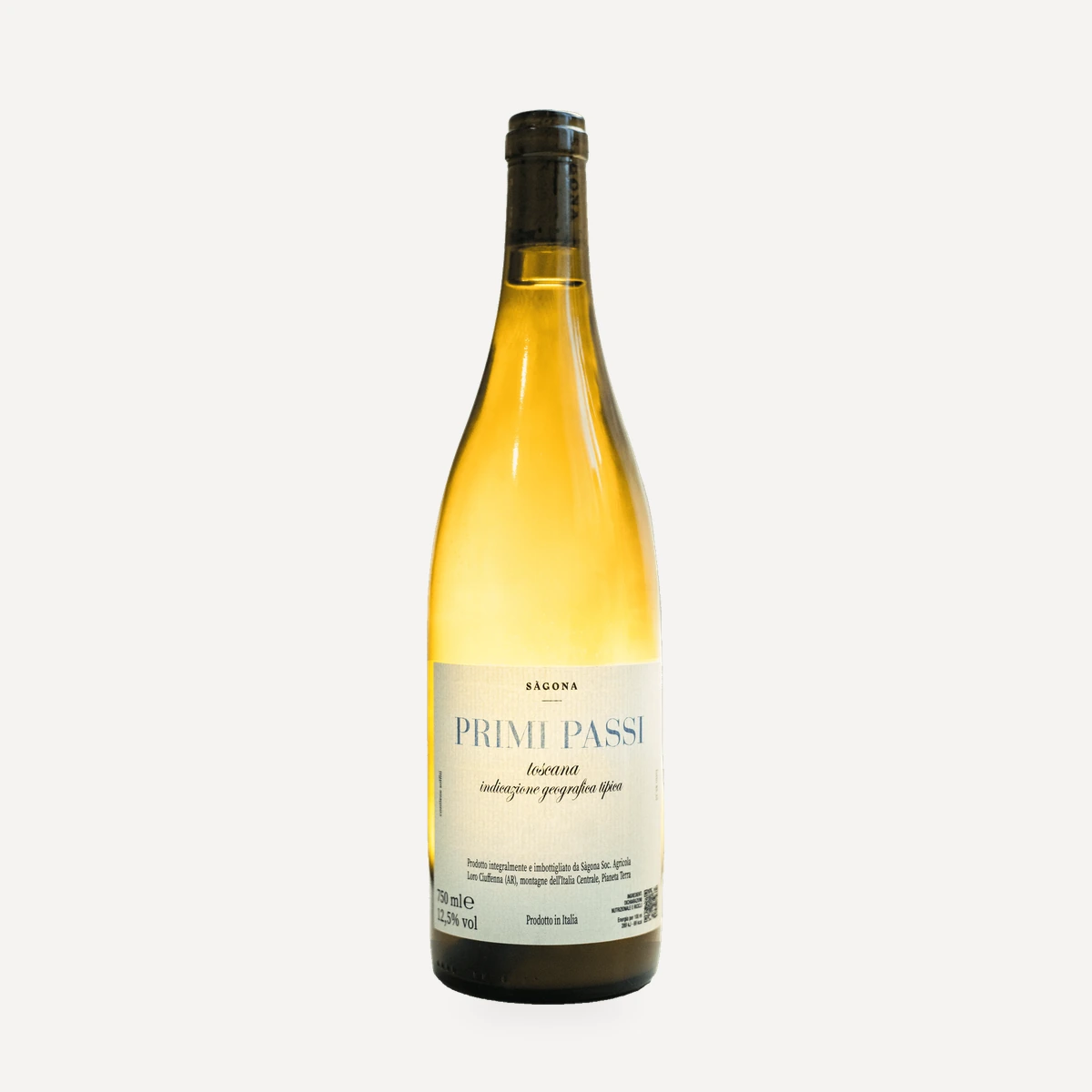
Primi Passi