Storia
Family roots from the year 1000
The history of the Counts Saladini Pilastri reaches back to the beginning of the second millennium. The family belonged to the Ascoli Piceno nobility, and its ancestry included military leaders and beatified figures. Viticulture became part of the family's relationship with its land and was presented as an expression of the culture and values inherited through the centuries.
The agricultural estate
The Saladini Pilastri family farm was established approximately three centuries ago. Wine was already being produced on its land under the sharecropping system: tenant farmers delivered their wine to the Counts, who matured it in their oak barrels.
The estate's historic architectural centre is Villa Saladini Pilastri. Its winery occupies the heart of a 15th-century country house, beneath the old loggia at the rear of the villa.
The old Monteprandone vineyard
A vineyard at Monteprandone was planted during the 1950s and trained to the traditional Pergola abruzzese system. It survives as an old-vine component of the estate and is used for Vigna Monteprandone.
Reorganisation in the 1970s
Beginning in the 1970s, specialised vineyards were planted. A new winery was constructed beside the old cellar, allowing the estate to centralise production in one location.
Modernisation and oenological development
The winery was subsequently modernised with temperature-control systems, stainless-steel tanks and climate-controlled spaces for maturation. Investment also extended to vineyard machinery, new barriques and tonneaux for the processing and maturation of the principal red wines.
Oenologist Alberto Antonini collaborated in reshaping the profile of the estate's wines, placing particular emphasis on aromatic integrity and softness. The estate also introduced Fiano and Aglianico to its plantings at an early stage.
Saladini Pilastri now combines its historic cellar and family inheritance with modern equipment. Its wines are exported to markets in Europe, the Americas and Asia.
Terroir
The estate extends over 320 hectares around Spinetoli, Monteprandone and Porto d’Ascoli in southern Marche. Its landscape combines the limestone heights of Spinetoli with the gentle, sunny hills of Monteprandone and Porto d’Ascoli.
The vineyards described individually lie between approximately 120 and 200 metres above sea level. Their soils vary considerably: alluvial medium-textured ground; gravel-rich alluvium; loose, medium-textured soils; silt-rich alluvium; clay-rich alluvium; and medium-textured clay soils.
Monteprandone's vineyard hills are only a few kilometres from the Adriatic. Montetinello occupies a sunny hill there, with vines surrounded by olive trees. The old Vigna Monteprandone site likewise stands on the sunny hills close to the sea. The estate treats Spinetoli and Monteprandone as two distinct vineyard ecosystems, particularly when selecting Pecorino and Passerina.
Exposures represented across the vineyard holdings include south, southeast, east–southeast, east–northeast and south–southwest. These differing orientations, together with the range of alluvial, gravelly, silty and clay-rich soils, provide distinct growing conditions within the estate.
Vinificazione
All of the estate's vineyards are cultivated organically. Synthetic fertilisers and synthetic pesticides are excluded.
Sulphur and copper are used against common vineyard diseases, while beneficial insects form part of the estate's biological protection strategy. Other agricultural practices are intended to strengthen the vines' own ability to defend themselves against parasites. The estate accepts lower yields as a consequence of this approach in pursuit of higher-quality fruit.
Grapes undergo strict selection before vinification. A second selection is made later among the resulting wines to determine which lots merit bottling. Recent investment has included updated machinery for work in the vineyards.
Guyot-trained vertical trellises predominate in the disclosed vineyard sites, generally at densities of 3,800–4,600 vines per hectare. The estate also retains cordon-spur plantings and an old Monteprandone vineyard trained to Pergola abruzzese. Depending on site and variety, harvest dates run from early September through late October or early November.
The winery occupies the heart of a 15th-century country house and is set beneath the old loggia behind Villa Saladini Pilastri. The present cellar stands beside the older winery and was built to centralise the estate's production.
Modern equipment is integrated into the historic structure. The winery uses controlled-temperature refrigeration and stainless-steel tanks, while climate-controlled maturation spaces house barriques and tonneaux made from selected French oak. These vessels are used for the estate's leading red-wine lots.
Production begins with rigorous grape selection and continues with close attention throughout transformation and maturation. Only about half of the estate's total wine production is bottled, following a further selection among the finished lots. Recent cellar investment has included new equipment, barriques and approximately 500-litre tonneaux.
Across the contemporary range, the cellar also works with vitrified concrete vats. Its disclosed techniques include low-temperature fermentation, ageing on fine lees, bâtonnage, cold skin contact, gentle pressing, délestage, extended skin maceration, malolactic fermentation and maturation in French or Slavonian oak. Sparkling Pecorino is refermented in pressurised tanks by the Charmat method for three to six months.
Filosofia
Saladini Pilastri presents winegrowing as part of the inherited culture of its land and family. Its approach joins long-established agricultural and cellar traditions with modern technology rather than treating the two as opposites.
Organic farming is central to this outlook. The estate favours natural vineyard inputs, beneficial insects and agricultural practices that improve the plants' capacity to resist parasites, accepting reduced yields in return for fruit of higher quality.
Selection is another defining principle: grapes are rigorously assessed before processing, and the resulting wines are evaluated again before bottling. In the cellar, Alberto Antonini's contribution has focused on aromatic integrity and softness. The broader objective is to retain the scents, colours and character associated with the estate's part of Marche while using contemporary equipment to manage precision and consistency.
Vini
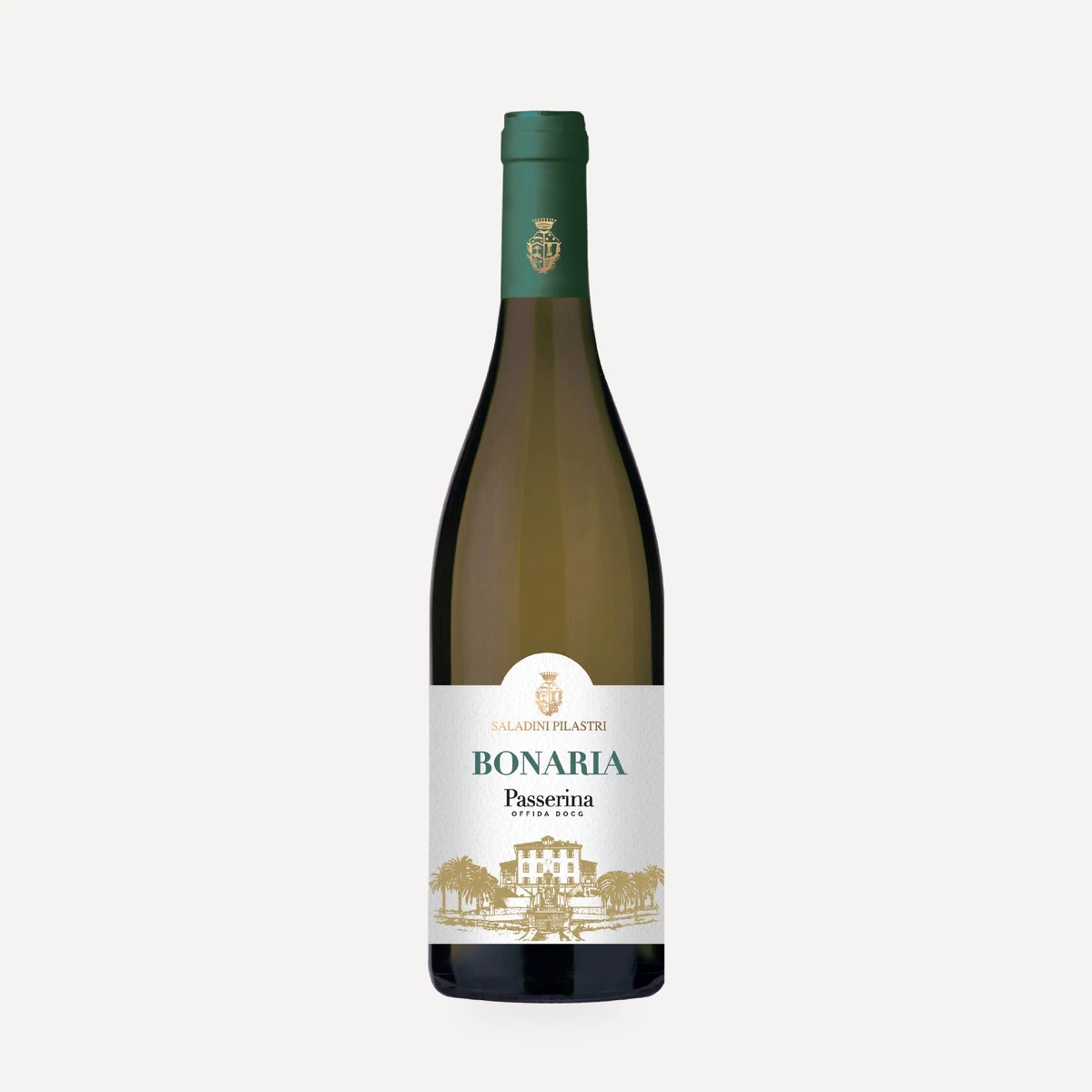
Bonaria Offida Passerina DOCG
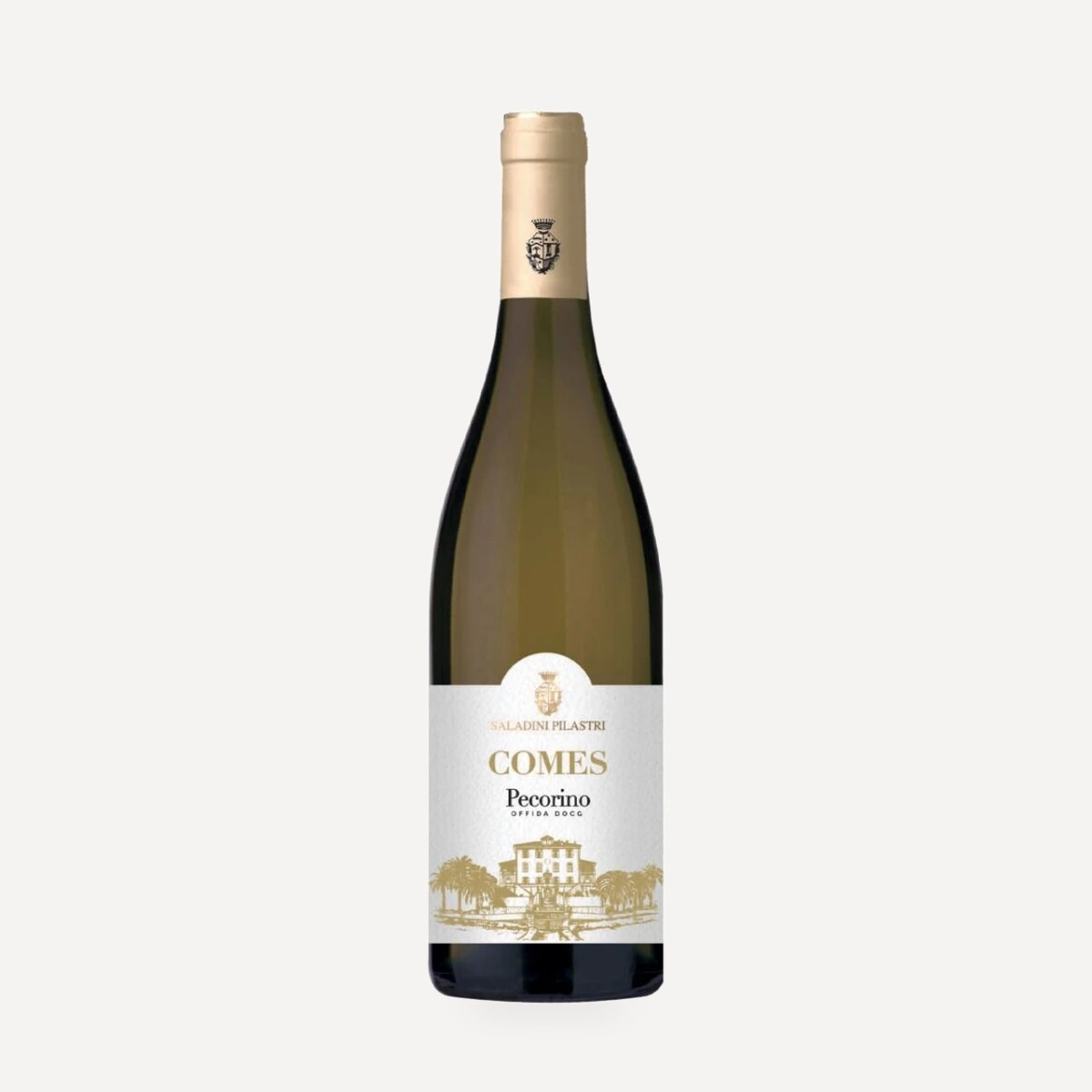
Comes Offida Pecorino DOCG
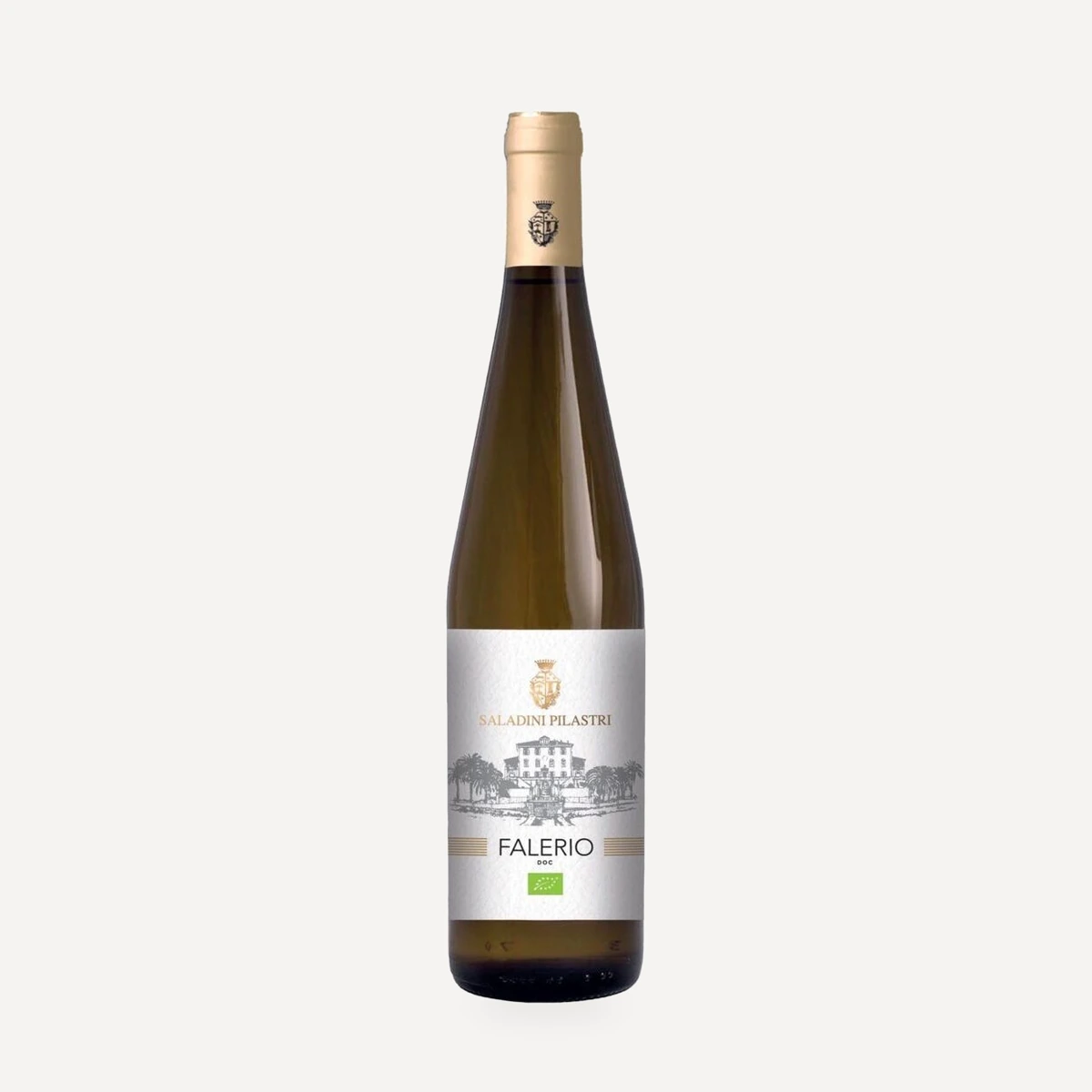
Falerio DOC
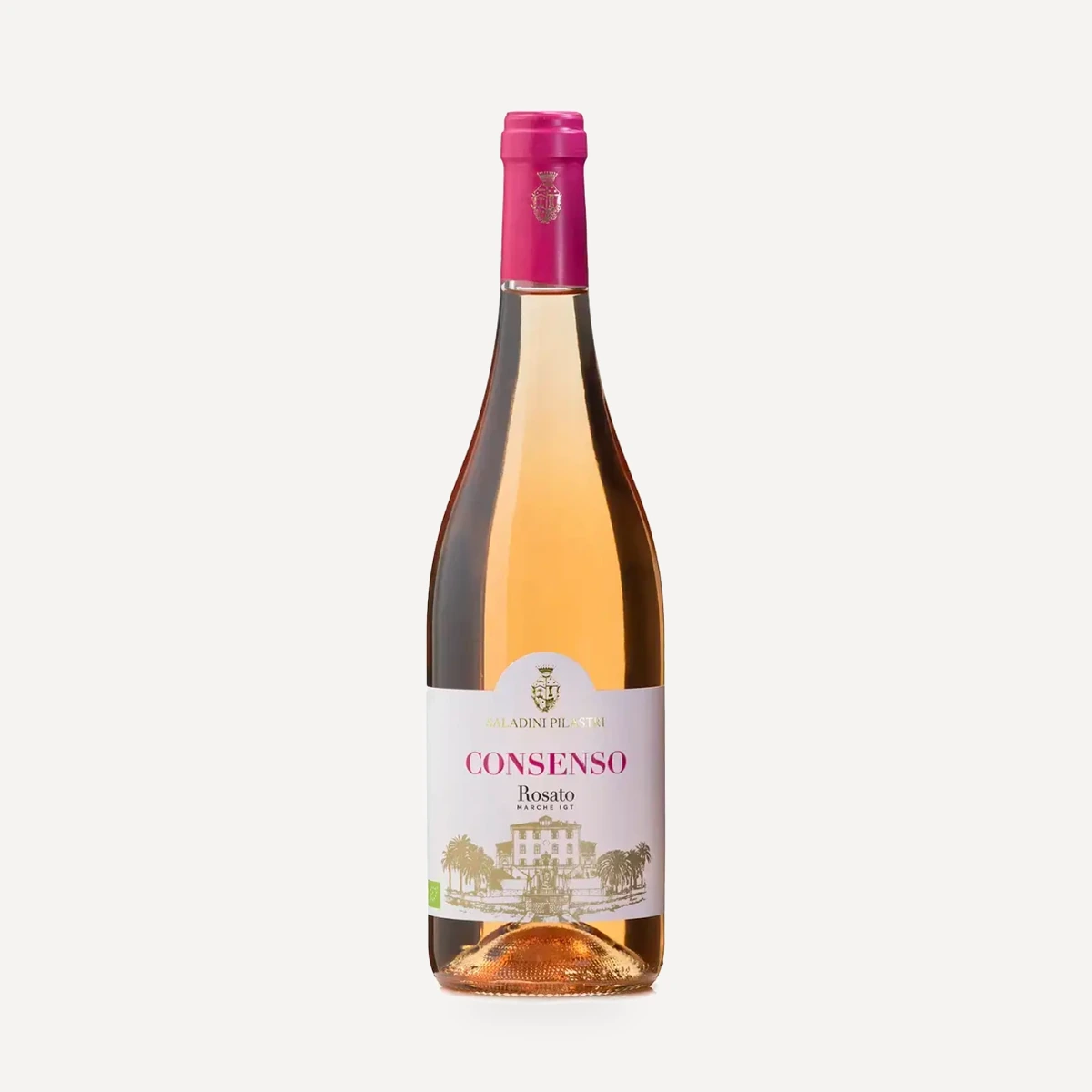
Marche IGT Rosato Consenso
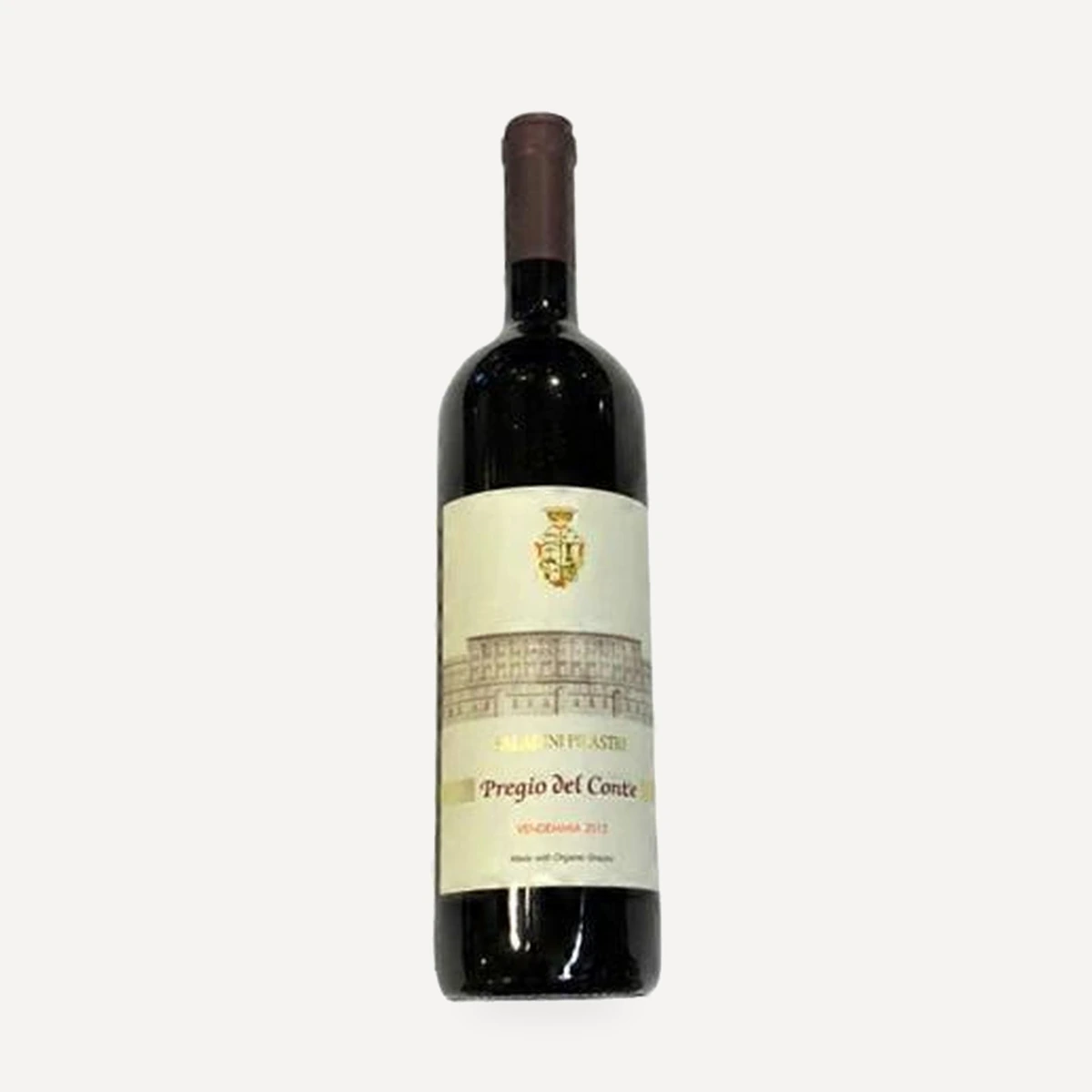
Marche IGT Rosso Pregio del Conte
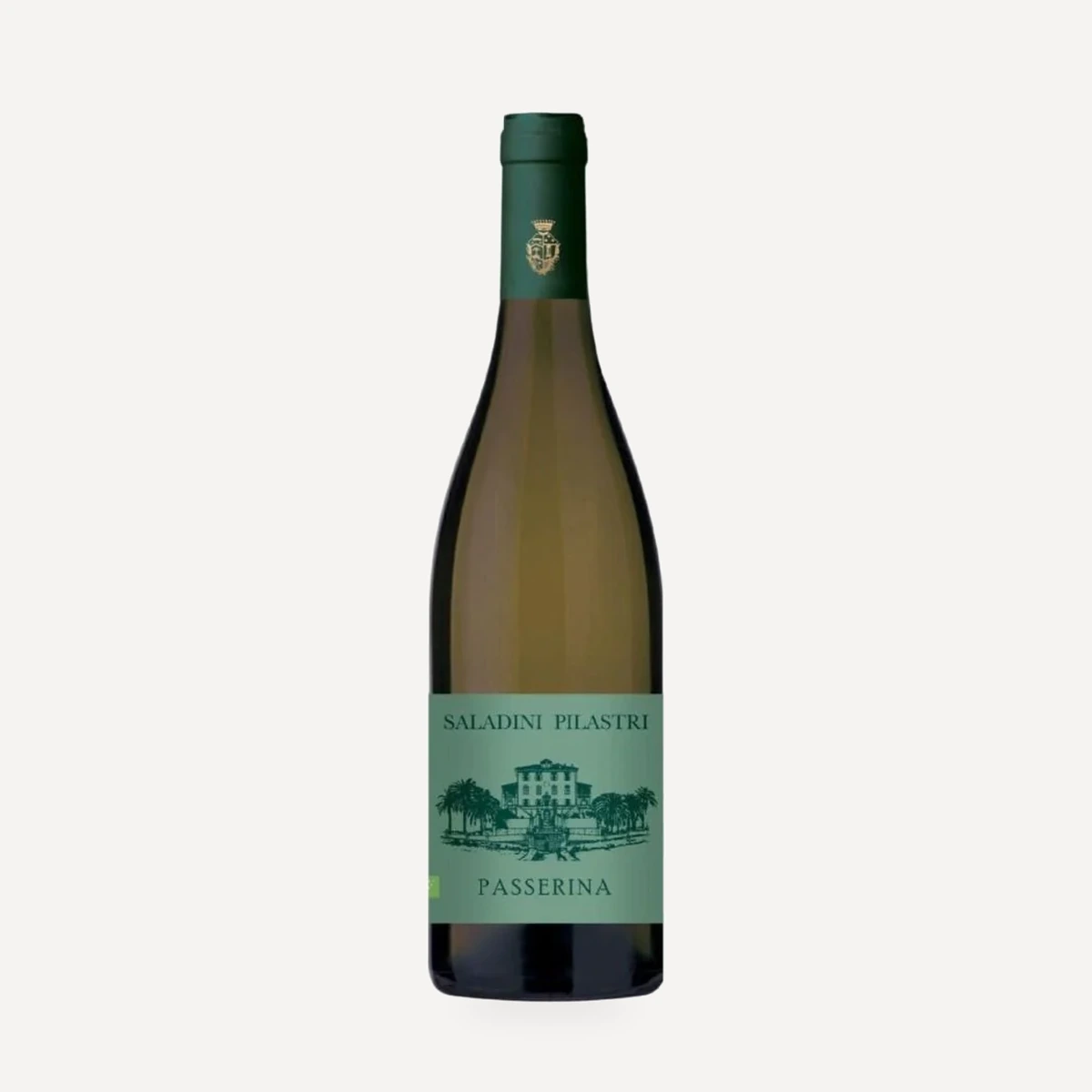
Passerina IGT
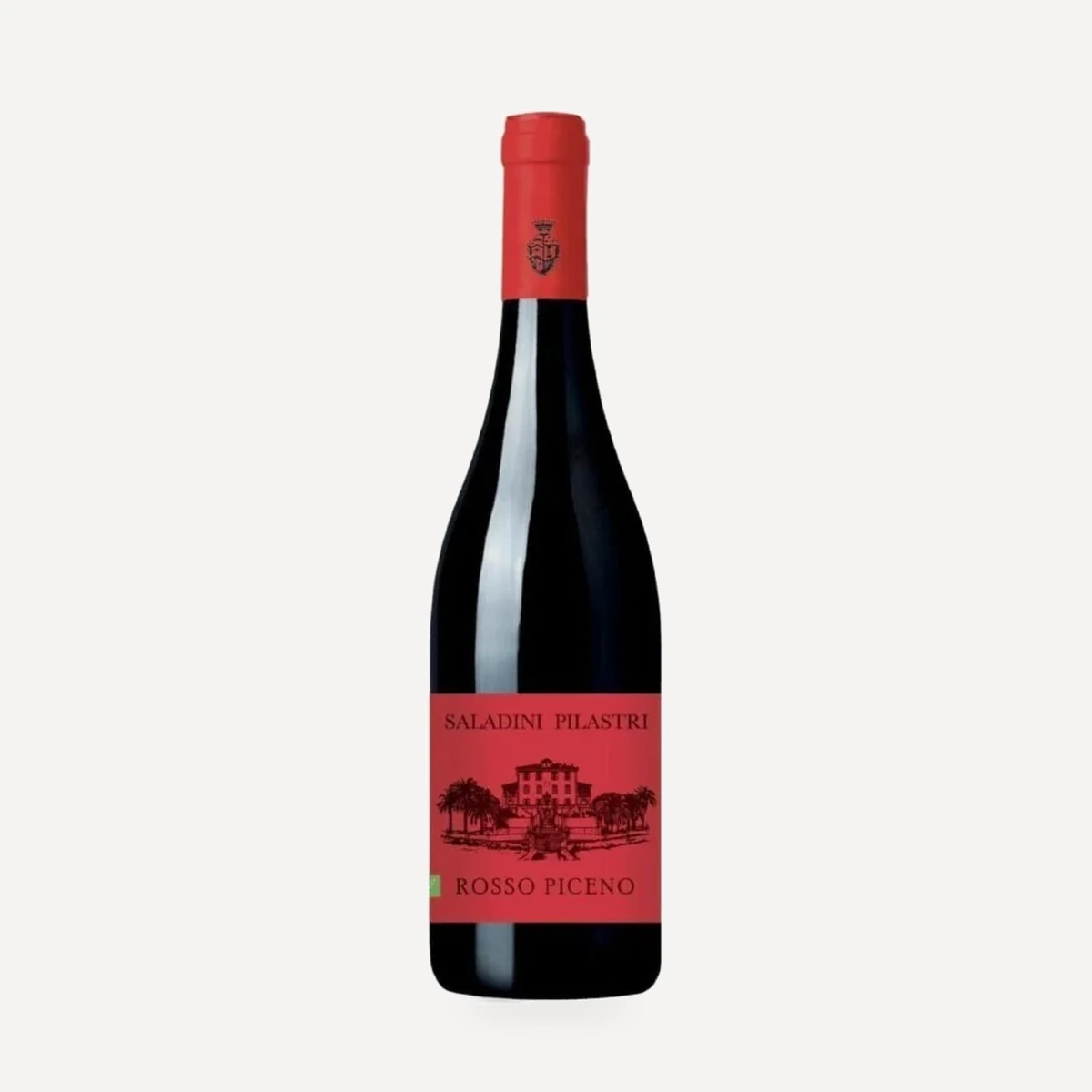
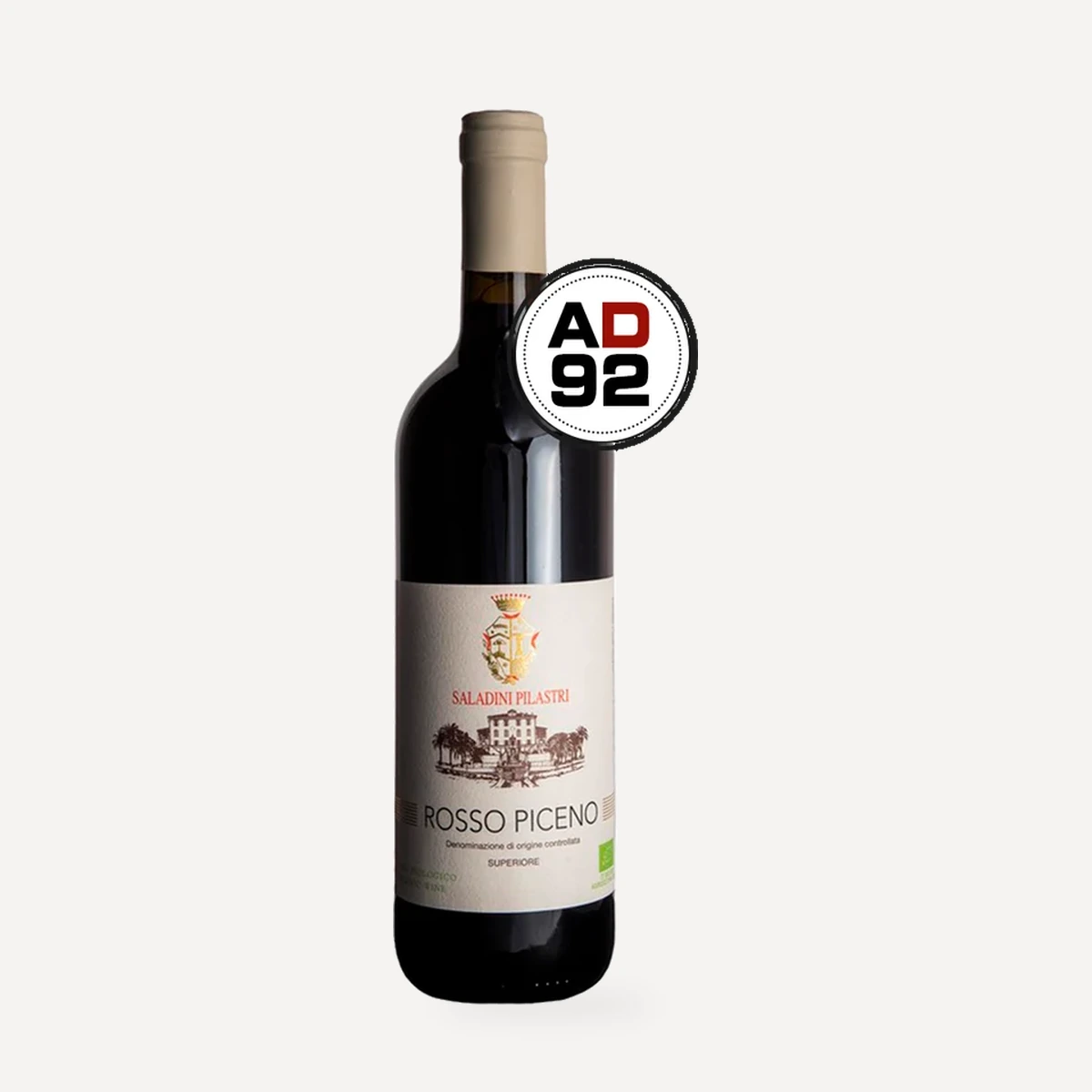
Rosso Piceno DOC
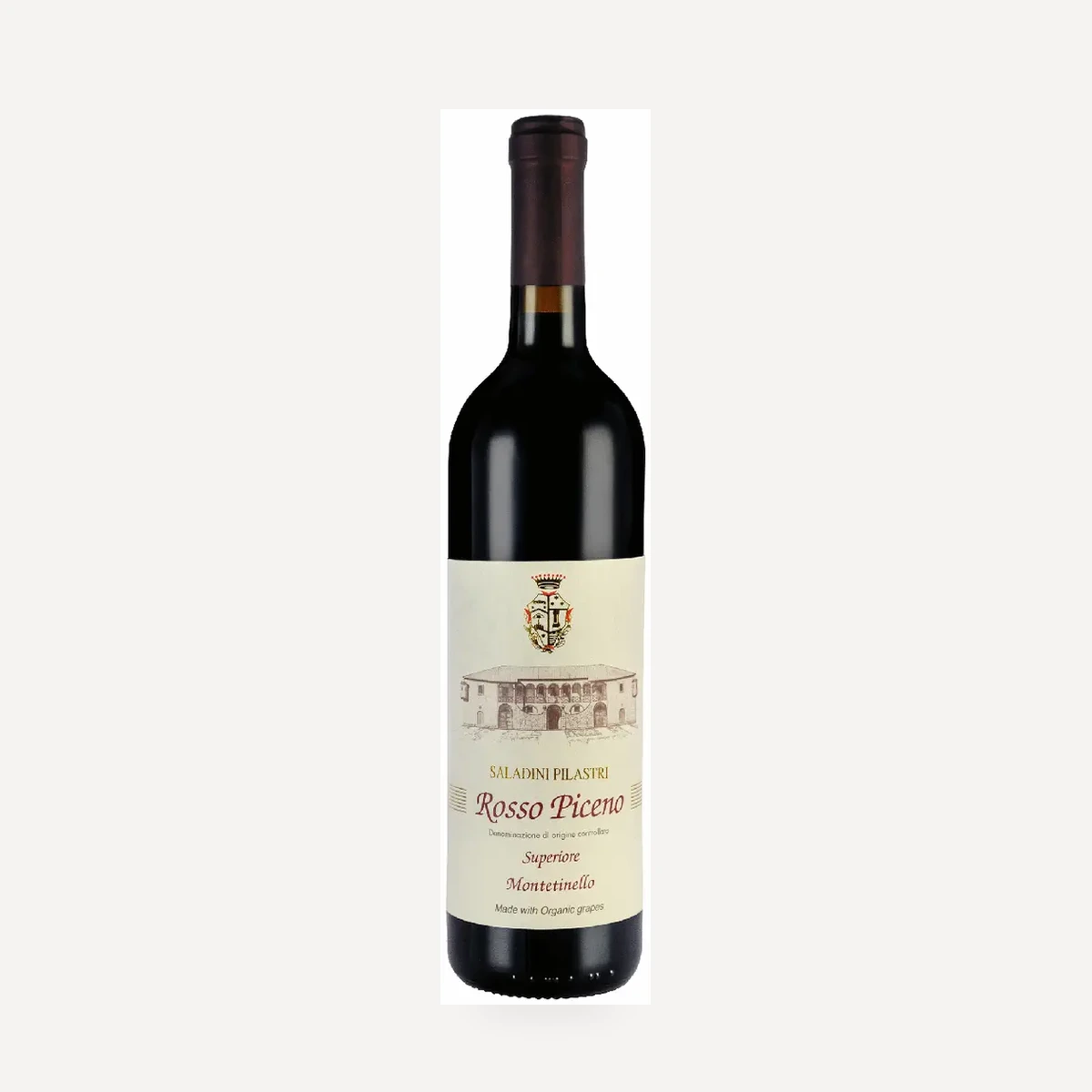
Rosso Piceno DOC Superiore Montetinello
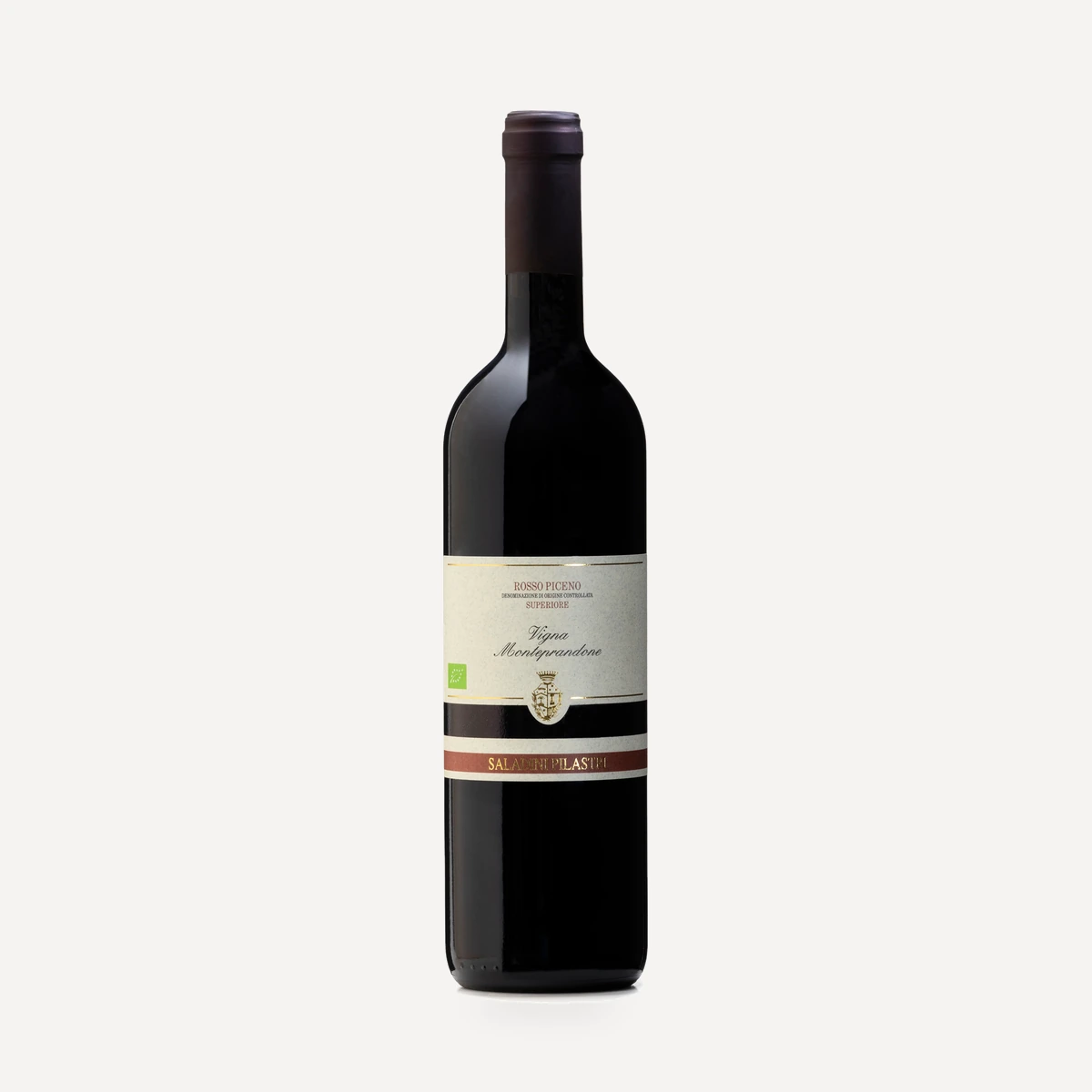
Rosso Piceno Superiore DOC Vigna Monteprandone
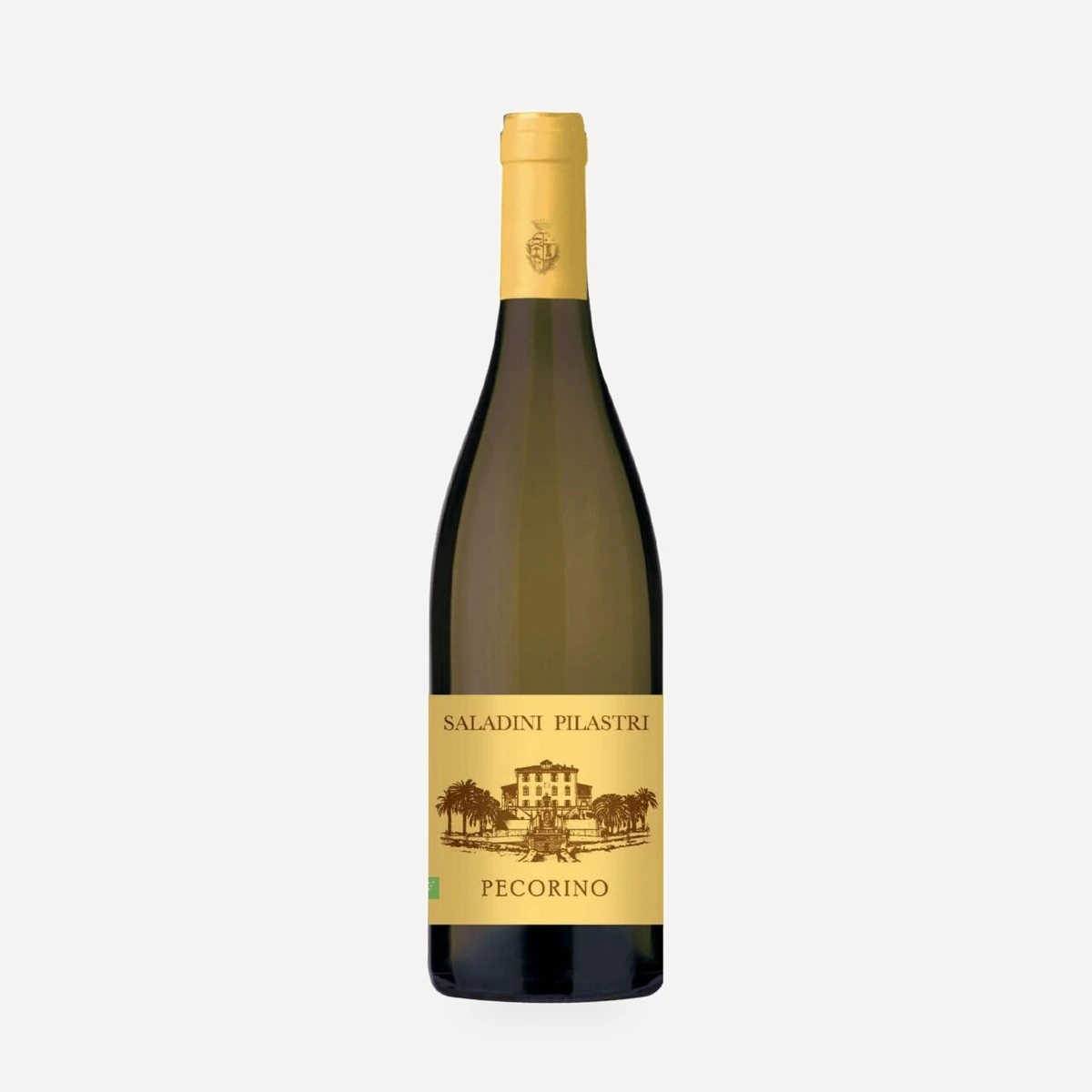
Falerio Pecorino DOC
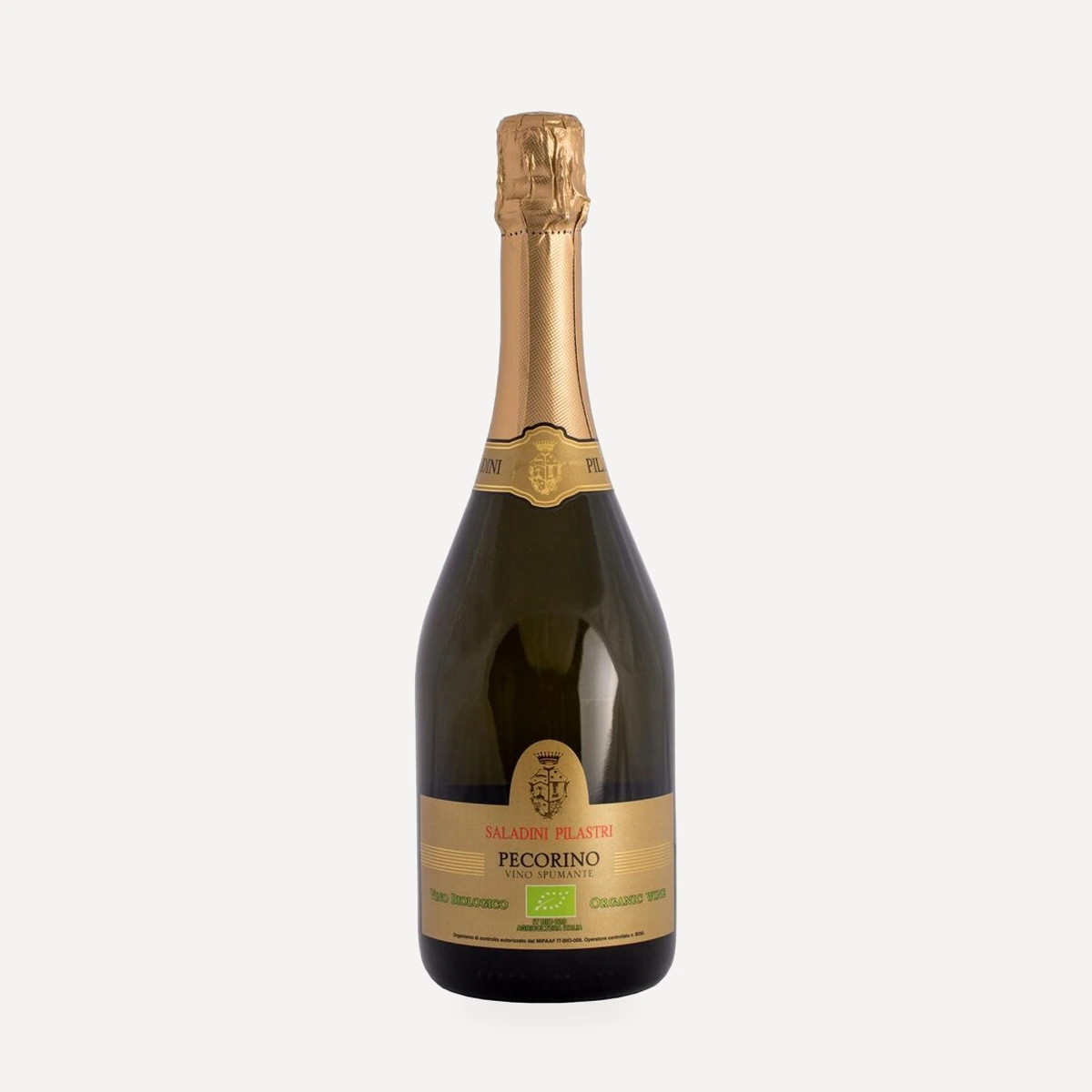
Pecorino Spumante Brut Metodo Charmat
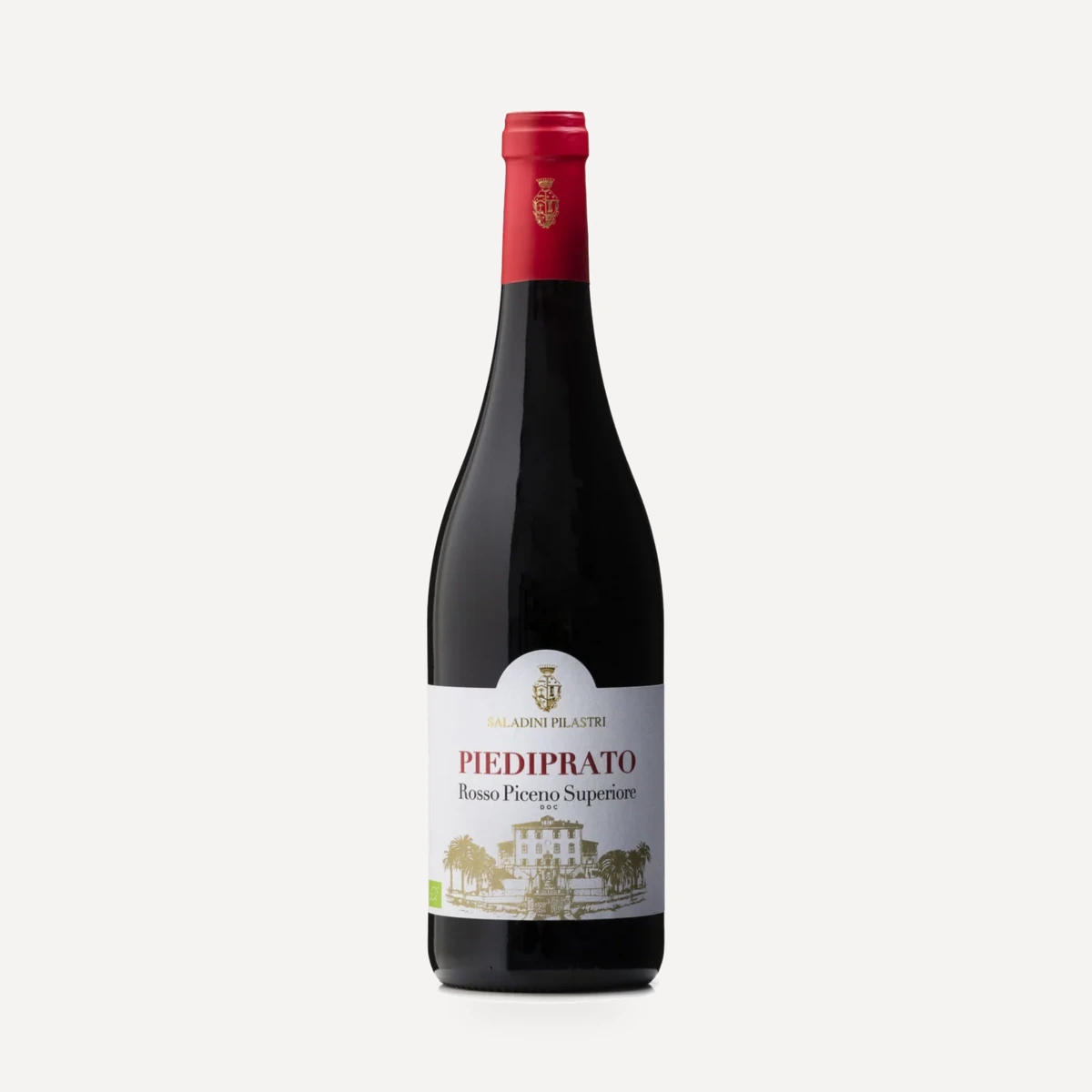
Piediprato Rosso Piceno Superiore DOC