Storia
A return to the land
In 2000, Salvatore Magnoni began a new chapter on his land in the Cilento hills. The property then presented three principal tasks: restoring and rethinking a vineyard, recovering hundreds of olive trees and returning them to production, and making an old house and its naturally cool cellar functional again. Magnoni began gathering olives while also seeking advice and attending training courses. A music enthusiast and collector with thousands of vinyl records, he eventually left his record shop to work the land full-time.
Replanting and restoration
The vineyard was replanted in 2003. Technical records for Vigna del Ciglio also identify plantings made in 2004 and 2010. In 2005, the olive grove was made denser with young trees. The old house was made habitable in 2006.
The historic domestic cellar, built into the north side of the village ridge, was renovated in 2011. Its stone walls, chestnut ceiling and earth-backed construction preserved its naturally stable environment, cool during summer and mild during winter.
Expansion and new varieties
In 2018, the third vineyard hectare was planted with Fiano, Falanghina, Malvasia and Camaiola. The white varieties were selected to form a complementary blend: Fiano for structure, Falanghina for volume and Malvasia for aroma. Five years after planting, the vines were considered mature enough to provide the first still white wine.
Primmavera originated during the first year of the COVID-19 pandemic. Its name and double “m” refer to a line from Tullio De Piscopo’s song Stop Bajon.
Hail, adaptation and a fourth hectare
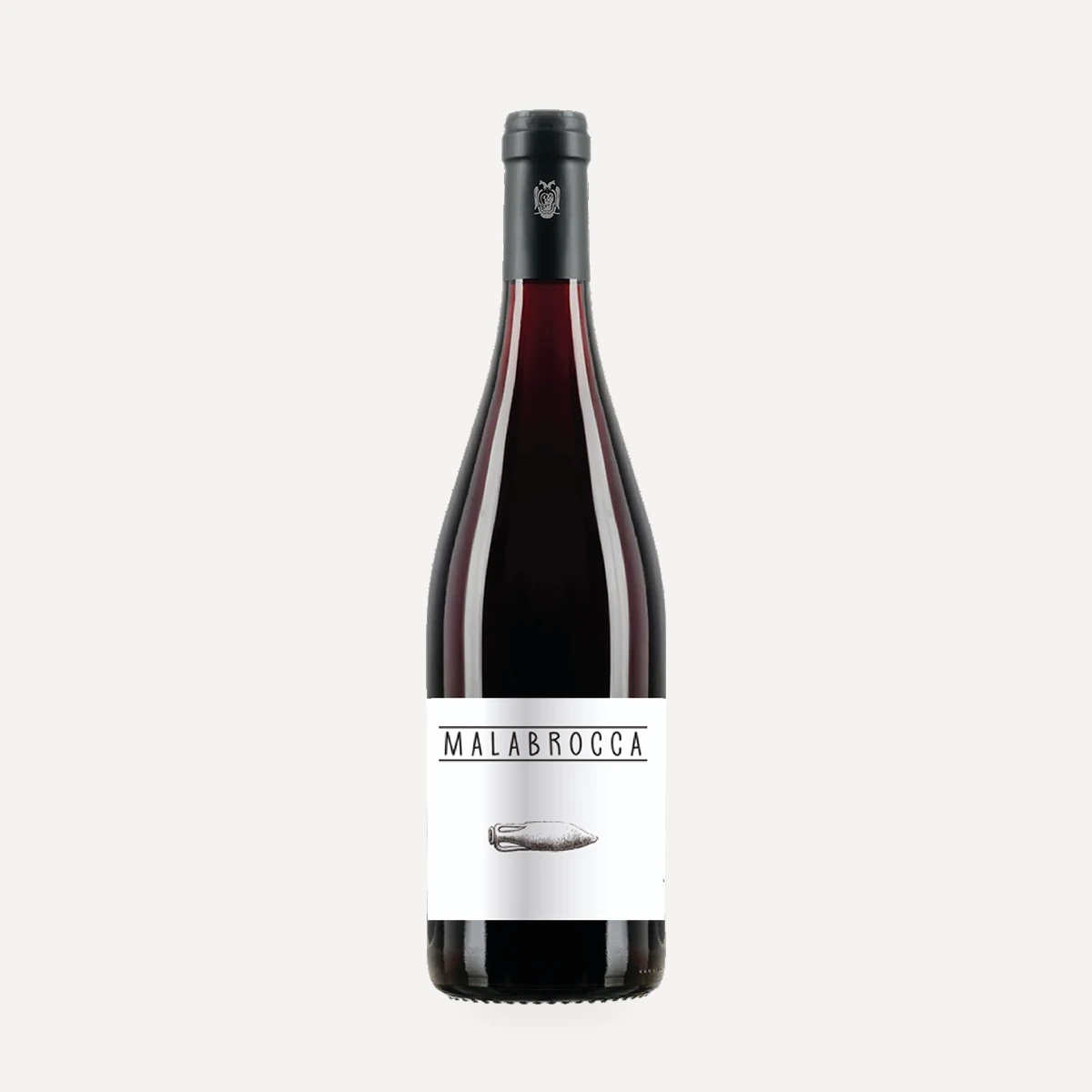
An August 2022 hailstorm severely reduced the old vineyard crop normally allocated to Rosso del Ciglio and Primalaterra. The remaining fruit required rapid processing and minimal extraction, resulting in the one-off Malabrocca. The same hailstorm only grazed Vigna Nuova, and substantial rain arrived before harvest.
In 2024, planting extended the vineyards to a fourth hectare, identified in the estate chronology with the name Santa Sofia.
Terroir
The vineyards lie at Rutino in the hills of Cilento, southern Campania, between holm-oak woodland and Mediterranean scrub. The commune occupies a ridge between Monte Stella and the artificial Alento reservoir, inland from the Tyrrhenian Sea and between the archaeological areas of Paestum and Elea.
The vineyard land occupies the south to south-southwestern side of the village ridge, overlooking the Alento River valley and Monte Stella. Elevations recorded for individual plantings range from approximately 250 to 300 metres above sea level. The principal slope reaches 20–25%.
The soils are stony, medium-textured, clay-limestone Cilento flysch. A more detailed profile describes approximately equal proportions of clay and silt on one side and sand and skeletal material on the other. The local clay component is treated as an important part of the identity sought in the red wines.
From the vineyard and olive-grove hills, the view extends across Alto Cilento from Monte Chianello and Gelbison to Monte Stella, the hills of Velia and the Alento valley. The vineyards receive a light breeze, while their southern and southwestern orientation contrasts with the cellar’s position three kilometres away on the cooler northern side of the ridge.
Vinificazione
Cultivation is organic, and compost is produced within the estate. The vineyards use Guyot training and a relatively close planting pattern: rows are about 2.20 m apart, with 0.80–0.90 m between vines, producing a density of approximately 5,050 vines per hectare.
Harvesting is carried out by hand. For established Aglianico parcels, recorded yields are 30–35 quintals per hectare. Harvest timing varies by variety and intended expression, extending from late August for the white grapes through September for Aglianico and Camaiola.
The approach centres on working directly with the clay, limestone and abundant stones of the flysch soils. The estate’s own formulation places the grower between roots penetrating the clay-limestone ground and shoots reaching toward the sun, with the task of capturing the fruit of that interaction.
The cellar stands in Rutino’s historic centre on the northern side of the ridge, approximately three kilometres from the vineyards. It is an earth-backed domestic cellar built of wood and stone, enclosed by old stone walls and chestnut ceilings. Its construction keeps it cool in summer and mild in winter.
Fermentation begins in stainless steel and, for wines requiring wood, concludes in barrel. Fermentations are spontaneous and selected yeasts are not used. Malolactic fermentation occurs spontaneously in wood.
The principal maturation vessels are lightly toasted French-oak casks made by Garbellotto, predominantly in 550-litre and 1,000-litre formats. Individual cellar records also identify 10–10.6 hl casks and 550-litre tonneaux. Amphora and stainless steel are used for the white-wine programme.
No sulphites are added. Finished wines are not conventionally filtered; instead, they receive only coarse clarification through 5-micron cartridges. After bottling, wines intended for maturation remain in the cellar for additional months. The length of extraction and ageing is adapted to the character of each harvest: cellar records range from minimal extraction after the 2022 hailstorm to eight- or twenty-day macerations for established red-wine lots. This reflects the aim of interpreting vintage differences rather than imposing a fixed profile.
Filosofia
The estate’s guiding phrase is “first the land, then everything else.” Its outlook begins with the conviction that land belongs to those who work it and is expressed through direct, continuing labour in the vineyard and olive grove.
Origin is treated as the foundation of originality, while originality is linked to biodiversity and its preservation. The intention is therefore to make wines rooted in their varieties and vineyard rather than easily reproducible models.
In the cellar, time is understood as something dictated by the land, weather and the needs of the wine more than by a fixed commercial timetable. The underlying character may remain recognizable, but methods and maturation are adjusted to follow and interpret each vintage. Long rest is accepted when tannin and concentration demand more wood, time and quiet; exceptional conditions can instead call for speed and minimal extraction.
Vini
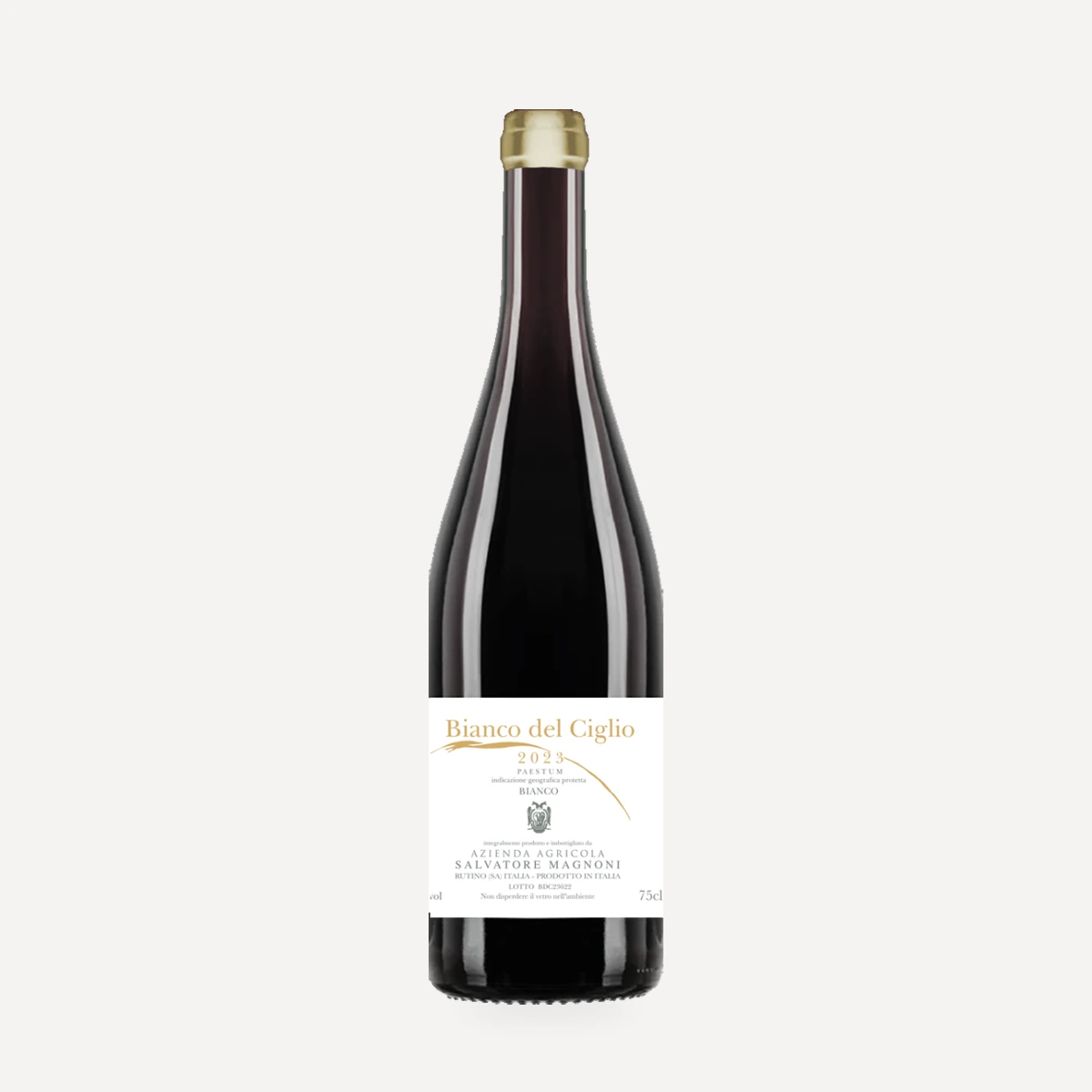
Bianco del Ciglio
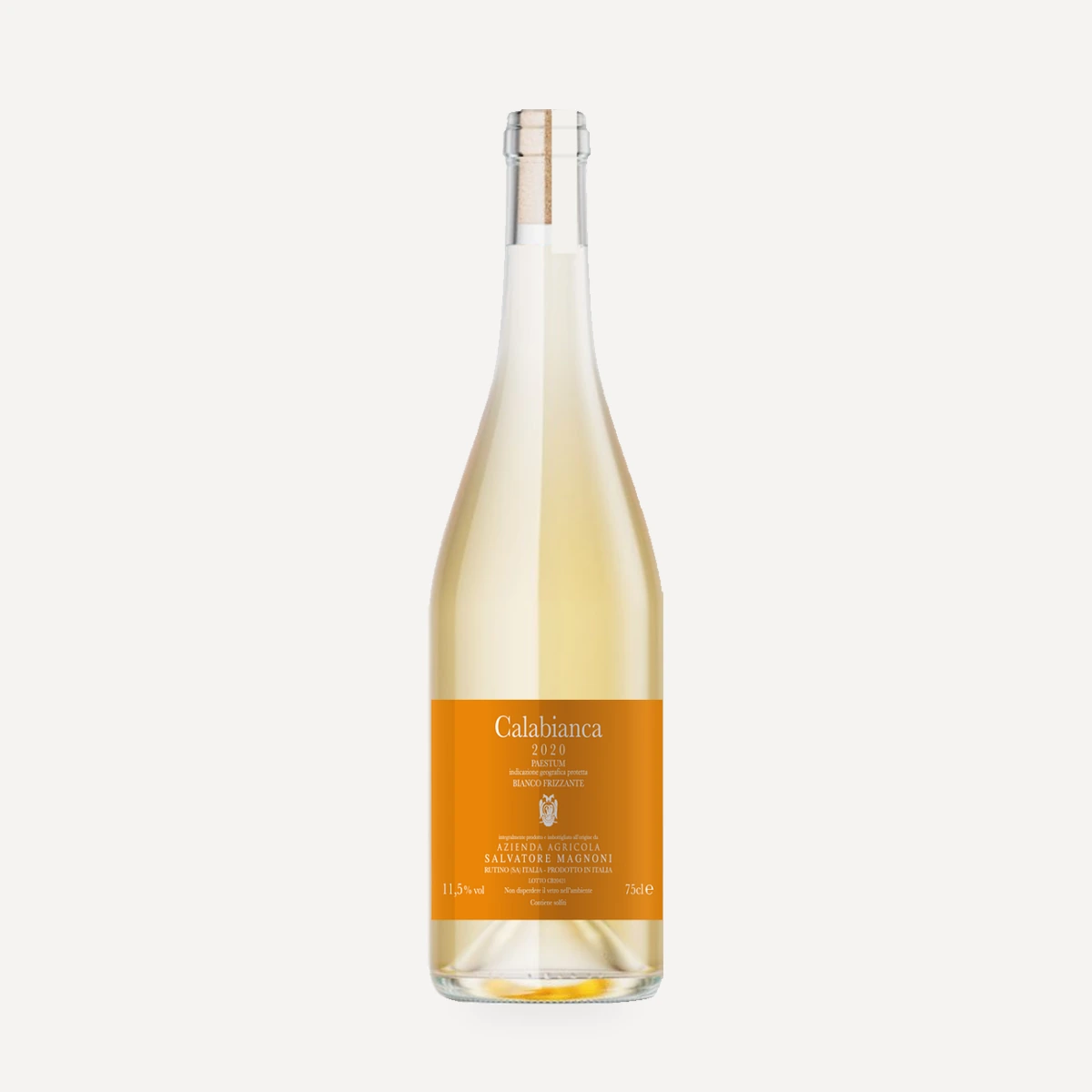
Calabianca
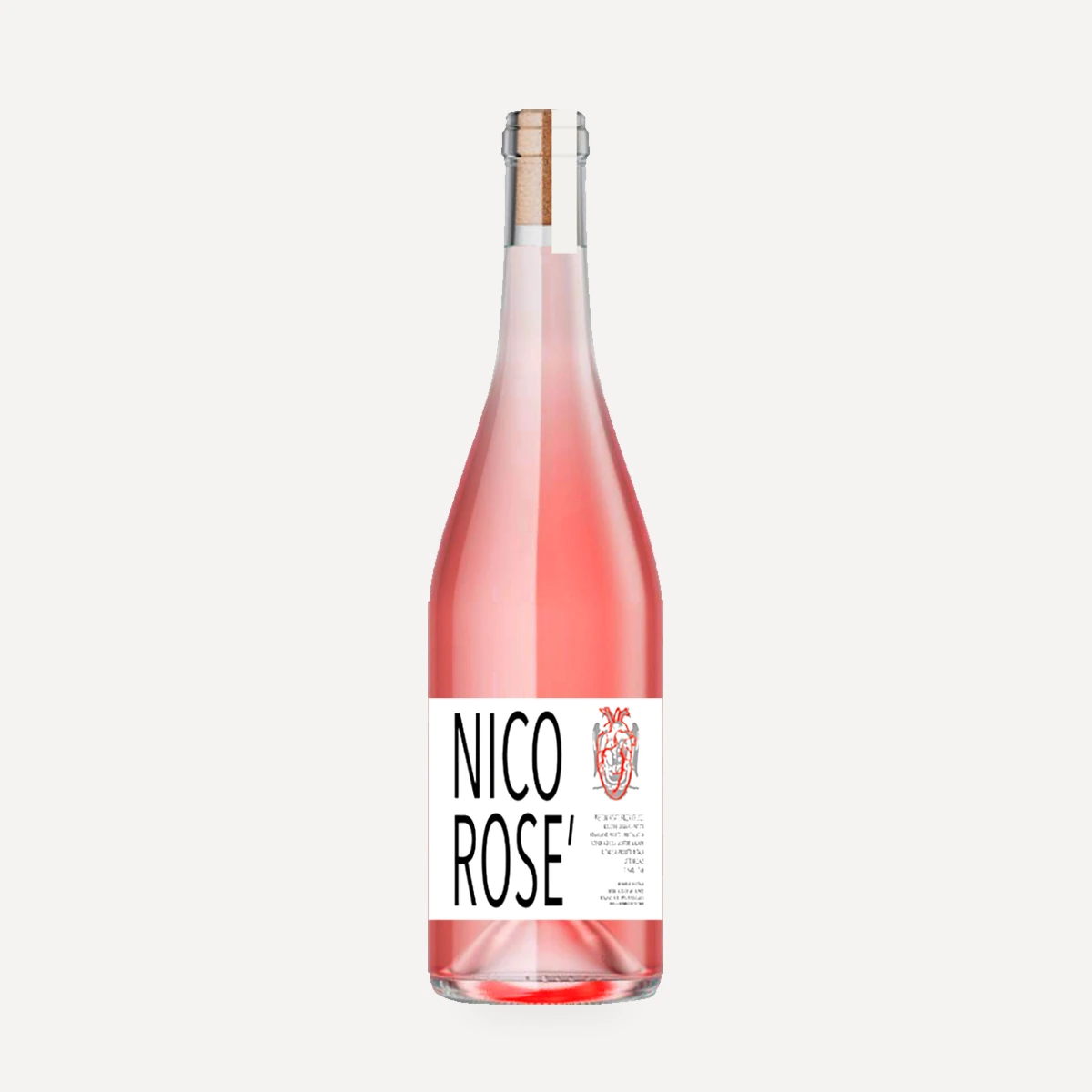
Nico Rosè
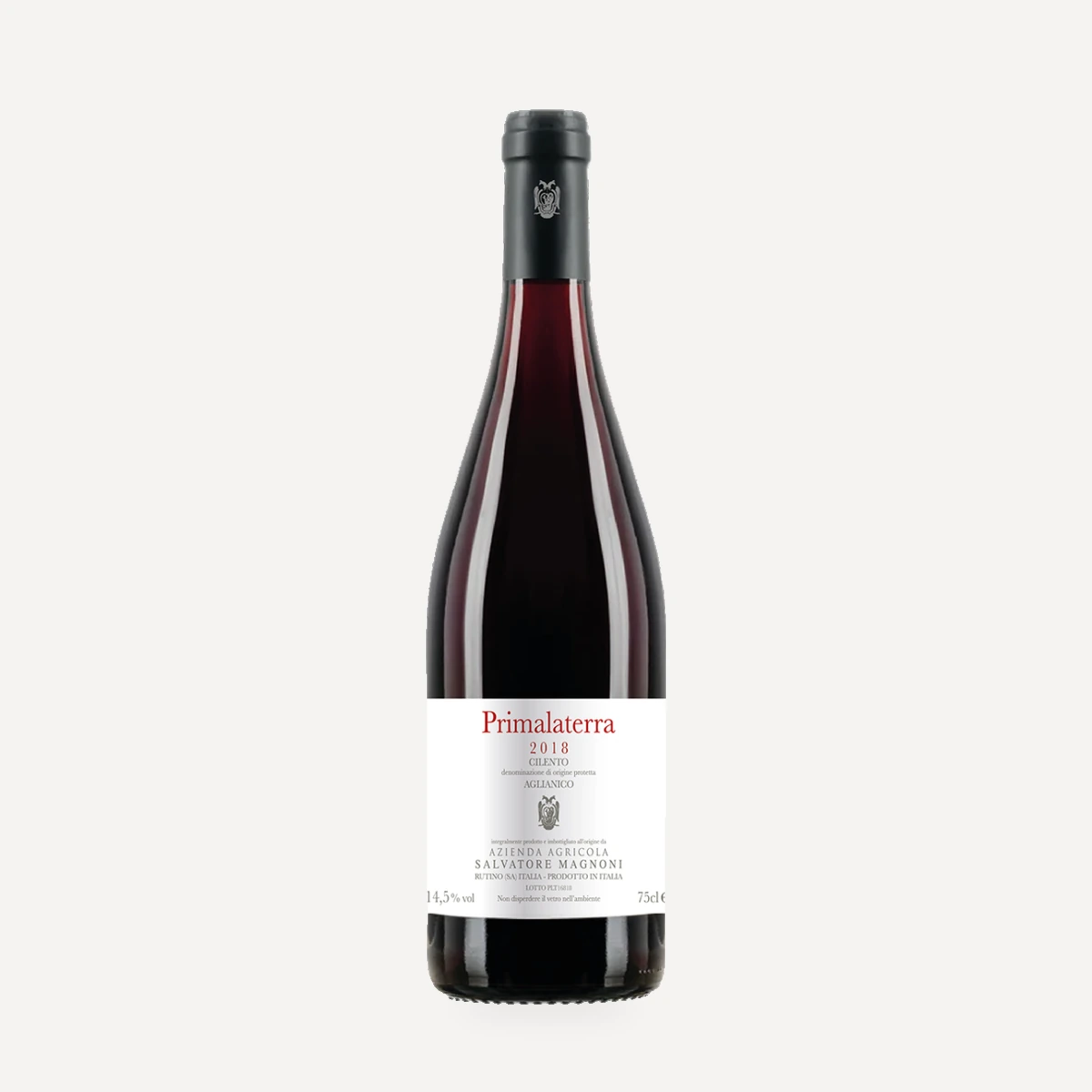
Primalaterra
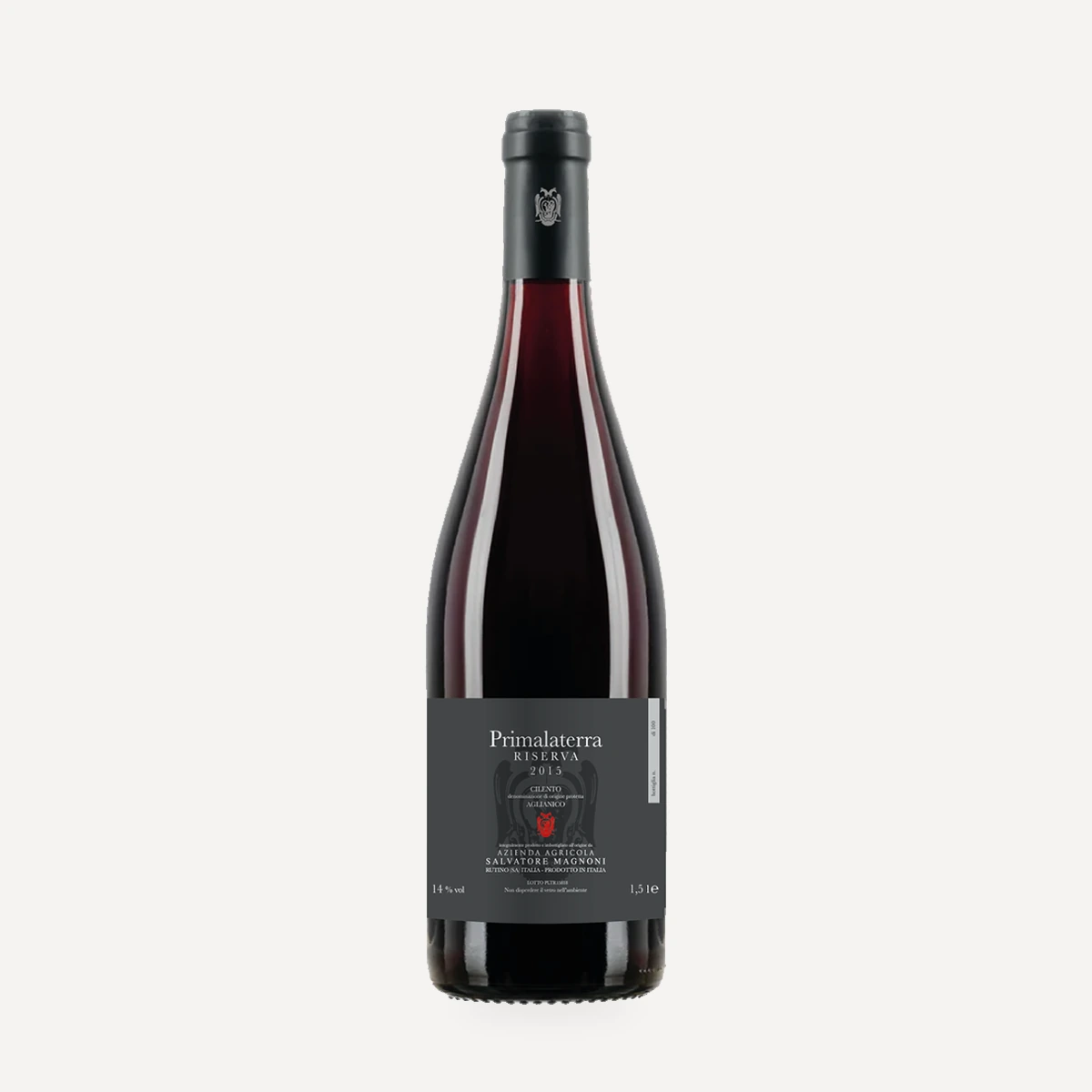
Primalaterra Riserva
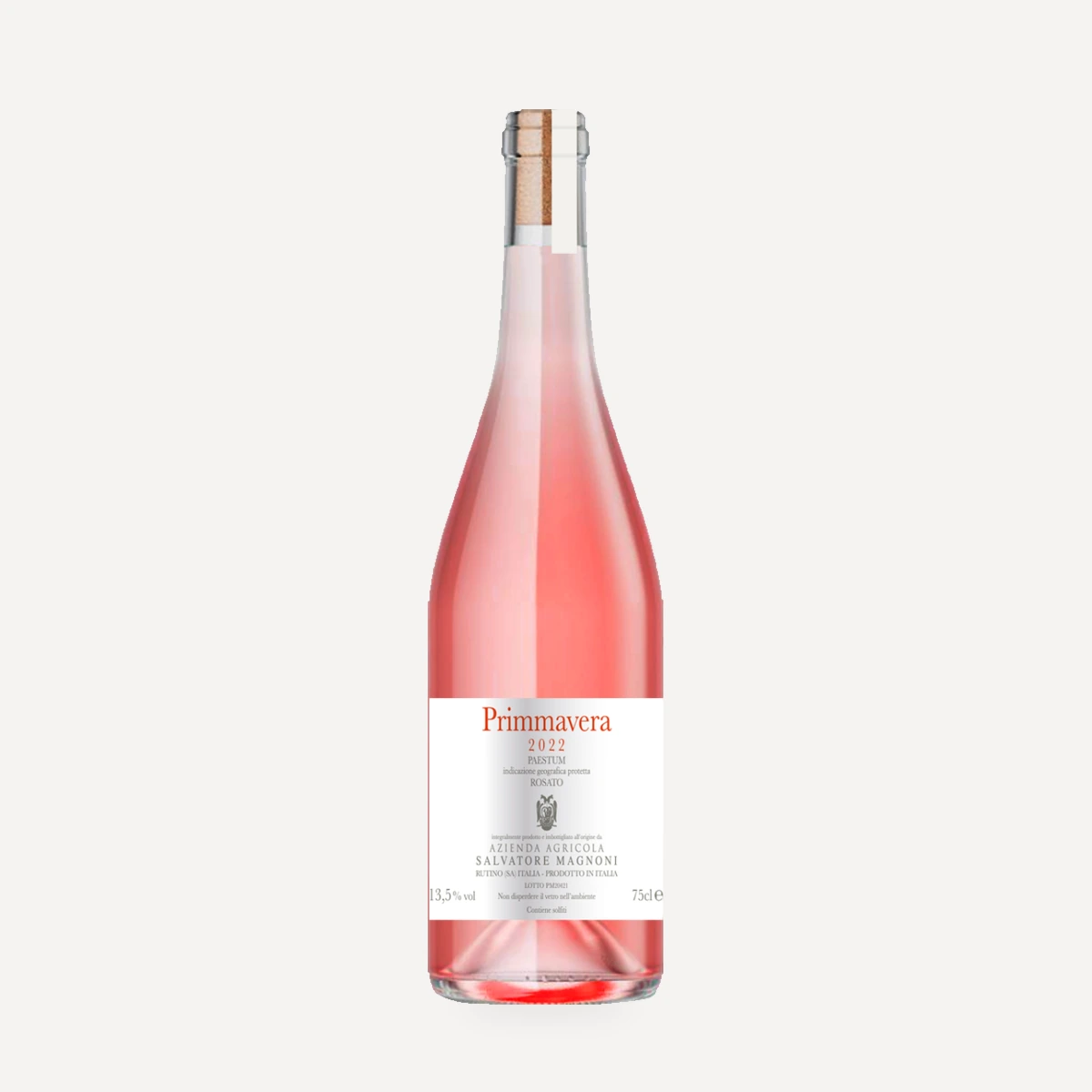
Primmavera
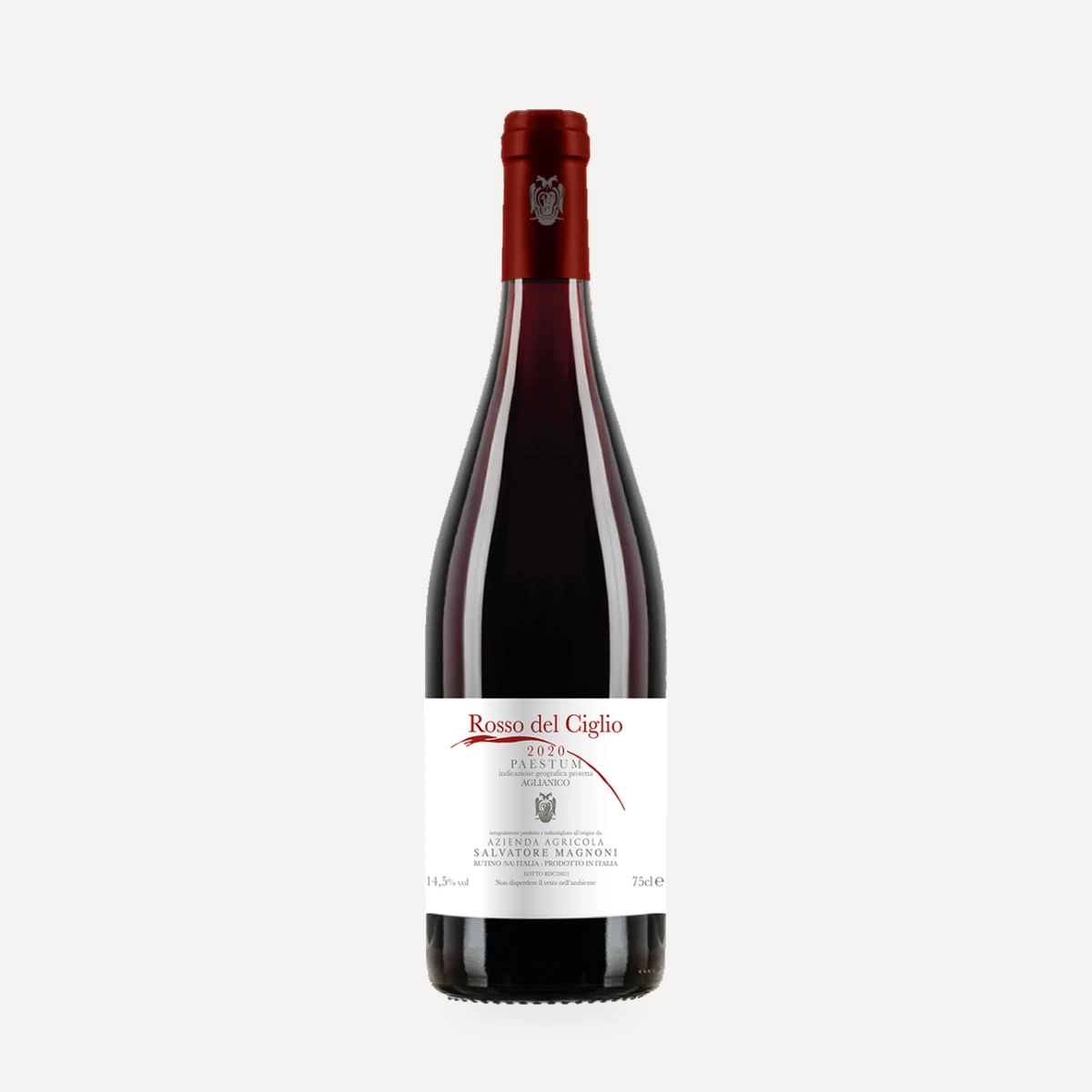
Rosso del Ciglio