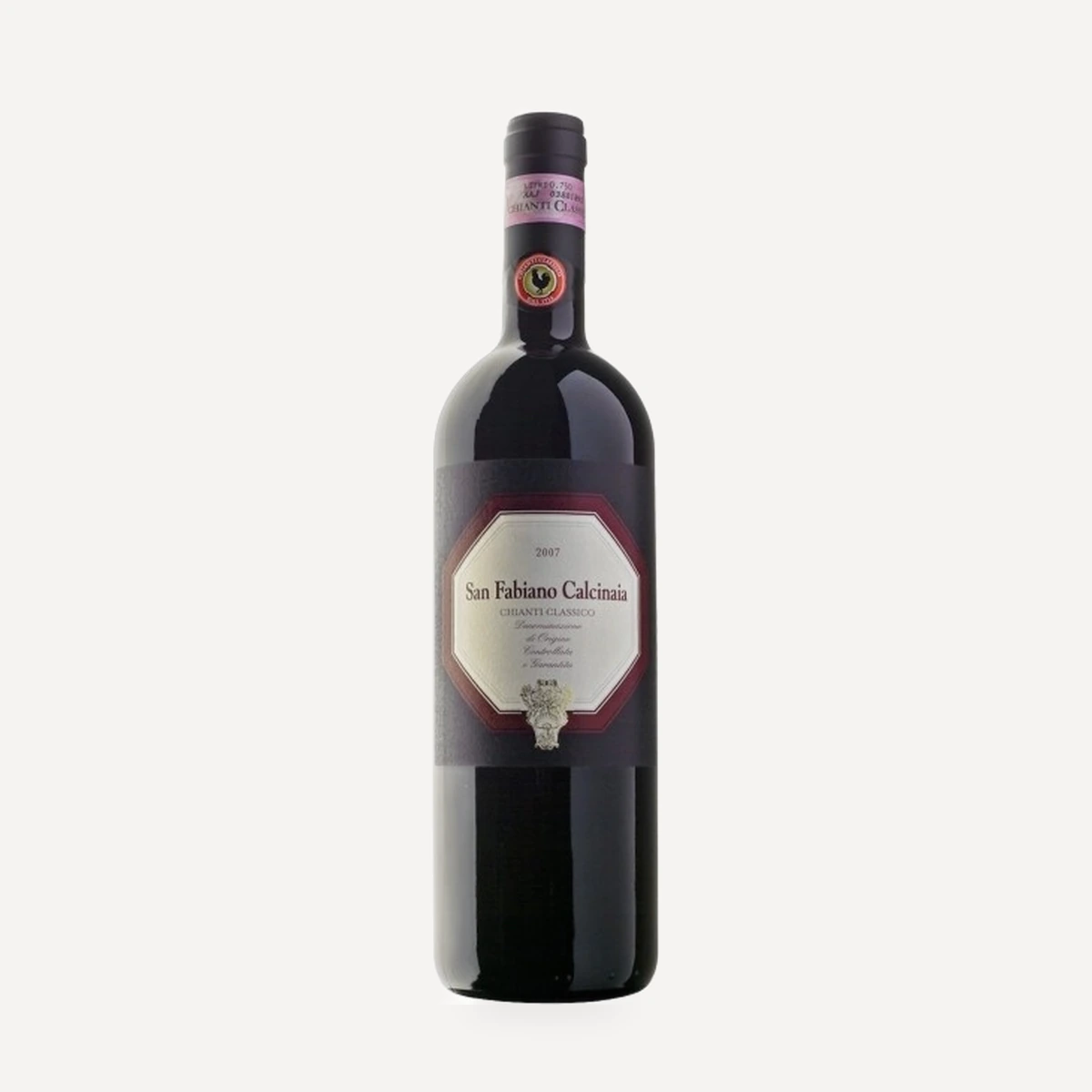
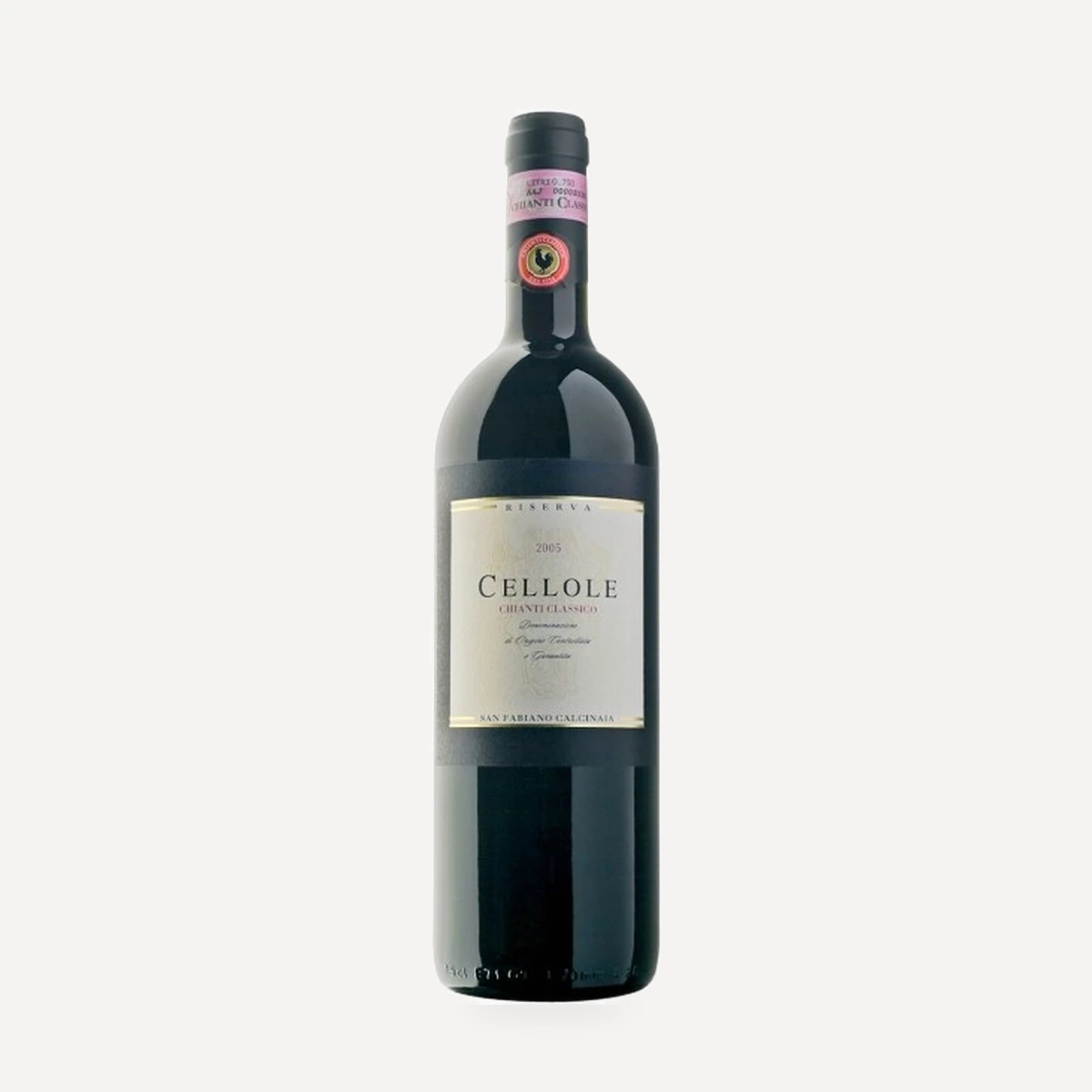
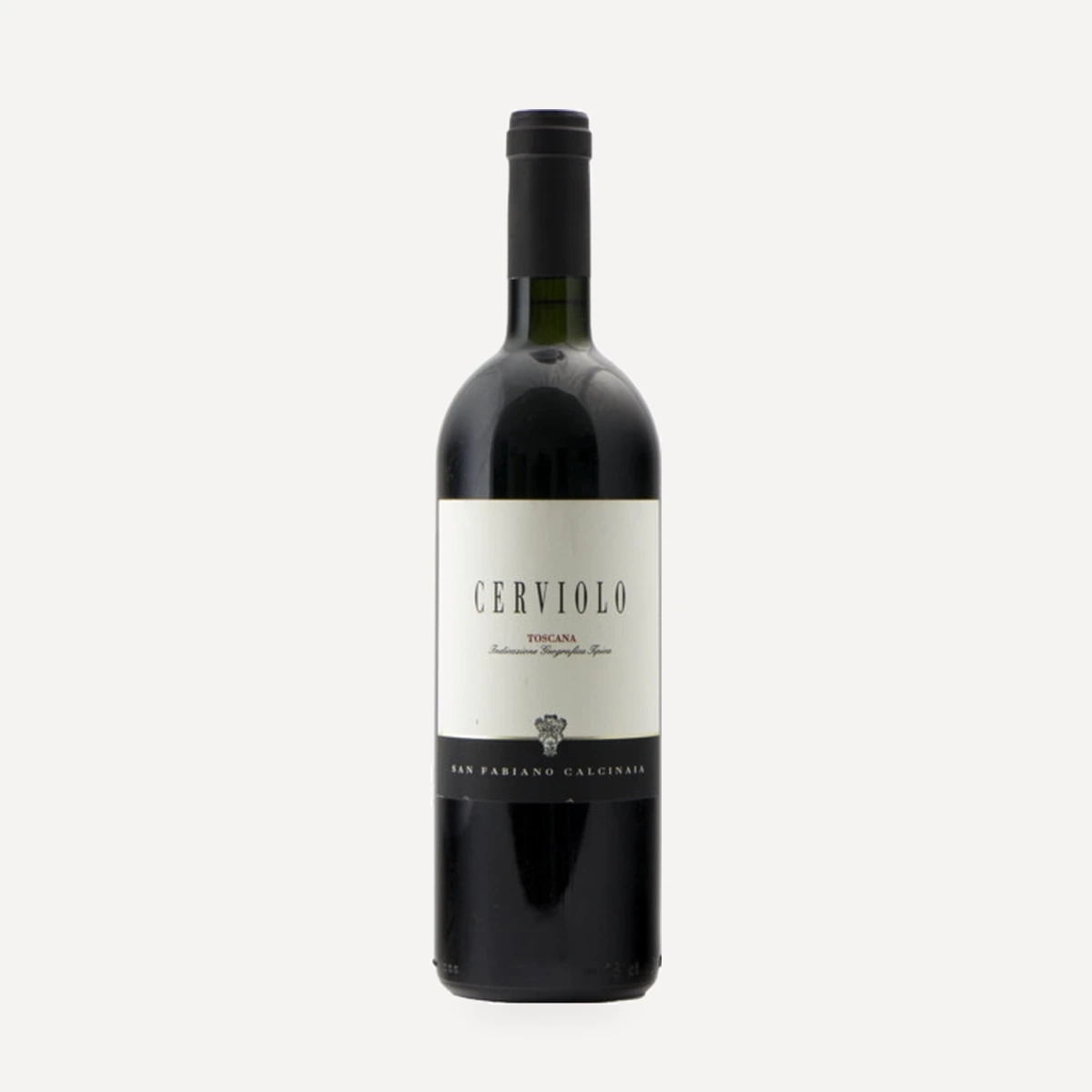
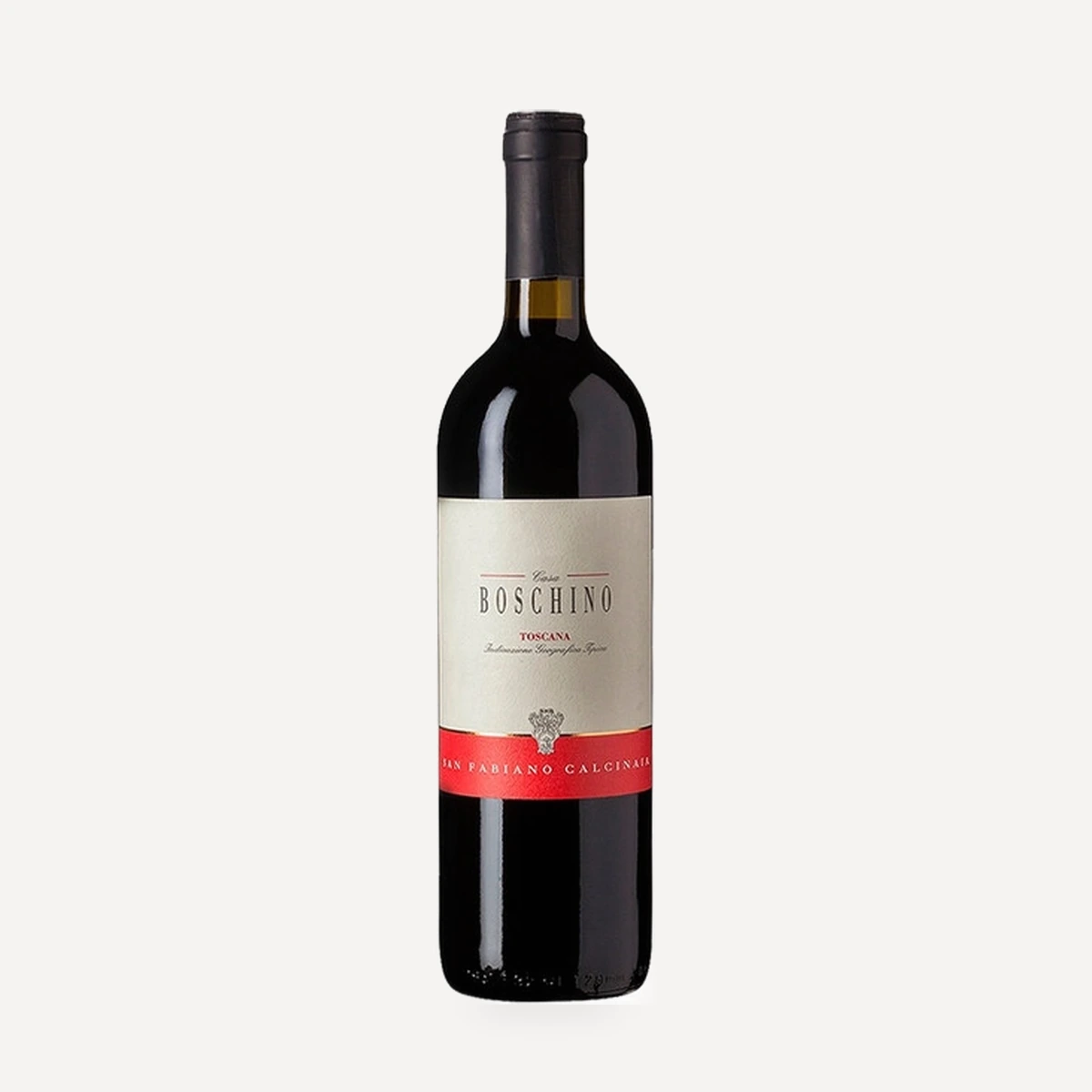
Questo vino
Vineyard and terroir
The 2022 wine draws on a 25 ha production area divided between San Fabiano, at 250 m a.s.l., and Cellole, at 450 m a.s.l. Both sites face south-west. Average grape yield is approximately 65 q/ha, equivalent to 6.5 t/ha.
Grapes
The 2022 blend is 80% Sangiovese and 20% Cabernet Sauvignon.
Vinification
Harvest runs from 23 September to 17 October, with timing adjusted to the vineyard zone and grape variety. Grapes are carefully selected in the vineyard and again in the cellar. Alcoholic fermentation takes place at controlled temperature, followed by medium-long skin maceration lasting 10–15 days and gentle pressing.
Fruit from the different vineyard origins is vinified and aged separately. The final blend is assembled only after ageing.
Ageing
The 2022 wine spends approximately 12 months in second-use tonneaux, followed by at least six months in bottle.
Technical data
For the 2022 vintage: 13.0% alcohol by volume, total acidity of 5.28 g/L, net extract of 29.2 g/L and residual sugar of 0.5 g/L. Production amounts to 70,000 bottles, offered in a 0.750 L format. The wine is certified organic under control code IT BIO 006.
Tasting profile
Deep ruby red with garnet nuances. The precise, refined and persistent bouquet combines violet, red-fruit aromas and subtle spice. The palate is substantially structured yet fresh, balanced and harmonious, with good persistence.
Serving and pairing
The 2018 technical sheet recommends serving at 16–18 °C. Pair with traditional Tuscan cooking, pasta dishes, soups, white or red meats, Tuscan antipasti, and fresh or medium-aged cheeses.
Vintage notes
The 2018 technical sheet describes a different élevage: 8–10 months in steel, four months in 500 L wooden vessels and at least two months in bottle. It also records a longer 15–20-day maceration, Cellole vineyards at 500 m a.s.l., production of 20,000 bottles, 14.32% alcohol, total acidity of 5.42 g/L, net extract of 29.48 g/L and residual sugar below 2.50 g/L. For 2022, the corresponding figures and methods are 10–15 days of maceration, Cellole at 450 m a.s.l., approximately 12 months in second-use tonneaux plus at least six months in bottle, 70,000 bottles, 13.0% alcohol, 5.28 g/L total acidity, 29.2 g/L net extract and 0.5 g/L residual sugar.