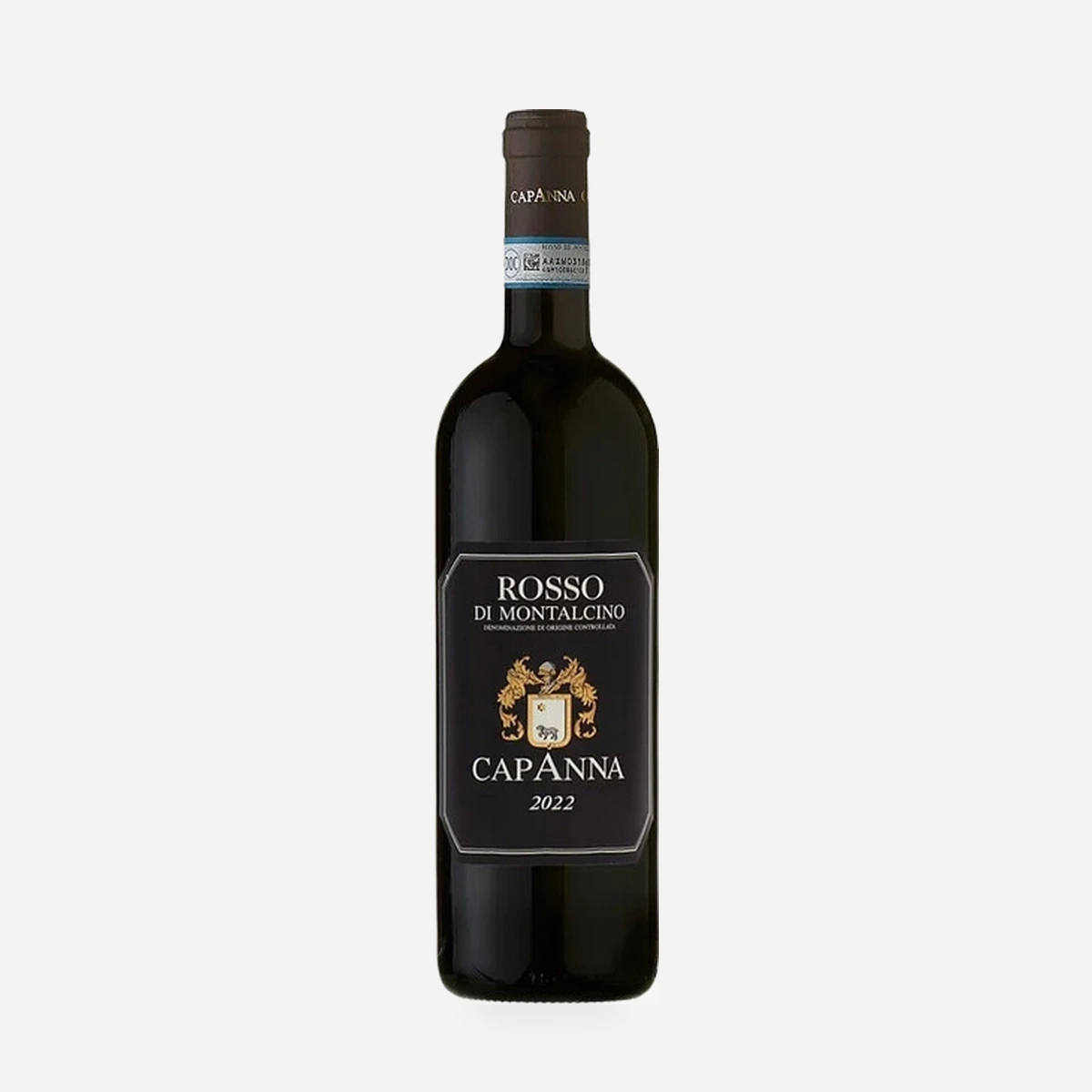
Questo vino
Vineyard and terroir
The wine comes from Sanlorenzo’s younger vineyards in southwestern Montalcino. The vines, between 5 and 25 years old, occupy an amphitheatre-like setting overlooking the Orcia Valley and the sea at approximately 500 m above sea level. Predominantly clay-rich, stony ground and the high-altitude microclimate contribute to the delicate expression of Sangiovese. Yields range from 35 to 60 quintals per hectare (3.5–6 t/ha). The wine is certified organic.
Grapes
100% Sangiovese.
Vinification
The fruit macerates on its skins for 25 days and ferments in stainless-steel tanks under temperature control. For the 2024 vintage, fermentation was rapid.
Ageing
Ageing takes place in old barriques and tonneaux of various sizes, between five and ten years old, followed by further maturation in bottle.
Technical data
The 2024 wine has 13.5% alcohol, 0 g/L residual sugar and 69 mg/L total sulphur. Production amounted to 8,133 bottles.
Tasting profile
Fresh aromas of ripe cherry are underlined by restrained notes of wood. The palate is balanced and elegant, combining fruit with substantial structure. The cooler, fresher character of 2024 brought moderate alcohol, fine tannins, lively acidity and immediate drinkability rather than sheer power.
Serving and pairing
A match for red-meat dishes and cheeses.
Vintage notes
The 2024 growing season began with early vine development in March and required careful management of spring rainfall. Although summer was hot, excessive September heat slowed sugar accumulation, postponing harvest until 14–15 October. Autumn rain increased mould pressure and made meticulous bunch selection necessary. The resulting wine is fresh, delicately structured and acid-balanced, with a profile likened to the cooler 2013 and 2018 vintages.