Storia
The historic hamlet
Santa10 is an agricultural hamlet on the first hill southeast of Siena. Its built complex comprises a medieval watchtower, a farmhouse and rural outbuildings, a former lemon house, and underground cellars carved into the local tufa. The tower guarded the southern approach to Siena and the historic Via Francigena. A large vaulted cellar lies beneath it, together with a surviving section of an old escape route. The tower was enlarged on its eastern side during the nineteenth century and became part of a manor house.
Gianni’s family has owned the hamlet since the beginning of the twentieth century. Earlier generations maintained a mixed farm producing wine, extra virgin olive oil and arable crops.
Revival of the farm
In 1994 Gianni began managing the family’s agricultural land, continuing the work of his mother and grandfather. At the beginning of the 2000s, after restoring a FIAT 605 tractor, he began a broad reorganisation of the property. Vineyards more than 50 years old were to be replanted principally with Sangiovese, Canaiolo, Ciliegiolo, Colorino and Trebbiano, accompanied by smaller experimental plantings of Petit Verdot and Cabernet Franc. The scattered olive trees were consolidated into a specialised grove, 50 fruit trees representing old varieties were planted, and the ancient cellars and underground spaces beneath the medieval tower were restored.
In 2003, 1.5 ha of vineyard were replanted. These vines produced their first crop in 2007, when Santa10 made its first natural red wine and continued refining its cellar methods around the character of Siena’s yellow soil.
Restoration and expansion
The former lemon house, historically used to protect large potted lemon trees during winter, was renovated in 2012. The wider restoration of the Santa10 hamlet was completed in autumn 2014. Natural plasters, ventilated roofs and cork insulation were used, while family furniture, objects collected during the family’s travels, Gianni’s paintings and Tommaso’s photographs were incorporated into the interiors.
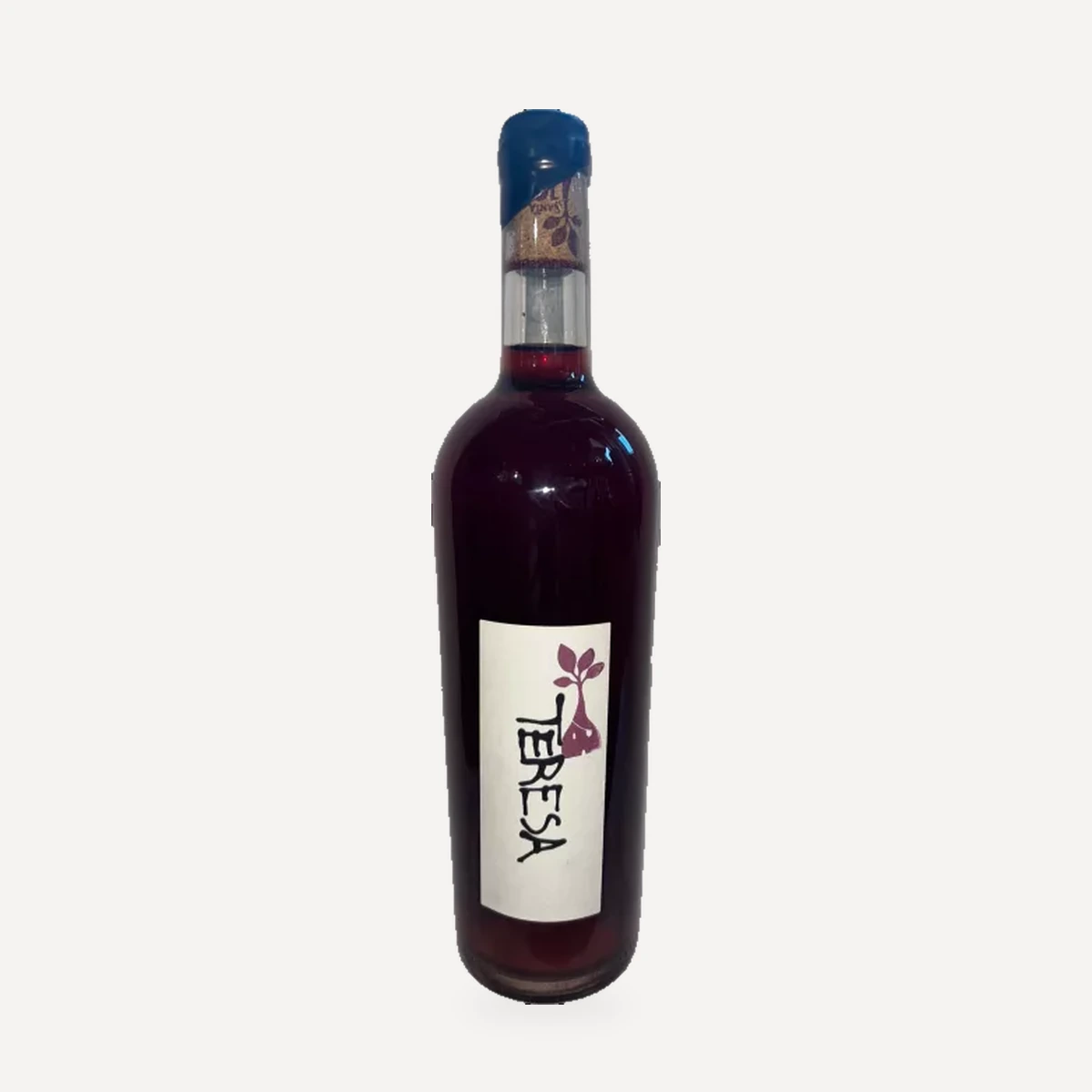
In 2019, Santa10 planted a further hectare of Trebbiano, bringing the vineyards to 2.5 ha. The farm now produces approximately 8,000 bottles annually. Gianni, Elisa and their children Tommaso and Teresa collectively present the wines internationally while continuing to operate the farm and hospitality business.
Terroir
Santa10 occupies the first hill southeast of Siena, only a few miles from the historic centre, in the locality of Santa Regina. The estate sits at approximately 300 m above sea level; individual vineyard specifications place the vines at about 280 m.
The soils comprise tufa and marine-origin fossil sands over clay at depth. Individual vineyard descriptions likewise identify tufa, clay and marine fossils. The estate associates this yellow Sienese earth with the identity of its wines.
The vineyard sources used for the estate’s wines include both north-facing and southwest-facing positions. From the hill and tower, the property overlooks vineyards, olive groves, Siena’s skyline and the historic Via Francigena. The underground tufa spaces provide naturally moderated conditions for vinification and bottle maturation.
Vinificazione
Santa10’s vineyards and olive trees are organically grown, and the farm holds ICEA organic certification. It is also a member of VinNatur, an association centred on natural wine and the integrity of winegrowing territories, including their history, culture and art.
No synthetic chemicals, pesticides or artificial fertilisers are used in the vineyards. Soil care consists of limited grooving and inter-row removal work intended to avoid invasive cultivation and allow natural organic processes to develop. The family personally follows the work from the vines through to the cellar.
The estate’s principal training system is single-cane Guyot, with a planting density of 4,500 vines per hectare. Technical specifications indicate yields of 40 quintals per hectare and a September harvest. The farm’s broader biodiversity includes a specialised grove of more than 400 olive trees, additional older scattered olive trees inherited from the former mixed-cropping system, 50 fruit trees planted to recover old varieties, and 300 Damask roses used for rose syrup.
Vinification takes place in the ancient underground cellars beneath the medieval tower and farmhouse. Part of the cellar is carved directly into tufa beneath a large vault; grapes, wine and the estate’s brandy are processed there. A separate underground store provides naturally moderated conditions for bottle maturation.
Most cellar operations are manual. The estate works without added cultured yeast, fermentation-temperature control, additives or wine filtration. Grapes are destemmed with a roller destemmer-crusher and fermented in stainless-steel tanks, generally using indigenous yeasts. Depending on the cuvée, skin contact and alcoholic fermentation last approximately 8–20 days. Manual pump-overs are performed daily. Malolactic fermentation takes place either in stainless steel or in oak vessels.
The cellar uses stainless-steel fermentation tanks ranging from 10 to 30 hl. Maturation varies between stainless steel and oak. The principal red can mature for 12–24 months in Slavonian oak, followed by at least 12 months—and in some releases up to 24 months—in bottle. Other wines remain in stainless steel for approximately 8–12 months or 12 months, followed by 3–6 months in bottle.
SpiritoSanta is distilled from estate red wine rather than pomace. It undergoes discontinuous double distillation in traditional bain-marie alembic stills. The first pass extracts the alcohol; during the second pass, or review, the heads and tails are separated. The distillate is reduced to 60% alcohol and briefly held in used French-oak barriques to gain amber colour. It is then reduced to its final 41%, filtered twice, bottled and matured in glass for at least one year before release.
Filosofia
Gianni’s guiding principle is to work at the pace of the planet—its vegetation, fauna, water, temperature and soil—so that future generations can continue cultivating the same land. He frames this as intergenerational solidarity: development should first respect the resources available within a territory and only then respond to human demand.
This outlook is expressed through certified organic farming, the avoidance of synthetic vineyard inputs, restrained soil cultivation and low-intervention cellar work. The family’s natural-wine approach relies on indigenous fermentations, manual operations, natural cellar temperatures, and the exclusion of additives and filtration.
Santa10 presents its wines as expressions of the territory that combine inherent complexity with the informality of everyday sharing. The family also treats the farm as a lived-in home: agriculture, wine, historic buildings, art, food, travel and hospitality are integrated rather than managed as separate activities.
Vini
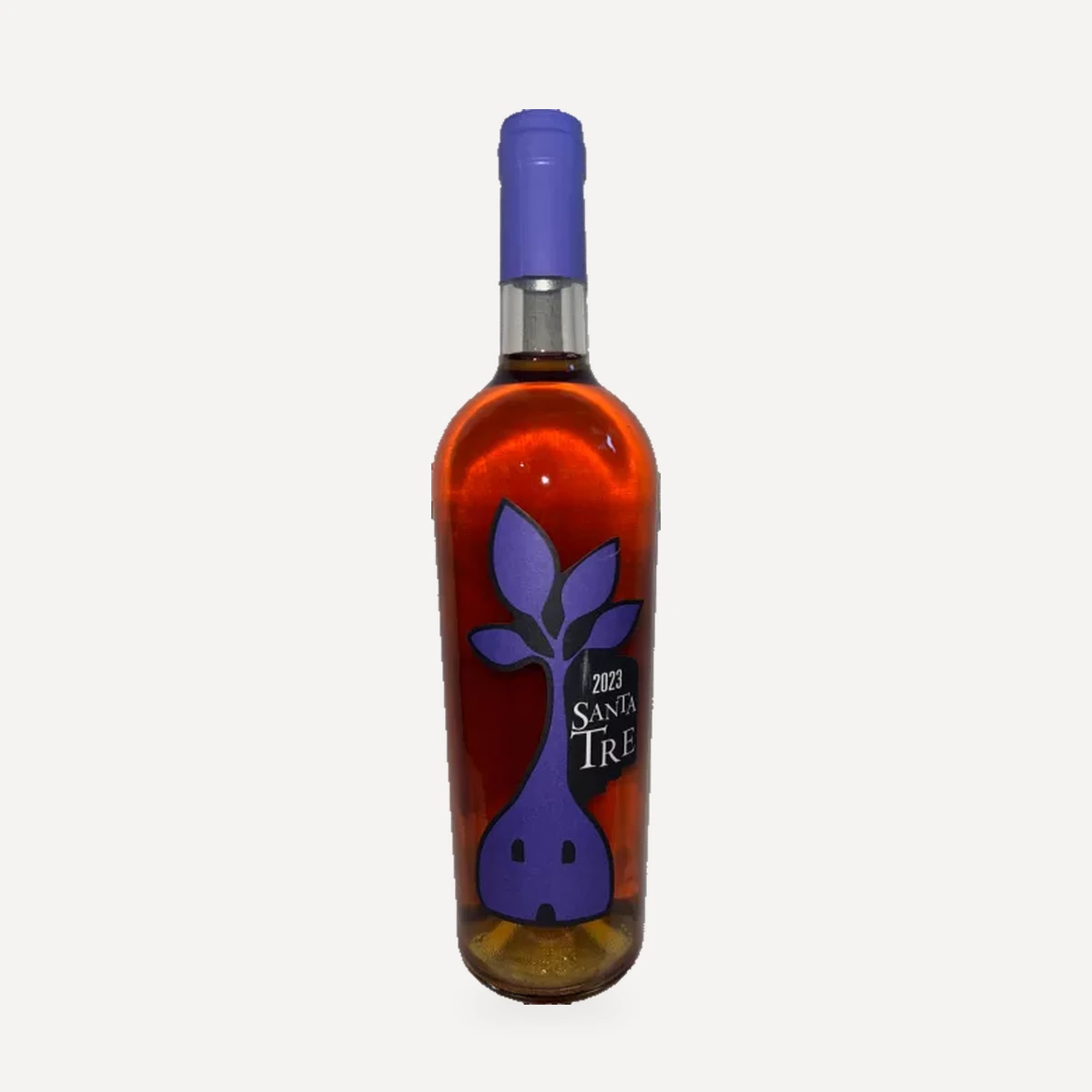
Santa Tre
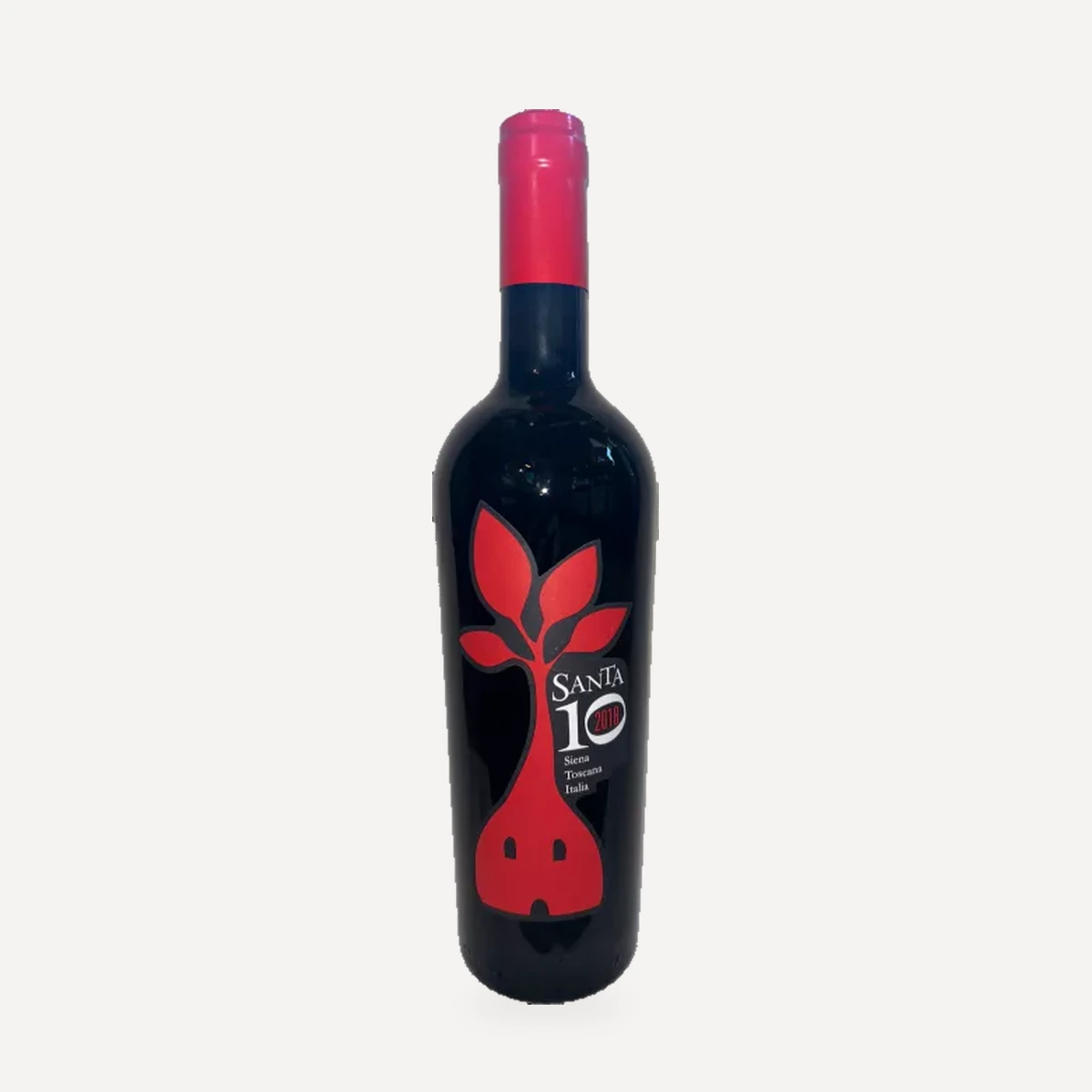
Santa10