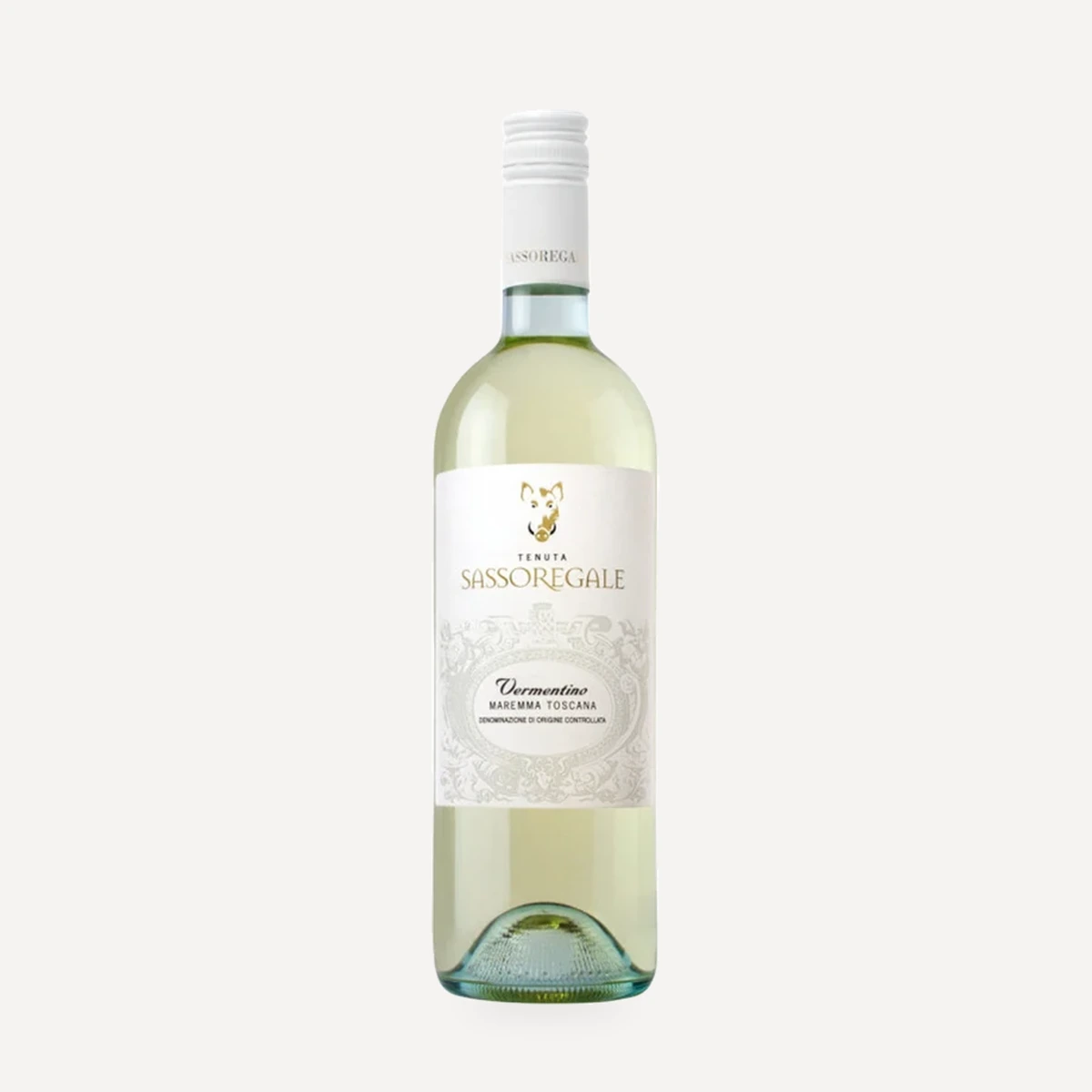
Storia
Establishment in Maremma
Sassoregale was founded in 2002 in the Maremma area of southern Tuscany. Its identity developed around the region’s rugged landscape, Mediterranean vegetation and pastoral culture, including the Maremmana cattle and the horse-riding cowboys associated with them.
The estate and Pieve Vecchia winery
The agricultural estate covers 38 ha, including 30 ha of vineyards divided between Vigneto Centralina and Vigneto Boschetto. The winery stands on the lands of Pieve Vecchia at Campagnatico. Conceived as an architecturally advanced complex, it was designed by the Cini Boeri studio to integrate modern wine production with the surrounding countryside.
The project placed sustainability at the centre of the winery’s design and operations. Its stated direction combines respect for the landscape with the development of local grape-growing traditions and indigenous varieties, while retaining a forward-looking approach.
Organic certification
Organic farming became a formally certified part of the estate’s identity. Wines from the 2017 vintage onward are identified as originating from organically farmed vineyards, and the estate achieved vineyard organic certification in 2019. The certification information references Accredia, Italy’s national accreditation body under European Regulation 765/2008.
Terroir
Setting
Sassoregale lies in the Province of Grosseto, in the Maremma of southern Tuscany. The estate occupies gently sloping country overlooking a broad plain crossed by the Ombrone River. The principal presentation places it at the eastern edge of the Campagnatico plain, surrounded by hills, with higher ground extending toward Montalcino behind the vineyards.
The vineyards face toward the Tyrrhenian Sea, only a few kilometres away in a straight line. Strong natural light supports ripening, while cool maritime breezes temper the summer heat and help create an even Mediterranean climate.
Elevation and soils
The documented growing zones extend from approximately 120 to 300 m above sea level. The Vermentino area is identified at about 150 m; the area associated with Poderalta lies between 120 and 170 m; and the broader zone represented by Albatrello ranges from 130 to 300 m.
Soils vary across the production areas. They include deep, rich profiles with a significant clay fraction; medium-textured soils with substantial clay; and mixed medium-textured ground containing clay and coarse stony material. Another estate description characterizes the soil mosaic as a varied combination of clay, stones and sand.
Maremma landscape
The wider landscape alternates between sunlit plains, rolling hills, meadows and dense woodland. Mediterranean scrub includes broom, strawberry tree or arbutus, juniper, myrtle, heather and brambles, alongside cypresses, cork oaks, holm oaks and pines. Wild boar, roe deer and fallow deer inhabit the thick scrub and woodland.
For centuries, much of Maremma remained marshy and comparatively isolated from intensive agriculture. Twentieth-century land reforms made thousands of hectares available for cultivation without completely transforming its natural character. Coastal dunes, woodland and extensive scrub remain defining elements of the regional environment.
Vinificazione
The 30 ha of estate vineyards are farmed organically. Vineyard organic certification was achieved in 2019, and wines from the 2017 vintage onward are identified as coming from certified organically farmed vineyards. The certification information references Accredia, the national accreditation body designated by the Italian government under European Regulation 765/2008.
Viticulture emphasizes high planting densities and vineyard management with a low environmental impact. Spurred-cordon training is an important estate system, while Guyot is documented for Vermentino. Where a numerical density is given, plantings reach approximately 5,100 vines per hectare.
The combination of abundant light, strong summer sun and cooling air from the Tyrrhenian Sea provides the climatic framework for organic cultivation. The vineyard and cellar regimes are directed toward preserving a recognizable territorial imprint, with balance, power and elegance presented as the intended outcome.
Production is centred on the modern Pieve Vecchia winery at Campagnatico, an architecturally advanced complex designed by the Cini Boeri studio. The building is conceived as part of the surrounding landscape, placing contemporary design and cellar functionality at the service of the estate’s environmental programme.
The production approach pairs the ultra-modern winery with methods presented as rooted in long-established regional practice. Meticulous cellar work accompanies high-density, low-impact viticulture, with the objective of retaining the character of the Maremma landscape in the finished wines.
Filosofia
Sassoregale presents sustainability as the organizing principle of the Pieve Vecchia project. The winery is intended to fit naturally into its setting, respect the surrounding environment and contribute to the development of the local area.
The estate’s approach seeks to retain a strong Maremma identity through organic vineyards, high planting densities, low-impact vineyard management and meticulous cellar work. It combines established regional practices with a modern winery and a forward-looking interest in local and indigenous grape varieties.
The desired stylistic values are balance, power and elegance, with the wines intended to carry a distinct imprint of their landscape rather than obscure it.
Vini
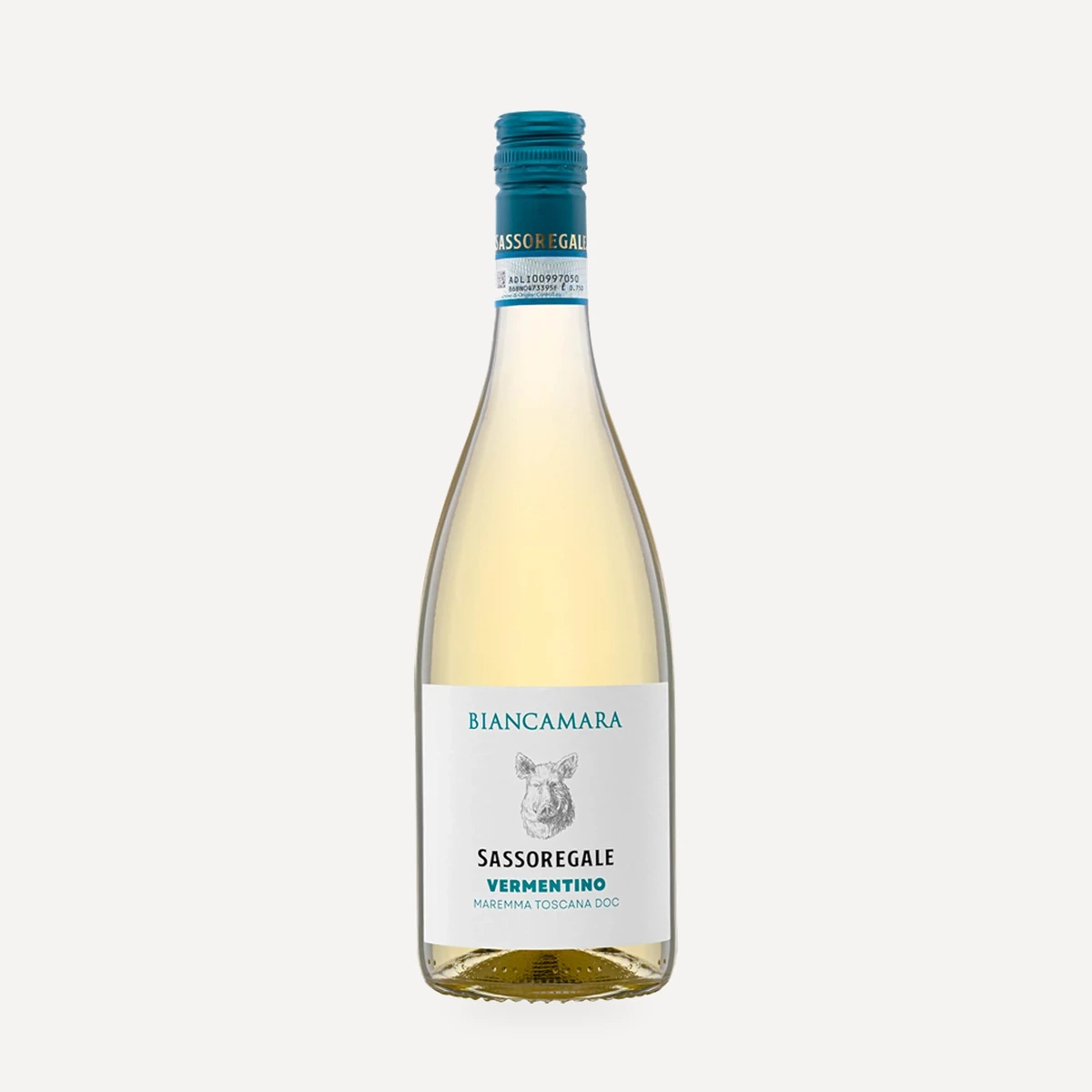
Biancamara
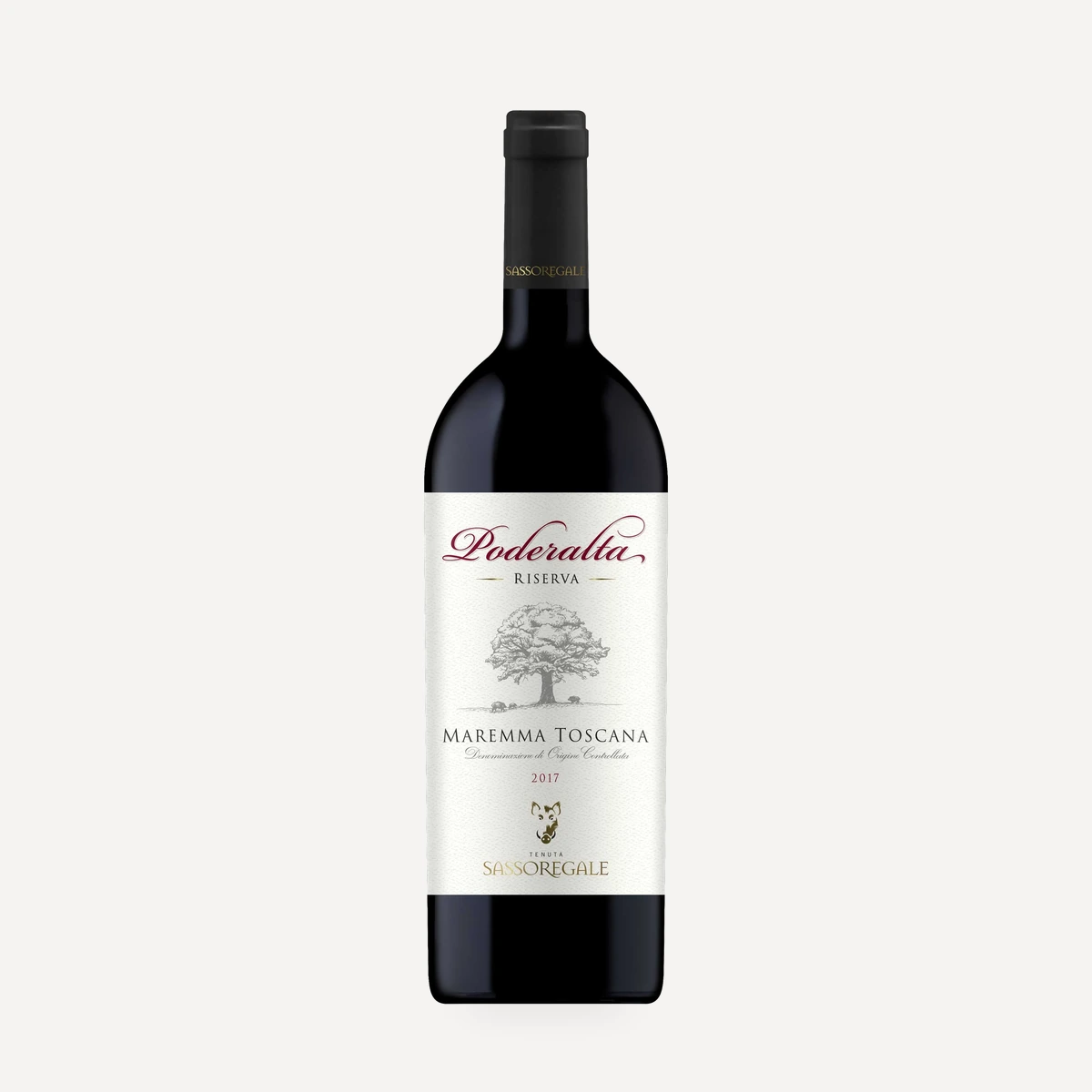
Poderalta Riserva
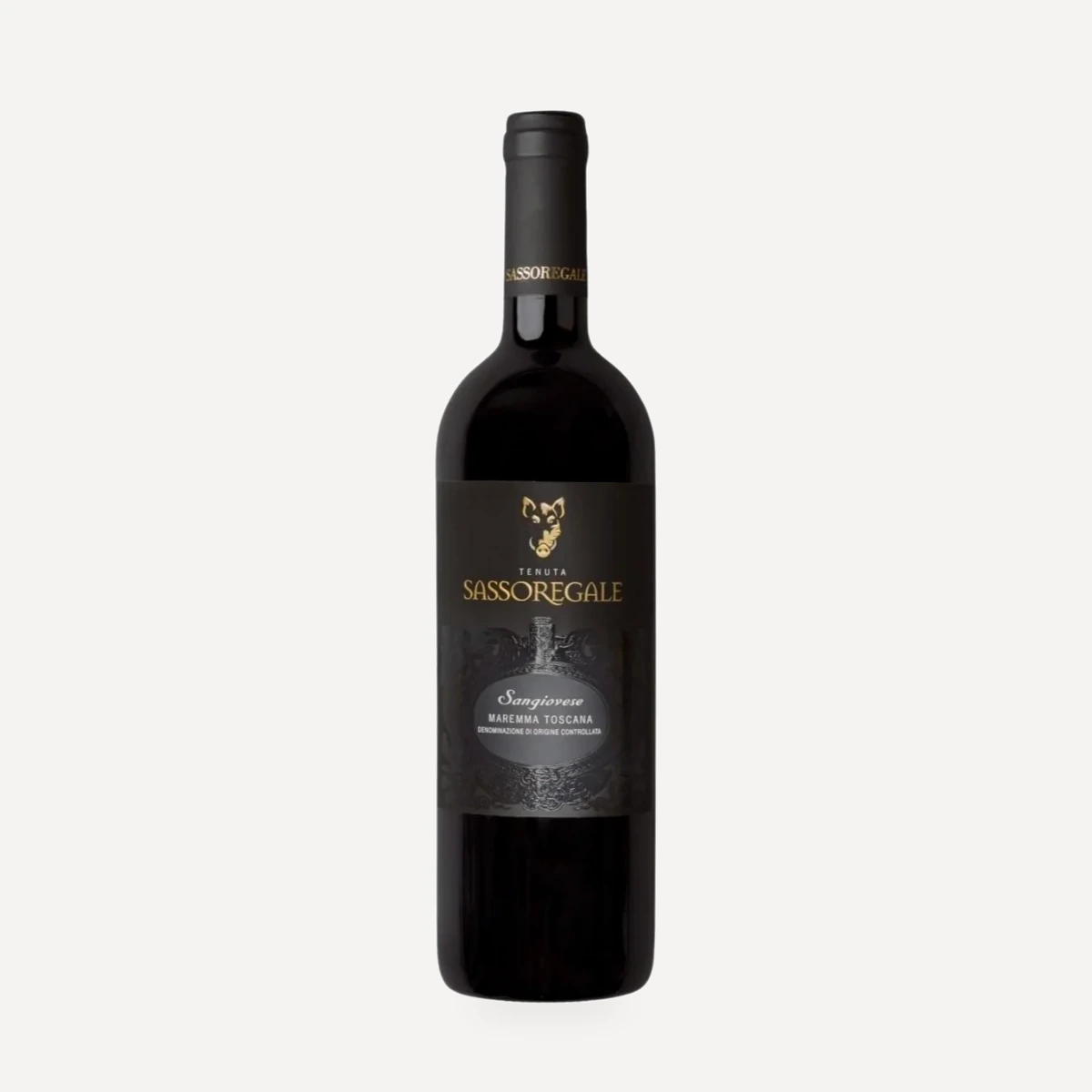
Sangiovese