Storia
Before the Sella estate
The earliest documented reference connected with the property dates to 1436. A deed records the de Bulgaro family’s purchase of a vineyard at a Lessona locality called al Zoppo, still part of the estate. San Sebastiano allo Zoppo has therefore been cultivated with vines since at least that year.
The Sella family’s entrepreneurial history began outside wine. In 1570 it entered the textile trade, commissioning cloth from local wool artisans and financing entrepreneurs in the surrounding community.
1671: the beginning of Sella winegrowing
In 1671 Comino Sella purchased vineyards in Lessona, using surplus capital from the family’s established textile activity. A surviving notarial document marks this acquisition as the beginning of the family’s wine enterprise. Numerous deeds from the 17th through the 19th century record subsequent generations continuing to invest in vineyard land around Lessona.
Between the 1830s and 1840s, Giovanni Giacomo Antonio Sella built the principal villa and its agricultural buildings at the summit of the Zoppo vineyard. The site was valued for its exposure and was probably the same vineyard recorded in the 1436 deed.
The 19th-century family and expansion
In 1863 Quintino Sella initiated the foundation of the Club Alpino Italiano, created to promote mountaineering, the study of mountains and protection of their natural environment.
Around 1870, the Lessona properties formed part of the inheritance divided among Maurizio Sella’s sons Gaudenzio, Quintino and Giuseppe Venanzio Sella. Giuseppe Venanzio assumed control of the wine estate. That same year, while serving as finance minister, Quintino Sella offered Lessona for the toast celebrating Italian unification.
The family subsequently decided to extend its vineyard holdings into the rugged, largely uncultivated territory of Villa del Bosco. From 1882 to 1884, Carlo Sella, acting for Giuseppe Venanzio’s heirs, progressively acquired the individual lots of the Bramaterra property from the Municipality of Villa del Bosco. Don Paolo Antoniotti, a priest and scientist, was entrusted with reclaiming the land for viticulture.
Gaudenzio Sella founded the banking and credit institution now known as Banca Sella in 1886. In 1892–1893, construction began on Cascina Bramaterra, designed by Gaudenzio as the rural building overlooking the new estate. Erminio Sella and Edgardo Mosca founded Sella & Mosca at Alghero in 1899.
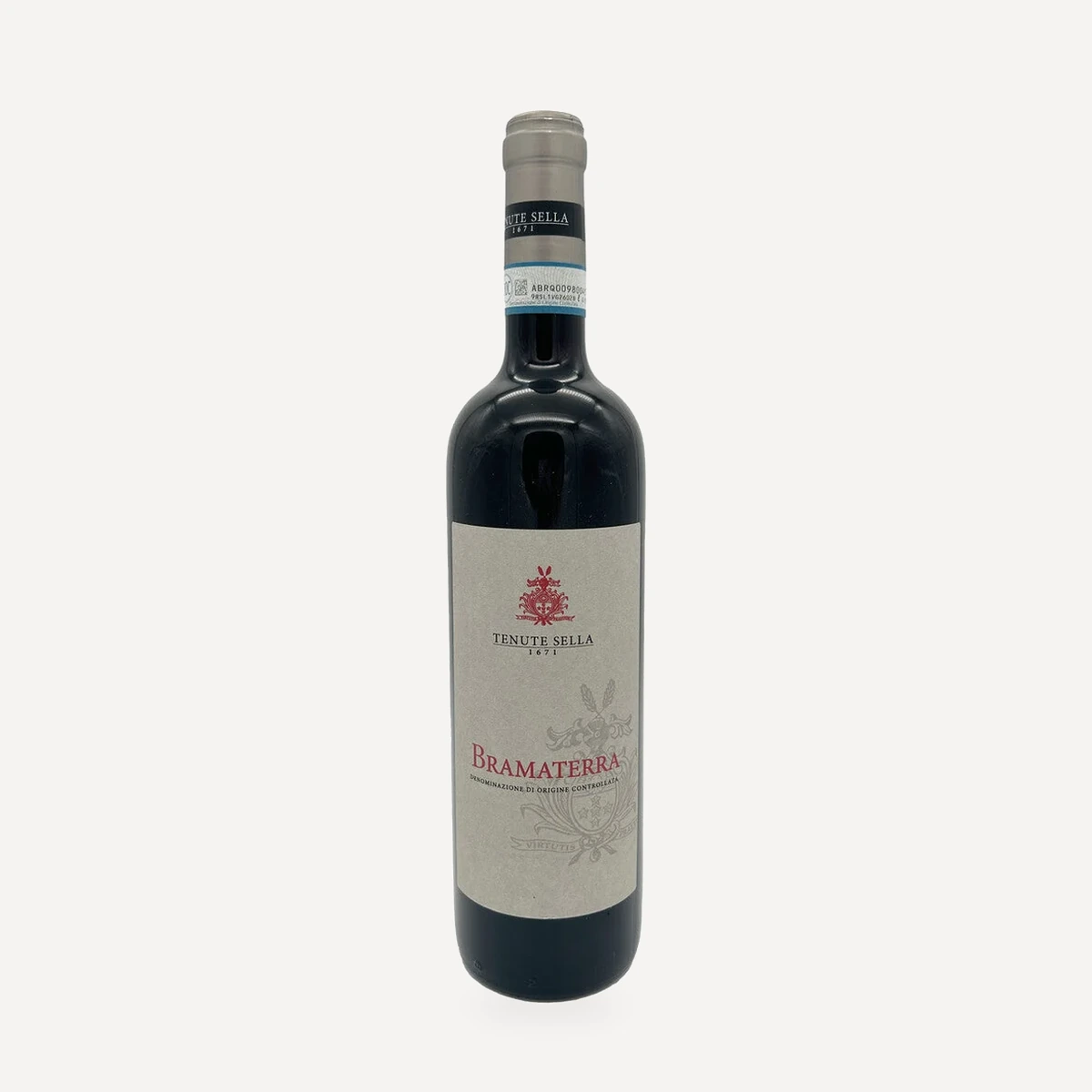
Bramaterra comes into production
By the beginning of the 20th century, the new Bramaterra vineyards had entered production and their wine was being identified as Bramaterra. Sella wines received a gold-medal diploma at the First International Wine and Olive Oil Sample Exhibition in Milan in 1902; the distinction was confirmed again in Turin in 1928.
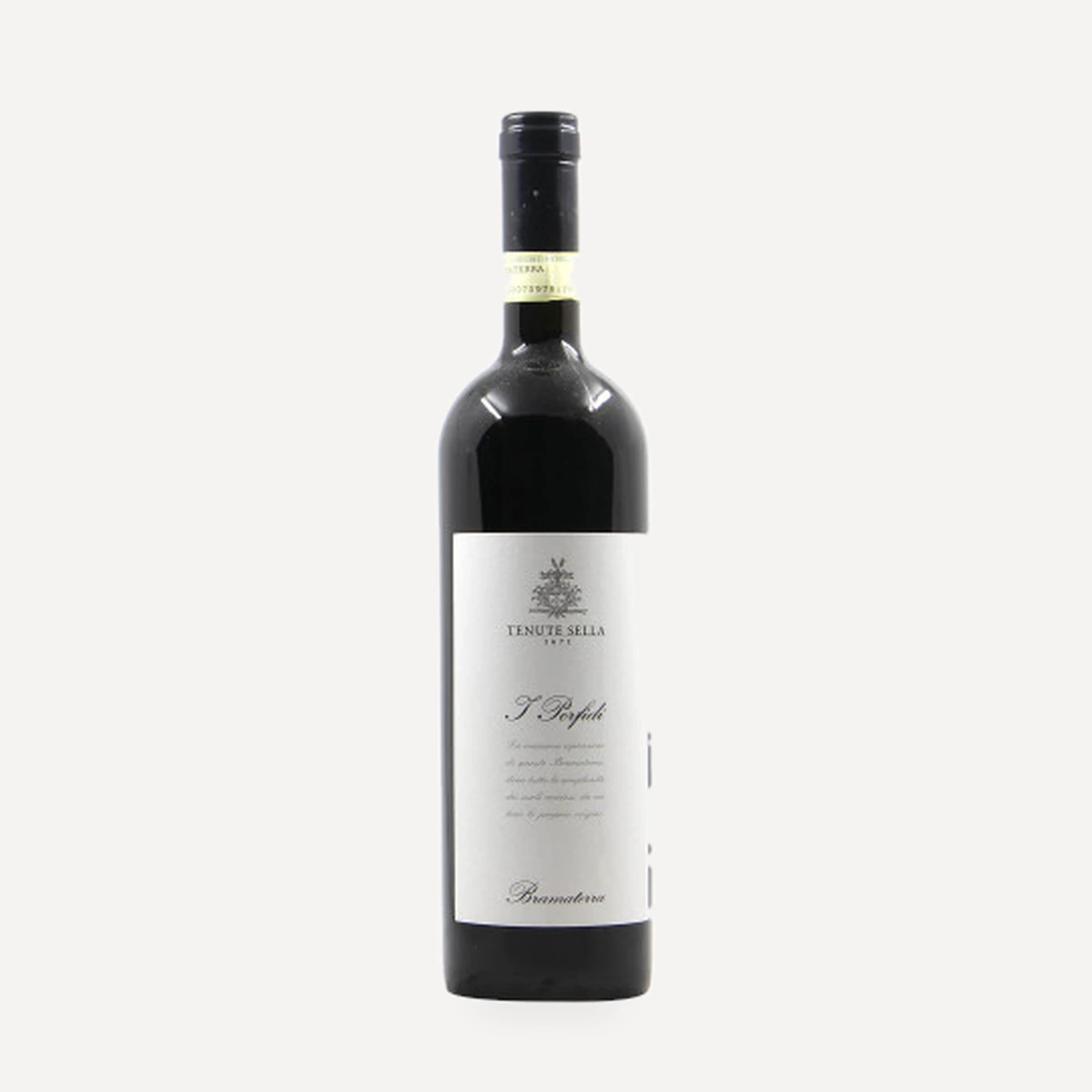
After Giuseppe Venanzio’s death, his sons continued the vineyards alongside their textile businesses, while his wife Clementina Mosca played the leading role in their management. From the 1930s, Venanzio Sella (1901–1990) directed the enterprise, remaining in charge until the mid-1980s. A vineyard planted in 1933 on the highest Bramaterra hill, over an outcrop of pure red-brown porphyry, later became the source of the I Porfidi selection.
In 1941 the Commissione Enologica Nazionale placed Lessona among Italy’s most prized wines.
Recognition of the denominations
Mario Soldati visited the estate with Venanzio, Maurizio and Fabrizio Sella and described Lessona in his 1968 book Vino al vino in terms of fragrance, perfume, spirit and delicacy.
The family actively supported formal recognition of its historic wine areas. The application for the Lessona controlled designation was accepted in 1976. Bramaterra received DOC recognition in 1979.
In 1980 the Lessona and Bramaterra estates were formally brought together through the establishment of Agrisell, while production was concentrated in Lessona. Fabrizio Sella (1929–2001) succeeded his father Venanzio at the head of the enterprise in the mid-1980s.
In 1996 DOC vineyard cultivation in the territory between Biella and Lessona was admitted under the Coste della Sesia denomination, creating a further field of production for the estate.
Development of the contemporary range
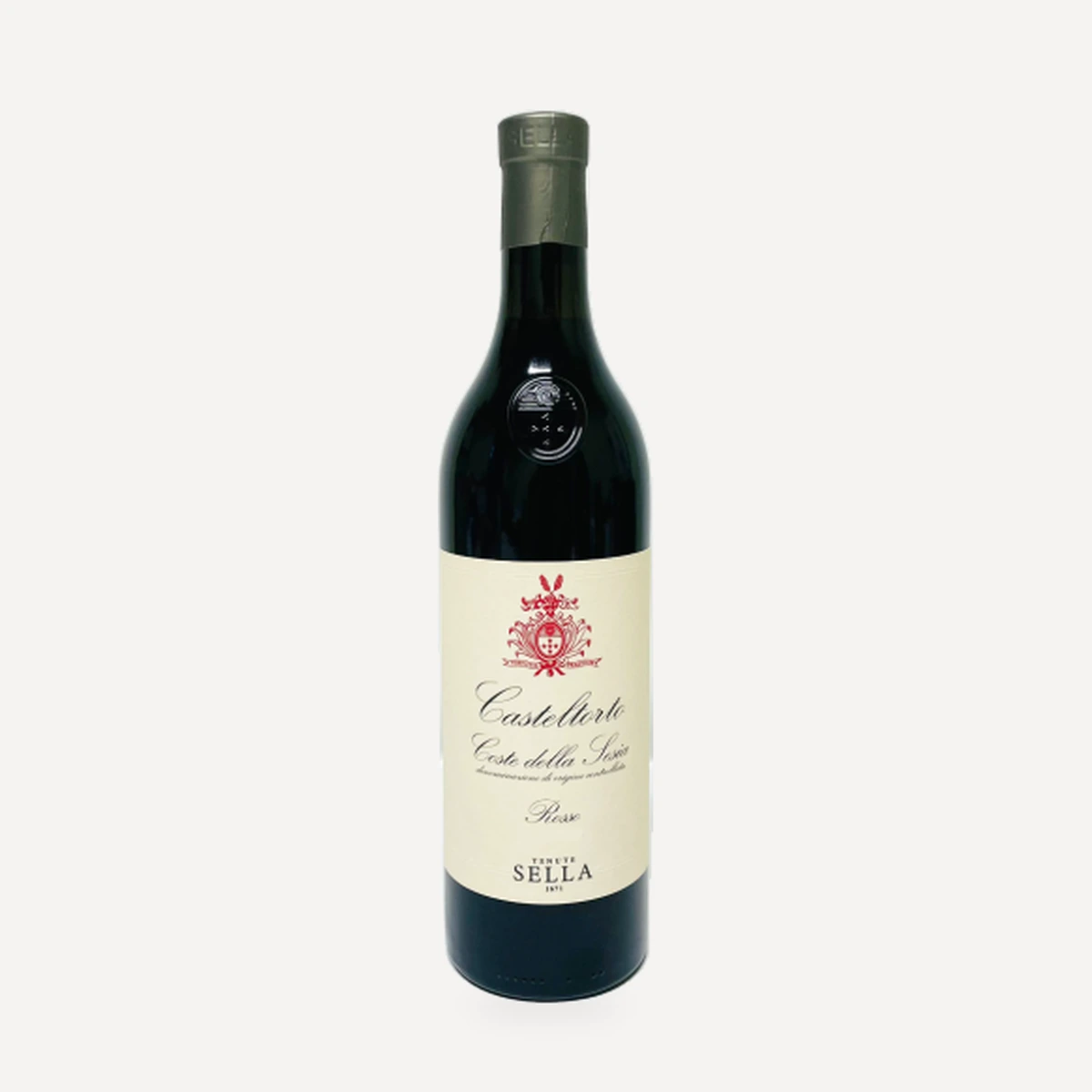
The first vintages of San Sebastiano allo Zoppo and the Erbaluce-based Doranda appeared in 1993. Omaggio a Quintino Sella, developed from what had historically been regarded as the family reserve, followed in 1999. I Porfidi debuted in 2003, while Casteltorto and Majoli were first produced in 2006.
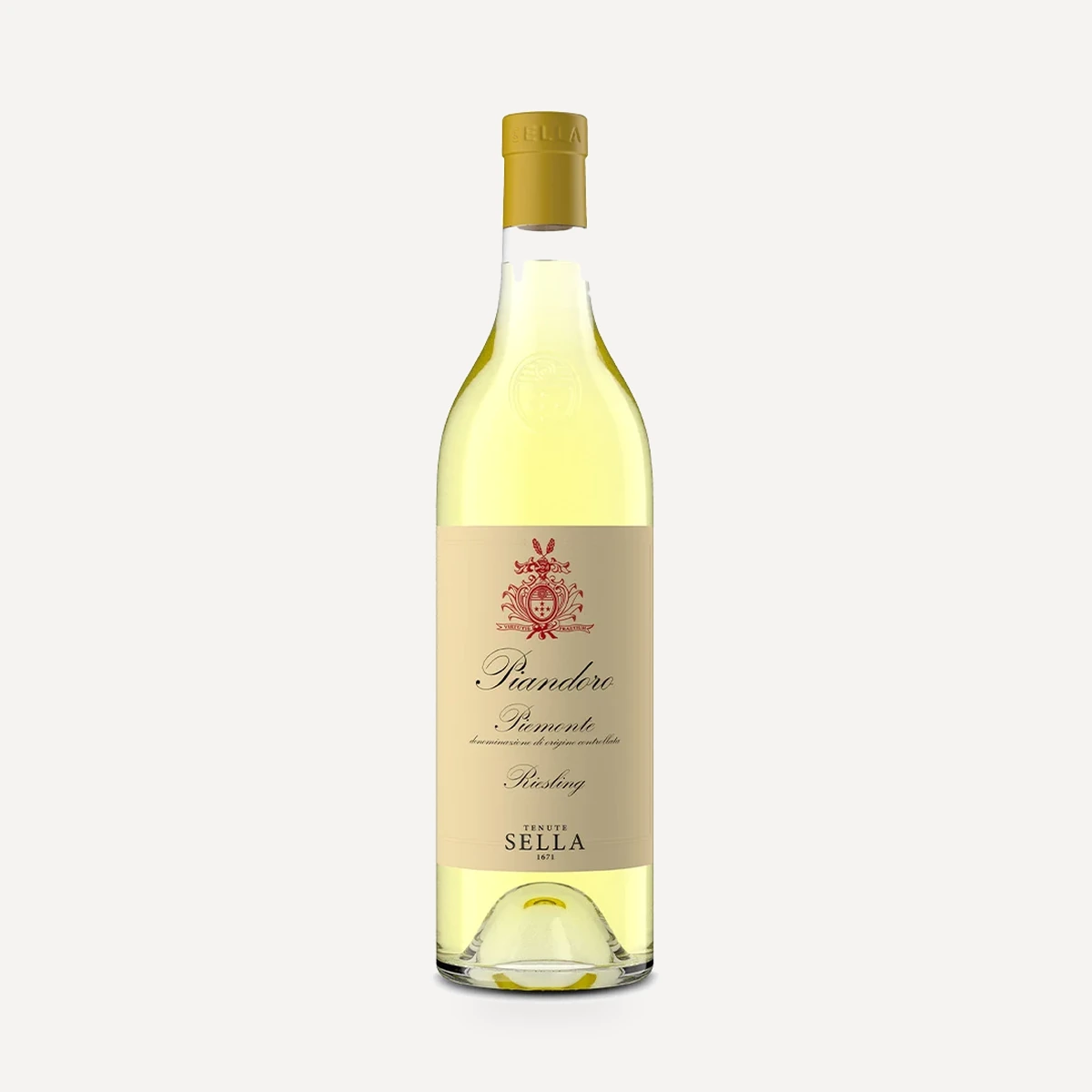
In 2014 the estate acquired terraced vineyards in Brusnengo planted with Riesling Renano and Erbaluce. The same year marked the first vintage of Insubrico, a bottle-aged traditional-method Nebbiolo. Piandoro and the pink Nebbiolo sparkling wine Clementina followed with their first vintages in 2015.
Terroir
Alto Piemonte setting
The vineyards lie in Alto Piemonte around Lessona, Villa del Bosco and Brusnengo. Three contrasting geological environments underpin the estate: the ancient marine sands of Lessona, the volcanic porphyries of Bramaterra and the mixed clays, sands and marls associated with Coste della Sesia.
Lessona
Lessona occupies a hilly microclimatic oasis within a subcontinental Po Valley climate. Its slope exposures produce nearly Mediterranean average annual temperatures. Winters are generally dry, with snow and severe frost uncommon. Humid, temperate springs often encourage an early start to the growing season. Hot, dry summers gradually give way to frequently mild and dry autumns; strong day–night temperature differences support slow ripening.
Rainfall declines markedly eastward from Biella. Biella receives approximately 1,500 mm annually, while Lessona, about 15 km to the east, averages just over 1,000 mm, much of it in spring. Summer rain is important because Lessona’s freely draining sands can otherwise expose vines to excessive water stress.
The hills consist principally of ancient, fertile Pliocene marine sands interspersed with clay-rich loess. Valley floors contain marine sands and fossil shell deposits. Soil pH ranges from 4.2 to 5.5. A representative texture is 46% sand, 27% silt and 27% clay. Significant iron and manganese concentrations contribute to the area’s mineral profile.
Bramaterra
Bramaterra extends east of Lessona through Masserano, Brusnengo, Curino, Roasio, Sostegno, Villa del Bosco and Lozzolo, reaching the eastern limit of Biella province on the right side of the Sesia river basin. Seasonal conditions broadly resemble Lessona, although average winter temperatures are colder.
The denomination occupies the southern Rive Rosse, a long, lightly populated hilly landscape still dominated by wild flora and fauna. Extensive woods contain oak, chestnut and birch. Its geology originated in the Permian, when gas-rich magma cooled into three islands of relatively friable quartz porphyry. These formations are joined by a limestone island at Sostegno and by marine sands and clays, especially toward the denomination’s eastern side.
The Bramaterra estate itself stands on a red-porphyry block that has largely disintegrated through prolonged weathering, with clay deposits of varying consistency. Loose volcanic soils range from pale yellow through dark red to brown according to their degree of oxidation and have strongly acidic pH. Across the wider Bramaterra environment, pH lies between 4.8 and 5.8. A representative soil texture is 21% sand, 37% silt and 42% clay.
Coste della Sesia
The estate’s Coste della Sesia environments include kaolin clays, medium-sized stony material, marine sands and marl, with pH from 5.5 to 6.3. A representative texture is 50% sand, 36% silt and 14% clay. Individual vineyards also encompass loose volcanic sands and mixed red-brown porphyritic and yellow-orange marine sands.
Vinificazione
Environmental management is organized around three connected priorities: protecting soil health, applying integrated viticulture and safeguarding biodiversity.
Soil protection begins with appropriate ground cover, maintenance of a high biodiversity index and avoidance of pollutant accumulation. Tillage is limited to no more than one operation per year, normally at the beginning of winter, to reduce erosion. Fertility is maintained with natural or pelletized manure and by mowing the vineyard grass. Cut material is concentrated beneath the rows, reducing the need for additional nitrogen.
Integrated viticulture treats vineyard problems within the context of the complete ecological and production system. Interventions and tools are selected to combine practical effectiveness with the lowest attainable environmental impact. Diverse vegetation within and around the vineyards supports microfauna that help restrain vine parasites.
The old vineyards are managed vine by vine to preserve balance and health. Their deep roots, naturally small crops and strong relationship with their soils are accepted despite higher costs and lower yields. Almost every vineyard operation, from winter pruning through harvest, is performed manually.
Rows are trained to classic Guyot. Lessona is generally pruned to 8–12 buds and Bramaterra to 8–10 buds. Mature vineyards normally require no summer crop thinning: vine age naturally limits production to approximately 250–1,000 g per plant in Lessona and less than 1,000 g in older Bramaterra vineyards. Younger Bramaterra vines are carefully cluster-thinned to secure balanced, even ripening. Selection may take place in the vineyard, with further sorting on a cellar conveyor for the most selective lots.
Sella follows a classically oriented approach in which tradition serves the natural expression of the wines rather than operating as an end in itself. The objective is to avoid forcing character through oenological manipulation.
Harvesting and most associated work are manual. Depending on the material, grapes may be selected in the vineyard and again on a cellar sorting conveyor, then cooled before processing. The cellar employs destemming and crushing, pneumatic pressing for white, rosé and sparkling bases, static must settling and temperature-controlled fermentation in stainless-steel tanks. Red-wine extraction may involve pump-overs, délestage and, for longer macerations, post-fermentation submerged-cap contact. Some varieties destined for a blend are fermented separately before assembly.
Malolactic fermentation is adapted to the intended style: red lots may undergo co-inoculation or complete it in wood during the following spring, while fresh white and rosé styles may avoid it. Maturation options include stainless steel, large Slavonian-oak vessels, medium-toast French-oak casks, Allier tonneaux and barriques. Lees contact and manual bâtonnage are used for selected non-red styles. Traditional-method sparkling production includes prolonged bottle ageing before disgorgement.
Filosofia
The family treats its vineyards as part of Piedmont’s cultural patrimony, entrusted to successive generations rather than viewed solely as productive assets. Its guiding motto—work, harmony and thrift—connects the wine enterprise with the wider Sella family tradition.
Classical winemaking is the central stylistic principle. Tradition is used as a means of allowing wine to express itself naturally, without unnecessary oenological force. In the vineyard, the same idea is expressed through close attention to each old vine, acceptance of naturally low yields and preservation of deep-rooted plant material even when it raises costs.
Environmental responsibility is framed as a unified relationship among soil health, integrated viticulture and biodiversity. Vineyard decisions consider the complete ecological and production process, seeking effective solutions with minimal environmental impact. Diverse flora, beneficial microfauna, restrained cultivation, natural fertilization and erosion control are treated as practical contributors to vineyard balance and longevity.
Vini
Bramaterra
Casteltorto
I Porfidi
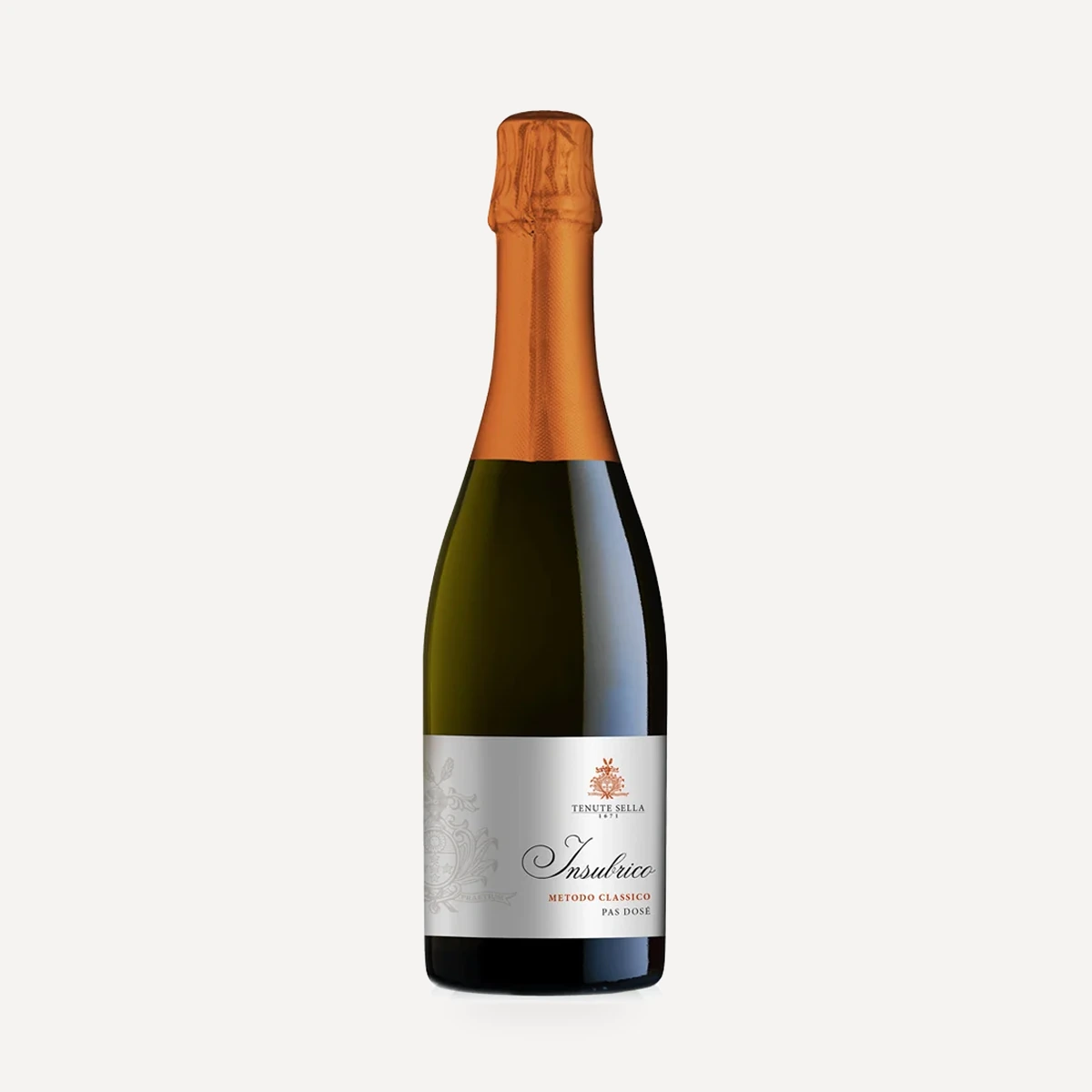
Insubrico
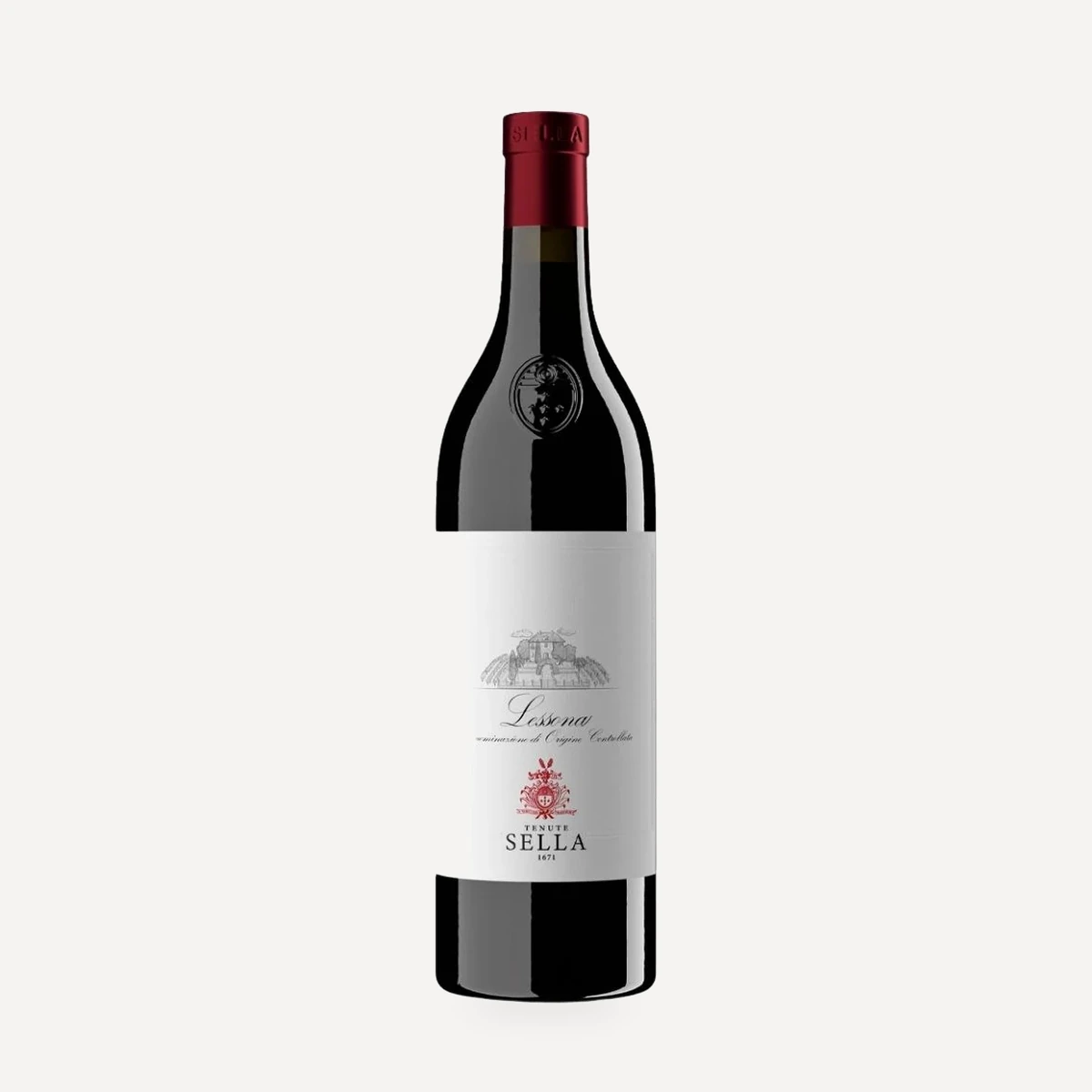
Lessona
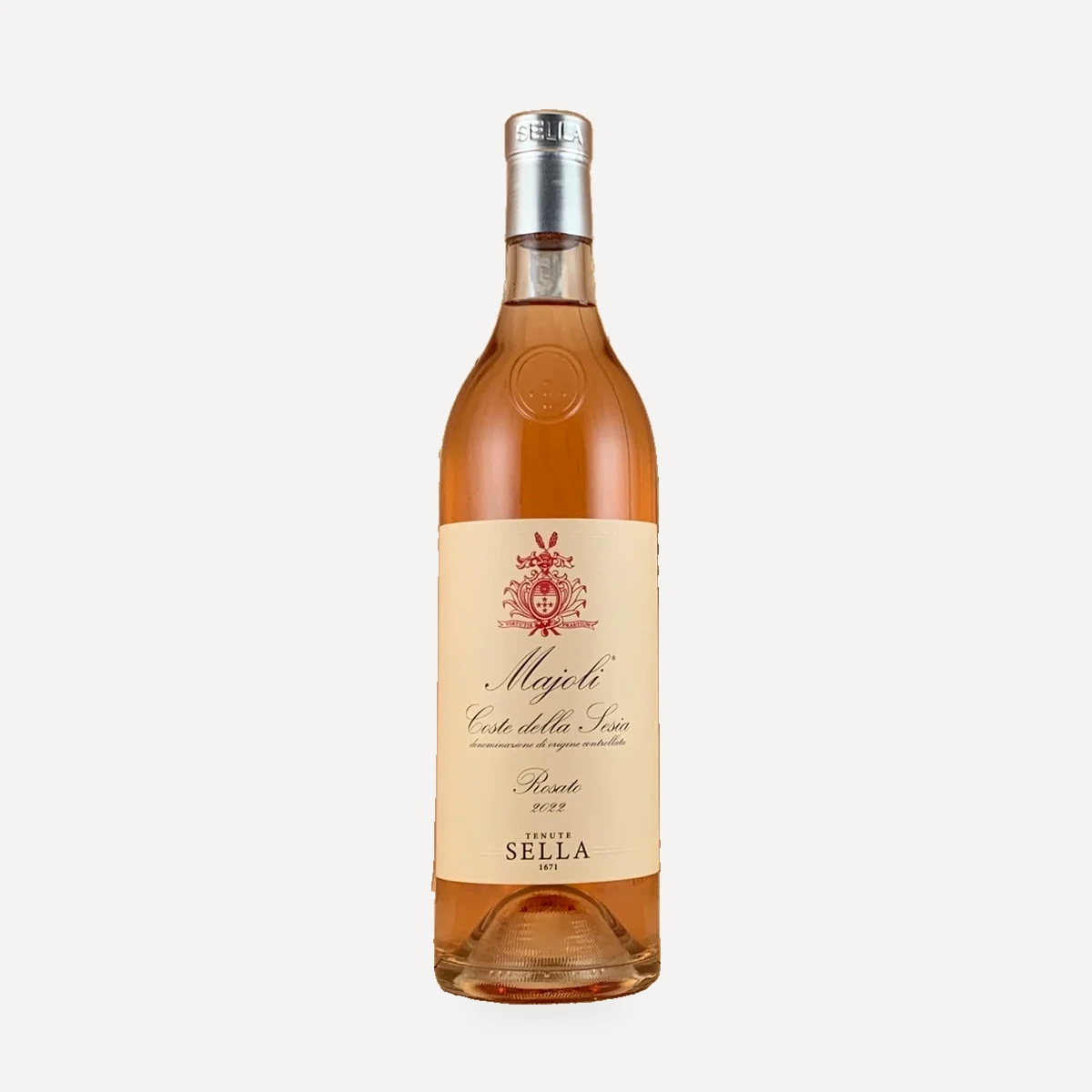
Majoli
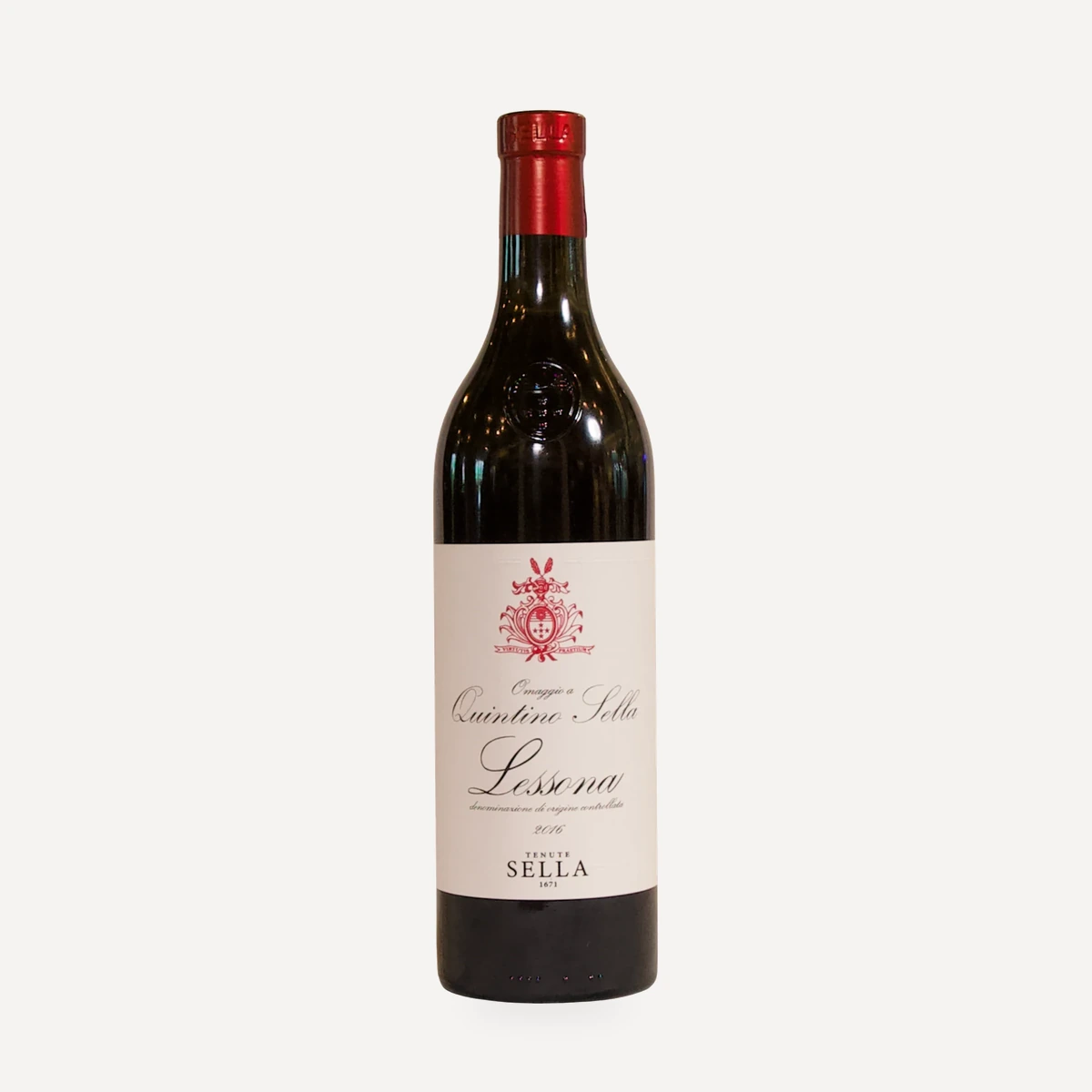
Omaggio a Quintino Sella
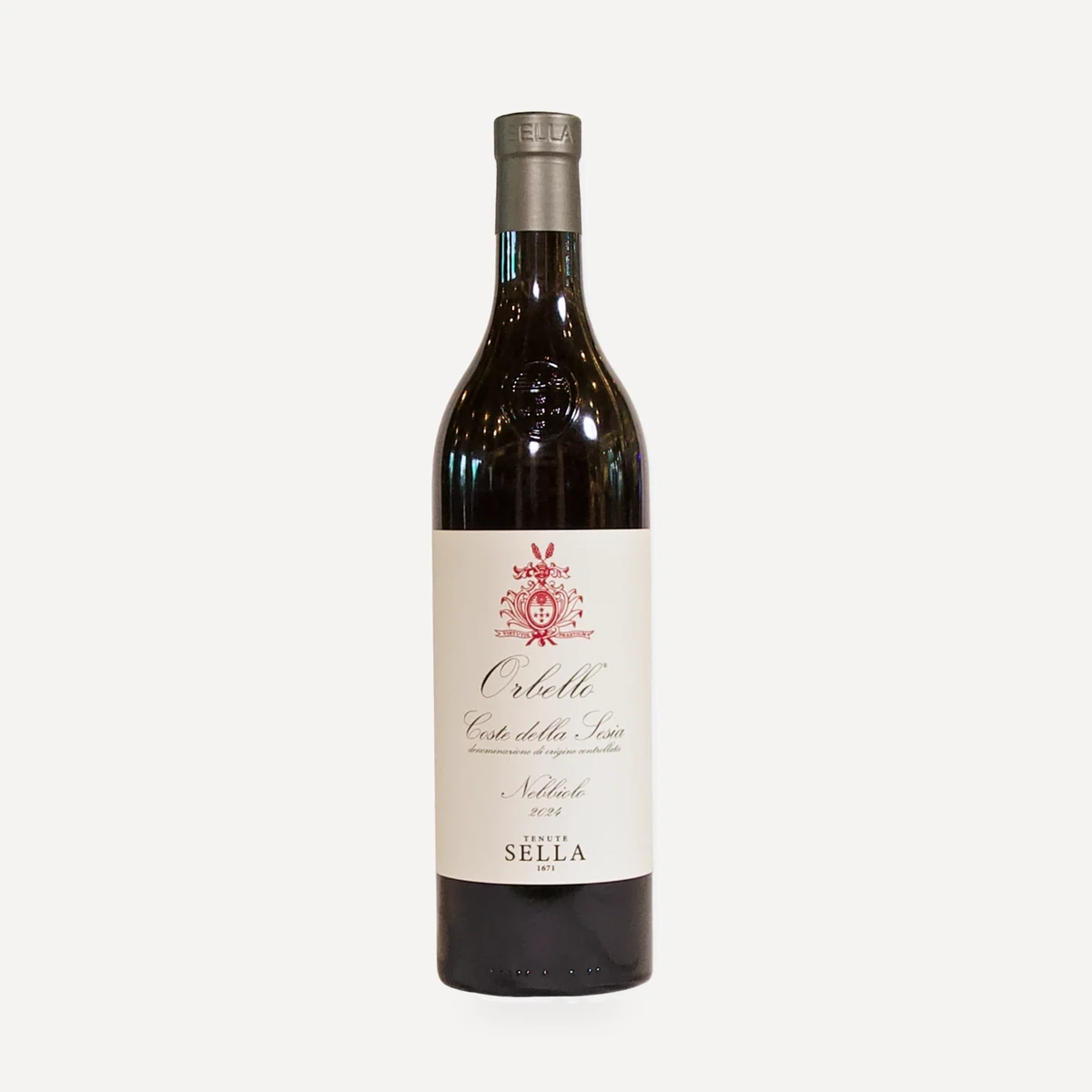
Orbello