Storia
The house before Sequerciani
The principal house was originally built for the Barabesi Bourbon di Pitrella family, once the owners of thousands of hectares in Maremma. A half-eagle crest above the main entrance recalls that ownership. The family established Tatti as its principal residence in 1896. The date 1908 is carved by the pizza oven, marking the beginning of construction; another inscription records the building's completion in 1910.
During the agrarian reform of the 1950s, land was redistributed to working farmers. Filippo Venturini, then employed in the mines near the Colline Metallifere, acquired the property and made his living from agriculture together with his brother Mario. Filippo later sold the house to a Swiss couple.
Ruedi Gerber's search, 1991–1992
Ruedi Gerber had first fallen in love with Maremma at the age of 17. The idea of finding a place there stayed with him while he attended film school and lived in New York. As a young filmmaker working in an essentially virtual medium, he wanted something tangible and rooted in land.
He began searching in 1991. While visiting another property, he overheard two farmers discussing a Swiss-owned house that might be for sale. The building was almost hidden among the hills, but it proved to be the house that had already caught his attention from a dirt road. The farmers explained that Filippo Venturini had sold it roughly two years earlier, although no one knew how to contact its Swiss owners.
Gerber searched the telephone directory in Bagno di Gavorrano and called people named Venturini until he found a relative who could put him in touch with Filippo. Filippo supplied the name of the Swiss owner, Federico, although his strong Tuscan pronunciation initially made the name difficult to identify. After further inquiries and a call from Filippo in mid-September, Gerber located the couple near Zürich.
Negotiations continued for four months without agreement. Early in 1992, after the owners had decided to sell through an agent in Massa Marittima and another prospective buyer had appeared, Gerber drove to Zürich and secured a preliminary contract with a CHF 20,000 deposit. His agreement was signed only two hours before the competing offer.
As a Swiss citizen, Gerber then needed a special Italian government permit to complete the purchase. A contact made at a wedding late in 1991 connected him with Giovanna, who helped obtain the authorization in February 1992. Within a week, Gerber legally owned the property.
Restoration and agricultural revival
The house initially had neither electricity nor running water; rainwater was collected in a large cistern. Gerber restored it from top to bottom, preparing the upper floor first so that he could live there while organizing the work and writing a film script. He adopted bio-building principles and worked with the property's original stone, earth and other natural materials, seeking to preserve the house's simplicity, symmetry and proportions.
Filippo became a close friend and taught Gerber practical aspects of the property, including olive harvesting and maintenance of the cistern. The location's nearly 360-degree panorama and the revived house became a meeting point around which new friendships formed.
A later phase brought the acquisition of additional land, enlarging the property then described from 8 to 16 hectares. Olive groves and vineyards were developed as part of what Gerber characterized as awakening a dormant estate.
Vineyards and native varieties
In 2009 Gerber decided to establish a vineyard. Pugnitello was the first variety he chose, linking the new planting to the recovery of Maremma's native grapes and to biodynamic, regenerative agriculture.
Sequerciani joined the Vitiarium/Coltivatori Custodi initiative as a Custodian Cultivator in 2018. The program preserves rare Tuscan varieties, maintains genetic diversity and returns historic grapes to cultivation. Sequerciani's experimental vitarium contains 14 ancient Tuscan varieties whose fruit is harvested and vinified to assess possible additions to the varieties already used by the estate.
A broader rural project
The agricultural revival developed in collaboration with the inhabitants of Tatti. The village's farmers contributed detailed knowledge of the land, rocks and machinery, while Gerber introduced biodynamics, permaculture and a more horizontal working model. His friendship with the twin brothers Marco and Massimo—described as the village's last farmers—became an important part of the effort to restore fields, vineyards and community activity.
This vision eventually expanded beyond wine into olive growing, cereals, horticulture, beekeeping, hospitality, food, cultural projects and artist residencies. By 2026 Sequerciani encompassed 175 hectares of cultivated and uncultivated nature and operated as a biodynamic farm integrated with accommodation, dining and cultural activity.
Terroir
Sequerciani lies near the medieval village of Tatti in Gavorrano, in the Tuscan Maremma between hills and the sea. The vineyards occupy rolling hillside terrain at approximately 250 metres above sea level, only a short distance from the coast. The estate's elevated position provides broad views across the Maremma hills towards the sea.
The soils are described as clay-rich, calcareous and mineral-rich. Their freshness and the vineyards' altitude helped protect the vines during the hot, dry summer of 2026. Good ventilation and a marked temperature range are particularly important for compact-bunched Pugnitello: they reduce the risk of mould in wet years while supporting phenolic concentration and ripening.
The estate's microclimate combines hillside elevation, maritime proximity, ventilation and mineral soils. In 2026, abundant spring rain was followed by a very hot June and a prolonged period of summer heat and drought. The resulting berries were smaller and concentrated but reached the cellar healthy and mature.
Vinificazione
Sequerciani practises certified organic and biodynamic agriculture, with Demeter and BIOAGRICERT certifications documented for its products. Its broader model is regenerative and conservation-oriented, treating soil fertility as the basis of durable agricultural production.
Ancient native varieties are central to the program because their adaptation to local conditions can provide greater resilience to climatic stress and pests. Modern monitoring and cellar technology are used to address the historical weaknesses that once pushed some of these grapes out of cultivation. Since 2018, the Custodian Cultivator program has complemented the estate's working vineyards with an experimental vitarium of 14 endangered Tuscan varieties.
Between the rows, cover crops and mulch protect the ground against drought and overheating. Deep tillage is avoided: shallow cultivation limits soil-carbon release and protects microfauna, humus and fertility. Fertility is supplied with green manure—plants selected for useful biochemical profiles such as nitrogen or potassium—and animal manure.
Soil-moisture probes guide water use so that irrigation is reserved for genuine need. Pest traps support observation and reduce unnecessary treatments. Constant biochemical monitoring is intended to minimize and, where possible, eliminate synthetic fertilizers, herbicides and pesticides.
Harvesting and selection are performed by hand. The 2026 season illustrated the system's response to stress: after spring rain, a hot June and prolonged drought advanced the harvest to 12 August. Altitude and fresh mineral soils helped the vines preserve healthy fruit, although some parcels yielded less than in 2025. The smaller berries produced concentrated musts; Vermentino retained freshness, minerality and savouriness, while Foglia Tonda and Pugnitello achieved deep colour, structure and mature tannins.
The cellar
The winery is a subterranean building designed by Swiss architect Sergio Cavero. Set into the hillside and almost invisible externally, it was conceived to respect the landscape while joining form and function. Contact with the earth supplies coolness and thermal inertia, naturally moderating temperature and humidity. The resulting environment is stable, dark and quiet, with a constant flow of air suited to fermentation and maturation.
Natural vinification
The cellar works with hand-picked and hand-selected fruit and relies on spontaneous fermentation by yeasts naturally present on the grape skins. Cement tanks, terracotta amphorae and barrels form the core group of fermentation and maturation vessels. Maceration and controlled use of temperature are employed to express the character of each variety and to support extraction, whether the intended wine is young and fresh, structured, still or sparkling.
The natural-winemaking program excludes synthetic chemical products and interventions intended to alter or standardize flavour. Selected yeasts, added sulphites, softening agents and clarifying agents are specifically rejected. The wines are bottled without filtration. The guiding principle is to avoid adding or removing material and to intervene primarily through observation and by respecting natural development.
Estate grape pomace is also distilled into organic white and aged grappas from selected varieties.
Filosofia
Sequerciani defines agriculture as the culture and care of soil because every product begins there. Biodynamics places soil at the centre of a productive system intended to remain fertile, healthy and economically durable. Human sensitivity and practical ability are not treated as alternatives to science: they are to be reinforced by research, monitoring and appropriate technology.
The estate's stated objectives are to rebuild soil fertility, conserve biodiversity, reduce water use, prevent erosion and desertification, and recover Tuscan crops and techniques that had been abandoned. Traditional knowledge is combined with scientific research, modern monitoring and experimentation rather than preserved as a static model.
In the cellar, the corresponding principle is non-standardization. Wine should develop from grapes, sun and earth, with observation replacing corrective manipulation. Fermentation is spontaneous, intervention is limited, and differences among grape varieties and growing seasons are retained rather than erased.
The philosophy also extends to the village and its community. Gerber's project joined the inhabitants' knowledge of land and machinery with biodynamics, permaculture and collaborative decision-making. Agriculture, hospitality, food and art are treated as connected ways to regenerate land, people and the economic and social life of Tatti.
Vini
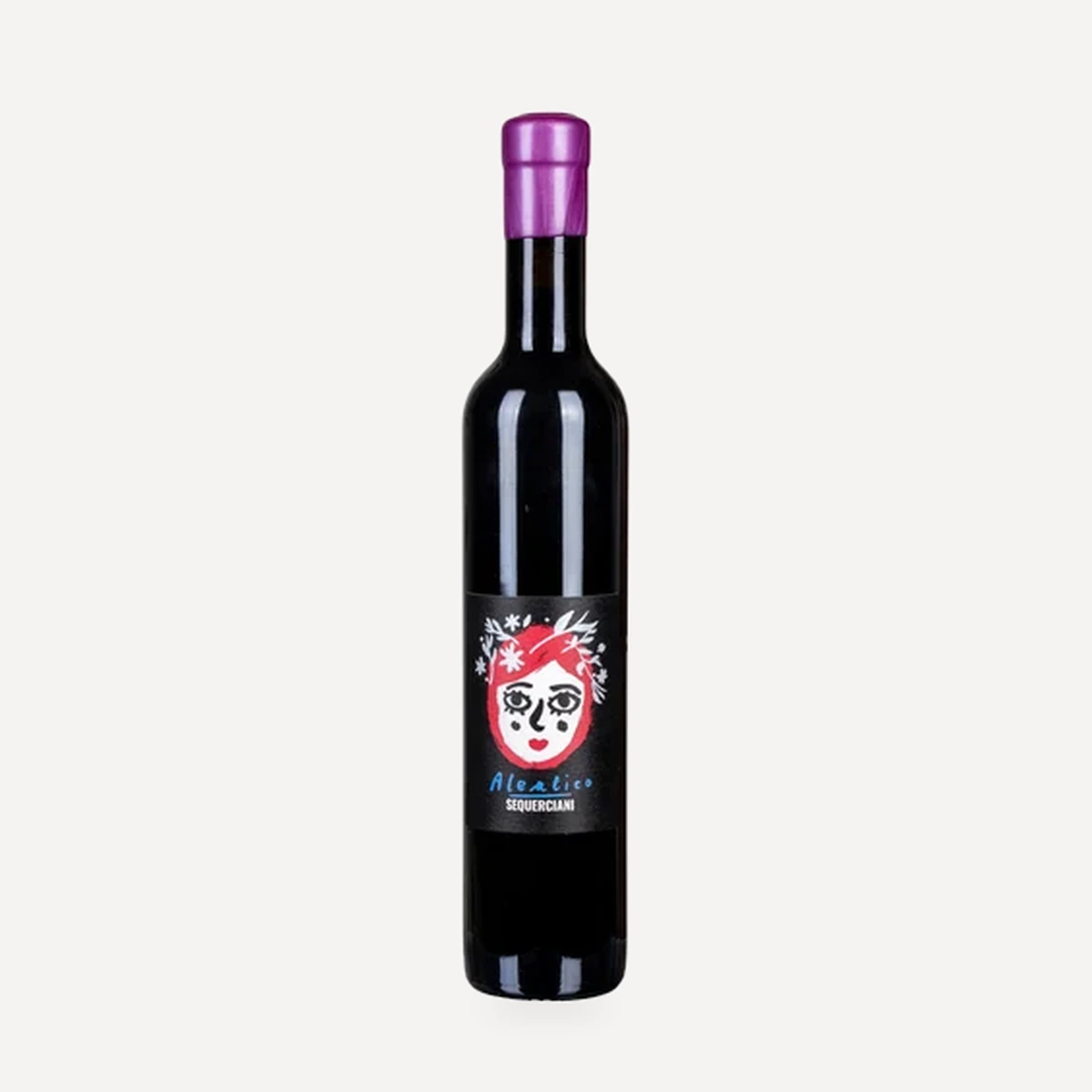
Aleatico
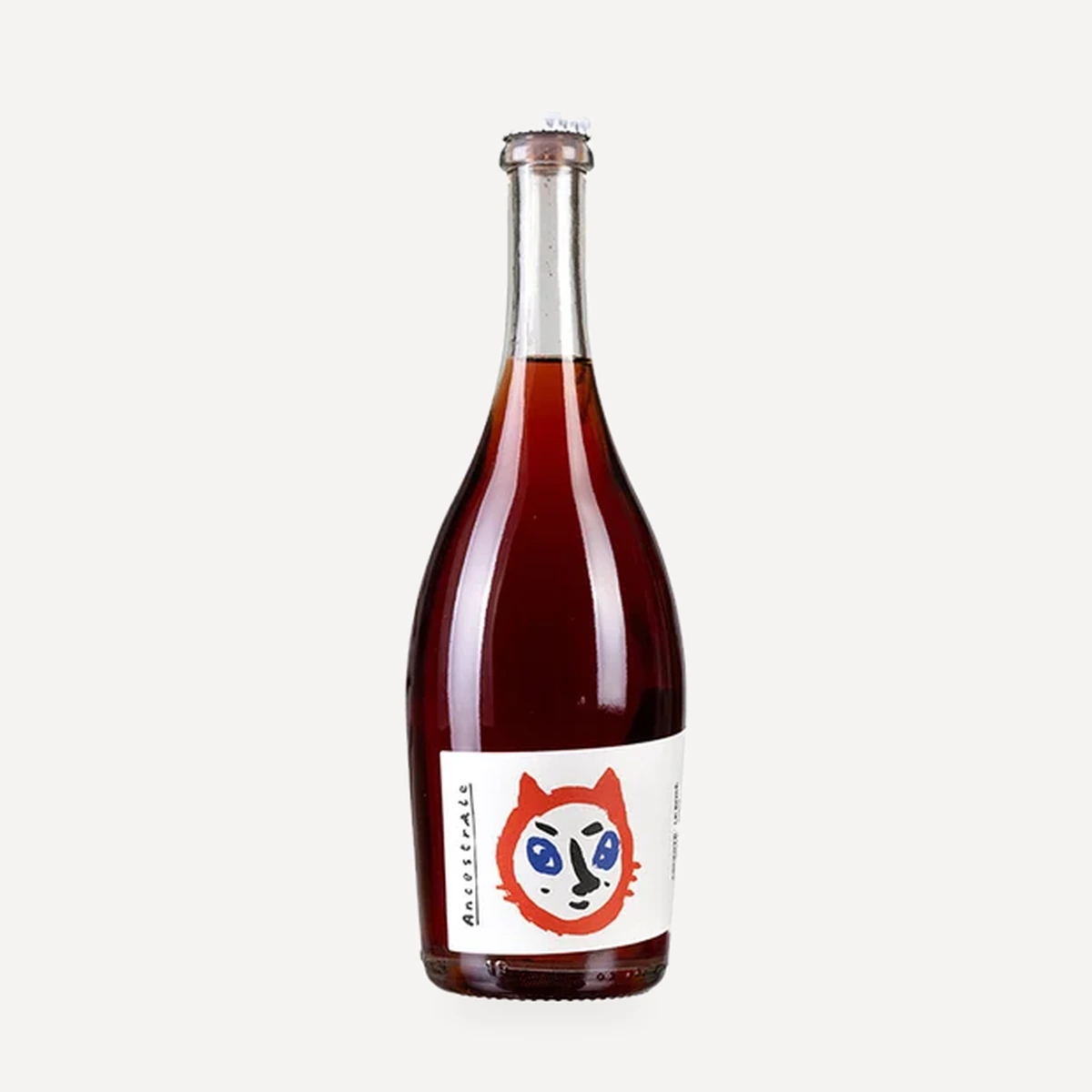
Ancestrale
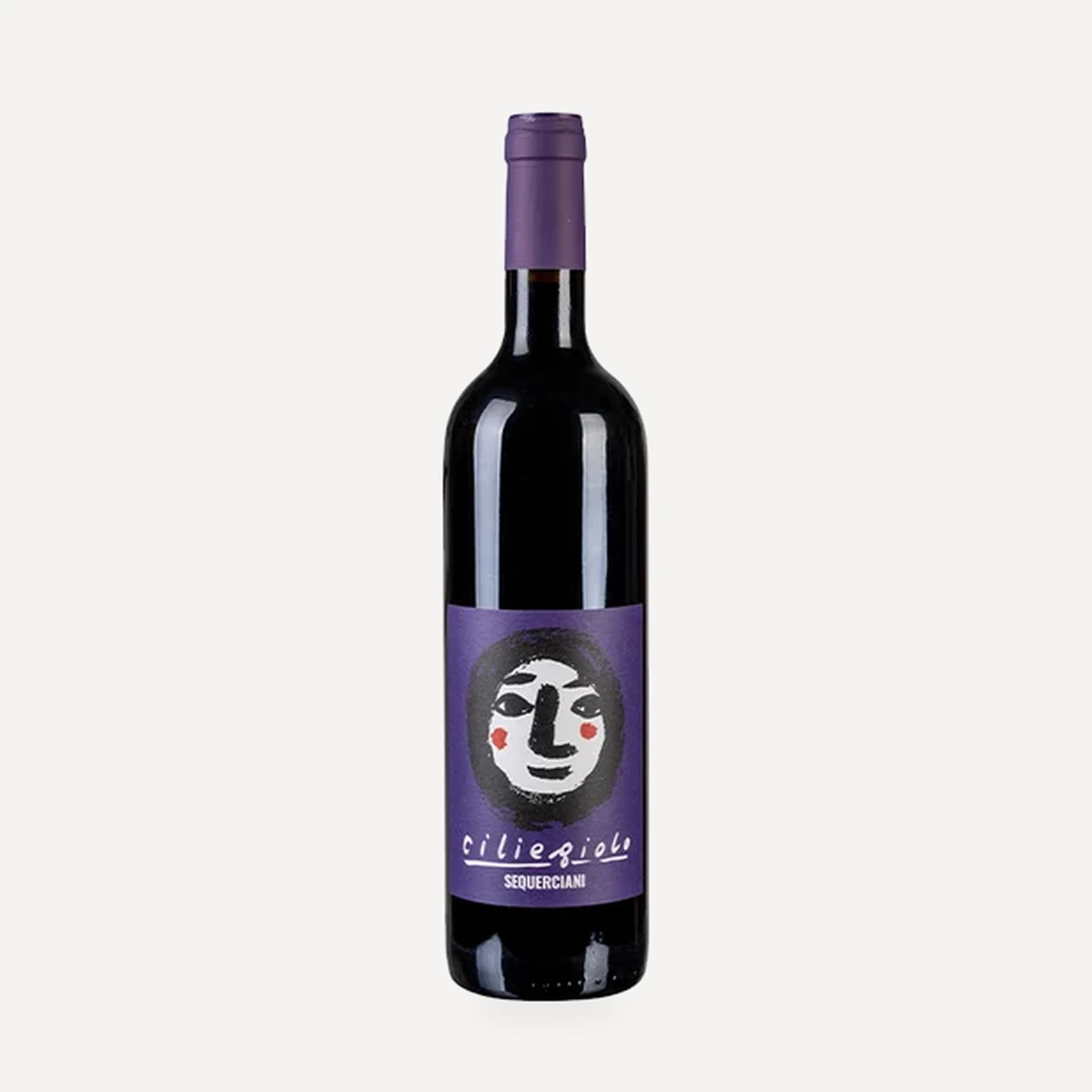
Ciliegiolo
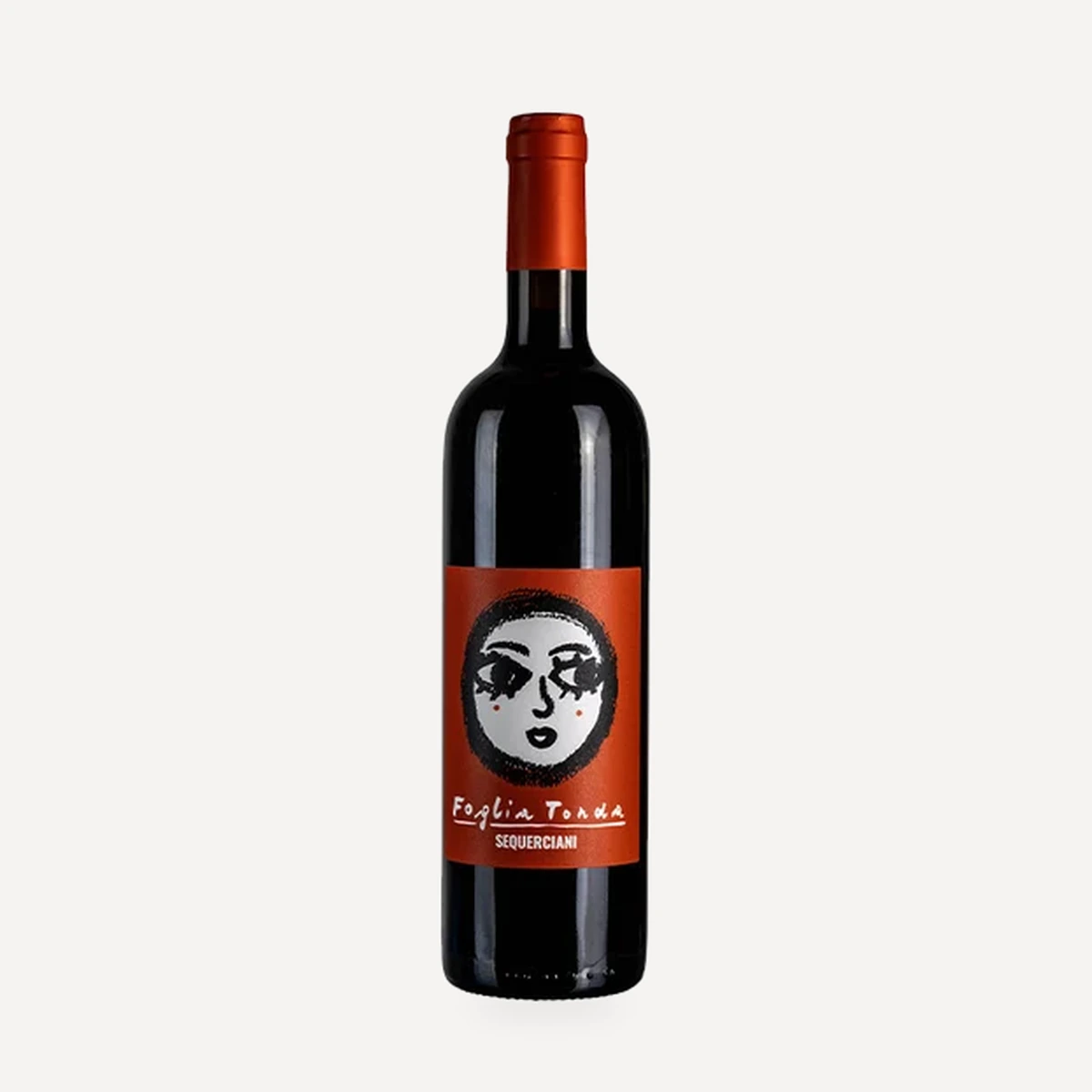
Foglia Tonda
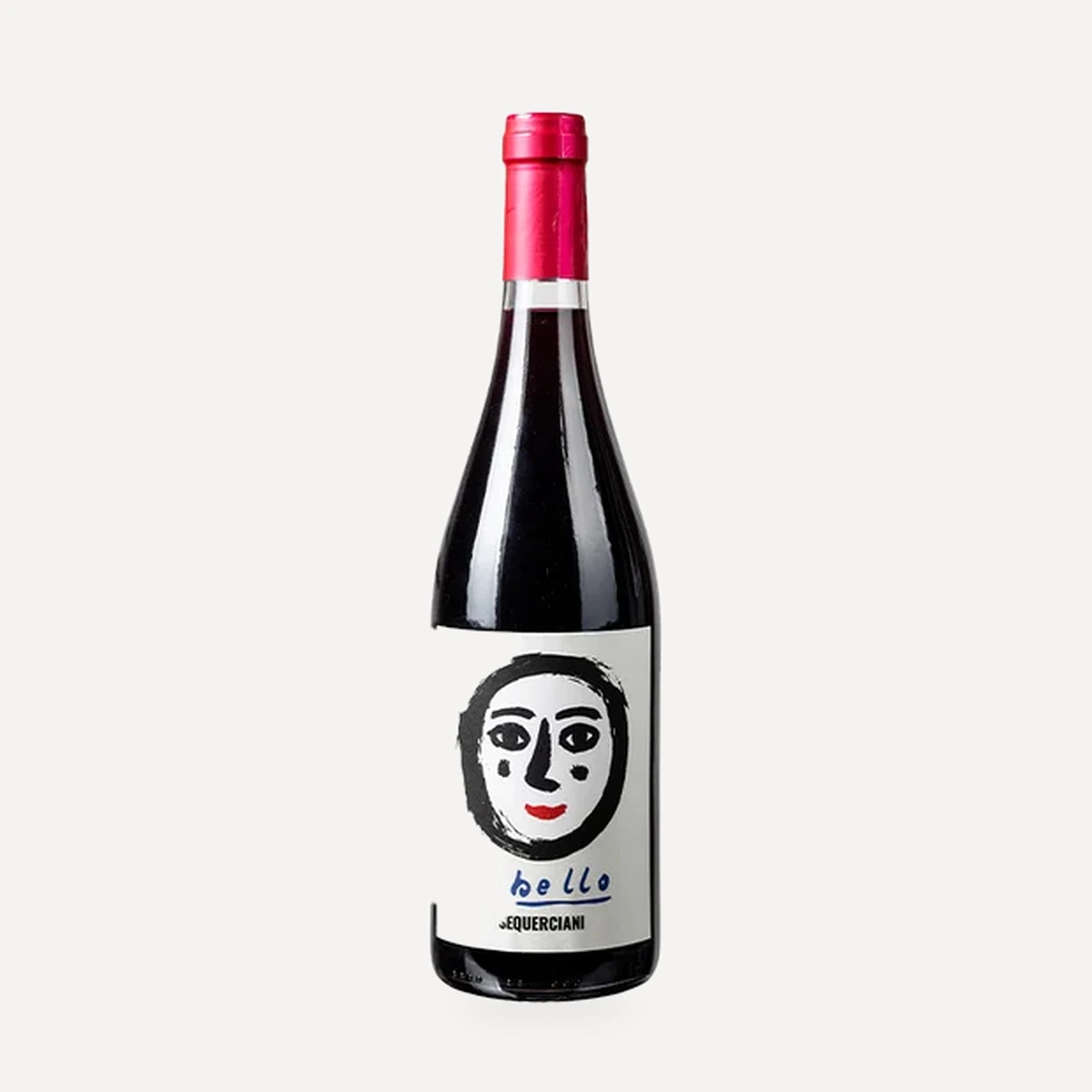
Libello
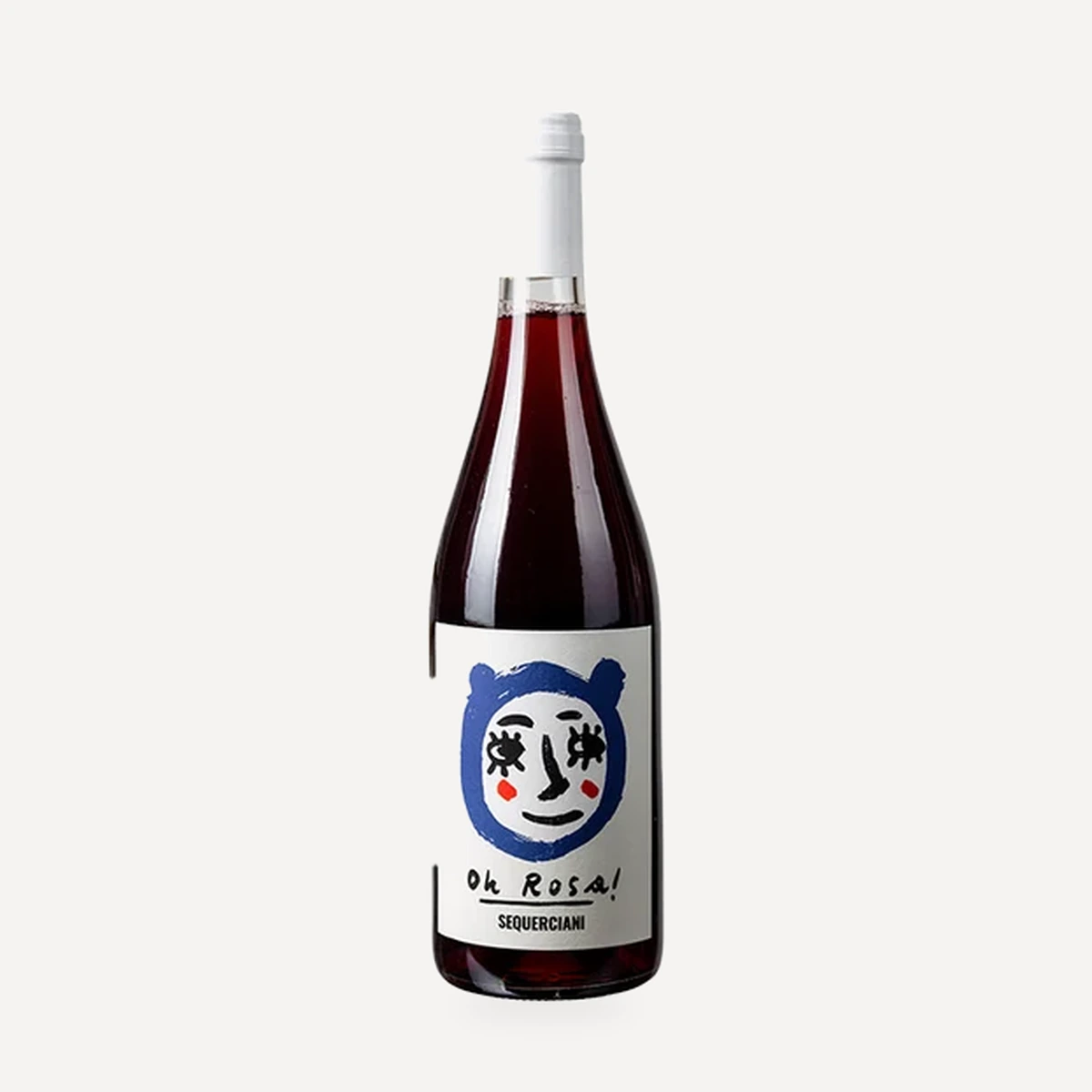
Oh Rosa!
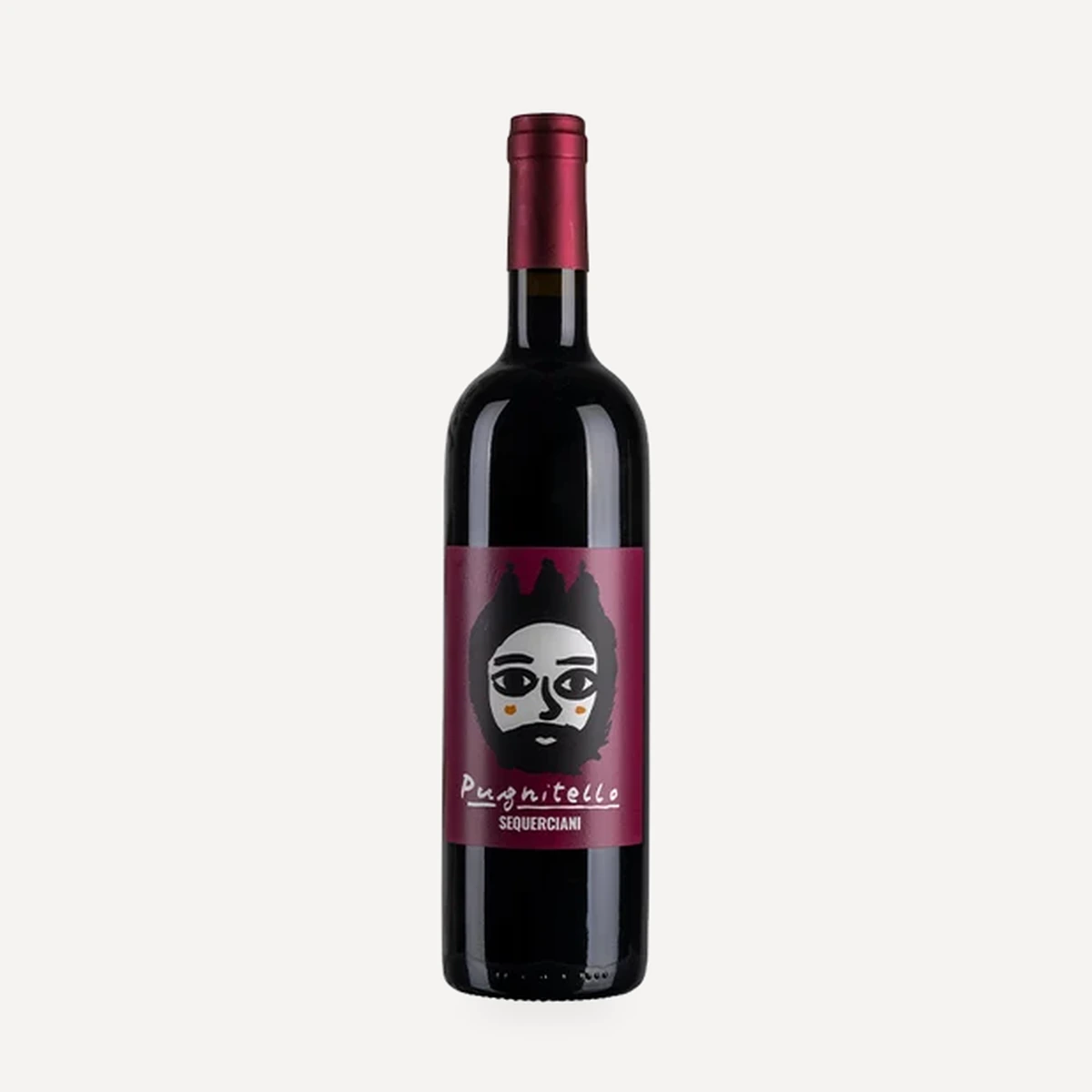
Pugnitello
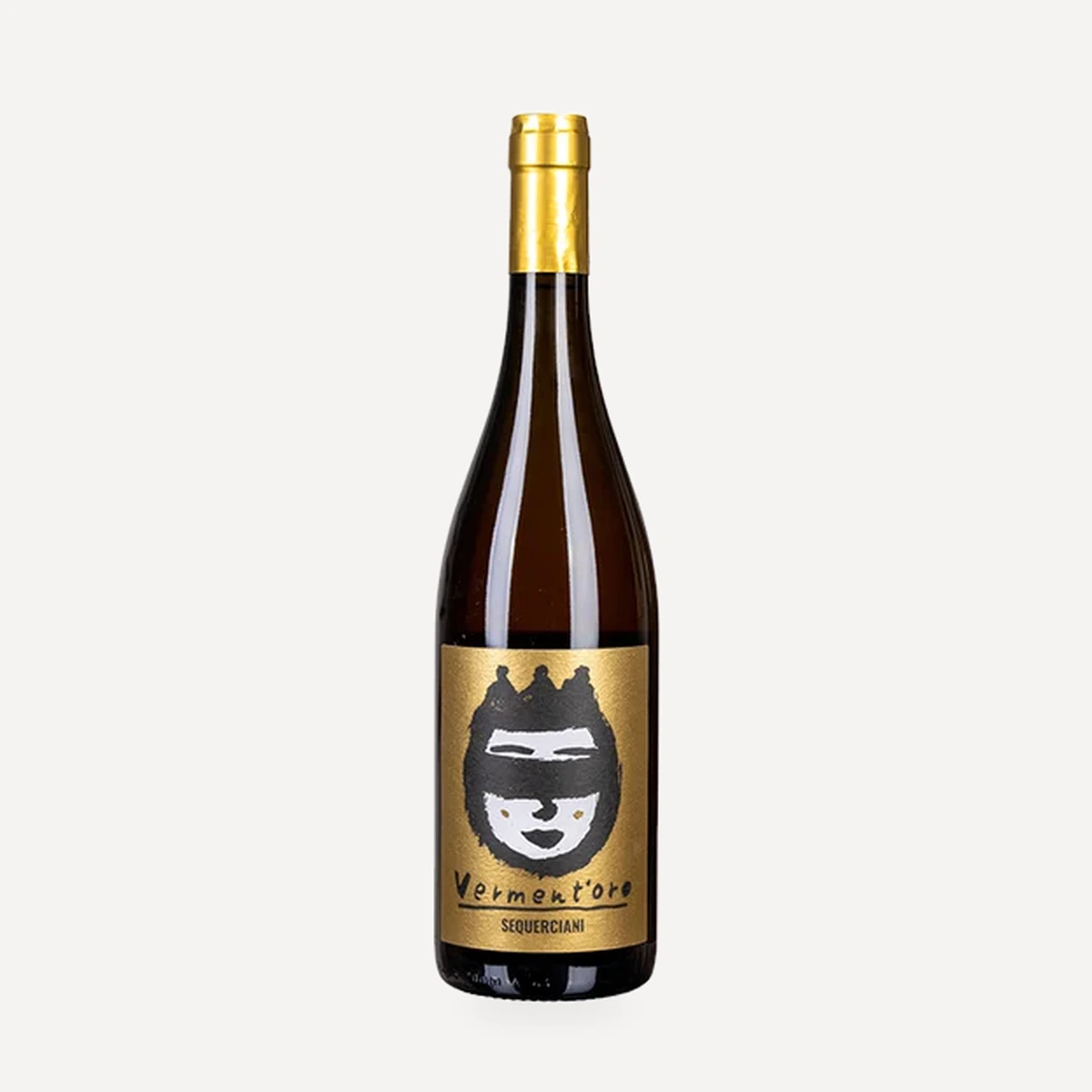
Verment'oro