Storia
Foundation in 1927
Silvio Grasso was founded in 1927 in La Morra. The enterprise subsequently passed from Silvio to his son, Alessio Federico.
Estate bottling from the mid-1980s
Alessio Federico took over from his father Silvio in the mid-1980s. This succession marked a decisive change in the business: Alessio began bottling the entire production rather than leaving part of it outside the estate-bottled range.
The family enterprise today
The enterprise now works 11 hectares of vineyards. Management and day-to-day work remain within the family, with Alessio Federico joined by his wife, Marilena, and their sons, Paolo and Silvio.
Terroir
The vineyard holdings represented in the current range extend across La Morra, Barolo, Monforte d’Alba, Monticello d’Alba and Diano d’Alba.
The recorded exposures range from south through south-east to south-west. The Barbera holdings in La Morra and the Giachini and Bricco Luciani sites face south. Annunziata Vigna Plicotti and Bricco Manzoni face south-east. Turnè and the Barolo vineyard material from La Morra and Barolo face south-west, as does Peirass at Monforte d’Alba. The Langhe Nebbiolo material from La Morra and Monticello d’Alba includes south-east and south-west exposures. The Langhe Rosso plantings combine south-east exposure at La Morra with south-west exposure at Barolo and Monforte d’Alba.
Several soil profiles are represented. Giachini and the Langhe Nebbiolo holdings are described as marl and sandstone. Peirass and the Langhe Rosso plantings have medium-textured, calcareous soils. The Dolcetto and principal Barbera d’Alba holdings are calcareous, while Fontanile combines calcareous and clay components. Annunziata Vigna Plicotti, Bricco Luciani, Bricco Manzoni, Turnè and the Barolo vineyard material are characterized by clay-calcareous soils.
Vinificazione
The dated vineyard material ranges from the Bricco Manzoni planting of 1968 to plantings made in 2000. Other specifically recorded planting years are 1975 for Giachini; 1982 for Annunziata Vigna Plicotti, Bricco Luciani and Fontanile; 1984 for Turnè and the Barolo vineyard material; 1985 for Barbera d’Alba; 1988 for Dolcetto; 1997 for Peirass; and 1999–2000 for the Langhe Rosso material. The Langhe Nebbiolo holdings contain plantings dating from 1980 through 2000.
Stated grape yields vary by holding. Giachini, Annunziata Vigna Plicotti, Bricco Luciani and Bricco Manzoni are recorded at 50 q/ha. Turnè and the Barolo vineyard material are recorded at 60 q/ha, the Langhe Nebbiolo holdings at 70 q/ha, and the Peirass, Barbera, Fontanile, Langhe Rosso and Dolcetto holdings at 80 q/ha.
Filosofia
The enterprise is organized around family continuity. Alessio Federico’s decision in the mid-1980s to bottle the entire production established an estate-focused model that is now maintained with his wife Marilena and their sons Paolo and Silvio. Beyond this family structure and commitment to estate bottling, no broader production or environmental philosophy is articulated.
Vini
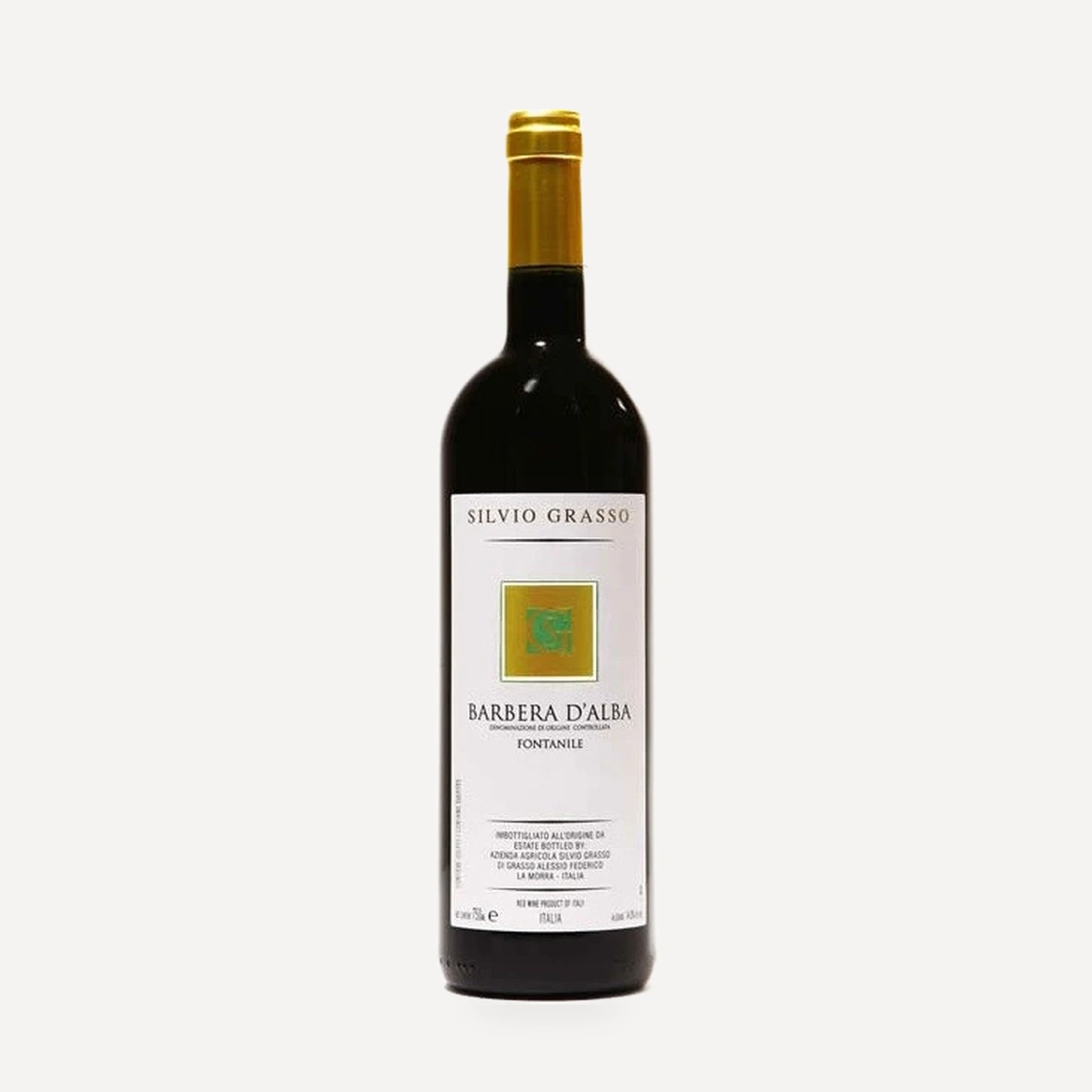
Fontanile Barbera d'Alba DOC
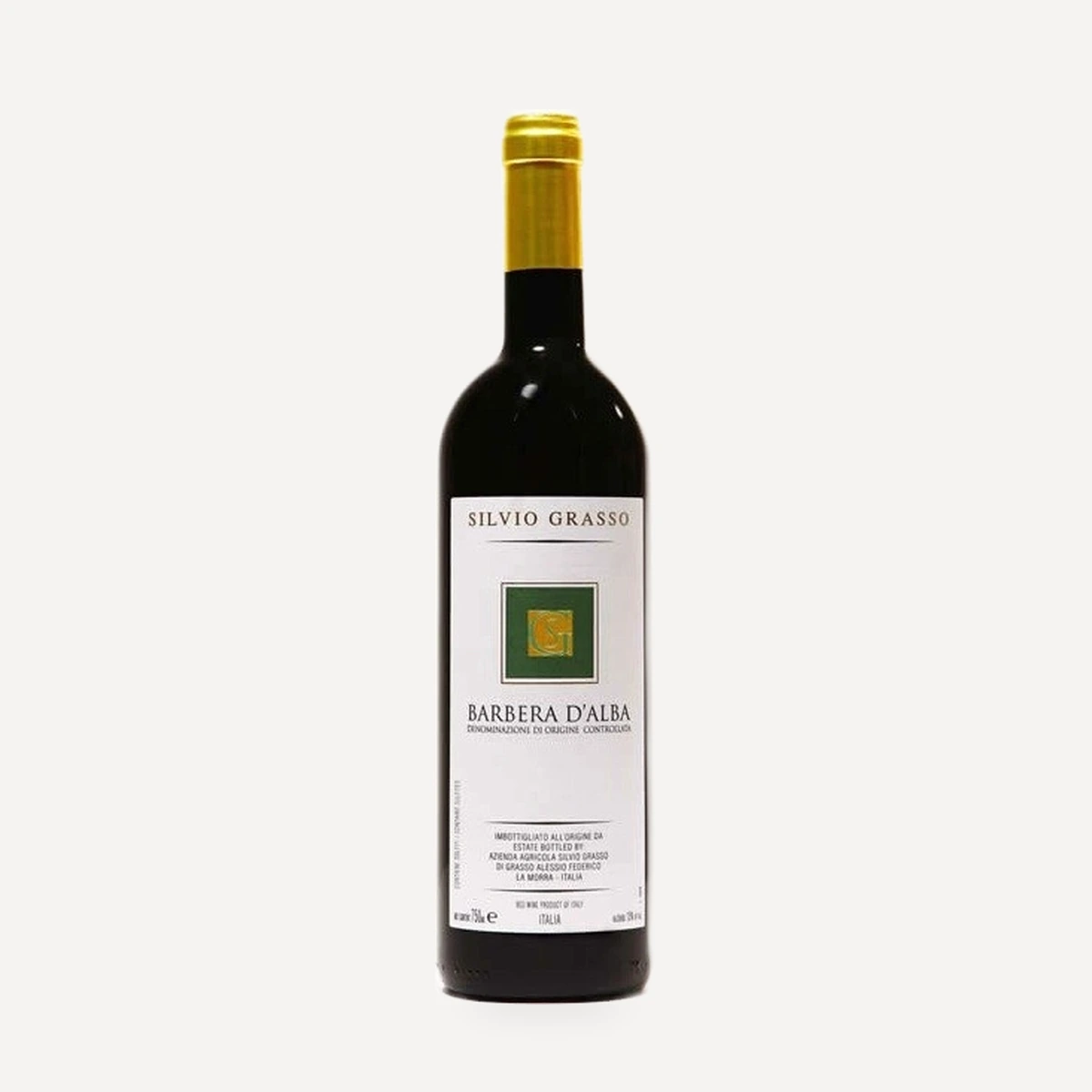
Barbera d'Alba DOC
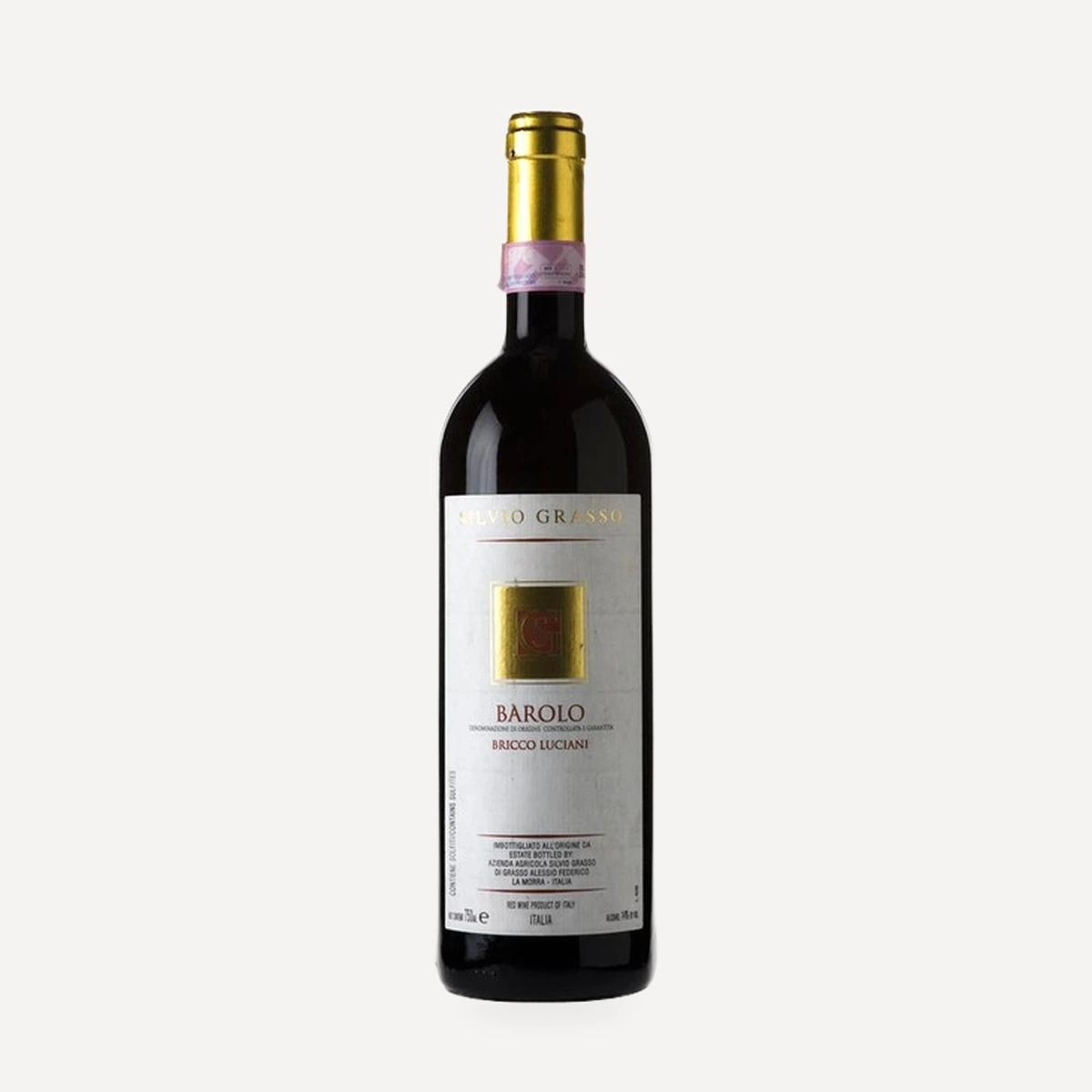
Bricco Luciani Barolo DOCG
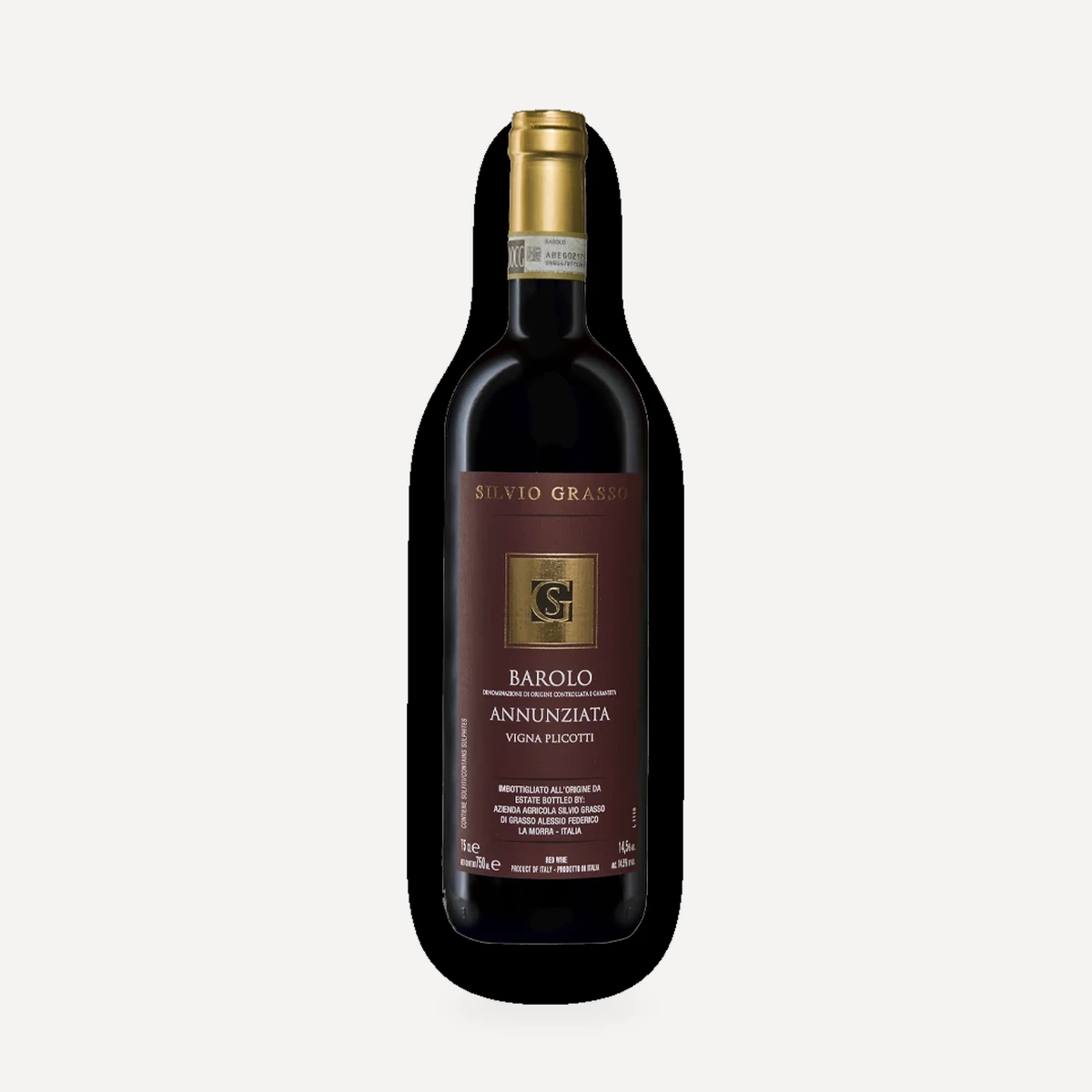
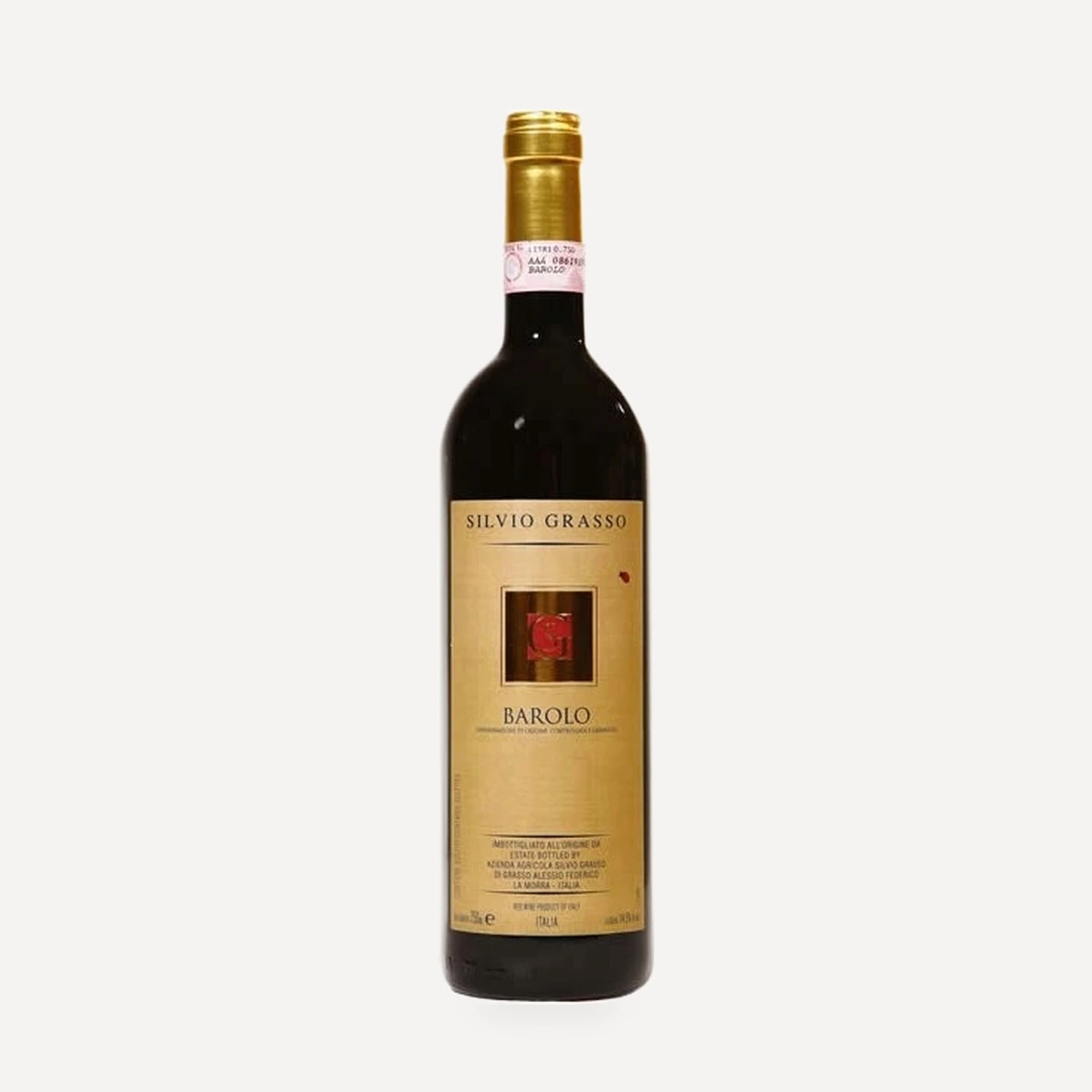
Barolo "Annunziata Vigna Plicotti"
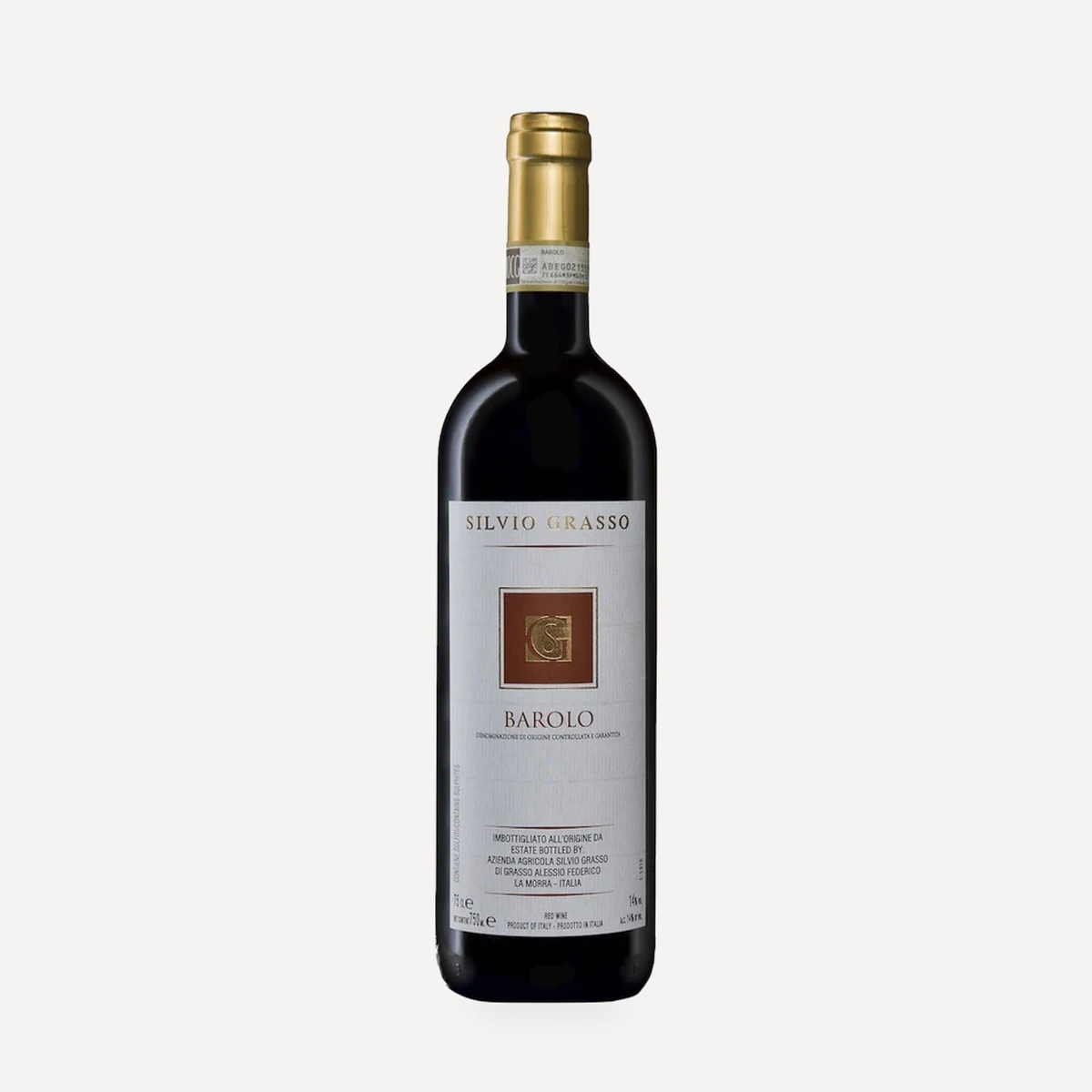
Barolo "Turnè"
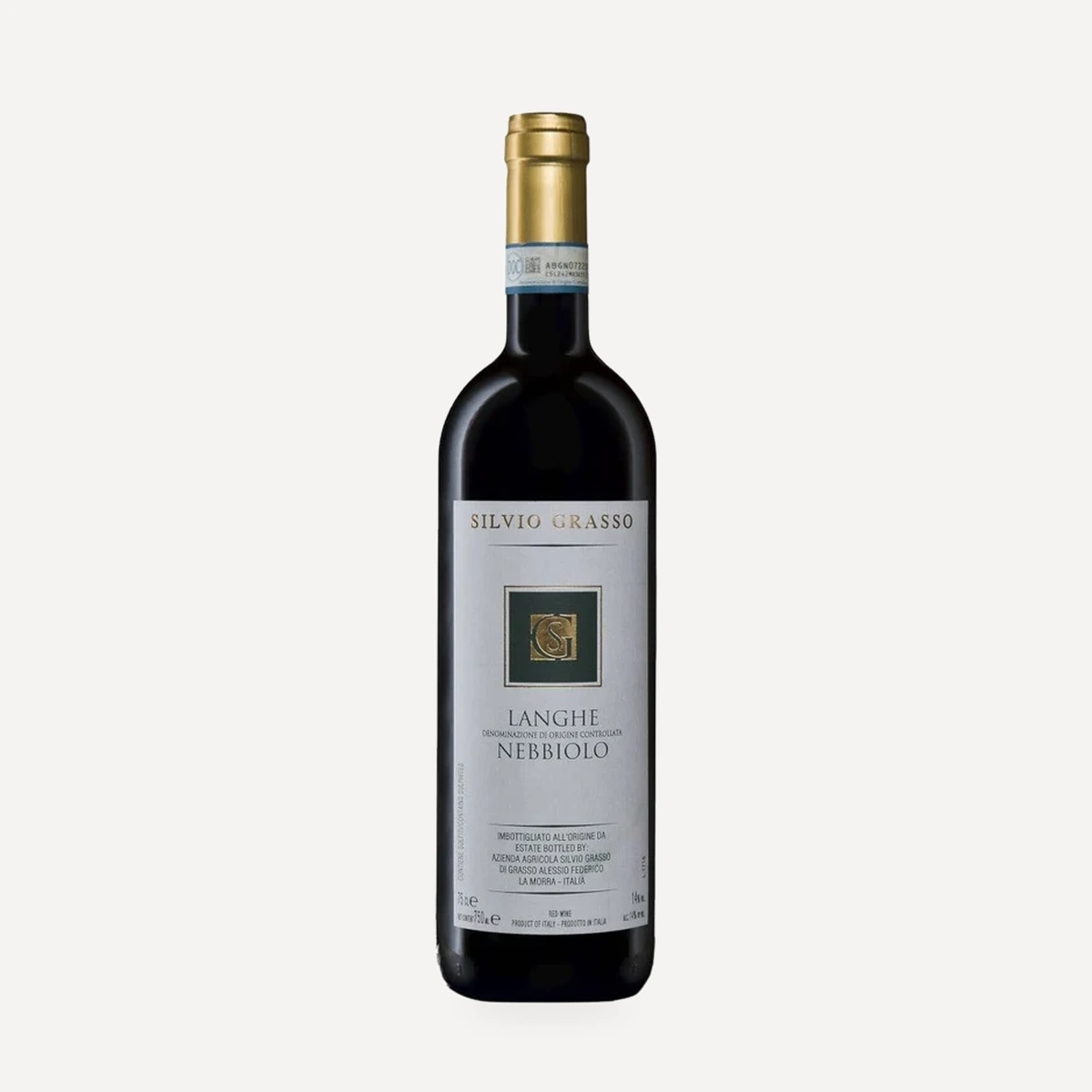
Langhe Nebbiolo
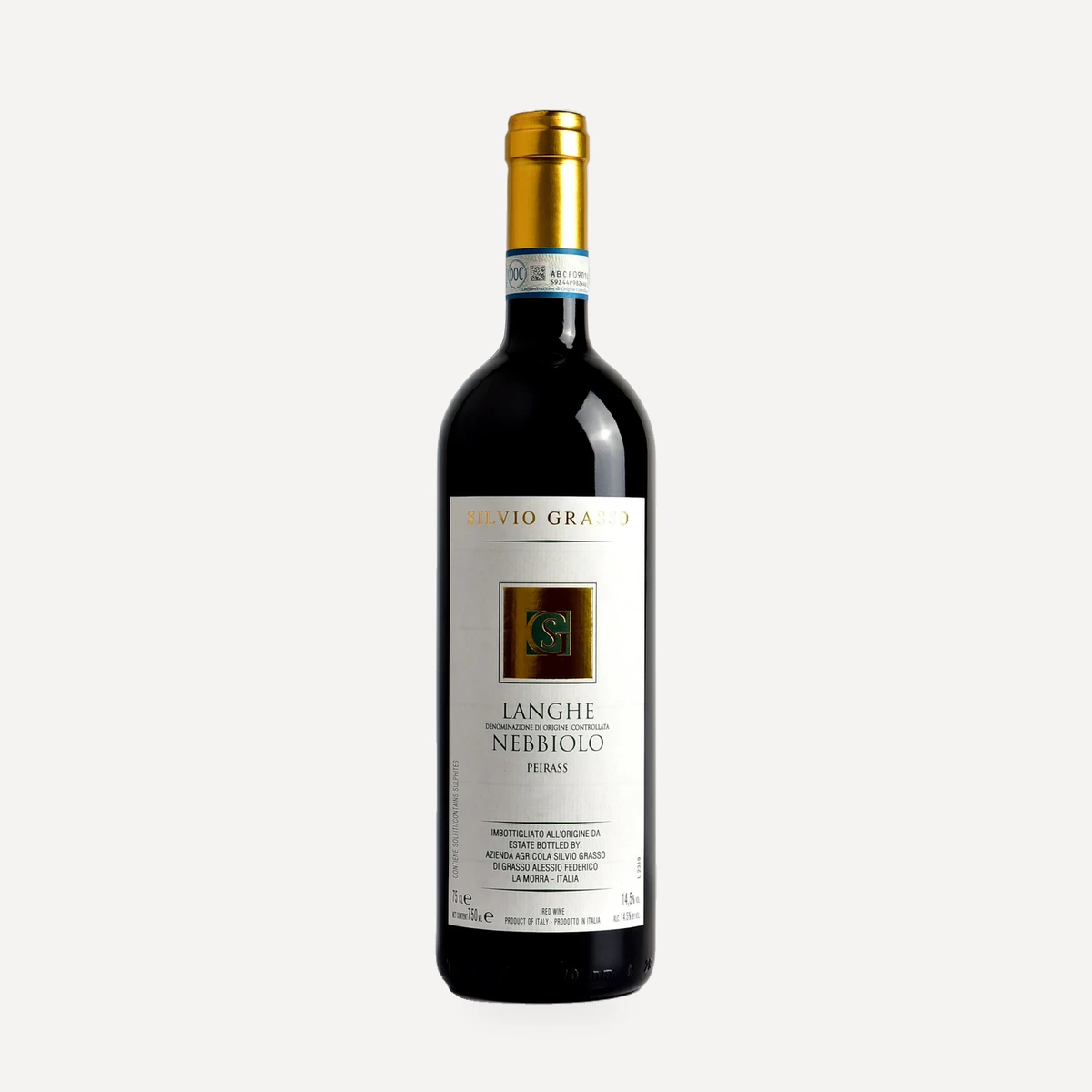
Langhe Nebbiolo "Peirass"
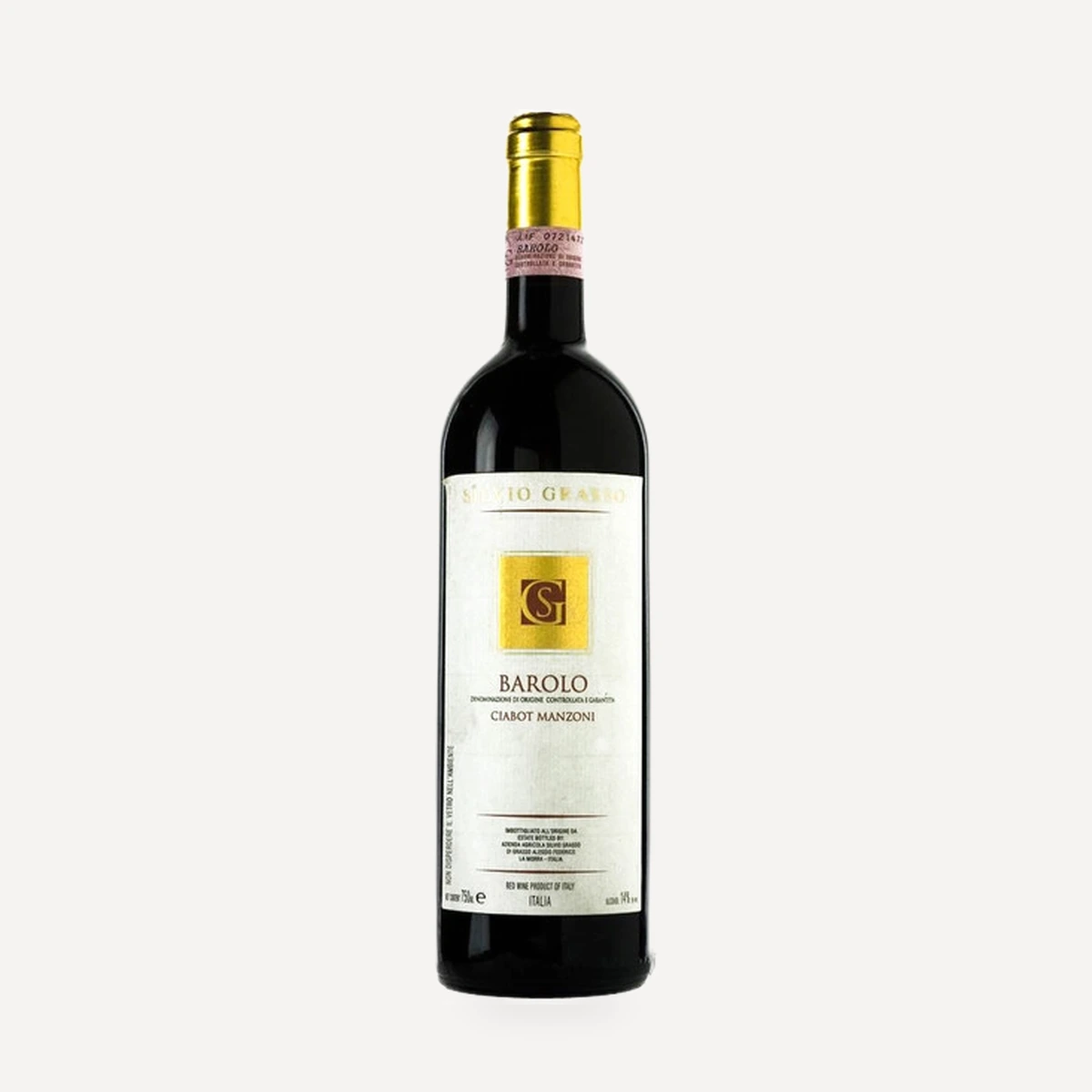
Ciabot Manzoni Barolo DOCG
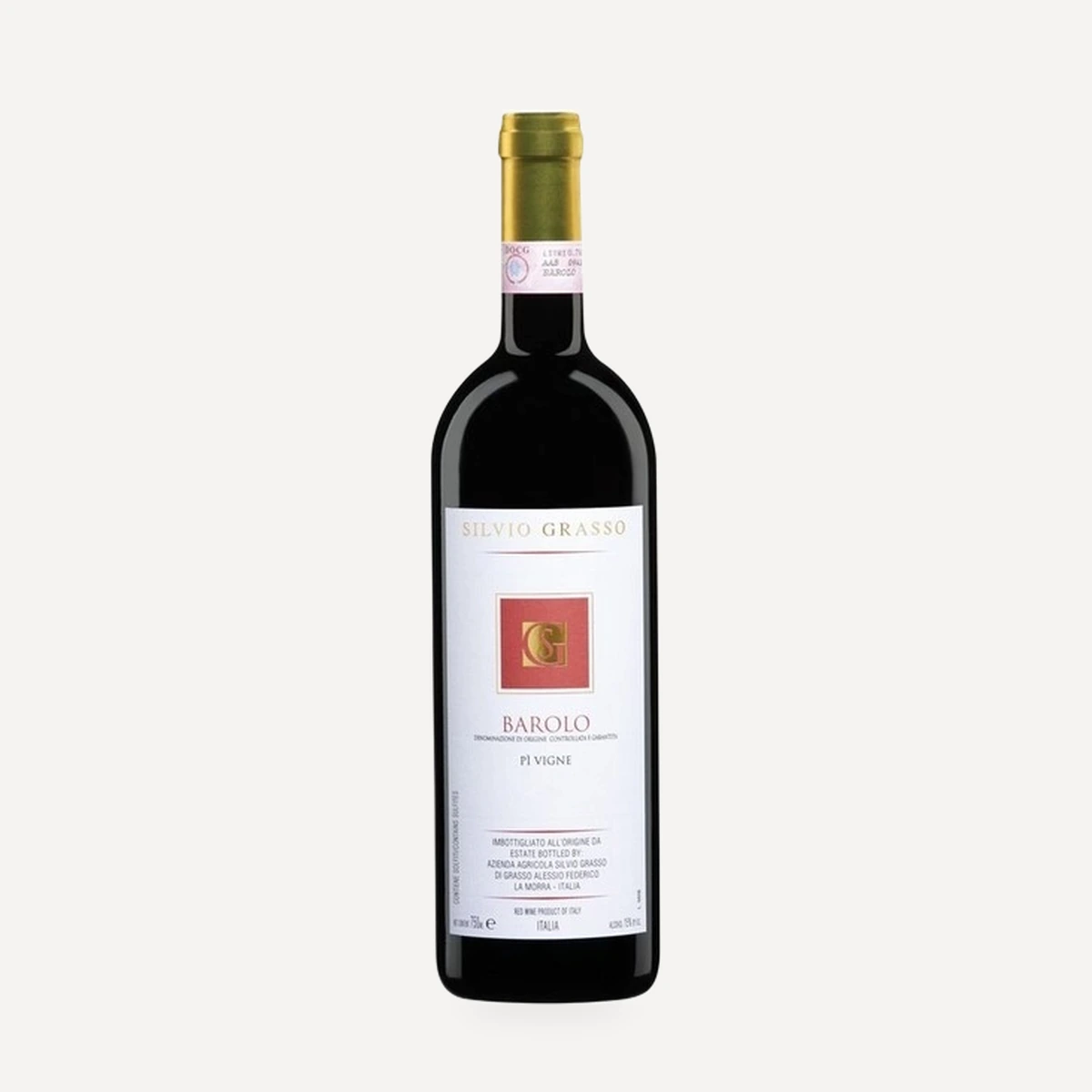
Pi Vigne Barolo DOCG
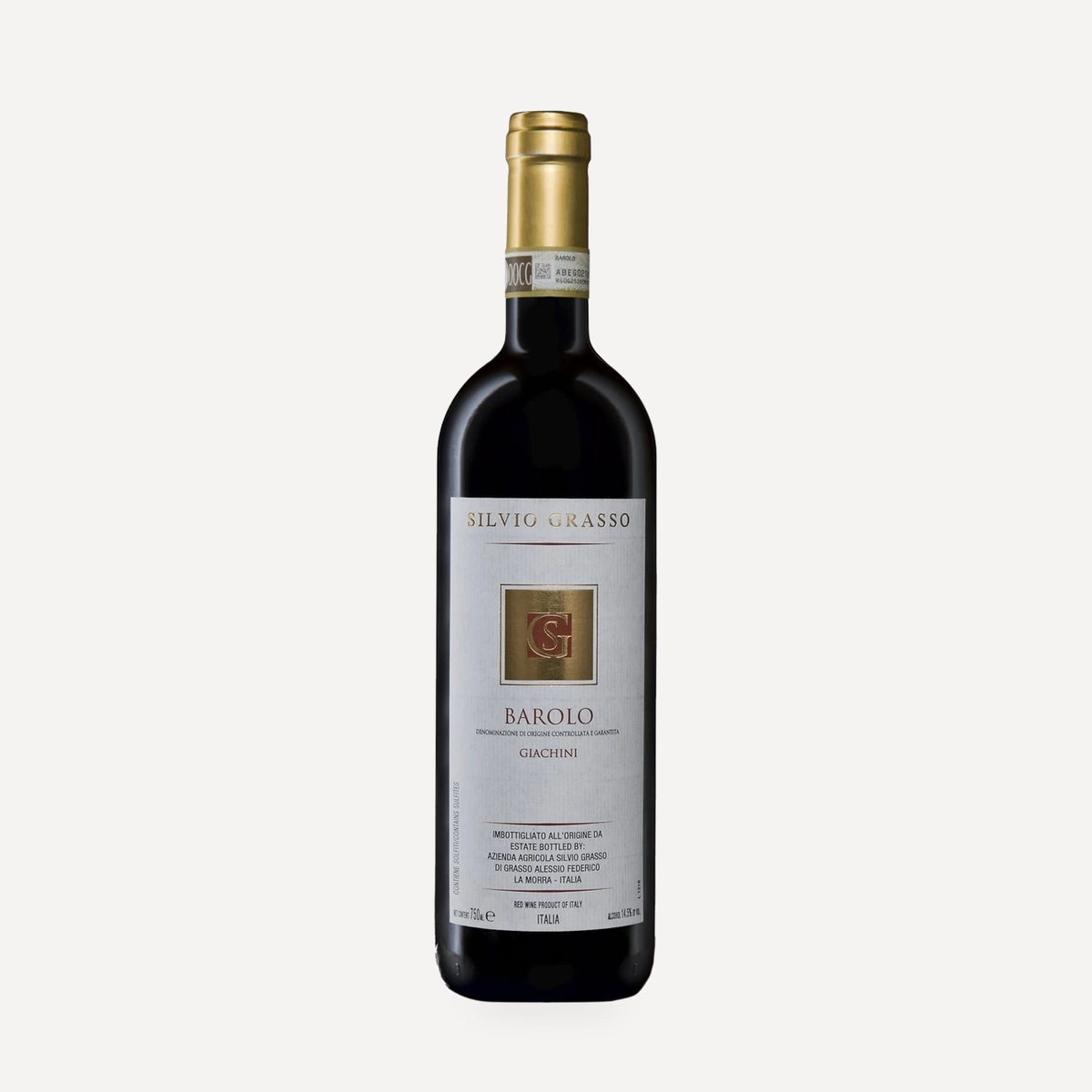
Barolo "Giachini"
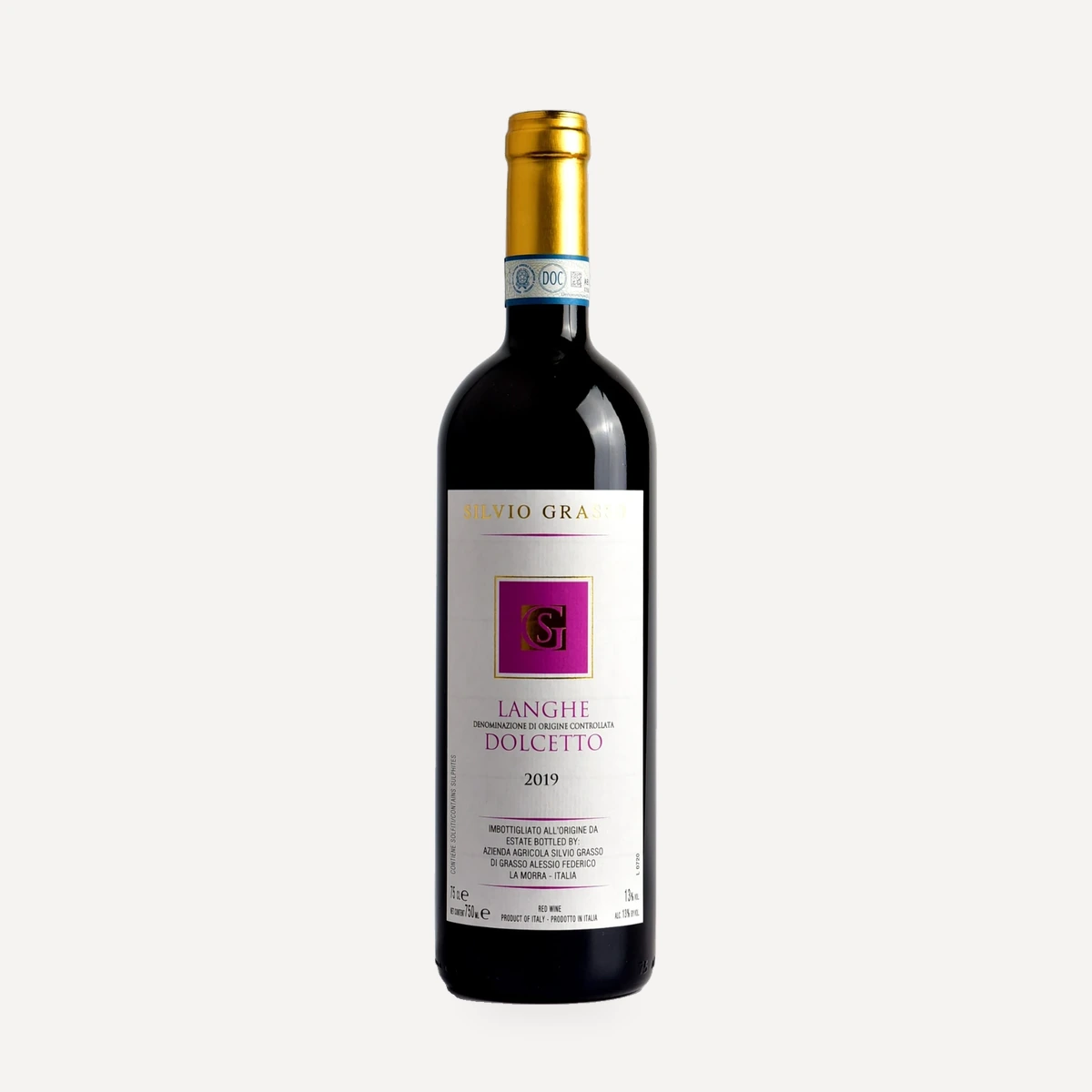
Langhe Dolcetto
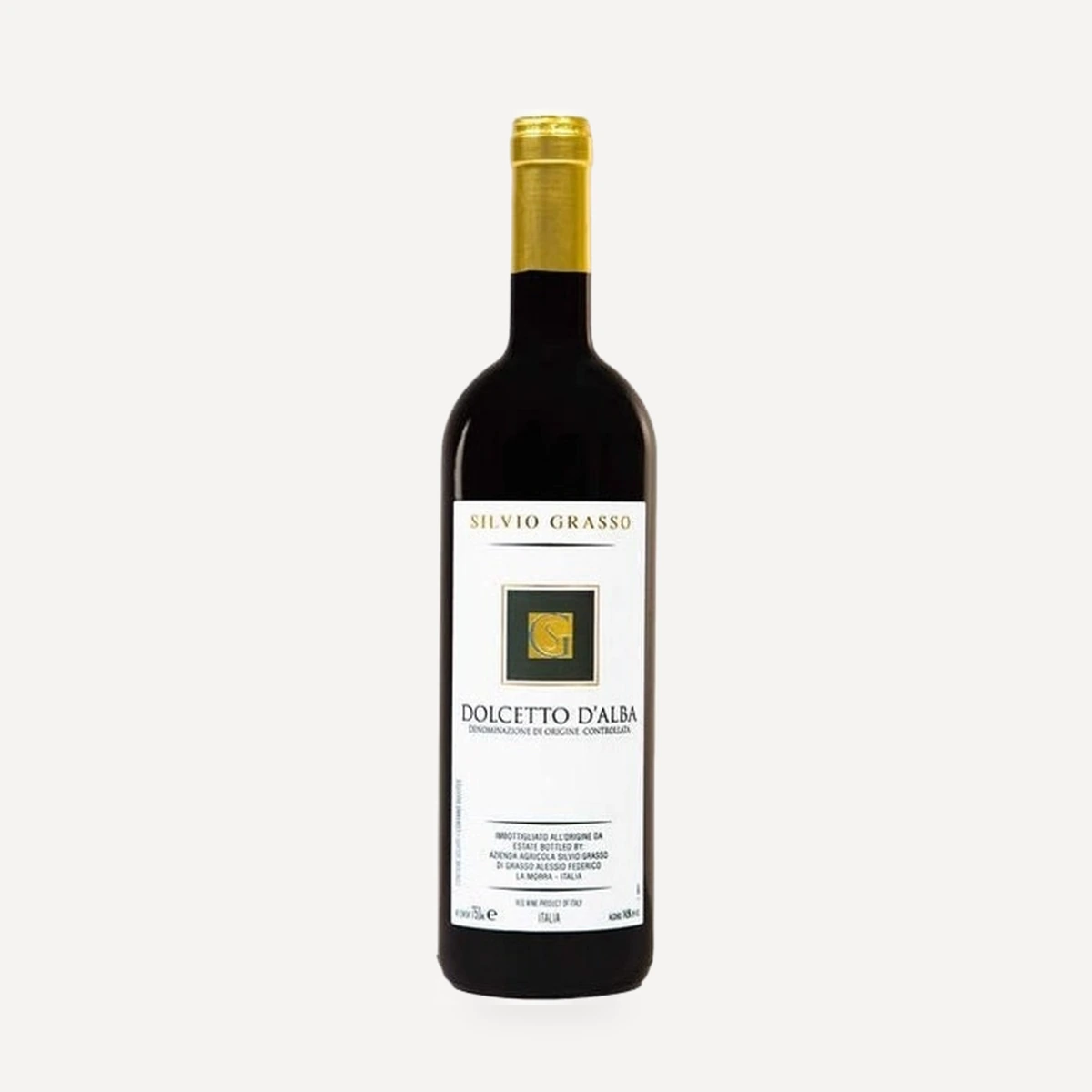
Dolcetto d'Alba DOC