Storia
Agricultural roots in the nineteenth century
The Sorrentino family’s relationship with the land reaches back into the nineteenth century. The early holding was a mixed agricultural enterprise connected with vines, fruit trees and vegetable growing rather than a specialized wine estate.
Nonna Benigna and the Second World War
During the Second World War, Nonna Benigna became the central figure in the family’s agricultural transformation. Although she had once wished to leave rural life behind, she became deeply involved in cultivating the land and vines. Her principle—‘a terr adda mangià comm ‘e figl nuost, meaning that the land must be fed like one’s own children—encapsulated an approach based on patient care rather than extraction.
Benigna maintained an old pergola-trained moggio that became a living repository of Vesuvian biodiversity. It still holds approximately 25 indigenous and local plant or grape varieties. Among the grapes preserved by the family were Caprettone, Greco, Piedirosso and Aglianico, including material that later generations considered forgotten or insufficiently specialized on Vesuvius.
Paolo and Angela Sorrentino
Paolo Sorrentino, identified as the family’s second generation and active from 1988, founded the modern wine enterprise with his wife, Angela Cascone. They continued both Vesuvian wine production and the family’s fruit and vegetable cultivation while protecting inherited varieties.
From 1990, the family began moving toward a more sustainable agricultural model. In 1991 Paolo recovered Falanghina vines from the old family pergolas and produced the family’s first varietal Vesuvian Falanghina, using cold maceration. The resulting project became associated with the name Macerina ’91.
The 1990s brought a stronger commitment to specialized viticulture and the opening of the property to wine tourism, allowing the family to connect its wines with the agricultural and cultural history of Vesuvius.
Specialization, new vineyards and organic certification
Around 2000, Vigna Lapillo was established at approximately 500 metres above sea level. Its purpose was to introduce cultivation methods better adapted to indigenous grapes and improve grape and wine performance over time. Paolo also began maturing Vesuvian Aglianico in wood during the 2000s and promoted a broader, more specialized ampelographic program on Vesuvius.
The estate’s agricultural production received organic certification in 2001. Cover crops, mechanical weed control, rainwater collection, solar energy and more sustainable packaging subsequently became parts of its environmental program.
Catalanesca, traditionally treated as a table grape, entered the family’s winemaking program in 2006. The wine name Catalò was devised in a period when the variety’s name could not initially be placed on the label, with the intention of making the grape better known.
Research on Caprettone
The family devoted approximately five decades to cataloguing, recovering and studying Vesuvian plant material, beginning with Benigna, continuing through Paolo, and passing to the three members of the present generation. Caprettone was a particular focus. The family rejected its historical conflation with Coda di Volpe, citing the vines’ long presence on its land and clear morphological and sensory differences.
Between 2009 and 2012, the estate hosted the observations used for a new Caprettone ampelographic record. Researchers evaluated 20 five-year-old vines grafted onto 1103 Paulsen rootstock, trained to bilateral Guyot and carrying slightly more than 20 buds. Fiano bianco served as the reference variety, and the work followed the OIV observation protocol associated with Resolution OIV-VITI 467-2012.
Following research and microvinification work conducted with Università degli Studi di Napoli Federico II, Caprettone entered Italy’s national register on 20 October 2014. This ended approximately two centuries of formal anonymity for the variety.
The third generation
Giuseppe, Benny and Maria Paola Sorrentino now represent the third generation. Giuseppe, who studied oenology from Burgundy to California, became CEO and assumed responsibility for strategic and international development. Benny refined her oenological training under prominent women winemakers and became the estate’s winemaker. Maria Paola became hospitality manager, building the visitor and tasting program around the family’s agricultural history.
The third generation has continued research into organic cultivation, site specialization and the recovery of inherited grapes. In 2020, Greco preserved by Benigna was used for the first time by the new generation after a process of specialization.
Circular economy and contemporary hospitality
Research into the skins, seeds and stems left after vinification led to Frupa, a grape-based face and eye serum made with standardized phytoactive extracts from the pomace of the estate’s organic Piedirosso cru. Development was slowed by the COVID-19 pandemic but ultimately produced the first item in a planned range of cosmetics. Its glass container, compostable dispenser, glue-free assembly and entirely volcanic-area production were designed around a circular-economy model.
The contemporary estate combines wine production with vineyard dining, guided tastings, cooking classes, trekking, horse riding and cultural programs. More recent initiatives include the Vite Vulcaniche partner network, ArcheoVesuvio and the Vintage Vesuvio Safari through the estate vineyards.
Terroir
Vesuvius and the Gulf of Naples
The estate lies at Via Panoramica 6 in Boscotrecase, within the Vesuvius National Park and on the volcano’s slopes. The cellar sits beneath the 1,281-metre Vesuvius, overlooking the Gulf of Naples. Estate viewpoints extend across the valley and sea toward Capri and the Sorrento Peninsula.
Vineyards occupy a broad elevation range. The principal production sites described in detail lie between approximately 200 and 600 metres above sea level, while the highest Aglianico parcels reach about 700 metres. Selected Vigna Lapillo vineyards occupy roughly 450–650 metres on the southern side of Vesuvius.
Volcanic soils
Repeated volcanic activity has deposited ash, lapilli, lava-derived material and mud. The soils are consistently characterized as volcanic and sandy, with strong drainage and pronounced mineral content. Lapilli and lava flows are especially evident at Vigna Lapillo. The volcanic material is associated with calcium, potassium and phosphorus, while almost 40 eruptions over approximately two millennia are credited with continually reshaping the slopes.
Exposure and air movement
The Caprettone vineyards at approximately 250 metres lie between the Gulf of Sorrento and Vesuvius. They receive sunlight throughout the day and are refreshed by a mild breeze from the sea, which contributes to healthy vines. Terraces, row orientation and elevation create distinct growing conditions that are matched to individual varieties and wine objectives.
Vinificazione
The estate has pursued a progressively more sustainable model since 1990 and has been certified organic since 2001. Soil conservation and biodiversity measures include cover crops and mechanical weed control. Rainwater is collected, solar energy is used, and the family continues working to lower vineyard energy consumption and greenhouse-gas emissions.
Viticulture is organized by site and variety. The family specializes individual vineyard locations, terraces and row orientations, then selects pruning and training systems for each grape and intended wine. Guyot, bilateral or double Guyot and spur-pruned cordon are all used. Yields are adjusted by objective: approximately 8,000 kg/ha for the core sites, 6,000 kg/ha for selected higher vineyards and 4,500 kg/ha for the specialized Piedirosso cru.
Harvesting is manual. Caprettone and other early white grapes are generally collected from mid-September; Falanghina, Catalanesca and Piedirosso follow in late September; Vigna Lapillo red grapes are picked in early October; and the highest Piedirosso and Aglianico sites may continue to mid-October.
The family has spent approximately five decades cataloguing and recovering indigenous Vesuvian material. Nonna Benigna’s old pergola-trained moggio conserves around 25 indigenous and local species or varieties. Caprettone became the central research subject: observations at the estate from 2009 to 2012 and microvinifications with Università degli Studi di Napoli Federico II contributed to its entry in the national register on 20 October 2014. The family also preserved Greco, Piedirosso and Aglianico and later specialized this inherited material.
The cellar combines inherited practices with investments in modern machinery and technology designed to preserve the character of selected grapes. The family describes its cellars as centuries old, while the production program is organized around careful matching of grape variety, site, cultivation method and desired wine style.
Stainless steel is the principal vinification vessel across the range. Paolo Sorrentino’s first varietal Vesuvian Falanghina in 1991 introduced cold maceration to the family’s program. Caprettone is fermented in steel to preserve persistence and fragrance; a recent expression was subsequently handled in steel and glass.
Selected white wine from Vigna Lapillo remains on its lees in steel for eight months. Red wines may move from steel into tonneaux or larger vats. Vigna Lapillo Rosso is refined in tonneaux, while high-elevation Aglianico may mature in both tonneaux and vats. The specialized Piedirosso cru is vinified in steel and refined in vats.
The sparkling program includes long Charmat production. Caprettone and Piedirosso provide the bases for the white and rosé sparkling wines respectively.
The estate treats bottle age as an extension of its production philosophy, pointing to mature Aglianico, Piedirosso and Vigna Lapillo wines that retained freshness over long periods. Beyond wine, skins, seeds and stems from Piedirosso vinification are studied and recovered for standardized phytoactive extracts used in Frupa cosmetics, creating a circular use for cellar residues.
Filosofia
Sorrentino’s philosophy joins family continuity, indigenous grapes and detailed site specialization. The estate aims to preserve the agricultural and cultural heritage of Vesuvius while interpreting it in a contemporary manner. Its stated priorities include rigorous selection of varieties and sites, careful work in vineyard and cellar, and wines capable of conveying volcanic origin without masking vintage or grape identity.
The family treats biodiversity recovery as a long-term responsibility. Its work with Caprettone, Greco, Piedirosso, Aglianico and other material from Benigna’s old pergola is intended to restore recognition to grapes that were confused, forgotten or insufficiently studied. The Cru’ Prodivi project takes this approach furthest through close attention to selected vineyards, individual varieties, cultivation timing and technique.
Sustainability is framed in generational terms: decisions are meant to protect the land not merely for the next harvest but for future family generations. Organic cultivation, soil conservation, rainwater collection, renewable energy, lower-emission objectives, biodegradable packaging and the reuse of pomace in cosmetics form parts of this program.
The third generation presents tradition and innovation as complementary. Giuseppe’s international outlook, Benny’s winemaking and Maria Paola’s hospitality work are directed toward retaining the family’s identity while making Vesuvian wine, agriculture and culture accessible to a wider audience.
Vini
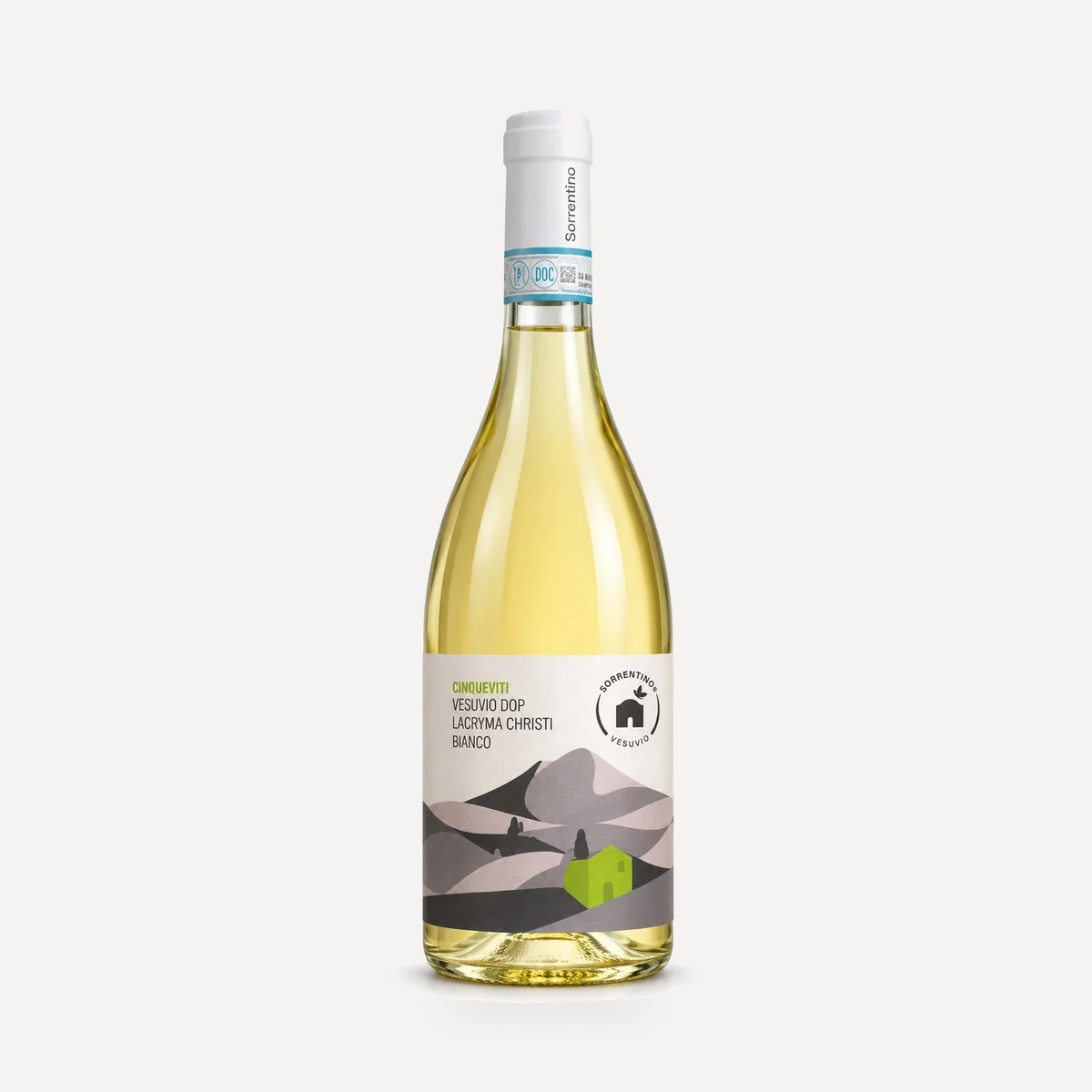
5 Viti Vesuvio Lacryma Christi DOC Bianco BIO
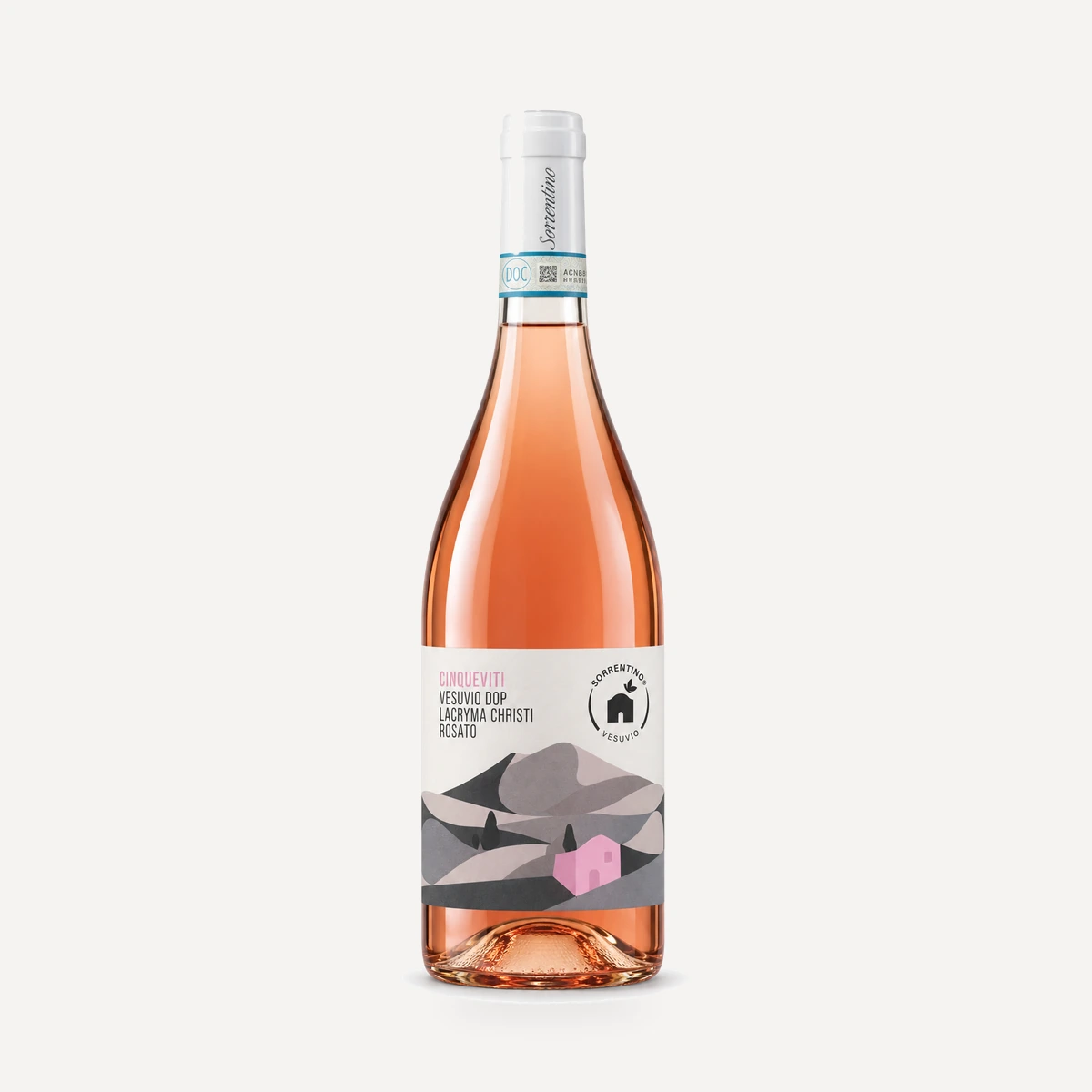
5 Viti Vesuvio Lacryma Christi DOC Rosato BIO
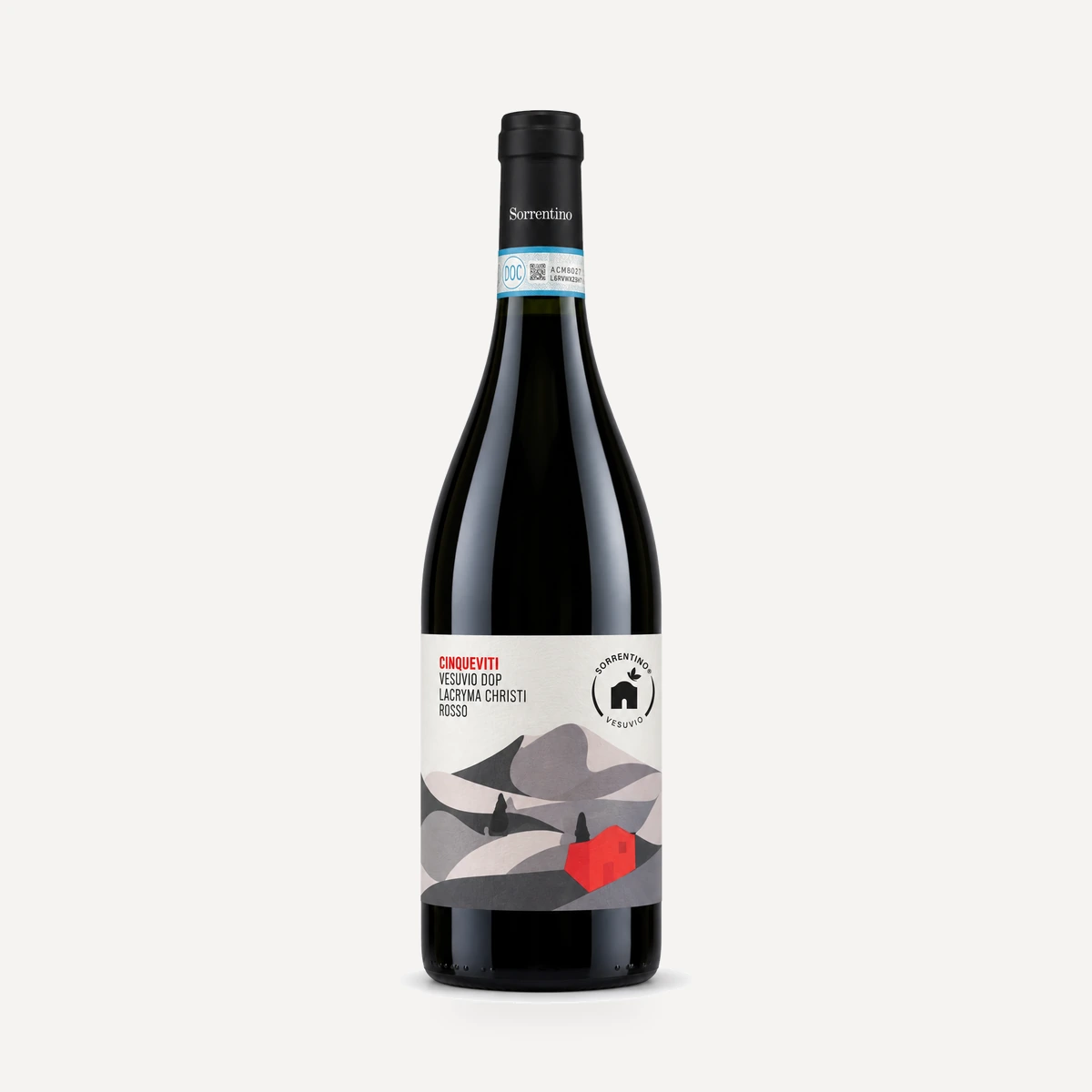
5 Viti Vesuvio Lacryma Christi DOC Rosso BIO
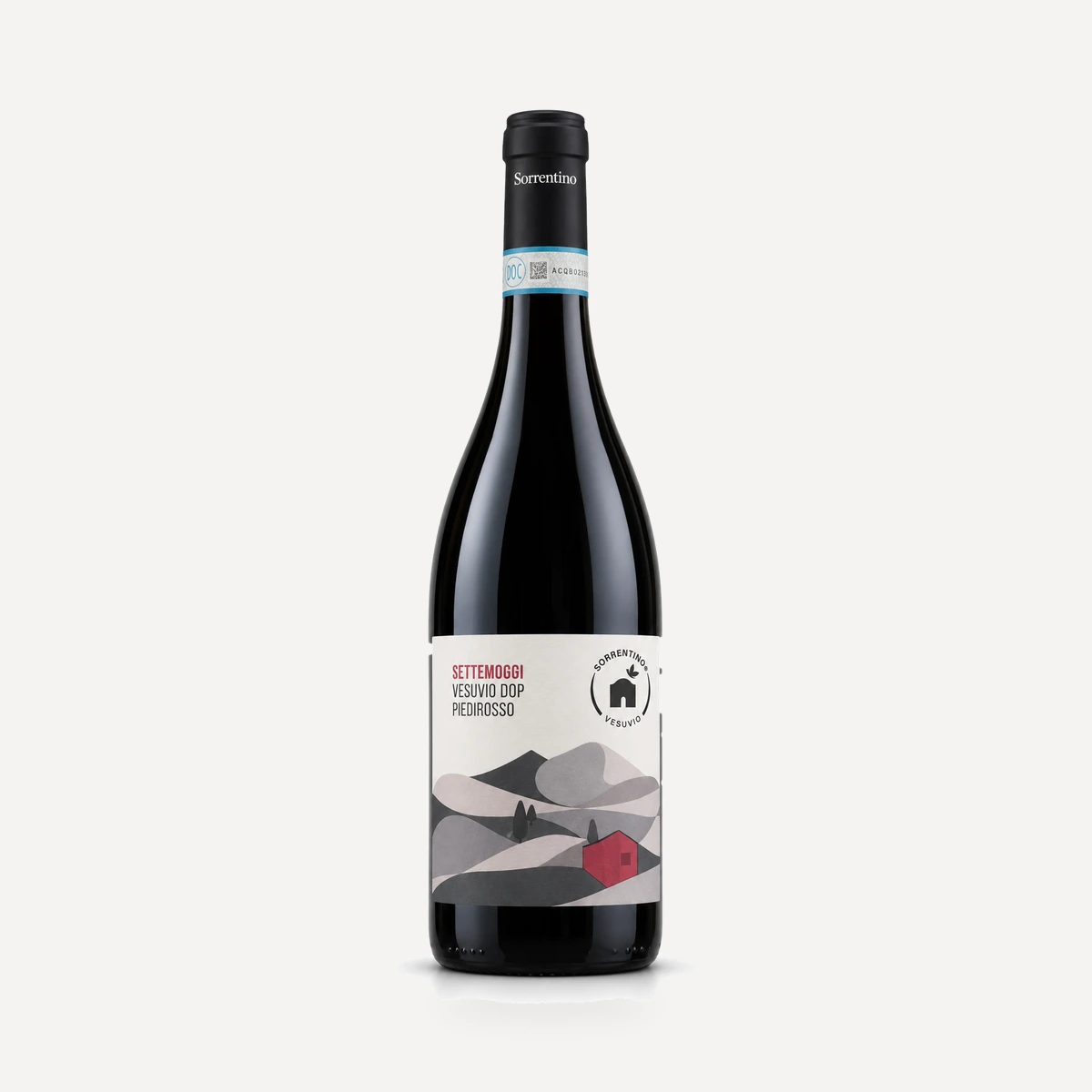
7 Moggi Piedirosso Vesuvio DOC BIO
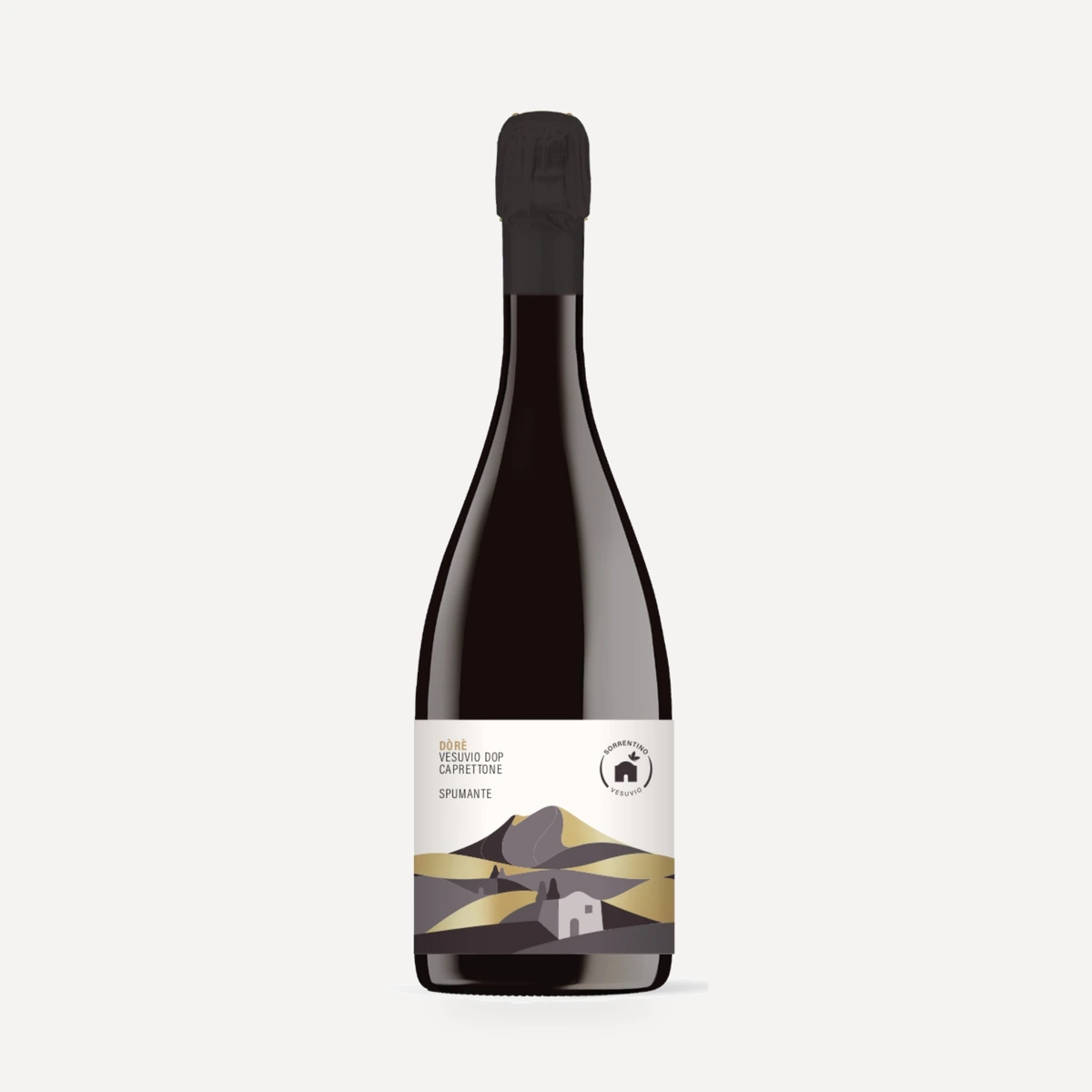
DòRè Caprettone Vesuvio Spumante Millesimato DOC Bianco
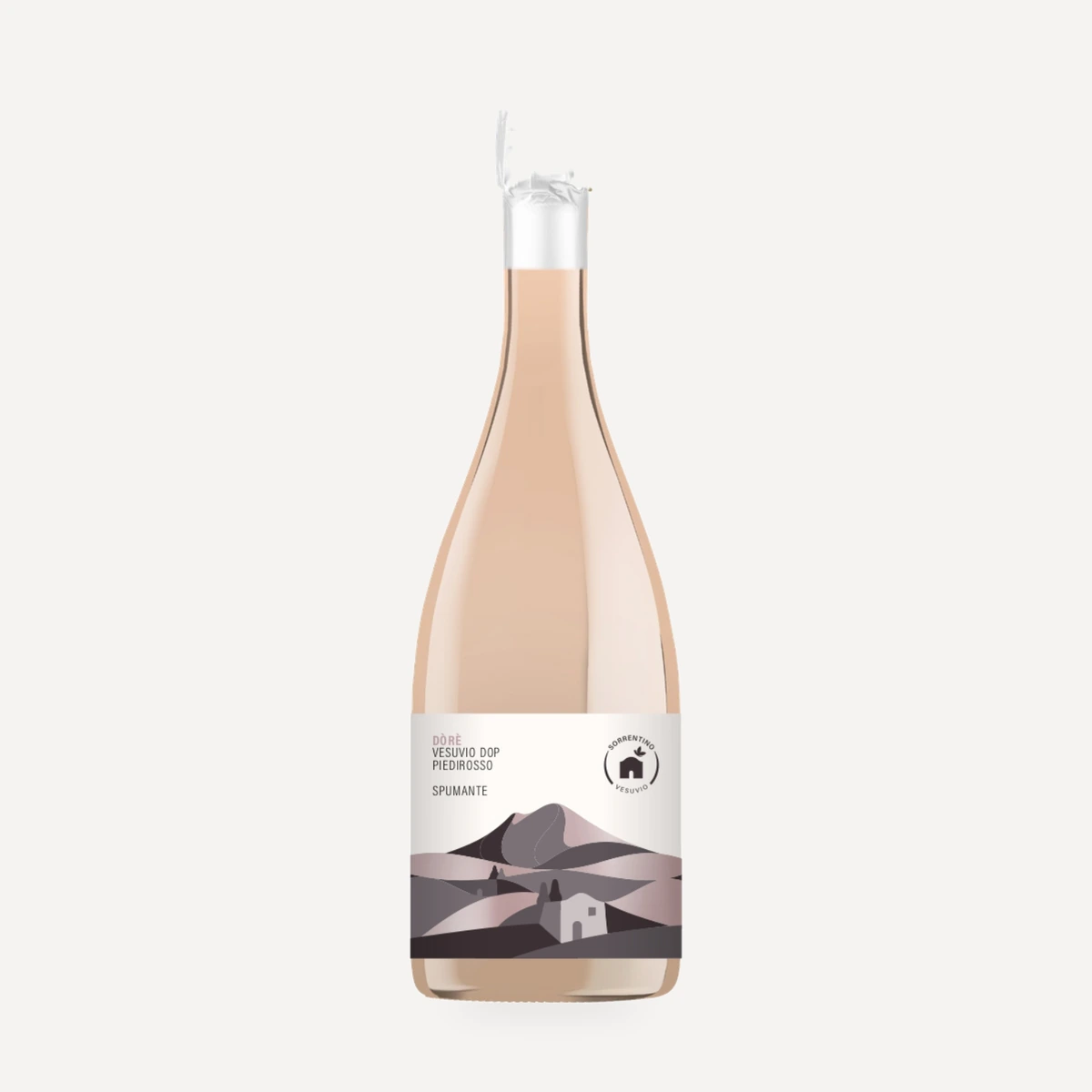
DòRè Piedirosso Vesuvio Spumante Millesimato DOC Rosè
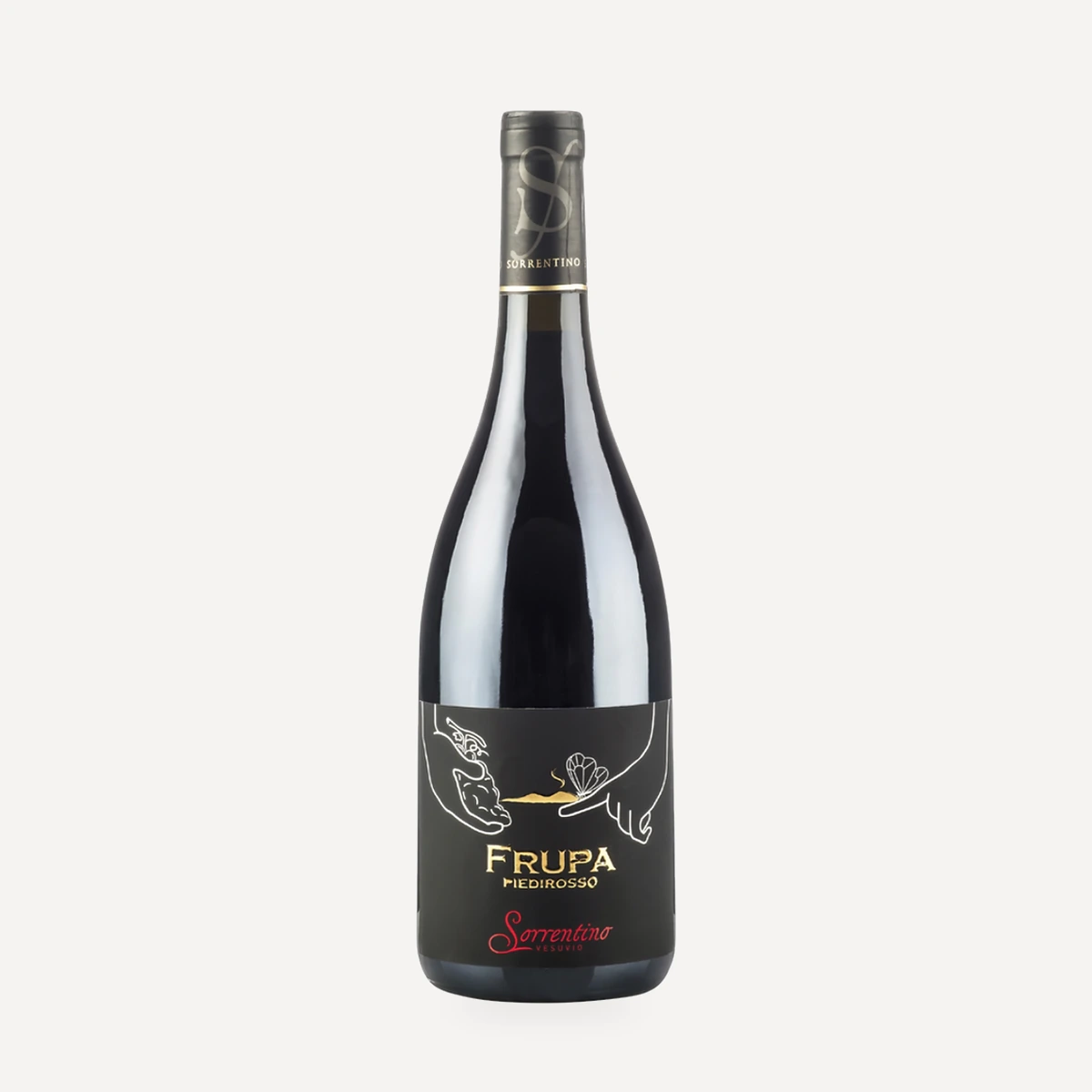
Frupa Piedirosso IGT Pompeiano
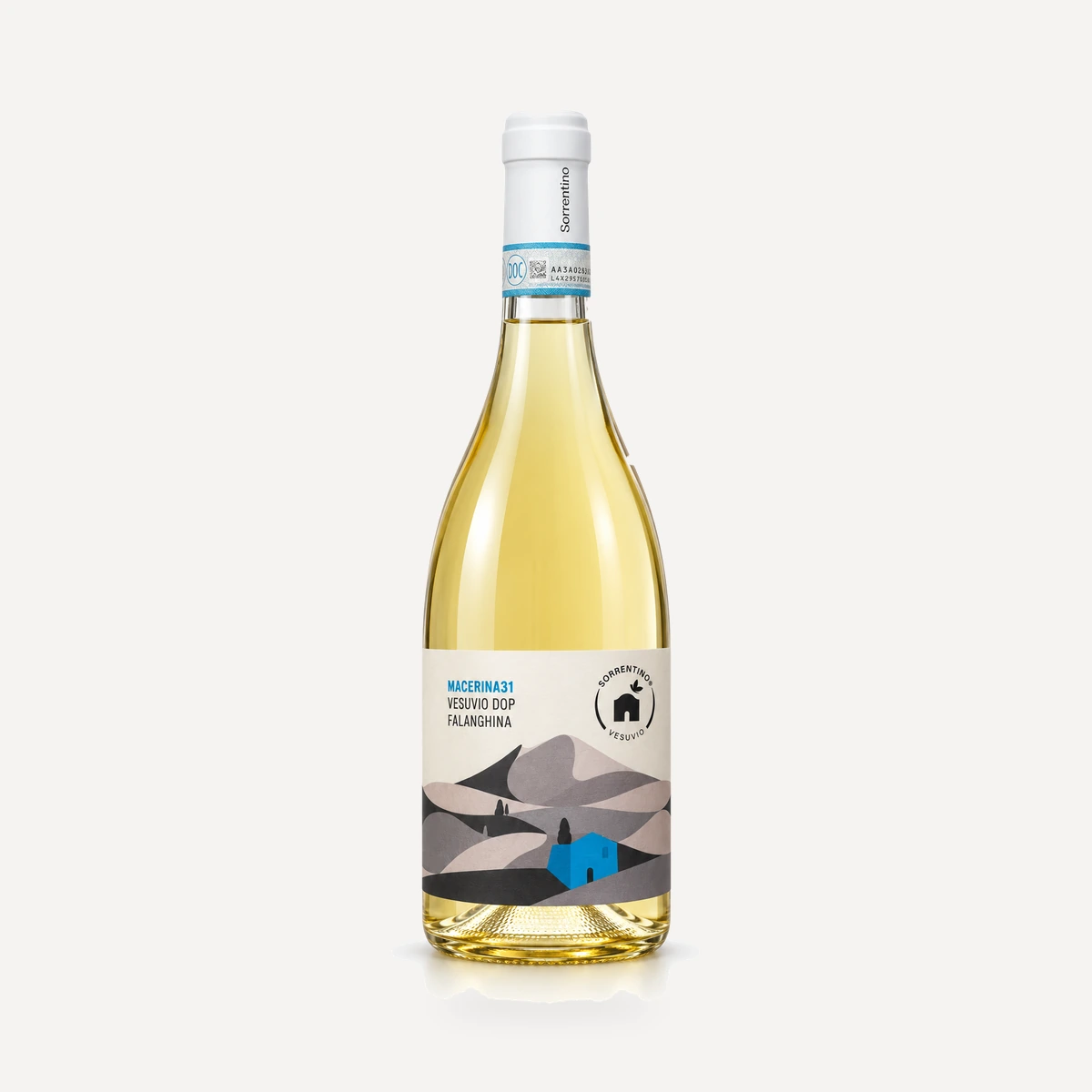
Macerina '91 Falanghina Vesuvio DOC BIO
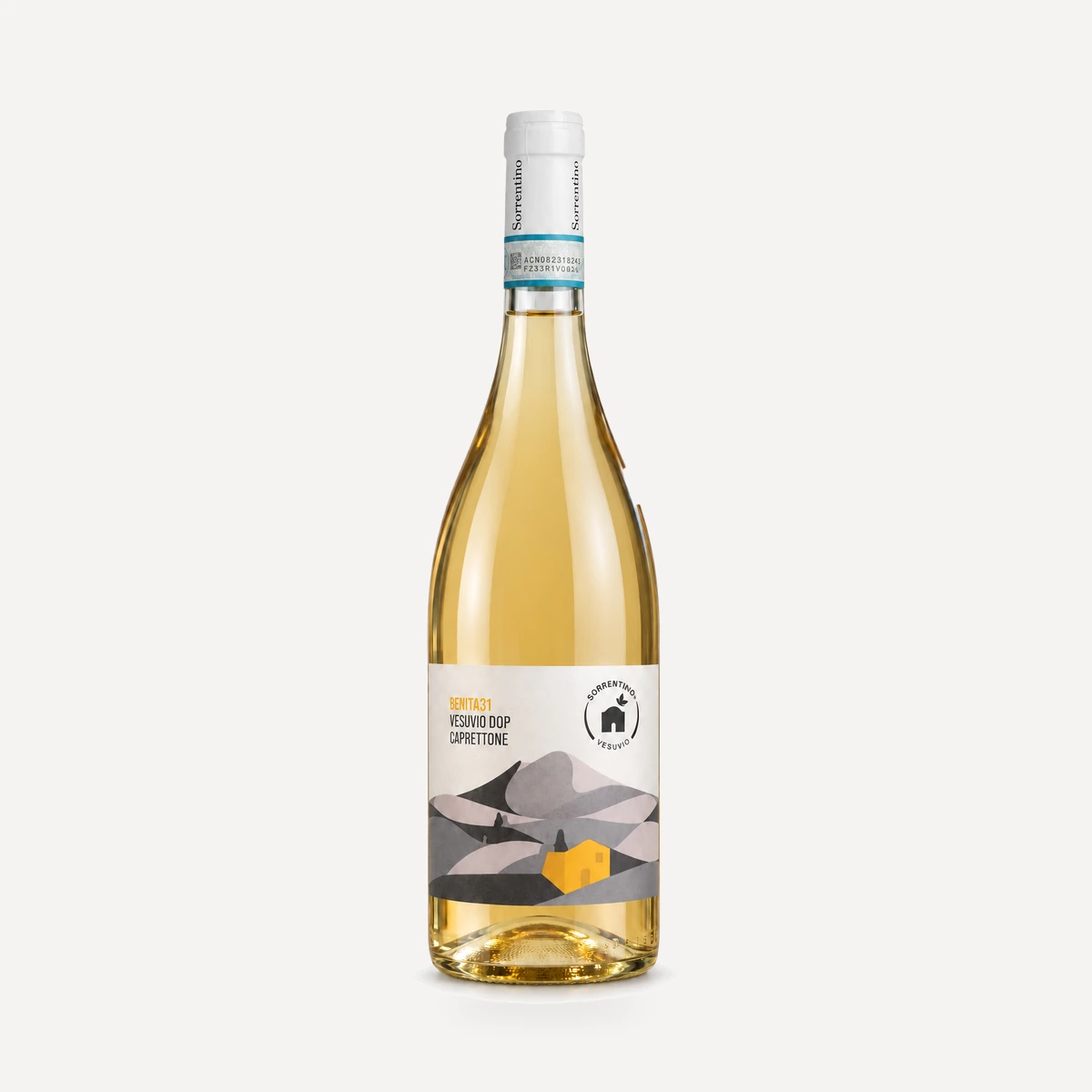
Benita '31 Caprettone Vesuvio DOC BIO
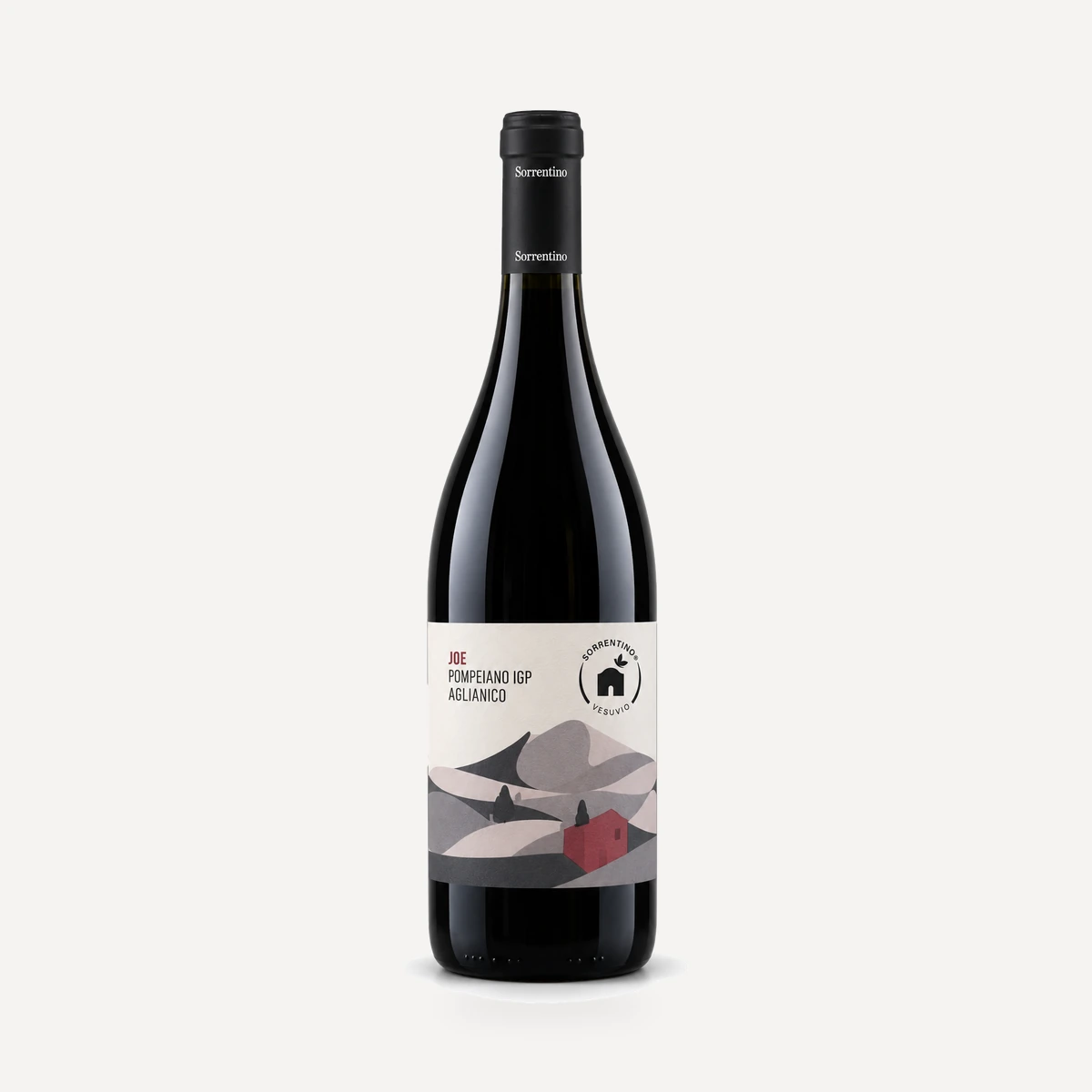
Joe Aglianico BIO IGT
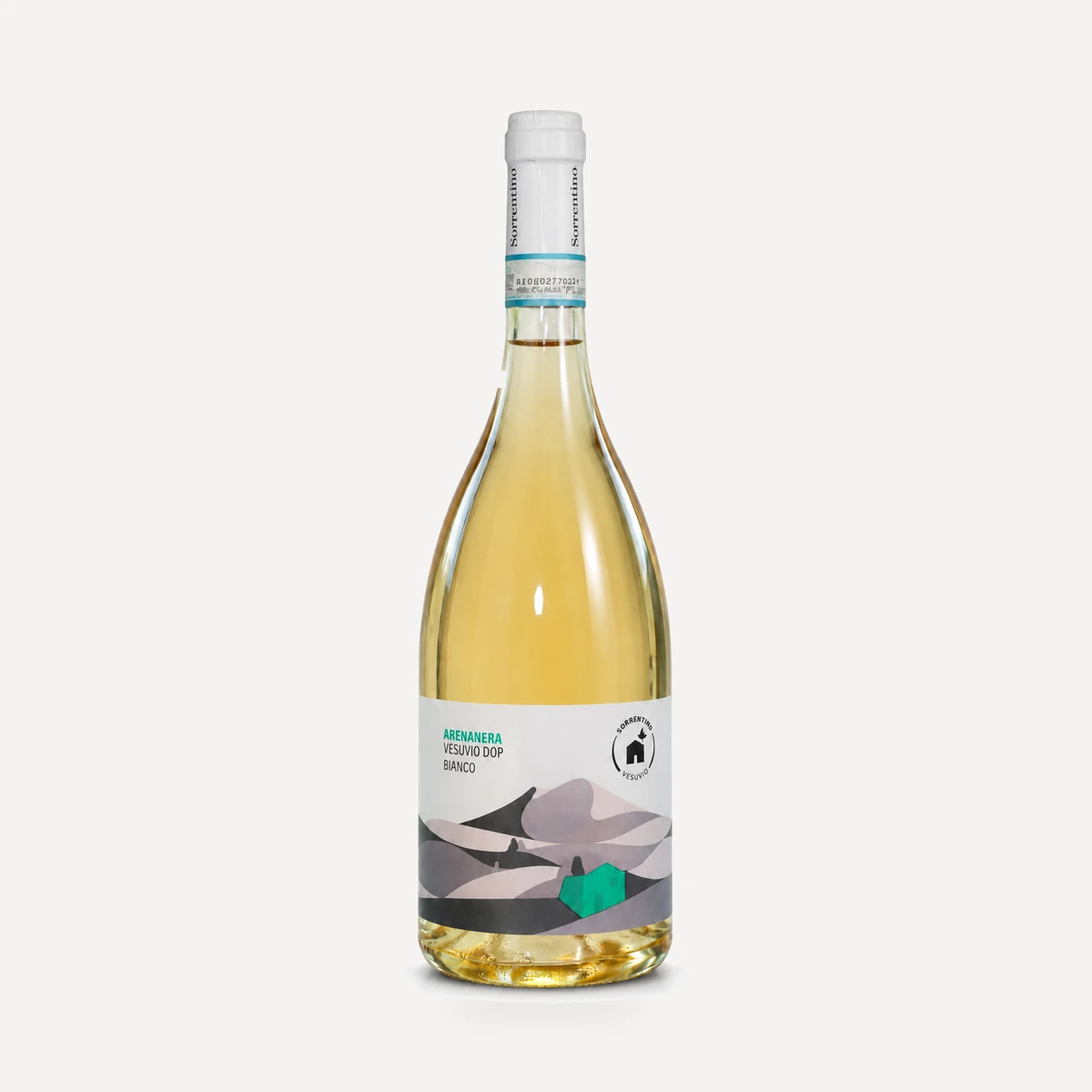
À rena Nera Vesuvio Bianco DOC