Storia
Foundation
Stefania Barbot and her husband, Erminio, created their agricultural company in Paternopoli after deciding to exchange metropolitan life for a closer relationship with nature. Their project grew from a shared attachment to the Irpinian landscape and an ambition to produce wine capable of expressing its place of origin.
Development of the vineyards
The estate was built around vineyards on the hills of Paternopoli, combining new plantings with old vines. Some plants are more than 70 years old. The project centers on quality rather than volume, environmental respect, careful seasonal vineyard work, selective hand harvesting and the production of wines from Aglianico and Fiano.
Terroir
The vineyards lie at Paternopoli, an Irpinian village of pre-Roman origin situated among the green, rolling hills of the southern Apennines. The village stands at 496 metres above sea level and falls within the Taurasi DOCG production area.
Estate vineyards are generally described at elevations of 450–530 metres, while the Fiano source documented for XORÓS lies at 400 metres. Strong day-to-night temperature variations characterize the setting. The surrounding hills combine old vines with newer plantings.
Clay-limestone is the principal soil type. The old Aglianico vineyard associated with the estate’s Taurasi also contains pyroclastic or volcanic-ash deposits. The interaction of climate, grape variety and soil forms the basis of the estate’s understanding of its terroir.
Vinificazione
The vineyard program prioritizes quality over quantity while emphasizing respect for the surrounding environment. Plant protection is based on integrated control.
Winter pruning is deliberately severe. During the growing season, the team carries out shoot trimming, leaf removal and crop thinning. These operations are intended to bring healthy, fully mature bunches to harvest.
Harvesting is manual and includes selection of the best bunches. Grapes are placed in small 15 kg boxes and are generally picked between late October and early November. Documented vineyard yields range from 40 to 70 q/ha, depending on the vineyard and grape variety.
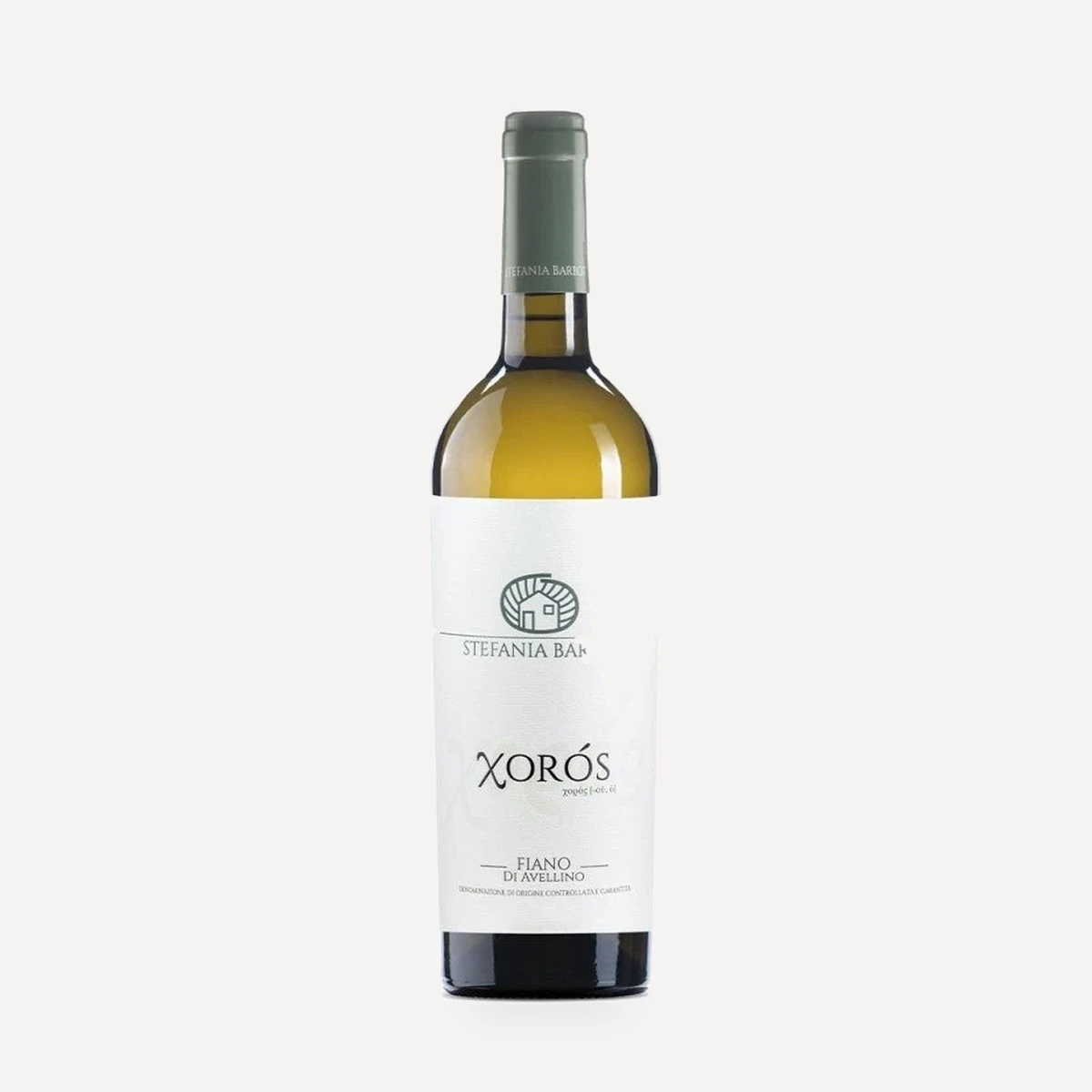
The disclosed production program is centered on stainless steel, with oak reserved for the estate’s Taurasi expression. Fermentation or vinification lasts 20 days in stainless-steel tanks across the documented wines.
White Fiano remains in stainless steel for 10 months. Aglianico for the Campi Taurasini expression is matured for 12 months in stainless steel. The Taurasi program uses 3,000-litre oak barrels for 24 months, followed by a further 12 months divided between stainless steel and bottle maturation.
Harvested fruit reaches the cellar after manual picking and bunch selection in the vineyard. No cellar techniques beyond the stated stainless-steel vinification and maturation regimes, large-oak ageing and bottle maturation are specified.
Filosofia
The project is rooted in a desire to live close to nature in an unspoiled place and in Stefania Barbot and Erminio’s attachment to the landscape of Irpinia. Their stated ambition is to make wine that expresses its territory of origin.
The estate presents vineyard, climate and soil as interdependent elements and places quality ahead of quantity. Its approach combines old vines and traditional local training methods with newer plantings, integrated vineyard protection and stainless-steel cellar equipment. Careful field management, environmental respect, manual harvesting and the selection of the best bunches form the practical expression of this philosophy.
Vini
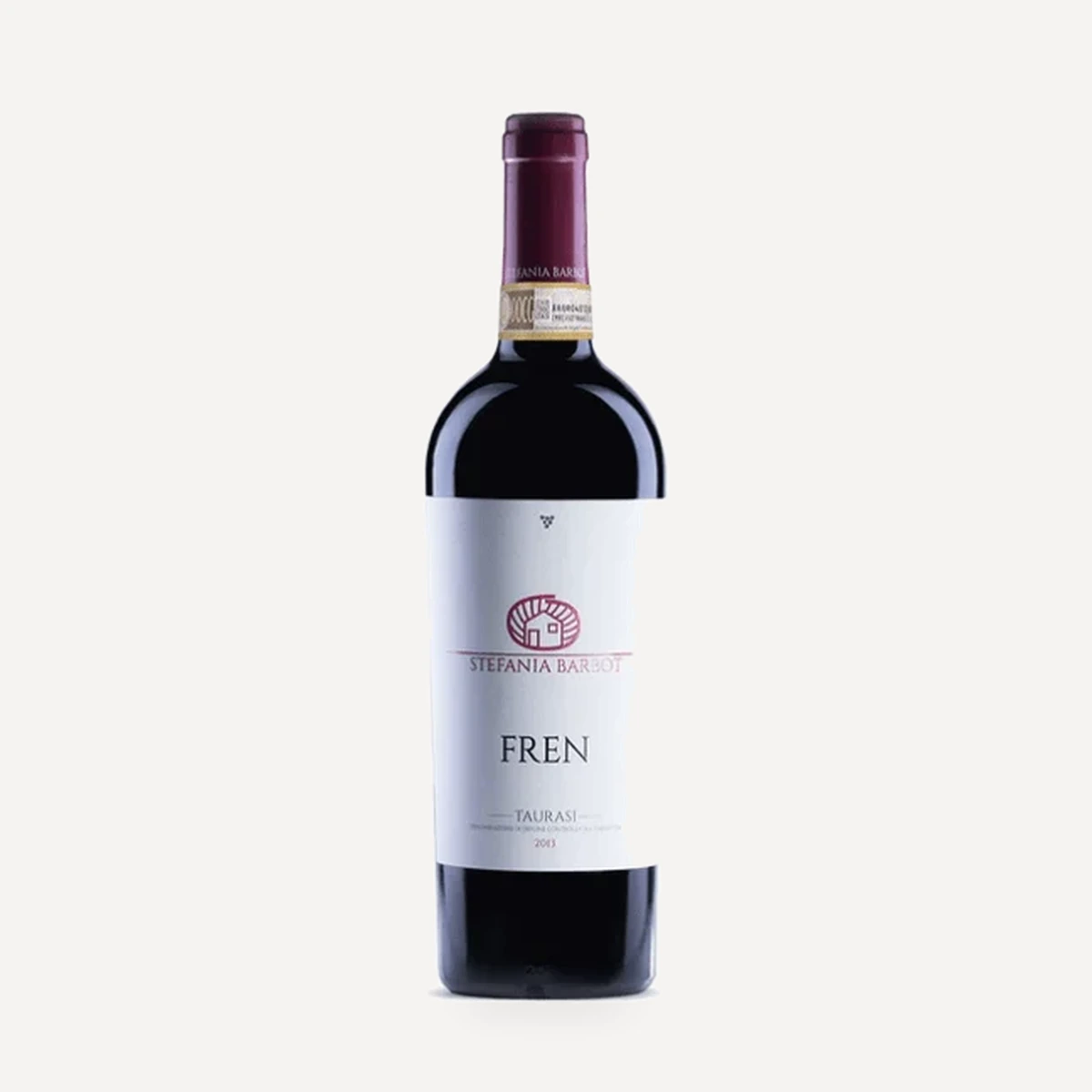
Fren
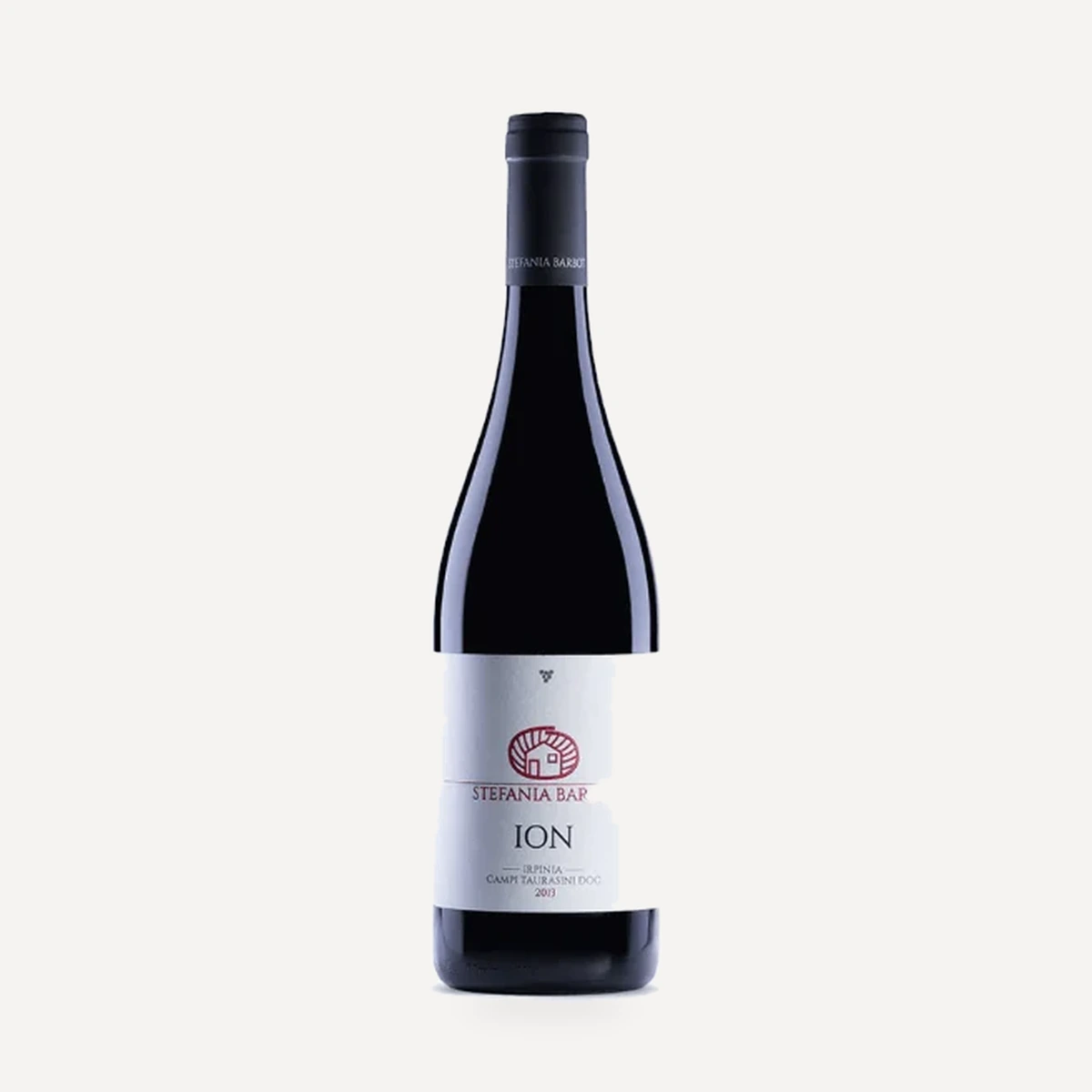
Ion