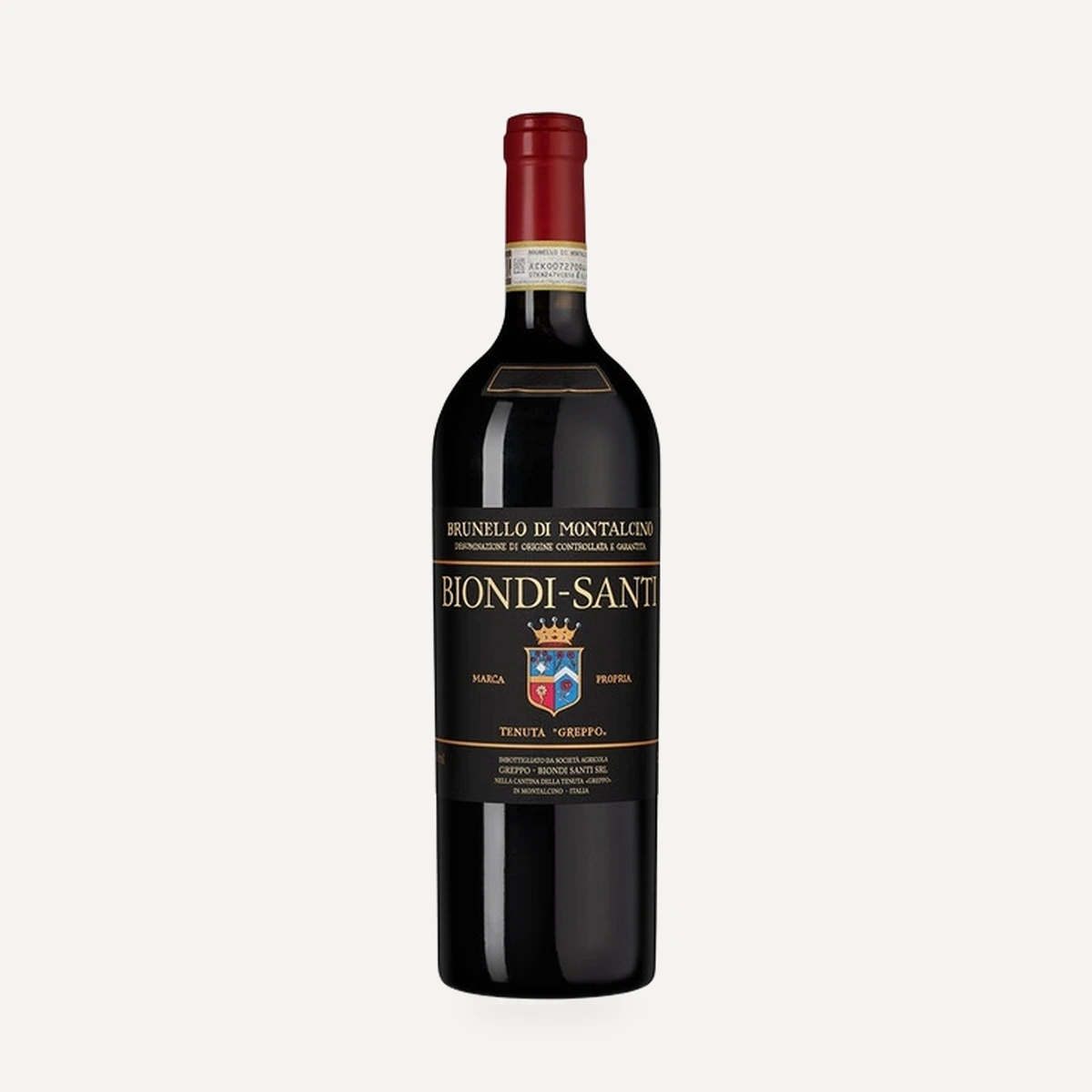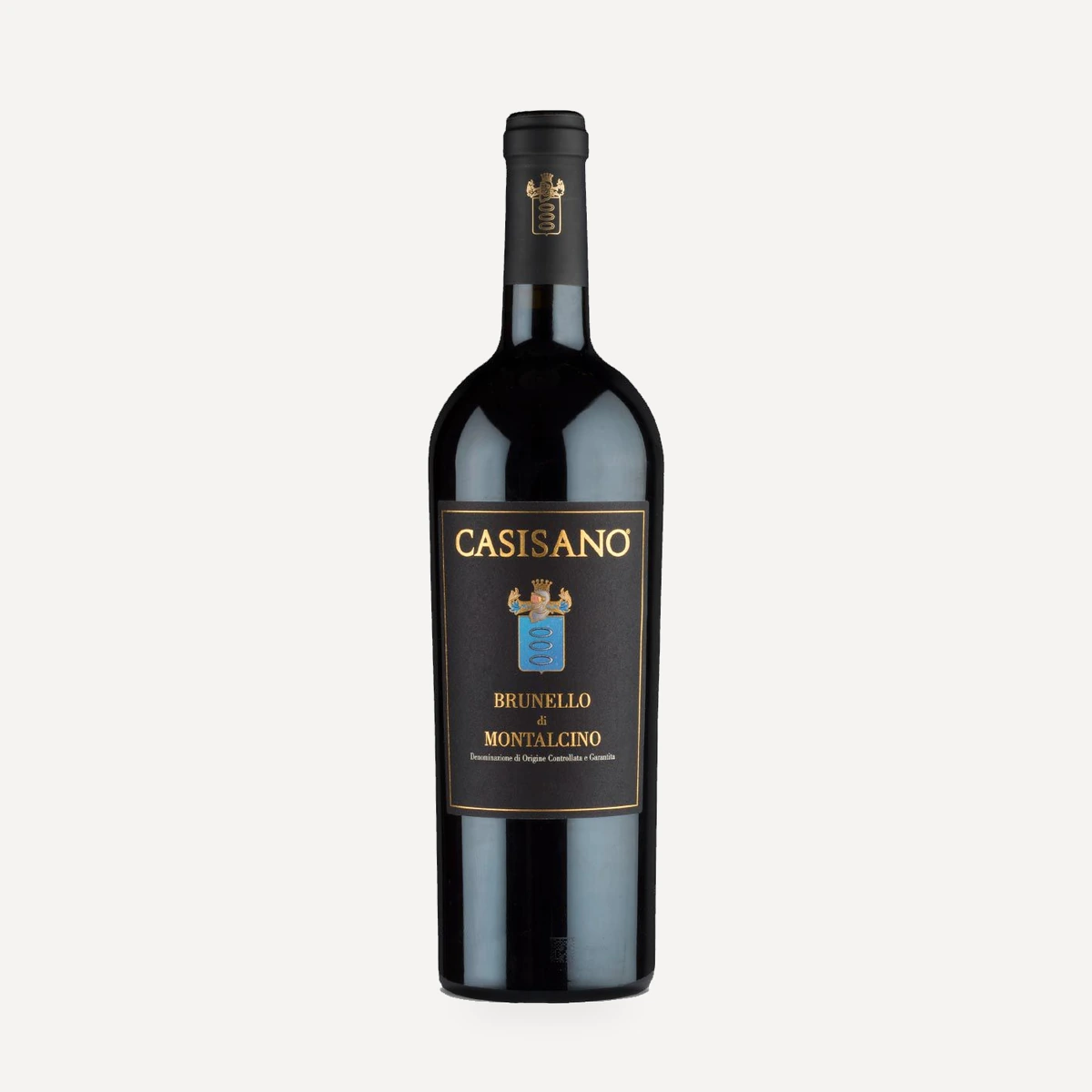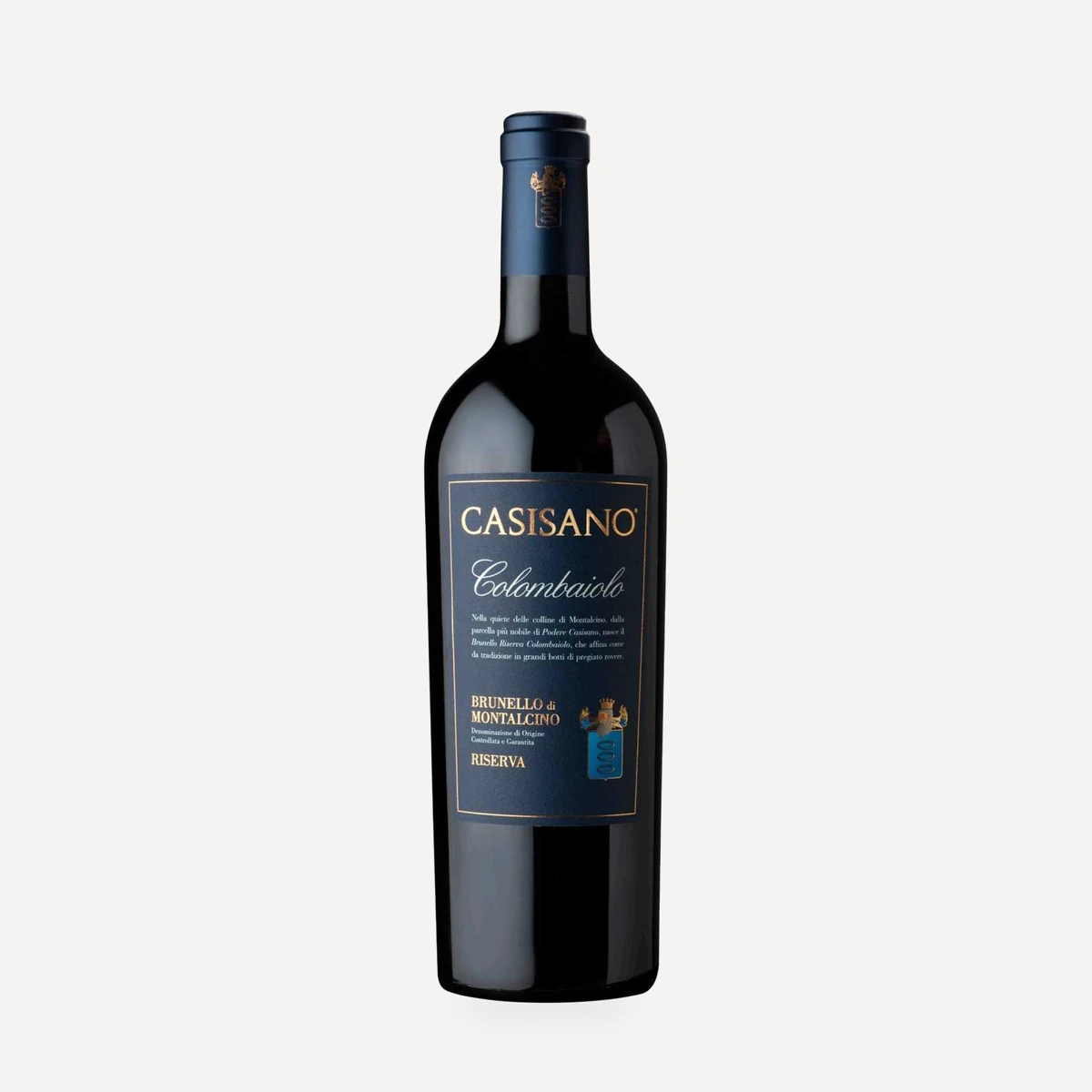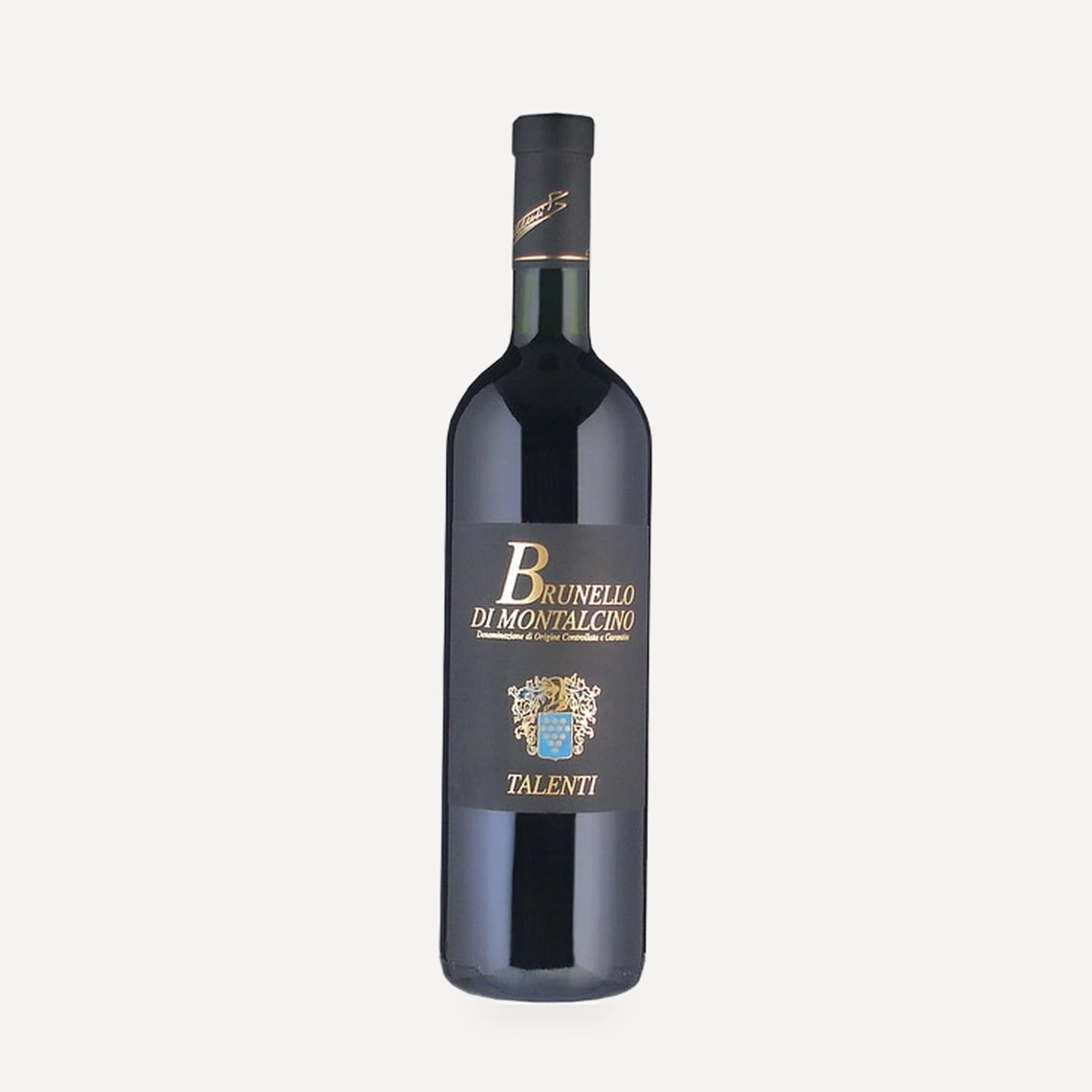
Questo vino
Vineyard and terroir
The fruit comes from estate-owned vineyards on the south-eastern and south-western slopes of Montalcino, at elevations of 250–400 m above sea level. The soils are sandy loam with clay and abundant friable Galestro stones. The vines are 20–30 years old, trained to spurred cordon and planted at a density of 5,400 vines per hectare.
Grapes
100% Sangiovese.
Vinification
Maceration and alcoholic fermentation take place in temperature-controlled stainless-steel tanks at 28–29°C.
Ageing
Approximately 60% of the wine matures in 500 L French oak tonneaux and the remaining 40% in 15–25 hL Slavonian oak barrels. Total wood ageing lasts at least 24 months. The wine then rests in bottle for several months before release.
Technical data
The latest published vintage is 2021. Brunello di Montalcino DOCG. Alcohol: 14.5%. Available formats: 0.375 L, 0.75 L, 1.5 L, 3 L and 5 L.
Tasting profile
Deep ruby red with garnet-to-orange highlights. The bouquet is broad and lightly spicy. The palate is full, intense, smooth and velvety, framed by elegant, sweet tannins.
Serving and pairing
Serve at 18°C. Pair with red meat, game, cold cuts or aged cheese.
Vintage notes
The vintages presented are 2021, 2020, 2019, 2018, 2017, 2016, 2015 and 2014. Wine Spectator described the 2016 as supple and rounded, with macerated cherry, plum and liquorice accompanied by iron, tea and wild-herb accents. Its dense tannic framework supports the finish, and the suggested drinking window is 2025–2045.