Storia
Ancient origins of the cellar
The underground complex beneath Montepulciano’s historic centre began as an Etruscan cave dating from the fifth century BCE. The brick galleries, vaults and large niches visible today belong to the sixteenth century. They extend beneath Palazzo Tarugi and Palazzo Sinatti, two of the town’s oldest buildings.
During the Second World War, a chamber later named Sala Pietrose served as a bunker and hiding place from German forces. Local resident Mr Mucciarelli remembered playing there as a child with other children: they could enter the chamber and return to the principal gallery without going outdoors, which had become dangerous.
1972: the Jacorossi family and the first Vino Nobile
Roman entrepreneur Angelo Jacorossi acquired Talosa in 1972. His attachment to the land had led him to look for an agricultural investment, and he chose Montepulciano after a long period of consideration. The family describes Talosa as one of the early Montepulciano estates to pursue a quality-focused path for Vino Nobile di Montepulciano.
Talosa produced its first Vino Nobile di Montepulciano in 1972. That year, 115-hectolitre Slavonian-oak casks were constructed inside the underground gallery because their size prevented them from being brought into the cellar fully assembled. They were the first casks acquired for the estate’s Vino Nobile production. The agricultural company was entered in Siena’s business register on 17 December 1973.
Development of the cellars
Additional casks installed in the central part of the historic gallery date from 1990. The historic cellar remained the site for large-cask maturation, while other production and logistical functions developed at Pietrose beside the vineyards.
Until 2004, the area now known as Sala Talosa contained the bottling facilities, wine storage and offices. In 2005 these activities moved to a new cellar at Via Pietrose 15/A, opposite the vineyards, to simplify logistics. The estate’s most recent casks in the historic gallery date from 2010.
Sala Talosa was renovated in 2015 as a tasting and private-event space accommodating approximately 60 people.
Recovery of Sala Pietrose
After years of research prompted by Mr Mucciarelli’s wartime recollection, Sala Pietrose was rediscovered in 2019. It was subsequently restored as both a working cellar room and a tasting space. It now contains a concrete vessel used to rest the estate’s varietal Merlot for at least one year, together with three barriques, and is used for tastings of older vintages.
Three generations
The Jacorossi family has remained directly involved in Talosa for three generations. Its present structure comprises three cellars with distinct roles: vinification and Vin Santo grape drying beside the Pietrose vineyards; small-oak maturation, bottle storage, bottling logistics and offices at Via Pietrose; and large-cask maturation in the underground historic cellar in central Montepulciano.
Terroir
Talosa’s 33 hectares of vineyards lie at Pietrose, within the Pieve Le Grazie cru of Montepulciano. The vineyards occupy south-west-facing ground at 350–400 metres above sea level.
The soils are medium-textured and Pliocene in origin, with a clay-and-sand composition. The named Vigna Chiusino site lies at 385 metres and shares the estate’s south-west exposure and clay-sandy, medium-textured Pliocene soil profile.
Vinificazione
The vineyards are managed parcel by parcel, with particular attention to cultivation and to the selection of grapes from each individual plot. Talosa uses both spurred-cordon and Guyot training systems. Harvesting is exclusively manual, and qualified vineyard workers select the fruit with the stated objective of preserving grape quality and the character of the territory.
Sangiovese occupies the central place in the vineyard programme, while Merlot and Canaiolo support other red-wine expressions. The estate also grows Trebbiano Toscano, Malvasia Bianca Lunga, Grechetto Bianco, Petit Manseng and Traminer Aromatico for its white and Vin Santo production.
Talosa operates three cellars, each assigned a distinct function. The cellar beside the Pietrose vineyards handles vinification and the drying of grapes destined for Vin Santo. A second Pietrose facility, positioned above and opposite the vineyards near useful transport links, is used for maturation in small oak, bottling and bottle storage and also contains the offices. The underground historic cellar in central Montepulciano is reserved for maturation in large oak casks.
The historic cellar lies beneath Palazzo Tarugi and Palazzo Sinatti. Its brick galleries, arches and niches provide naturally stable conditions of approximately 14 °C and 60–70% relative humidity throughout the year. Vino Nobile matures there in large casks: two years for the principal Vino Nobile and three years for Riserva. The oldest vessels are 115 hl Slavonian-oak casks built inside the gallery in 1972. Further casks date from 1990 and 2010. Slavonian oak used for these large vessels is identified as Quercus robur, with fine grain, moderate tannin content and a restrained aromatic contribution.
Restored Sala Pietrose contains a concrete vessel in which the varietal Merlot Pietrose rests for at least one year, as well as three barriques. Vin Santo production begins with grape drying in the dedicated Pietrose cellar; the estate preserves a fermentation mother handed down since the early twentieth century and uses small oak caratelli of similarly early date.
Filosofia
Talosa presents Sangiovese as both its principal variety and the core of its heritage. Its approach begins with the vine and the soil, combining respect for tradition with a continuing pursuit of quality.
The Jacorossi family describes direct family involvement, love of the land, dedication and continuity across three generations as the foundations of the estate. Vineyard work centres on careful cultivation and parcel-by-parcel selection, while production is entrusted to specialised collaborators so that each area is followed professionally.
Respect for the territory is a recurring principle: hand harvesting, individual parcel selection and the use of dedicated maturation spaces are intended to preserve the personality of the grapes and their place of origin. In the historic cellar, large casks and restrained Slavonian oak embody the estate’s preference for maturation that supports rather than dominates the wine.
Vini
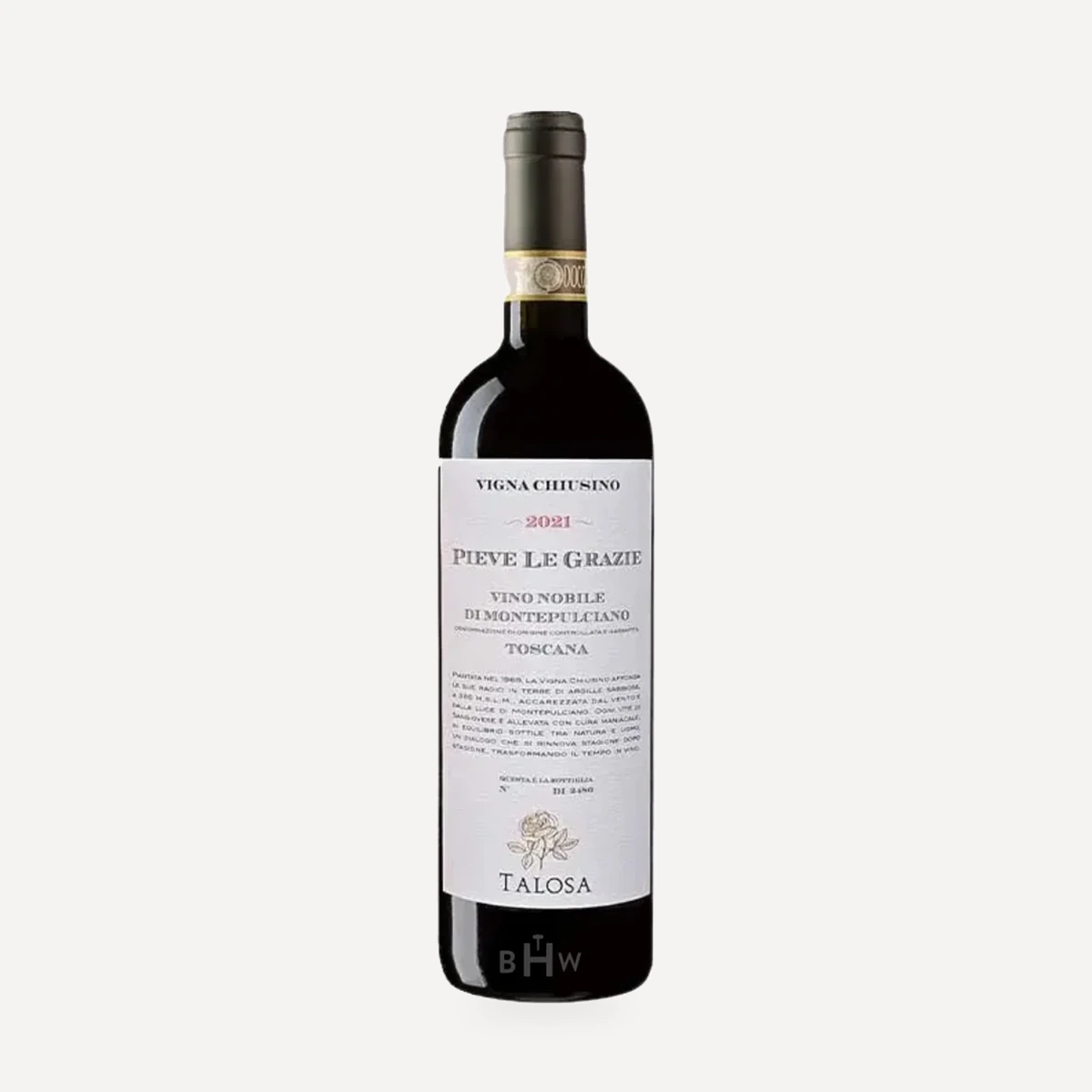
Nobile Pieve le Grazie – Vigna Chiusino
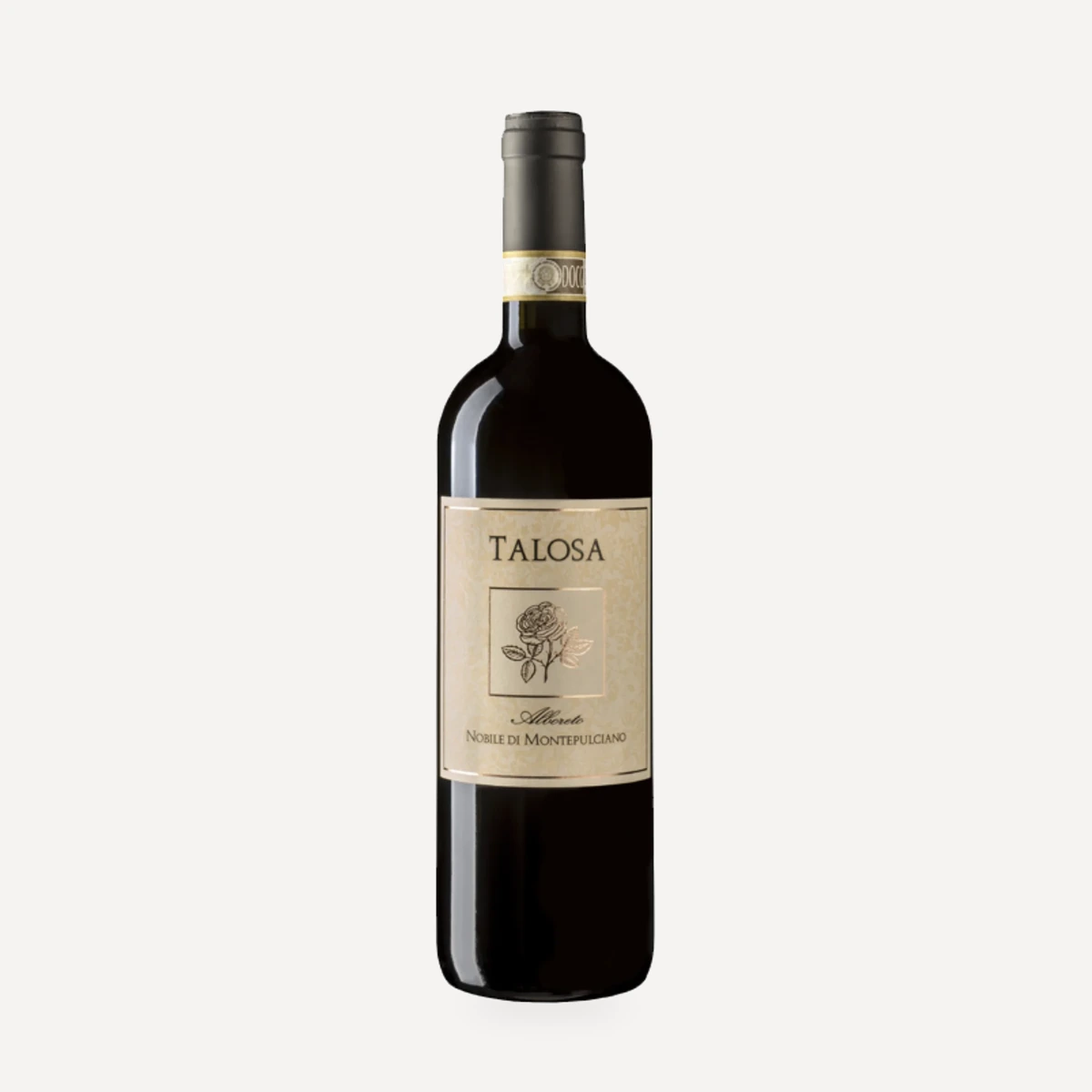
Nobile di Montepulciano Alboreto
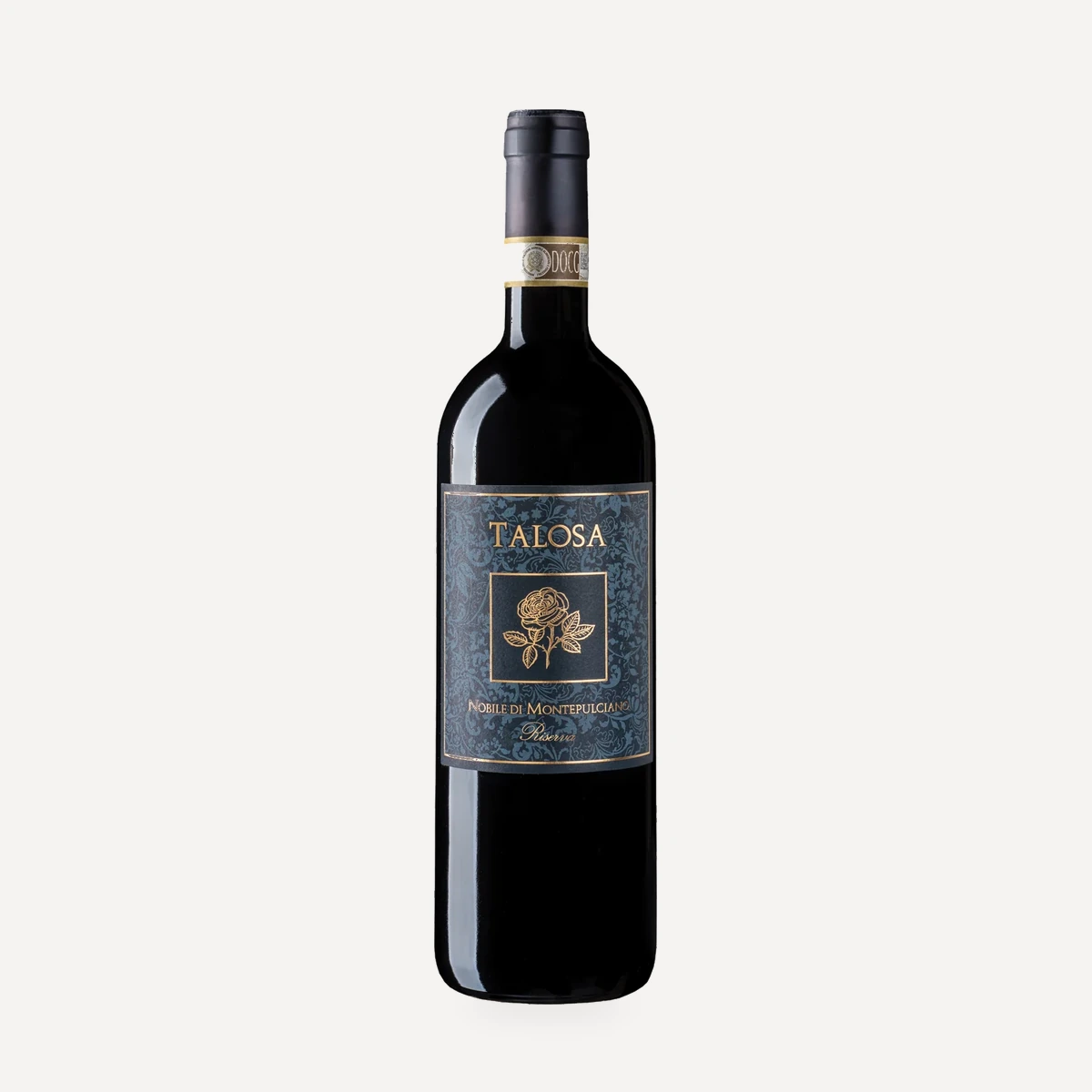
Nobile di Montepulciano Riserva
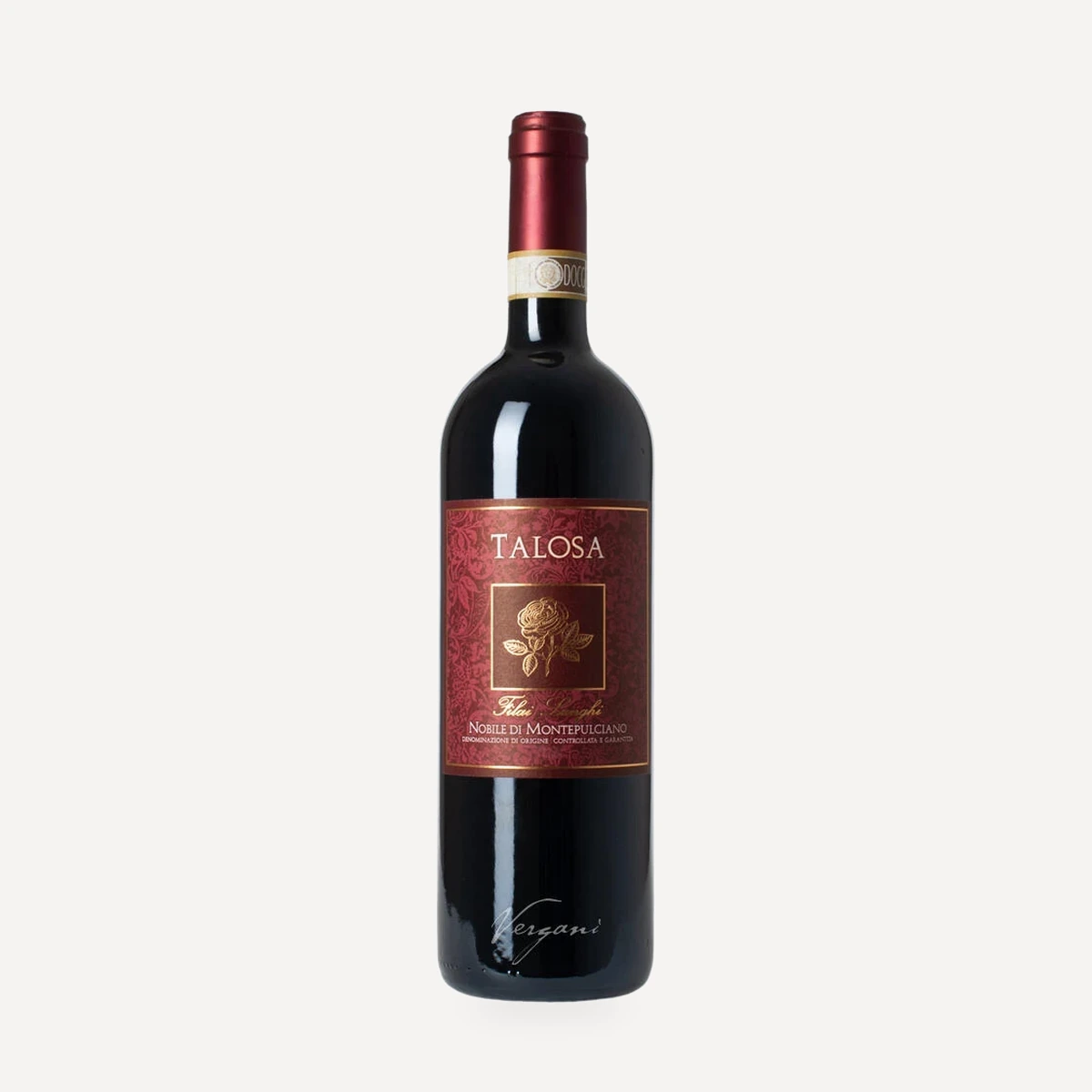
Nobile di Montepulciano ”Filai Lunghi”
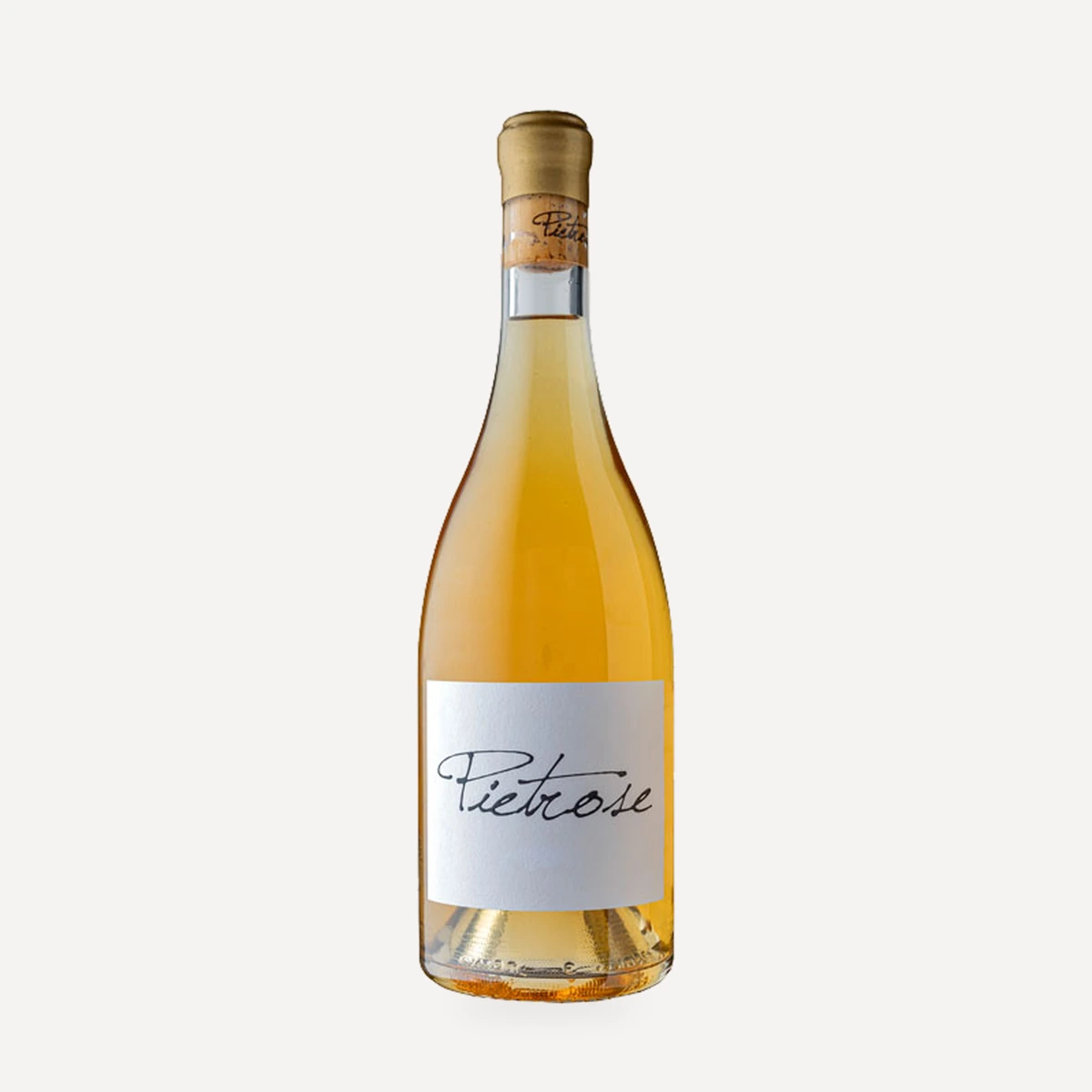
Pietrose Bianco – Toscana Bianco IGT
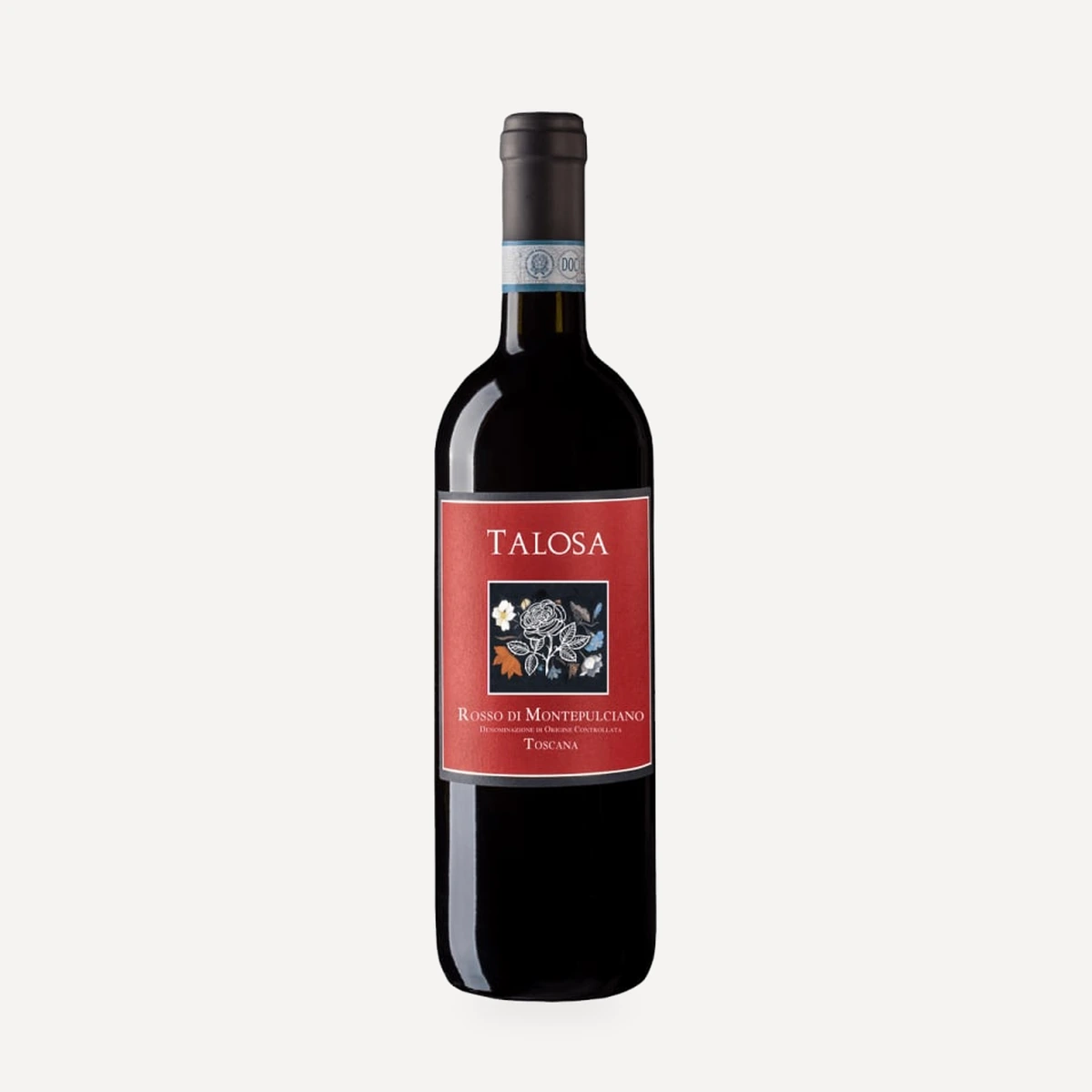
Rosso di Montepulciano
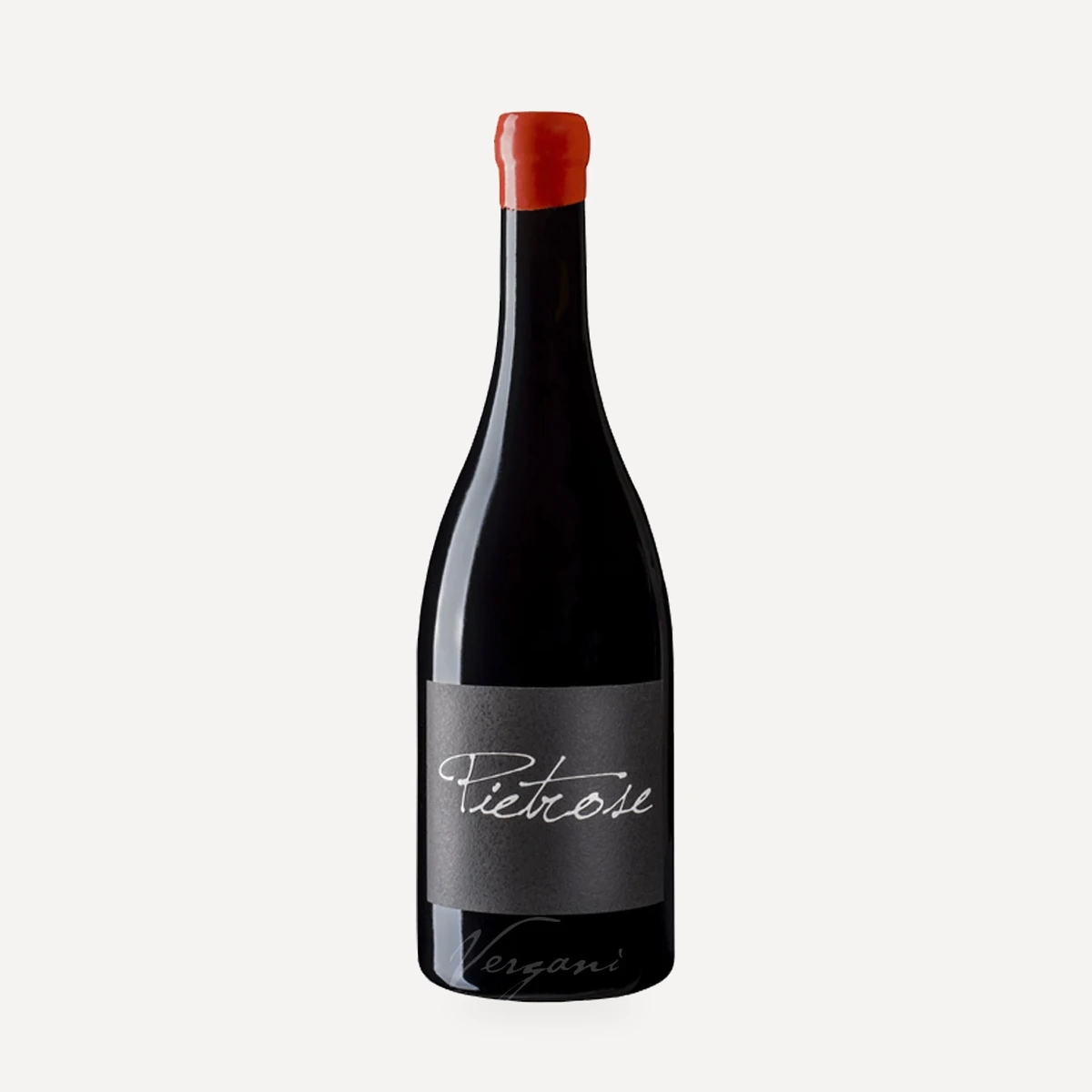
Toscana Rosso IGT “Pietrose”
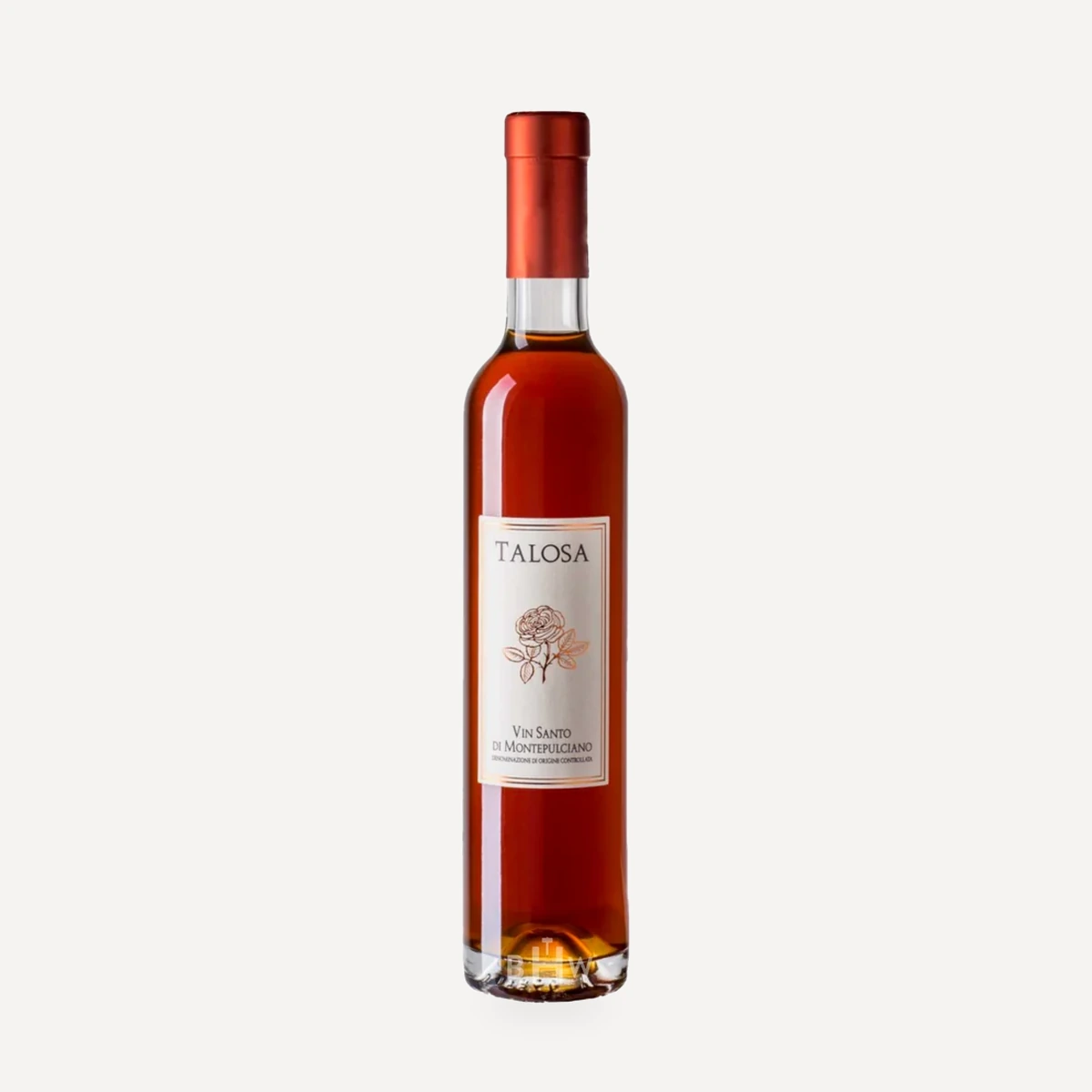
Vin Santo di Montepulciano Occhio di Pernice