Storia
Family vines
The estate stands at Antria, near Arezzo, in the Tuscan foothills of the Foreste Casentinesi. Its established vineyards originated with plantings made by the family grandfather approximately 70 years ago. The vines include Sangiovese, Canaiolo, Ciliegiolo, Albana, Trebbiano and Malvasia, with old rootstocks described as types no longer available today.
2000: reconstructing Etruscan winemaking
In 2000, the project began with the idea of reproducing as faithfully as possible the winemaking method attributed to the ancient Etruscans. Its development brought together specialists from several disciplines. Archaeologists helped investigate the historical method; among them was Professor Maurizio Pellegrini, then educational director of the Museo Nazionale Etrusco di Villa Giulia in Rome. Geologists examined the estate's soil, while agronomists contributed to the transition toward organic and natural agriculture and the development of its permaculture practices.
Substantial work went into designing the terracotta jars in which the wine would rest and mature. Experiments also addressed their internal insulation, using wax, resins and other natural materials. Beeswax produced on the farm completed the set of raw materials selected for the process.
2003: the first successful experimental wine
In 2003, Francesco Mondini produced the first experimental wine he considered suited to a modern palate. Compared with earlier trials, it had markedly lower acidity, a brighter ruby-red colour and more intense aromas. Its flavour was altered by the release of minerals, while its alcoholic strength was half a degree higher than that of the corresponding cellar-vinified wine.
2009: mastery of the process
By 2009, Mondini considered the reconstructed winemaking process mastered after nine years of research and experimentation.
2013–2014: authorization and the first official buried jars
On 4 December 2013, UNESCO inscribed the ancient Georgian qvevri winemaking method on the Representative List of the Intangible Cultural Heritage of Humanity. This recognition was followed by the consents and authorizations required by the farm to produce its wine using its reconstructed Etruscan approach.
In 2014, the first official sequence of jars was buried in the estate's dedicated “hill of jars.” The installation marked the practical realization of a project pursued through years of study, experimentation and work with the land.
2015: the Metodo Mondini
In 2015, the system of lining the jars with predominantly wax, resins and other natural components became a defined part of the winemaking process known as the Metodo Mondini. The broader Etruscan-wine project is presented as the culmination of 24 years of study.
Terroir
The farm is located at Antria, near Arezzo in Tuscany, at the foot of the Foreste Casentinesi. Its local microclimate and established vines are presented as important foundations of the Etruscan-wine project.
The soil consists predominantly of a calcareous material locally called bisciaio, covered by only 30–80 cm of earth. This shallow limestone-derived profile supports both vines and olive trees. The land underwent a strengthening process intended to restore its natural balance and create an environment that is sustainable, balanced and aesthetically coherent within the estate's permaculture design.
Vinificazione
Viticulture follows an organic, natural and permaculture-oriented approach. The farm describes its agriculture as entirely natural, without GMOs or chemical inputs. Agronomists participated in the effort to make the operation organic and natural, while particular attention was given to permaculture.
The soil underwent a strengthening process designed to restore natural equilibrium and produce a sustainable, balanced and visually coherent agricultural environment. The old vines and earlier care of the soil were considered important advantages when the Etruscan-wine experiments began.
Grapes used in the buried-jar process are harvested by hand. Bees are also part of the agricultural system: beeswax produced on the farm supplies one of the raw materials used to line the terracotta vessels.
The estate's defining production system is a reconstruction of winemaking attributed to the ancient Etruscans. Hand-harvested bunches are pressed, and the resulting grape juice is placed in terracotta jars buried approximately 3 m below ground. The vessels are used for the wine's rest, vinification and maturation.
Considerable research went into the jars' design and into an internal insulating layer made predominantly from wax, natural resins and other natural components. Beeswax is produced on the farm itself. In 2015, this vessel-lining system became an established component of the process known as the Metodo Mondini.
The production philosophy excludes additions or removals in the cellar and rejects chemical additives. During development, comparative trials found that the buried-vessel wine had lower acidity, brighter ruby colour and more intense aromas than earlier experiments. Mineral exchange altered the flavour, while alcoholic strength was 0.5% higher than in the cellar-vinified comparison.
The estate also works with an ancestral sparkling wine and natural wine matured in a concrete vat, both of which form part of its tasting program.
Filosofia
Tarazona Miriam's stated aim is to recover genuine products that have disappeared from commerce or fallen out of use, recreating them according to principles associated with their historical period while keeping production entirely natural.
Its wine project treats wine as a bearer of culture and collective identity, connecting cultivation, knowledge, flavour and human history. The estate's reconstructed Etruscan method combines archaeological inquiry with geology, agronomy, organic agriculture, permaculture and repeated practical experimentation.
Care for the land centres on restoring natural balance and building a sustainable, balanced and aesthetically coherent environment. In the cellar, the same outlook is expressed through hand harvesting, earthenware vessels, farm-produced beeswax, natural resins and the avoidance of chemical additives.
The Rasenna in Tuscany identity refers to the names Rasenna, Rasena and Rasna, by which the Etruscans identified themselves. The name links the farm's products and reconstructed production method to an Etruscan cultural frame rather than simply to a modern stylistic category.
Vini
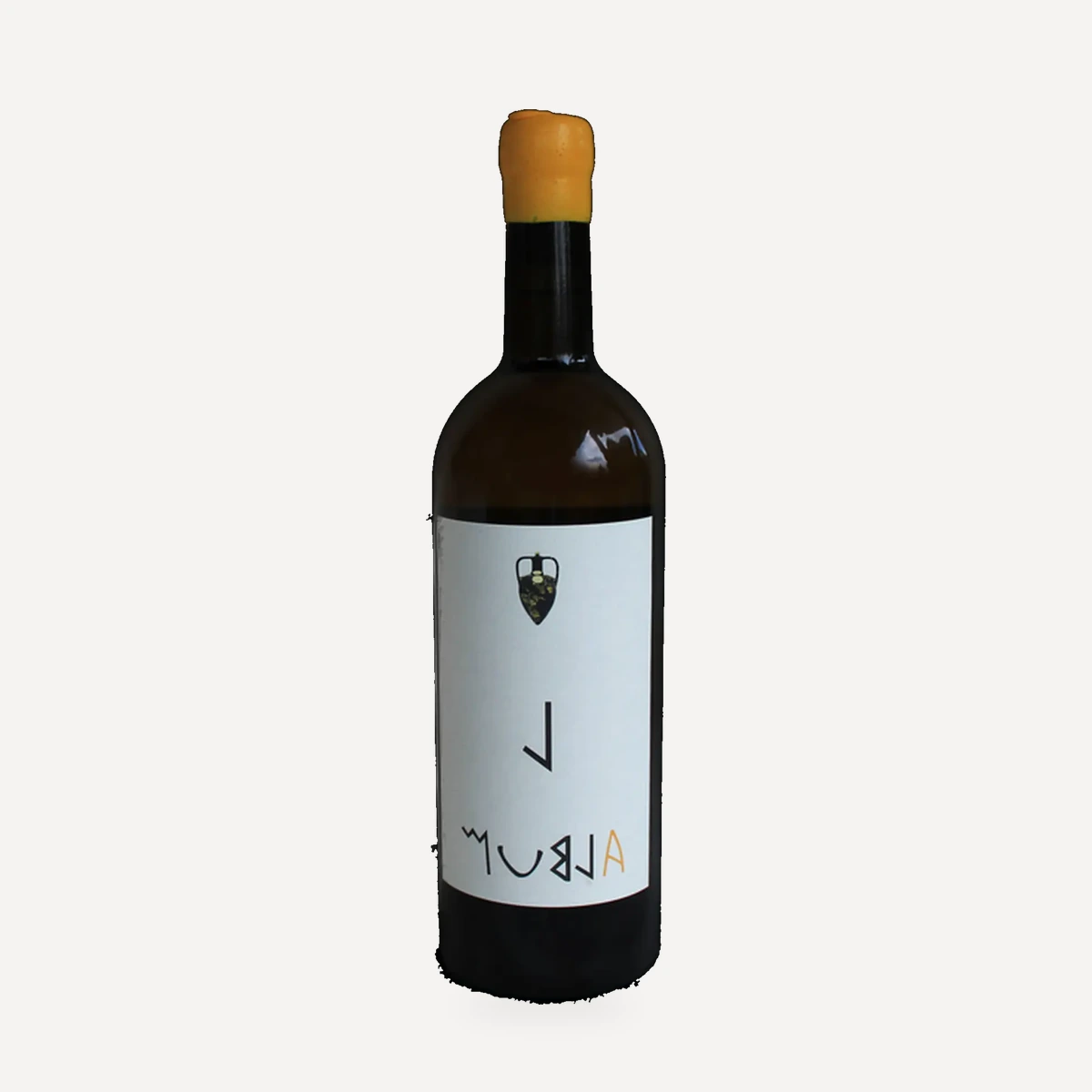
Album White IGP
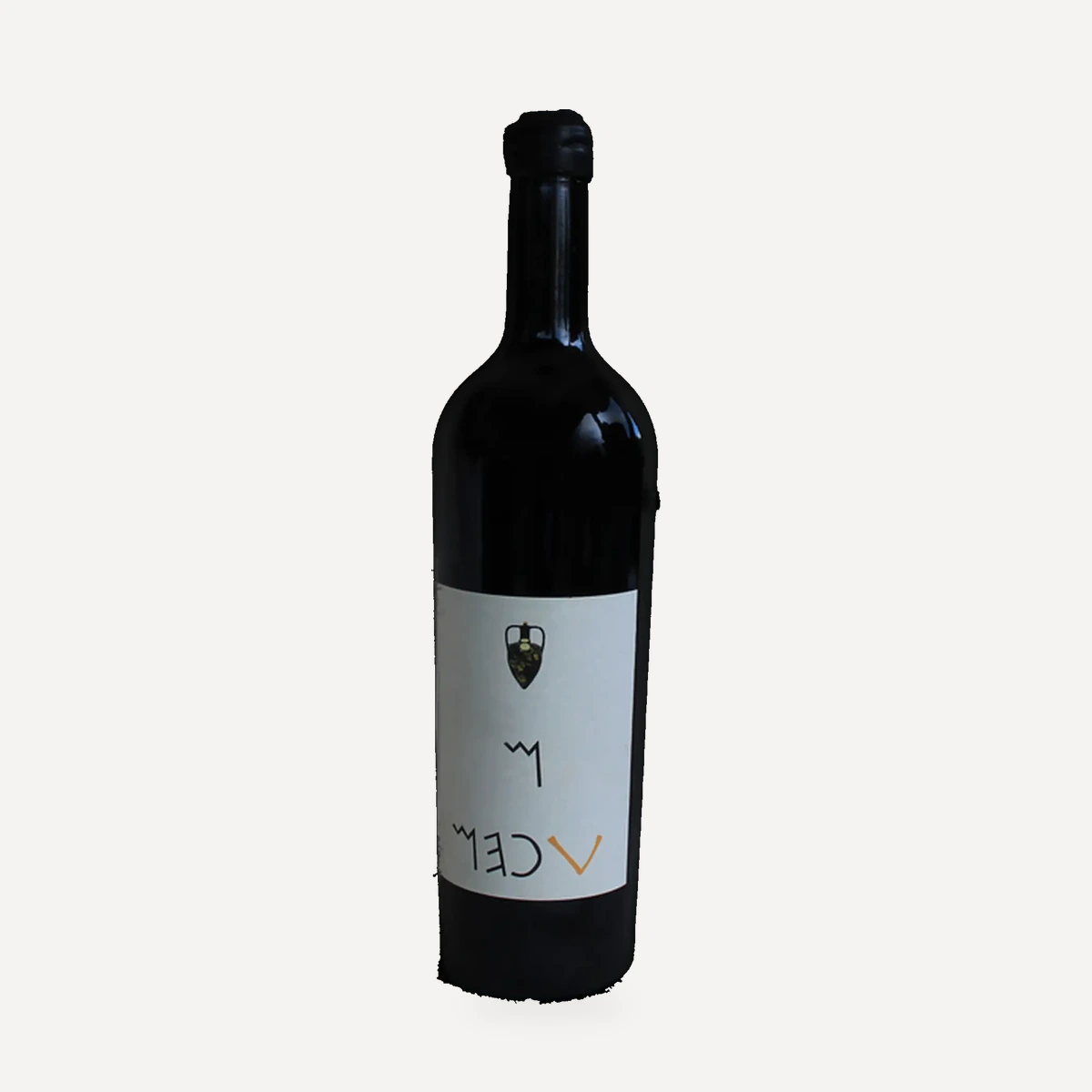
Uvem Red IGP
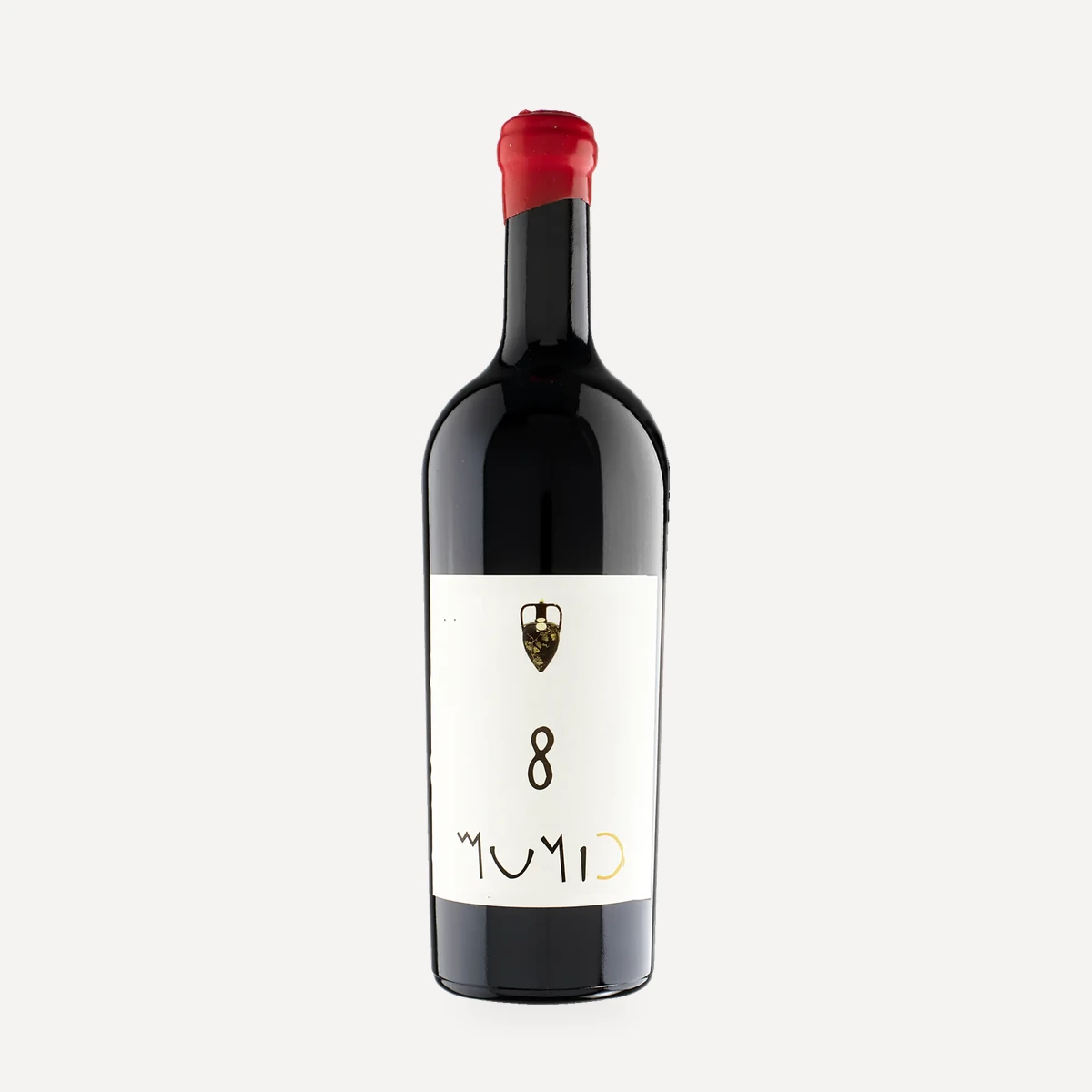
Vinum Red IGP
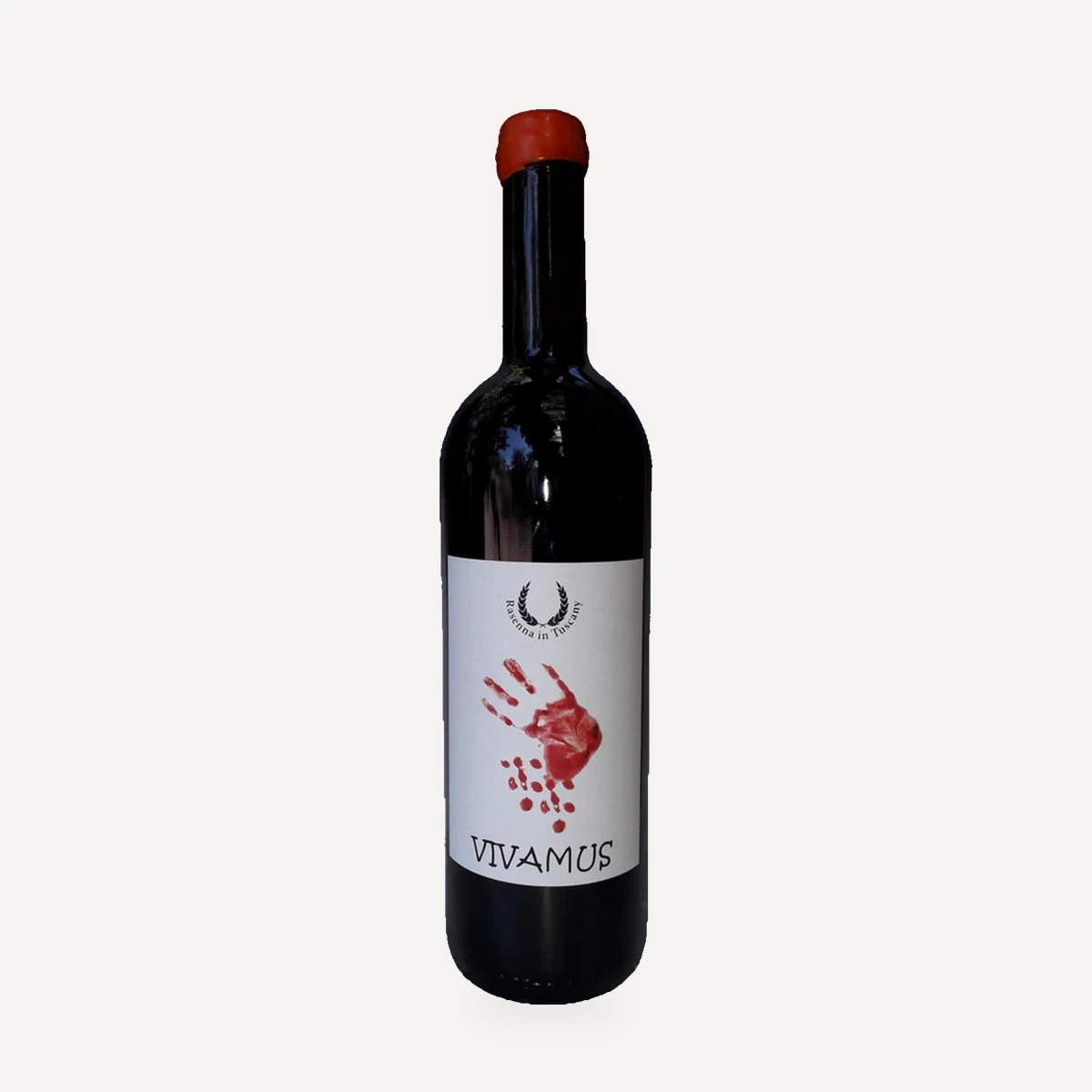
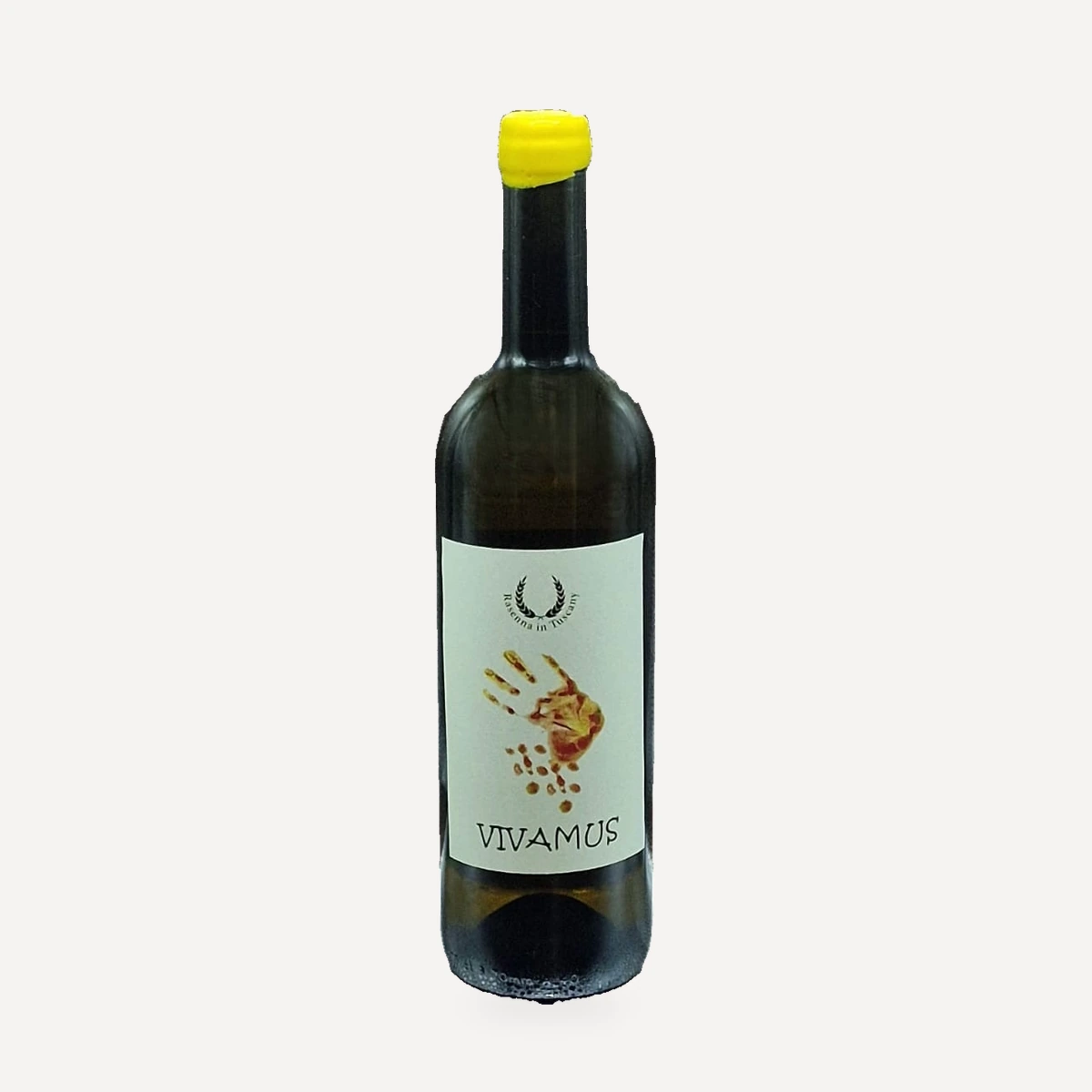
Vivamus Red IGP