Storia
The Campanino name
The estate takes its name from the Baroni Campanino, an old noble family of the Kingdom of Naples whose history is presented as the cultural inspiration for the project. The family flourished in Atrani, in the Duchy of Amalfi, during the 9th and 10th centuries. Historian Matteo Camera recorded that prosperity generated through trade enabled wealthy Atrani families, including the Campanino, to acquire extensive holdings in the Valle del Sole.
In 1228, Roberto Campanino possessed the large Truncuti estate in the countryside of Eboli. In 1230, Angelo Campanino was abbot of the monastery of San Cataldo dei Cavalieri, associated with the Teutonic Order.
Historical places connected with the estate
The Monastero di San Biagio, now one of the estate’s three principal places, was founded by Benedictine monks in 1333. It stands approximately 10 km from the winery. Its monastic legacy continues through a small brewery producing monastic-inspired craft beer from old Benedictine recipes, while the surrounding vines retain the alberello training method.
A separate strand of local history is preserved at the Cappella di Satriano. Arnaldo Fortini founded the Compagnia dei Cavalieri di Satriano in 1923 to commemorate the final journey of Saint Francis toward Assisi; Gabriele D’Annunzio and Guglielmo Marconi were among the prominent figures associated with the company. In 1926, Fortini arranged for the chapel to be rebuilt near the reputed site of the former Castello di Satriano, where the dying saint is believed to have been received. The nearby Tavola dei Cavalieri takes its name from the knights who accompanied Saint Francis home.
Establishment of Tenuta Baroni Campanino
Tenuta Baroni Campanino was established in 2006 in the Umbrian Apennine hills behind Assisi. The project brought together three places within the Mount Subasio landscape: Tavola dei Cavalieri, the Le Case agriturismo and the former Monastero di San Biagio.
The project was conceived as the fulfilment of a long-held ambition attributed to the last head of the Campanino family, of Neapolitan origin. Its stated purpose was to unite southern Italian tradition and hospitality with northern Italian entrepreneurship in Umbria, chosen for the pursuit of authenticity, quality and environmental sustainability.
The original buildings were renovated while preserving local architectural forms and traditions. The estate subsequently developed a mixed rural activity encompassing vineyards and wine, olive oil, legumes and cereals, monastic-inspired beer, livestock, meat and cured meats, hospitality and events.
Ten hectares were dedicated to vineyards distributed among several high-altitude sites. Organic certification and biodynamic principles became the basis of cultivation, while steep slopes, manual work and the altitude of the parcels shaped the estate’s identity as a practitioner of heroic viticulture.
Terroir
Setting and altitude
The vineyards lie above Assisi inside the protected Parco del Monte Subasio in the Umbrian Apennines. They occupy a landscape of woodland and pasture without industry or intensive agriculture. The current vineyard range extends from approximately 600 to 900 metres above sea level, with Tavola dei Cavalieri at the upper limit. These are among the highest vineyards in Umbria.
The combination of altitude, light, soil and natural biodiversity defines the individual sites. Strong day–night temperature changes continue through the summer in the higher parcels. Wind, intense solar exposure and an absence of persistent fog or humid pockets help keep the fruit dry and limit conditions favourable to fungi and parasites.
Slopes and exposures
Several vineyards occupy very steep mountain slopes. Gradients in the Bianco vineyard exceed 45% in places, and its central rows extend for more than 200 metres with substantial differences in elevation between their ends. The Grechetto rows traverse this vineyard through its steepest sector; their pronounced inclination maximizes interception of sunlight. These rows have a stated elevation difference of approximately 250 metres from beginning to end and are exposed to strong winds.
The Sangiovese sites used across the estate occupy medium-to-high elevations. Some face south-east and combine clay-limestone soils with abundant mountain rock, encouraging drainage during ripening. The finest Sangiovese parcels are small woodland-enclosed plots of no more than about 1 ha each, with soils balancing organic matter and rocky material while avoiding water stagnation.
Soils and water
The approximately 3 ha Bianco vineyard has predominantly limestone and rocky soils. Natural spring-water veins emerge at several points. An old spring also passes through the Le Case property and supplies drinking water to the winery.
The Riesling rows occupy strongly mineral soil. Their altitude brings pronounced temperature variation, including in summer, while the absence of fog and humid areas contributes to a dry growing environment.
Vigna del Salice is enclosed by woodland, which shelters its early-budding Gamay vines from spring frost. Its solar exposure provides light through every phase of ripening.
Vinificazione
The estate identifies its mountain cultivation as heroic viticulture: the combination of altitude and severe slopes prevents conventional mechanization and requires manual work. On the most difficult terrain, workers use constructed steps, anchor points, ropes and poles to move through and tend the vines.
Vineyard management follows organic and biodynamic principles. The vineyards are organically certified, and work in both vineyard and cellar is coordinated with lunar phases. Pesticides and herbicides are excluded; sulphur and copper are used only when necessary. Spontaneous grasses are retained between the rows as a resource for the soil rather than treated as weeds.
Most vines are trained to counter-espalier and pruned to an inverted Guyot system. Alberello training is preserved in the vineyards around Monastero di San Biagio. The estate seeks a minimally altered agricultural environment in which vines grow alongside the surrounding flora and fauna, with intervention limited to necessity.
Yields are deliberately low so that each vine concentrates its resources into fewer bunches. In the Riesling rows, cluster selection starts during flowering and leaves only a few bunches per plant. Harvesting is manual and completed in several passes. Selection is also performed in the vineyard, with naturally defective bunches discarded. Certain wines are omitted entirely when a vintage does not meet the estate’s quality criteria.
Each vineyard is equipped with a meteorological station measuring rainfall, wind, humidity and the quality of solar radiation. Cameras capture vineyard images hourly, and the images are archived daily to maintain a continuous monitoring record.
Cellar work follows a low-intervention, artisanal approach. Fermentations rely on indigenous yeasts originating in the vineyards and proceed spontaneously. Neither fermentation nor maturation temperatures are controlled, and cellar operations are coordinated with lunar phases.
Steel and concrete vats are the principal vessels. The broader cellar repertoire also includes wood, glass-lined concrete and handmade demijohns. Barriques and tonneaux are used for selected lots, while other wines remain entirely in steel or mature in concrete. The estate also employs skin maceration for some white grapes and natural bottle refermentation with retained must for its sparkling rosé.
The wines are not filtered, and no sulphur dioxide is added. Maturation is intentionally unhurried: release is determined by the wine’s development rather than a fixed commercial schedule. Individual vintages are treated as distinct expressions of their growing conditions, and some labels are not produced when the fruit fails to meet the required standard.
Filosofia
Tenuta Baroni Campanino presents time as its most valuable ingredient. The guiding principle is patience in both farming and maturation: vines are allowed to respond to the season, and wines are released only when their development is considered complete.
The estate’s self-described aim is to preserve an unmodified relationship among altitude, light, soil and biodiversity. Organic and biodynamic farming, manual work and restrained cellar intervention are intended to allow each vintage to retain its own identity. Every harvest is regarded as unrepeatable rather than something to be standardized through corrective winemaking.
Its broader mission combines nature, history, science and agricultural quality. The renovation of historic structures was designed to respect local architectural traditions, while vineyard monitoring brings meteorological instrumentation and image recording into an otherwise low-intervention system.
The Campanino family heritage provides the project’s cultural framework. Its values are expressed through careful stewardship of the land and through an ambition to combine southern Italian warmth and tradition with northern entrepreneurial practice in the Umbrian landscape.
Vini
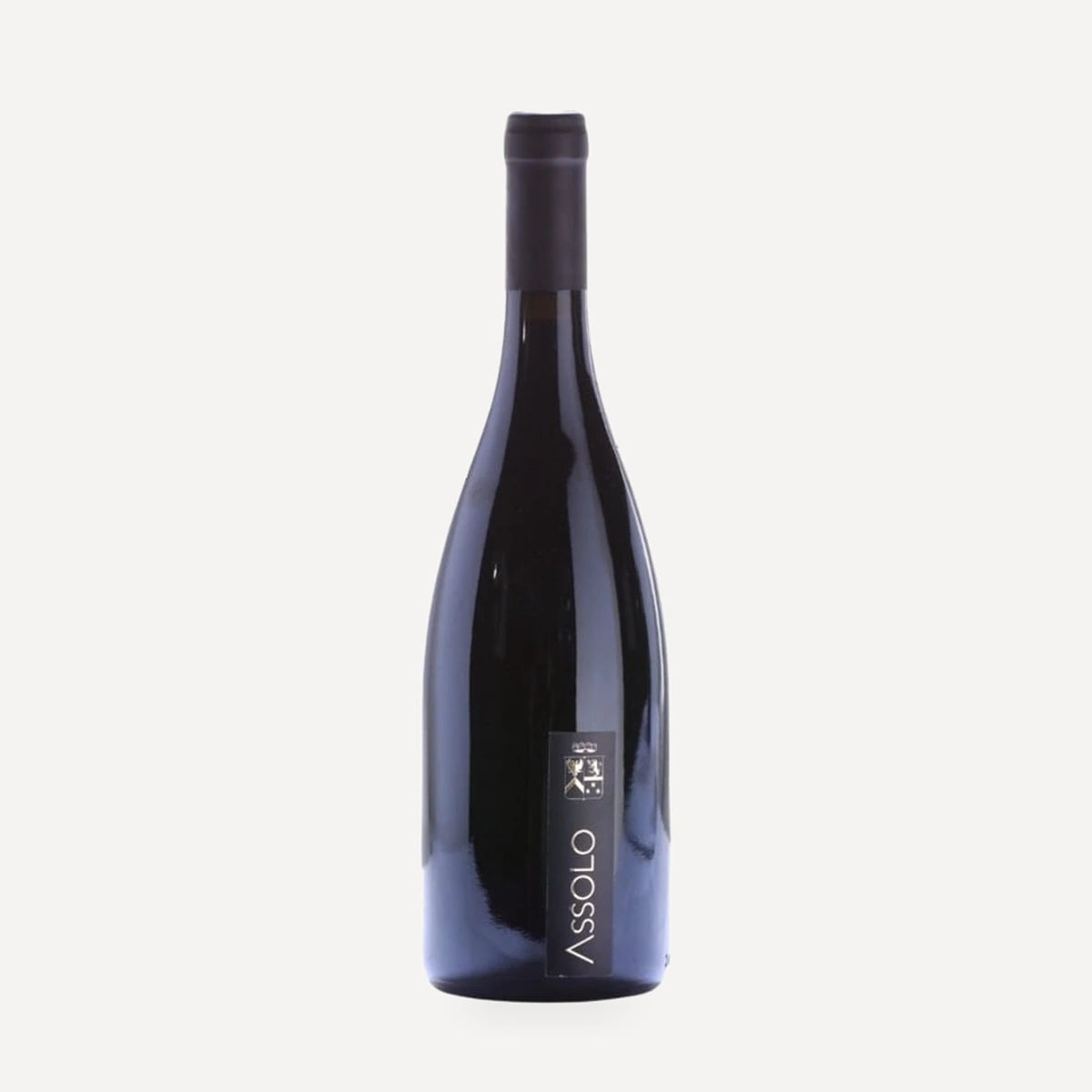
Assolo
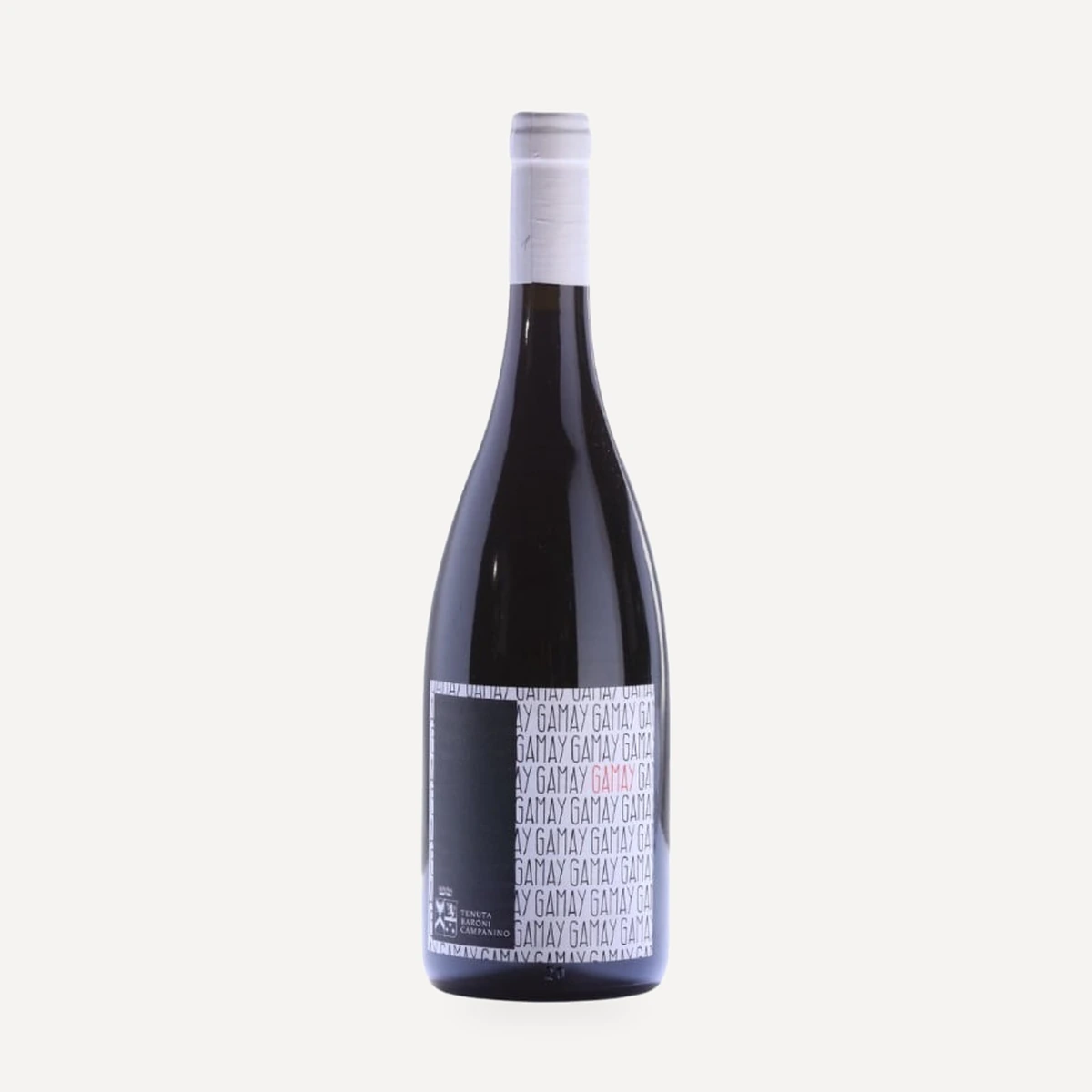
Gamay
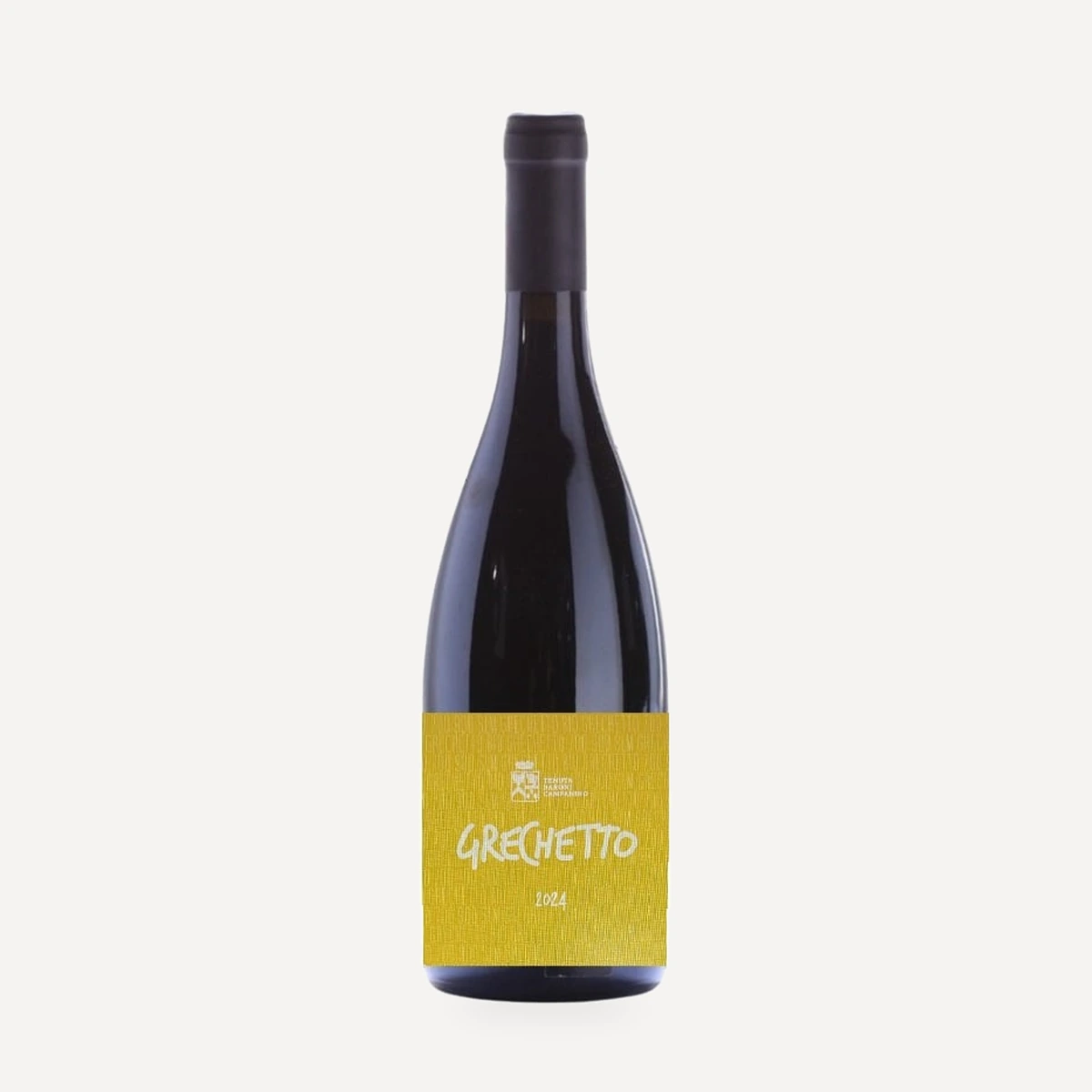
Grechetto
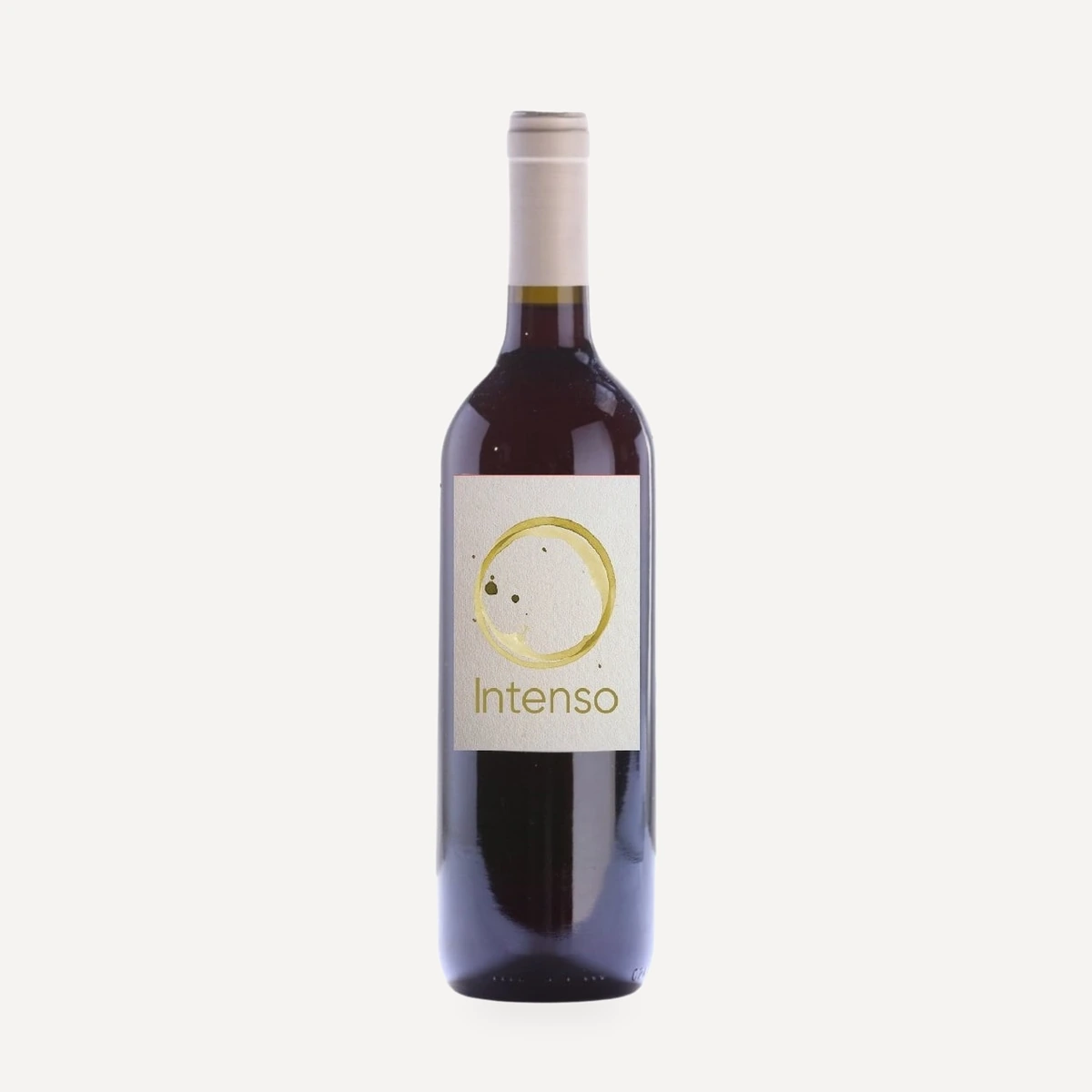
Intenso Bianco
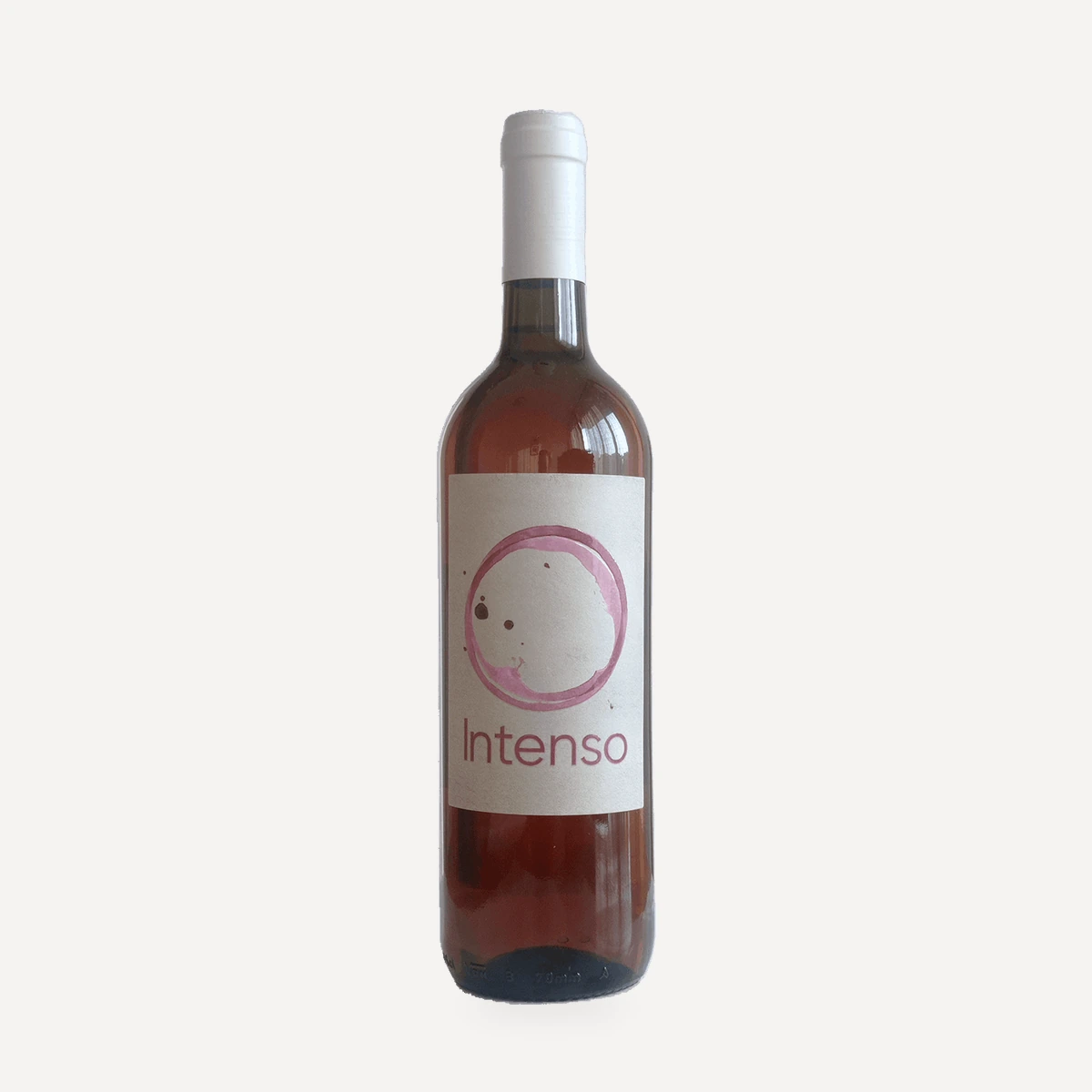
Intenso Rosè