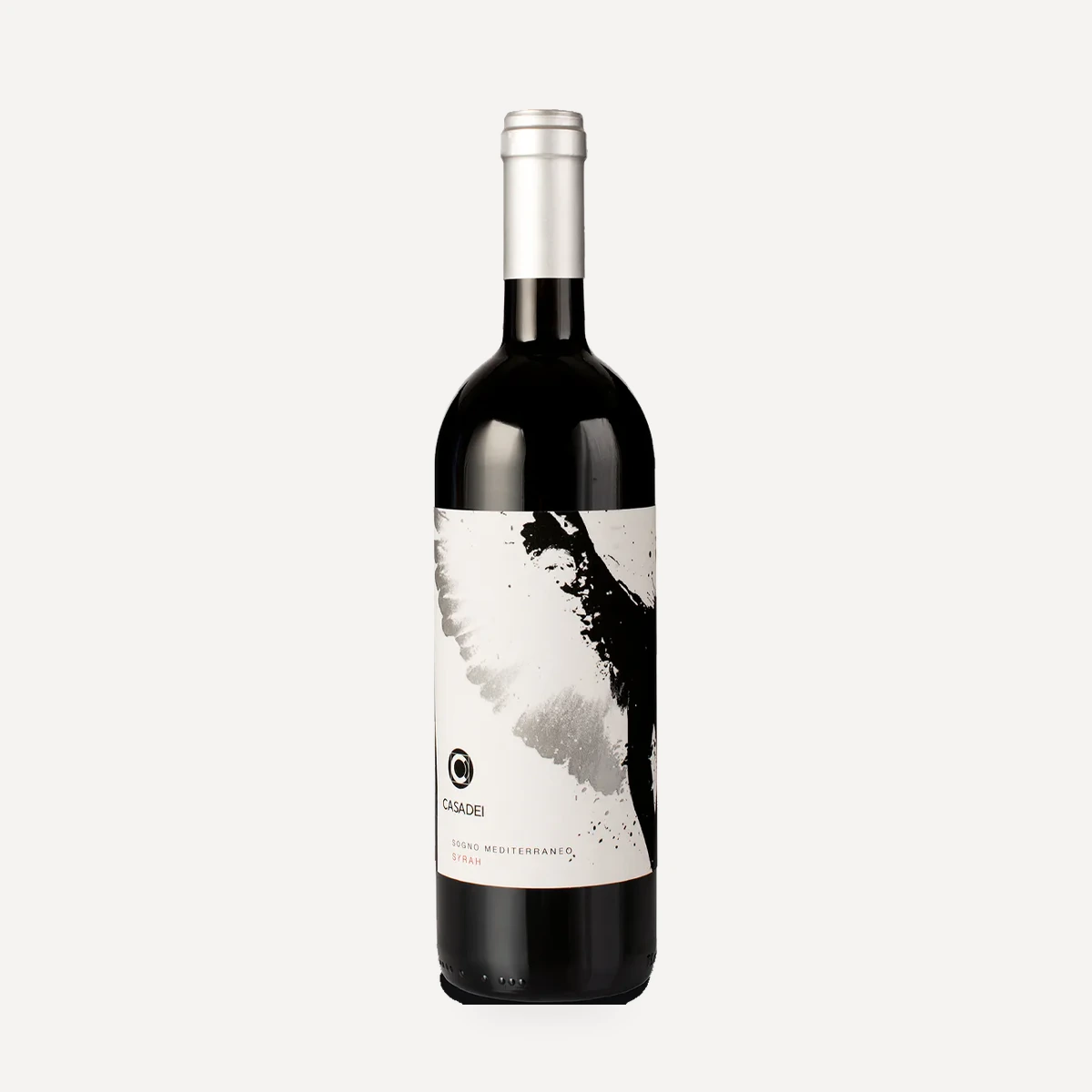
Storia
Origins in Alta Maremma
Tenuta Casadei and its winery were established at Suvereto at the beginning of 2000. Stefano Casadei had travelled extensively before coming to Alta Maremma in search of the combination of soil and climate needed for his project: international grape varieties cultivated in harmony with nature. On the slopes leading toward the Colline Metallifere, 13 km from the sea, he found a mild climate together with mineral-rich and alluvial soils.
Casadei brought to the project a background rooted in the Tuscan countryside. The son of an agronomist, he grew up among fields, vines, olive trees and harvests, studied agricultural subjects in Italy and continued his specialization through courses at the University of Bordeaux. His commitment to organic cultivation preceded the creation of the estate.
Partnership with Fred Cline
Soon after the estate’s establishment, Stefano Casadei met Californian wine entrepreneur Fred Cline at a dinner. They discovered a shared attachment to land and wine, the same emphasis on quality and soil care, respect for grapes, and familiarity with the same international varieties. The meeting initiated an entrepreneurial partnership intended to encompass the project in full. It joined Casadei’s Tuscan agricultural background with Cline’s experience in Sonoma Valley, where Cline had been among the early growers of French grape varieties in the United States.
Development of the estate and cellar
The partnership developed Tenuta Casadei as an international project based on international varieties, Mediterranean conditions and environmentally conscious agriculture. The vineyards came to be managed with sustainable, organic, biodynamic and BioIntegrale® practices, integrating animals, other crops and habitats into the agricultural system.
The cellar was built into the earth and rock of Suvereto, with three sides below ground. Earth and stone provide natural, constant temperature control, while a photovoltaic installation supplies the electricity required by the winery. Its materials include wood, glass, metal, cement, iron, pink plaster and local stone. A roof designed to admit sunlight spreads midday light among the barriques.
Terracotta subsequently became a defining part of production. Georgian and Tuscan amphorae were adopted for maceration, fermentation and maturation, with vessels selected according to the grape variety. This approach also became the basis of Le Anfore di Elena Casadei, led by Stefano’s daughter Elena and built around the relationship between soil and terracotta.
Terroir
Location and landscape
Tenuta Casadei lies at Località San Rocco in Suvereto, in Alta Maremma, 13 km from the sea. Its gently hilly landscape sits on the approaches to the Colline Metallifere. The property is sheltered on its northeastern side by low reliefs, while its proximity to the coast exposes it to maritime influence.
Two soil environments
The vineyards occupy two distinct areas. The higher vineyards grow in red and bronze-coloured earth with violet and blue reflections, rich in iron, manganese and magnesium. The Suvereto soils in this sector also contain clay and silt. Merlot, Grenache, Mourvèdre, Syrah, Ansonica and Moscato are associated with these mineral-rich soils.
The lower vineyards, south of Suvereto, stand on more alluvial terrain. These soils are sandier and contain abundant pebbles; Cabernet Sauvignon, Cabernet Franc and Petit Verdot are planted in this environment.
Mediterranean climate
The climate is Mediterranean. Strong sunlight reaches the slightly hilly property from dawn to sunset, while sea breezes moderate the heat and contribute to useful day–night temperature variation. Light reflected from the sea intensifies solar exposure. The estate links these conditions to complete grape ripening, polyphenol development and the reduction of green pyrazine character. The interaction of coastal air, sunlight, the northeastern hills and the estate’s different soils creates several Mediterranean microclimates.
Alta Maremma and Suvereto
Suvereto is a medieval settlement of approximately 3,000 inhabitants on the hills overlooking the Costa degli Etruschi, between the Colline Metallifere and the sea, with views extending toward Montecristo and Elba. The surrounding agricultural landscape includes vineyards, olive groves, spontaneous herbs, ancient grains, vegetables, aromatic plants and other traditional products. Viticulture in the broader Maremma landscape is presented as a continuum beginning with the Etruscans, followed by the Romans and later generations of local farmers and landowners.
Vinificazione
BioIntegrale® agriculture
Tenuta Casadei treats the farm as a living agricultural organism: a place in which working, producing and living form one system. Sustainable, organic and biodynamic practices are employed to maintain the vitality of soil and habitat, protect biodiversity and reduce intervention on the vines. The approach seeks to nourish the soil rather than the individual plant, replenish organic matter and eliminate synthetic chemical inputs.
Animals and mechanical work
Human labour is integrated with animal work. Free-ranging geese and sheep help keep plots clean and may assist with leaf removal. Animal traction is used wherever possible to reduce tractor use and its impact on the soil. Mechanical passages are minimized through a combination of older cultivation techniques and modern technology.
Soil cover, planting and crop diversity
Temporary or permanent herbaceous cover crops are used to support biodiversity and the farm’s multiple functions. Vineyard layouts are planned to avoid cyclical grubbing-up. Aromatic plants, heirloom fruit trees and rare or forgotten cultivars grow beside the rows, providing food and habitat for insects. The property also contains vegetable gardens and centuries-old olive trees; the olives are harvested by hand for oil.
Plant protection and inputs
Synthetic chemical inputs are excluded. The BioIntegrale guidelines set a maximum of 3 kg/ha of metallic copper in any form, except in particularly adverse years. Human intervention on the vine is kept as limited as rational agronomy permits, while natural waste disposal, lower soil consumption and reduced energy use form part of the same system.
Harvest
Grapes are harvested exclusively by hand. Three harvest passages take place from the end of August to the beginning of October, reflecting different ripening times. The fruit is taken to sorting tables and selected carefully before entering the cellar.
Local economy
The guidelines also extend beyond agronomy: local workers and businesses are preferred, and locally sourced products are used to redistribute economic value within the area and support its culture and traditions.
Cellar and energy
The cellar is constructed in the earth and rock of Suvereto, with three sides excavated into the hillside and enclosed by earth and local stone. This configuration naturally maintains a constant temperature and minimizes the building’s visual and environmental impact. Wood, glass, metal, cement, iron, pink plaster and natural stone are used throughout. The roof allows midday sunlight to spread among the barriques, and a photovoltaic system produces the electricity required by the winery. Wines rest or mature in terracotta amphorae, cement and barriques.
Reception and fermentation
Hand-harvested grapes are selected on sorting tables before processing. Both red and white wines ferment exclusively with indigenous yeasts naturally present on the grapes. The slower fermentations are intended to preserve varietal aromatic character; in red wines they also provide gentler polyphenol extraction and softer tannins.
Maceration and drawing off
All red grapes undergo medium to medium-long macerations lasting as long as 20–25 days, with skins and pomace kept in contact with the fermenting must. Drawing-off separates the fermented solids from the wine. Its timing is determined by the desired result: longer skin contact builds greater structure, while earlier separation favours softer, fruitier wines.
Amphora vinification
Selected grapes macerate, ferment and mature in terracotta. Georgian amphorae and Tuscan vessels made at Impruneta are chosen according to the variety. Coarser-grained Caucasian terracotta admits more oxygen and is used particularly for Syrah. Finer-grained Impruneta terracotta suits other varieties.
Grapes may macerate and ferment in amphora for up to six months. Terracotta is more porous than wood, providing continuous and relatively intense oxygenation while retaining heat. Some vessels are buried; other amphorae remain above ground. Above-ground vessels are used to mature red wines previously vinified in buried amphorae and for the maceration and maturation of white wines.
Maturation and intervention
A selection of the best varieties from each vintage matures in large terracotta amphorae. The BioIntegrale approach calls for minimal handling of the raw material, preservation of the connection between sensory character and place, and restriction of additives to the lowest possible level compatible with grape quality. Wine is conceived simply as the product of partial or complete grape fermentation.
Filosofia
BioIntegrale® is conceived not merely as a working method but as a way of thinking and living. Its central principle is to return agriculture to nature: the wellbeing of soil, plants, animals, insects and the wider ecosystem should guide agricultural, architectural, energy and winemaking decisions.
The estate presents soil, climate, grape variety and human action as four dynamic elements of terroir. The first three form the points of a triangle, while the human being stands at its centre. The objective is to express place and vintage through authentic, powerful, long-lived and elegant wines while disturbing that relationship as little as possible.
Traditional agricultural knowledge and modern technology are combined to strengthen soil biology, reduce mechanical traffic and limit intervention on the plant. The work of people is integrated with animals; synthetic chemicals are excluded; organic matter is returned to the soil; waste is managed naturally; and energy and land consumption are reduced.
The same restraint applies in the cellar. Fruit should be respected, raw material manipulated as little as possible and additives kept to a minimum. Terracotta reconnects wine with earth both materially and conceptually.
BioIntegrale® also carries a social and intergenerational commitment. The natural, cultural and human environment is to be maintained and improved so that it can pass to future generations in a healthy, vital condition. Employing local labour and businesses and supporting local traditions are part of that responsibility.
Vini
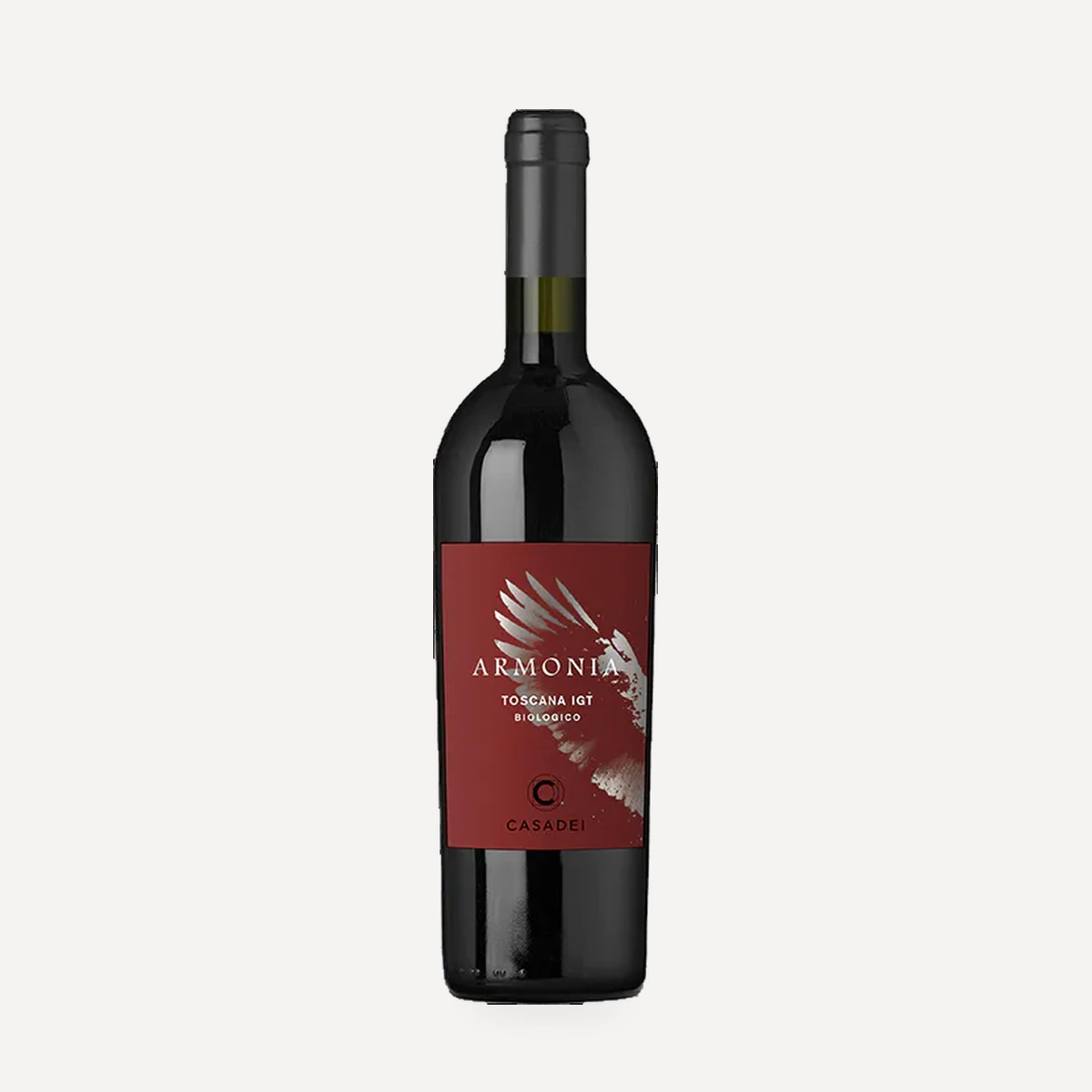
Armonia IGT Toscana
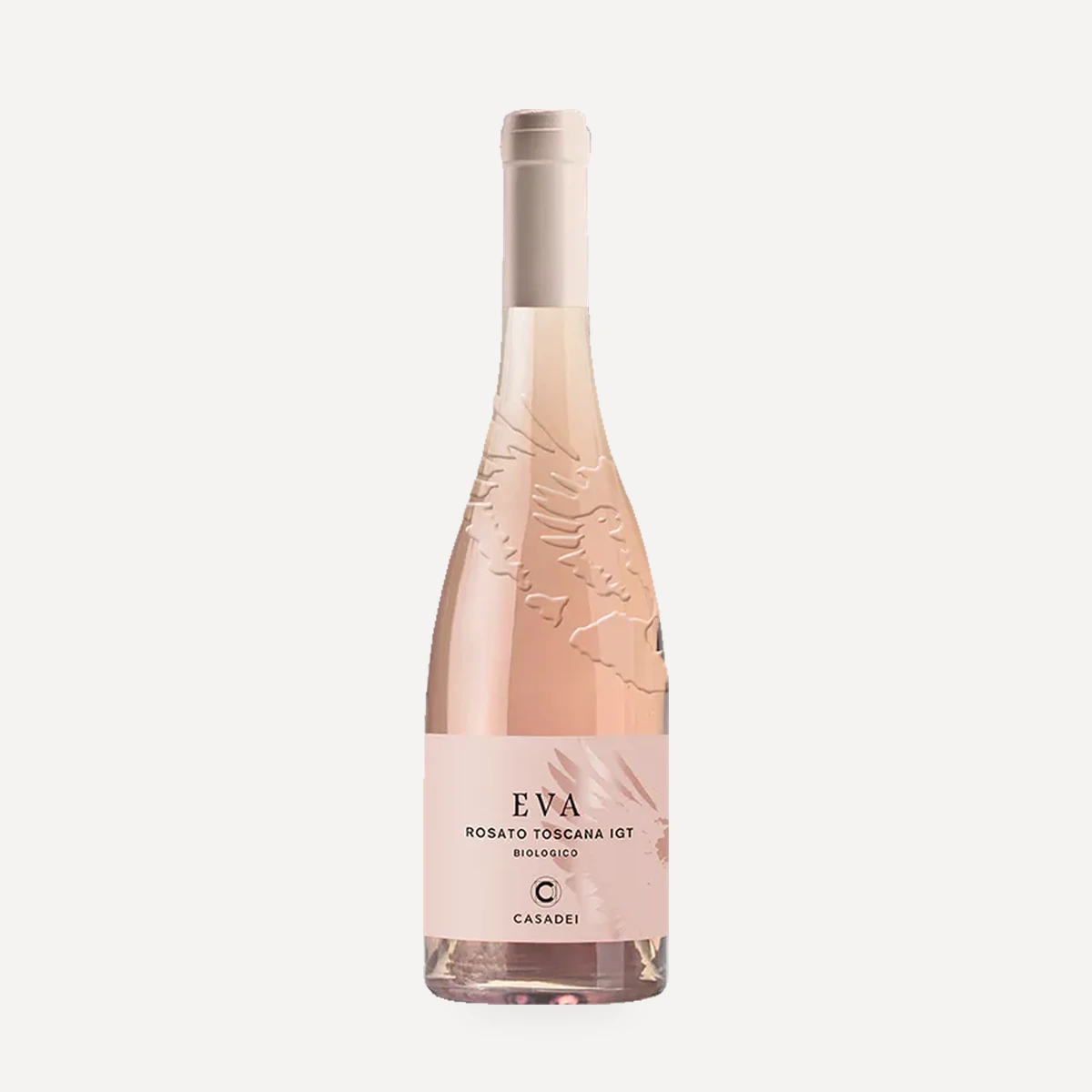
Eva IGT Toscana
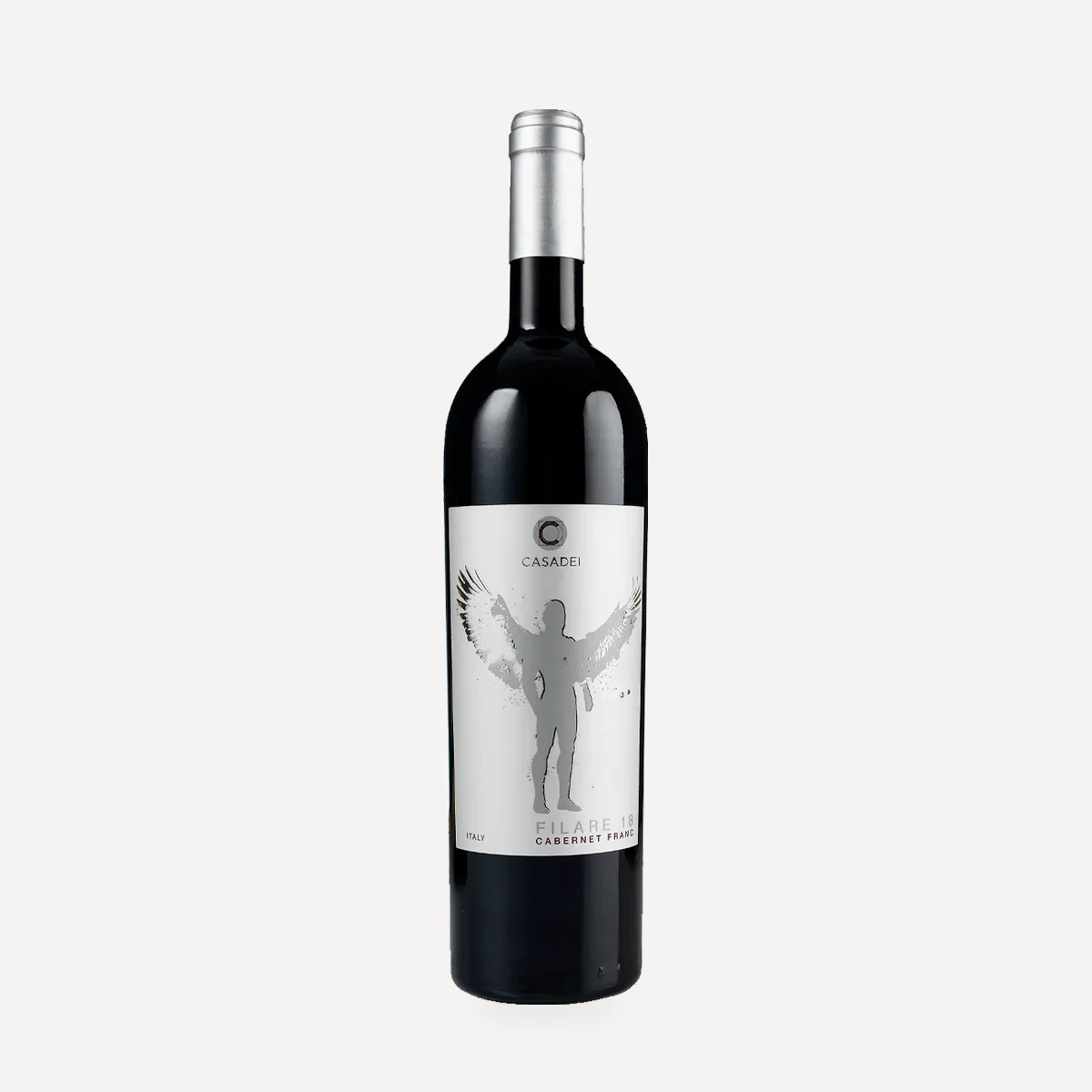
Filare 18 IGT Toscana
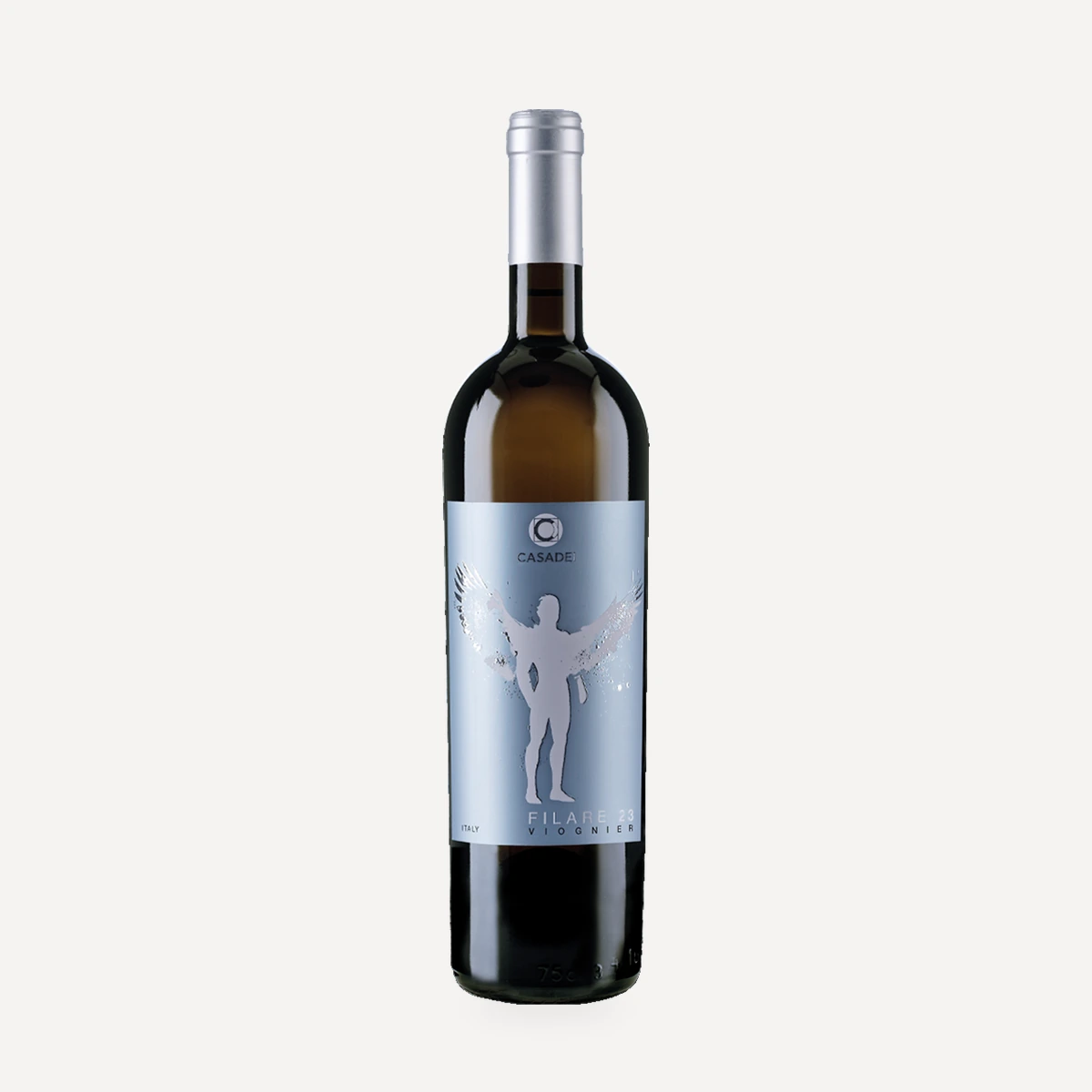
Filare 23 IGT Toscana
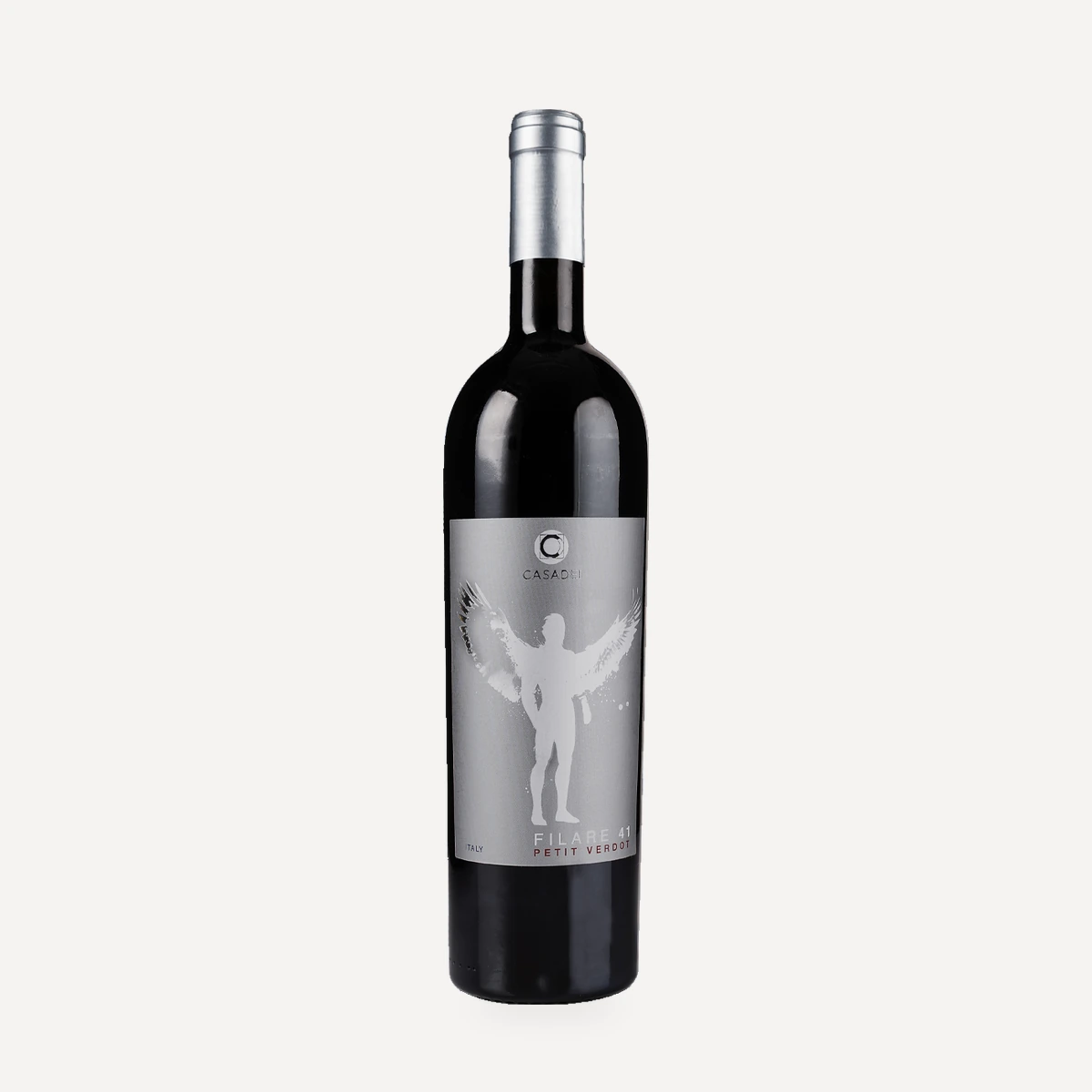
Filare 41 IGT Toscana
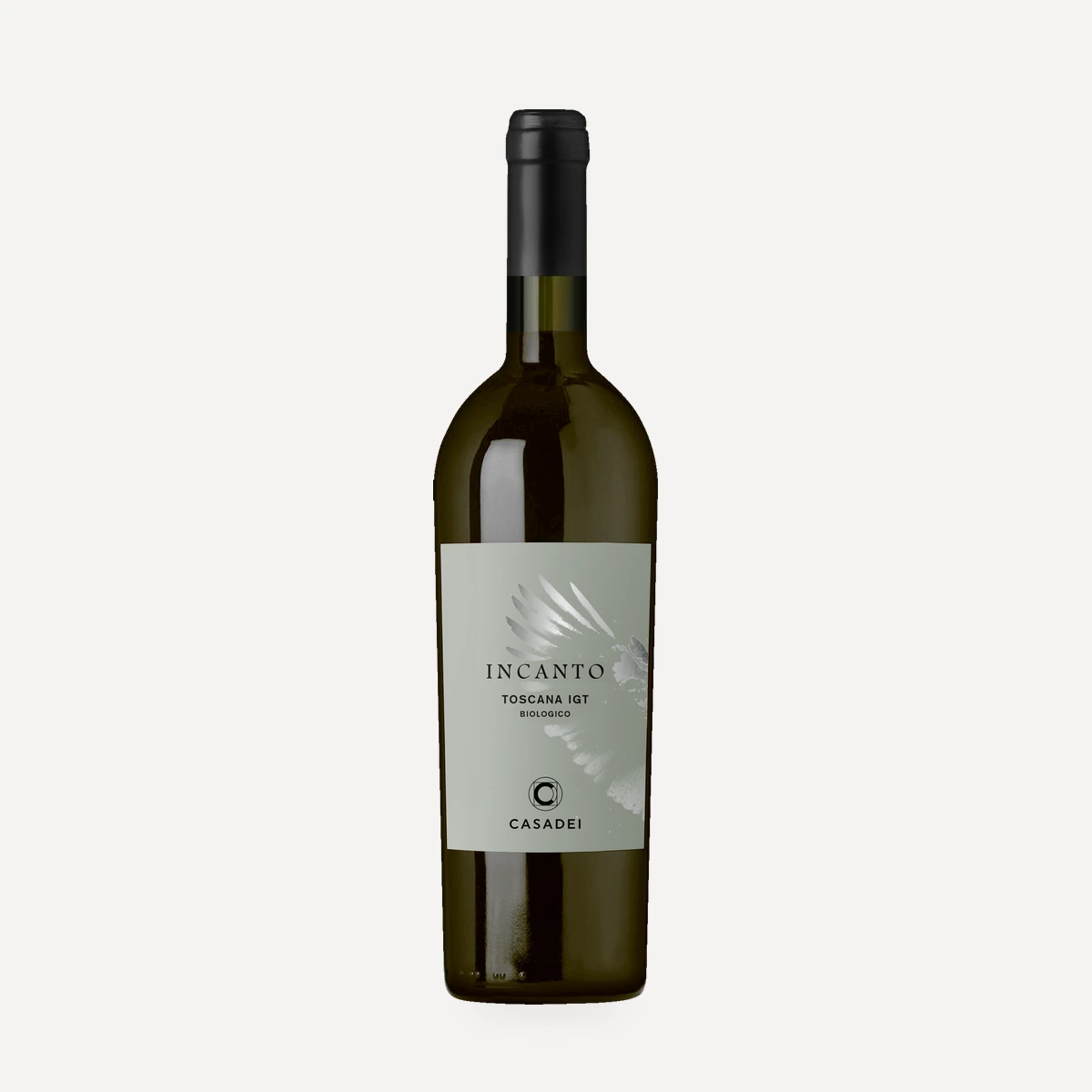
Incanto IGT Toscana
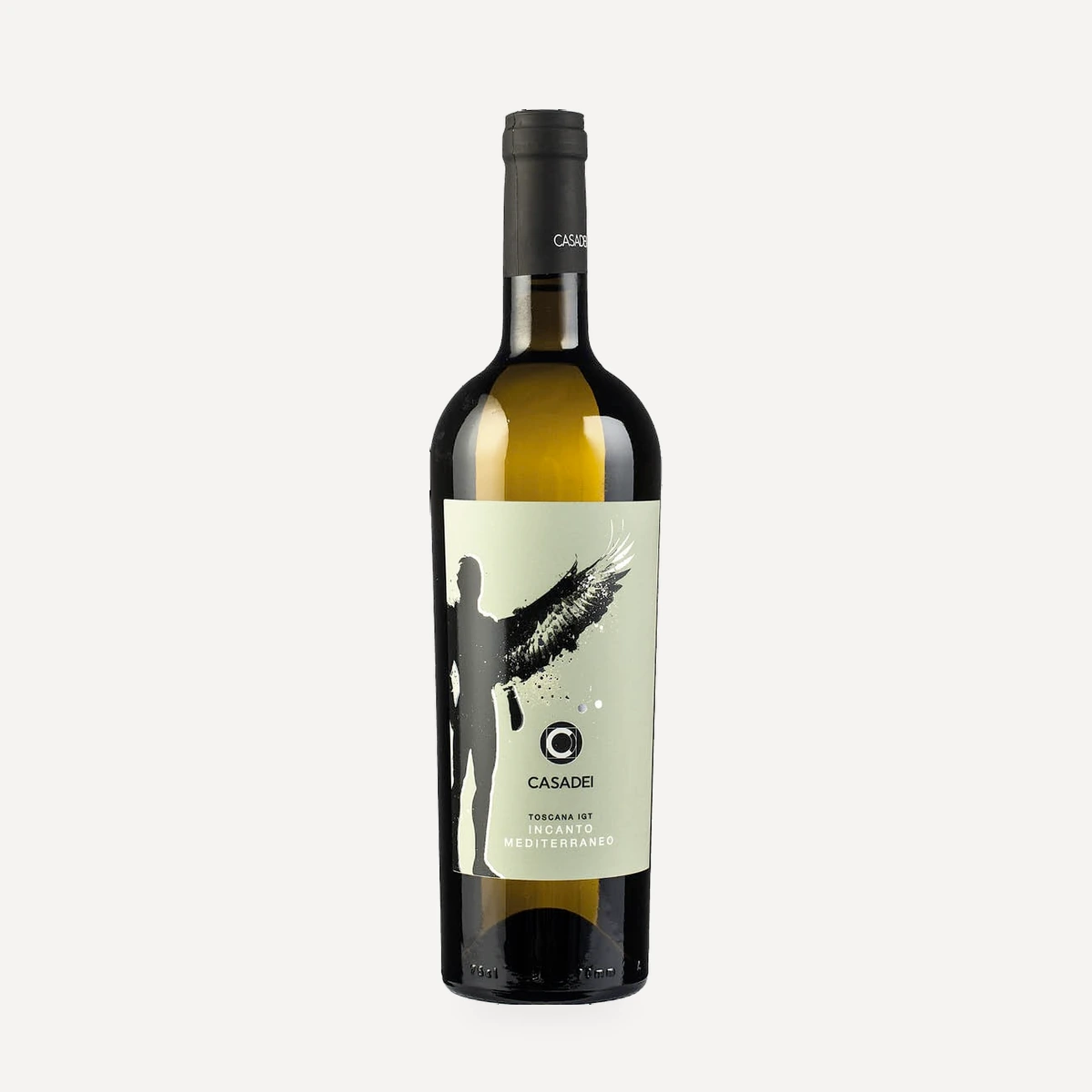
Incanto Mediterraneo IGT Toscana
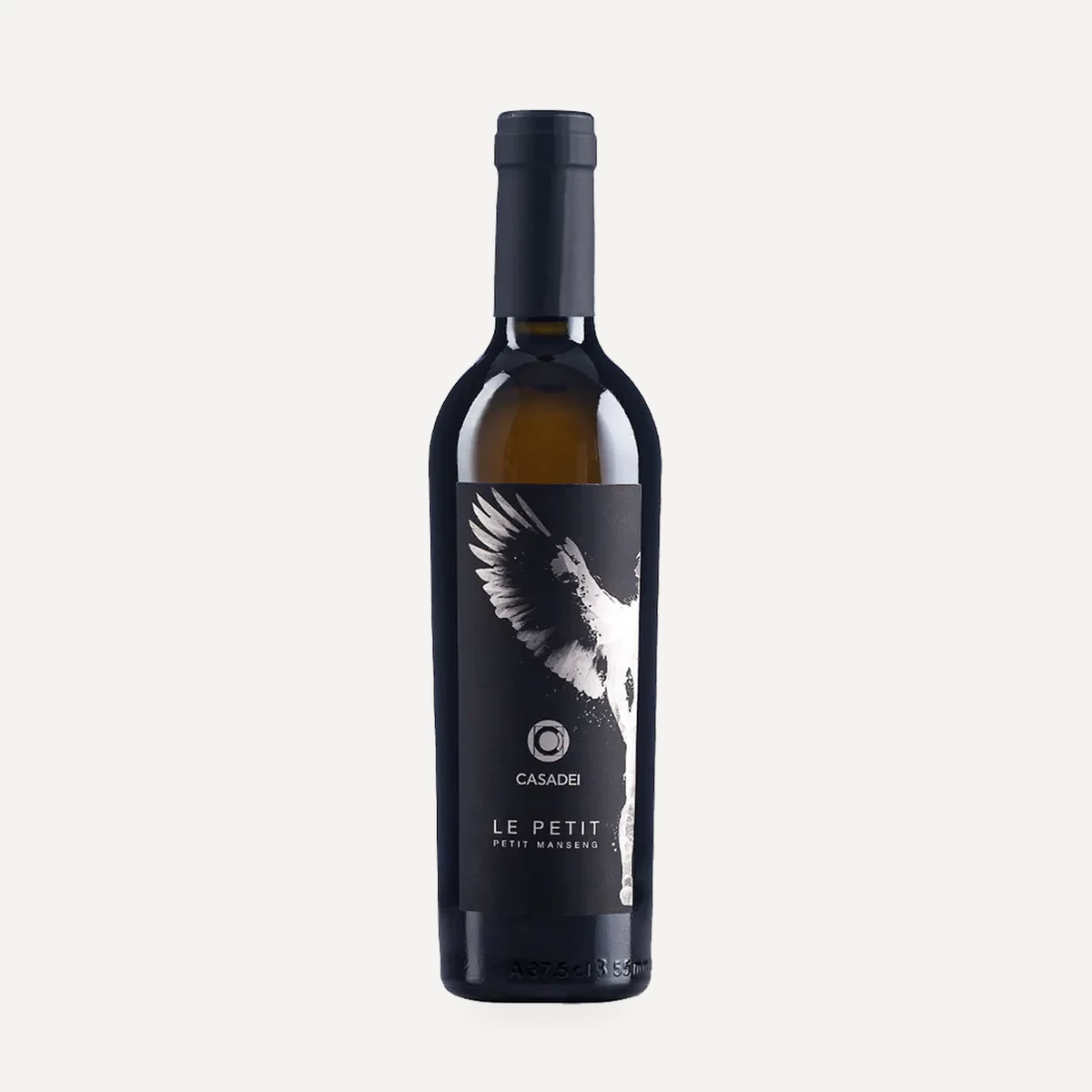
Le Petit IGT Toscana