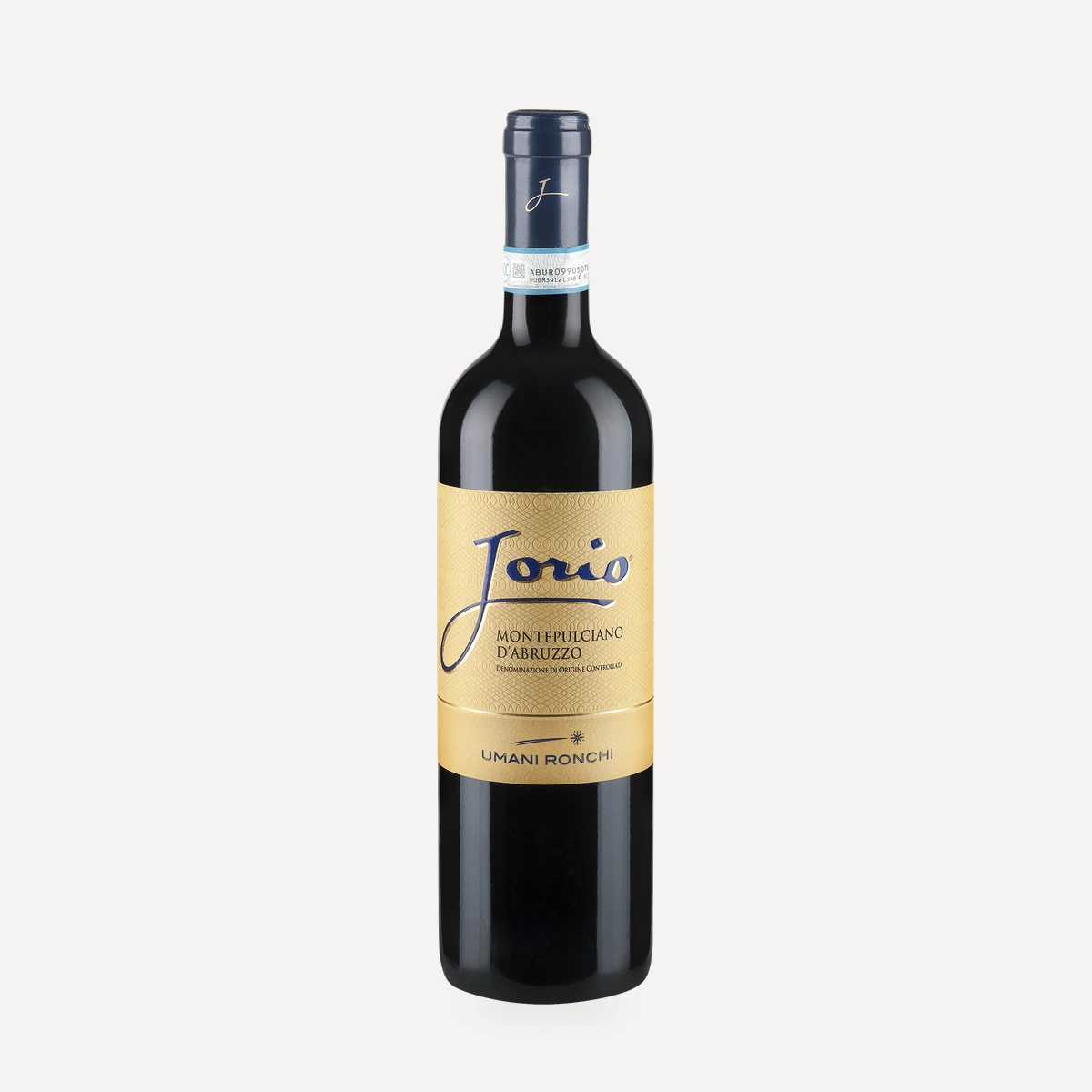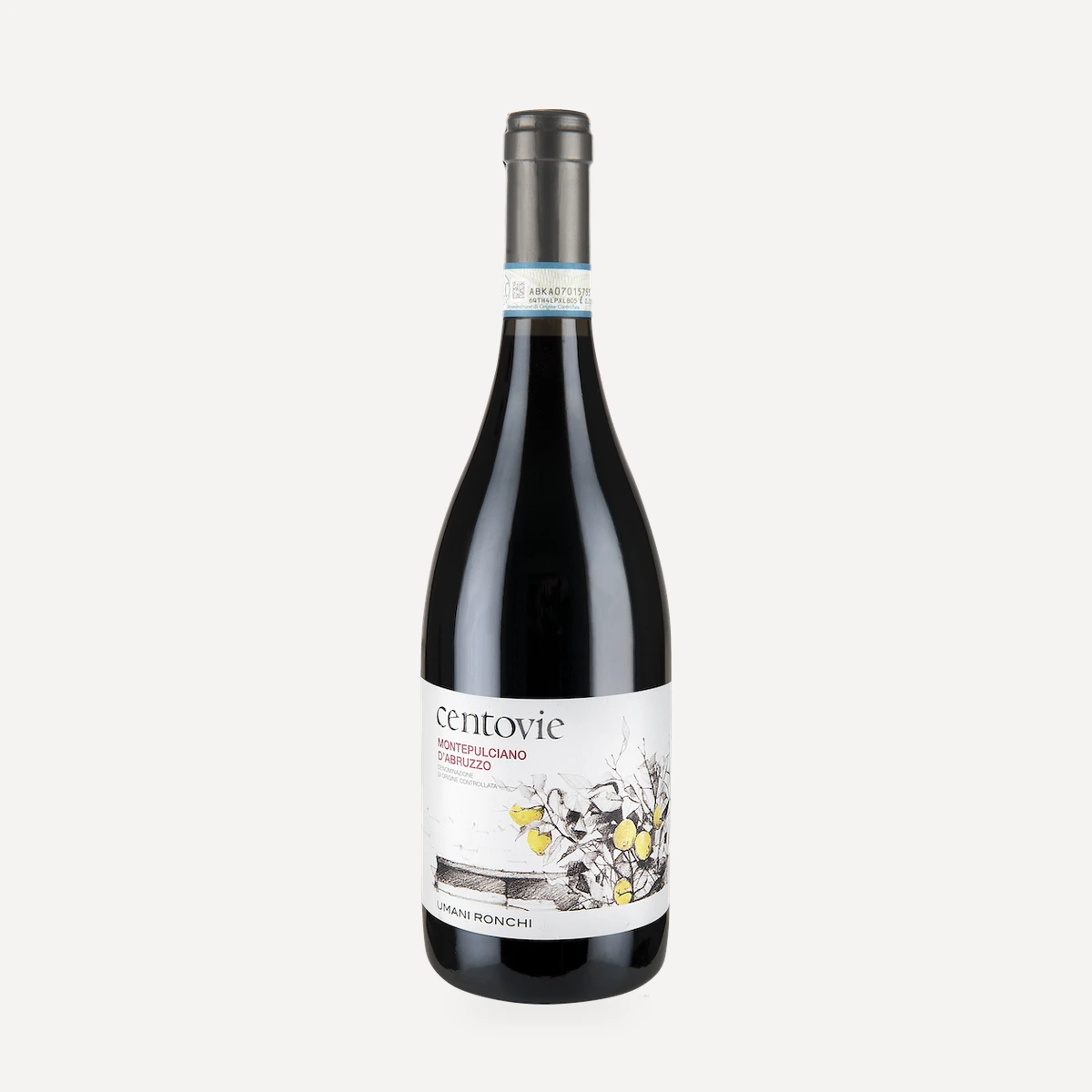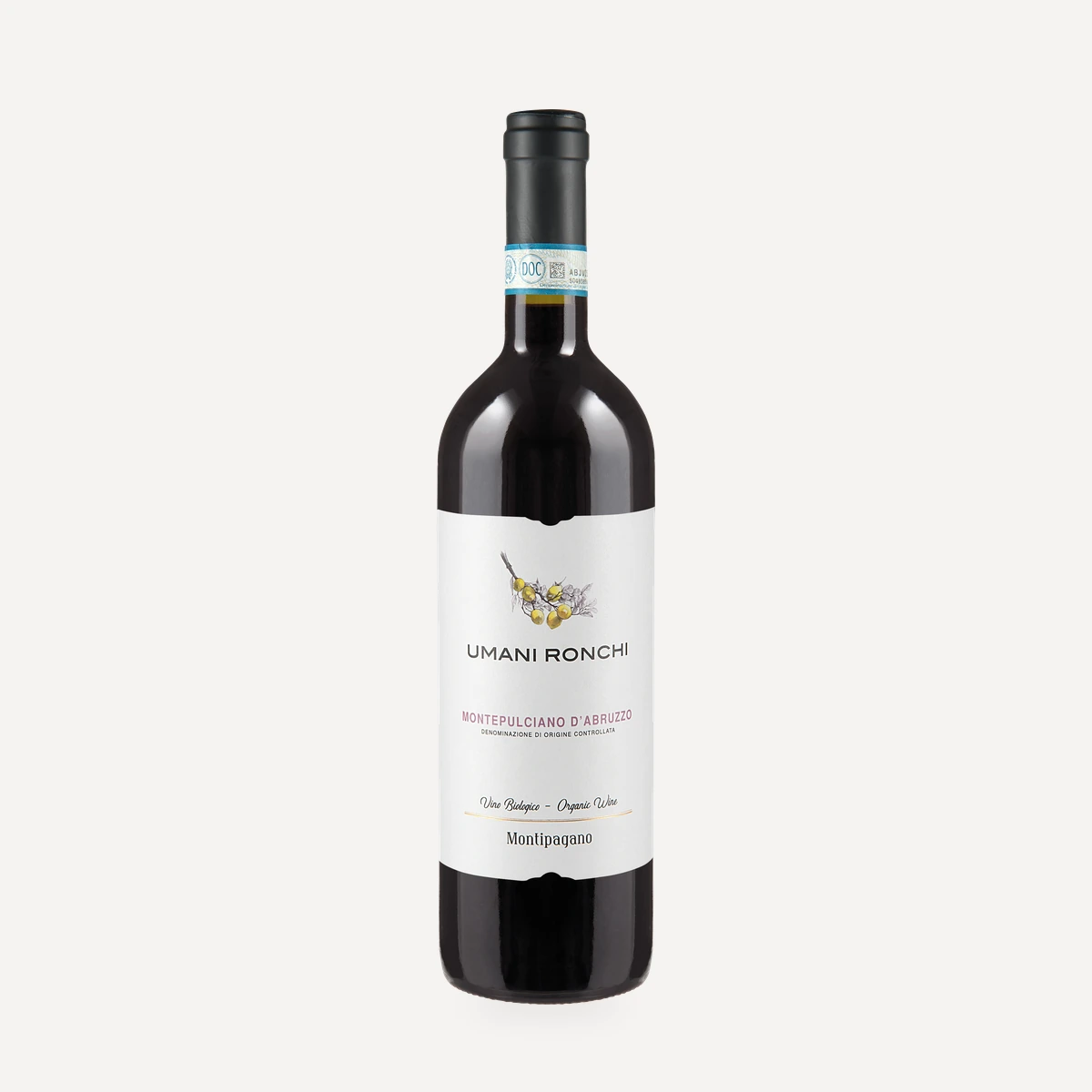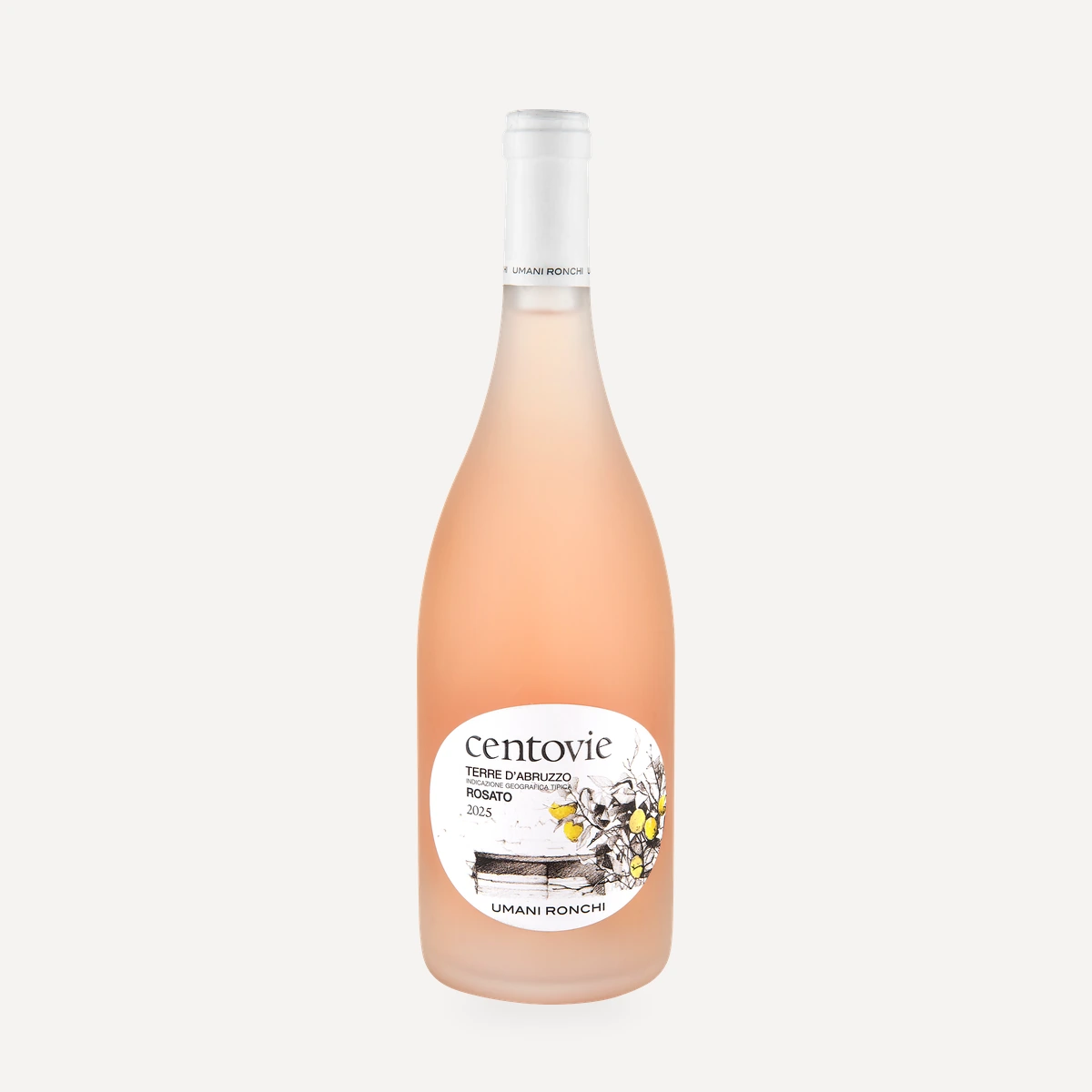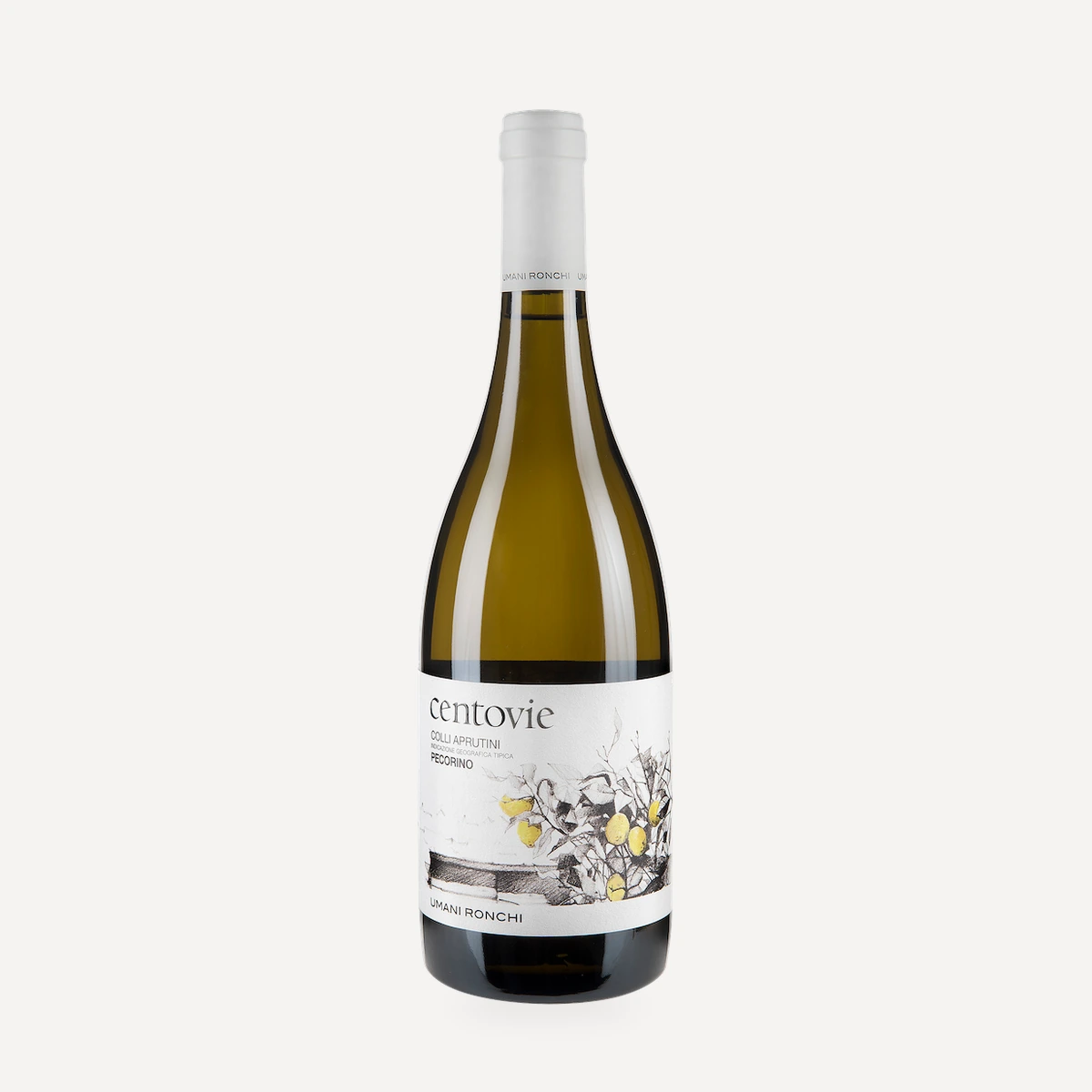
Questo vino
Vineyard and terroir
The Pecorino comes from the organically managed Roseto degli Abruzzi estate, situated between the Gran Sasso massif and the Adriatic coast. Montepulciano dominates the property, with a smaller area devoted to Pecorino. The vineyard soils are predominantly deep, fresh and clay-sandy. Grapes are selected by hand in the vineyard.
Grapes
100% Pecorino.
Vinification
Harvest takes place by hand in early September, with particular care taken to retain the grapes’ acidity. The fruit is transported in small steel trolleys to protect its integrity. Following light pressing, the free-run must is cooled rapidly and clarified through static settling. Alcoholic fermentation lasts approximately 20 days in stainless-steel tanks at 16–18°C. Malolactic fermentation is prevented.
Ageing
The wine matures in concrete tanks for 12 months and then spends at least five months in bottle before release.
Tasting profile
Brilliant, intense straw yellow with bright reflections. Citrus, white-fleshed fruit and field flowers lead the bouquet, followed by elegant aromatic-herb notes. The palate is fresh and persistent, repeating the aromas found on the nose and showing pronounced savouriness and varietal minerality.
Serving and pairing
Serve at 12–14°C in a medium-sized, approximately spherical glass with a straight opening. Pair with stuffed pasta, roast white meat or roasted fish.
Label / history
The first vintage was 2015. The name Centovie recalls the nearby village from which the estate was first viewed in 2000 and the distinctive landscape between Gran Sasso and the Adriatic coast.