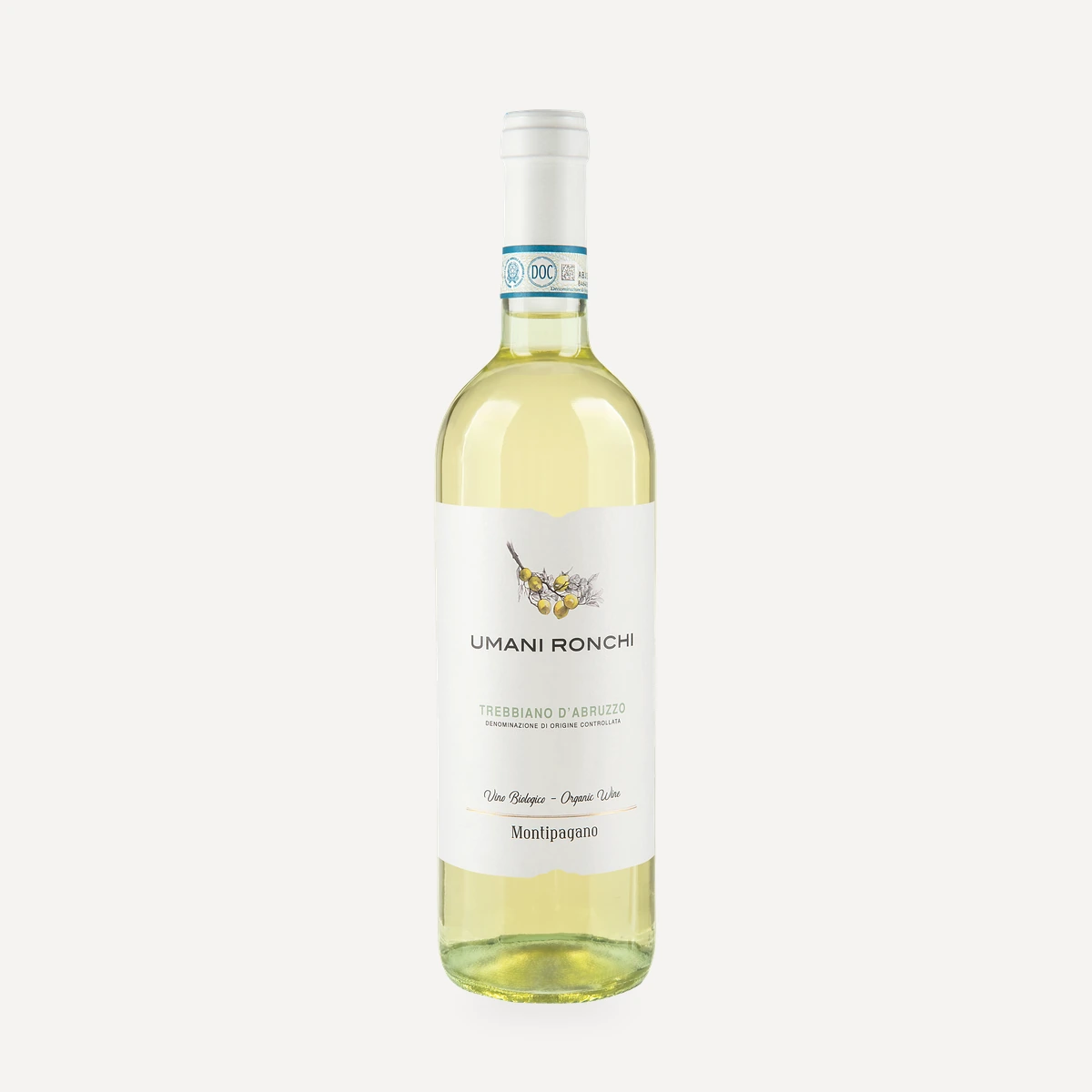
Storia
The first vineyards and the discovery of Centovie
The estate includes vineyard plantings dating from 1989 and 2004. Its modern history began in 2000, when Massimo and Michele Bernetti first viewed the property from the nearby locality of Centovie. The position between the Gran Sasso d’Italia massif and the Adriatic Sea, together with the sunny, ventilated setting and balanced subsoil, suggested the potential for an organically managed Abruzzo estate.
Organic practices began in Abruzzo in 2000. In 2001, the Bianchi-Bernetti family acquired approximately 30 hectares of organic vineyards at Roseto degli Abruzzi, formally opening the Tenuta Centovie chapter and beginning the process of organic conversion and certification. The initial holding was planted principally to Montepulciano, with a smaller proportion of Pecorino. Subsequent development brought the estate to its present 35 hectares and included the 2004 plantings.
Experimentation and the Centovie project
The Bernetti family developed the property through sustained agronomic trials and cellar experimentation. The increasing average age of the vines contributed greater complexity to the fruit, while the estate’s combination of row-trained vines and traditional overhead trellises allowed different approaches to Montepulciano and Pecorino. The project was conceived as a personal interpretation of Abruzzo’s principal grape varieties rather than an imitation of an existing model.
The Centovie wine project took concrete form in 2015, following years of research, with the first vintage of Pecorino. The selection was introduced at Vinitaly 2017. At that stage, the family was already planning a Montepulciano selection to be released once the vineyards had reached the desired maturity.
Rosato and completion of the range
After several years of trials with organically grown Montepulciano, the estate produced its first Centovie Rosato in the 2018 vintage. Released in 2019, it was Umani Ronchi’s first still rosé and was designed around gentle extraction, freshness and fruit rather than Montepulciano’s customary structural force.
At Vinitaly 2019, the estate previewed Centovie Montepulciano d’Abruzzo. Its commercial release completed the three-wine project begun with Pecorino and continued with Rosato. The inaugural release comprised 9,000 bottles. All three labels carried the image of the old lemon tree that has stood for decades beside the estate farmhouse.
Subsequent development
For the 2020 Rosato vintage, trials aimed at better protecting the wine’s organoleptic integrity led to the replacement of transparent glass with a more protective bottle. In 2022, the estate released the 2018 vintage of Centovie Montepulciano, describing 2018 as an unusually successful season for both red and white varieties.
Tenuta Centovie now covers 35 hectares of organically cultivated vineyards. Its plantings of Montepulciano, Pecorino and Trebbiano occupy a south-facing hillside near Montipagano and Roseto degli Abruzzi, between the Gran Sasso massif and the Adriatic coast.
Terroir
Tenuta Centovie occupies the slopes of a predominantly south-facing hill near Roseto degli Abruzzi, close to the village of Montipagano. The vineyards look toward the Gran Sasso d’Italia massif and lie between the mountain and the Adriatic Sea, at elevations of 150–200 metres. Individual sectors face from south-east to south-west.
The vineyards stand on a natural alluvial terrace. The soil is deep and medium-textured, principally clay loam, with sandy sectors, calcareous material and a modest but significant fraction of gravel and pebbles from alluvial deposits. Some descriptions characterize the Pecorino ground as deep, clay-sandy and relatively cool, with a balanced, self-sufficient subsoil.
The site combines abundant sunlight with regular ventilation. Winds from the Adriatic and the proximity of Gran Sasso generate pronounced day-night temperature changes that favor aromatic development. The gentle hills and nearby mountain moderate the maritime climate. These sunny, windy conditions also support organic farming and reduce the need for additional intervention.
Vinificazione
The estate is farmed organically. Organic practices in Abruzzo began in 2000, while conversion and certification are described as beginning in 2001 with the Roseto degli Abruzzi acquisition. The combination of sunlight, wind and a balanced subsoil made organic management a foundational element of the project rather than a later stylistic change.
Soil health and biodiversity underpin the broader organic system. Management includes precision-viticulture methods, controlled vineyard treatments, organic fertilization, maintenance of organic matter, cover crops and green manure. Emergency or deficit drip irrigation is used in Abruzzo to conserve water; the irrigation system is associated with water savings of 40–70%.
Montepulciano is managed in both spur-pruned cordon rows and long-pruned Pergola Abruzzese. Pecorino is Guyot trained, and older vines may use double Guyot. Row plantings reach approximately 5,000 vines/ha, compared with 1,600 vines/ha under pergola.
Harvesting is manual. Grapes are selected in the vineyard, with unhealthy or damaged bunches rejected. Fruit is transported in boxes or small steel trolleys to preserve berry integrity. Pecorino is generally picked in the first part of September with particular attention to retaining acidity, while Montepulciano for the red selection is normally harvested in the first ten days of October after achieving phenolic maturity.
Fruit is harvested and selected by hand before being transported in boxes or small steel trolleys. The estate uses distinct cellar paths for its white, rosé and red production while relying principally on stainless steel for fermentation.
White-grape processing begins with gentle pressing. The free-run must is separated from the press fraction, cooled rapidly and clarified by static settling. Alcoholic fermentation takes place in stainless steel at 16–18°C for approximately 20 days, without malolactic fermentation. Maturation includes 12 months in concrete followed by at least 5 months in bottle.
For rosé production, Montepulciano receives a short, low-temperature maceration followed by gentle pressing to limit color extraction and preserve aroma. Fermentation proceeds in temperature-controlled stainless steel at approximately 16°C, followed by 3–4 months in steel before bottling.
Red grapes are destemmed and lightly crushed before fermentation in stainless steel at 27–29°C for 12–14 days. Malolactic fermentation also takes place in steel. Maturation combines small oak vessels and large traditional barrels for 12–14 months, followed by approximately 6–8 months in bottle under temperature-controlled conditions.
Filosofia
The Centovie project is grounded in dedication, consistency and respect for Abruzzo and its principal varieties. Its purpose is to interpret the place and its grapes personally, without reproducing an established model.
Organic farming is treated as an expression of the site’s natural conditions: sunlight, wind and a balanced subsoil make it possible to protect the health of the soil and the integrity of the fruit with restrained intervention. Healthy land is regarded as the basis of wine quality.
Research and experimentation are equally central. Years of agronomic and cellar trials preceded the first Centovie release, and the coexistence of traditional Pergola Abruzzese with row training forms part of the estate’s dialogue between inherited local practice and contemporary precision. Vineyard age, careful selection and methods adapted to each variety are used to preserve the identity of both grape and place.
The name Centovie, literally “one hundred ways,” expresses the idea of multiple departures, arrivals, paths and perspectives. For the Bernetti family, it also represents the sequence of the project itself: Pecorino first, followed by the organic still Rosato and completed by Montepulciano d’Abruzzo.
Vini
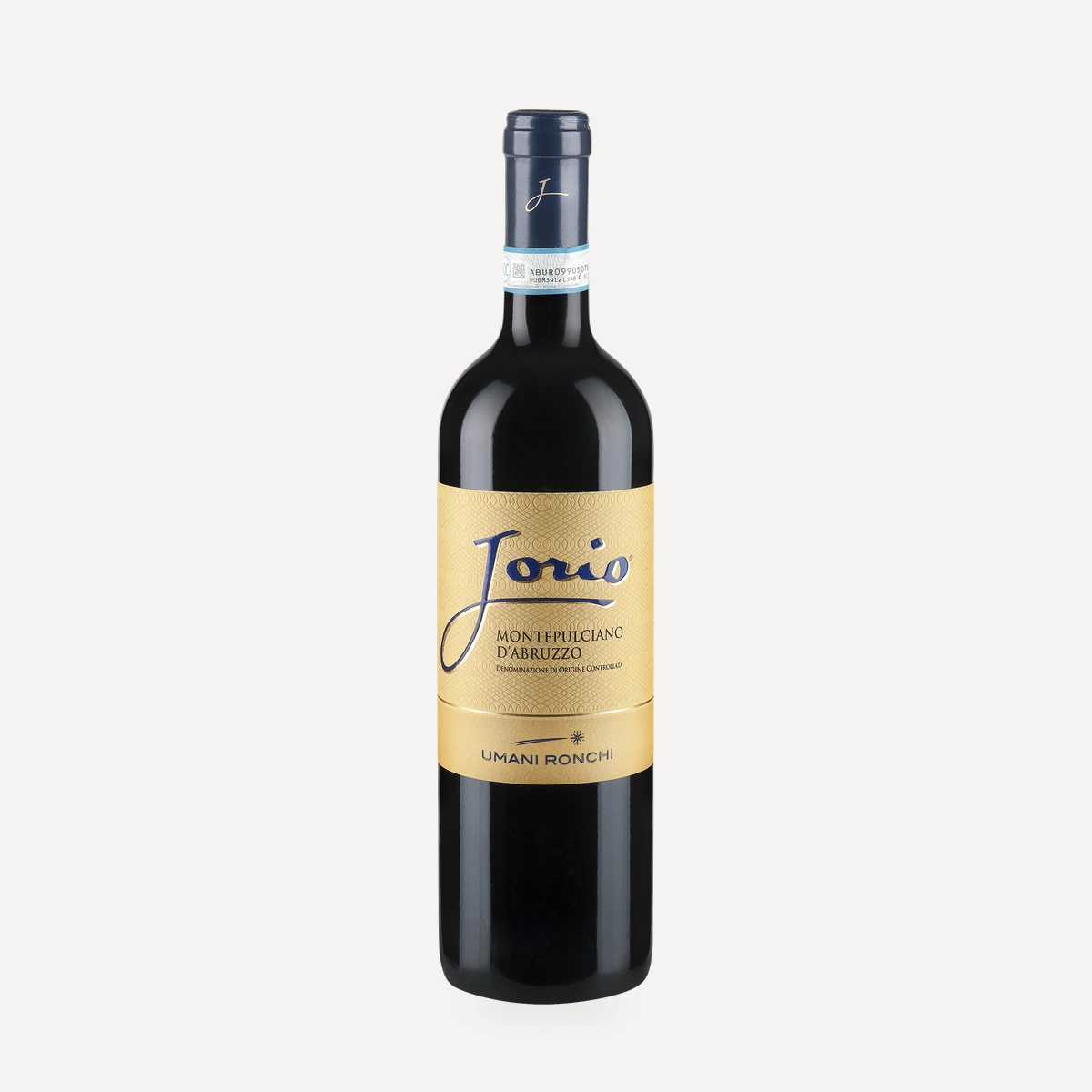
Jorio Montepulciano d'Abruzzo DOC
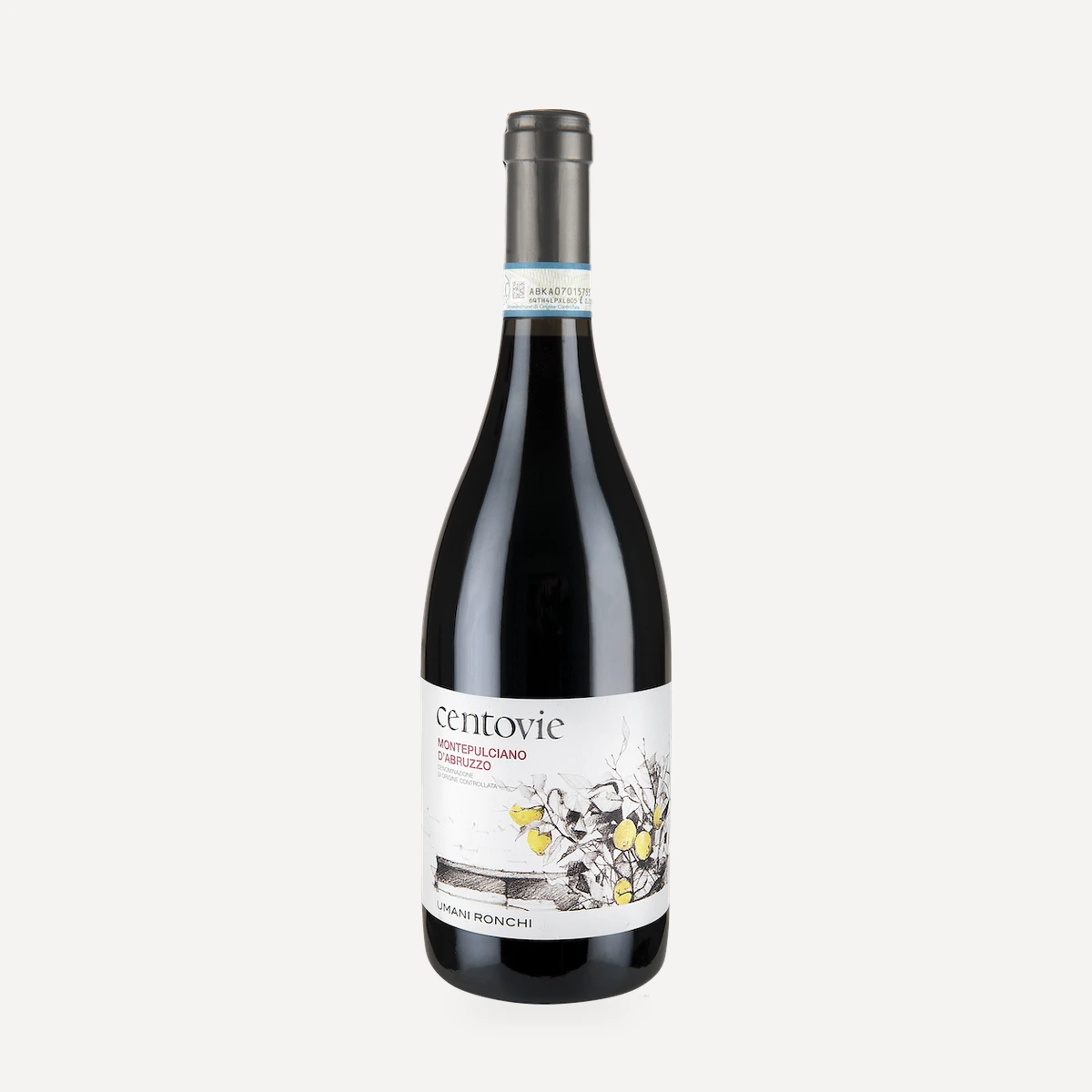
Centovie Montepulciano d'Abruzzo DOC
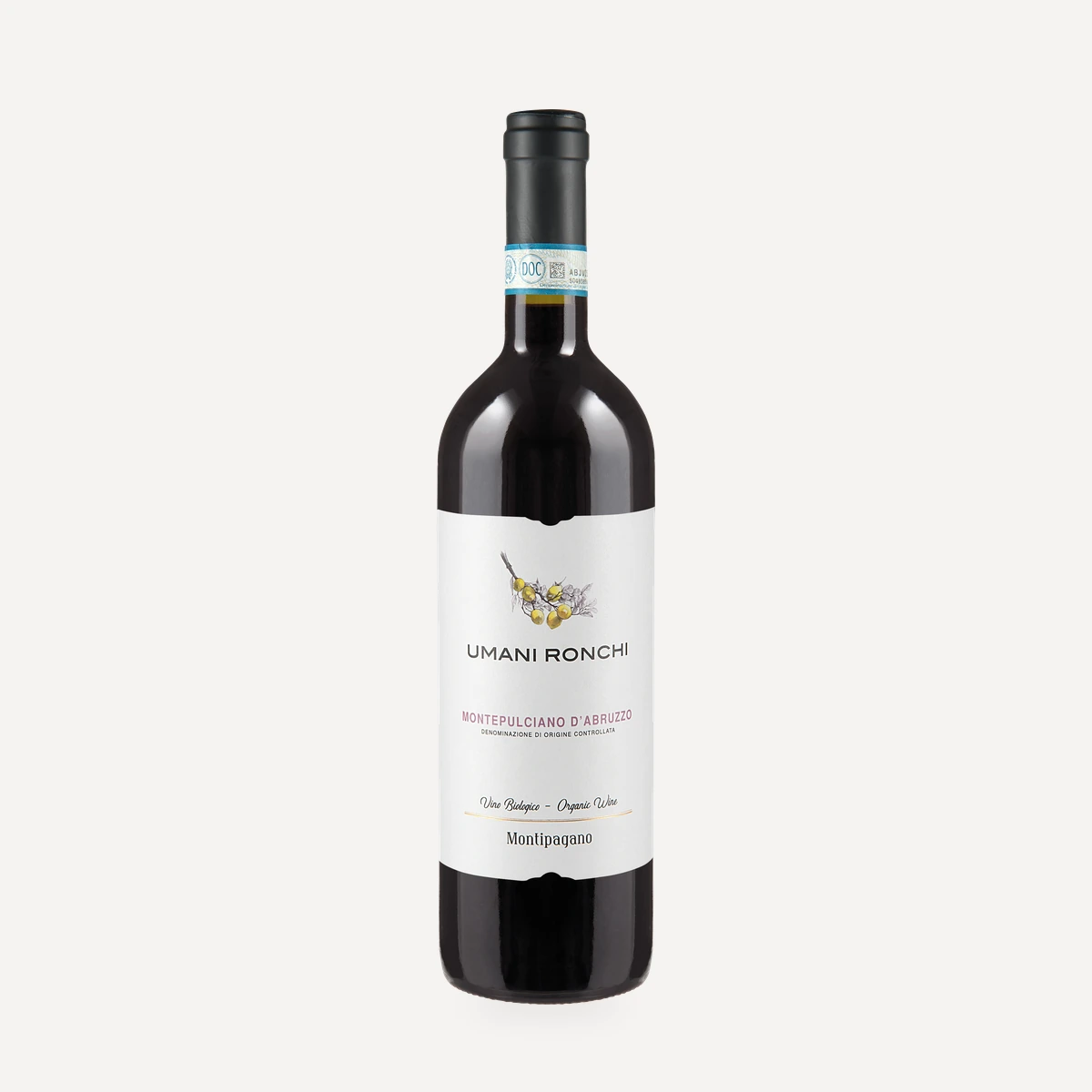
Montipagano Montepulciano d'Abruzzo DOC
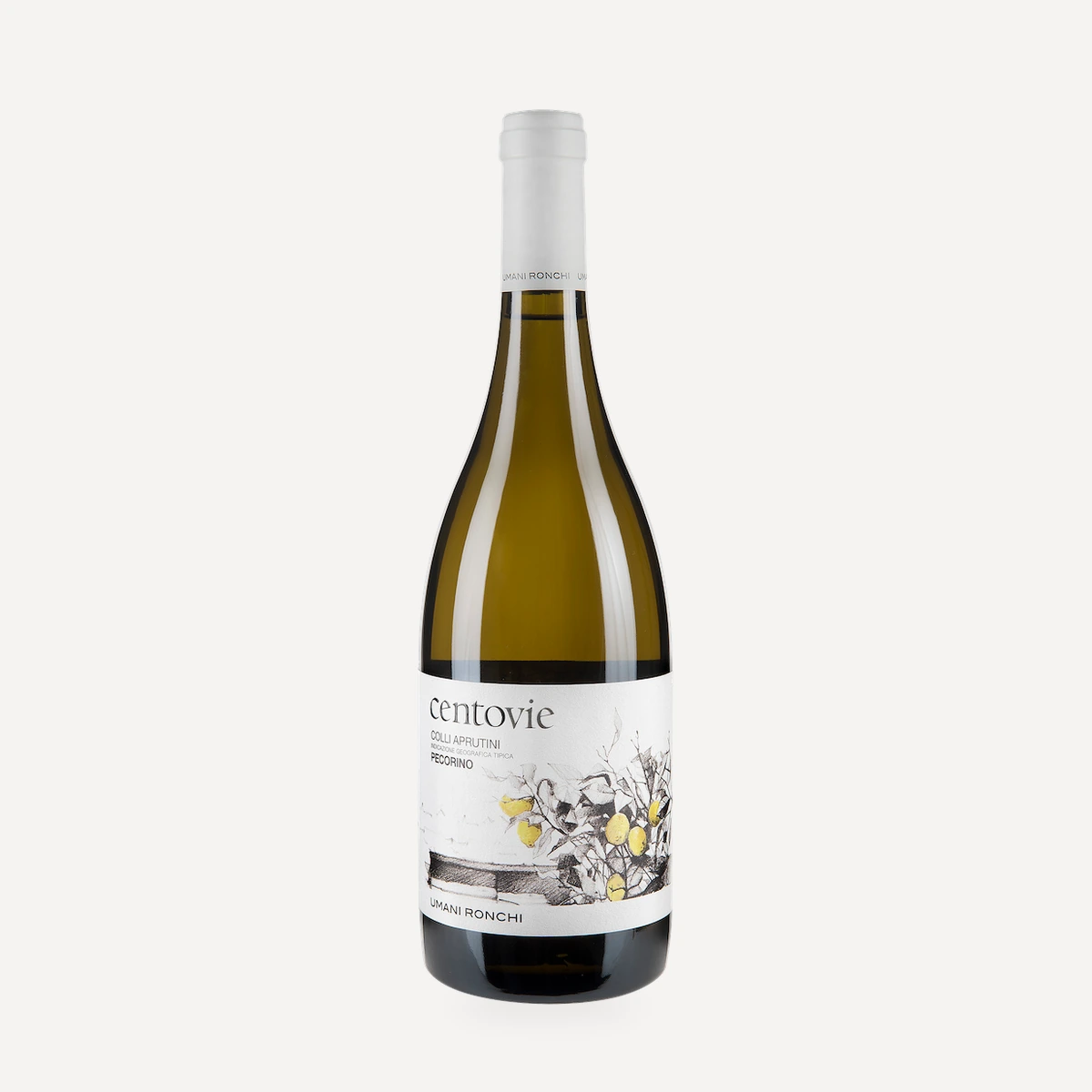
Centovie Colli Aprutini Pecorino IGT
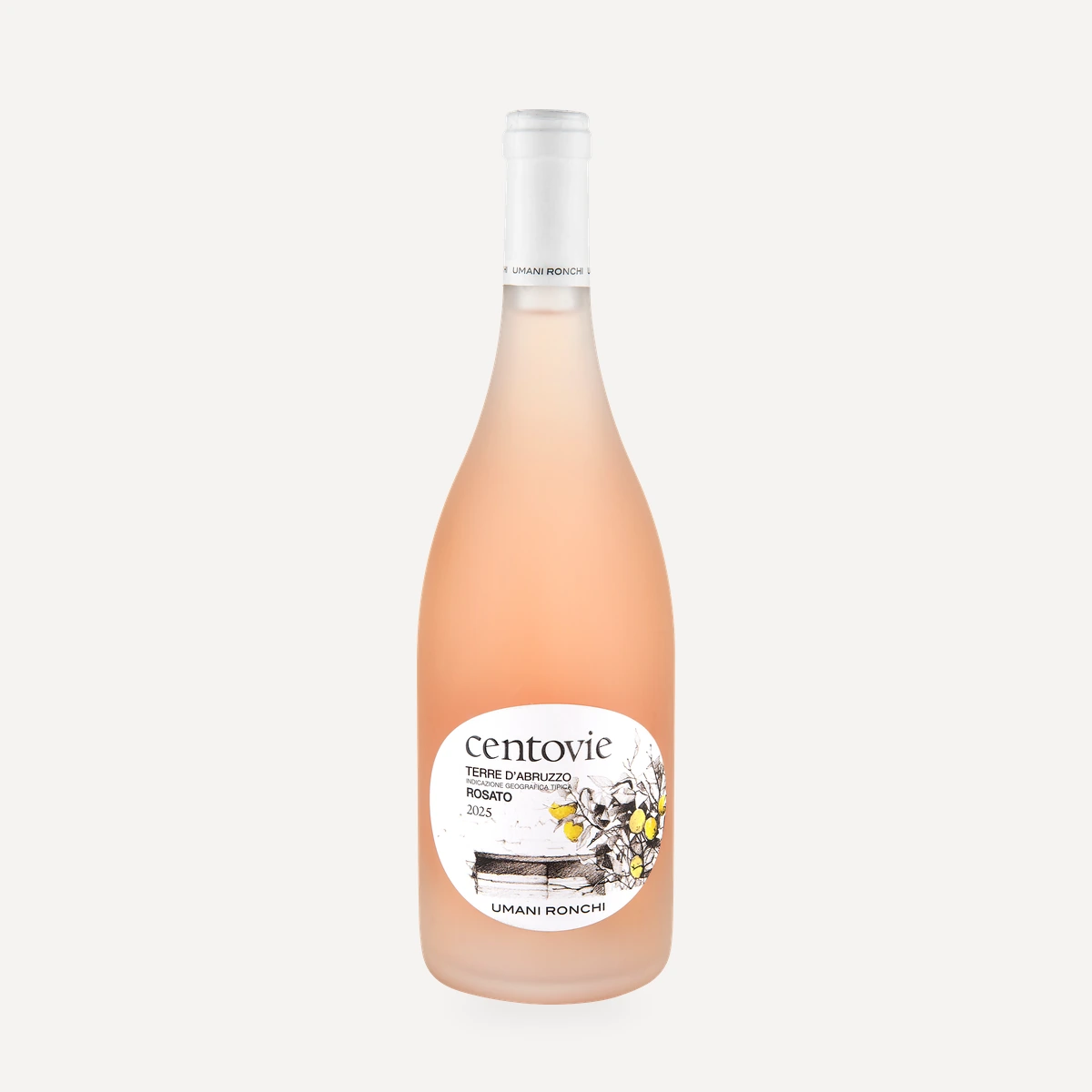
Centovie Terre d'Abruzzo Rosato IGT