Storia
The historic estate
The estate’s principal buildings include a villa dating from the late 18th century and a traditional Tuscan podere. Both were subsequently restored with attention to their historic character and their relationship with the surrounding countryside. The villa stands in a maintained park containing centuries-old cypress trees.
The Puntscher family
In 1970, the Puntscher family assumed the management of Fontino. The estate remains a family operation and has reached its third generation, represented by Heidi and Sophie. Their work combines the agricultural estate with informal, family-centred hospitality rooted in the landscape and food culture of the Maremma.
Biodynamic transition
Four years ago, the estate adopted biodynamic agriculture. The change was presented as a deliberate return to cultivation focused on soil vitality rather than production alone. Crop rotation, plant-derived fertilisers and the exclusion of chemical agents became the basis of an approach intended to increase biological activity in the soil, strengthen plant resilience and prioritise quality over quantity. The agricultural operation and vineyards are now described as fully biodynamic and Demeter-certified.
The young wine enterprise
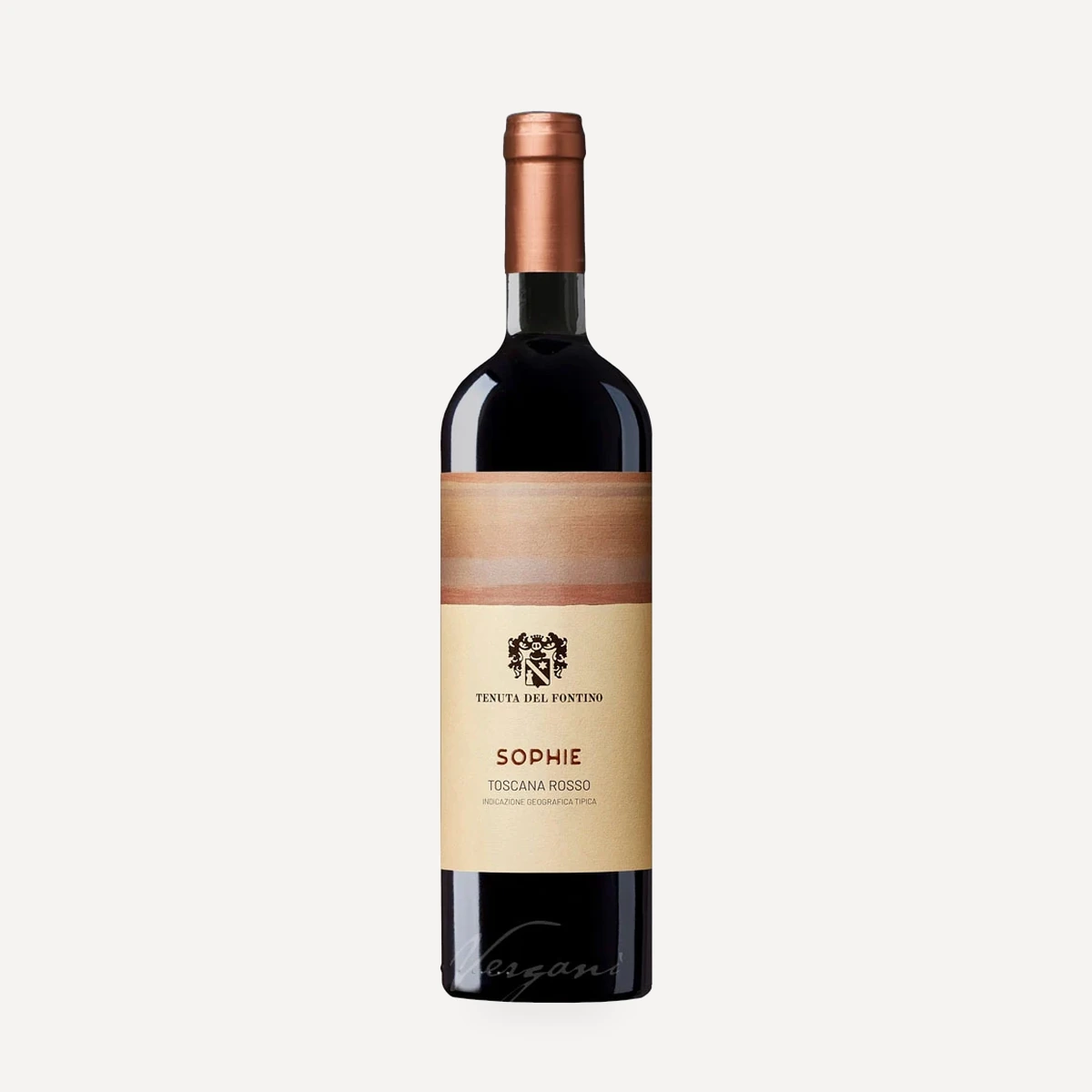
The wine operation is presented as a young estate winery. Its development centres on biodynamically cultivated vineyards, manual work, spontaneous fermentations and wines intended to preserve the identity of their place of origin. Fabrizio Moltard and Damiano Maurini form the oenological team. The documented portfolio includes red, white, rosé and sparkling wines under Toscana IGT and Spumante di Qualità designations.
Terroir
Tenuta del Fontino is located at Località Fontino in the municipality of Massa Marittima, in the Tuscan Maremma of southern Tuscany. The estate lies near Lago dell’Accesa and almost midway between the sea and the mountains. The coast and its beaches are a few kilometres away, while the Colline Metallifere extend inland towards Monte Amiata. Vineyards, olive groves, Mediterranean vegetation and woodland form the immediate agricultural landscape.
The documented vineyards lie between 80 and 150 metres above sea level. Their soils are clay-calcareous. Individual vineyard specifications place the Syrah, Sangiovese, Ciliegiolo and Viognier blocks largely between 100 and 150 metres, while the broader vineyard holding used for the red blend extends from 80 to 150 metres.
Vinificazione
The estate follows a fully biodynamic cultivation system certified by Demeter. Its approach is centred on both indigenous varieties and the wider biological health of the farm.
Soil fertility is supported through crop rotation, plant-derived fertilisers and biodynamic preparations rather than chemical agents. The objective is to increase biological activity, create living soils and encourage plants to develop greater natural resilience to disease. This approach consciously gives priority to quality over quantity and requires sustained manual work and close attention to the land.
Grapes are harvested by hand into 15 kg crates. Fruit intended for white-wine production is picked during the early morning so it can arrive cool and be destemmed and pressed promptly, preserving aromatic character and fruit integrity. For pied-de-cuvée preparations, the ripest bunches are selected before the main harvest and allowed to begin spontaneous fermentation through the yeasts naturally present on their skins.
The cellar works with gravity wherever possible. Red grapes are hand-picked in 15 kg crates, mechanically destemmed in a way intended to keep the berries or bunch structure intact, and then crushed progressively by hand. Alcoholic fermentation takes place on the skins in 1,000-litre vessels, using indigenous yeasts and without temperature control. Extraction is managed through manual punch-downs, in several protocols every six hours, and maceration lasts from two to four weeks.
Ageing varies with the intended expression. Some red wine is divided between third- and fourth-use oak barriques and steel for approximately six to eight months. Other lots mature for six or ten months in 225-litre French-oak barriques that have already seen three or four passages. Fresher red expressions remain in steel for six months. The red-wine protocols generally call for bottling without filtration or clarification.
For white production, selected ripe bunches are harvested in advance to create a pied de cuvée. After destemming, yeasts naturally present on the skins begin a spontaneous fermentation; the active culture is then used to initiate fermentation of the principal lot. The main harvest is carried out by hand during the cool early hours of the morning, followed by immediate destemming and pressing. Fermentation proceeds without added yeasts or temperature control. The wine is gravity-filtered before bottling.
The sparkling protocol begins with a lightly coloured base made from red grapes. Selected ripe bunches provide a spontaneous pied de cuvée, after which the principal fruit is destemmed, pressed and quickly separated from the skins. The resulting base is made without added sulphur dioxide and is gravity-filtered. Sugar is subsequently added to the rosé base; yeasts remaining in the unfiltered wine initiate a second fermentation through the Charmat process. The sparkling wine receives six months of bottle ageing.
Filosofia
Tenuta del Fontino defines its wine objective as the production of high-quality biodynamic wines through the most natural work possible. It seeks freshness and authenticity, with each wine reflecting the characteristics of its terroir and arising from agronomic practices that respect the soil and its resources.
The same principle governs the broader farm. The estate presents its transition to biodynamics as “one step back” in method but a major step forward in soil health: agriculture is treated not simply as production but as a means of making the land more vital. Biological activity, plant resilience and nourishment from the soil ecosystem take precedence over maximising quantity.
Manual work, patience and time are identified as core elements of the biodynamic process. In the cellar, spontaneous fermentation, gravity handling, restrained use of oak and limited processing support the stated aim of preserving the identity of the fruit and vineyards. The family’s hospitality philosophy follows a parallel course, favouring a personal, domestic atmosphere over a conventional hotel model and linking accommodation with farming, food and the surrounding landscape.
Vini
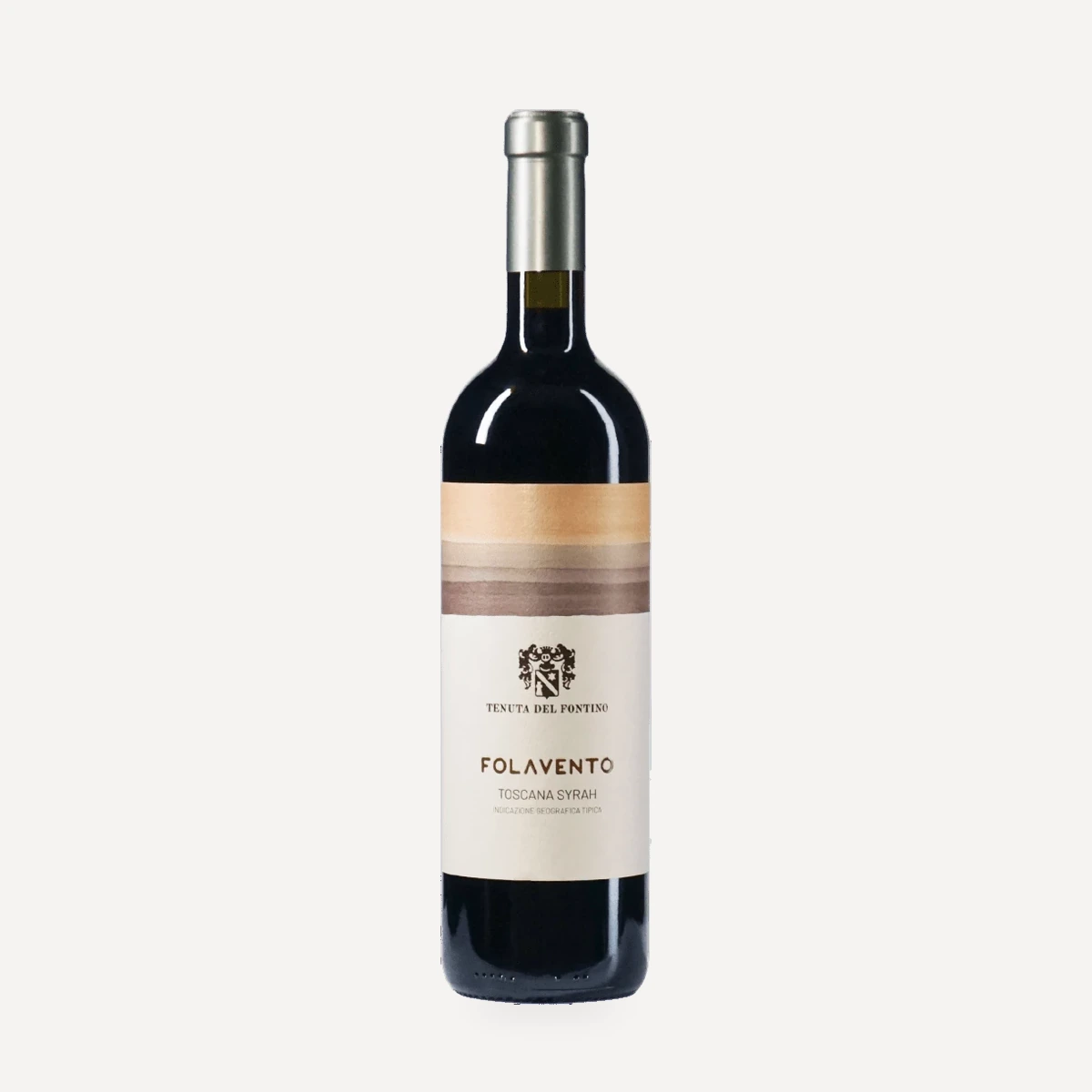
FolaVento – IGT Toscana Syrah
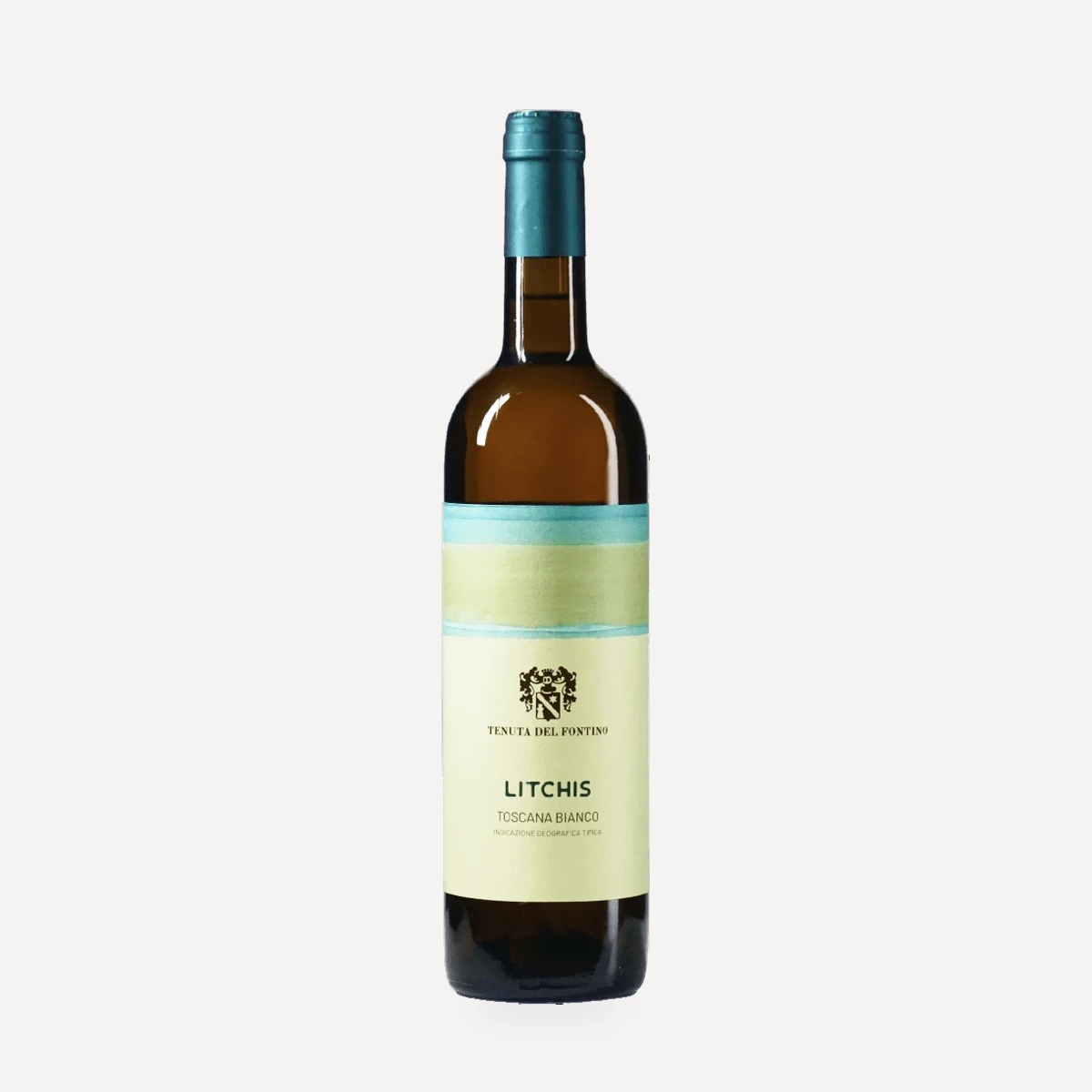
Litchis – IGT Toscana Viognier
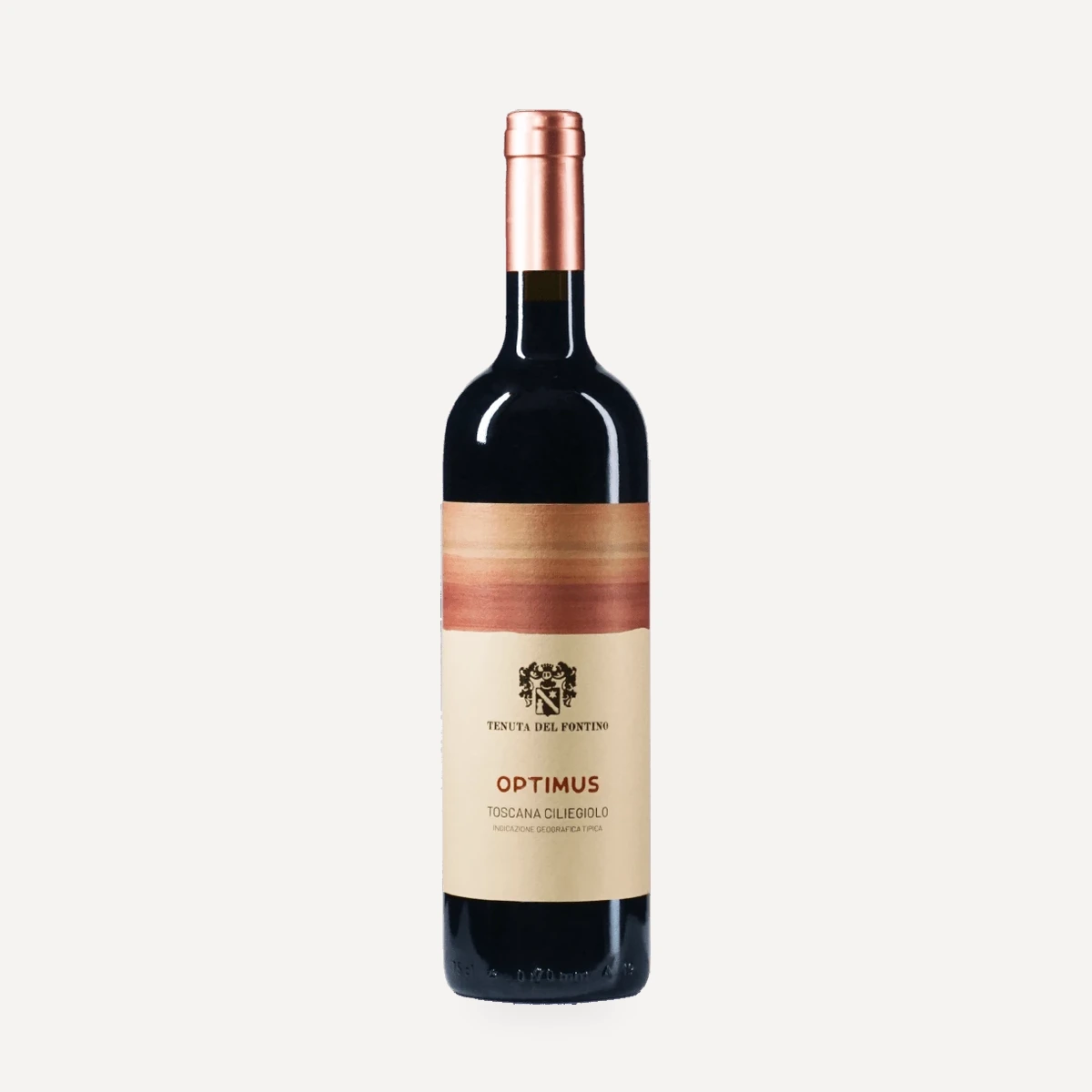
Optimus – IGT Toscana Ciliegiolo