Storia
Early settlement and mining
Artifacts and remains of Etruscan smelting furnaces attest to settlement at Ripe Alte from the ninth century BC. More continuous documentation begins in the first half of the nineteenth century, when mineral extraction started at Monte Calamita.
Oscar Tobler and the creation of the farm
Oscar Tobler belonged to a Swiss family that had moved to Livorno in 1772. An entrepreneur active between Livorno and Pisa, he regarded agriculture through both economic and rational and humanistic and social perspectives. Around 1890, while sailing the Tyrrhenian Sea from Livorno in his yacht, he became interested in the still-wild Capo Calamita area.
Between 1889 and 1906, Tobler acquired four properties on Elba. The Tenuta di Capo Calamita—today Tenuta delle Ripalte—was the largest and riskiest investment. It was isolated, accessible only by paths or from the sea, and had no resident population; laborers walked 9 km from Capoliveri. The present access road did not exist until 1925, when it was built for mining use.
Tobler founded the Fattoria in 1896 as a modern agricultural enterprise in which viticulture would have a central role. At approximately 450 ha, it was the island’s largest farm. Capo Calamita was the most specifically wine-oriented of Tobler’s Elban properties, being devoted almost entirely to wine production. Local recollections place output at more than 3,000 barrels a year around 1910. Genoese merchants collected the wine from sailing vessels moored at beaches along the estate’s coast.
Decline, sale and retreat from wine production
Tobler’s financial position weakened after the First World War. Between the two world wars he sold the estate to Umberto Quintavalle, a leading figure in Italian industry who served for decades as vice-president and general manager of Magneti Marelli. Quintavalle reduced wine production and transformed the property into a private retreat for his family and friends.
Large September hunting parties became customary, drawing participants from business and the professions. The estate’s populations of hares, pheasants and partridges supported this activity. The tradition continued when the property passed to Quintavalle’s daughter Luisa, wife of Marchese Niccolò Theodoli. Under later owners, both wine production and livestock raising were eventually abandoned in favor of leisure and hunting.
The present ownership and the return of viticulture
The present ownership took over in 1977 and developed the area’s tourism potential as Elba’s economy, particularly around Capoliveri, shifted away from agriculture and mining toward tourism.
Viticulture returned in 2002 as part of an effort to recover the island’s agricultural vocation while integrating it with hospitality. New vineyards were planted in the estate’s most suitable positions, with Aleatico as the central variety and Vermentino, Fiano, Alicante and Carignano representing a broader Mediterranean varietal base.
Piermario Meletti Cavallari joined the company at the beginning of the wine project and became its director and principal coordinator. His interest grew from a passion for passito wines and his assessment of the potential of the Ripalte landscape. The project followed an early managerial career in Milan, the creation of a pioneering wine bar in Bergamo Alta and three decades of viticultural work in Bolgheri, including the creation and development of Grattamacco. His work at Ripalte also restored attention to Alicante, then a neglected variety on Elba, using an approach that avoids overripeness and over-extraction.
Wine production and hospitality are now integrated across the estate, reviving the combination of agriculture, enterprise and social life that shaped Tobler’s original project.
Terroir
The estate occupies a 450 ha promontory at the southeastern end of Isola d’Elba, within the Tuscan Archipelago National Park. Its vineyards overlook a coastline of beaches, coves and high cliffs known as the Ripe Alte. The property includes approximately 12 km of coast and lies 9 km by unpaved road from the nearest settlement.
The principal vineyard areas stand above the sea, generally at elevations of at least 170 m. Their height and maritime exposure increase ventilation and reduce the effect of nighttime humidity generated by the nearby sea. Constant sea breezes, strong sunlight and a dry climate shape ripening, while the cooler Pascoli Alti sector delays harvest and helps white grapes retain acidity and finesse in hot years.
The vineyard soils are difficult, stony and highly draining; some sectors are terraced. They are described as rocky and sandy and as being of volcanic origin, with metamorphic granite and a substantial mineral component. At Pascoli Alti the ground is also characterized as ferruginous and mineral-rich. Low fertility restricts yields. Gorgaccio lies between two old iron mines, while Poggio Turco’s high maritime terraces have metamorphic-granite soils.
Poggio Turco faces due south and favors full ripening of Aleatico. Gorgaccio faces east: morning sunlight dries the grapes after humid nights, while the site is spared the strongest afternoon heat. Pascoli Alti lies at approximately 300 m on the southern slopes of Monte Calamita, combining a cooler position with dry conditions, sea ventilation and mineral-rich soils.
Vinificazione
Agronomic management follows principles of sustainable agriculture, with the twin goals of producing healthy food through efficient use of technical resources and protecting environmental quality and natural resources.
Fertilization uses organic inputs. Green manure is practiced by sowing legumes between the rows; these fix nitrogen and are incorporated into the soil at flowering. Weeds are managed through mechanical cultivation or hoeing rather than chemical herbicides. Plant protection follows integrated-pest-management principles and limits the use of synthetic pesticides.
No irrigation is used because water resources are scarce. The difficult, stony, free-draining and low-fertility soils naturally restrict vine productivity. The altitude and maritime ventilation help dry nighttime humidity, while site-specific exposure is used to moderate heat or support ripening. All vineyards are fenced against hares, wild boar and wild goats.
Harvesting is manual across the documented production range, with selection tailored to the intended result. Aleatico for sparkling wine is collected at the end of August; fruit intended for Passito reaches full maturity in the first days of September. Pascoli Alti is harvested later to preserve finesse and acidity in its white grapes. The 2024 dry Aleatico rosé is identified as being made from organically grown grapes.
Winery and production layout
Tobia Scarpa designed the winery around Piermario Meletti Cavallari’s production requirements. The building is arranged on two levels, each devoted to a different stage of production. Its roof carries a broad terrace overlooking the sea and vineyards; this was initially conceived as a place for drying grapes.
White and rosé production
Manual harvest is followed by gentle pressing to protect freshness and aromatic character. After delicate clarification, the must ferments in stainless steel at a controlled 18–20°C. The documented still whites and dry Aleatico rosé remain on fine lees for several months to build texture and roundness. Bottling generally takes place in spring or late spring, followed by further bottle ageing.
Red production
Alicante and Carignano are harvested manually and selected before fermentation in stainless-steel tanks. The estate’s accessible red uses a short skin maceration and matures for six months in steel before bottling at the end of the following spring. The selection from the oldest, Guyot-trained Alicante vineyard at Gorgaccio undergoes approximately ten days of skin maceration in steel, followed by six months in second-use French oak tonneaux. It is bottled at the end of the summer following harvest. The guiding approach avoids overripeness and over-extraction.
Passito production
Fully ripe Aleatico from Poggio Turco is harvested manually in early September. The bunches dry directly in the sun on racks for approximately one week, concentrating sugar and aroma. A short skin maceration follows. Fermentation proceeds slowly until it stops naturally because of the high residual-sugar concentration. Maturation takes place in stainless steel, and bottling occurs in the summer after harvest.
Sparkling production
Aleatico for the sparkling base is harvested manually at the end of August and gently pressed. Fermentation and secondary fermentation use the Charmat method, with maturation in autoclave to retain freshness and aromatic intensity. At bottling, the liqueur d’expédition incorporates Aleatico Passito, adding aromatic depth and complexity.
White vinification, sun-drying and sparkling-wine methods form the principal technical strands through which the estate presents Aleatico in dry, sweet and sparkling styles.
Filosofia
The modern project seeks to reconnect the estate’s agricultural past with its hospitality activity, restoring winegrowing to land that had been devoted primarily to leisure and hunting. Its central aim is to express Elba and preserve Aleatico through complementary interpretations: traditional Passito, dry rosé and sparkling wine.
Piermario Meletti Cavallari’s approach to Alicante rejects overripeness and excessive extraction. The objective is an elegant, drinkable red whose tannic structure differs from his earlier Bolgheri experience while retaining complexity.
Environmental principles are expressed through resource efficiency, protection of natural assets and an agronomic program built on organic fertilization, green manure, non-chemical weed management, limited synthetic plant-protection inputs and dry farming. The integration of architecture with the surrounding landscape extends this outlook into the winery itself.
The estate presents wine as part of a broader cultural and sensory experience encompassing vineyards, architecture, local food, the sea and the natural setting of the Tuscan Archipelago National Park.
Vini
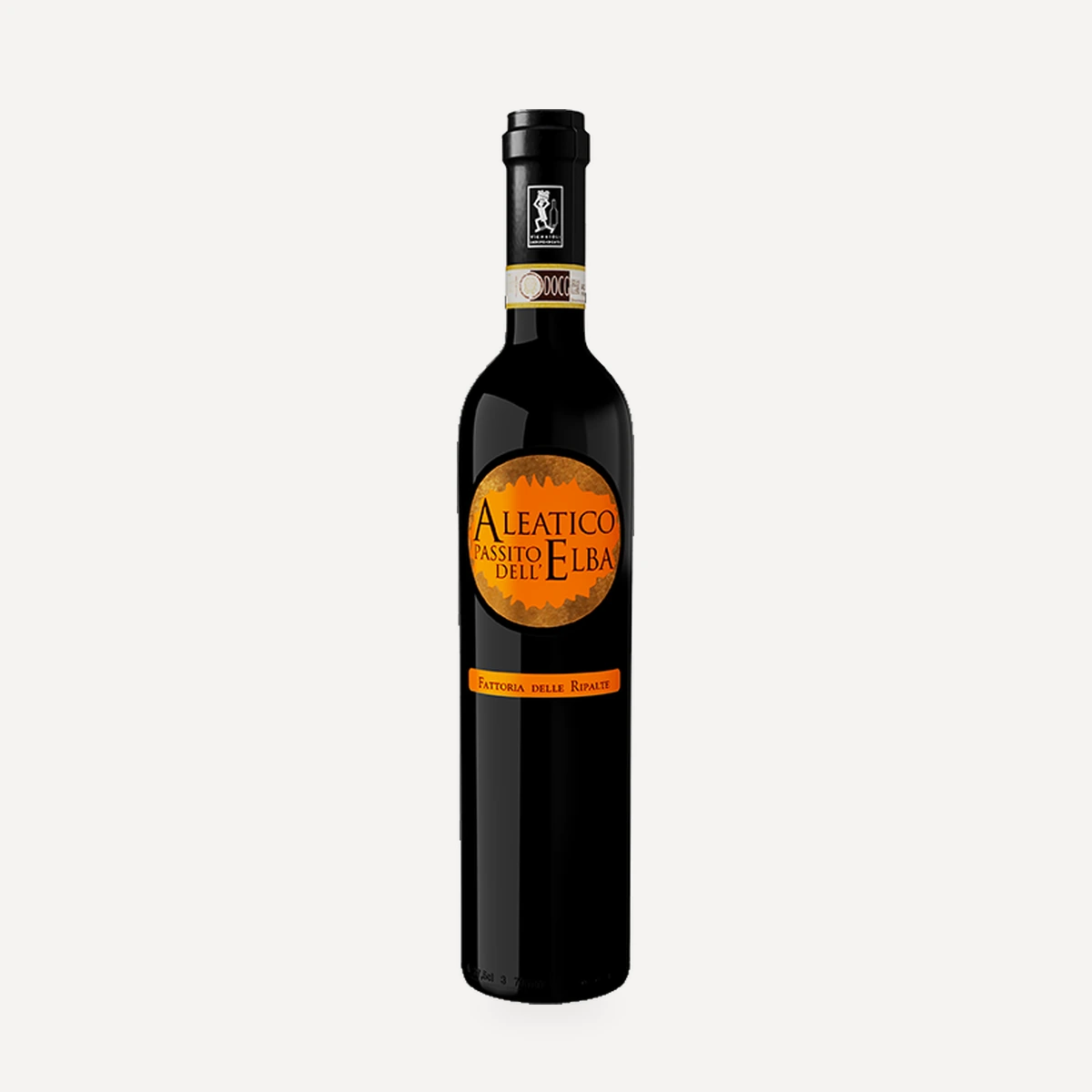
Aleatico Alea Ludendo
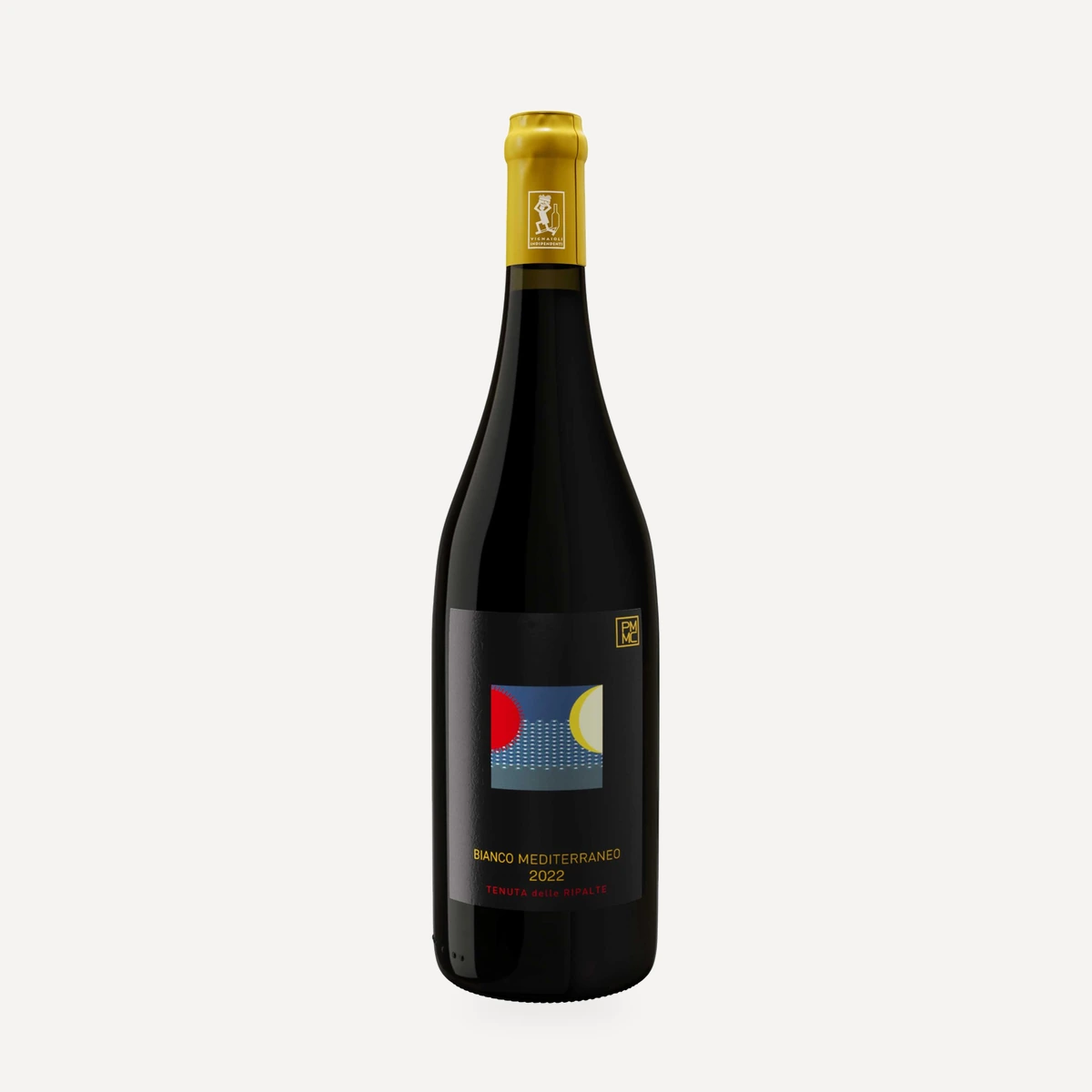
Bianco Mediterraneo
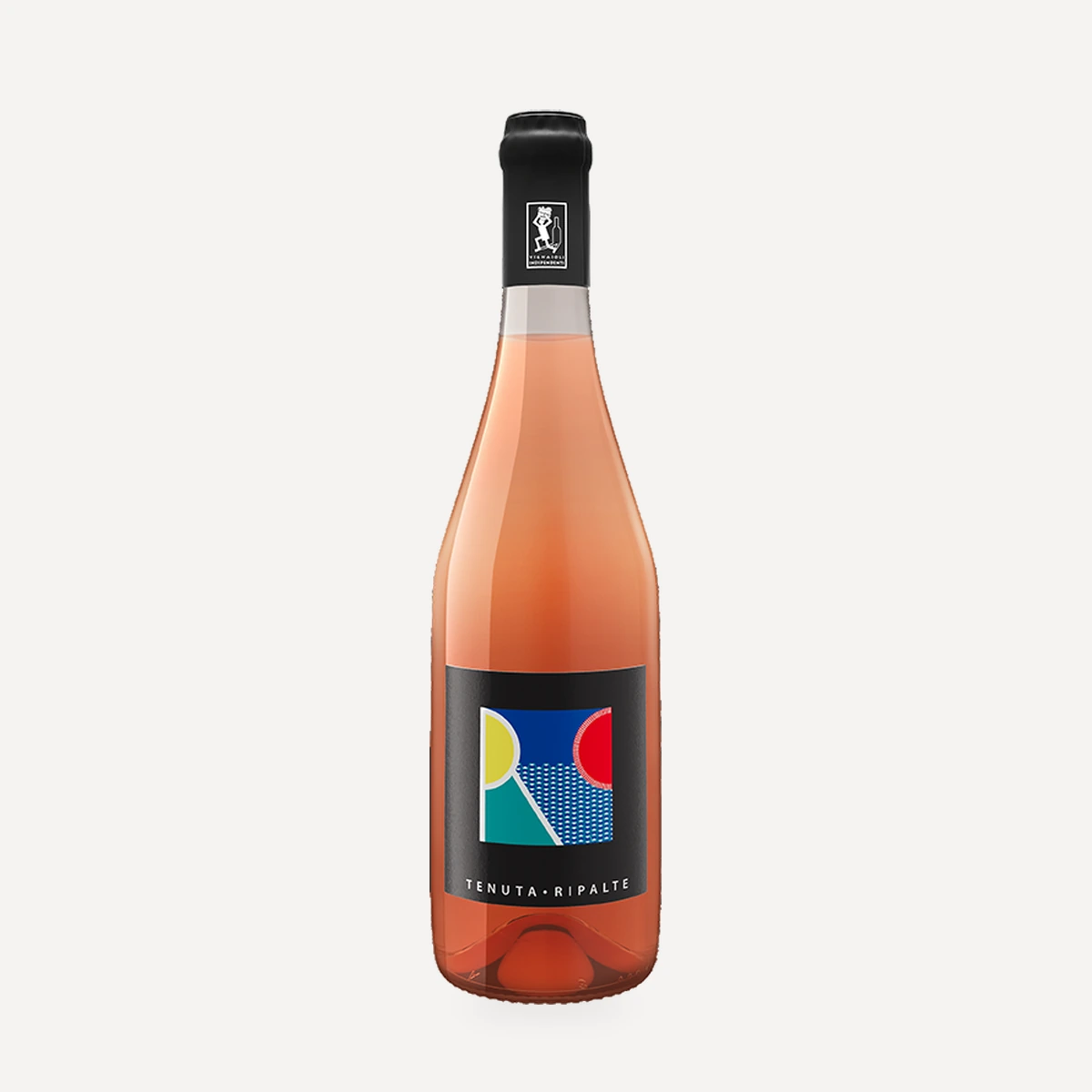
Rosato delle Ripalte
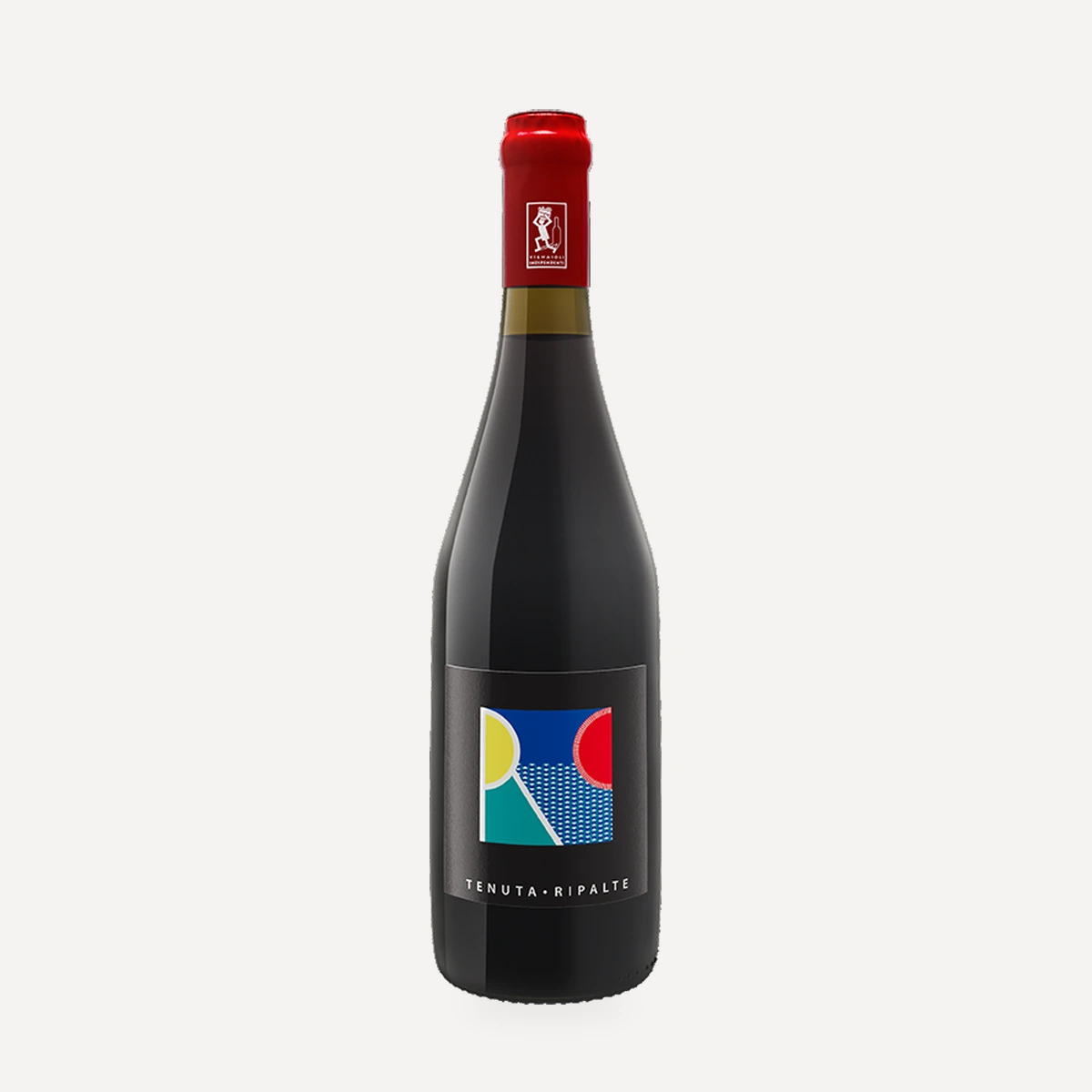
Rosso delle Ripalte
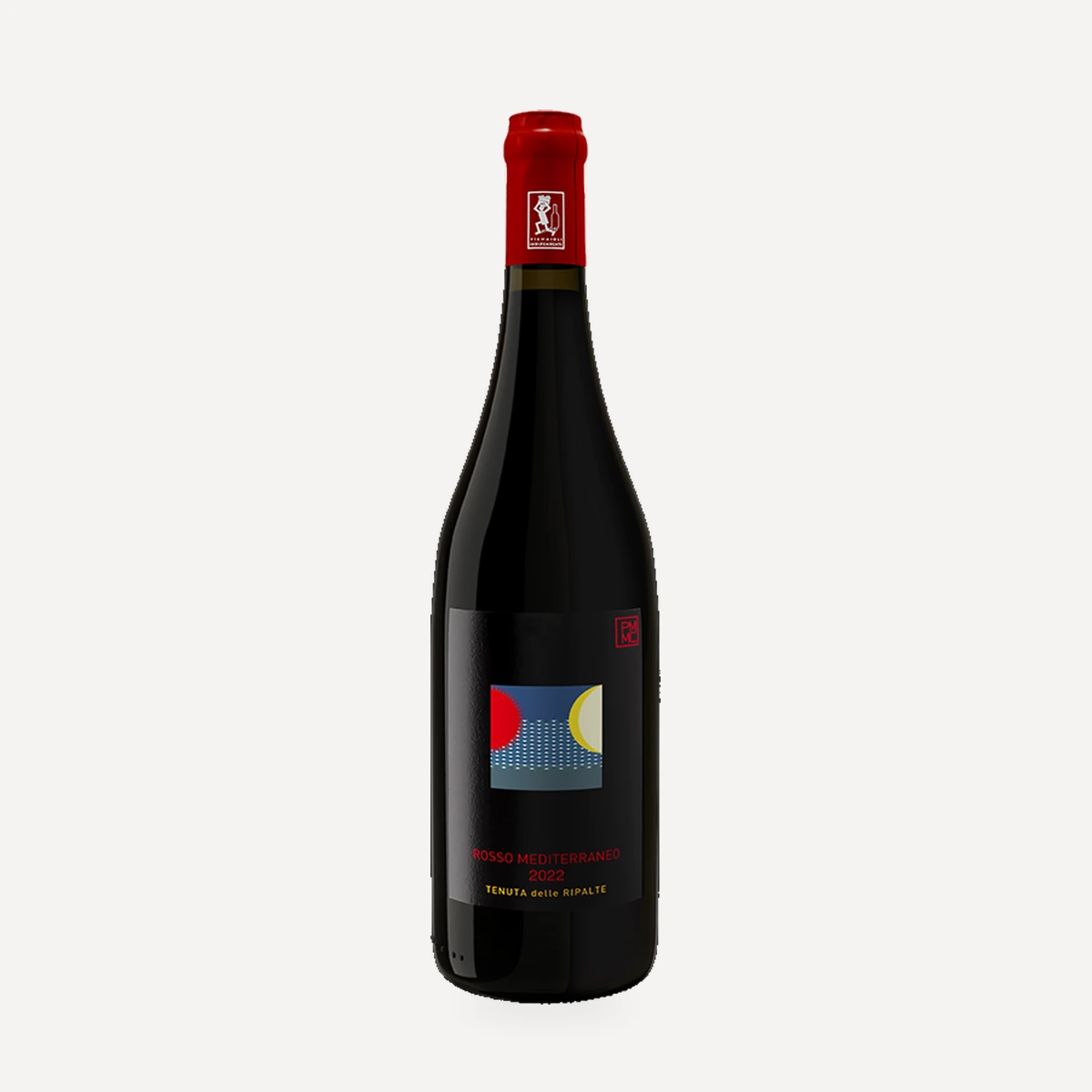
Rosso Mediterraneo
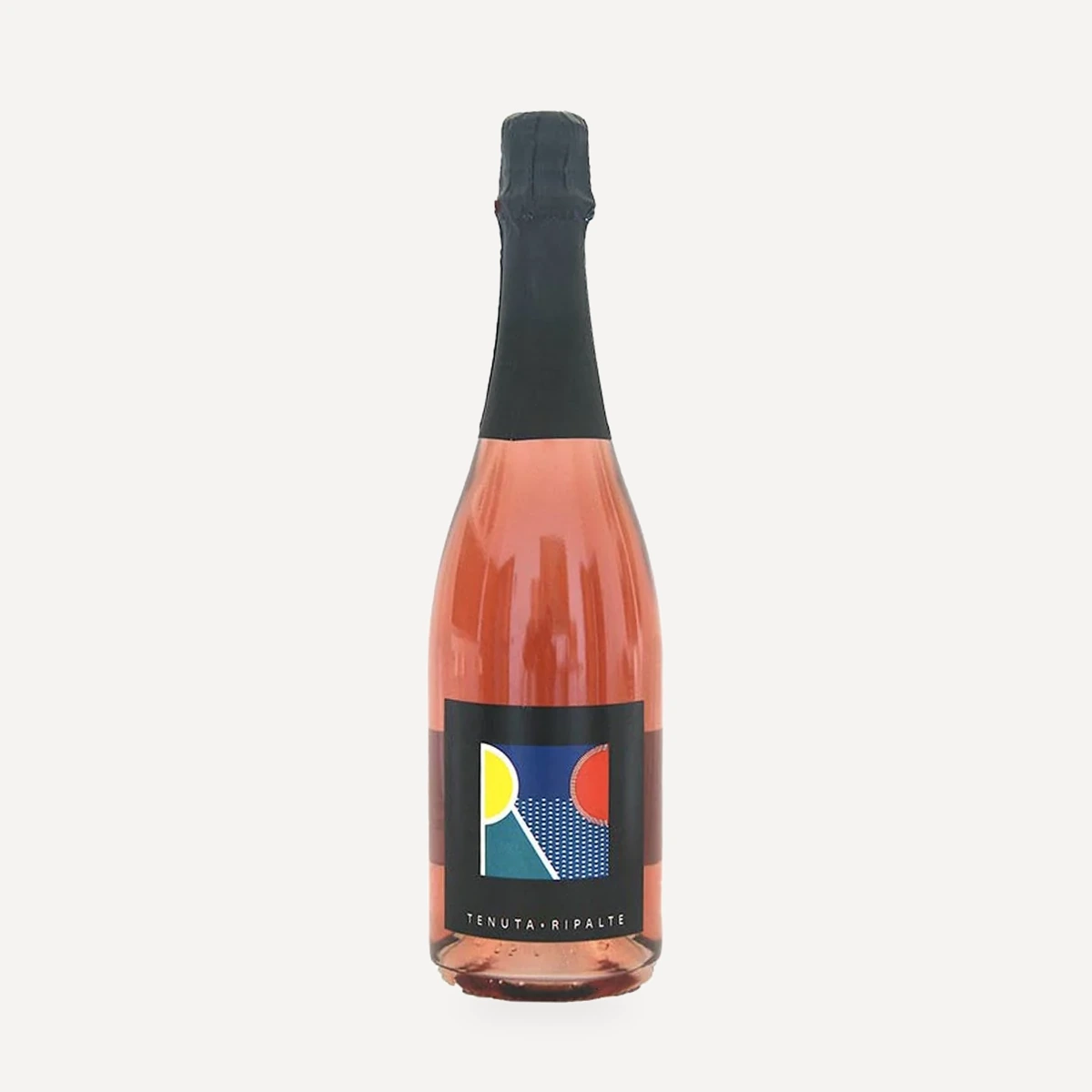
Spumante Brut delle Ripalte