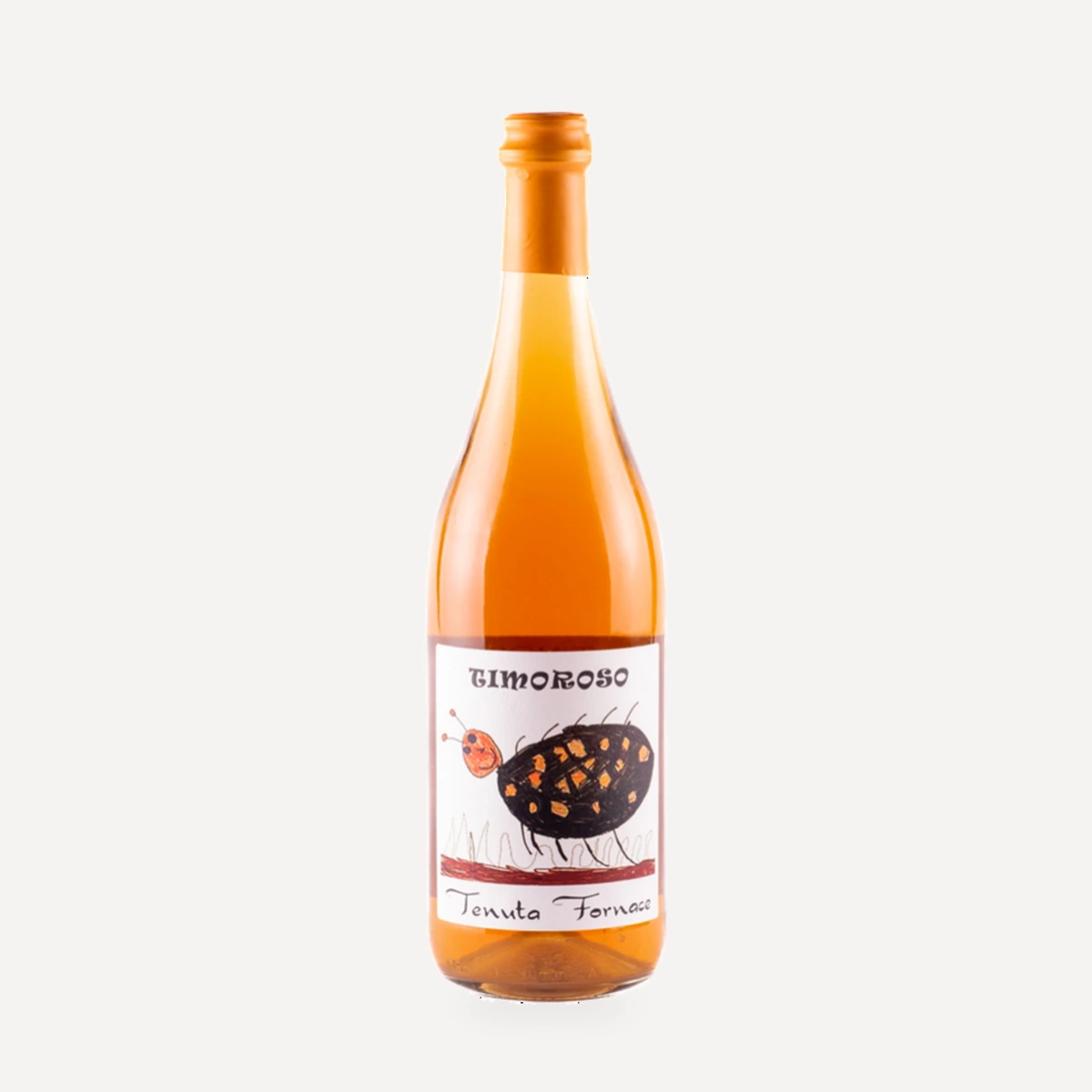
Storia
Earlier viticultural record
Winegrowing around Rovescala predates the Rossi family enterprise. A parchment dated 11 March 1192 records that Count Anselmo di Rovescala, then ruler of the territory, undertook to deliver 600 congi—approximately 20 hl—of the best wine from his vineyards over the following three years. The wine was intended to settle debts accumulated during construction of the castle. Viticulture in Rovescala has continued since at least that period.
1823–1920: the Rossi family in Pieve di Rovescala
The Rossi family’s documented winegrowing tradition is dated to 1823. For several generations the family lived and cultivated vines at Pieve di Rovescala, where its winery remains based.
From the first half of the nineteenth century until 1920, almost all of the grapes were sold. A small proportion was vinified for family consumption or supplied directly to private customers. Wine and grapes were also bartered for agricultural products such as rice and flour.
Between the world wars
Between the First and Second World Wars, Andrea Rossi’s grandfather Beniamino began vinifying a larger share of the crop. He bottled the family’s first wines and sold the remainder in demijohns, marking a gradual transition from grape growing toward estate wine production.
The 1950s
During the 1950s, Beniamino’s sons Mario and Pietro began bottling wine under new family labels. Distribution expanded beyond private customers to include the first local osterie.
1980–1987: construction and generational transfer
In 1980 Mario began constructing the first part of the present winery while continuing to farm 2.5 ha of vines. His sons Andrea and Fabrizio subsequently joined the vineyard and cellar work.
Mario’s health led him to delegate all vineyard and cellar operations to Andrea and Fabrizio in 1987. The brothers then began reacquiring Pietro’s 2.5 ha of vineyard and purchasing adjoining vineyards.
2000–2010: completion, expansion and exports
The winery headquarters was completed in 2000. Between 2000 and 2010 the business underwent its greatest period of expansion, consolidating additional vineyards on other hills. The family pursued a zoning project that matched different local grape varieties with distinct terroirs.
Exports began in 2005, bringing the estate’s first bottles to markets outside Italy.
2010: division of the holdings and a new agricultural direction
In 2010 Andrea and Fabrizio chose separate paths. Andrea assumed responsibility for the land allocated to him and initiated organic certification for both the vineyards and the resulting wines. The practical farming system had already followed the same approach for several years without certification.
Andrea also began studying biodynamic agriculture and attended his first specialist course. The goal expanded beyond organic compliance toward regenerative agriculture capable of preserving and increasing vineyard soil fertility, producing healthier grapes and giving more balanced, authentic wines.
Cellar practice changed in parallel. Musts and wines were no longer clarified or filtered; fermentations relied on indigenous yeasts; and added sulphites were reduced to a minimum or eliminated. These measures were intended to reveal the estate’s terroirs and varieties more directly.
2022: TripleA and old-vine cru project
Tenuta Fornace joined the TripleA family in 2022. In November of that year it began an old-vine cru project in collaboration with TripleA’s Avanguardia initiative. The project is based exclusively on fruit from old vineyards.
2024 and the present estate
The estate formerly cultivated vineyards in Piemonte’s Colli Tortonesi, where it grew Timorasso, Barbera, Dolcetto, Nebbiolo and Croatina. That chapter ended in 2024. The present vineyard base is distributed among Rovescala, Santa Maria della Versa, Canneto Pavese and Mornico Losana in the north-eastern Oltrepò Pavese.
Tenuta Fornace continues to test different vinification and maturation styles and durations, seeking an individual expression for each variety.
Terroir
Regional setting
The present vineyards occupy four areas in the north-eastern part of the Oltrepò Pavese DOC: Rovescala, Santa Maria della Versa, Canneto Pavese and Mornico Losana. The Rovescala winery stands at the far eastern edge of Oltrepò Pavese, close to the Emilia-Romagna border, on a natural panoramic terrace overlooking vines.
La Pieve, Rovescala
La Pieve lies in the eponymous hamlet of Rovescala at 270 m above sea level, in the north-east of the denomination. Its soils are the most clay-rich among the estate’s hills. Croatina and Barbera are planted here, and the vinification cellar is located within the estate.
Cascina Mosca
Cascina Mosca occupies the upper part of the hill between Santa Maria della Versa and Rovescala. Its vines form a single consolidated block overlooking both communes. The entire site faces north and offers a view across the Alpine chain.
The lower slope holds the estate’s oldest Pinot Nero vines, used for traditional-method sparkling wine. Malvasia, Moscato and an old Pinot Grigio planting occupy the middle section; the aromatic varieties and Pinot Grigio supply skin-macerated wines. Pinot Nero for red vinification grows on the upper hill.
Il Torchio, Canneto Pavese
Il Torchio is situated at Canneto Pavese on clay and silt soils crossed by veins of sand. Its steep hill produces the traditional Buttafuoco blend of Croatina, Barbera, Uva Rara and Ughetta di Canneto, also known as Vespolina. The varieties are harvested and fermented together in the same proportions associated with the hill’s old vineyards more than two centuries ago.
Mornico Losana
The Mornico Losana site has slightly clayey topsoil over gypsum-bearing material at depth. It contains the estate’s oldest Riesling and Barbera vines, as well as Pinot Nero for traditional-method sparkling wine and Pinot Grigio for macerated and sparkling styles. The vineyards face entirely north, and the location favours marked temperature variation.
The site was formerly a harvesting centre for grain across the valley. Its accessibility suited local farmers, while low temperatures made grape ripening difficult and encouraged wheat rather than vines. Changing climatic conditions subsequently allowed viticulture to return.
Former Colli Tortonesi vineyards
Until 2024, the estate also cultivated sites in the western part of Piemonte’s Colli Tortonesi. These vineyards grew predominantly on marl and supplied Timorasso for white wines and Barbera, Dolcetto, Nebbiolo and Croatina for reds.
Vinificazione
Tenuta Fornace combines certified organic farming with biodynamic and regenerative practices. Organic certification was initiated after the 2010 division of the family holdings, although the same basic agricultural approach had already been used for several years.
The estate seeks correctly ripened, healthy fruit and keeps vineyard interventions to a minimum. It avoids treatments considered disruptive to the vineyard’s natural equilibrium. Spontaneous grass cover is retained between the rows, preserving numerous wild plant species and attracting a wide range of insects. The resulting habitat is intended to sustain biodiversity and a balanced vineyard ecosystem.
Vineyards are not irrigated. Resistance to dry conditions is instead associated with fertile soils and the continuous regeneration of grass and vine wood within the vineyard. No routine soil fertilisation is applied. Green manure is used when necessary, with alternating rows sown to mixtures of legumes and grasses. These crops add nitrogen and other useful elements, increase humus and support soil fertility.
Wild vegetation is preserved around the vineyard blocks. Hedges surrounding the rows provide habitat for bird populations and help separate vineyard soils from outside influences. Soil management is directed toward protecting and multiplying microorganisms in the upper layers.
The estate remains directly involved throughout the growing cycle, from winter pruning to harvest. Grapes are picked at the stage of maturity judged appropriate for each style; individual cuvées may involve slightly early, fully ripe, late or very late harvesting. Hand picking into crates is used for the wines whose technical descriptions specify the harvest method.
The vinification and ageing cellar is at Rovescala, set among the vineyards on a natural terrace. Its interior is insulated from outside conditions so that temperature and humidity remain constant throughout the year.
Grapes are processed immediately on arrival. Fermentations begin spontaneously through indigenous yeasts carried by the fruit, without cultured yeasts, fermentation substances or additives. Production encompasses red, white and rosé wines; short- and long-macerated whites; still wines; ancestral-method sparkling wines finished by natural fermentation in bottle; and traditional-method sparkling wines.
Musts and wines are neither clarified nor filtered. Natural settling is deliberately prolonged, with cold and time used as the only agents of clarification. Sulphites are normally not added at any stage from vinification through bottling, leaving only the small quantity formed naturally during fermentation. In an exceptional vintage when grape quality is not sufficient, a few milligrams may be added where necessary, always well below the organic-production limit.
The cellar continues to experiment with maceration and maturation styles and durations for different varieties. The broader range includes fermentations and ageing in stainless steel, maturation on the lees, large Slavonian oak casks, French Allier barriques and amphora. Buttafuoco is fermented with its four constituent varieties together and matured in large Slavonian oak; the old-vine cru initiative developed with TripleA’s Avanguardia project is based exclusively on old vineyards.
Filosofia
Tenuta Fornace’s central project is to cultivate each variety in the place considered naturally best suited to it. Its zoning work links local grapes with different soils and mesoclimates rather than treating the vineyard base as a single uniform source.
Andrea Rossi describes the winegrower as an escort rather than the creator of the transformation from grape to wine. Within that philosophy, respecting natural balances allows the land, variety and vintage to provide the wine’s identity. The estate’s shorthand for this approach is “living soils, living vineyards, living wines.”
Healthy, correctly ripened grapes are treated as the foundation of quality. Biodiversity, spontaneous vegetation, soil microorganisms and historic fertility are therefore integral to wine production rather than separate environmental objectives. Regenerative practice is intended not merely to preserve soil fertility but to increase it over time.
Cellar intervention follows the same reasoning: native-yeast fermentation, no filtration or clarification, natural settling and very low or zero added sulphites are intended to reduce mediation between vineyard and finished wine. Traditional regional practice coexists with continuing trials of maceration, vinification and maturation times for individual varieties.
The estate also frames wine as a record of collective work: the land where the fruit grows, the people who walk and harvest the rows, and those who monitor fermentations and long maturation periods. Employees are regarded as companions in a shared experience and customers as companions at the table.
Vini
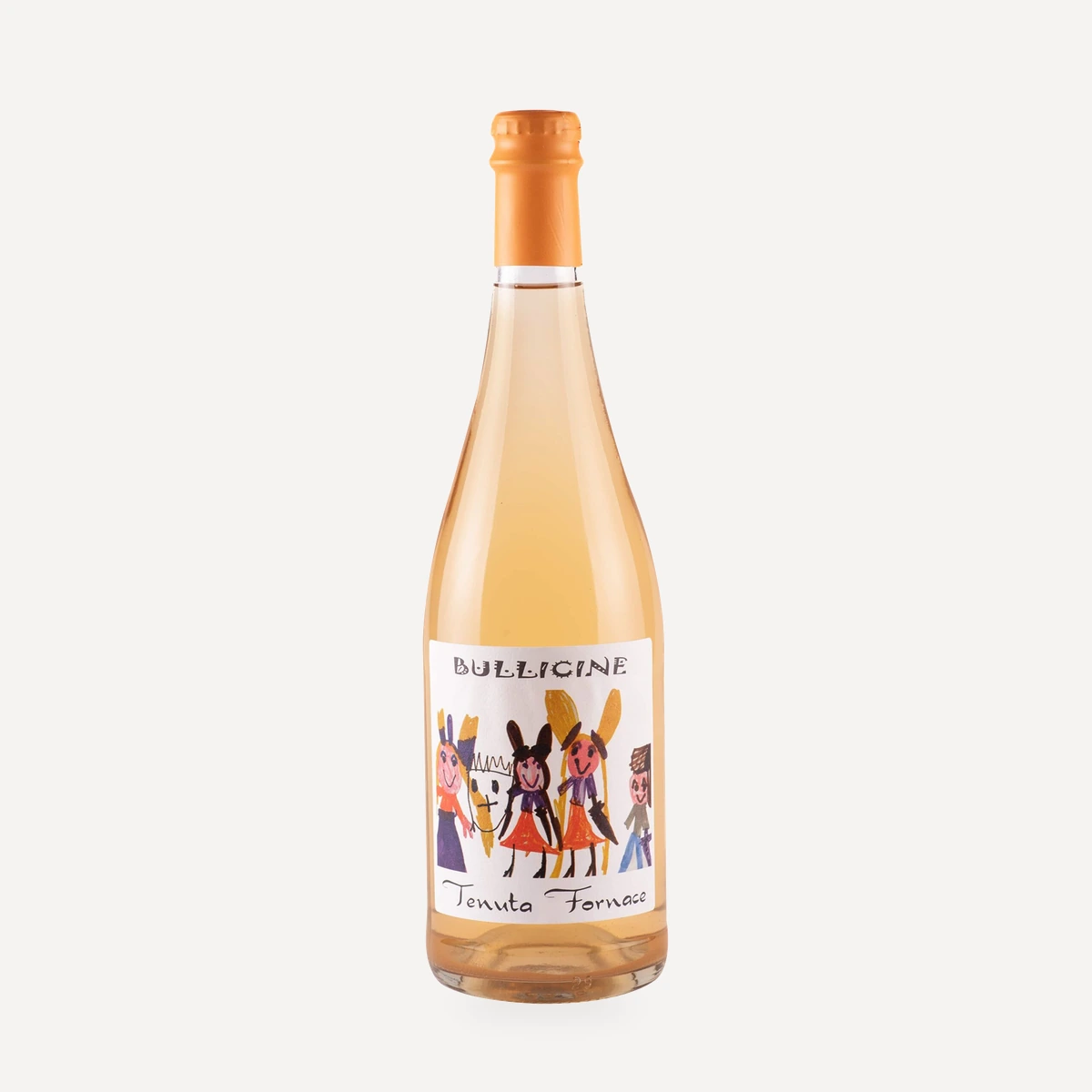
Bullicine
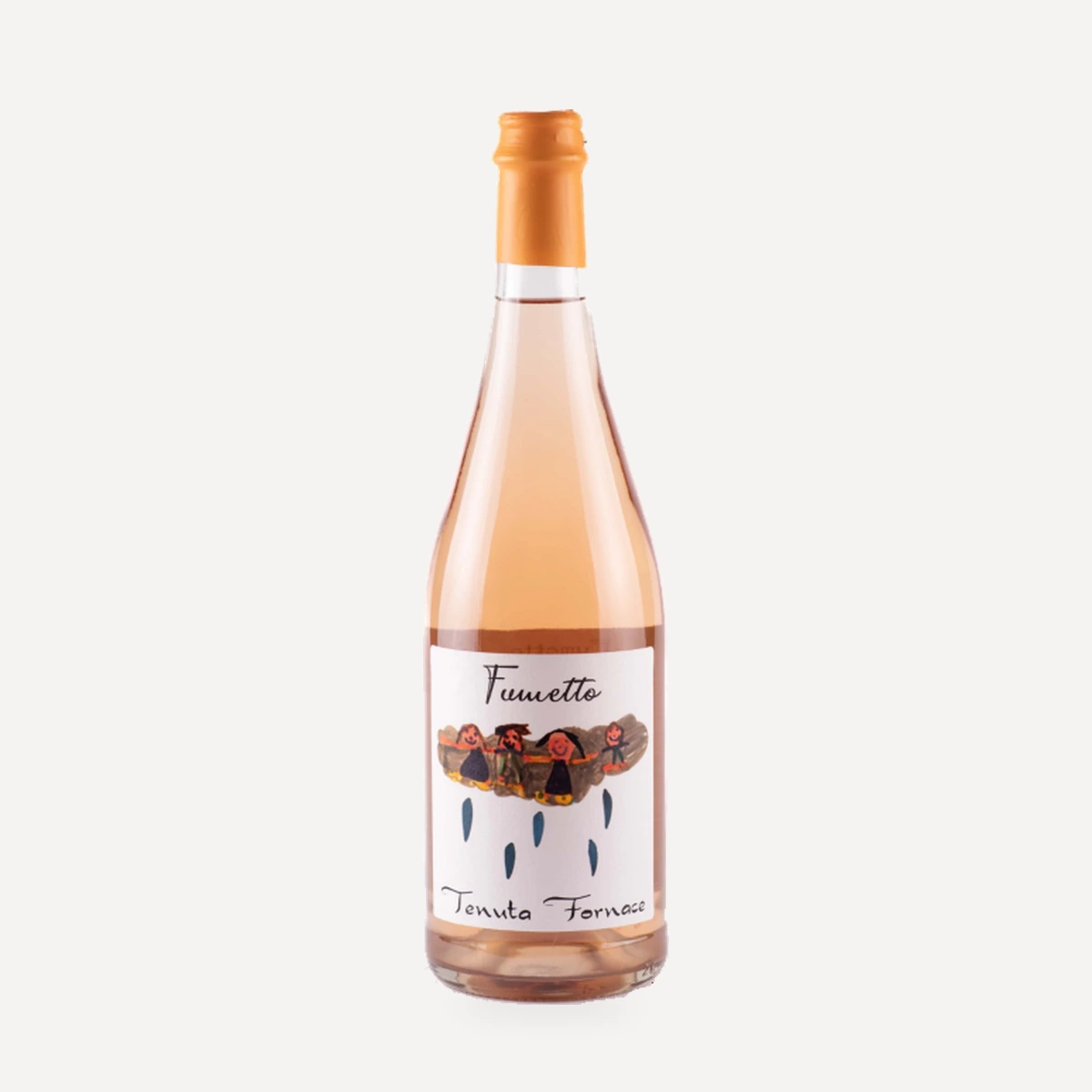
Fumetto
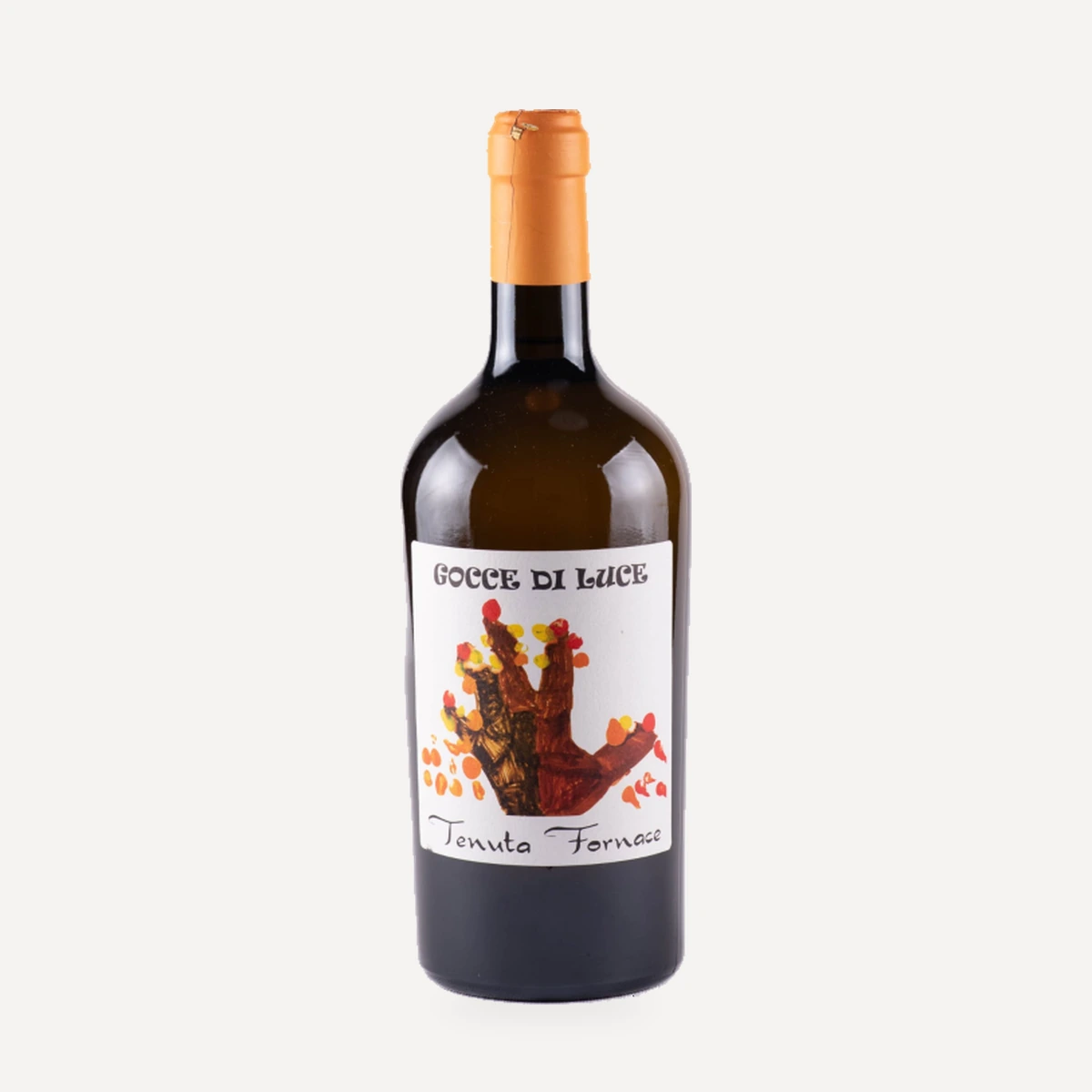
Gocce di Luce
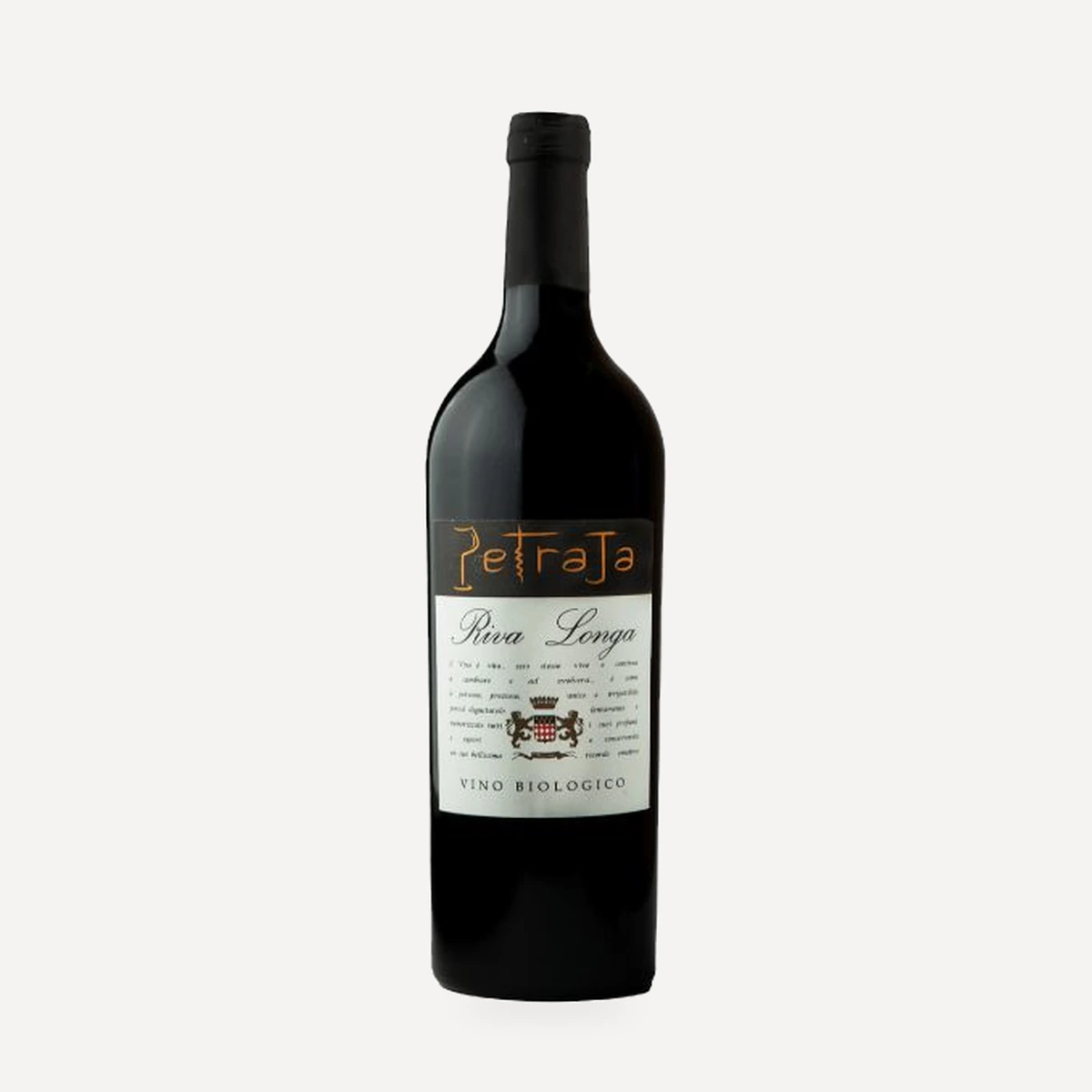
Riva Longa
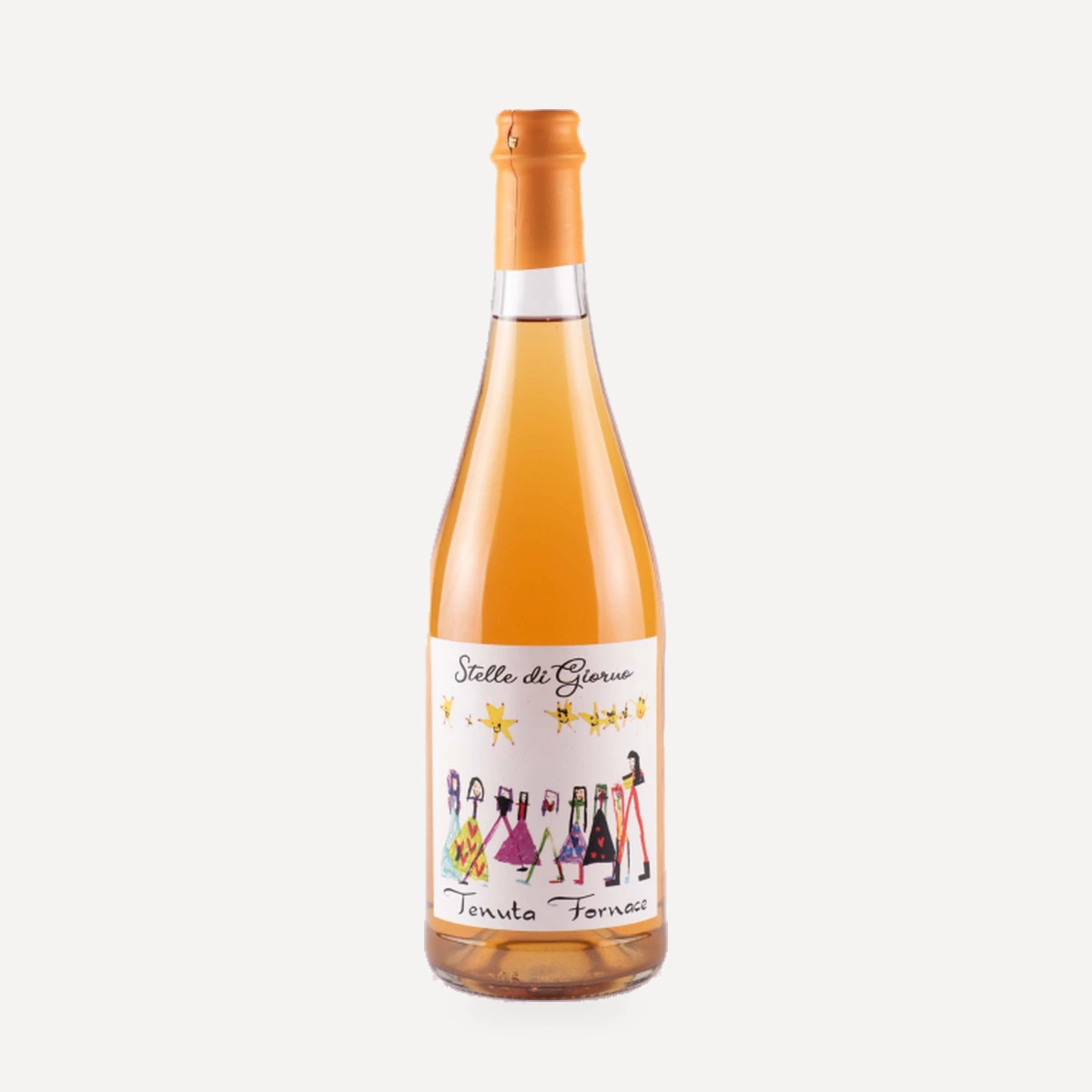
Stelle di Giorno
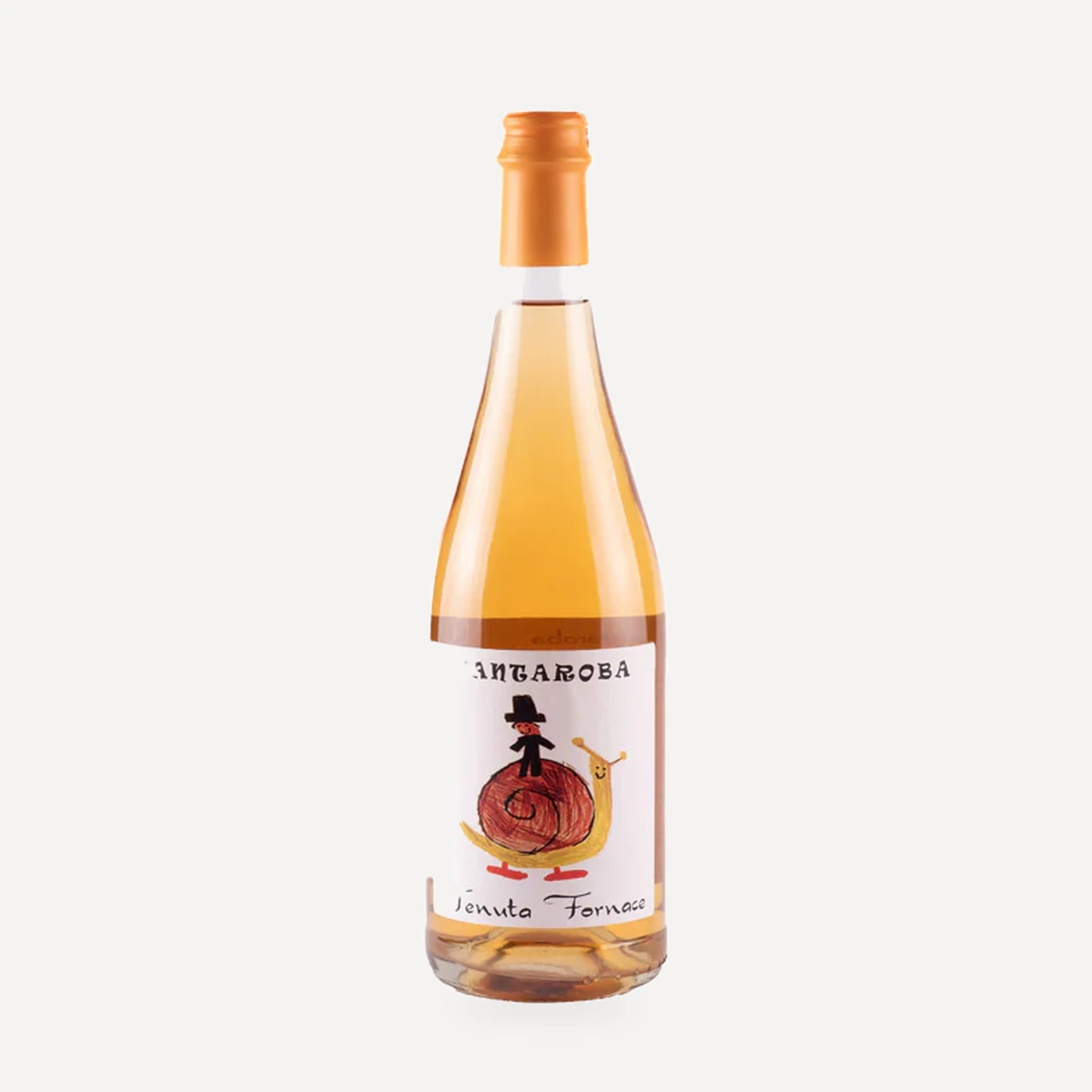
Tantaroba
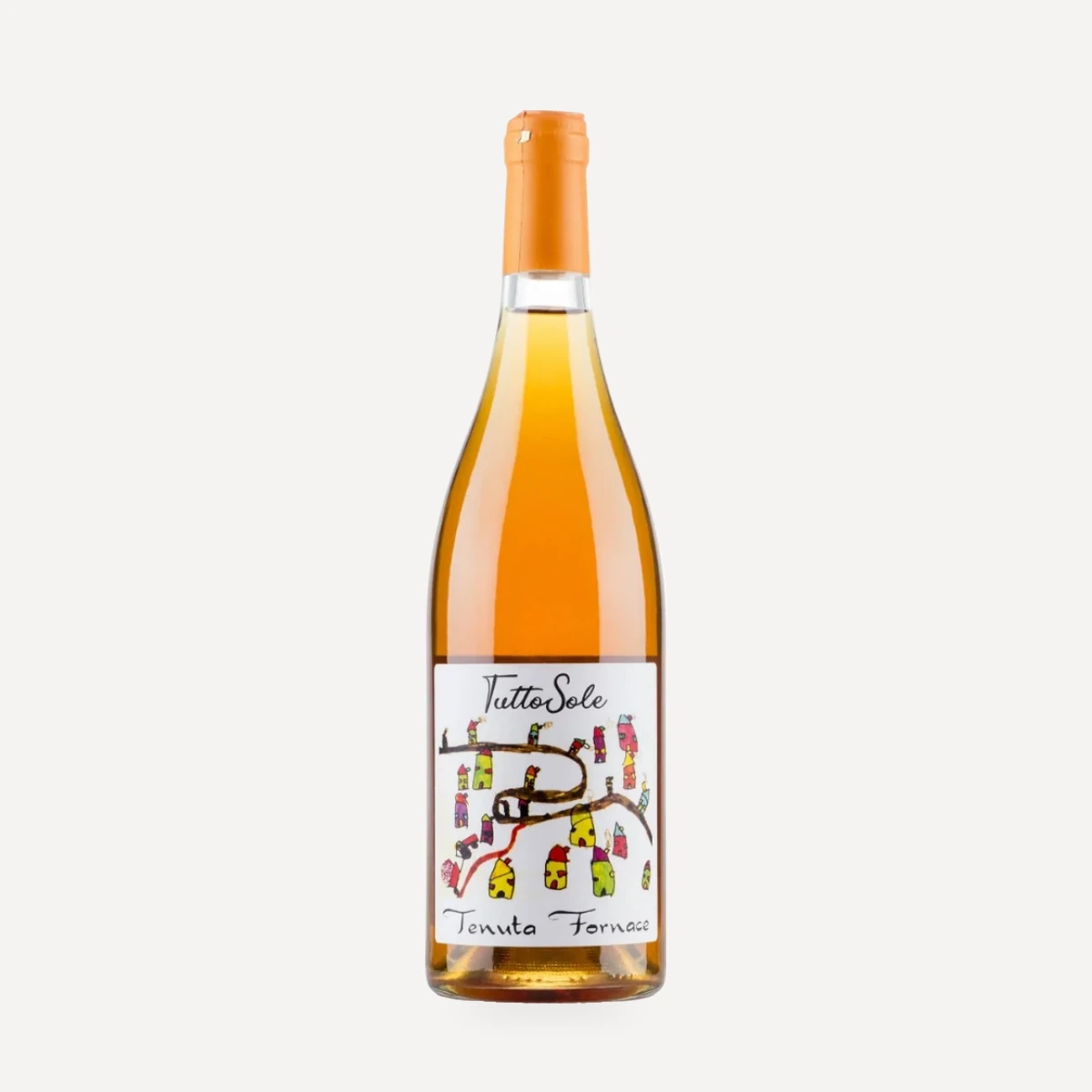
Tuttosole
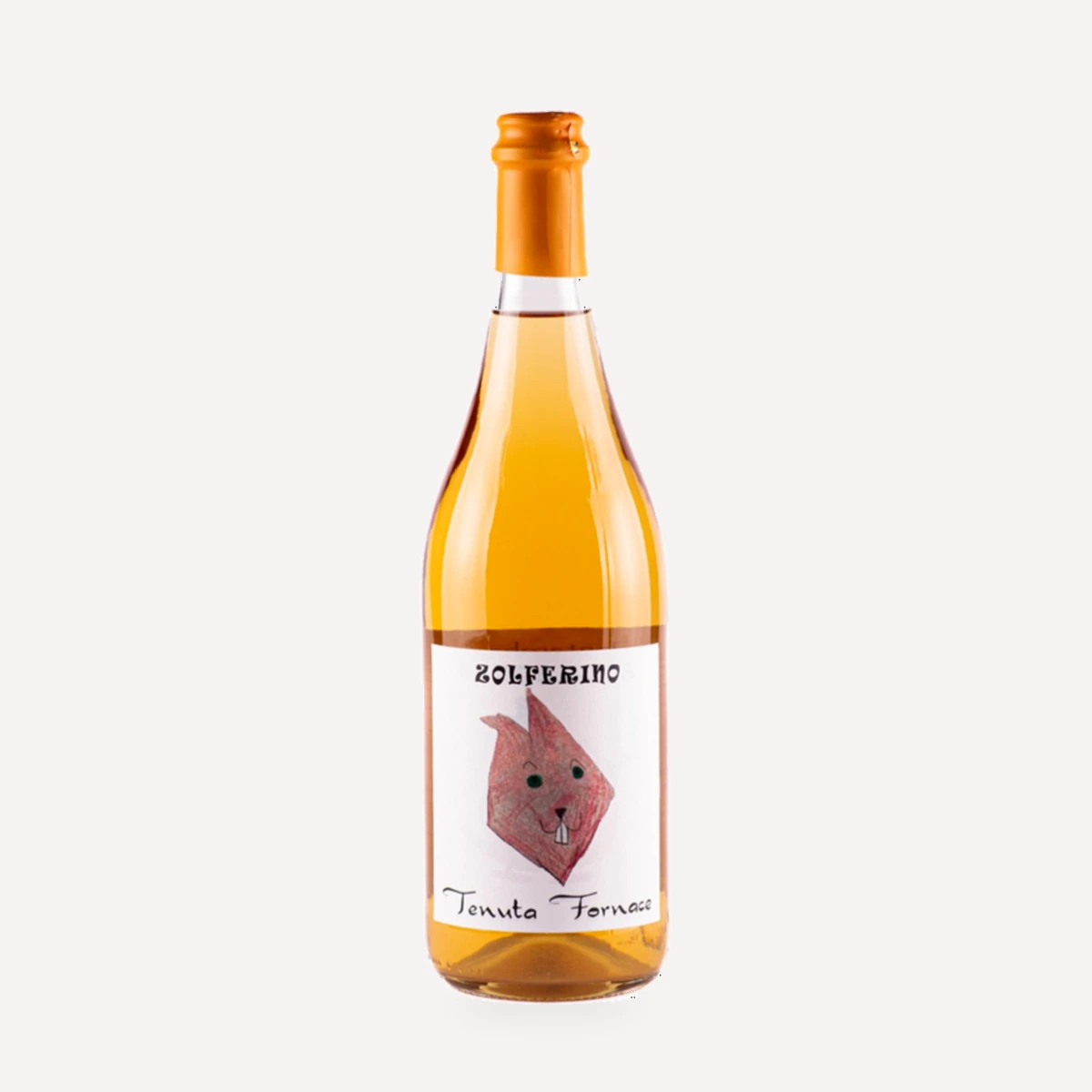
Zolferino
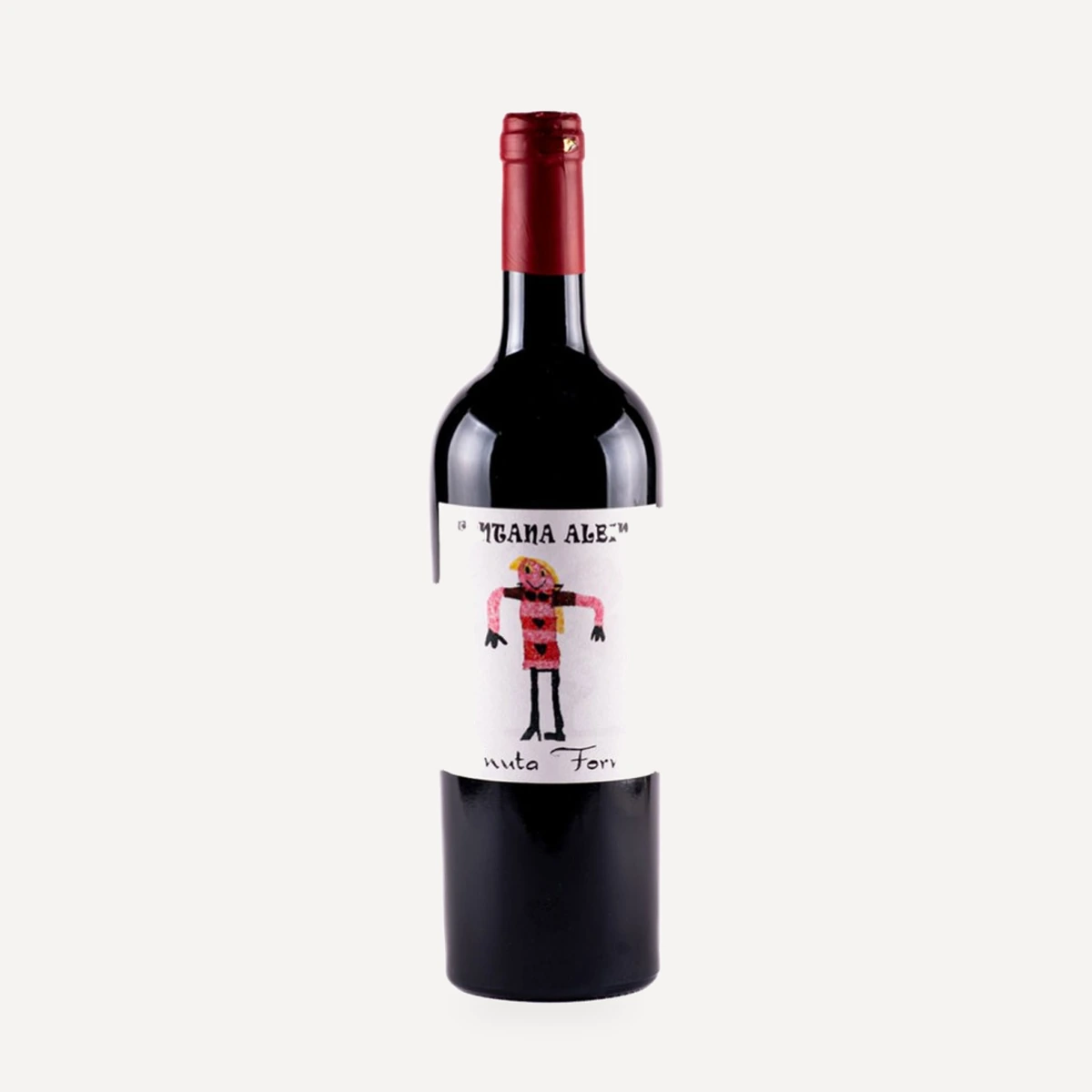
Fontana Albina
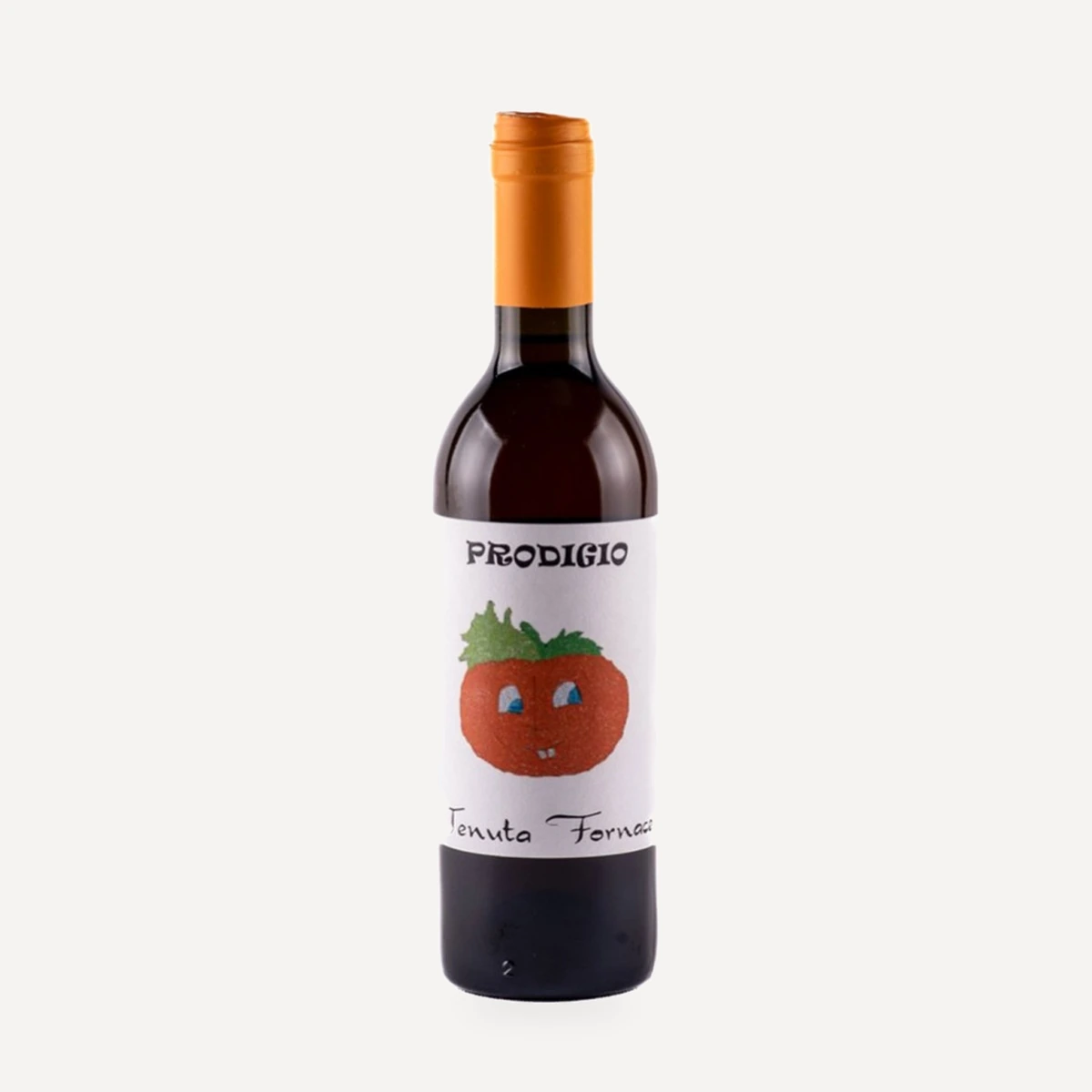
Prodigio