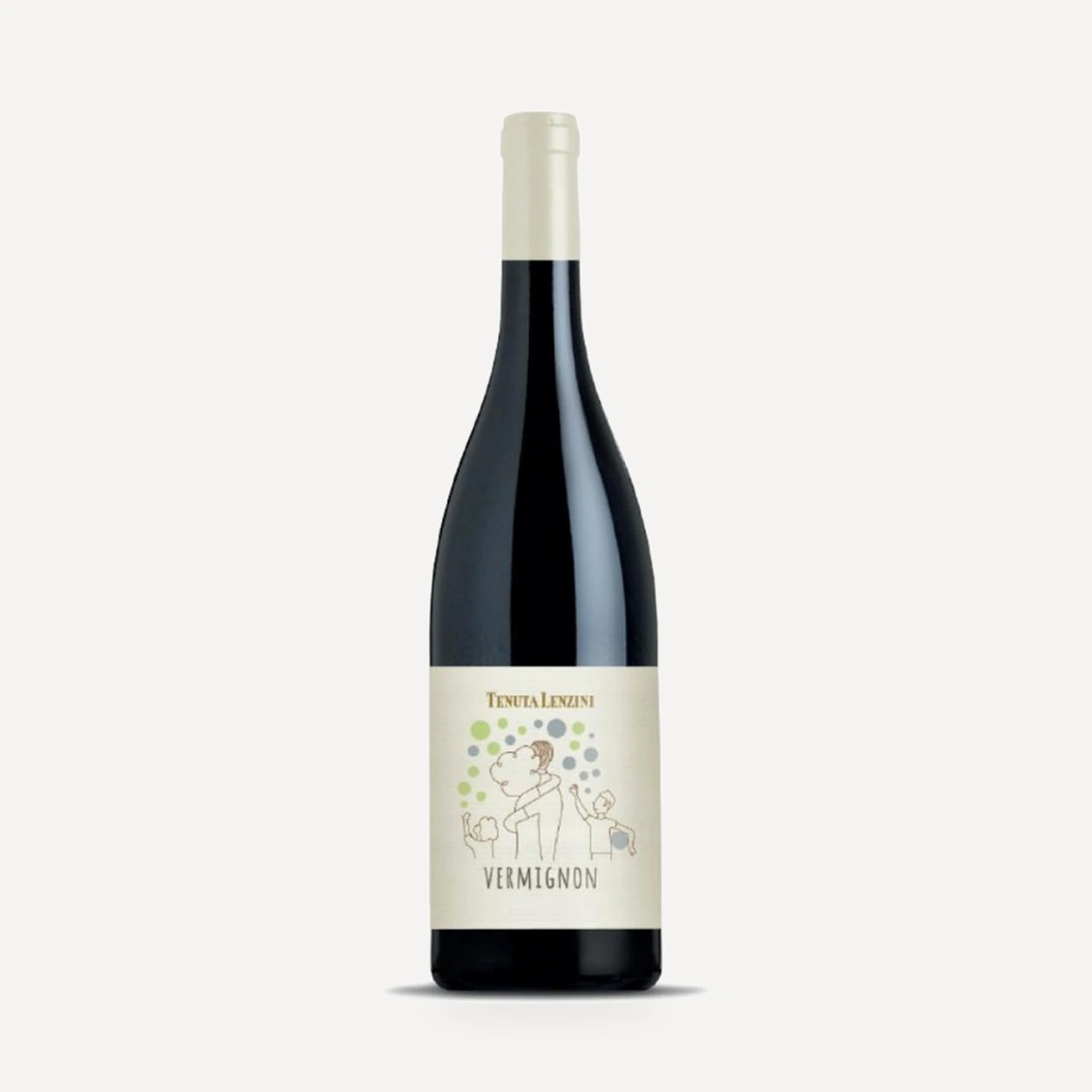
Storia
Inheritance and a new vocation
Benedetta and Michele inherited Tenuta Lenzini despite not having been born into the profession of winegrowing. Their grandfather Franco played a decisive part in making their life as winegrowers possible; the Cabernet Franc label Lenzini Franco was created as a tribute to him.
Fifteen years of agricultural development
Over more than fifteen years, Benedetta and Michele developed their approach through organic and biodynamic agriculture. Direct experience of these practices taught them to regard the soil as the estate’s fundamental resource. Exchanges with other winegrowers and farmers helped them shape a distinctive set of practices in both vineyard and cellar.
Their work continues to evolve from one vintage to the next. With global warming already affecting Gragnano, adaptation has become part of their understanding of agricultural care.
Agricultural and cultural projects
In 2017, Tenuta Lenzini hosted the LuccaBiodinamica festival, supporting an agricultural project in which the estate had invested and bringing a varied audience to Gragnano from across Italy. The estate hosted the festival again in 2019.
Tenuta Lenzini also became a venue for Stanno tutti bene, combining exhibitions by artisans with music and other cultural activity among the vineyards and olive trees. During the 2023 Notte di San Lorenzo, the programme included a period of complete darkness beneath the night sky. Colors remaining on the walls of estate buildings preserve a physical record of these events.
Terroir
Location and landform
Tenuta Lenzini lies at Gragnano, east of the Lucca Plain, between the Tyrrhenian Sea and the Pizzorne plateau. The vineyards form a natural amphitheater around the estate’s large house. The hill occupies a geological transition between the younger alluvial deposits of the Lucca Plain and the older structures of the Northern Apennines.
Vineyard elevations identified for the estate’s different grape sources range from 90 to 110 metres above sea level. The amphitheater combines clay-dominant areas planted to Merlot with sandy sectors planted to Syrah. Two older vineyard plots lie across a road from the central body of the estate and carry Cabernet Sauvignon and Cabernet Franc. Cabernet Franc is associated with west-facing vineyards, while specific south-west- and south-east-facing sources are also identified.
Marine origin
The Gragnano hills developed through marine sedimentation and later tectonic movement from the Miocene and Pliocene, broadly between about 23 and 2.5 million years ago. During the Middle to Late Miocene, approximately 15–5 million years ago, the area was submerged beneath a shallow sea. Clays, marls and sandstones accumulated from erosion of nearby emerged land and from particles suspended in the water.
During the Pliocene, approximately 5–2.5 million years ago, the sea progressively withdrew. It left finer layers of clay and sand that now form part of the local geological substrate.
Uplift and erosion
From the Late Pliocene into the Quaternary, tectonic movements connected with the formation of the Northern Apennines uplifted the marine sediments. Fluvial and atmospheric erosion subsequently shaped the emerging hills.
Soils
The principal formations are:
- Marls and clays: fine marine deposits rich in clay minerals, contributing compactness and fertility. Some vineyard soils contain red clay rich in iron.
- Sandstones: sedimentary rock composed of cemented sand, providing good drainage.
- Conglomerates and sandy sediments: younger layers produced by erosion of the surrounding relief and transport by watercourses.
- Silica-rich sands: associated with Syrah, Vermentino and other individual vineyard sources.
This mosaic includes sandy-and-clayey soils, red-clay soils, silica-rich sandy soils, and sectors specifically described as rich in silica.
Vinificazione
Benedetta and Michele work with their team to care for both vines and olive trees. Biodynamic agriculture was chosen to preserve the richness of the soil, following more than fifteen years of combined organic and biodynamic practice.
The approach is not presented as static. Vineyard and cellar decisions have developed through observation, exchange and shared experience with other farmers and winegrowers. They are reconsidered from year to year and harvest to harvest as the estate adapts to the effects of global warming in Gragnano.
Planting follows the estate’s soil mosaic: Merlot on clay-dominant ground, Syrah on sand, and other varieties in individually differentiated sources containing red clay, iron, silica, or mixed sand and clay. Grapes from the vineyard sites are kept separate for vinification.
For Vermoon, Merlot is deliberately left until the final day of harvest so that it reaches a high sugar concentration. Some of the Tuscan botanicals later used for the vermouth are gathered at the full moon.
Site-by-site cellar work
Grapes from the vineyards arranged around the estate house are vinified separately. The range is conceived around individual grape varieties in distinct terroirs rather than around a single uniform cellar recipe.
Fermentation
Indigenous yeasts are used throughout the documented vinifications. Fermentation vessels include bare, non-vitrified concrete tanks, steel vats and 1,000 kg tubs. Red-grape lots fermented in the tubs may receive daily manual punch-downs. Malolactic fermentation for Cabernet Sauvignon and Syrah takes place in wooden vats, while the Cabernet Franc process uses a large cask.
The cellar also employs several forms of pre-fermentation or fermentative skin contact. Merlot destined for rosé undergoes 40 minutes of maceration in the press before the free-run must is drawn off and the gross lees are removed. Young-vine Vermentino receives 8 hours of press maceration. Another Vermentino lot remains in the press for 24 hours before the free-run must is extracted and the gross lees removed. Sauvignon Blanc macerates for 48 hours in stoneware amphora before alcoholic fermentation in steel.
Maturation
The estate uses steel, concrete, large wooden casks, wooden vats, tonneaux and stoneware vessels according to the lot. Documented regimes include:
- approximately 16 months in non-vitrified bare concrete for a Merlot lot;
- 6 months in steel and stoneware for Cabernet Franc;
- 6 months in steel for Alicante Bouschet;
- 24 months in a combination of large casks, tonneaux and concrete for Cabernet Sauvignon;
- 12 months in tonneaux and stoneware for Syrah;
- several months in steel on fine lees, with frequent bâtonnage, for rosé and Vermentino lots;
- one year in stoneware amphorae for Sauvignon Blanc.
Vermoon
The vermouth base is Merlot harvested on the last day of vintage at high sugar concentration. Fermentation produces a base wine at 16.4% alcohol, which matures for 24 months in a large cask. Tuscan botanicals are then infused; many are gathered at the full moon.
Filosofia
Tenuta Lenzini presents winegrowing as a form of craftsmanship rooted in the hills of Lucca. Its central principle is that the real wealth of the estate resides in the soil; biodynamic agriculture was chosen to preserve that wealth and allow the land to express itself.
The estate’s approach emerged through listening, exchange and practical collaboration with other farmers and winegrowers. Vineyard and cellar work form a connected system intended to give each wine an individual voice. Separate vinification of different vineyard sources supports an emphasis on one grape, one terroir and one moment rather than a standardized house style.
Adaptation is treated as an essential form of care. Each season and vintage can lead Benedetta and Michele to reshape their thinking, particularly as climate change affects Gragnano.
Craftsmanship extends beyond agriculture. The estate associates wine with music, theatre, graphic art and cultural exchange, opening its property to artists and to people developing new ways of seeing the world. The Lenzini Football Club project uses the metaphor of a team to express the importance of collaborators, customers and suppliers, emphasizing shared effort, dedication, respect for the land and durable relationships.
Vini
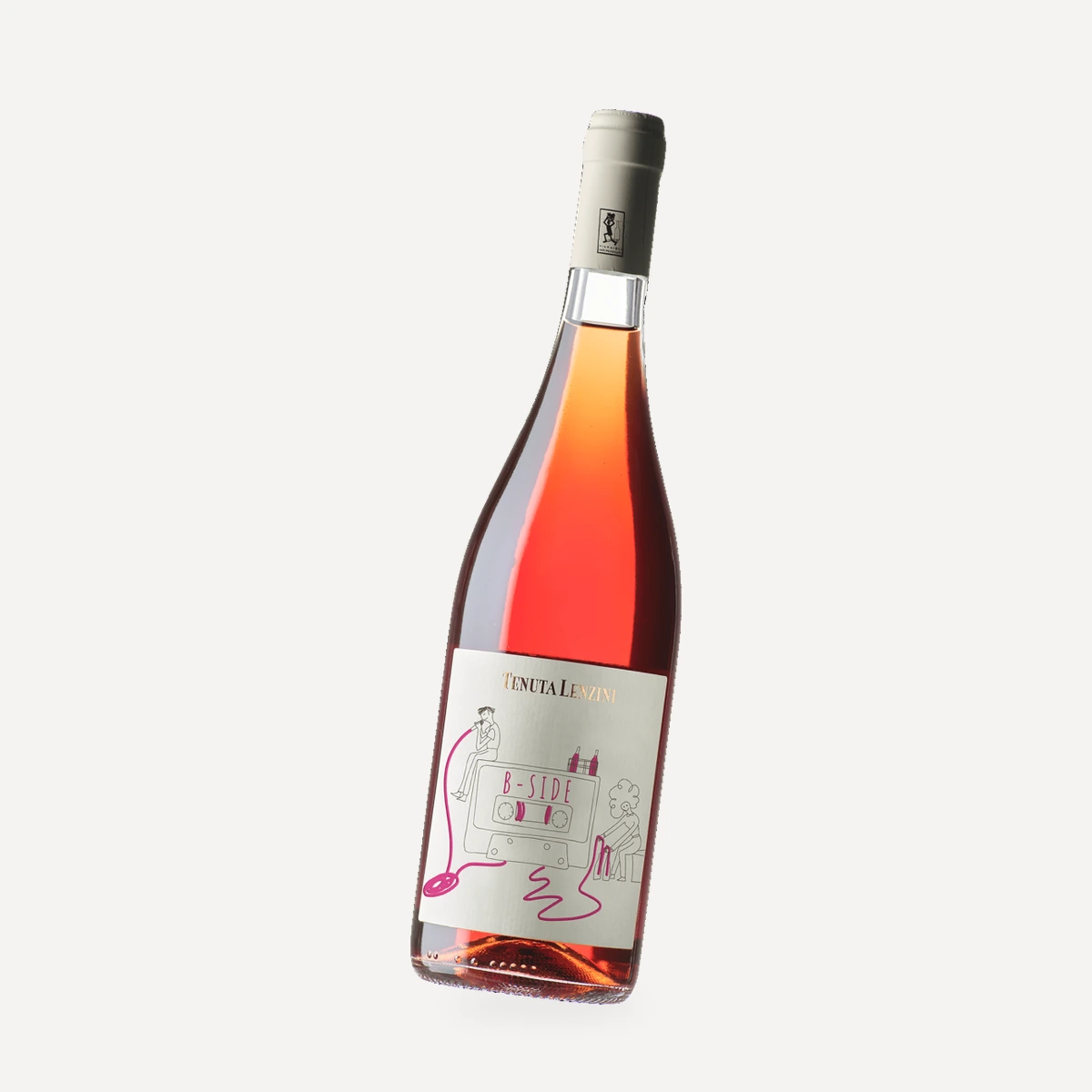
B-Side
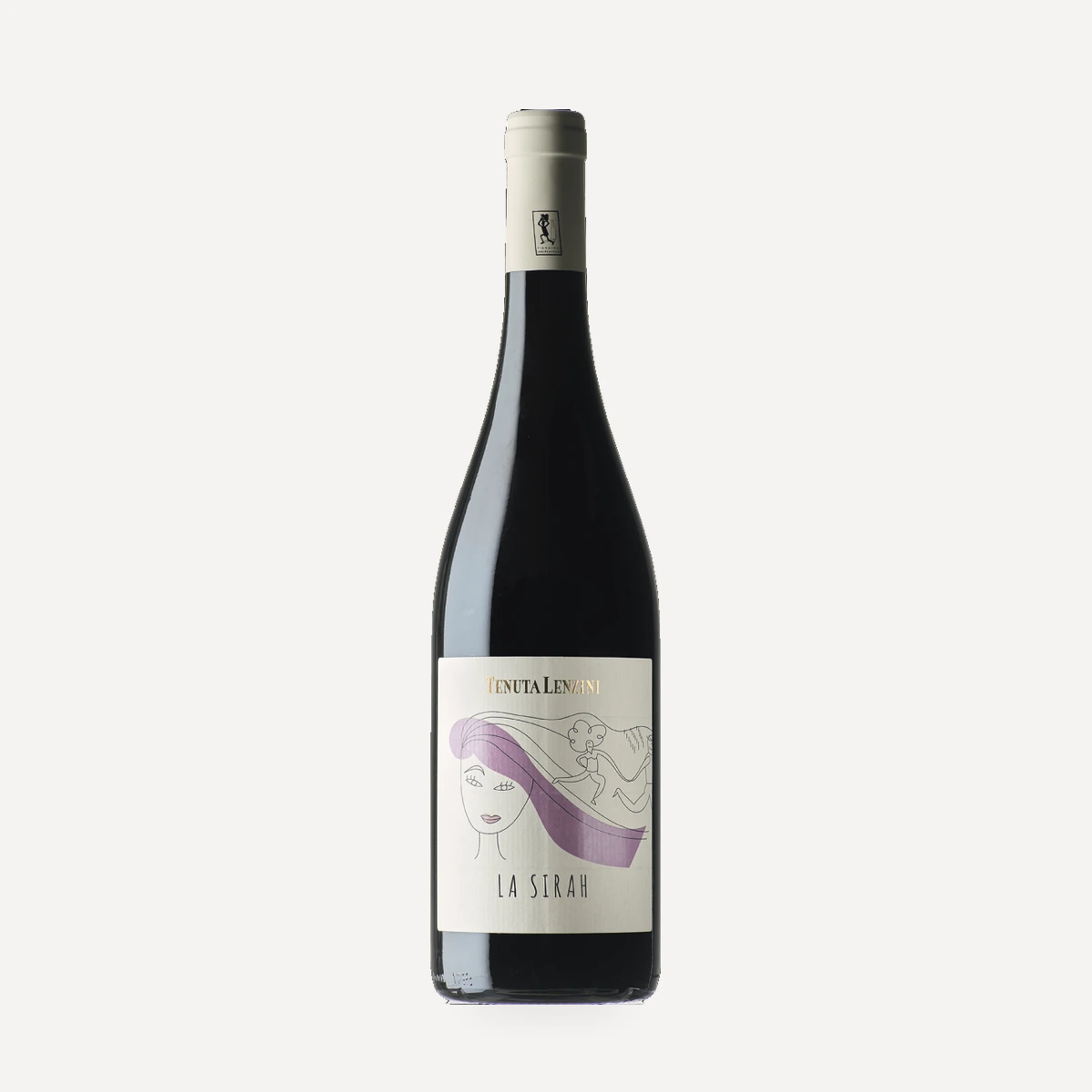
La Sirah
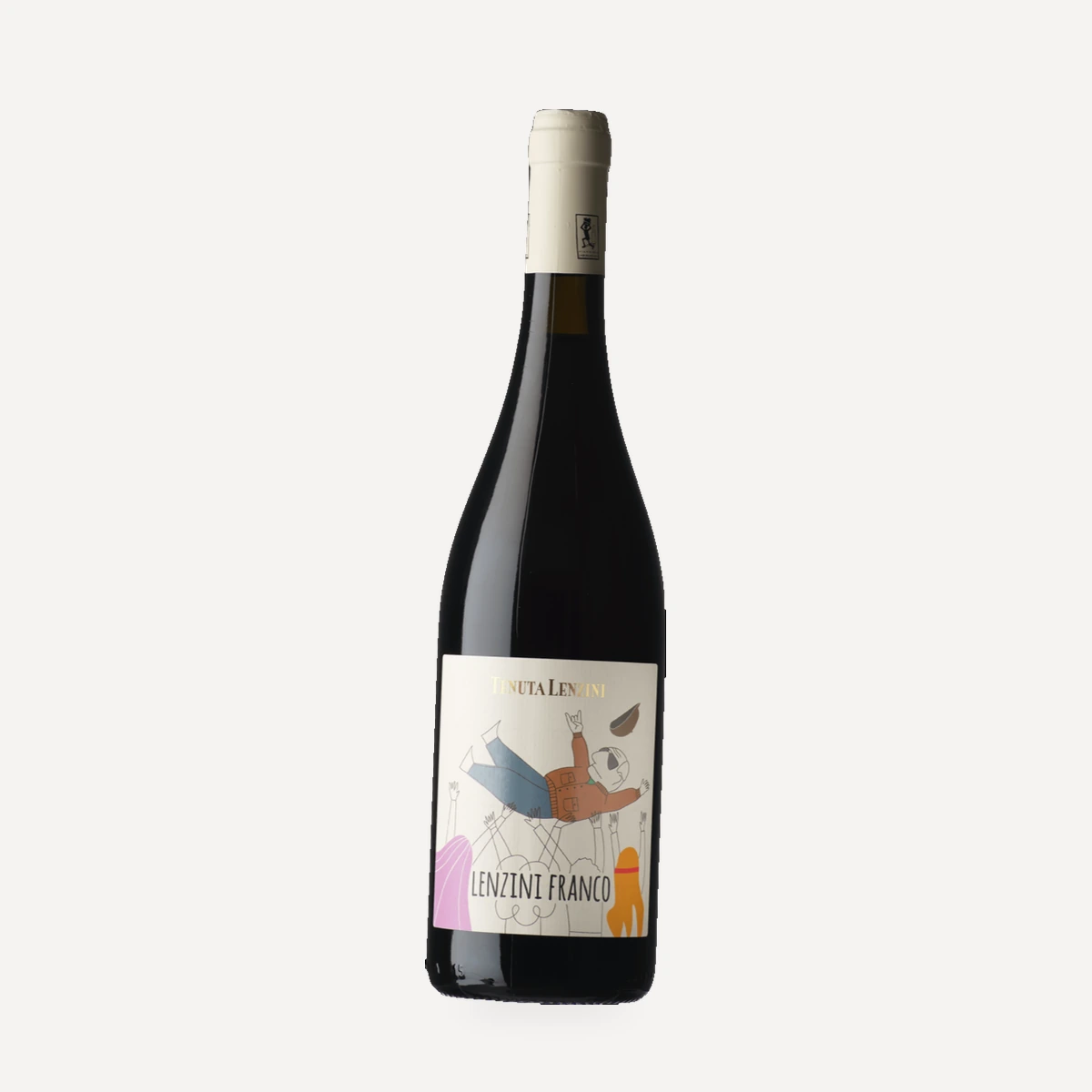
Lenzini Franco
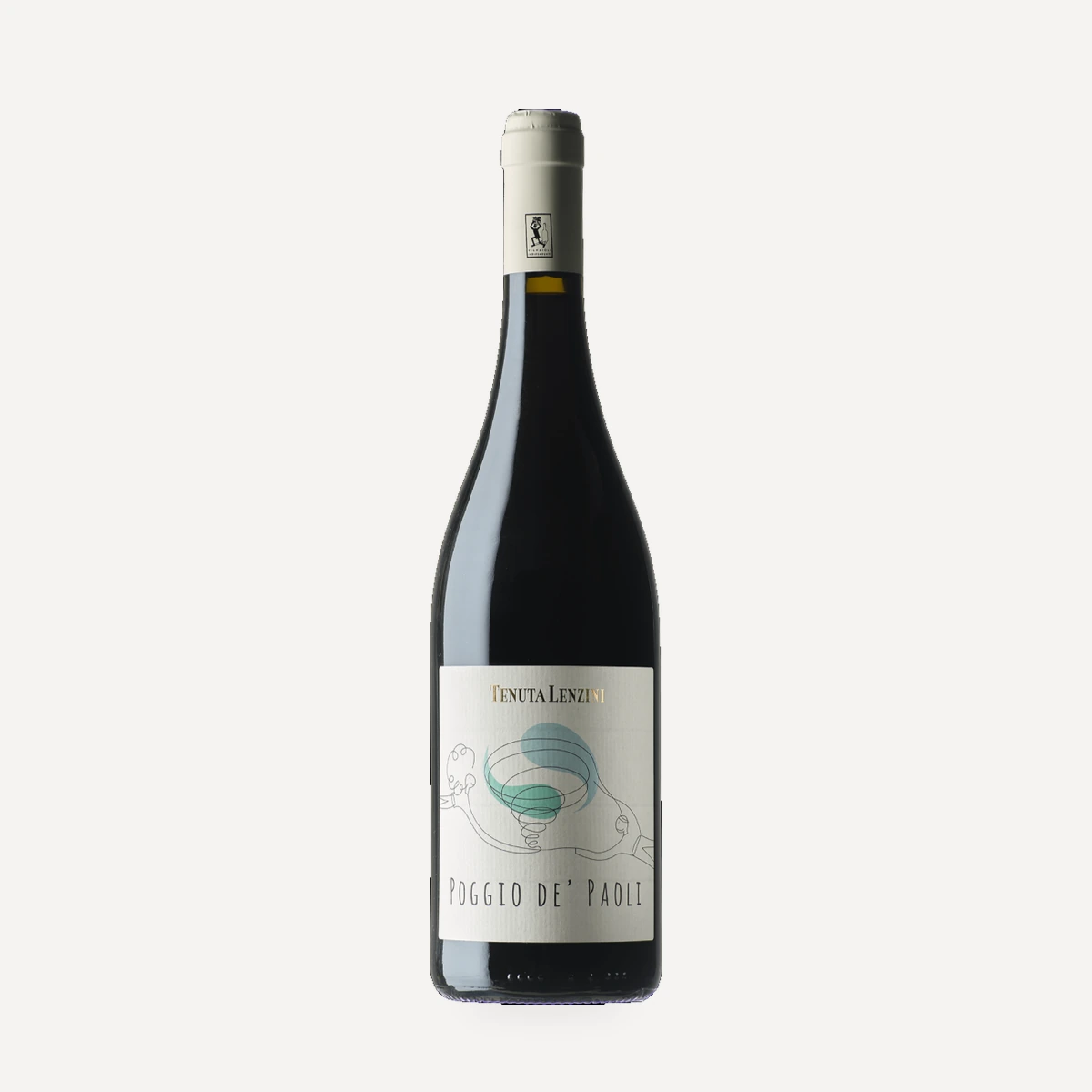
Poggio De' Paoli
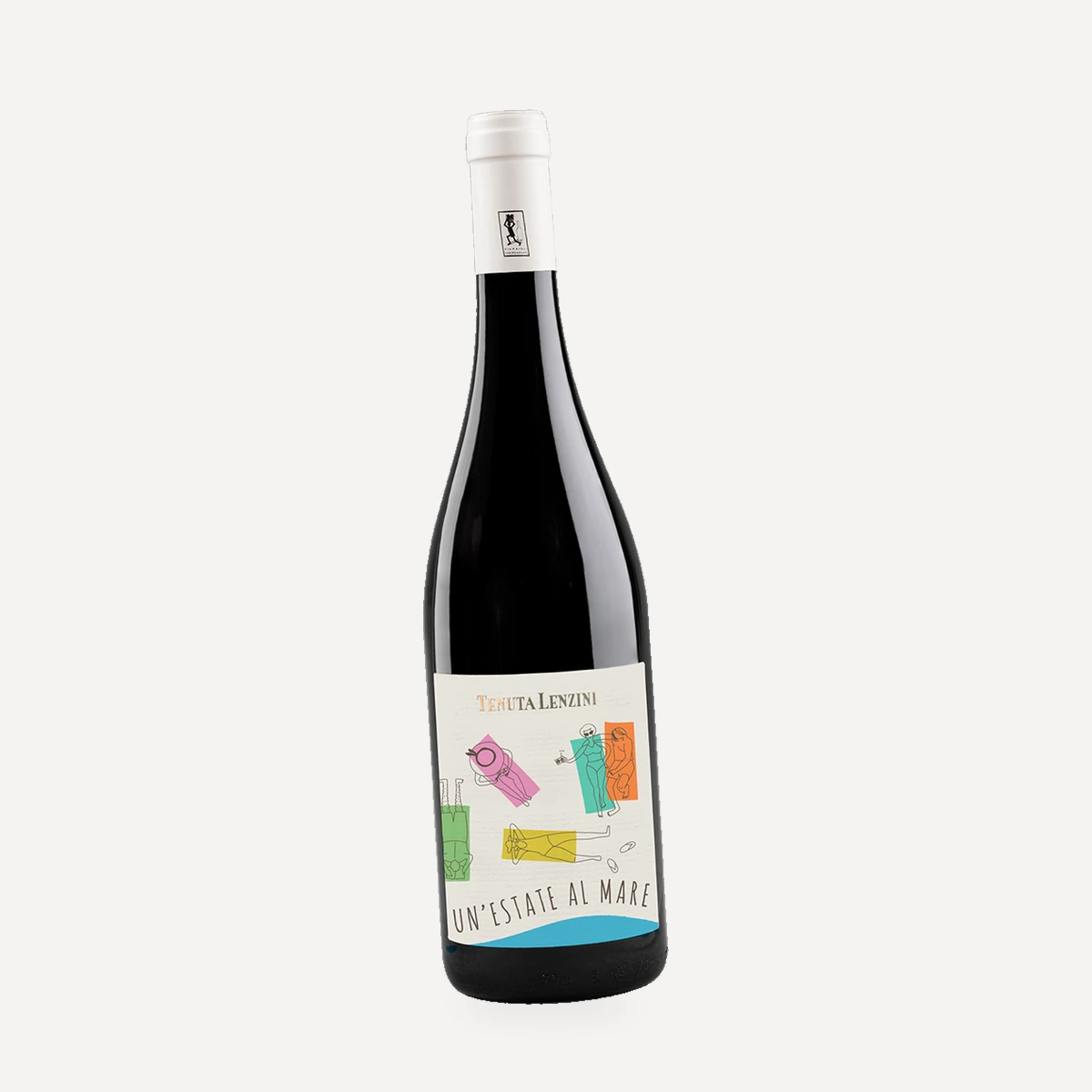
Un'Estate al Mare
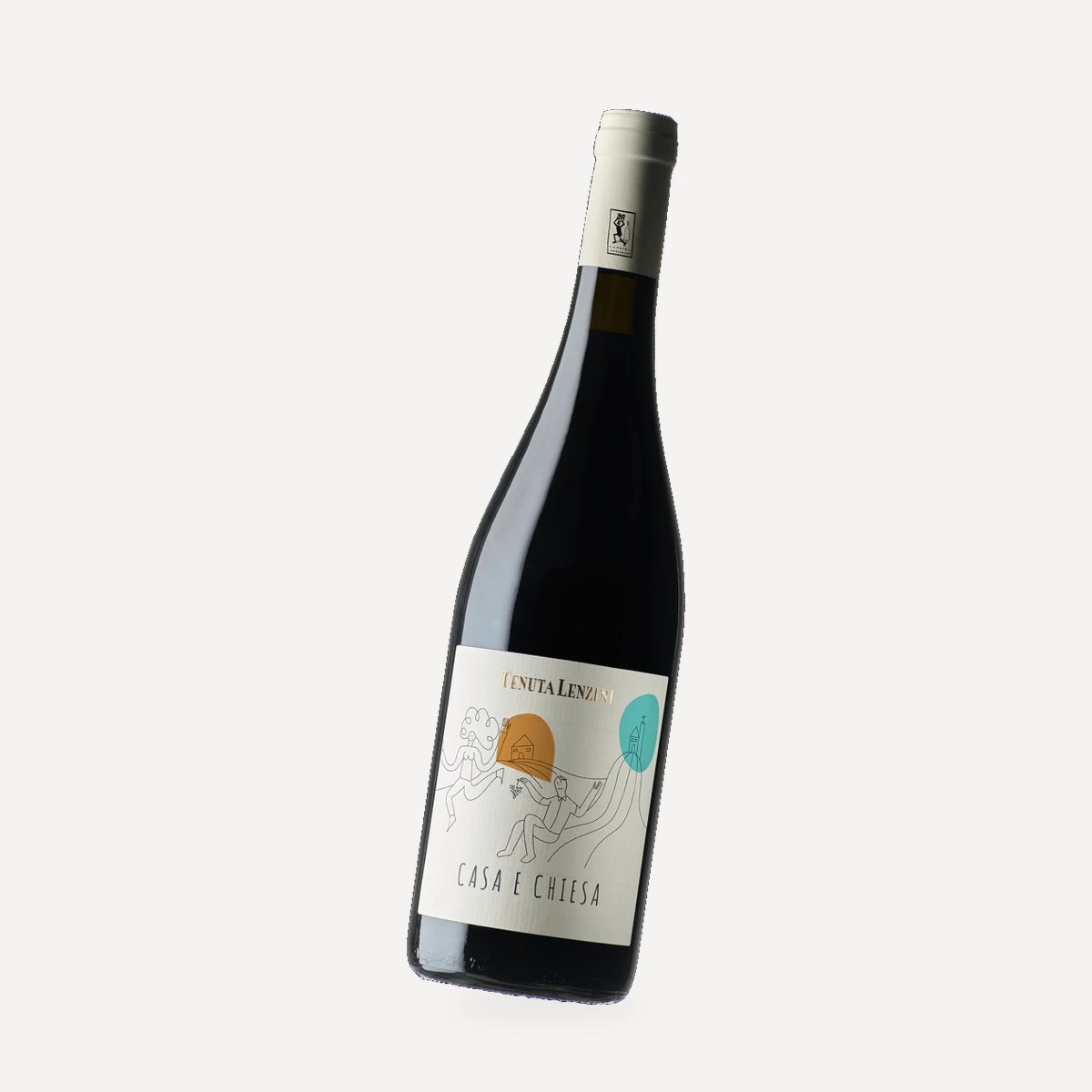
Casa e Chiesa
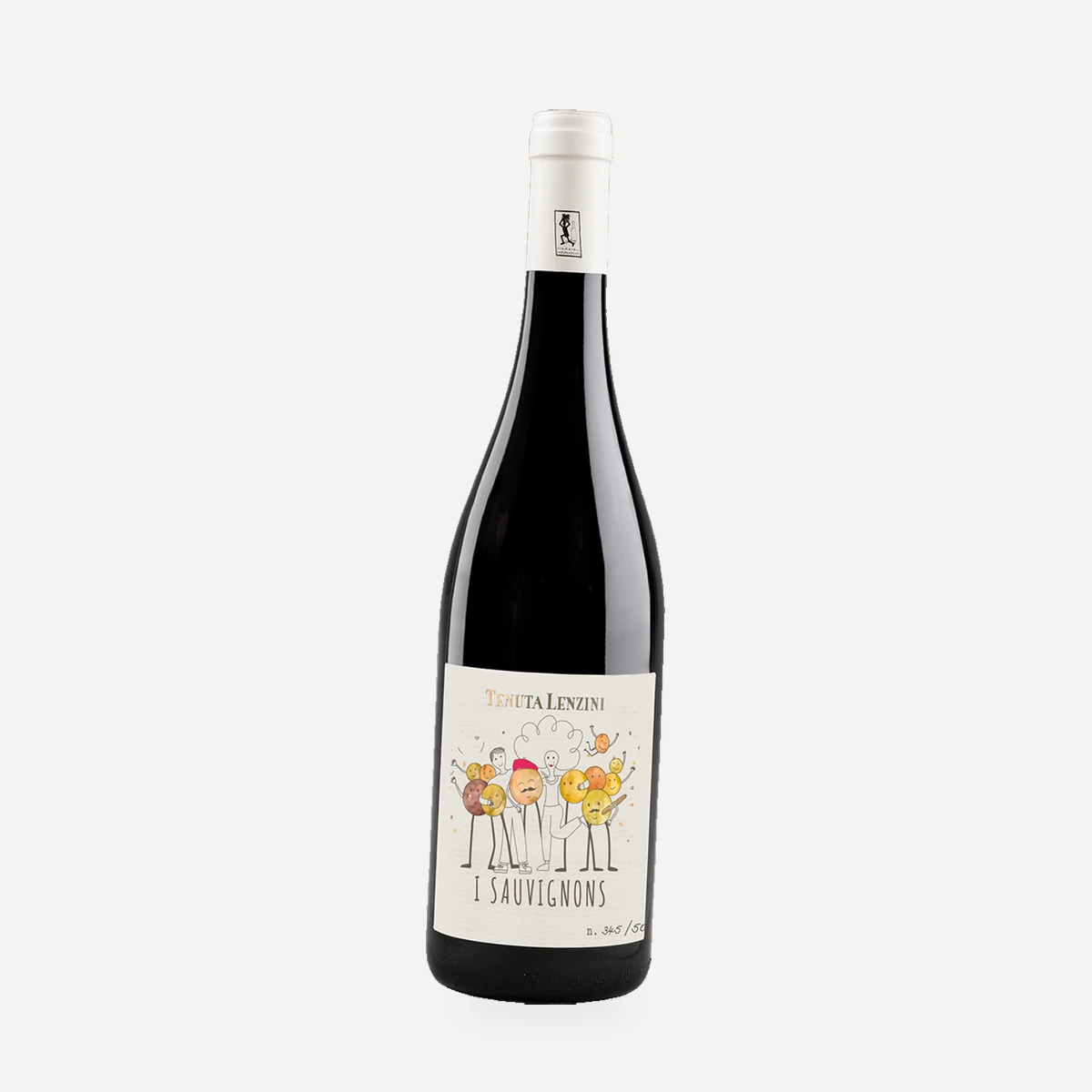
I Sauvignons
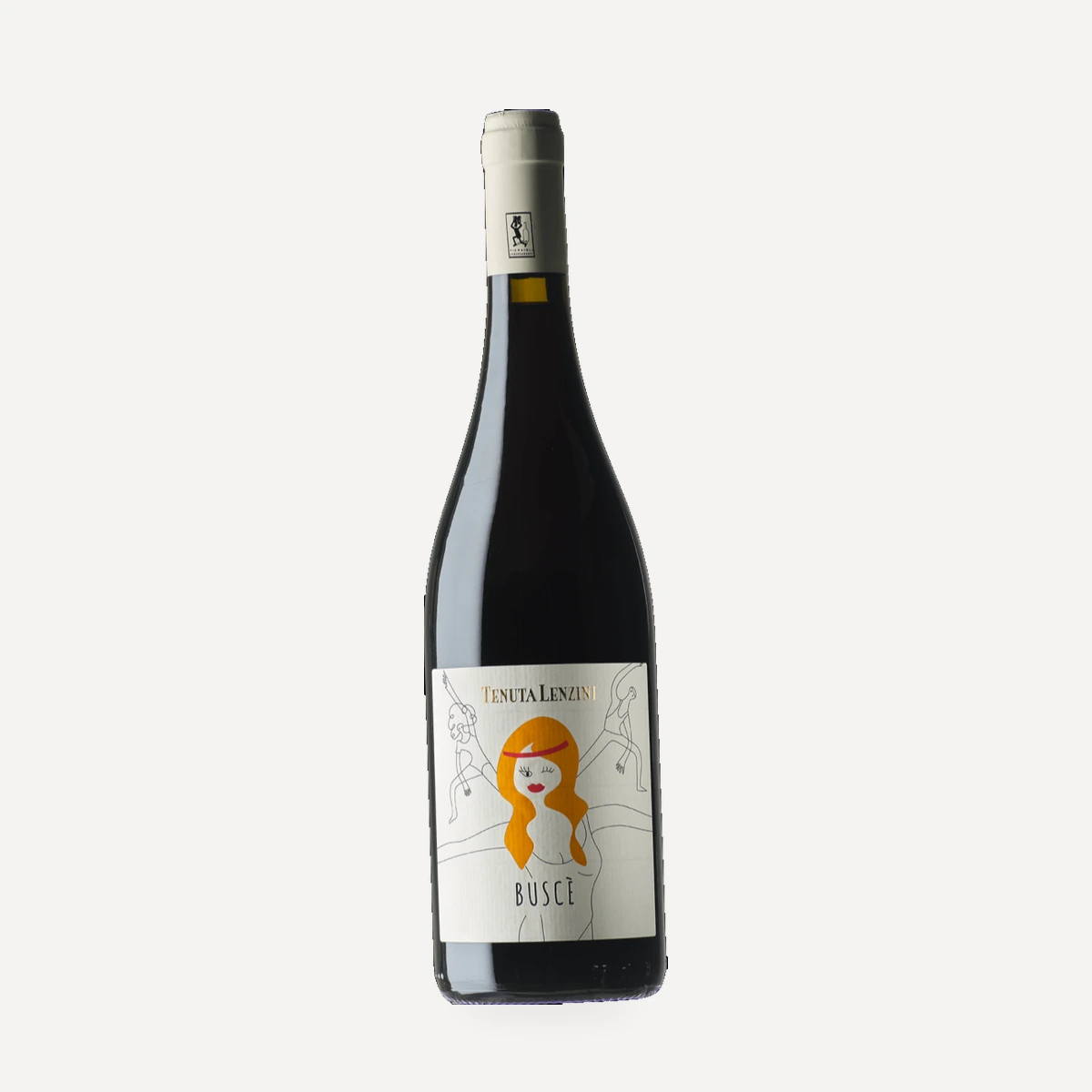
La Buscè