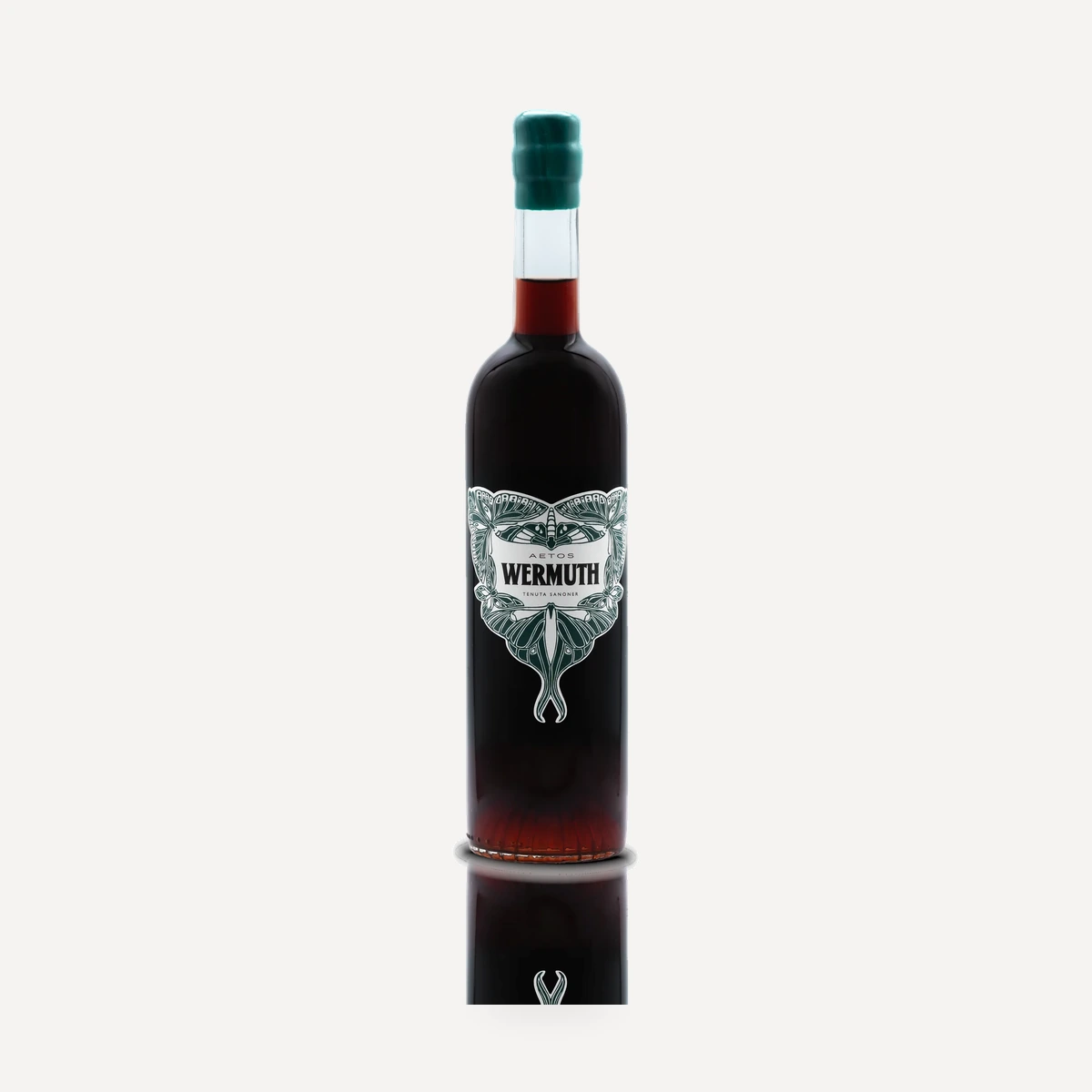
Storia
2009: the beginning
Tenuta Sanoner began in 2009 as the Sanoner family's personal exploration of wine and nature. What initially amounted to curiosity, a hobby and an agricultural experiment became a sustained commitment as the vines developed. The first vineyard covered 2 ha.
Growth from 2 to 15 hectares
The vineyard gradually expanded from its original 2 ha to 15 ha. The project remained grounded in organic and biodynamic cultivation, with the aim of working according to the land's natural cycles and seasons.
2016: construction of the cellar
A dedicated cellar was built in 2016. It was conceived as a working home for wines that had become central to the family's life rather than as a monumental building. The contemporary structure was integrated into the surrounding Val d’Orcia hills and later developed as a place for production, tastings and events.
2017: a new vineyard for Greco
In 2017, the family decided to establish a vineyard at the estate's highest point, approximately 480 m above sea level. The site’s altitude, north-east-facing hillside position and soil quality informed the choice of Greco. The Sanoner family's South Tyrolean origins and familiarity with aromatic, fresh white wines also influenced the decision.
The Greco vineyard was planted at 2.3 × 0.90 m, equivalent to approximately 4,830 vines per hectare. This relatively open, even distribution was selected to give each plant adequate sunlight, soil nutrients and water.
2018: diversification beyond wine
In 2018, Tenuta Sanoner began developing Aetos Agrodolce Riserva, a condiment based on its Sangiovese wine. The project was part of a broader effort to explore different uses for estate-grown raw materials alongside wine and olive oil.
2020: first Greco harvest and Demeter certification
The Greco vineyard yielded its first crop in autumn 2020. This harvest also coincided with the estate's first Demeter-certified biodynamic grapes. The initial small-scale experimental vinification produced 1,600 bottles.
Tenuta Sanoner obtained Demeter certification in 2020, formalising its adherence to biodynamic standards in the vineyard and cellar.
2025 harvest
The 2025 harvest concluded with the final Sangiovese bunches. Approximately 700 quintals—about 70 metric tonnes—of grapes were picked for eight Aetos labels by a team of 15 people. Adequate spring rainfall and mild temperatures encouraged even flowering; a hot summer was followed by a mild September that permitted slow ripening. The vintage also became a reference point for assessing the effects of recent agronomic innovations and climate change on the estate's cultivation practices.
Terroir
Tenuta Sanoner lies at Loc. Sant’Anna, Bagno Vignoni, in the municipality of San Quirico d’Orcia. Its vineyards occupy the rolling hills of Val d’Orcia in Tuscany, including land around the village of Vignoni Alto.
The highest documented vineyard site reaches approximately 480 m above sea level and has a north-east-facing hillside exposure. Its altitude, exposure and soil quality led to the planting of Greco. The broader estate landscape is characterised by undulating hills, vineyards, groves and open views across Val d’Orcia.
The 2025 growing season illustrated the local climatic variability: adequate spring rainfall and mild temperatures supported even flowering, summer was hot, and a mild September allowed slow ripening. Earlier estate experience also records a season in which cold, rainy spring conditions placed the vines under pressure, encouraging further work on biodiversity and ecosystem resilience.
Vinificazione
Organic and biodynamic framework
Tenuta Sanoner has applied organic and biodynamic methods since the beginning of the project. Demeter certification was obtained in 2020. Organic certification is the prerequisite for Demeter certification.
The estate treats the farm as a unified living organism in which soil, plants, animals and people are interdependent. Its biodynamic philosophy draws on Rudolf Steiner’s scientific-spiritual and anthroposophical research and regards life as a process of continual evolution. Sowing, cultivation, harvest and even bottling may be scheduled with attention to lunar phases and other cosmic rhythms.
Prohibited inputs and soil fertility
The system excludes pesticides, synthetic fertilisers, other synthetic chemicals and genetically modified organisms. Crop rotation and biodiversity protection form part of the common organic and biodynamic foundation.
Synthetic fertilisers are replaced with preparations made from plant, animal and mineral materials. Preparato 500, or horn manure, consists of cow manure fermented in a buried cow horn and subsequently mixed with rainwater to activate it; it is used to encourage soil moisture. Preparato 501, or horn silica, uses ground rock crystal fermented in a cow horn and energised with natural water; it is intended to enhance the effects of heat and light on the plants.
Green manuring is also practised: selected plants are incorporated into the soil, where their decomposition creates humus. Sulla is among the plants valued for regenerating the soil without chemical fertiliser and for providing forage for bees.
Lunar work and pruning
Moon phases help determine the timing of sowing, harvesting, bottling and other work. Pruning is avoided during the full moon because the estate seeks to prevent the loss of sap flowing through the branches.
Biodiversity and animals
The estate has worked over several years to increase biodiversity and strengthen the vineyard ecosystem, partly to improve resilience during difficult seasons. Bees were introduced with access to flowering plants—especially sulla—and pure spring water. Their hives support pollination and honey production.
Five pigs, crosses between domestic pigs and semi-wild Cinta Senese, were subsequently established in a grove adjoining the vineyard. They consume estate feed and provide manure for the soil. Their role reflects the biodynamic objective of creating a self-regulating agricultural system in which animals build fertility and reduce dependence on outside inputs.
Harvest
Grapes are harvested by hand. Picking dates respond to the desired maturity: Greco from the high vineyard is relatively late for a white variety, usually between late September and early October, while grapes intended to retain high acidity and freshness are picked earlier. The 2025 harvest produced approximately 700 quintals of grapes with a team of 15 people.
The estate cellar was built in 2016 as a dedicated working space for Tenuta Sanoner’s wines. Production follows a low-intervention approach aligned with biodynamic principles, with natural or spontaneous fermentations used across the range and an emphasis on preserving the fruit’s own character.
Hand-picked white grapes may be gently pressed as whole clusters. Fermentation vessels include temperature-controlled stainless-steel tanks, natural cement vats, amphorae and French oak barriques. The estate uses naturally occurring yeasts for several fermentations. Rosé production includes brief skin contact followed by controlled fermentation in stainless steel and maturation for at least three months on fine lees. White wines may ferment in cement and stainless steel or in amphora and French oak, followed by fine-lees maturation; documented élevage extends to ten months for Greco.
Red grapes undergo spontaneous or naturally guided alcoholic fermentation in cement vats. Maturation options include cement, stainless steel, large oak casks, smaller barrels and French oak tonneaux. Documented programmes range from approximately 12 months for estate reds to 24 months in oak followed by at least six months in bottle for Riserva production.
Sparkling wines are made both by the Charmat method, with secondary fermentation in autoclave, and by the traditional method. Traditional-method production begins with early hand harvesting and gentle whole-bunch pressing; secondary fermentation takes place in bottle, with documented lees ageing of 24 to at least 48 months.
The first Greco harvest in 2020 was handled as an experimental, small-volume vinification. It produced 1,600 bottles and was characterised by very low sulphur use. Demeter practice extends beyond grape cultivation to cellar work, with interventions kept to the minimum considered necessary.
Filosofia
Tenuta Sanoner compares wine with poetry: both should communicate emotion and stimulate imagination while remaining pure, honest and authentic. Its stated ideal is biodynamic wine in which nothing is forced or artificial from vine to bottle, allowing nature and the growing season to provide the narrative.
The agricultural philosophy treats the estate as a living organism. Soil, vines, other plants, animals and people are understood as mutually dependent elements of one cycle. Work is aligned with natural seasons and lunar rhythms, with soil vitality, biodiversity and resilience valued above reliance on synthetic inputs.
Giuseppe Basta’s approach links wine quality directly to respect for the land: cultivating according to natural cycles should produce healthy fruit and wines capable of representing Val d’Orcia. Barbara Coppi likewise associates biodynamic products with a changeable character that reflects each year rather than imposing uniformity.
The estate presents tradition and innovation as complementary. Ancient practices such as green manuring, animal integration, horn preparations and lunar timing coexist with controlled-temperature tanks, cement vats, amphorae and contemporary cellar architecture. The objective is not technological standardisation but precise work that preserves the identity of the fruit and vintage.
Hospitality follows the same principles of connection to place. Tastings, vineyard experiences, food programmes and cultural events are designed to relate wine to the landscape, local ingredients and the rhythms of rural life.
Vini
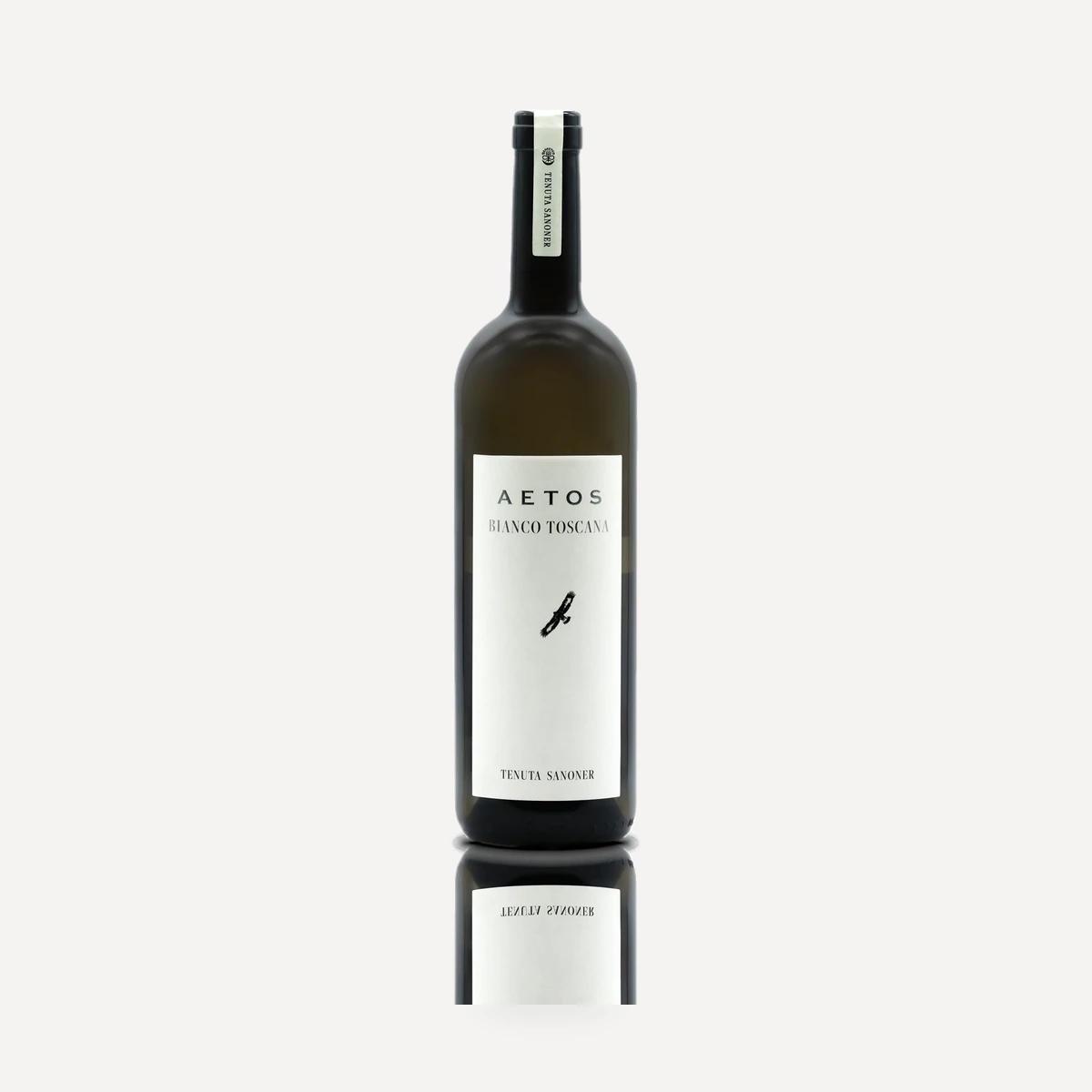
Aetos Bianco Toscana IGT
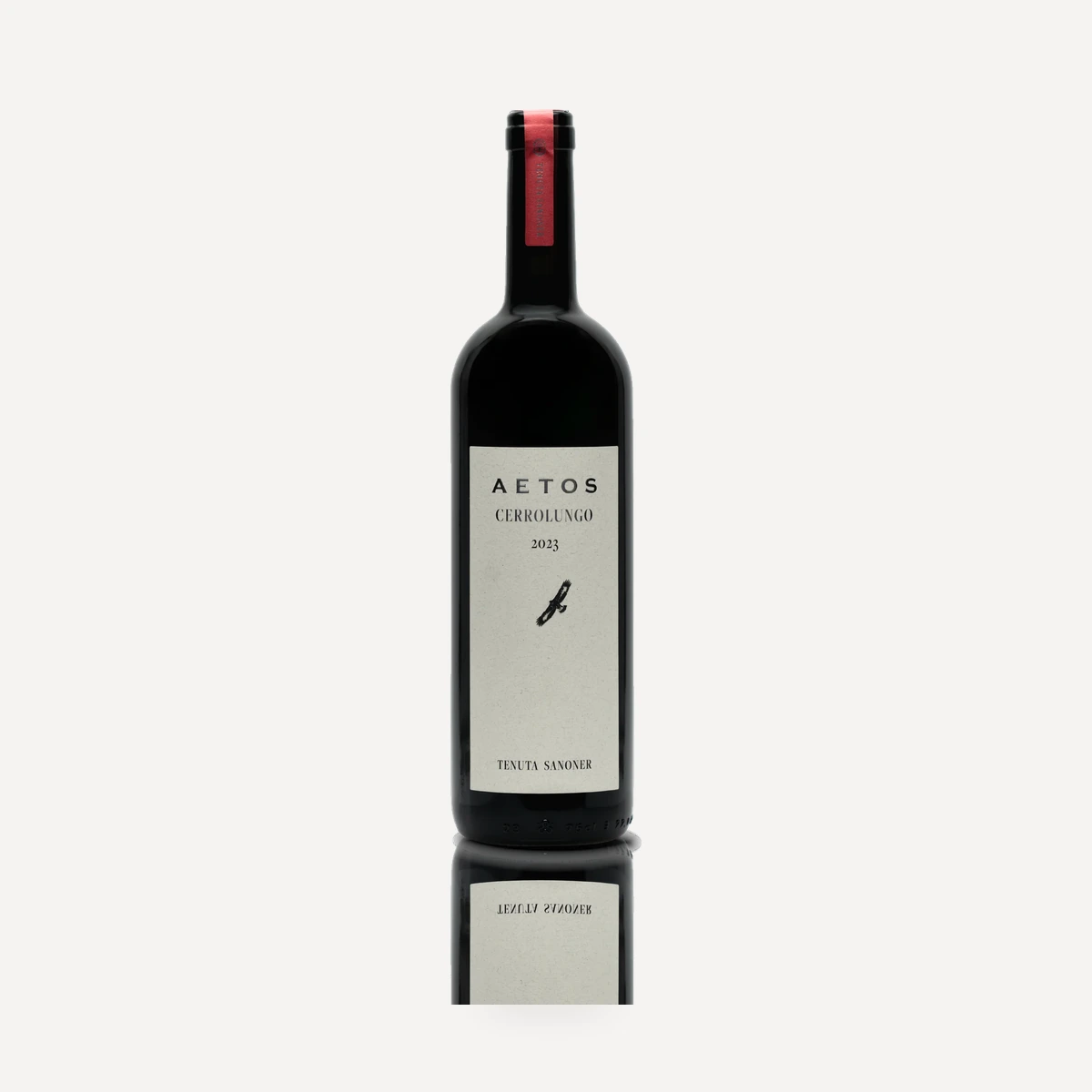
Aetos Cerrolungo Biodinamico Toscana IGT
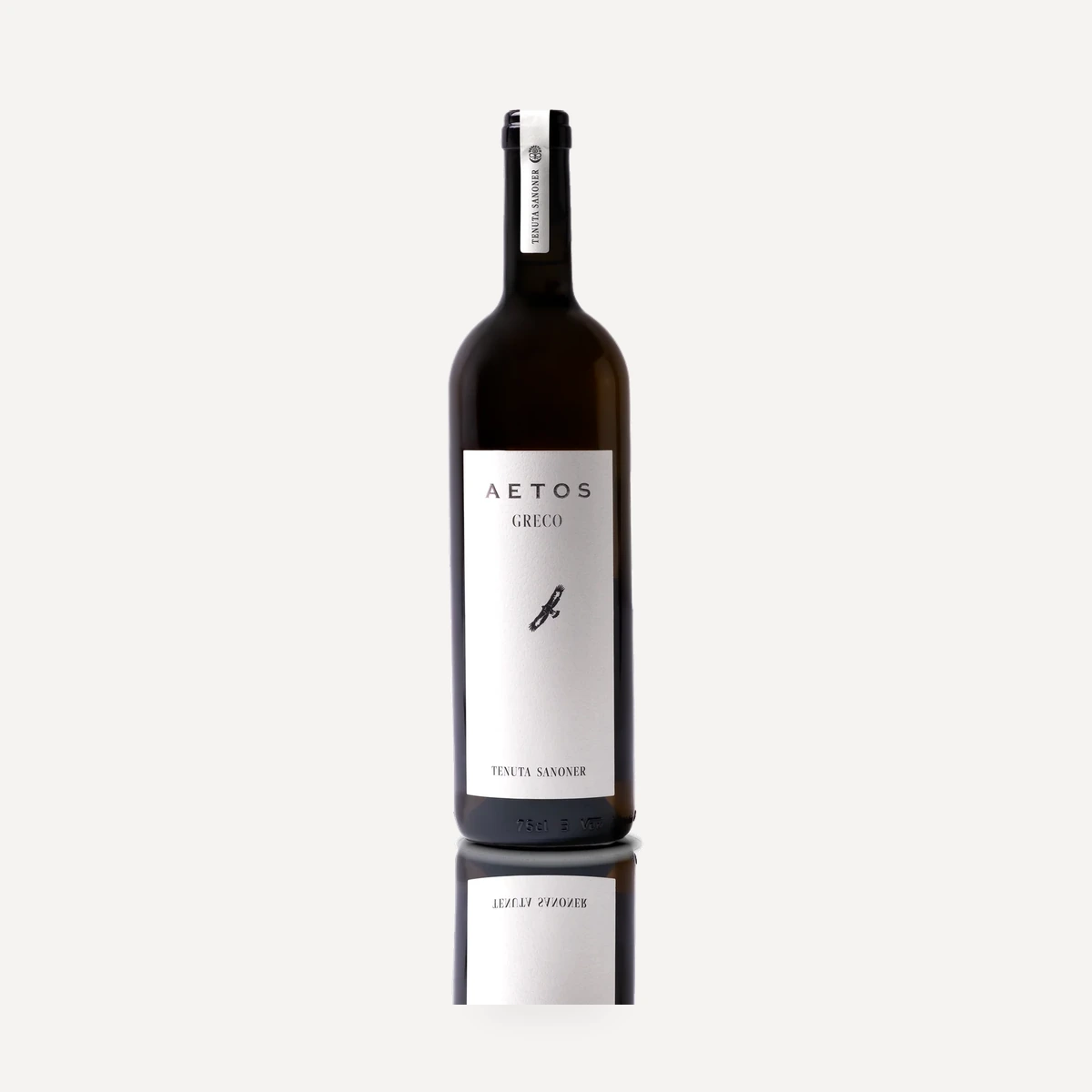
Aetos Greco Biodinamico Toscana IGT
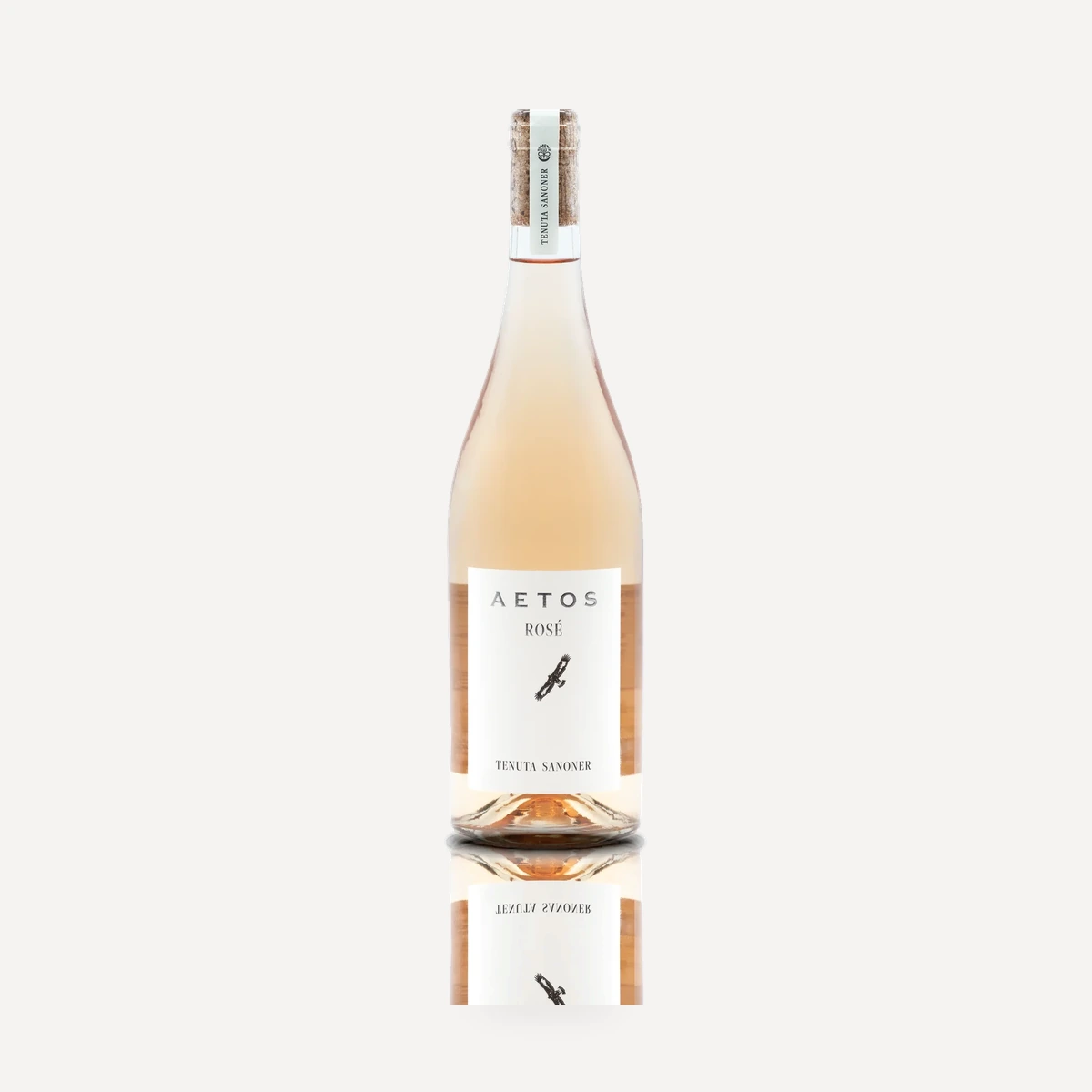
Aetos Orcia Rosé Biodinamico DOC
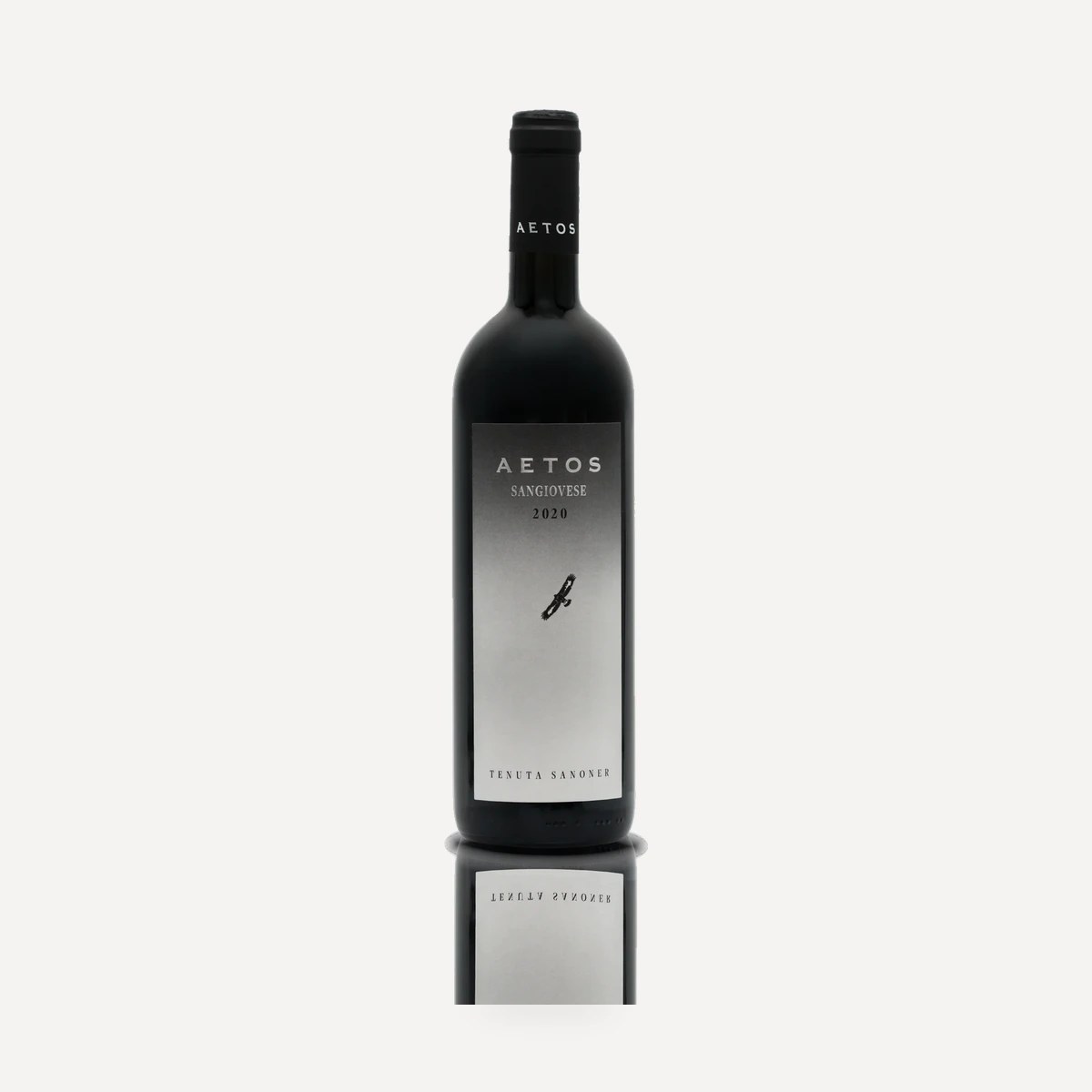
Aetos Orcia Sangiovese Biologico DOC
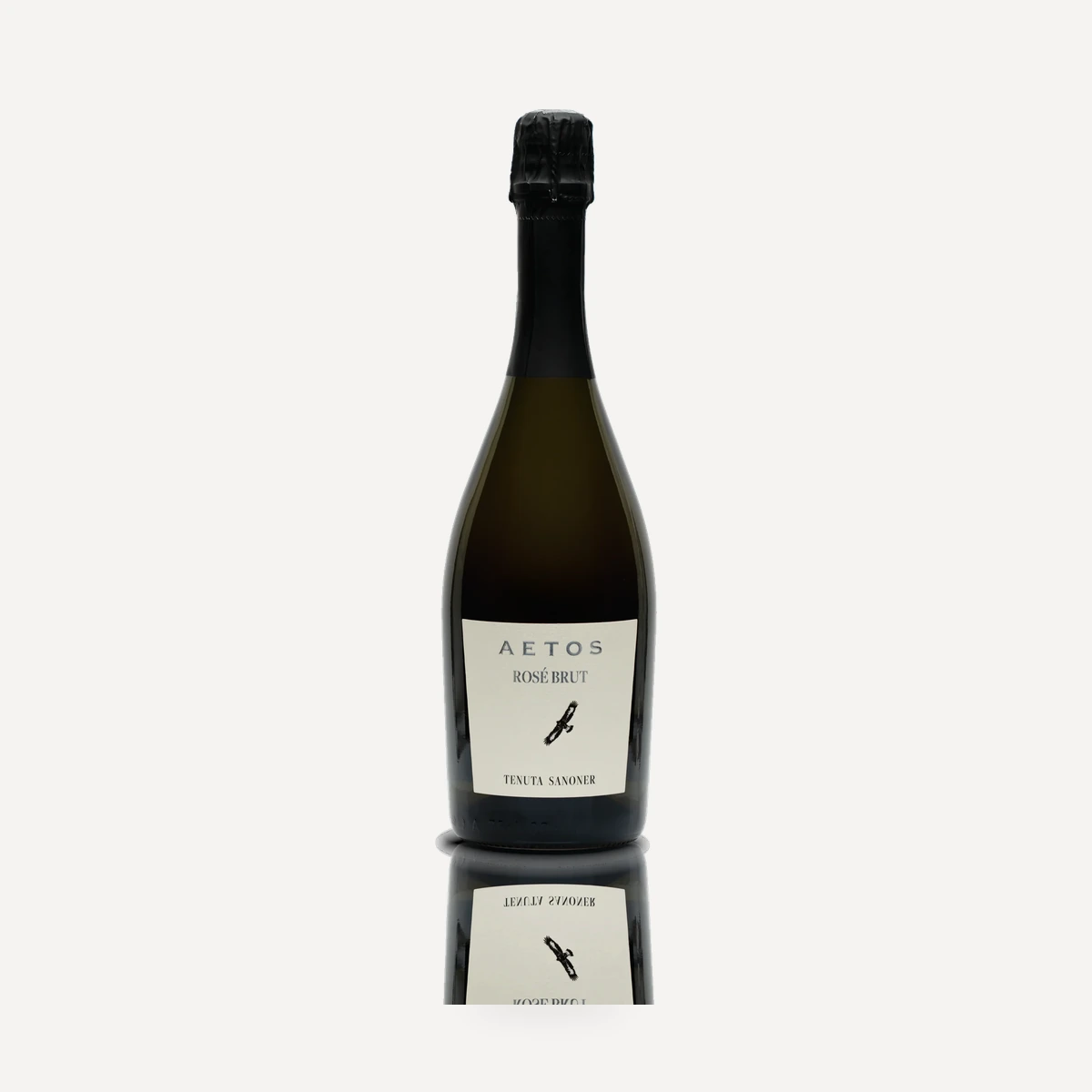
Aetos Rosé Brut Biologico
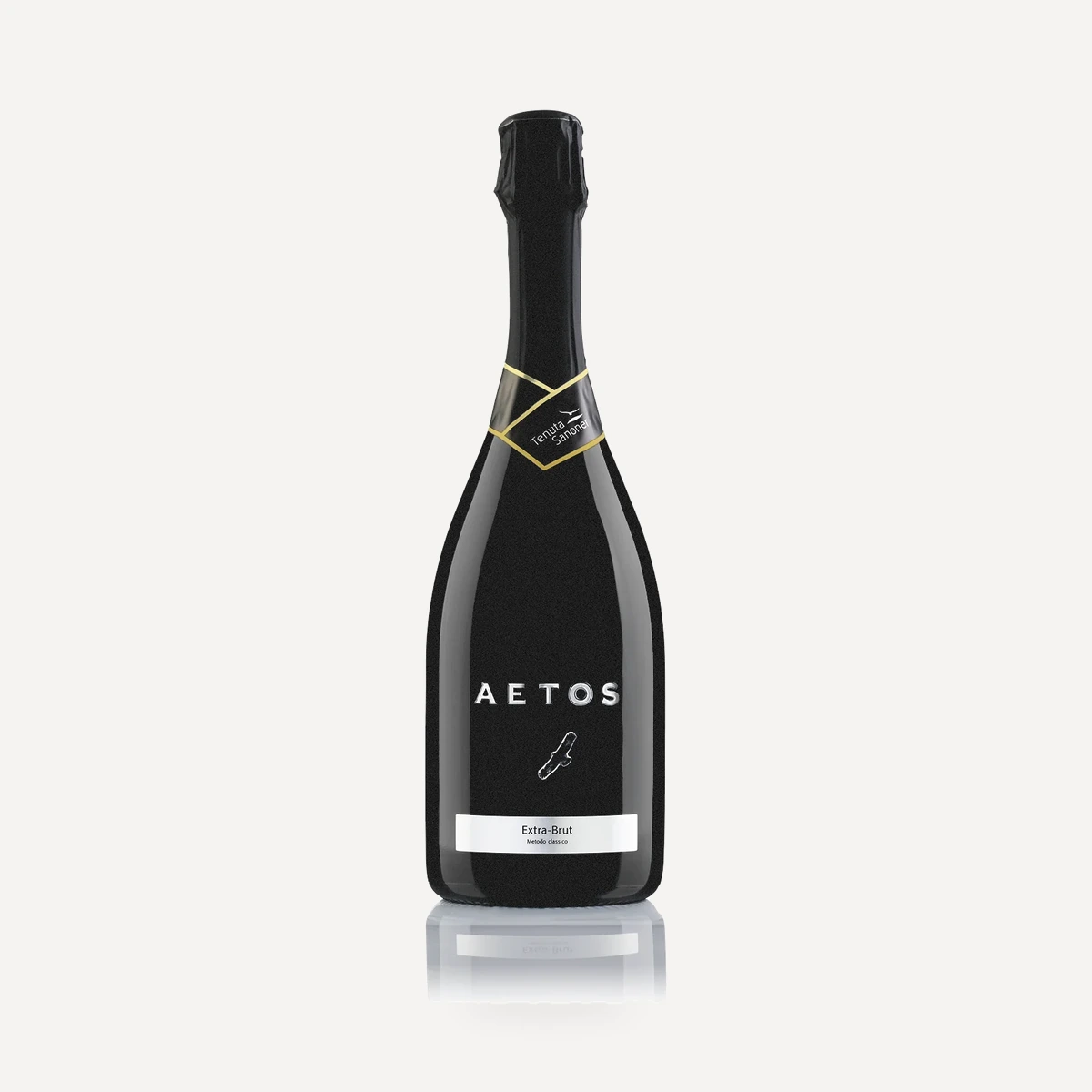
Aetos Extra-Brut Metodo Classico 48M
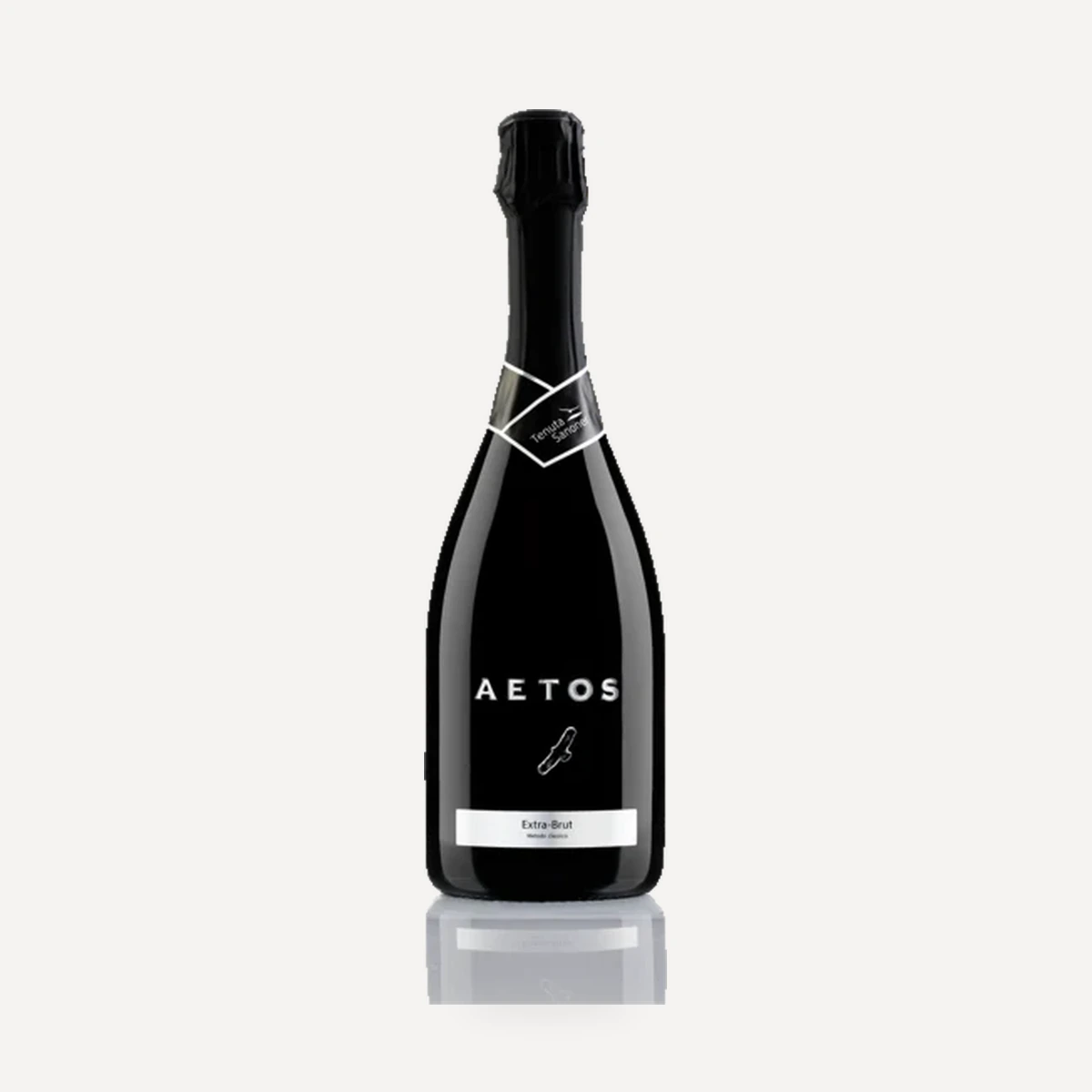
Aetos Extra-Brut Metodo Classico Biologico