Storia
Origins and the 2000 project
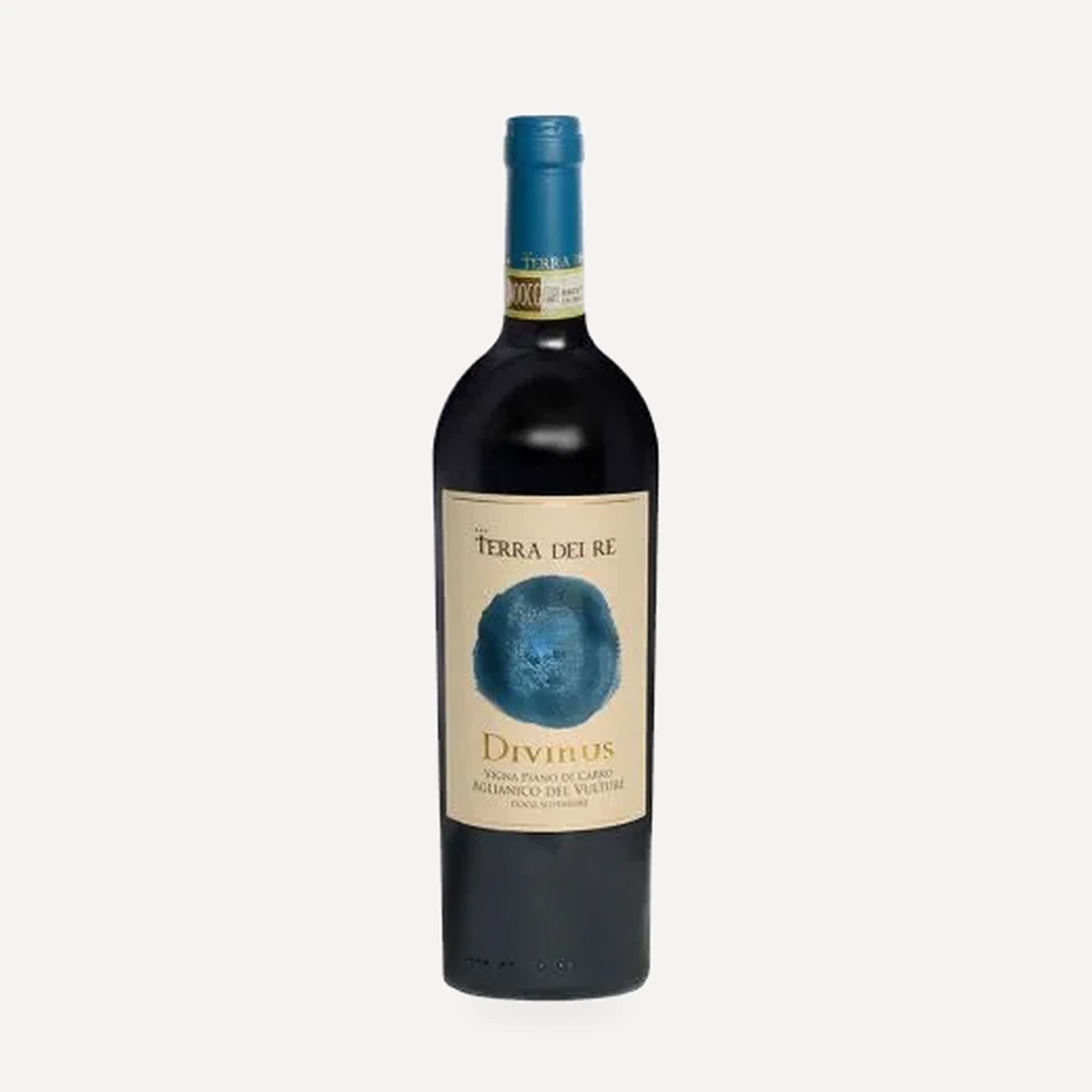
Terra dei Re was founded in 2000 from an initiative of the Rabasco and Leone families. They conceived a wine project rooted in the geological and cultural setting of Basilicata, establishing the winery on the slopes of the extinct Monte Vulture volcano. The inaugural harvest took place that same year and included the first vinification of Divinus.
First releases and night harvesting
Divinus reached the market in 2002. In 2004 the estate introduced night harvesting and created Nocte, which was released in 2006. The practice was developed around the conditions prevailing during the first half of November: day-to-night temperature differences can approach 20°C, and harvesting in the cooler hours is intended to retain aromatic and colour-related compounds. The estate has continued comparing the aromatic character of grapes picked by day and by night, observing a stronger fruit component in the night-picked fruit while continuing its experimentation.
The year 2006 also brought new vineyard plantings at Piano di Carro in Barile.
High-altitude Pinot Nero
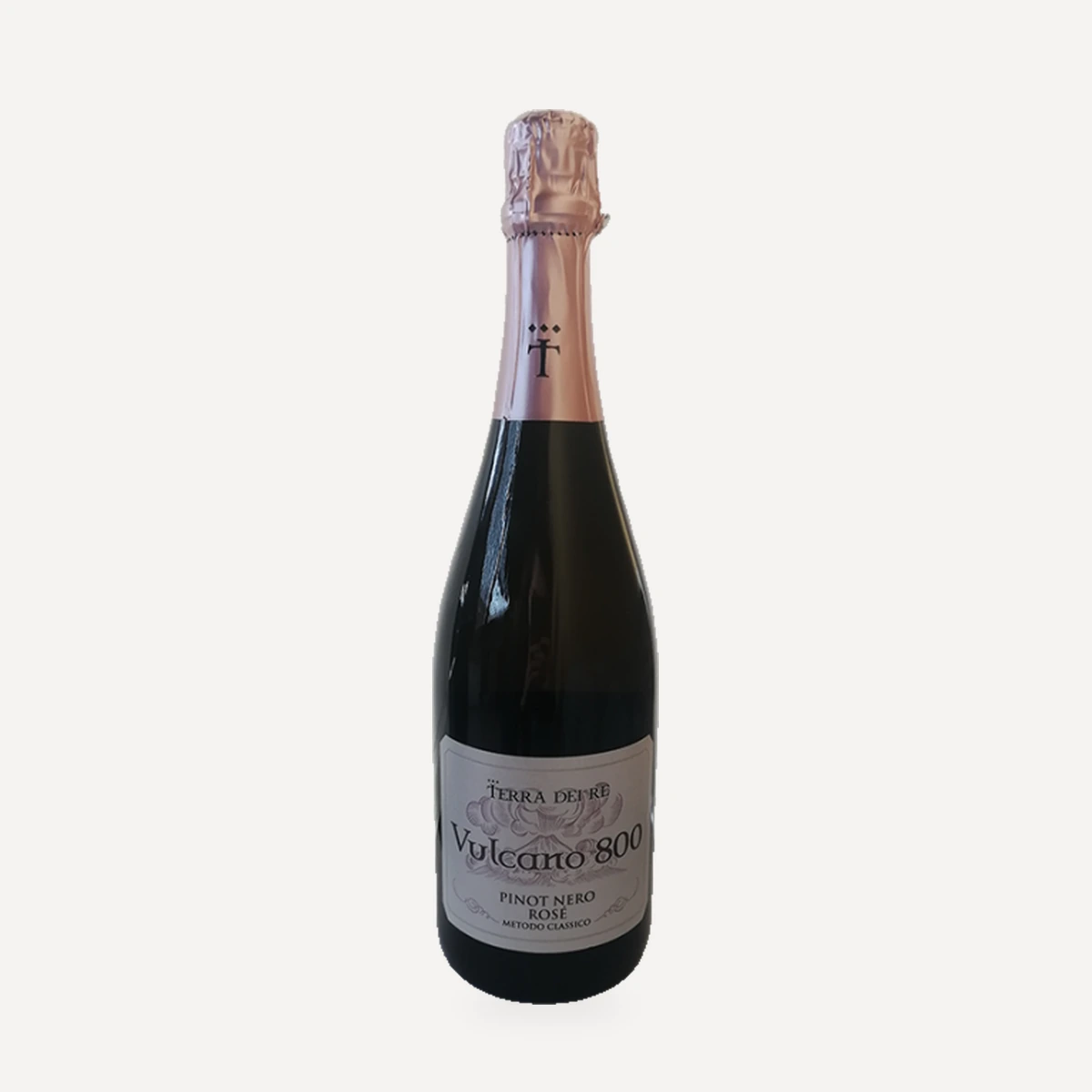
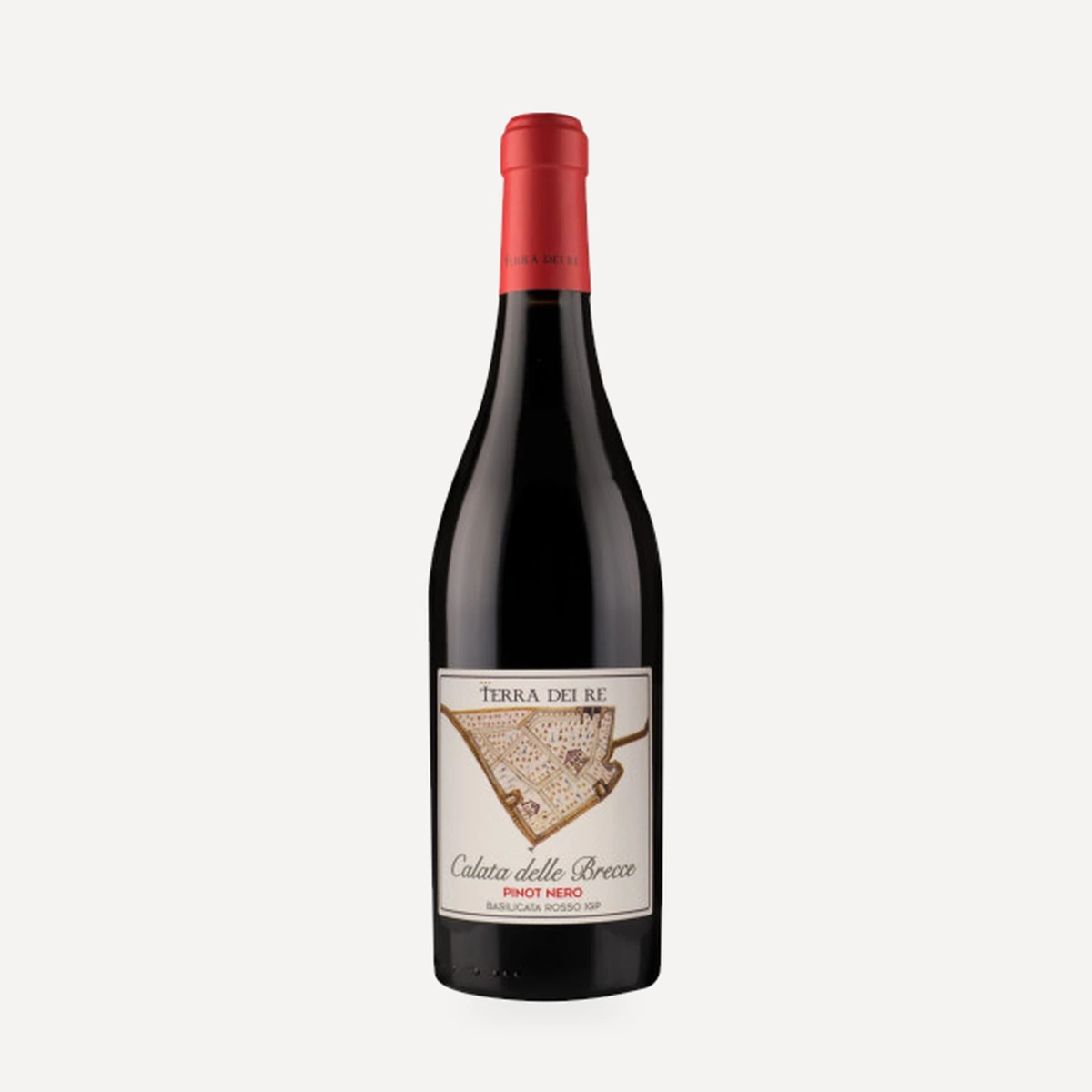
In 2009 Terra dei Re planted Pinot Nero in Contrada Calata delle Brecce at Rionero in Vulture, describing the project as the birth of a Lucanian Pinot Nero. The vineyard stands at 800 metres above sea level. Vulcano 800 Pinot Nero was released in 2015.
Cotarella and subsequent releases
Riccardo Cotarella joined Terra dei Re as winemaker in 2018. His contribution is associated with a more modern vision and the use of advanced technology while retaining the defining characteristics of the varieties and their terroirs.
Lerà Rosso was released in 2019, followed in 2020 by the first release of Calata delle Brecce.
Terroir
Terra dei Re lies on the slopes of Monte Vulture, close to the Monticchio lakes. The extinct volcano has deposited lava and varied eruptive material across its slopes, producing substantial differences between vineyard soils. Volcanic material recurs throughout the estate's vineyard areas, alongside banks of tuff, lapilli-rich tuff and clay.
Although situated in southern Italy, the Vulture zone is described as having climatic characteristics comparable to more northerly areas. Long daylight hours, marked day-to-night temperature changes and well-ventilated sites shape its growing conditions. Aglianico is associated with elevations of approximately 300–500 metres, while white varieties occupy higher bands and Pinot Nero reaches 800 metres at Calata delle Brecce. The estate's named sites extend across Rionero in Vulture, Barile and Melfi.
A historical account reproduced by the estate describes Rionero's volcanic ground as moderated by calcareous elements in the surrounding mountains. It places especially favourable exposures east and south of the town, between Rionero, Barile and Ripacandida, and portrays the vineyards of Rionero as continuous with those of Barile, Rapolla and Melfi. This passage is presented as historical context rather than a description of current estate practice.
Vinificazione
Terra dei Re frames sustainability as the conservation of environmental conditions, varietal resources and biodiversity. Its stated objective is to avoid altering the existing environment and to support natural balances.
Precision agriculture forms part of the estate's approach. Energy use in the vineyards, incoming and outgoing transport and cellar consumption are monitored as components of the wines' life cycle. Staff training is used to reduce the pollution associated with machinery and other operations. Rainwater is collected for agricultural use, while photovoltaic installations generate electricity.
Approximately ten years of measurement and study were used to calculate the environmental impact of each bottle. Corrective measures subsequently reduced stated carbon-dioxide emissions by more than 30%.
For Aglianico destined for Nocte, harvest takes place at night during the first ten days of November. Day-to-night differences can approach 20°C at this time. The estate studies the aromatic differences between fruit harvested by day and at night and has observed a predominance of fruit-derived components in night-picked grapes. The Tiberio vineyard is vertically trellised and cropped at 40 quintals per hectare, equivalent to approximately 0.5 kg per vine.
Friend of the Earth certificate AG-0037 confirmed that wine produced, processed and distributed by Az. Agr. Terra dei Re met the organization's sustainable-agriculture requirements. It was issued on 26 July 2019 and expired on 21 October 2020. The current sustainability page continues to describe Terra dei Re as the first wine-sector company to obtain this certification and Nocte as the first certified sustainable wine, but it does not display a more recent certificate.
The winery is constructed entirely underground, approximately 25 metres below the surface. It incorporates caves cut into the volcanic rock, used for the maturation of Aglianico del Vulture. This subterranean architecture connects the production space directly with the volcanic geology of Monte Vulture.
The cellar's stated direction combines tradition with modern technology. Since Riccardo Cotarella joined in 2018, advanced technology has been employed within an approach intended to retain the characteristics of each variety and terroir.
For Nocte specifically, the fruit is gathered at night and undergoes cold pre-fermentation maceration. The estate reports a vinification yield of 55% for fruit from the 2-hectare Tiberio vineyard. No other complete, estate-wide protocol for fermentation, maturation, stabilization, filtration or bottling is published.
Filosofia
Terra dei Re presents its work as a balance between tradition and modernity, with the geological and cultural identity of Basilicata at its centre. Its central ambition is to enhance Aglianico del Vulture through a sustainable approach, create a close relationship with the territory and achieve balance and drinkability.
The estate treats differences in altitude, exposure and volcanic-soil composition as practical tools for matching varieties to sites. Aglianico, Malvasia and Pinot Nero are therefore cultivated at differing elevations rather than according to a single vineyard model.
Its definition of sustainability extends beyond energy efficiency to the preservation of inherited environmental conditions, grape diversity, flora and fauna. The stated priority is to interfere as little as possible with natural balances while using measurement, staff training and precision agriculture to reduce the operation's environmental impact.
In the cellar, modernization is framed as compatible with site expression: advanced technologies are used while seeking to preserve the recognizable characteristics of the varieties and terroirs.
Vini
Calata delle Brecce
Divinus
Lerà Bianco
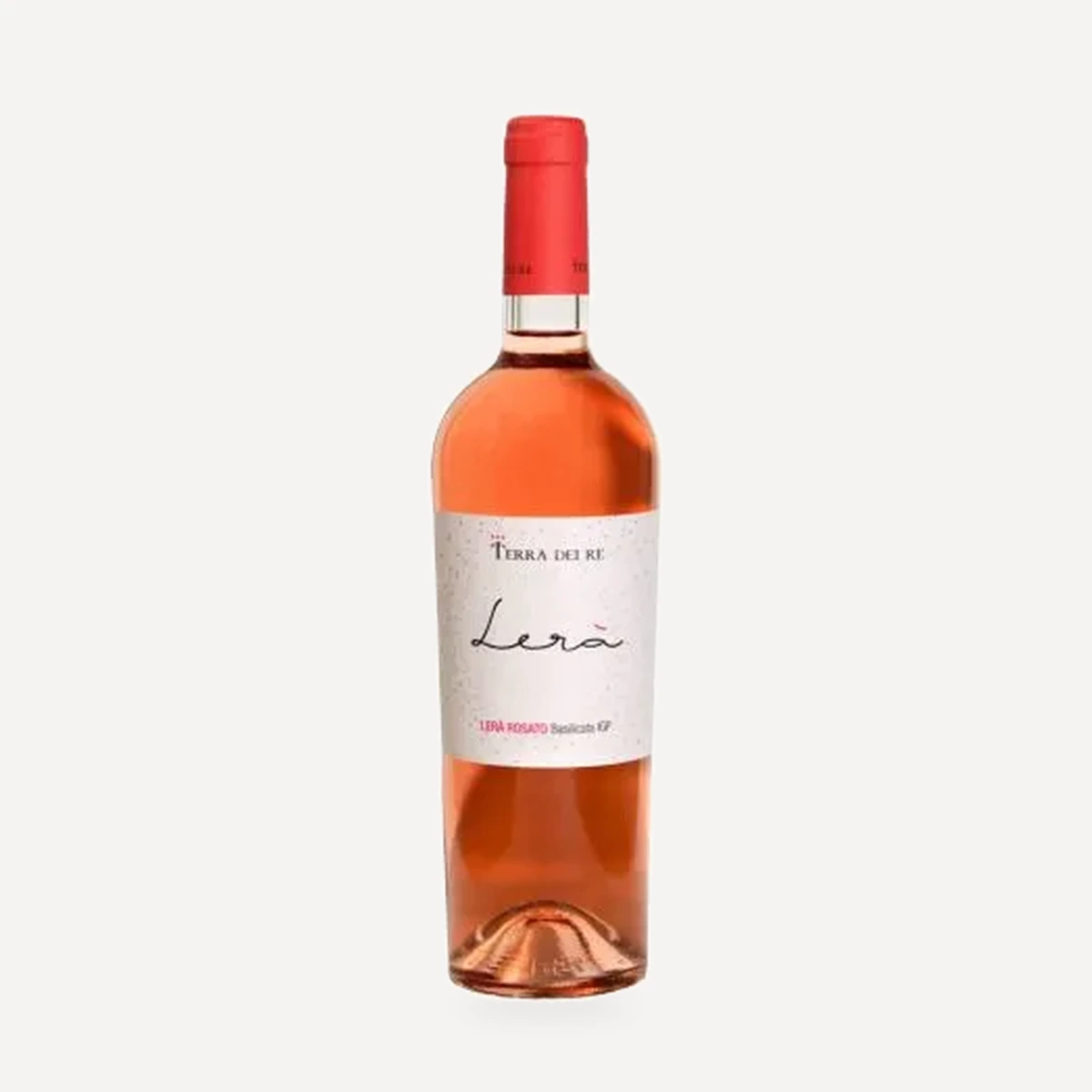
Lerà Rosato
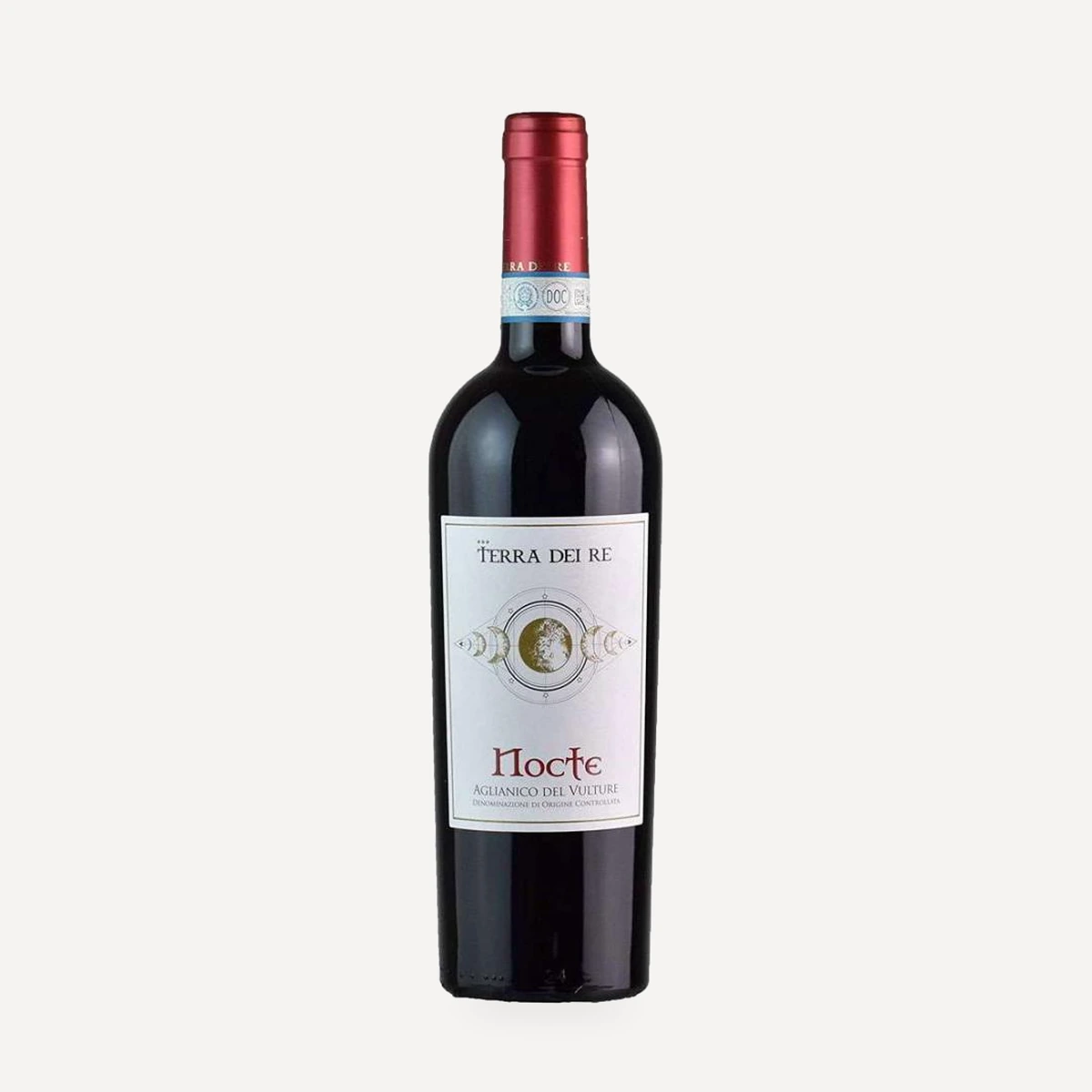
Nocte
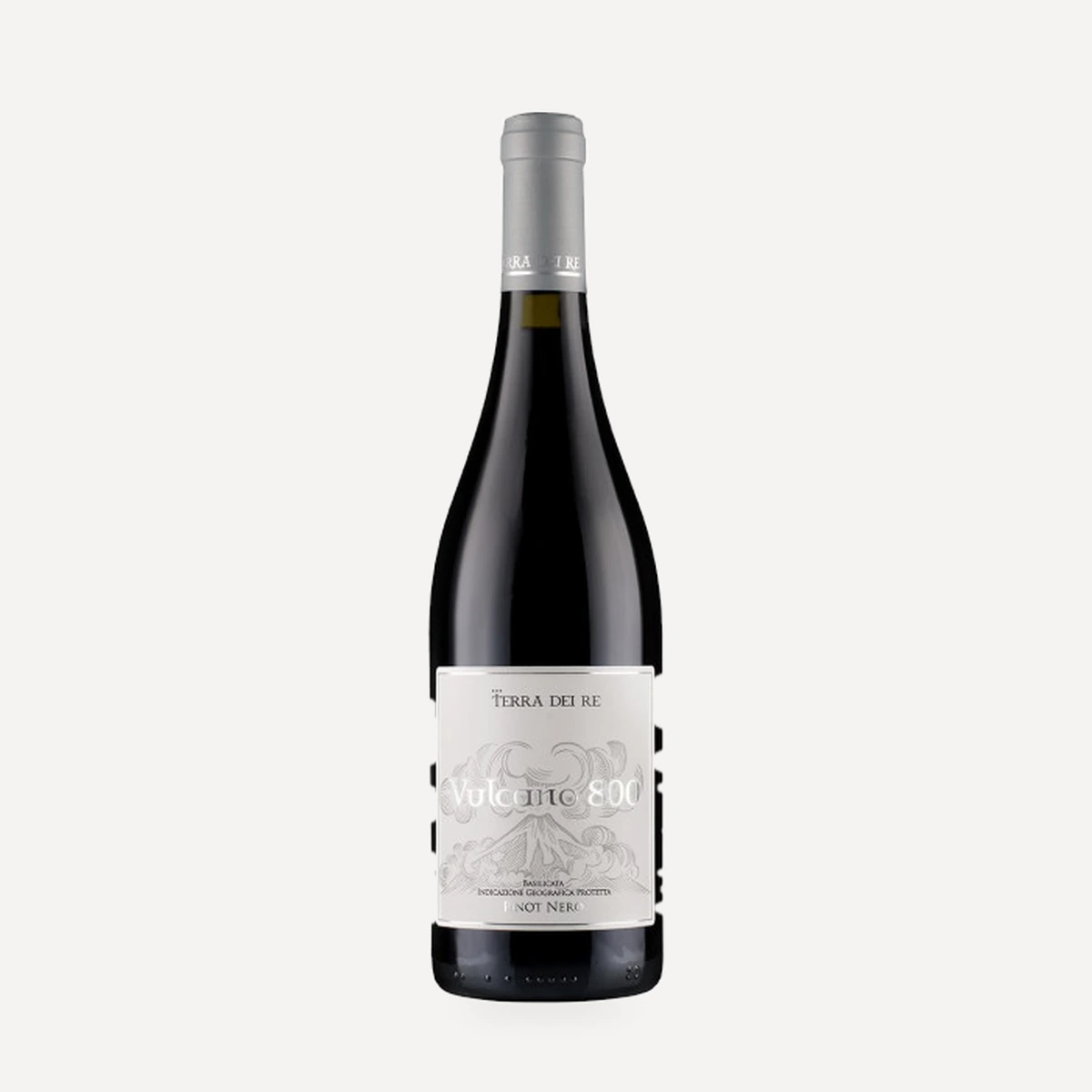
Vulcano 800 Pinot nero del Vulture
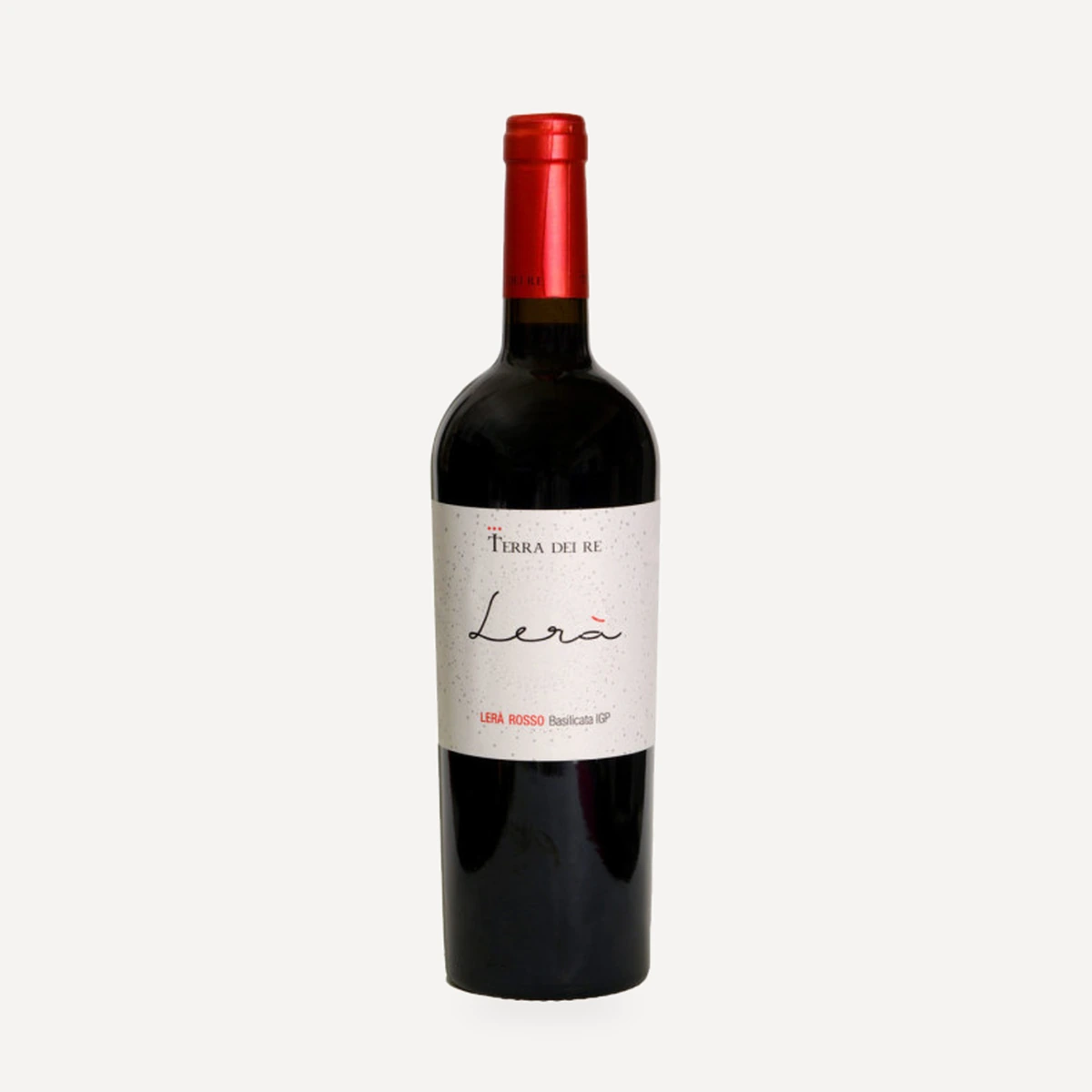
Lerà Rosso
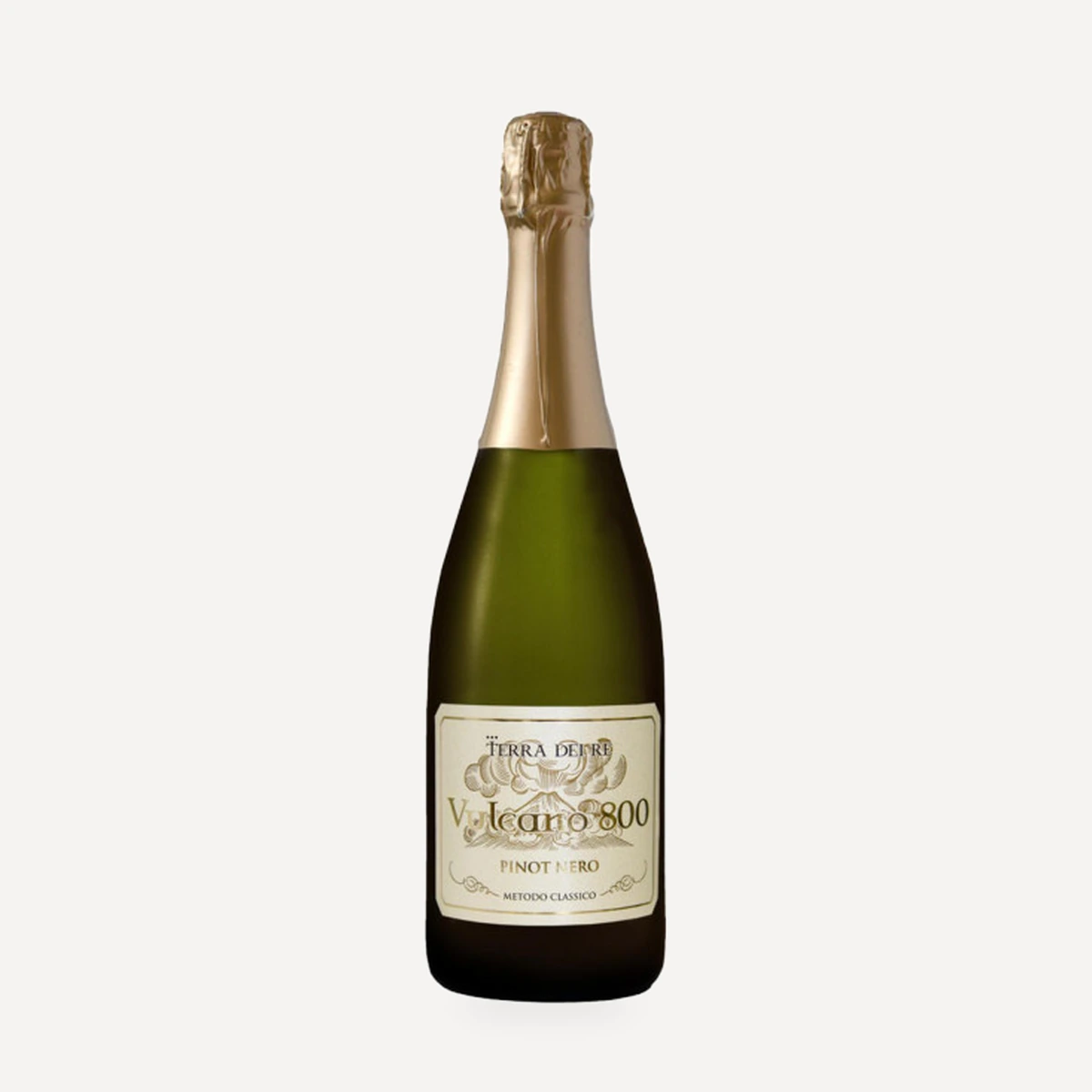
Spumante Vulcano 800 Brut Bianco Metodo Classico