Storia
The land of the brigands
Terra di Briganti stands in an area historically known as the Terra dei Briganti. During Italian unification, the countryside between the haystack at contrada Colli, Fontana Greca and the Ferrarise woods served as a stopping and resting place for local brigands. These revolutionary brigands sought refuge here from the Savoy army. The historical association supplies both the estate's name and the rebellious identity used throughout its presentation.
A family farming tradition
The winery developed from a family tradition of experienced growers. Across generations, the family preserved its attachment to nature and its produce. Terra di Briganti remains a family-run agricultural enterprise on the hills of Casalduni, near Benevento, at the foot of Monte Taburno.
Biodynamics and cellar experimentation
The present approach combines inherited farming traditions with contemporary experimentation. Biodynamic agriculture is used to build humus, fertility and biodiversity, while Demeter cellar principles govern harvesting and fermentation. Microvinification trials have focused particularly on reducing added sulphites. This work led to the Nato Nudo range, whose defining principle is vinification without added sulphites.
Terroir
Terra di Briganti is situated in contrada Tacceto on the hills of Casalduni, near Benevento in Campania. The winery lies at the foot of Monte Taburno, within the broader landscape between the Taburno and Matese massifs.
The vineyards occupy gently sloping, well-exposed hillsides. Across the plantings represented in the range, elevations extend from approximately 250 to 350 metres above sea level. Exposures are predominantly south-east, with a south-facing site also represented.
The soils vary between clay, clay-limestone and combinations of clay-limestone with sandstone. The estate associates the vines' solar exposure, gentle gradients and deliberately low yields with the quality and individual character of its fruit.
Vinificazione
Biodynamic soil management
The central objective is to increase both humus and biodiversity through natural, sustainable practices. The principal fertilizer is composted cow manure enriched with biodynamic herbal preparations, including nettle, chamomile and valerian. Natural manure is used for fertilization, while lunar influences are considered when regulating plant development.
Ground cover and green manure
A permanent or seasonal plant cover helps keep the vineyard active and healthy. Green manure is used to enrich the soil with nitrogen, particularly through legumes and clover.
Vineyard protection
Plant protection relies on sulphur and copper. Applications are measured to avoid waste rather than used indiscriminately.
Training, density and yields
The vines are Guyot-trained on vertical trellises, at documented densities of 2,500–4,000 vines/ha. Published yields range from 60 to 100 q/ha depending on the planting. Low yields per hectare form part of the estate's quality strategy.
Harvest
Harvesting is exclusively manual under the estate's Demeter vinification protocol.
Demeter cellar protocol
All grapes are harvested by hand. Fermentations rely solely on indigenous yeasts and bacteria, without added nutrients for either. Alcohol enrichment and pasteurization are excluded. The stated ceiling for added sulphur dioxide is 40 mg/L for both red and white wines.
Microvinification and reduced sulphites
Microvinification experiments are used to explore production with very low additions of sulphites. The Nato Nudo range carries this approach through to wines made without added sulphites.
Cellar techniques represented across the range
The cellar works with spontaneous fermentation, gentle pressing, stainless-steel tanks, bottle refermentation without disgorgement, skin-contact fermentation, chestnut casks, amphorae, used and new French-oak barriques and 3.5–5 hl tonneaux. Certain wines are bottled without clarification or filtration to preserve their natural material. The precise vessel, maceration and maturation regime varies by wine.
Filosofia
Terra di Briganti presents wine as a food rather than a glamour product. Its biodynamic philosophy seeks food of high quality capable of nourishing the person as a whole, while restoring humus, biodiversity, fertility and vitality to the soil.
Biodynamic grapes are understood as expressions of the individuality of the farm, the vitality of its soils, the harmonious development of its plants and the social relationships surrounding production. Wine quality is consequently defined through vitality: the finished wine should preserve the living forces of the original fruit and communicate both its place of origin and the personality of its raw material.
In practice, this outlook joins agricultural tradition to experimentation. Natural soil inputs, lunar influences, indigenous fermentations and restrained sulphur use coexist with microvinification trials. The estate frames innovation as a means of carrying the past forward, rather than replacing it.
Vini
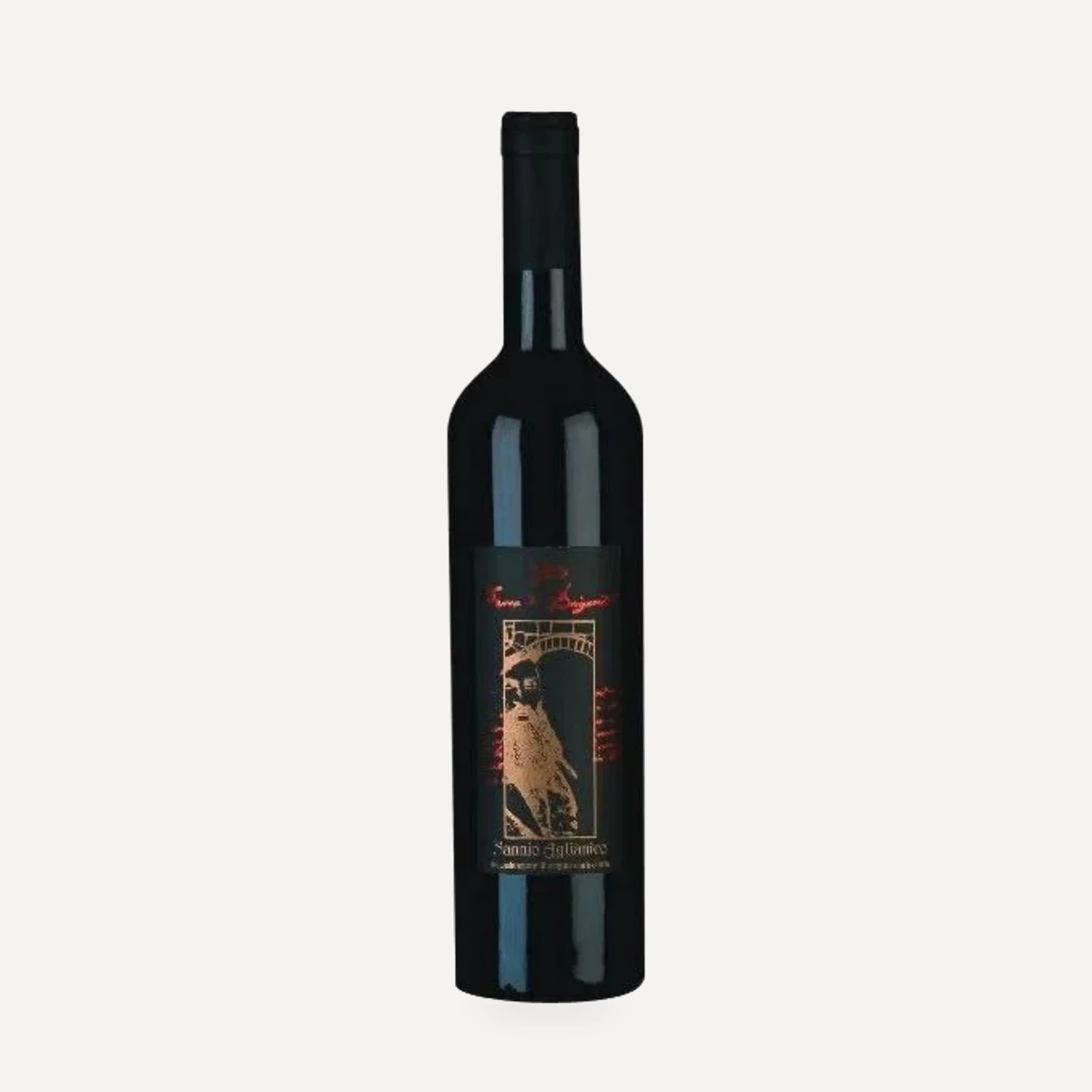
Aglianico
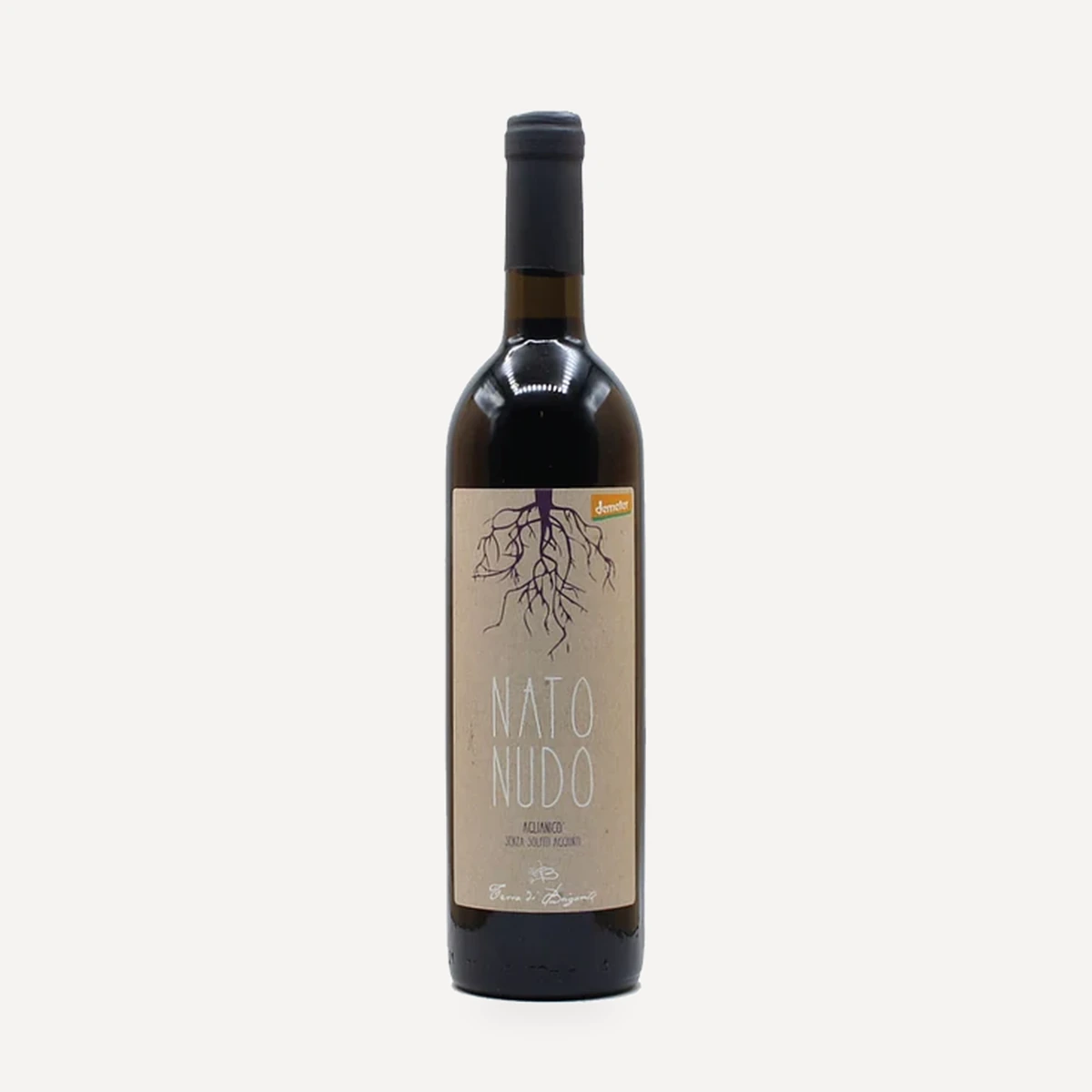
Aglianico – Nato Nudo
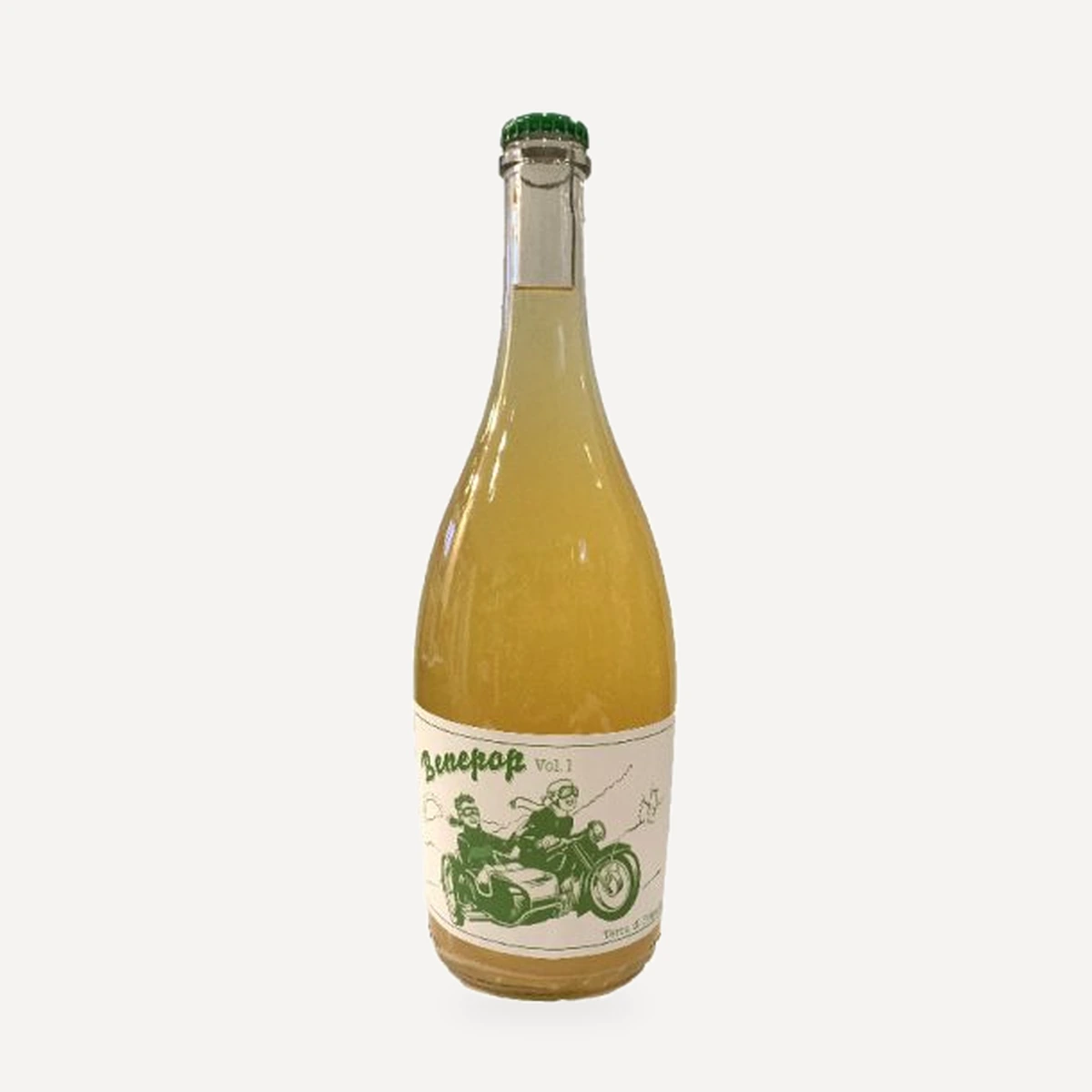
Benepop vol. 1
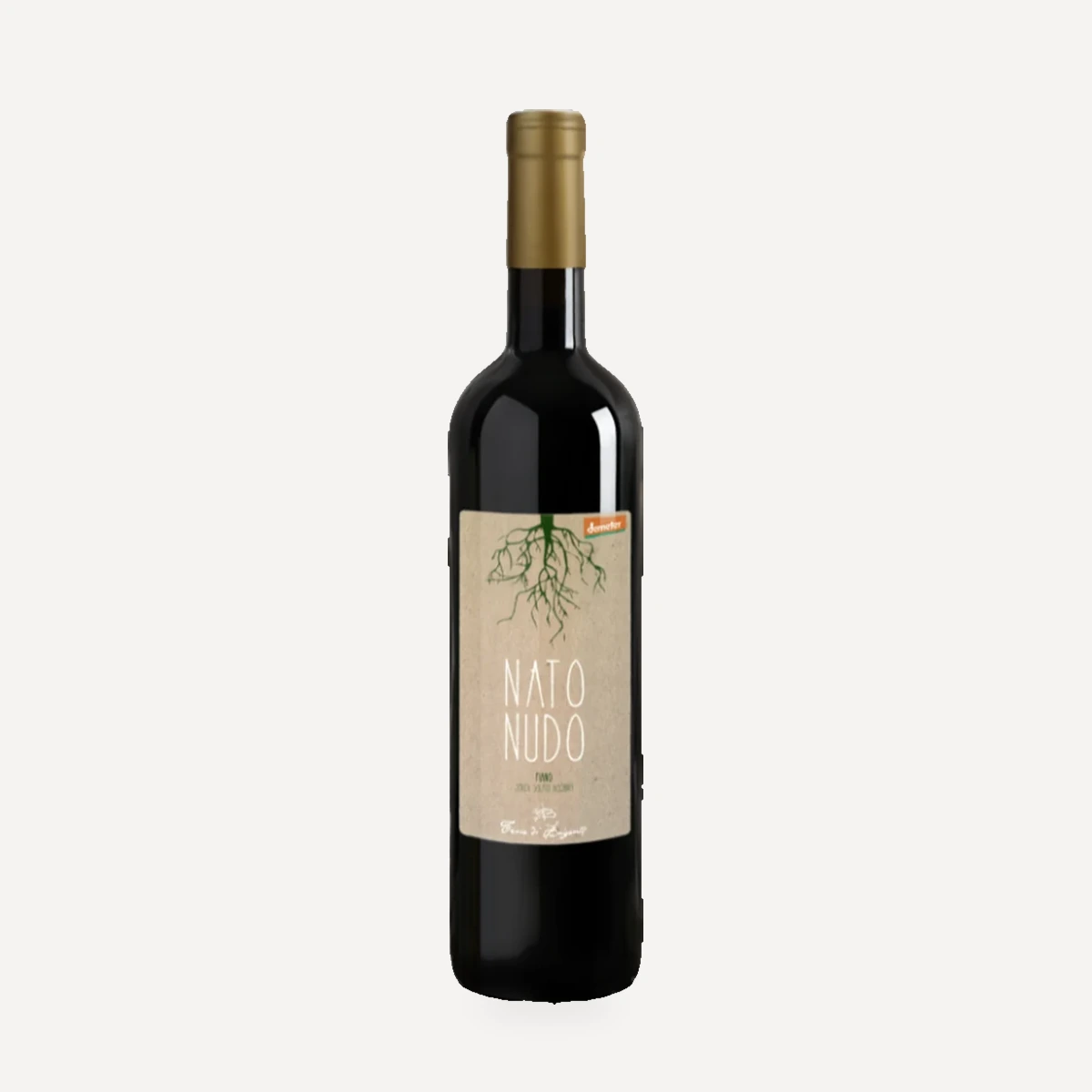
Fiano – Nato Nudo
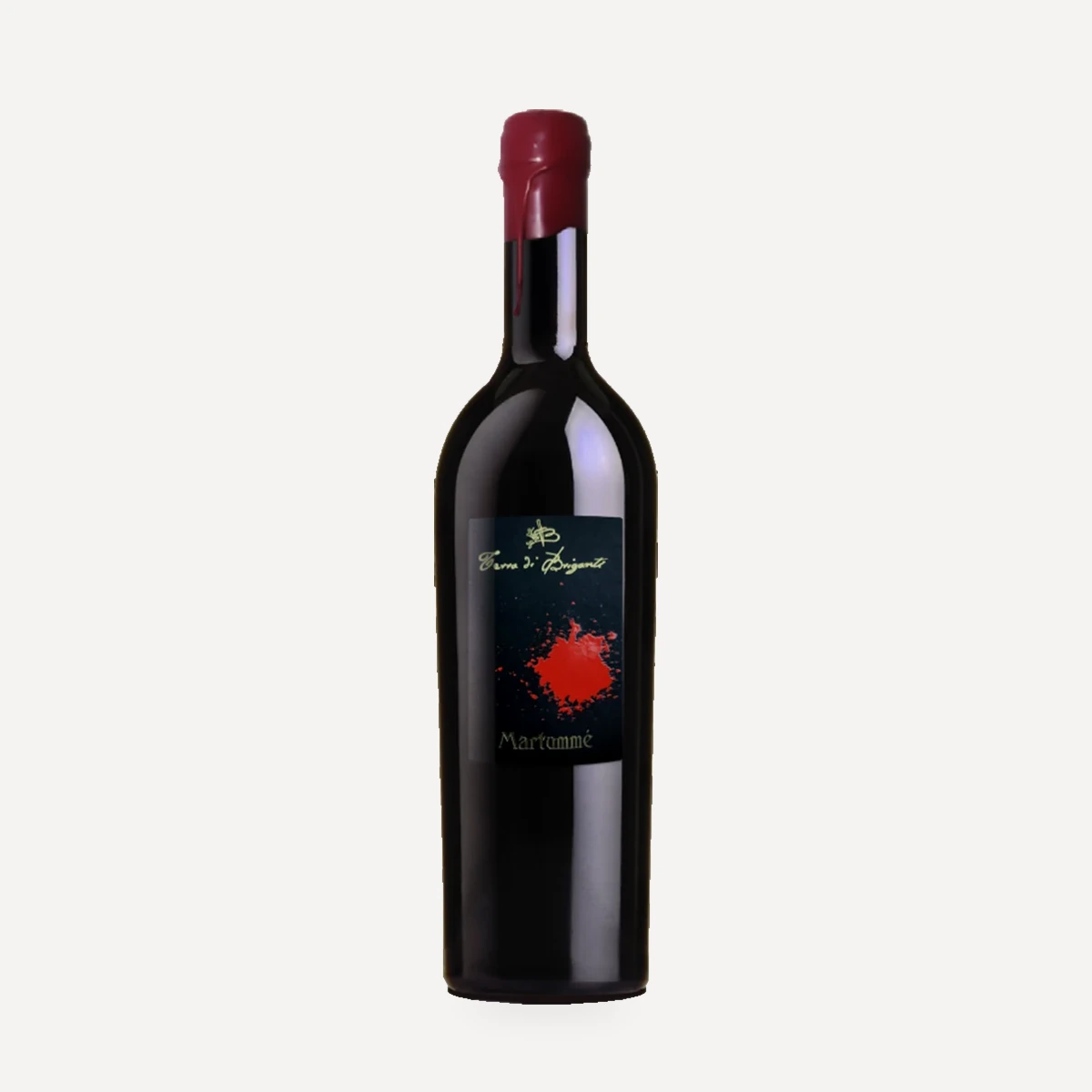
Martummé