Storia
Beginnings
Terrae Laboriae grew from Antonio Sauchella’s encounter with Georgian-style amphora winemaking. A sommelier with a strong interest in world cultures, Sauchella lived in Asia and became acquainted with this approach before deciding to bring it to his home territory in Southern Italy.
He developed the project with Angelo Iannotti, a sommelier and winegrower from a multigenerational viticultural background. Their purpose was to experiment in Campania with Georgian Qvevri methods and produce small quantities of artisanal wine rooted in local grape varieties.
Development of the project
The production model was built around exclusive use of Georgian-style terracotta Qvevri, spontaneous fermentation with indigenous yeasts, hand harvesting and naturally cultivated vineyards. Terrae Laboriae combined this Georgian inspiration with varieties grown around San Lorenzo Maggiore, including Falanghina, Camaiola, Malvasia di Candia, Trebbiano, Aglianico and Piedirosso.
The range developed to encompass white, skin-contact orange, red and rosé wines. The wines bear Georgian-derived names and artist-designed labels, connecting the cellar’s amphora-based production philosophy with a broader relationship between wine and art.
Terroir
Terrae Laboriae works in San Lorenzo Maggiore, in the Sannio area of Campania, Southern Italy. The vineyards used for the range lie at approximately 400 metres above sea level.
The vineyard setting is hilly and strongly exposed to Mediterranean sunlight and wind. The soils are described as combinations of clay, limestone and volcanic material. Individual descriptions sometimes emphasize clay and limestone, while others foreground the volcanic component; the technical specifications identify all three components across the production area.
The estate presents the connection between land and wine as inseparable: the identity of the wines is intended to emerge from the relationship between the territory, human work and respect for nature.
Falanghina and Camaiola receive particular emphasis among Sannio’s indigenous grapes. Falanghina is presented as the area’s principal native white variety, with associations extending back to Roman antiquity. Camaiola is described as a native red grape cultivated exclusively in the province of Benevento. Other varieties used by Terrae Laboriae include Malvasia di Candia—locally called Uva Cerreto—Trebbiano, locally called Grieco, Aglianico and Piedirosso.
Vinificazione
The vineyards are cultivated naturally under a stated sustainable-agriculture approach. Chemical substances and mechanization are excluded from vineyard work.
Vines are trained to Guyot. Harvesting is manual and takes place during September. Selection is directed toward the best bunches, which are then pressed gently. The viticultural approach supports deliberately limited production and the use of indigenous Campanian grape varieties.
Qvevri cellar work
All Terrae Laboriae wines are produced exclusively in Georgian-style terracotta Qvevri. The vessels have a capacity of 1,000 litres and permit gradual micro-oxygenation. Unlike wooden barriques, they do not contribute wood-derived tannins, allowing the cellar to avoid an oak imprint.
Selected, hand-harvested grapes are gently pressed. Fermentation takes place spontaneously inside the Qvevri with indigenous yeasts and without additives or corrective treatments. Skin contact varies according to the intended style: approximately 24 hours for the short-maceration wines, eight days for Camaiola, 15 days for Malvasia di Candia, 28 days for the extended-maceration Falanghina, and as long as 30 days for the multi-variety orange blend.
The wines generally remain in 1,000-litre Qvevri for 12 months. The rosé is described in the current production text as spending 10 months in Qvevri. For the blended orange wine, Falanghina, Malvasia and Trebbiano are vinified separately; after 12 months, the base wines are assembled before bottling.
No fining or filtration is used. Additives and cellar corrections are excluded, while sulphur use is described as absent or minimal. The two newest blended and rosé specifications give total SO₂ as 28 mg/L. Bottling follows amphora maturation without further stated maturation for the relevant cuvées.
Filosofia
Terrae Laboriae defines its work through three ideas: land, labour and tradition. Its stated objective is to pursue authenticity and quality through limited production, local grape varieties, sustainable farming and Georgian-inspired amphora methods.
The project treats wine as an expression of the relationship between land and people. Respect for nature is intended to preserve the territory’s identity, while minimal cellar intervention avoids obscuring the character of the grapes. This approach excludes chemical corrections, additives, fining and filtration and limits sulphur use.
Qvevri are central to this philosophy. Their micro-oxygenation is valued as a means of developing wine without imparting the tannins or flavours associated with wood. The cellar connects this technique to approximately 8,000 years of Georgian winemaking history while applying it to Campanian varieties.
Wine is also framed as a creative form capable of expressing emotion, spirit and personality. This idea extends to the labels, which are commissioned from artists from different parts of the world.
Vini
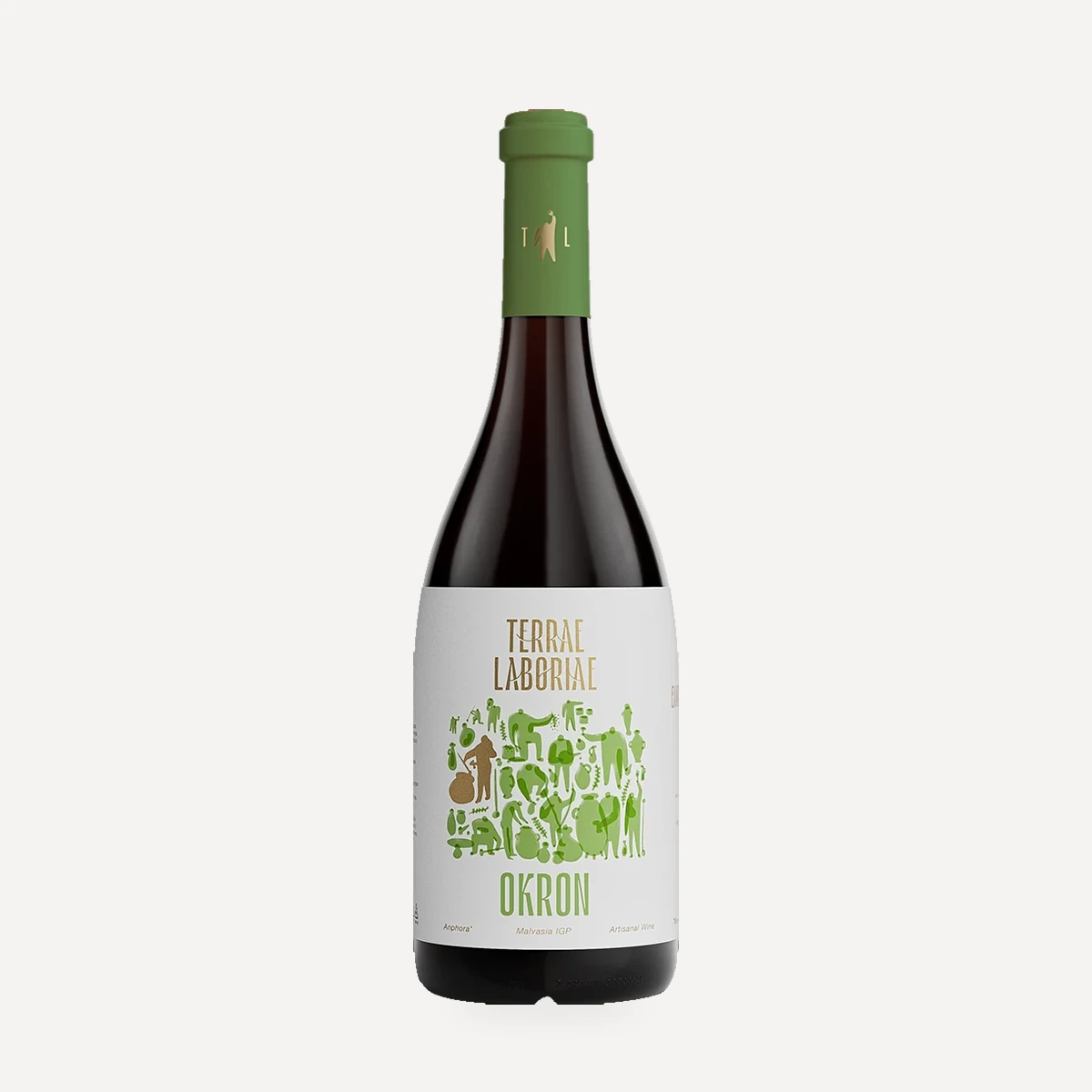
Okron
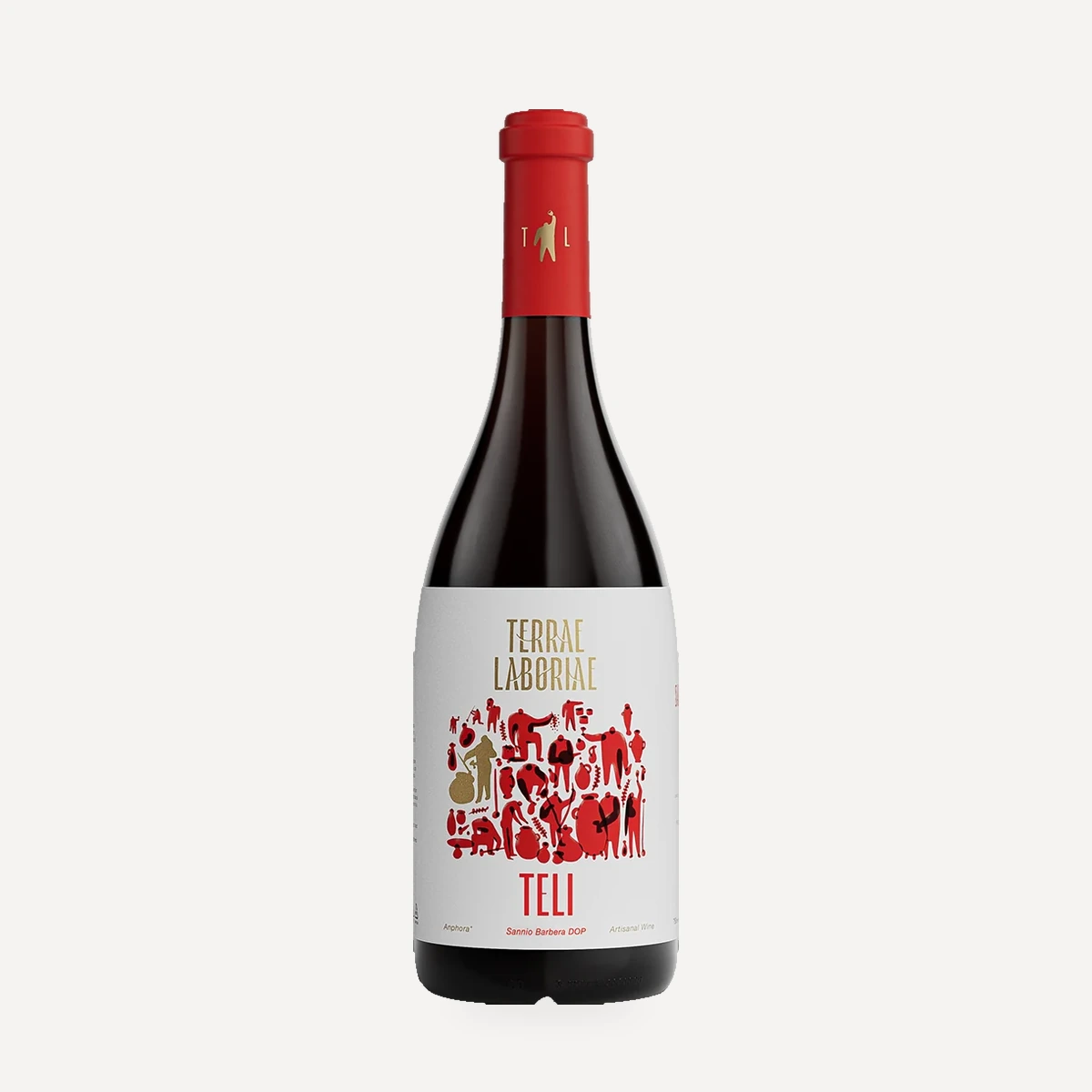
Teli
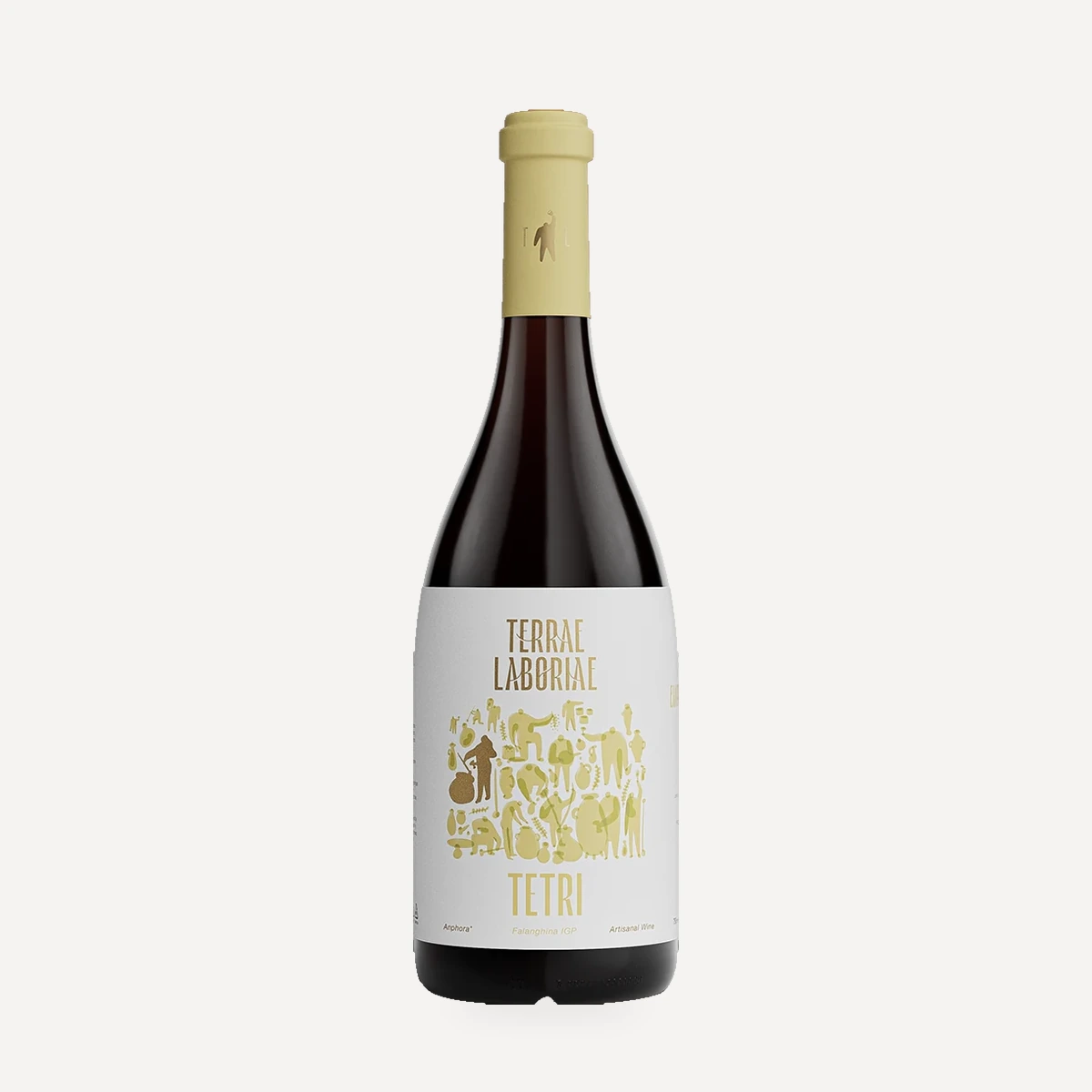
Tetri