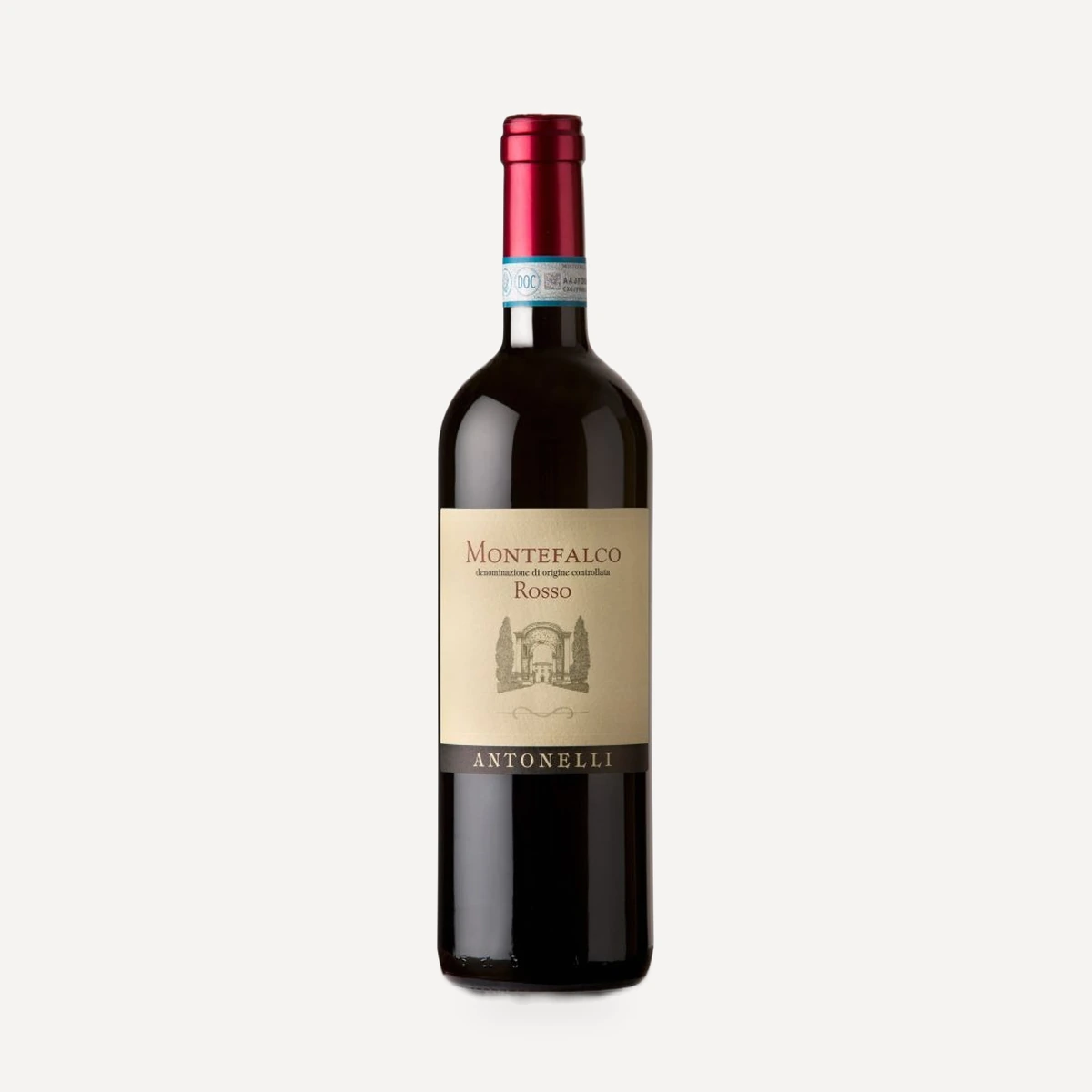
Questo vino
Vineyard and terroir
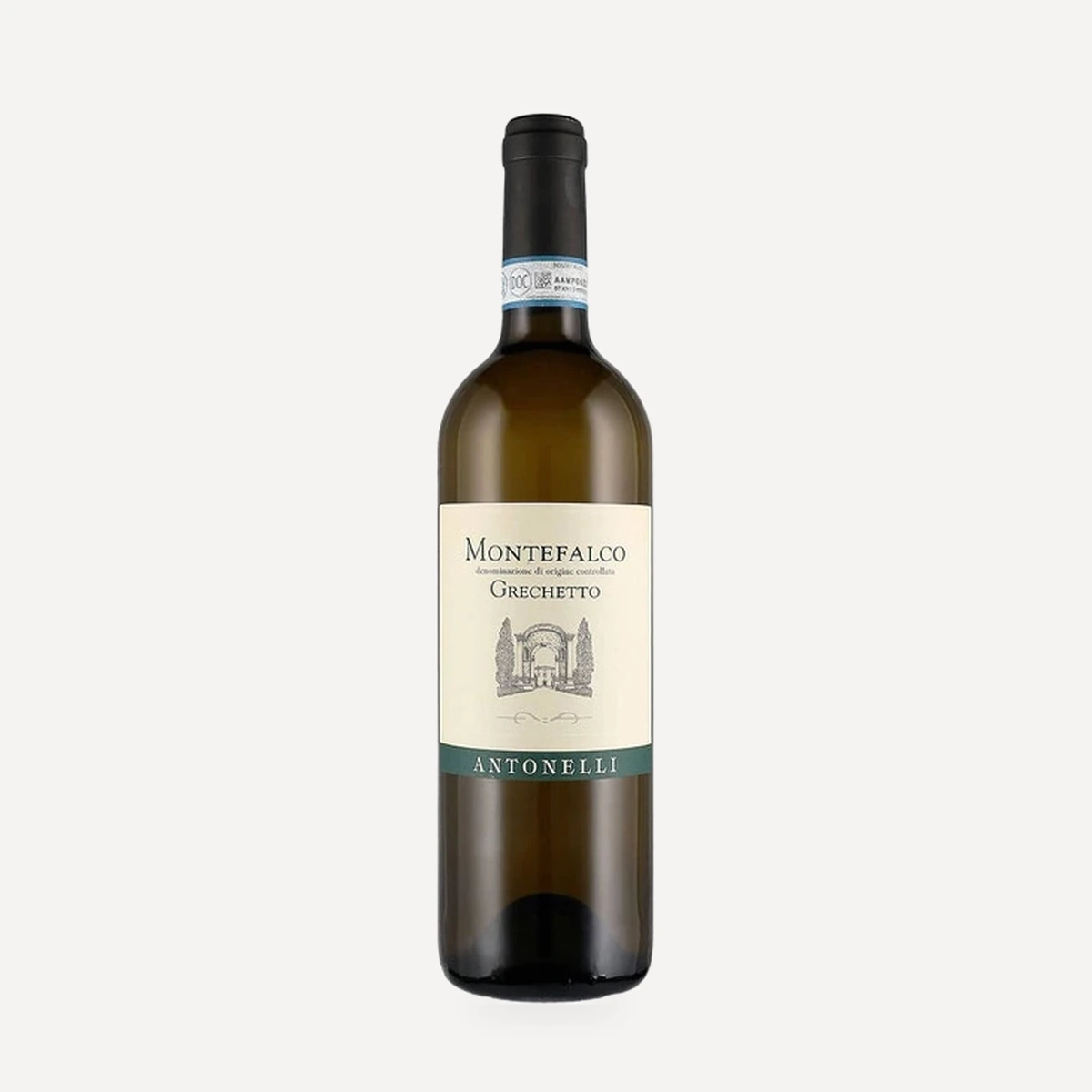
The 2024 wine came from a 5 ha Grechetto cru in Montefalco at 400 m above sea level. The vines were 16 years old and trained to both spurred cordon and Guyot, with 5,000 vines per hectare and a yield of 100 q/ha. The technical sheet describes the soil as medium textured and tending toward clay, while the shop description characterizes the Montefalco soils as calcareous.
Grapes
Grechetto.
Vinification
Grapes were selected in the vineyard, picked during the coolest early-morning hours and chilled on arrival to protect their aromatic potential and prevent unwanted fermentation. White vinification involved gentle pressing in an oxygen-free environment, followed by 24 hours of static settling and inoculation with selected yeasts. Fermentation ran at low temperature for 12–14 days in stainless steel. Once alcoholic fermentation had started, part of the wine was transferred to barriques, where fermentation continued. Malolactic fermentation was not carried out.
Ageing
The separate components matured on their lees for four months in barriques and stainless steel. They were then blended, matured further in steel and aged for another two months in bottle.
Technical data
2024: 13.0% vol.; 50,000 bottles produced. Vineyard yield was 100 q/ha. Bottle size: 750 ml.
Tasting profile
Intense straw yellow. Characteristic Grechetto aromas of yellow fruit and Mediterranean plants develop into spice and candied-citrus notes. The palate is enveloping and full while retaining pronounced freshness. The shop description additionally presents the wine as golden yellow, well structured and notably fresh.
Serving and pairing
Pair with truffle-based first courses, spiced chicken or baked fish. The technical summary gives 10°C, while the tasting guidance recommends 12–14°C.
Vintage notes
The 2024 cycle followed a long mild, rainy period from autumn through late spring, with temperatures above seasonal averages and earlier budbreak and flowering. Rain continued into June, encouraging vigorous growth and replenishing subsoil water. Vines experienced no major water stress until mid-July, after which temperatures rose beyond 40°C at times. Harvest of sparkling-wine grapes began around mid-August; early white and red varieties ripened about ten days earlier than in previous years, while later reds remained near the recent average. No significant fungal attacks were recorded, and the grapes remained healthy and of very good quality.