Storia
Family background and the post-war years
Terredora’s history begins before the estate itself. After the Second World War, Walter Mastroberardino travelled through Italy—beginning with Milan—to sell bottles made with his brothers in the family business they had inherited. This experience formed the professional background for the independent project he would later establish with his own family.
1978: the estate takes root
In 1978, Walter Mastroberardino and his wife, Dora Di Paolo, began acquiring land in Irpinia at a time when much of the countryside was uncultivated. Their objective was to cultivate native Campanian varieties and vinify estate-grown fruit under direct family control.
The early acquisitions included land at Montefalcione, where Fiano was planted when the variety had almost disappeared from local agriculture. Only a few hectares remained across the province, approximately six of them at Avellino’s Istituto Enologico Tecnico Agrario. Eight hectares were also acquired at Castelmozzo in Santa Paolina in 1978, becoming part of the family’s revival of viticulture in Irpinia.
The project progressively assembled vineyards in Montefalcione, Santa Paolina, Montefusco, Montemiletto and Lapio. These neighbouring communes form a corridor through the production areas of Irpinia’s three DOCGs: Fiano di Avellino, Greco di Tufo and Taurasi. The family introduced modern technical knowledge and innovations while retaining native varieties and traditional regional viticulture.
1994: Terredora di Paolo and the Montefusco winery
In 1994, at the age of sixty, Walter closed the previous chapter of his career and began a new enterprise with his children Daniela, Lucio and Paolo, supported by Dora. The company was named for Dora Di Paolo, remembered within the family as quiet, industrious and consistently present.
A modern winery was built at Serra di Montefusco to process fruit from the family estates. Montefusco was chosen for its central position between the vineyards and the Sabato and Calore valleys. The first Terredora harvest began on 7 October 1994, making 1994 the estate’s first vintage. Direct control of cultivation, vinification and the other production stages became a defining principle of the new business.
Among the labels associated with Terredora’s beginnings was Il Principio, whose name recalls the estate’s debut as a producer of major red wines.
1995: Ex Cinere Resurgo
The first Fiano label carried the Latinized wording “ex cineris resurgo,” intended to connect the rebirth of Walter’s family enterprise with the repeated historical destruction and recovery of Montefusco. During a visit to the new winery, filmmaker Ettore Scola gently pointed out the grammatical issue. From the 1995 vintage, the label adopted “Ex Cinere Resurgo”—“I rise from the ashes.” The phrase remained a symbol of territorial and family renewal.
Lucio Mastroberardino’s contribution
Lucio Mastroberardino, born on 21 March 1967, became the family winemaker and helped shape Terredora’s first twenty years as well as the development of Irpinian wine at the beginning of the new millennium. His work combined a pursuit of excellence with rigor, pragmatism, creativity and an emphasis on teamwork. He also represented the family abroad, travelling through the Americas, Northern Europe, China, Japan and Russia, including during the difficult years of his illness.
In 2006, Lucio was nominated in London for International Wine Challenge “Winemaker of the Year” in the white-wine category. Dora died during the estate’s first decades, and Lucio died prematurely on 29 January 2013.
The family after 2013
Following Lucio’s death, Walter placed renewed emphasis on collective family leadership. Paolo and Daniela Mastroberardino continued the project begun with the 1994 harvest, preserving direct control of the estate and Lucio’s influence in the cellar.
Art, memory and new projects
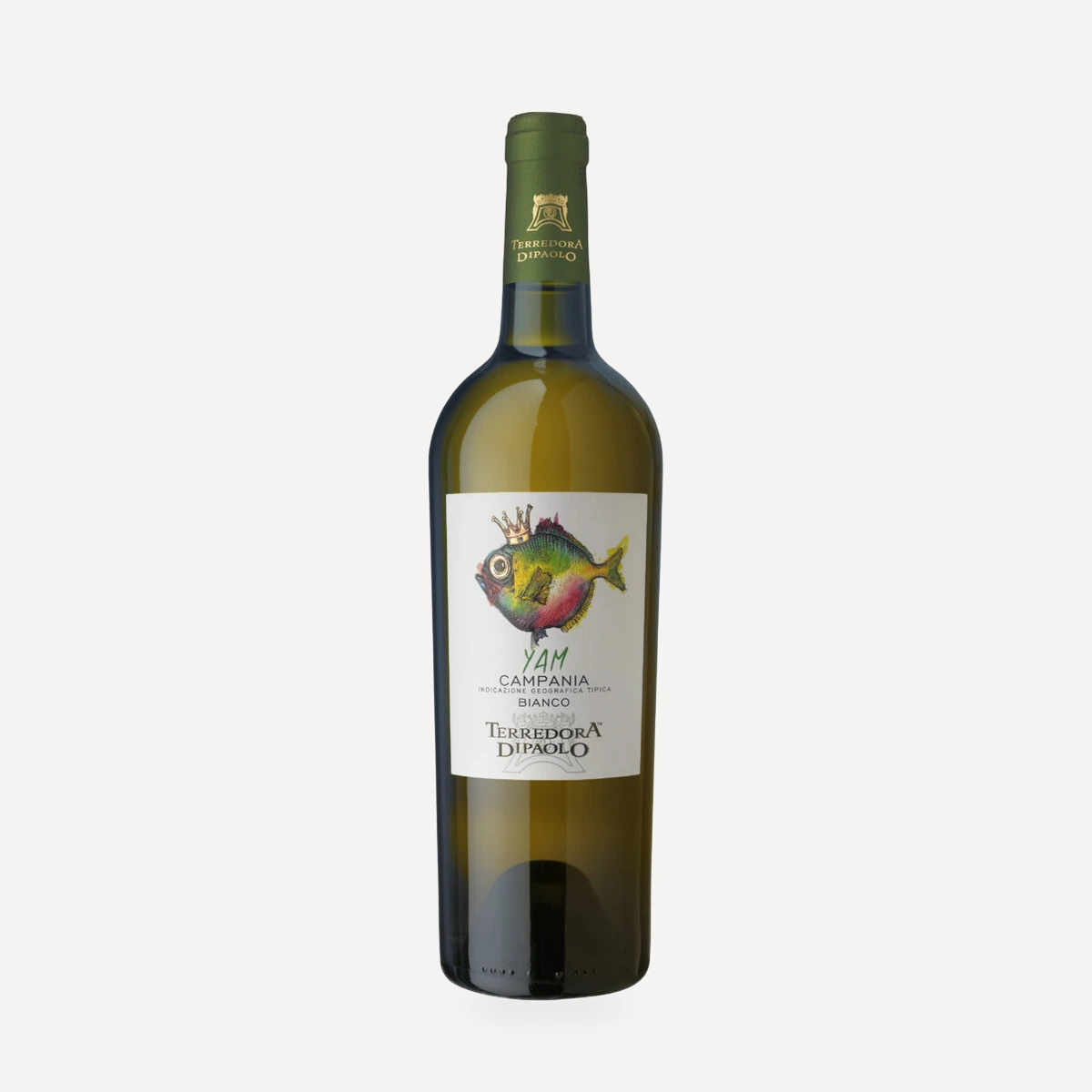
With the 2020 vintage, Terredora began an artist-label initiative developed with Marco Abbamondi, linking wine with visual art and using the bottle as a material expression of the winegrower’s craft.
During the pandemic, the family developed the Taurasi Riserva Lucio project in Lucio’s memory. Released in October 2021, its first selection used the 2007 vintage and brought together three interpretations from Pietradefusi, Lapio and Montemiletto. The project was conceived for exceptional Taurasi vintages and as a bridge between the family’s past and future.
The estate’s long-term direction combines native grapes, estate fruit and traditional cultivation with closer attention to sustainability, reduced waste of resources and lower environmental impact.
Terroir
Terredora’s principal estate lies in Irpinia, in the Apennine interior of Campania, around the Sabato and Calore river valleys. Although relatively close to Naples, Pompeii, Sorrento and Amalfi, the setting is mountainous and continental rather than coastal. Mountains, rolling hills and upland plains are divided by rivers and covered by vineyards, chestnut woods, centuries-old beech trees and other dense vegetation.
The principal vineyards occupy breezy, predominantly south-facing hills at approximately 400–650 metres above sea level, with individual Taurasi sites extending from about 350 metres at Pietradefusi to more than 600 metres at Lapio. The Gesualdo estate is an upland site above 650 metres.
Across the estate, the soils are generally volcanic in origin and rich in clay and limestone. Slopes are pronounced, exposure and sunlight are favourable, and the growing season is warm, dry and ventilated. Strong day–night temperature variation is accompanied by relatively little rain, distributed across the year.
The Taurasi sites show meaningful differences over short distances. Pietradefusi lies on gentler hills with Pliocene soils formed from ancient seabeds and rich in micro-elements. Lapio stands more than 250 metres higher, so Aglianico may ripen as much as three weeks later there than at Pietradefusi. Pietradefusi, Lapio and Montemiletto share a clay-calcareous base with volcanic components, yet their differing elevations and positions produce distinct expressions.
Montefusco and Santa Paolina provide high, limestone-rich sites for Greco. Montefalcione and Lapio supply Fiano, while Lapio also supports Aglianico. The Gesualdo plateau extends the estate’s range of higher-altitude environments for Aglianico, Coda di Volpe and Falanghina.
Vinificazione
The estate works at an approximate density of 3,500 vines per hectare, trained to the traditional Guyot system. The stated average yield is about 60 hl/ha.
Native varieties are central to the vineyard programme: Fiano, Greco and Falanghina among the whites, and Aglianico and Piedirosso among the reds, with Coda di Volpe also cultivated at Gesualdo. Vineyard selections are intended to express individual territories and biodiversity while maintaining consistency between vintages.
Grapes are harvested by hand and placed in small baskets. The workflow is organized to minimize the interval between harvest, destemming and transfer to the press.
Cultivation is described as traditional. The current environmental direction focuses on reducing wasted resources and lowering the estate’s impact while preserving a viable future for the family vineyards. No named organic, biodynamic or sustainability certification is attached to these practices.
The winery stands at Serra di Montefusco on the ridge dividing the Sabato and Calore valleys. It was designed around functional production flows and placed centrally among the family’s holdings in Santa Paolina, Montefusco, Montemiletto, Montefalcione and Lapio. This position shortens the route from vineyards in the Fiano di Avellino, Greco di Tufo and Taurasi areas to the cellar.
Direct family control extends across cultivation and the stages of production. Fruit is picked by hand into small baskets, destemmed promptly and transferred to the press with minimal delay. The available estate-wide description does not prescribe a single vinification or maturation regime across the portfolio; methods vary by grape, site and wine.
The building is also used for annual wine events, combining its production function with hospitality and the estate’s view of wine as a social experience.
Filosofia
Terredora presents native Campanian grapes as the foundation of its identity. Its purpose is to connect the historical depth of Campania Felix and Graeco-Latin varieties with carefully selected Irpinian vineyards and contemporary technical knowledge.
The family’s approach joins tradition with innovation rather than treating them as opposites. Modern vineyard knowledge and cellar organization serve the recovery and future of Aglianico, Fiano, Greco, Falanghina, Piedirosso and Coda di Volpe. Quality is tied to direct control of every production stage and to continuous improvement from one harvest to the next.
Individual vineyard selections are conceived as messages about territory and biodiversity. Differences between elevations, soils and microclimates are preserved as part of the wines’ identity, while vineyard and cellar work seek consistency across vintages.
Family continuity is equally central. The company name honours Dora Di Paolo; the post-2013 organization emphasizes collective family responsibility; and the Lucio project turns memory into a forward-looking link between generations.
The environmental direction calls for reduced resource waste and lower impact. It remains framed as an evolving commitment alongside traditional cultivation rather than as a declared certified farming system.
Wine is also treated as a social and cultural medium. The Montefusco cellar hosts events, while the artist-label programme brings together winegrowing, visual expression and the cultural identity of Campania.
Vini
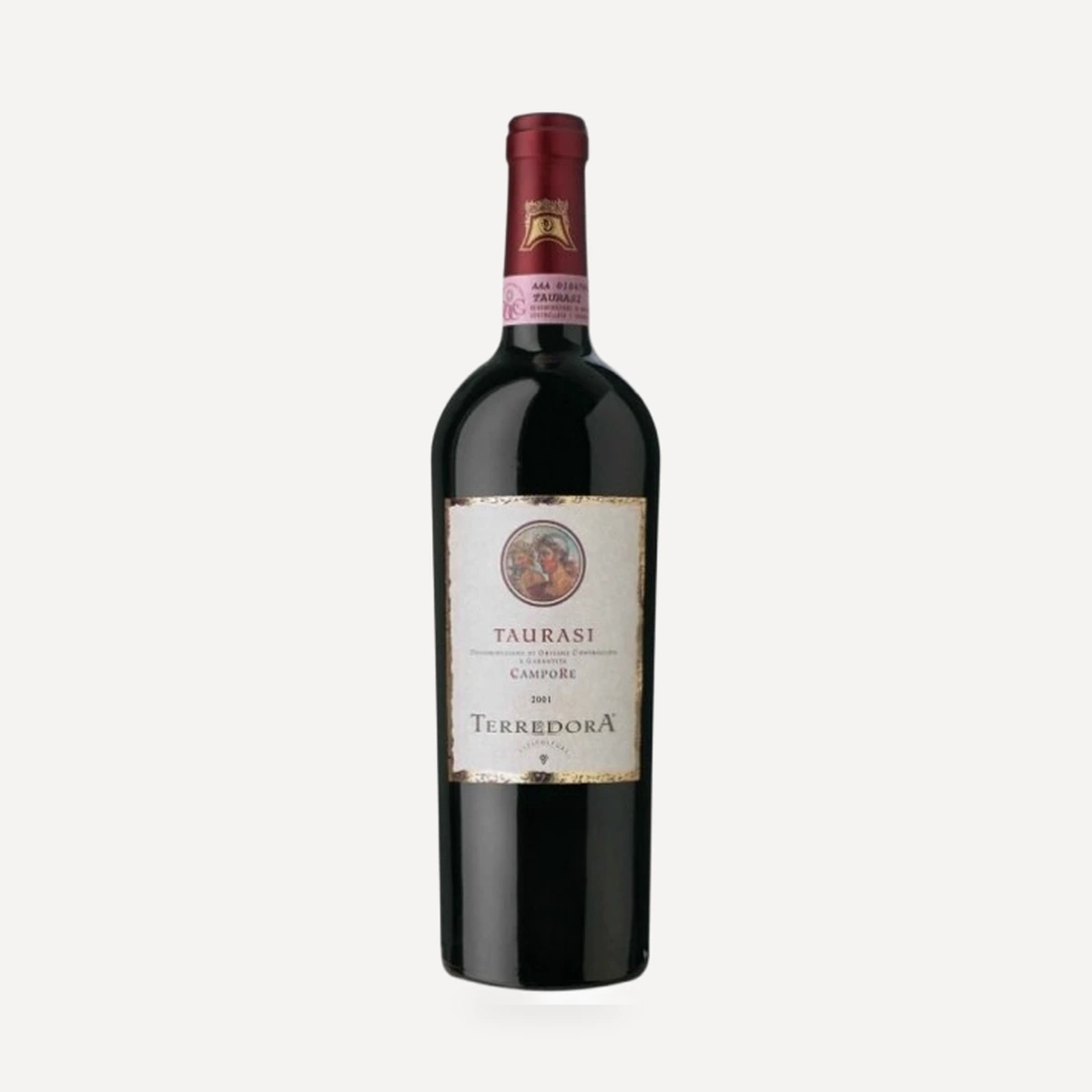
Taurasi Riserva Campore DOCG
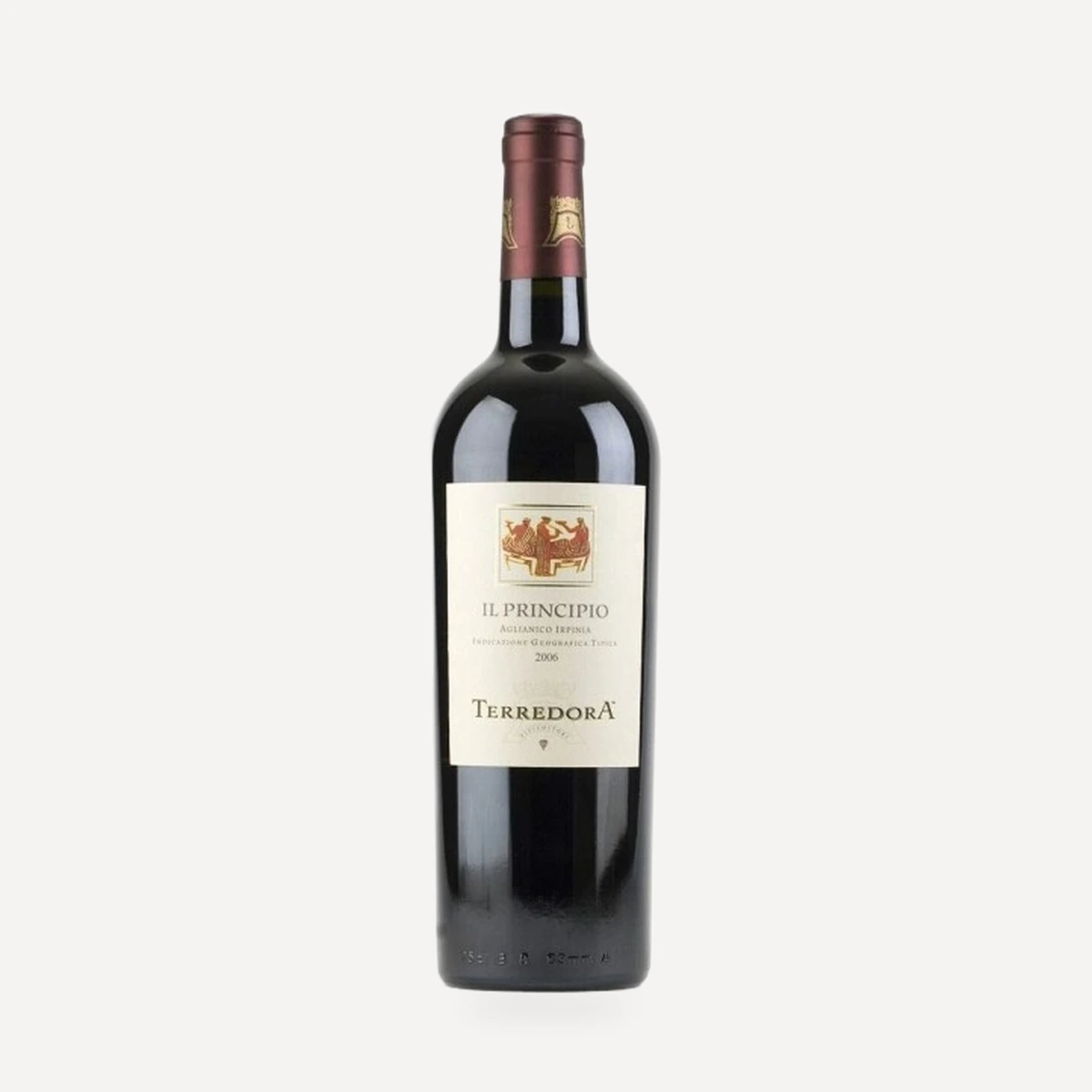
Irpinia Aglianico Il Principio DOC
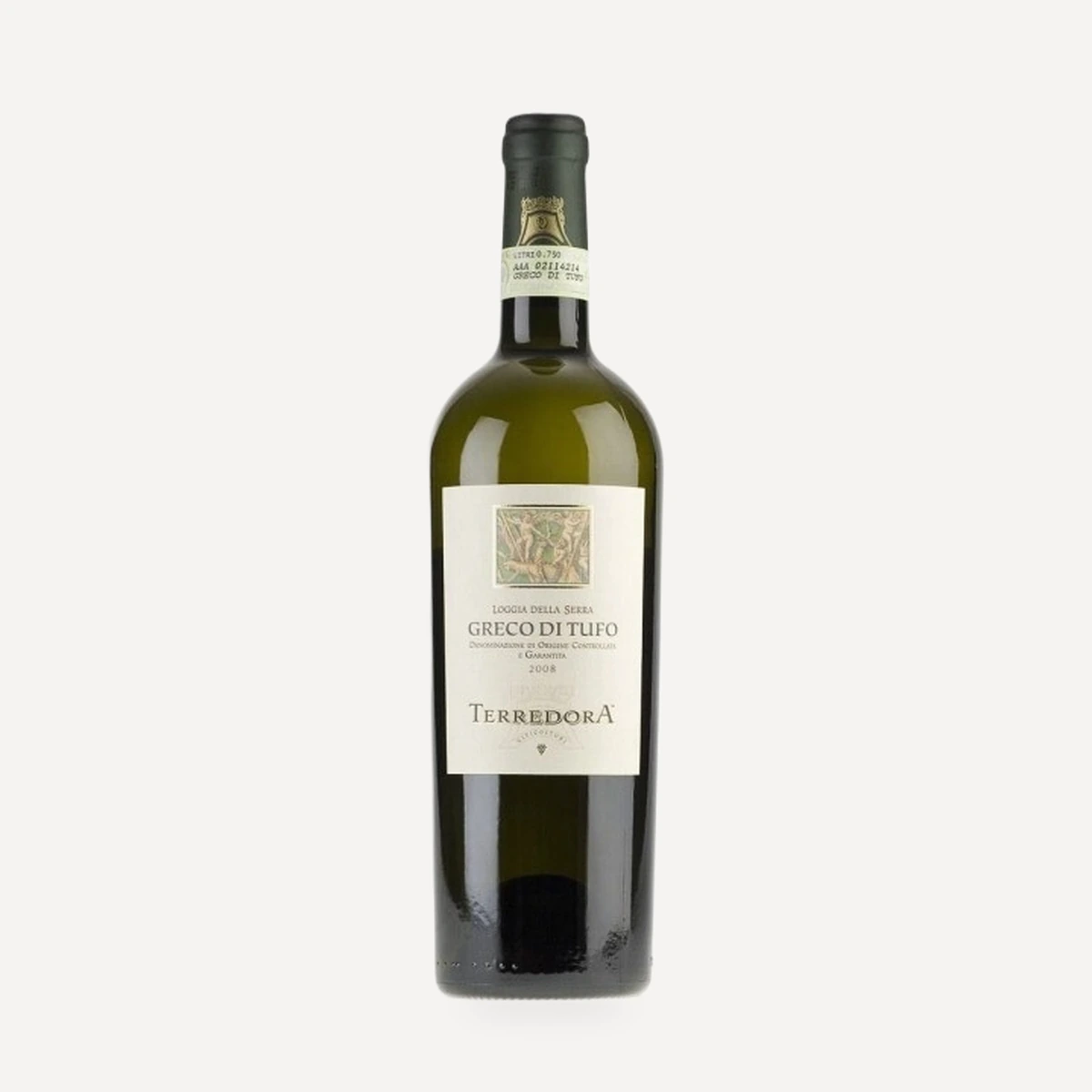
Greco di Tufo Loggia della Serra DOCG
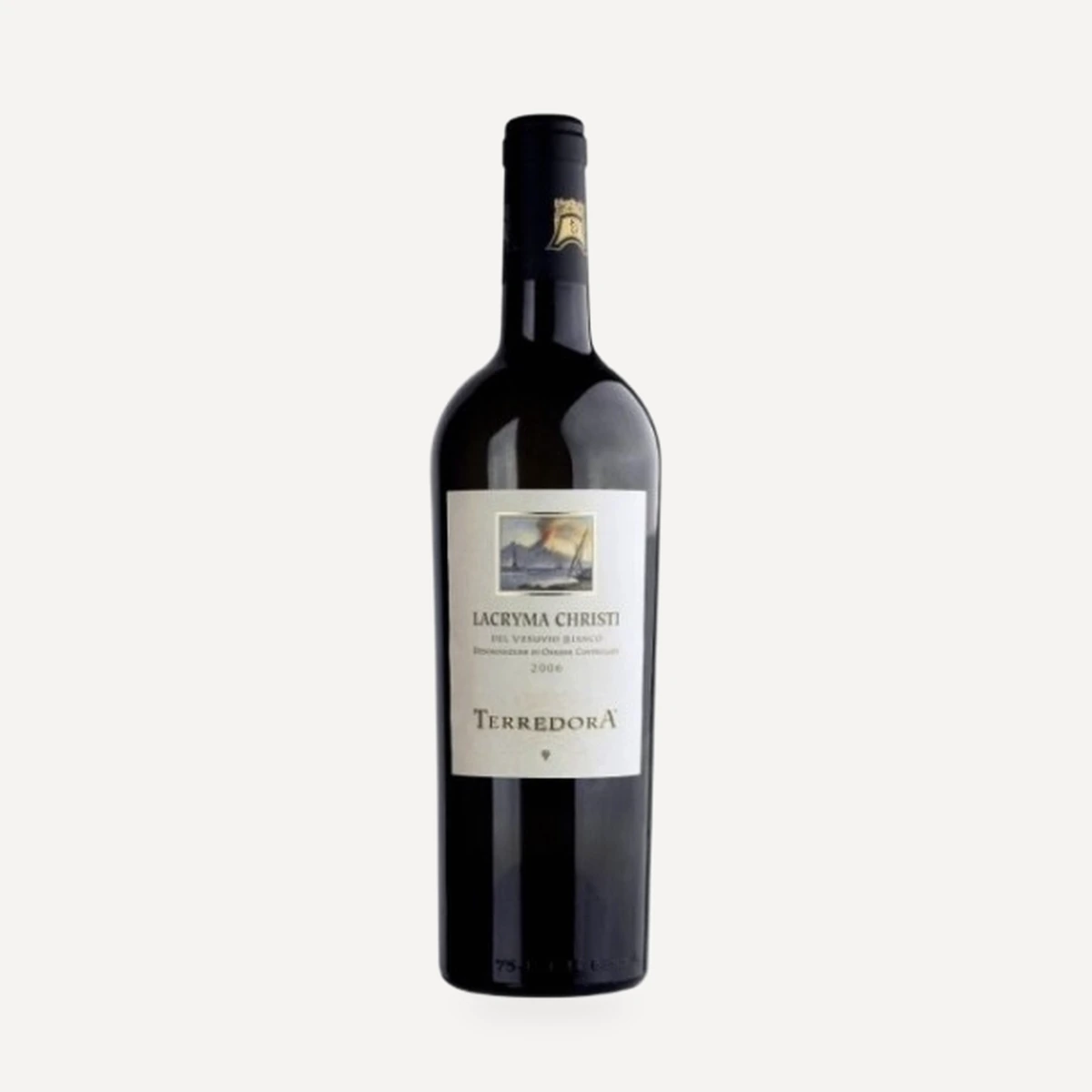
Lacryma Christi del Vesuvio Bianco DOC
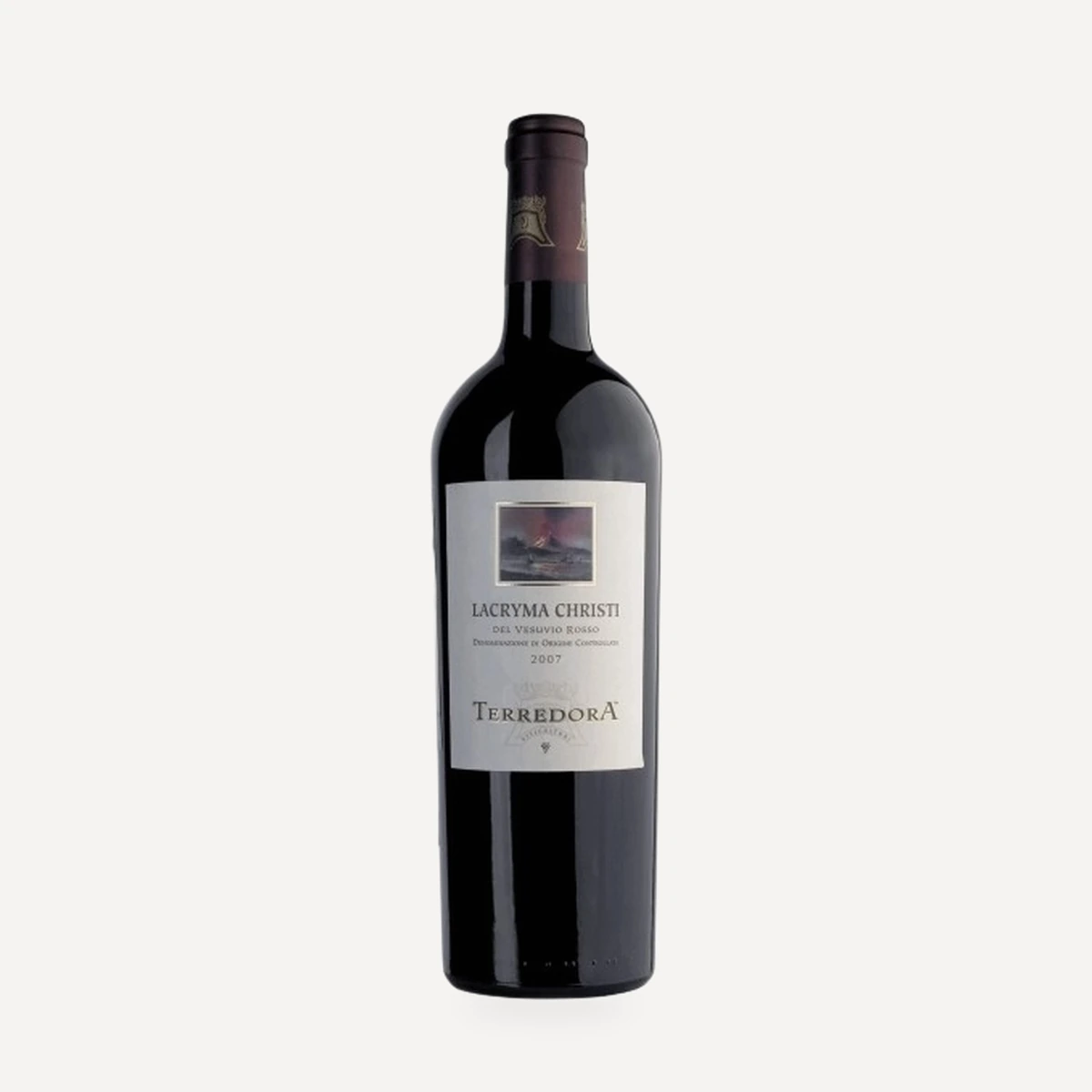
Lacryma Christi del Vesuvio Rosso DOC