Storia
Four generations of farming
The Tiberi family has made its living from cultivating the land for four generations, passing down the craft of wine production within the family. No individual founder or precise foundation date is identified.
Three generations in the cellar
Three generations now work alongside one another in the cellar. Their collaboration combines inherited practices with a renewed understanding of those traditions and forms the basis of the family's natural-wine production.
Terroir
The three hectares of vines occupy a small hill settlement in the Perugino area, at approximately 350 metres above sea level. The site faces southwest, providing broad exposure to sunlight as well as good ventilation.
The soil contains a high proportion of coarse mineral material—described as scheletro—which promotes effective drainage.
Vinificazione
Chemical products are not used in the vineyard. Work is paced according to the seasons and lunar phases, reflecting the family's emphasis on accommodating natural cycles.
Grapes are harvested by hand. Small picking crates are used for several selections, including fruit from the oldest white- and red-vine sections. One Grechetto selection is crushed in the vineyard with an old manual crusher.
Winemaking is based on manual work and spontaneous fermentation, without chemical products in the cellar. Depending on the intended style, grapes may be pressed directly or fermented in contact with their skins. Direct pressing is used for several white and naturally lively wines, while skin macerations described across the production range from two to fifteen days. Red fermentations may include daily manual breaking of the cap.
Fermentations take place without temperature control. Open vats are used for several lots, including old wooden vats for particular selections. A vertical press is used to separate skins after one of the short skin-contact fermentations.
Ageing vessels include stainless-steel tanks, fiberglass vessels and old oak barrels. Clarifying transfers are generally limited to one or two and are scheduled in accordance with lunar phases; January and February transfers are identified for particular barrel-aged lots.
Bottling is performed by hand, generally in spring or late spring. The wines are bottled without added sulphur dioxide and without filtration. The naturally lively white, rosé and red styles undergo spontaneous refermentation in bottle during the spring following harvest, using their own yeasts.
Filosofia
The family's guiding principles are respect for nature and continuity with inherited winemaking tradition. Vineyard and cellar experience is treated as the foundation of quality, while intervention is paced around the rhythms of the moon and the changing seasons.
The present approach emerges from three generations working together: established family practices are retained while being reconsidered through the experience and perspective of the generations currently sharing the cellar. Natural-wine production is presented as the outcome of that intergenerational exchange.
Vini
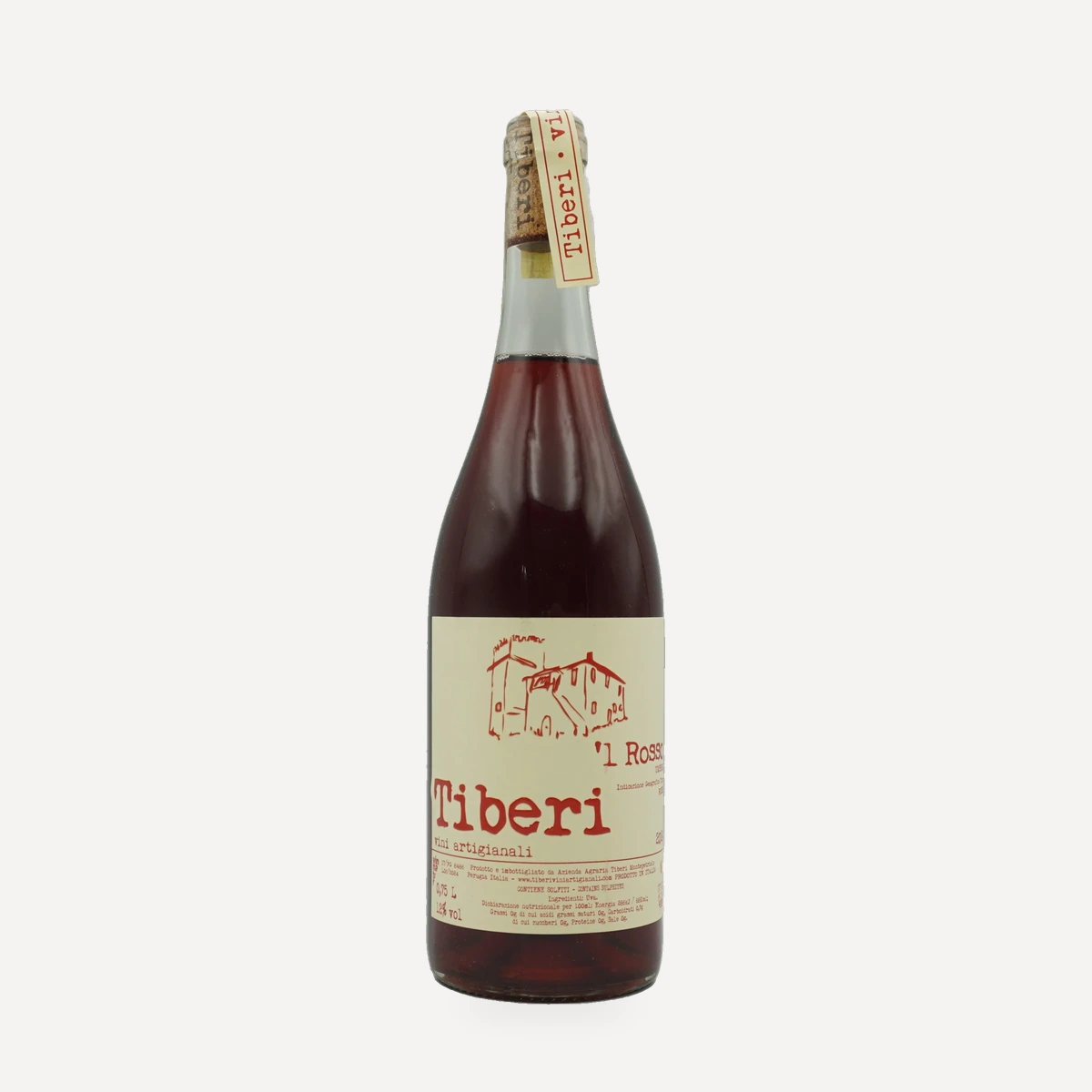
'l Rosso
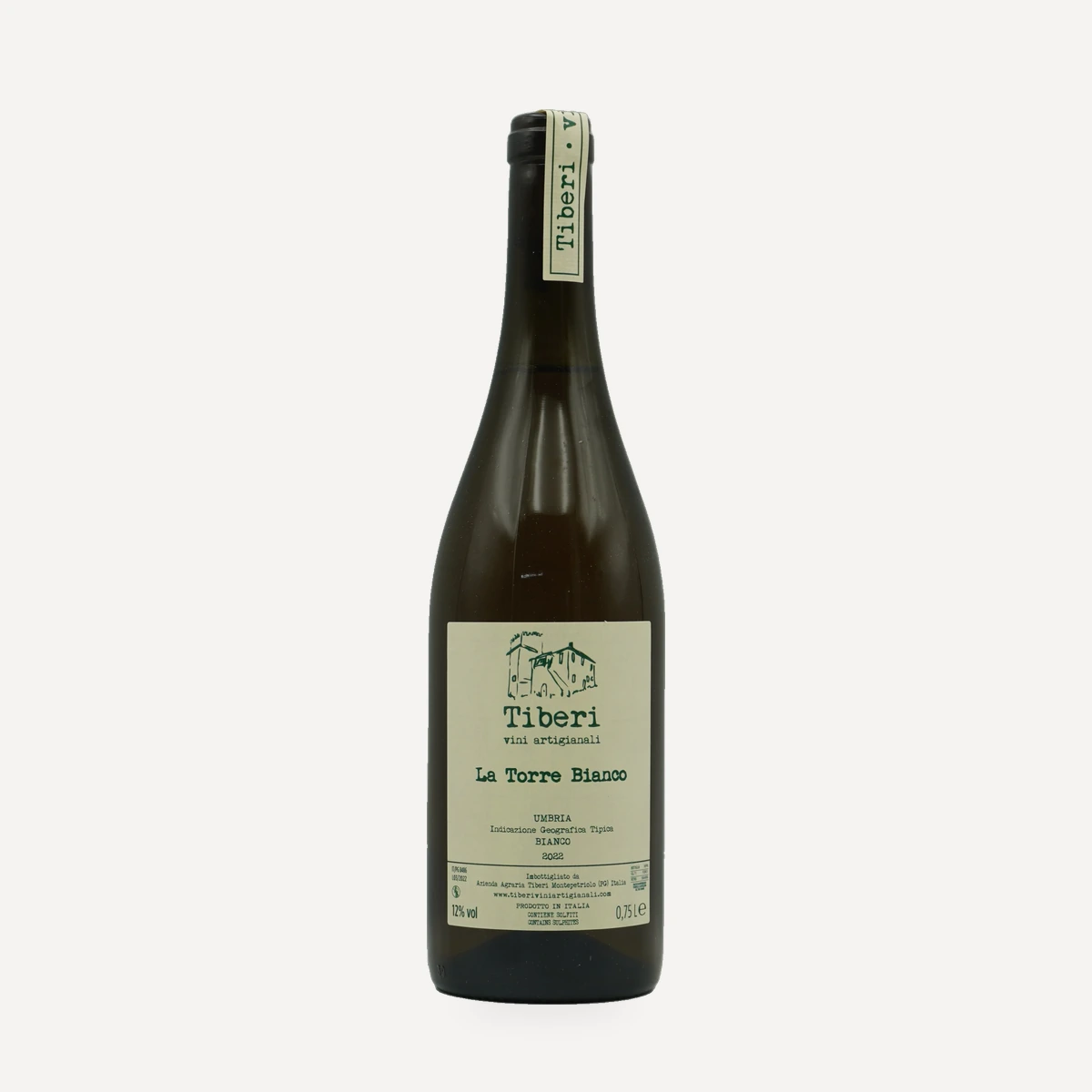
La Torre Bianco
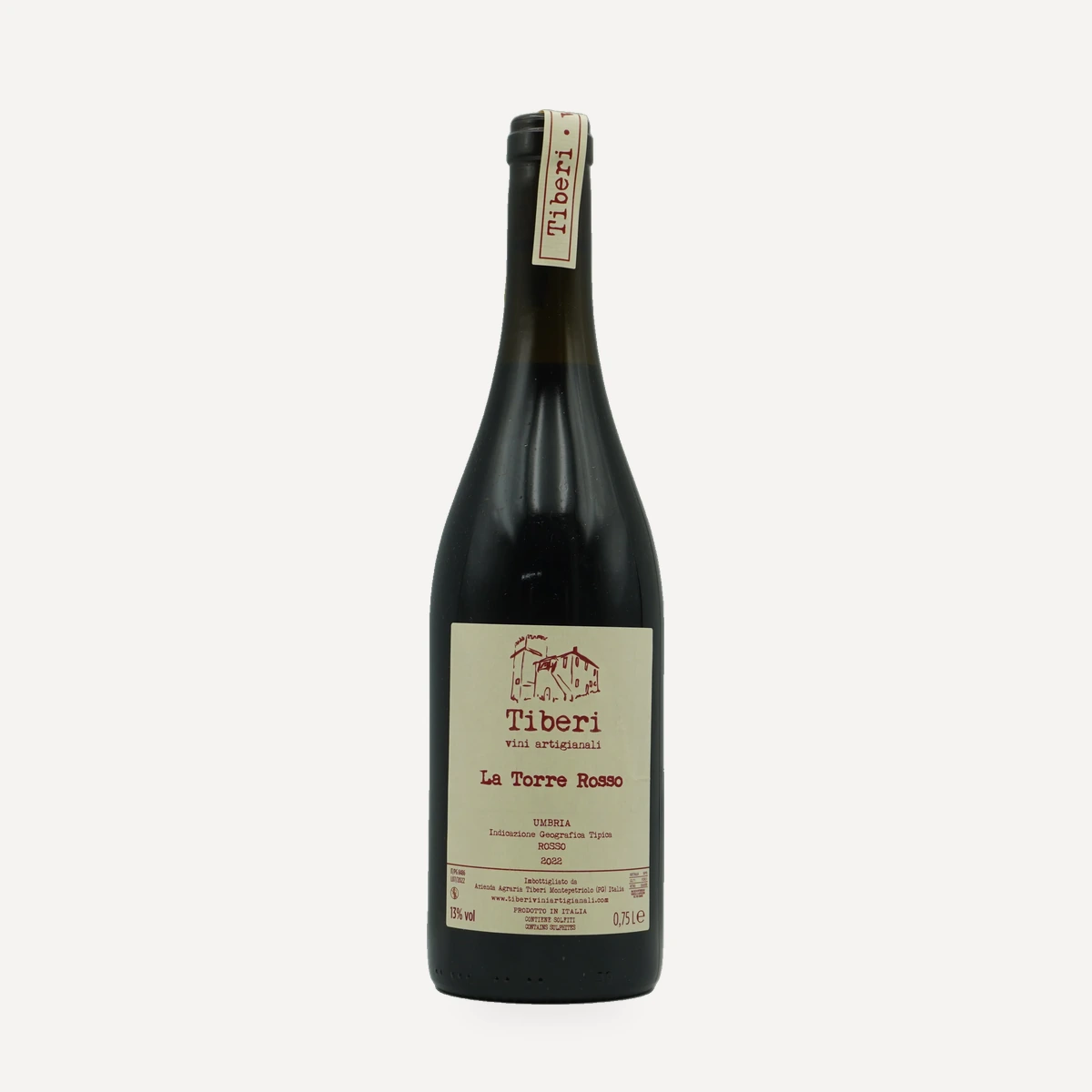
La Torre Rosso
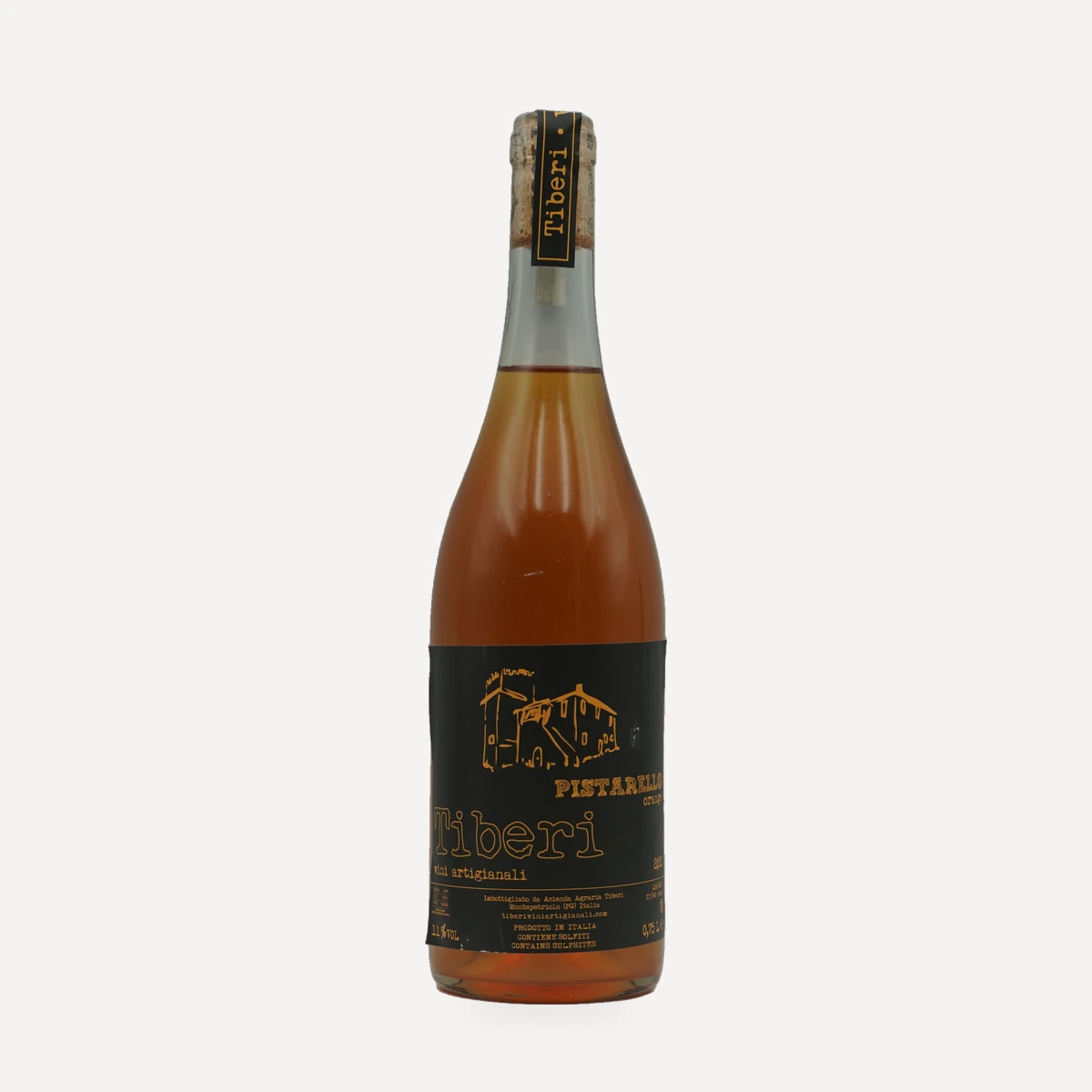
Pistarello
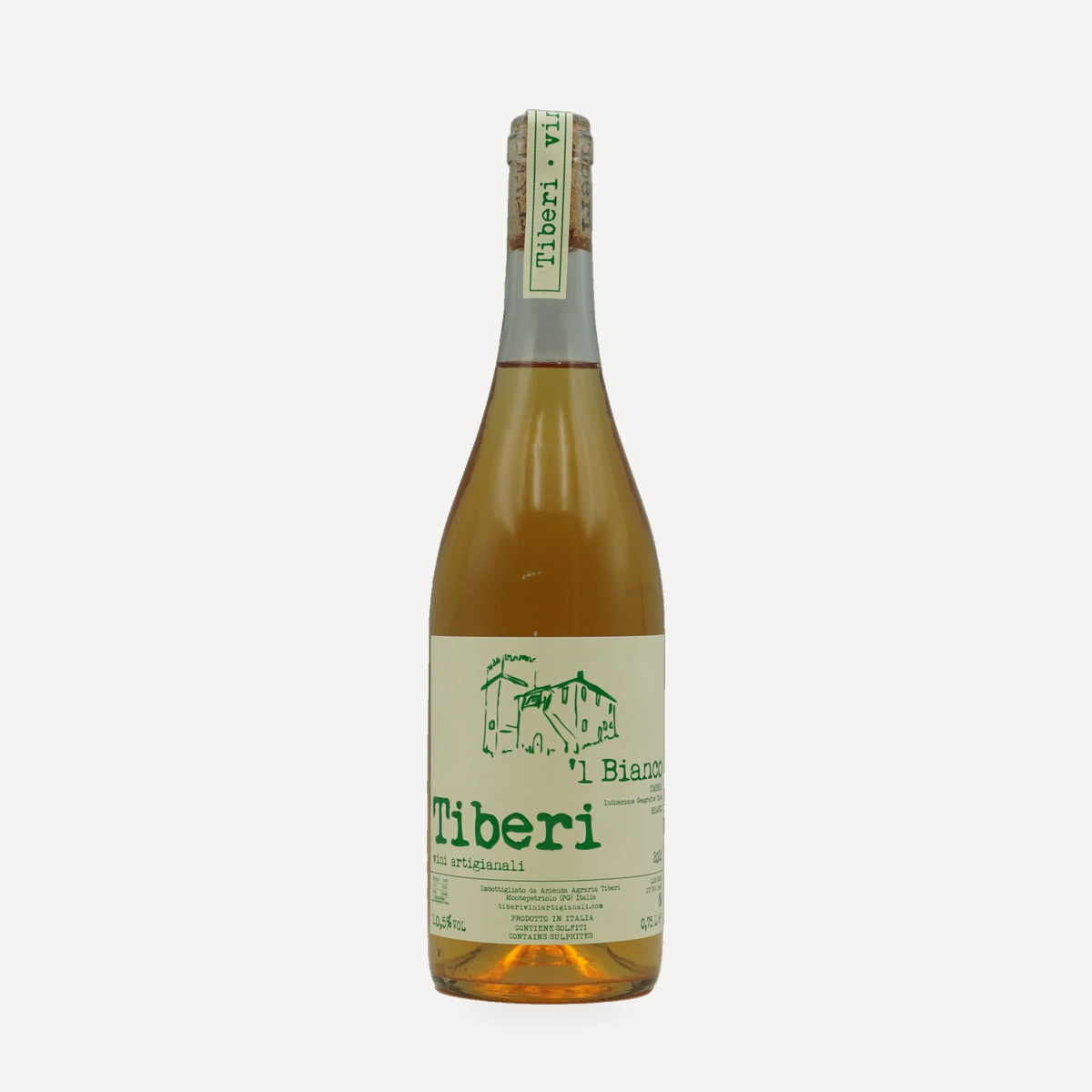
'l Bianco