Storia
The Maremma project begins in 1997
Poggio al Tufo began in 1997 when the Tommasi family made its first vineyard acquisition outside Veneto and its first wine-growing investment beyond the province of Verona. The fourth generation was entering key company positions at the time and launched the wider Tommasi Family Estates expansion. The family chose the volcanic tuff country of the Tuscan Maremma, centring the project on Pitigliano in the Province of Grosseto.
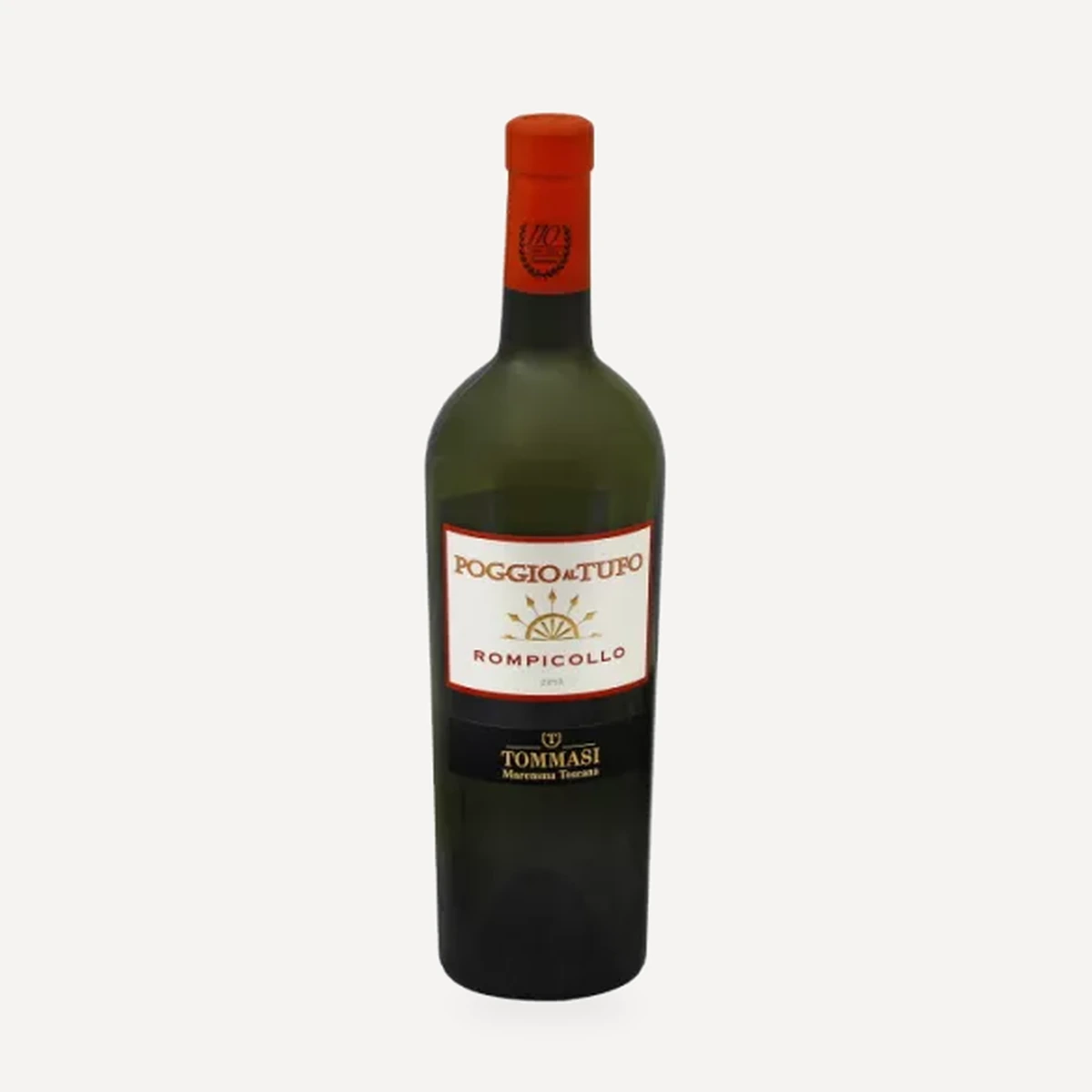
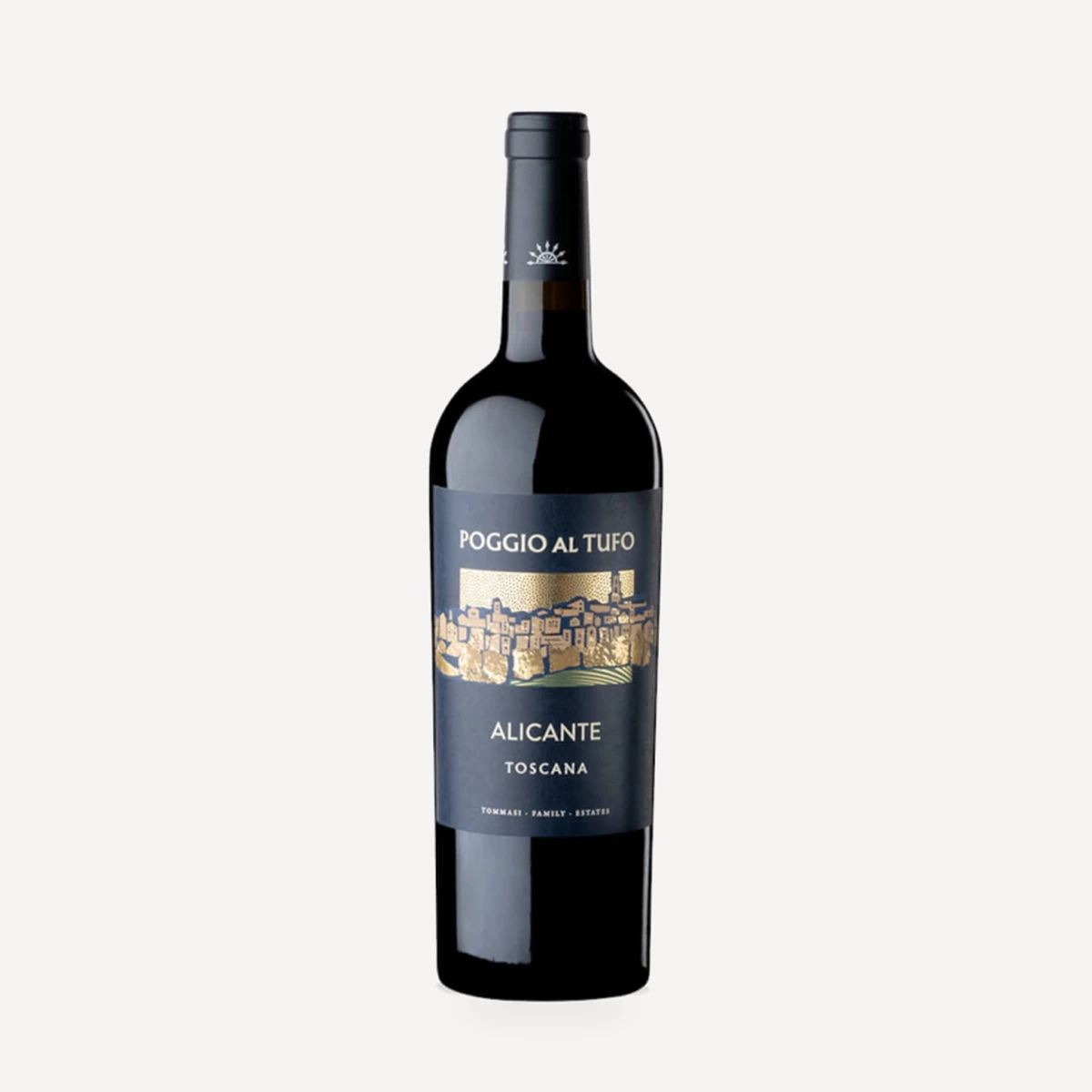
The objective was to develop high-quality wines rooted in the Maremma Toscana. Tenuta Rompicollo became the heart of the project, and Rompicollo—a Sangiovese and Cabernet Sauvignon blend—was the first wine made by the family in the Maremma. Alicante Bouschet was planted from the time of the acquisition. The variety is now cultivated in the Bottinello vineyard at Tenuta Rompicollo and at Tenuta Albore in Scansano.
Consolidation of production
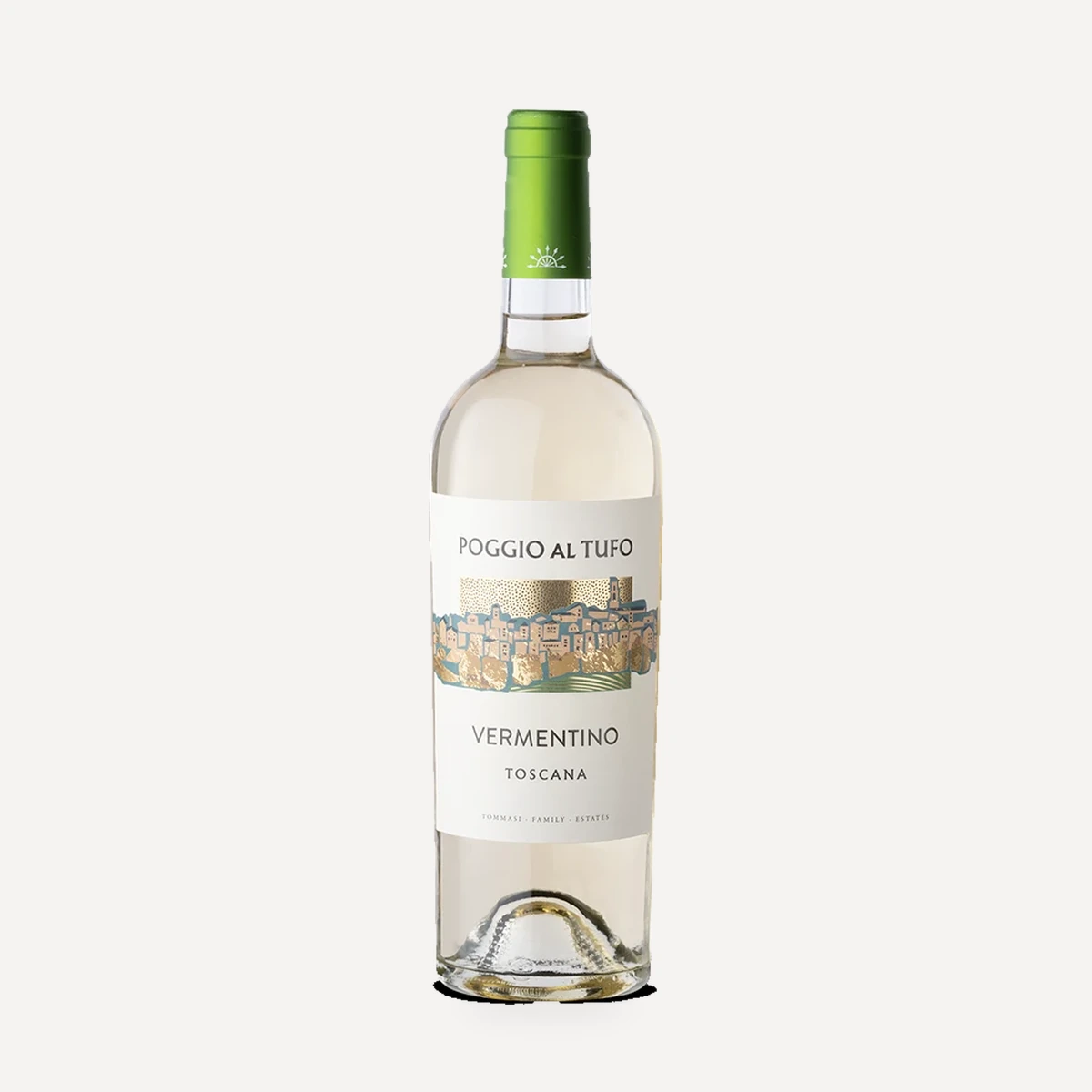
In 2000, Giancarlo Tommasi completed his first harvest as an oenologist and became the reference figure directing production across the Tommasi estates. Poggio al Tufo developed around both Pitigliano and Scansano: the historic Pitigliano property accommodates Tenuta Rompicollo and its agriturismo, while the Scansano estate contains the operational winery facilities. The estate range came to combine the Sangiovese–Cabernet Sauvignon blend Rompicollo with varietal Alicante, Cabernet Sauvignon and Vermentino wines.
Hospitality and expansion
The agriturismo opened in 2014 among the vineyards of Tenuta Rompicollo, completing a hospitality project conceived alongside the wine estate. Existing rural buildings were restored conservatively. By 2018 the property was described as two adjoining farmhouses with eight individually furnished rooms, a dining area overlooking the hills, a garden and a swimming pool. Its cuisine followed local traditions and used locally sourced ingredients paired with estate wines.
The estate has grown beyond the 80 ha recorded in 2015. It now covers more than 200 ha divided among three separate estates or vineyard areas between Pitigliano and Scansano. Its vineyards include both integrated-production and organically managed holdings.
Terroir
Poggio al Tufo lies in the Tuscan Maremma, in the Province of Grosseto, and is distributed between Pitigliano and Scansano. Tenuta Rompicollo, the estate’s historic heart, surrounds the ancient settlement of Pitigliano, while Tenuta Albore lies at Scansano.
Volcanic-origin tuff is the estate’s defining soil. Vigneto Rompicollo has a south-west exposure and tuff-rich ground. The sites used for Vermentino—Montebuono at Tenuta Rompicollo and Tenuta Albore—also have volcanic soils, favourable exposure and strong ventilation.
The 2025 season brought stable weather, regular ripening, balanced temperature variation and no extreme events, supporting healthy clusters and even phenolic development. The 2026 growing season combined a favourable spring with a long, exceptionally hot and dry summer. Ripening accelerated, and harvesting across the group’s territories could begin as much as ten days earlier than usual; at Poggio al Tufo, Alicante entered the winery at the end of August with high ripeness and concentration.
Vinificazione
Poggio al Tufo applies an integrated production system designed for environmentally sustainable agricultural management, while part of its vineyard holdings is organically managed. Guyot training is documented at Vigneto Rompicollo, where planting density averages 6,500 vines per hectare.
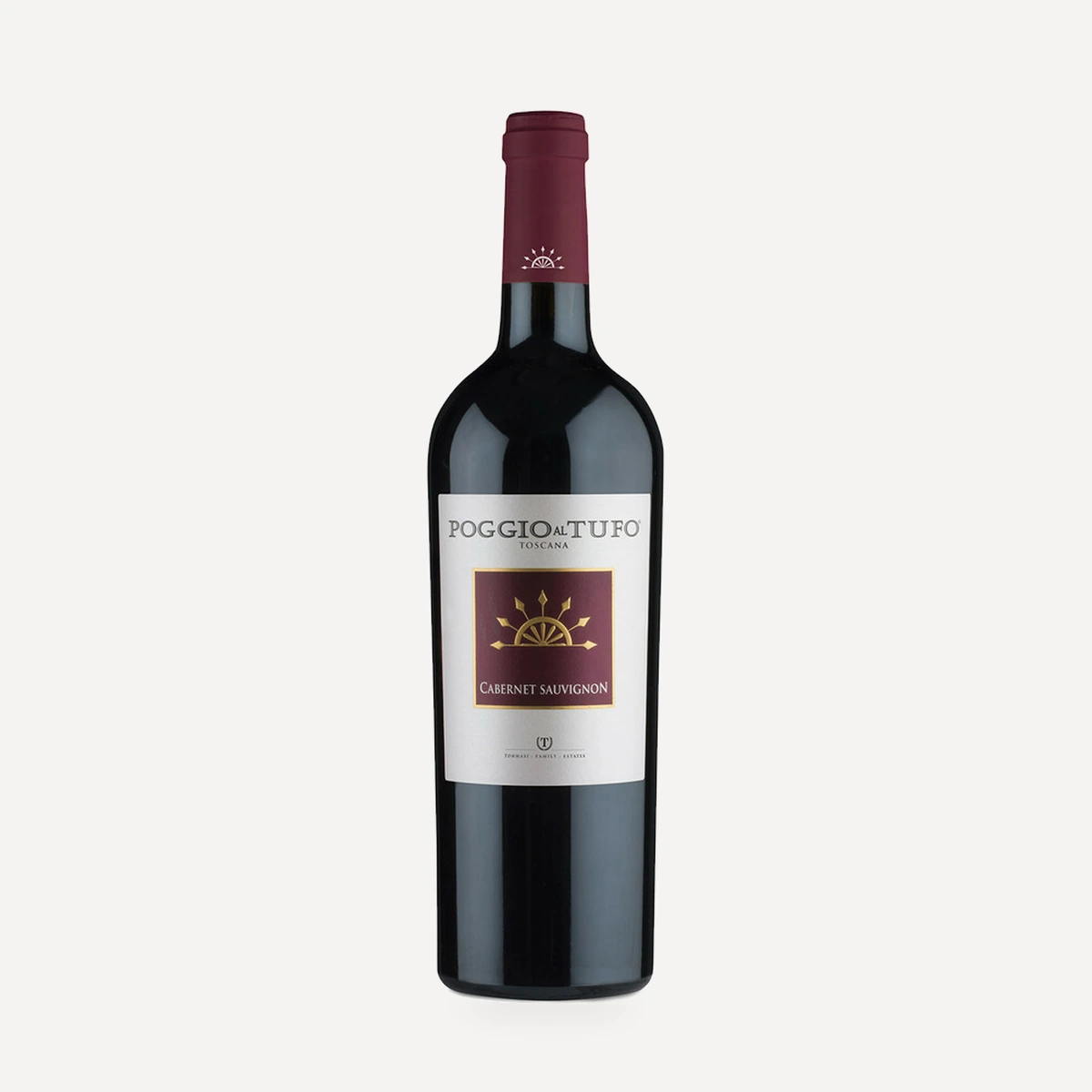
Night harvesting is used for fruit associated with Rompicollo. Cabernet Sauvignon can be picked at slight overripeness, while the timing of each harvest is determined by the variety and season. In 2025, white grapes were scheduled for earlier picking and red varieties for the usual period. In 2026, Alicante was harvested first at the end of August, followed by Vermentino, Sangiovese and Cabernet Sauvignon.
The broader agronomic approach emphasises careful control of the vegetative cycle, lower yields and fruit selection. Bud selection begins during the earliest stages of the growing cycle, with quality prioritised over maximum volume. In 2020, production at Poggio al Tufo was expected to be 5–10% below 2019 levels; Vermentino picking began in the first week of September and red-grape harvest was expected from mid-September.
Poggio al Tufo’s operating winery is located at the Scansano estate. Stainless-steel vessels are central to production: red grapes are fermented in steel vats, while Vermentino undergoes a short skin cryomaceration after pressing, followed by slow fermentation at low temperature and refinement in stainless steel.
Red-wine maturation uses Slavonian oak. The documented cellar equipment includes large 65 hl and 70 hl casks as well as other large barrels. Fermentation may be temperature-controlled or spontaneous with indigenous yeasts, depending on the cuvée.
No animal-derived products or products containing allergens are employed during vinification. Cellar resources are managed for efficiency, waste is avoided and materials are recycled whenever possible. Packaging measures include FSC-certified organic corks, FSC-certified label paper and recycled-paper cartons.
Filosofia
Poggio al Tufo was conceived as an ambitious, long-term commitment to the Tuscan Maremma: to interpret its volcanic tuff soils through wines from both local and international grapes. The range balances the estate’s first Maremma blend with varietal expressions of Alicante Bouschet, Vermentino and Cabernet Sauvignon.
The Tommasi family’s guiding principles place care for the land, respect for individual territories and high production quality alongside openness to research and technical development. At Poggio al Tufo, this is expressed through integrated vineyard management, organic cultivation on part of the property, careful selection and control of yields, efficient cellar management and recyclable or certified packaging materials.
Hospitality extends the same territorial approach beyond wine. The restored agriturismo connects the vineyards with the landscape, local cuisine and the archaeological and cultural setting around Pitigliano, Sorano and Sovana.
Vini
Rompicollo Rosso Toscana IGT
Alicante Toscana IGT
Cabernet Sauvignon Toscana IGT