Storia
Early identity and the Bisenzio period
In the 14th and 15th centuries, the property was known as Tenuta Detta Della Torre de Oreste, or the Estate of Oreste’s Tower. La Torre retains architectural elements from the 13th and 17th centuries and historically served as a customs post on the ridge marking the Umbrian, Tuscan and Lazio borderlands.
During the 16th and 17th centuries, the estate belonged to the Counts of Bisenzio, descendants of the Aldobrandeschi counts, whose lineage was traced to the 8th and 9th centuries. The best-known member identified in the estate history is Guglielmo Aldobrandeschi, a 13th-century figure remembered as the Gran Tosco. Count Silvio served as revenue administrator for funds used to build Orvieto Cathedral between 1571 and 1582.
The estate church, 1573–1819
From 1573 until 1819, the property contained the Ecclesia Sancti Ioannis Baptiste Turris Bisentiae, the Church of Saint John the Baptist of Torre Bisenzio. Mass was celebrated there for the souls of the family on 29 August, the feast commemorating the beheading of Saint John the Baptist. The church stood beside the eastern building, near the present swimming pool.
Sale to Francesco Costarelli
In the 18th century, the estate was transferred to Francesco Costarelli of Fabro, a major local landowner. The transaction settled a debt of 1,080 scudi owed by Carlo di Bisenzio, who later served as Consular Prefect of the Orvieto district during the Roman Republic of 1798–1799. Costarelli converted the former church building into a granary. At that time, most of the land consisted of oak woodland or uncultivated grazing ground; only a small portion was under vine.
Neena and Mike Rees, from 2003
Neena and Mike Rees bought the derelict estate in 2003 while living in Singapore. They left careers in banking, moved to Italy and began a long restoration and integration project. Historic buildings were repaired using local materials while introducing contemporary design and technology. The owners studied the land’s agricultural history and worked with local farming and viticultural specialists.
The initial viticultural project began with approximately one hectare of vines, conceived almost as a garden vineyard. Positive results led to the planting of additional hectares, development of an estate winery and expansion into a broader organic agricultural enterprise. Investment also restored farm buildings and revived the local Chianina cattle operation, alongside vineyards, six hectares of olive groves with 650 trees and vegetable gardens.
New winery and expanded production
A new cantina was completed in a reconstructed traditional farmhouse in 2021. It incorporated an air-source heating and cooling system, solar panels and water recycling. The building provided capacity for production from newly planted vineyards, space for larger amphora vessels, an elegant tasting room and a panoramic terrace. Its formal inauguration took place on 4 October 2021.
By 2025, the winery was producing approximately 30,000–35,000 bottles annually. The estate’s development remained tied to three declared principles—quality, authenticity and sustainability—alongside investment in employees, community relationships and the long-term continuity of the family enterprise.
Terroir
Location and landscape
The vineyards lie in the commune of Allerona, Umbria, on the borderlands with Tuscany and Lazio and beside the Monte Rufeno nature reserve. The property stands within the 44,270-hectare Territorial System of Environmental Naturalistic Interest, or STINA. The protected system includes Allerona–Selva di Meana, Melonta–Bosco dell’Elmo and San Venanzo. Allerona–Selva di Meana covers 3,255 hectares, reaches the Paglia stream to the south and meets the Monte Rufeno reserve to the west.
The four named vineyard areas occupy elevations from 460 to 580 metres. Their aspects range from south and south-east to east, while the rows are aligned differently to suit each slope.
Marine geology
Approximately four million years ago, during the mid-Pliocene, this section of the Middle Tiber Valley lay beneath a shallow arm of the Tyrrhenian Sea beside the Apennines. Tectonic uplift drove its gradual retreat. The vineyard soils retain this marine origin: sedimentary clay, gravelly sands and alluvial silt contain shells, oysters and other marine fossils.
Gravel and sand provide drainage and encourage roots to penetrate deeply toward limestone derived from marine fossils, rock debris and ancient seawater deposits. Clay formed through limestone degradation acts as a water-retaining sponge and contributes calcium.
Fossilised sperm-whale remains were discovered on the estate boundary and are displayed at the Allerona museum. Paleontologists also identified 1.75-million-year-old fossilised ambergris structures. The find provided evidence of sperm-whale activity and was described as the first fossil documentation of ambergris masses.
Climate
The vineyards sit approximately midway between Lake Trasimeno and Lake Bolsena. The thermal inertia of the lakes moderates heat and cold, producing a mild, sub-Mediterranean microclimate with long summers and moderate winters. The broader pattern brings cold, rainy winters and dry, sunny summers.
Mean annual temperature is 18°C. July, August and September average 28°C, while peak growing-season temperatures can reach 35°C. Clear skies prevail about 70% of the time during peak summer. From April to late September, the vineyards receive approximately 1,400 hours of sunlight. Diurnal variation can reach 14°C, with nights and early mornings averaging around 10°C; these cool periods help preserve grape acidity.
Average annual rainfall is approximately 850 mm. Winds generally run at 8–14 km/h and south-westerlies may reach 20 km/h. This movement ventilates the vines but can also carry damaging hailstorms. Temperature, sunlight and rainfall vary materially between vintages, and those differences are retained rather than normalized in the cellar.
Vinificazione
All four named vineyards are certified organic by ICEA and biodynamic by Demeter. They are dry-farmed without irrigation, and all grapes are picked by hand. Organic and biodynamic work is supported by precision-viticulture tools intended to match individual interventions to the needs of particular vineyard zones.
DroneBee produced an AgriSoing multispectral map measuring soil resistance and variation among plots. A vineyard weather station monitors rainfall, wind and sunlight. Satellite and drone imagery track vine vigour, while artificial-intelligence models are used to anticipate disease risk, harvest readiness and potential yields. Operational records, maps and observations are logged in Agricolus software.
These measurements guide the placement and quantities of copper, sulphur, biodynamic and organic treatments and identify where manure is needed as a natural soil fertilizer. The estate has also investigated treatments based on natural plant extracts and uses mulching. Weather data informs pruning timing: pruning too early could accelerate budbreak and expose young growth to late frost.
The broader farm integrates viticulture with organic vegetable gardens, olive groves and Chianina cattle. Water is drawn from underground wells, and the estate uses solar power generated on its barns. Equalitas certification extends the sustainability approach across environmental, social and economic criteria.
The winery occupies a reconstructed traditional farmhouse. Completed in 2021, it incorporates an air-source heating and cooling system, solar panels and water recycling. The expansion created capacity for fruit from additional vineyards, larger amphora vessels, a tasting room and a panoramic terrace.
Estate-grown grapes are certified biodynamic and harvested manually. Selected and indigenous yeasts are used. Alcoholic fermentation for reds lasts 7–10 days at 25–28°C; whites ferment for 15–20 days at 15–18°C; sparkling bases ferment for 15–20 days at 15°C. Red-wine maceration generally lasts 15–20 days. Whole-cluster fermentation and cocciopesto amphorae are among the cellar’s techniques.
The vessel program includes stainless steel, amphora, wooden vats and French-oak barriques. White wines may mature for six months in stainless steel followed by two months in bottle. One cellar protocol divides a white wine among amphora, steel and barrique for four months, returns part to steel for another four months and follows with one year in bottle. A general red-wine élevage sequence comprises one year in steel, one year in used barrels or wooden vats and one year in bottle. Some red lots are vinified separately, aged in barriques, blended and returned to steel.
Traditional-method sparkling wine spends approximately ten months in steel before secondary fermentation in bottle, around 36 months on the lees, disgorgement without dosage and a further two months of bottle ageing before release. Brief pre-fermentation skin contact of approximately 30 minutes is used for the sparkling base.
Bentonite clarification is limited to white and rosé wines. Declared total sulphur levels are 60–90 mg/L for whites and 35–60 mg/L for reds. DIAM Origine closures of different grades are used across the range. Technology supports decisions tailored to the condition of the grapes and the character of each vintage rather than imposing a uniform result.
Filosofia
Torre Bisenzio defines its winemaking through tradition, authenticity, quality and innovation. Traditional vessels and methods—amphora, steel and oak—are combined with modern vineyard monitoring and environmentally conscious winery systems. The goal is to give the wines a recognizable identity tied to the estate’s marine soils, history and vintage conditions.
Quality, authenticity and sustainability also guide the wider business. Each wine is intended to carry a specific connection to the land or family rather than exist simply to increase volume. The owners describe the project as a boutique, high-quality enterprise in which the restored buildings, accommodation, agricultural products and people share a coherent standard.
Sustainability encompasses environmental management, the local community and the long-term viability of the family business. The estate sponsors local football teams, supports regional restaurants, fairs and events, and recruits within the surrounding community. It maintains year-round employment rather than relying exclusively on seasonal labor. Its 14 full-time employees can move among vineyard, villa and office duties, supported by personal development programs such as English-language and social-media training.
The owners regard employees as the estate’s principal asset and view skills development—even when it enables staff to pursue larger opportunities—as a constructive outcome. Their longer-term aim is to leave their children a sound enterprise and the freedom to decide whether they wish to participate in it.
Vini
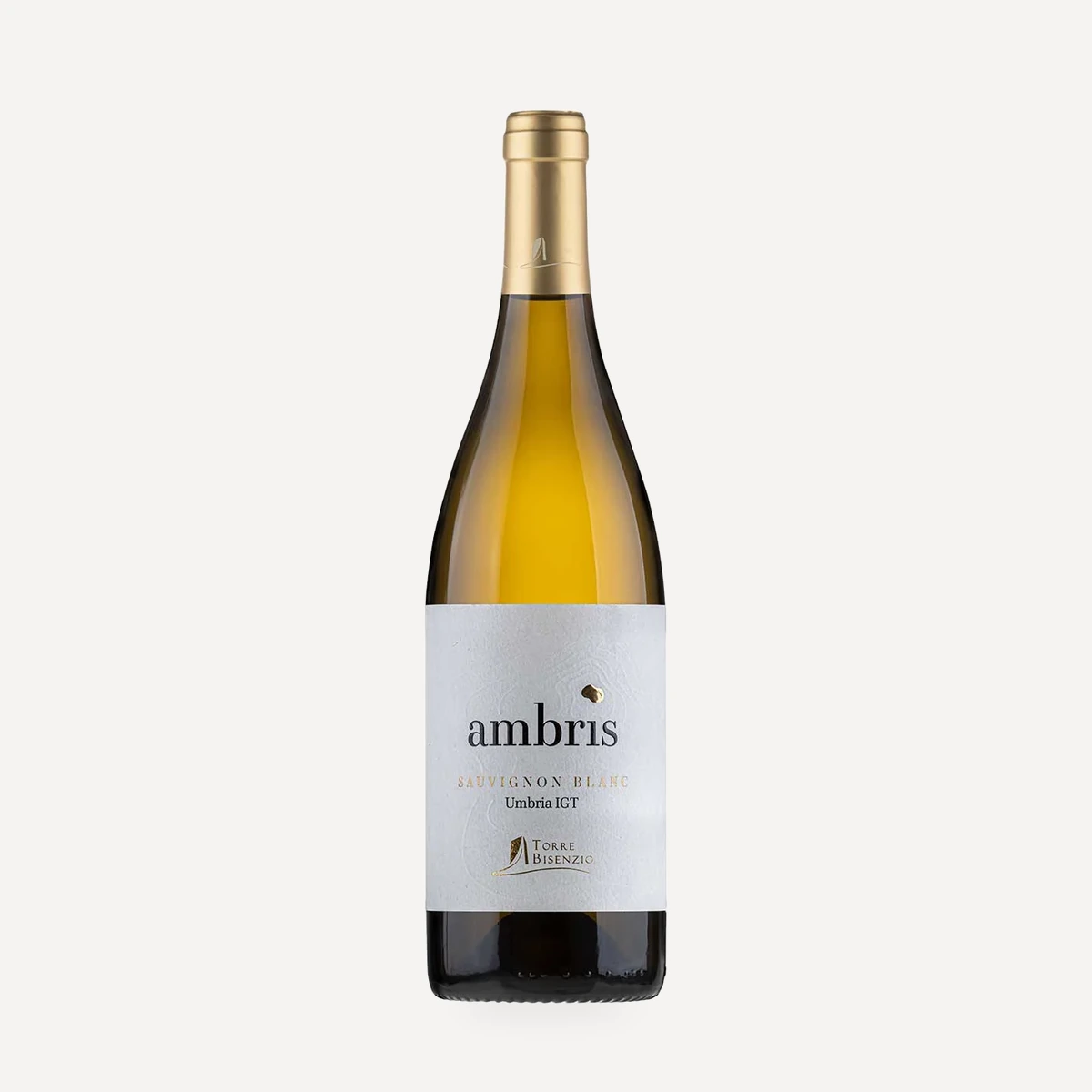
Ambris
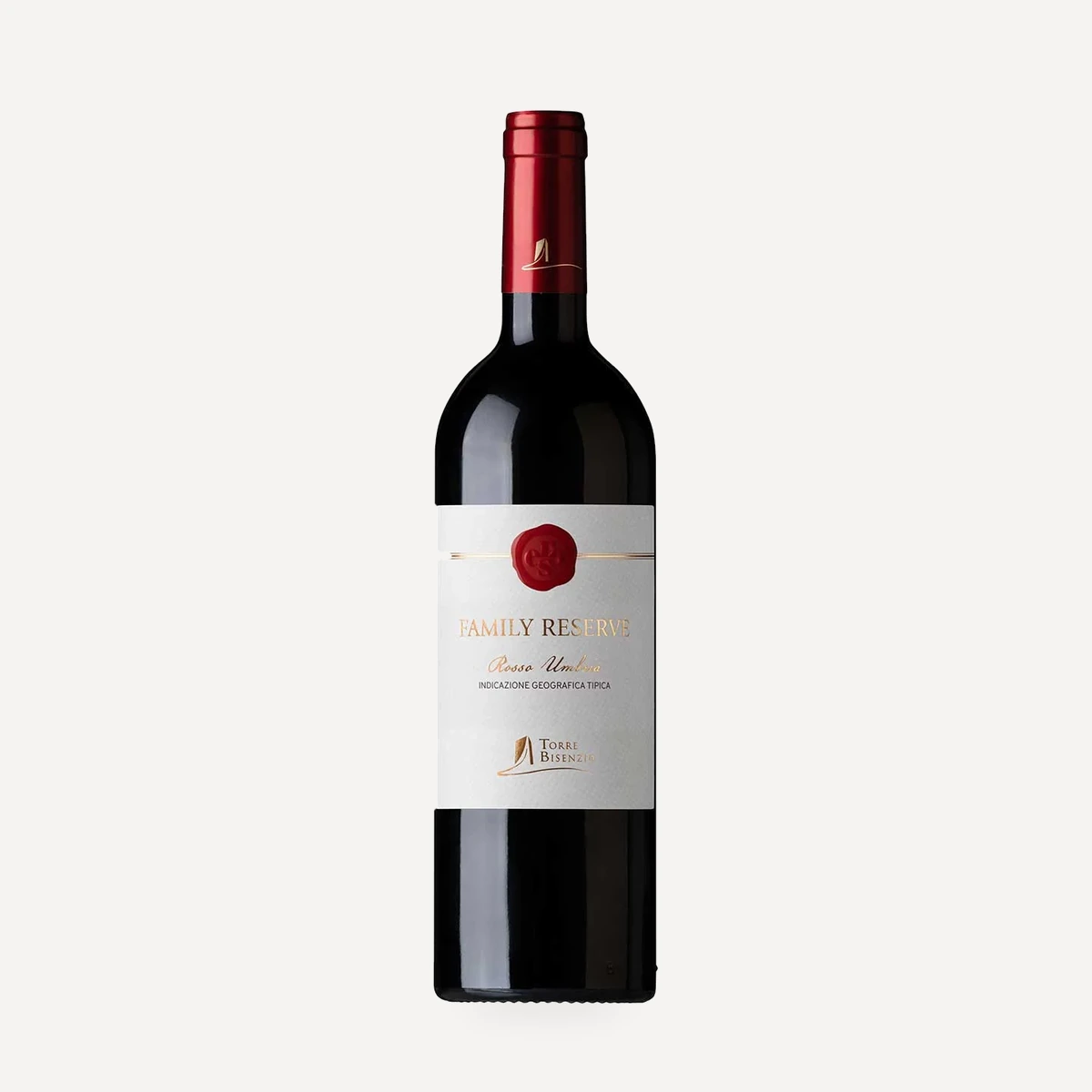
Family Reserve
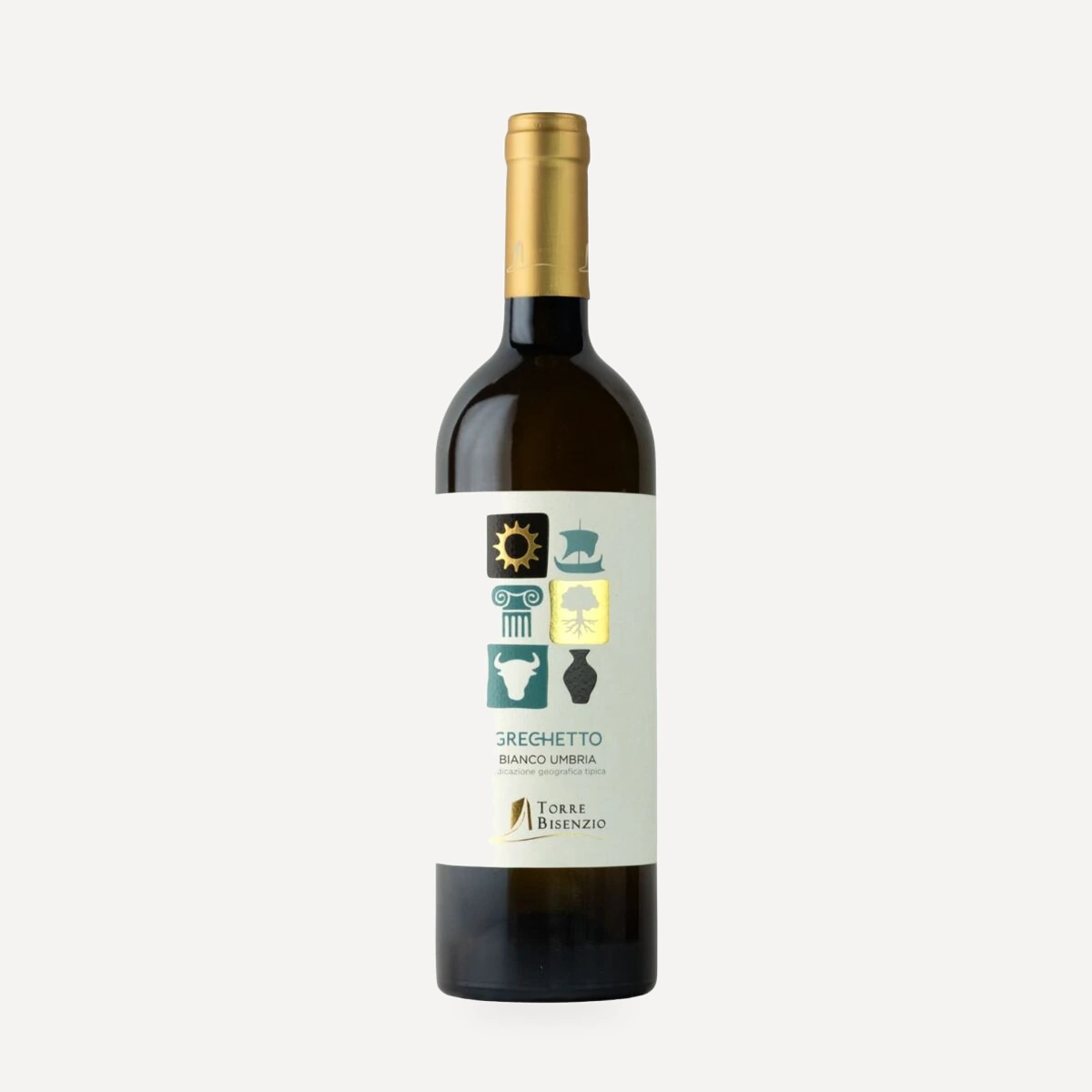
Grechetto
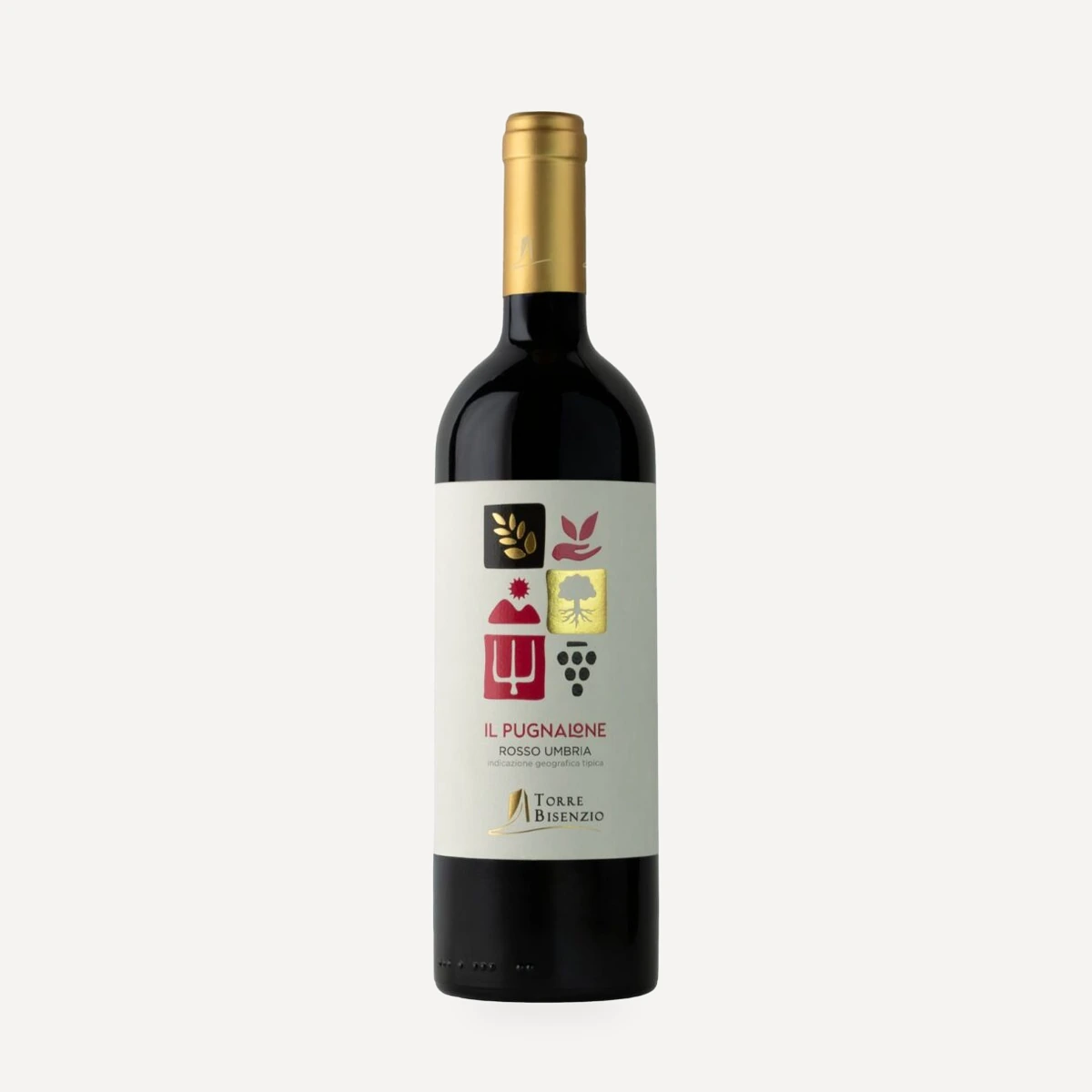
Il Pugnalone
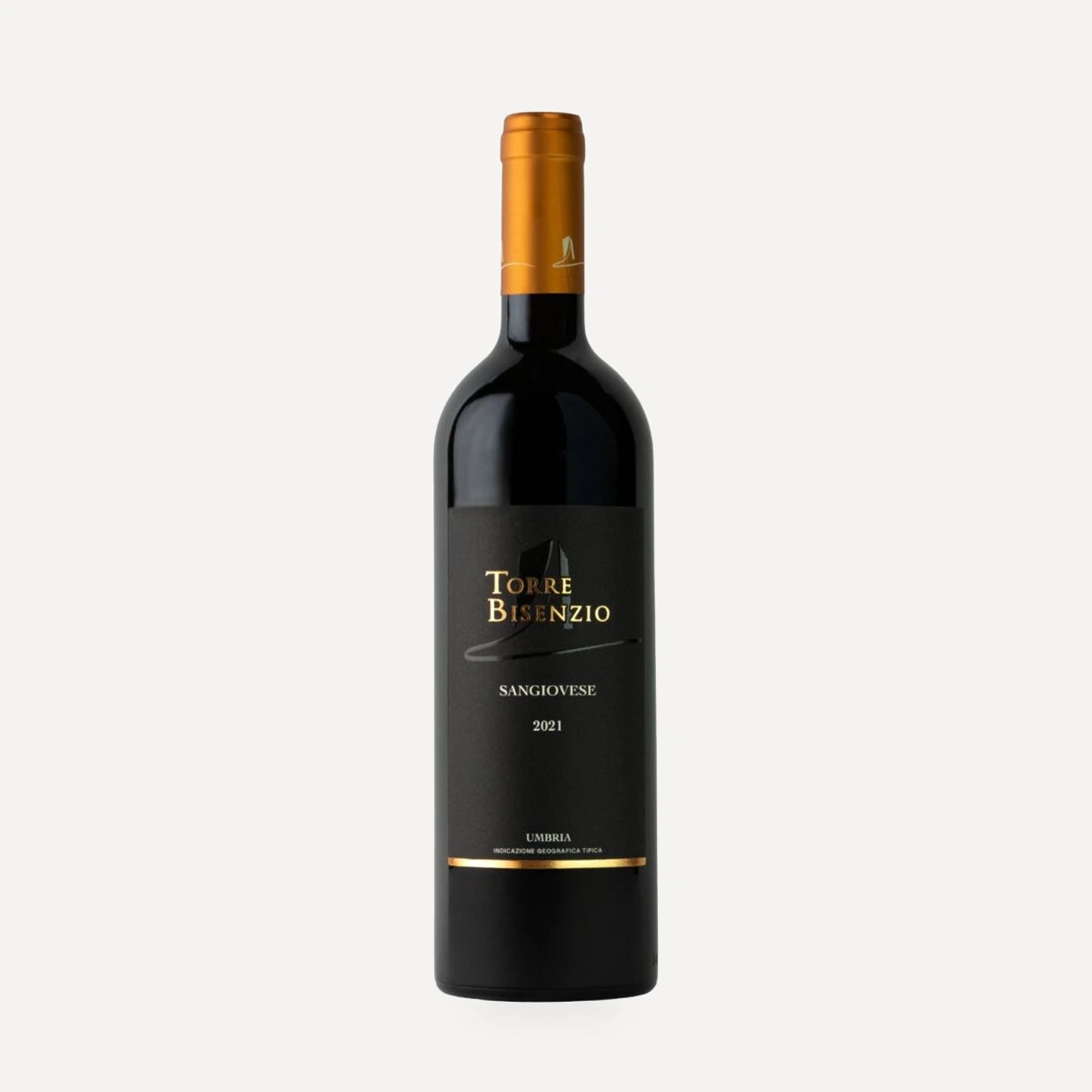
Sangiovese
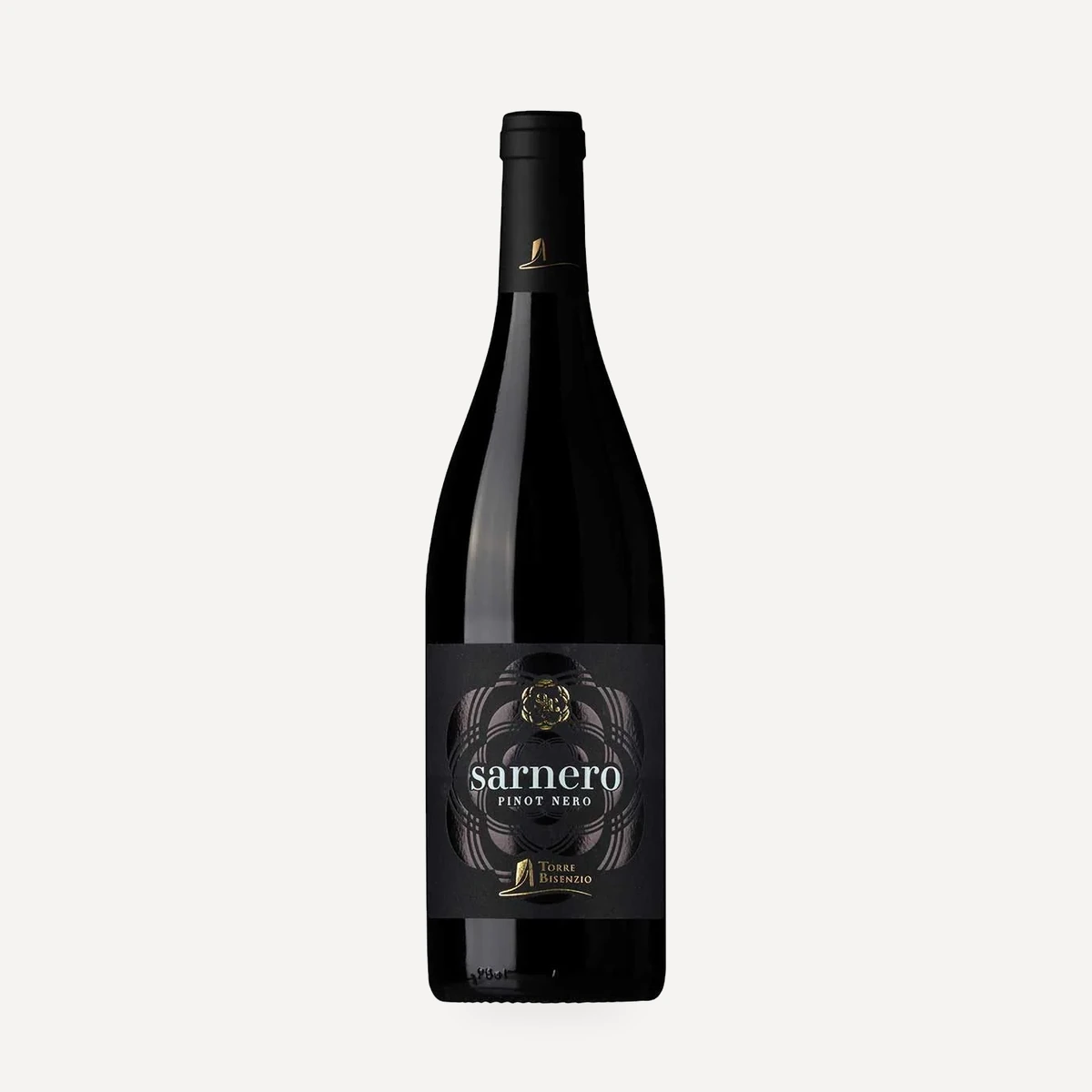
Sarnero
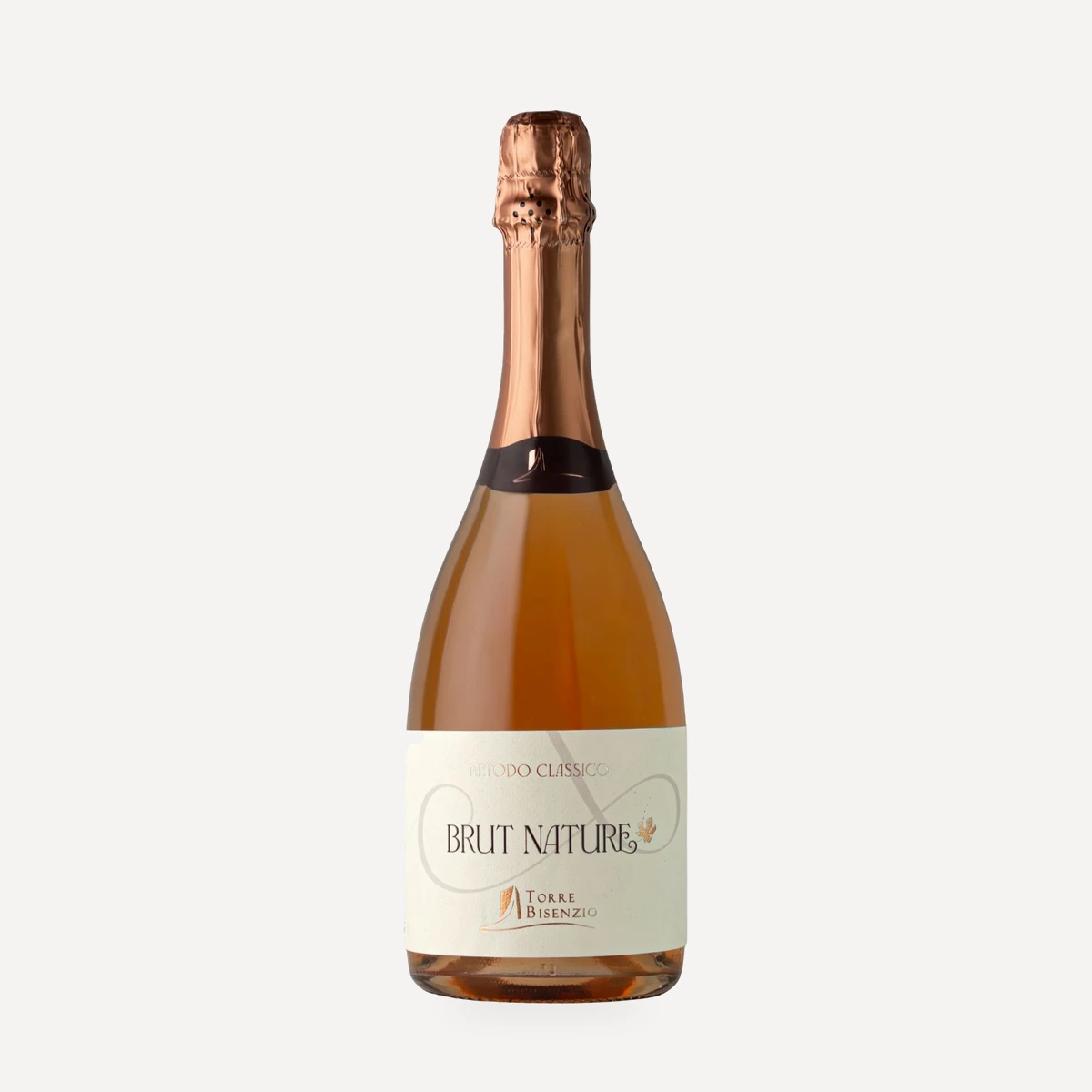
Brut Nature Spumante