Storia
Family background in photography
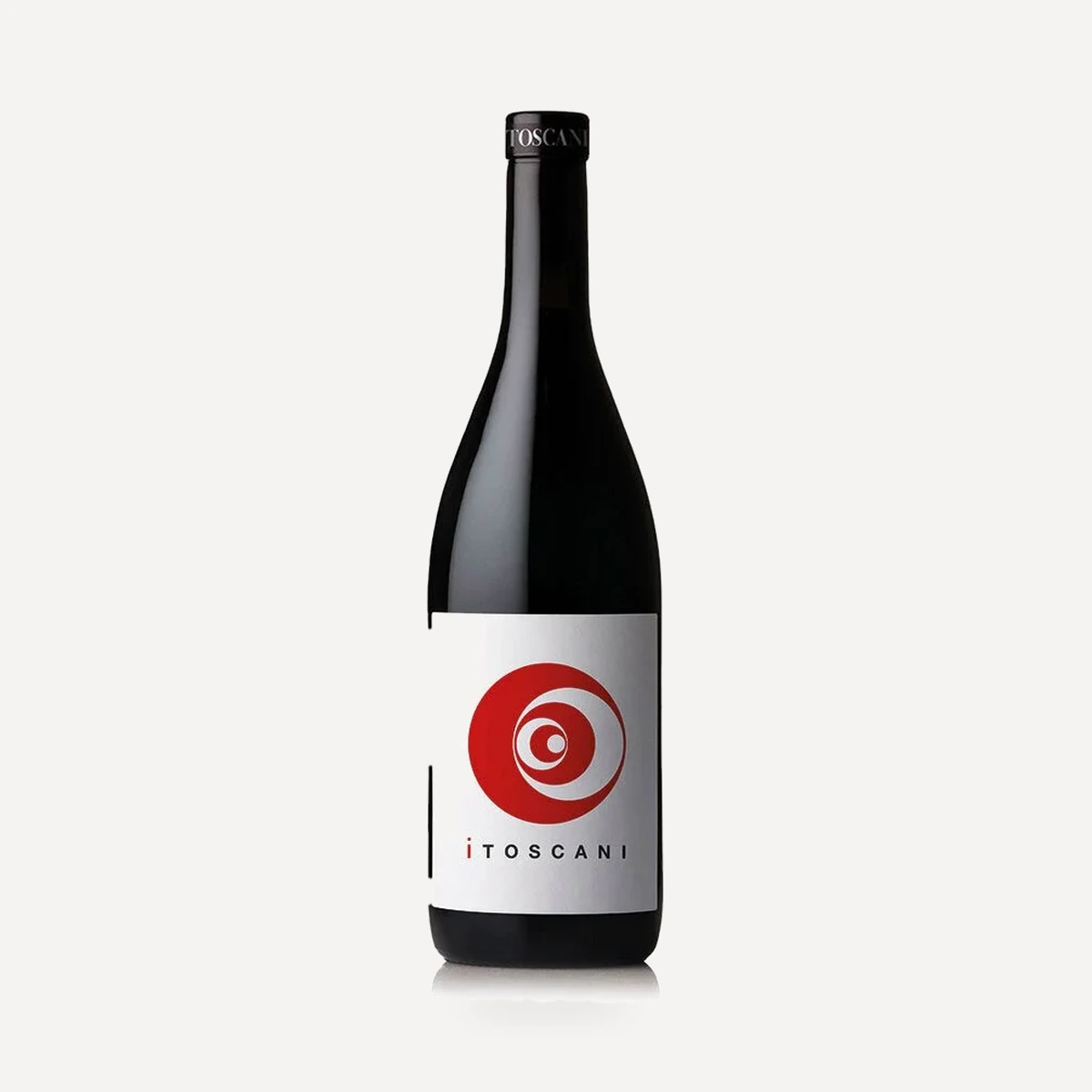
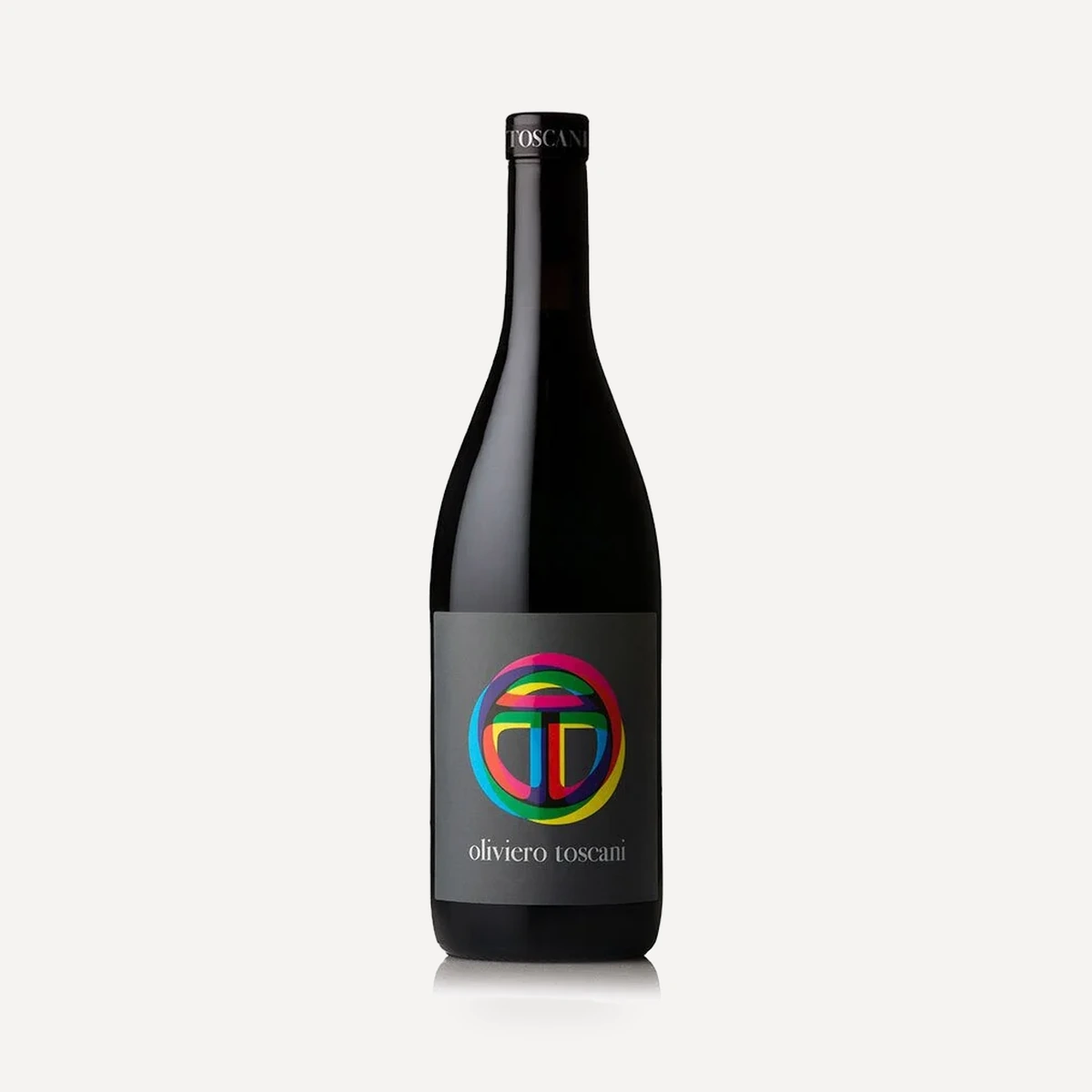
In the 1940s, Fedele, Rocco's grandfather, worked as a photographer for Corriere della Sera. He commissioned the logo for Rotofoto, described as Italy's first image bank. His example linked sociability and enjoyment of wine with the conviction that results come through work and continuing research. The Rotofoto device later inspired the label of I Toscani, the estate's first wine.
Oliviero Toscani and the creation of the farm
At the end of the 1960s, Oliviero Toscani decided to establish a home in Casale Marittimo, in the hills of coastal Tuscany a few kilometres north of Bolgheri. He bought a small farmhouse with surrounding land and brought two horses to the property. He subsequently invested his savings in additional land year after year, favouring land over buildings.
Massimo, who was born and raised beside the future vineyard, began working with the family in 1969. He became a close companion and an important teacher of country life for Rocco.
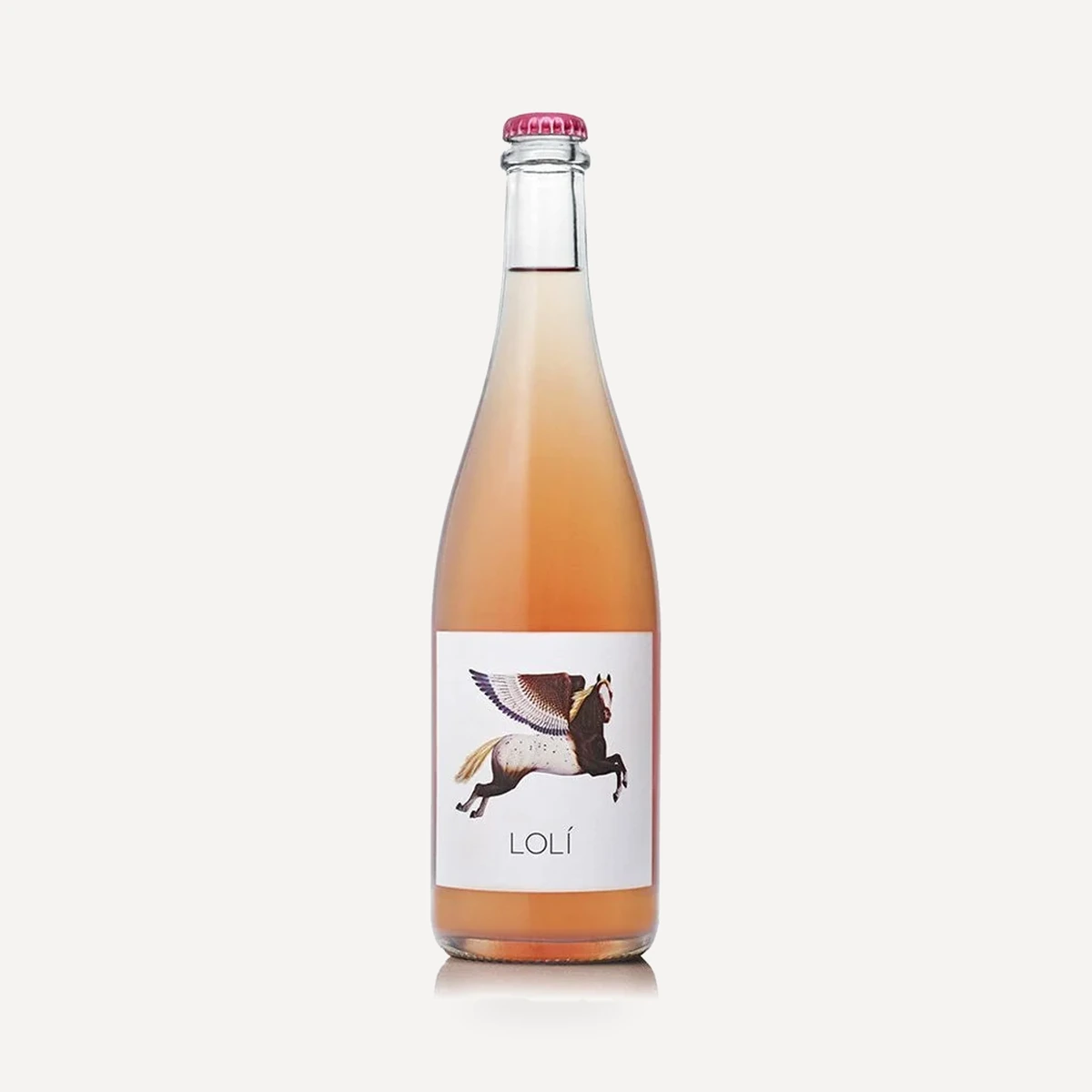
The agricultural holding developed well beyond vines. More than 4,000 olive trees were planted, while the family raised Appaloosa horses, Cinta Senese pigs, Angus cattle and homing pigeons. Oliviero also imported the first Appaloosa horse brought to Italy. It arrived from the United States by air, and the unusual event inspired a Milanese artist to depict the horse with wings. That image became the farm's first logo.
Establishing the vineyards
A vineyard was the element still missing from the wider farming project. Twelve hectares were established in an amphitheatre-shaped setting reaching 350 metres above sea level and overlooking the Tirreno Sea. Monteromboli, the larger vineyard, was planted in 2001 with Syrah and Cabernet Franc. Olmaia followed in 2003 with Teroldego, Petit Manseng and Greco.
Rocco's return and the organic transition
Rocco grew up on the farm, learning its cycles, animals, plants and individual pieces of land. His work as a photographer later took him abroad to study and work. In 2014 he decided that the countryside remained his central passion and returned to Tuscany.
With winemakers Attilio Pagli and Valentino Ciarla and agronomist Stefano Bartolomei, Rocco developed the winery as an artisanal operation centred on environmental care and sustainable production. Vineyard management was changed from conventional cultivation to organic production, encouraging useful insects in place of chemical methods. In the cellar, the corresponding approach is low-intervention winemaking with very limited sulphite use.
The objective became to draw out the strengths of the vineyards and their terroir while exploring wines not previously attempted in the area. The wines are intended to retain the character of their grapes, from freshness to structural power.
Wines and family narratives
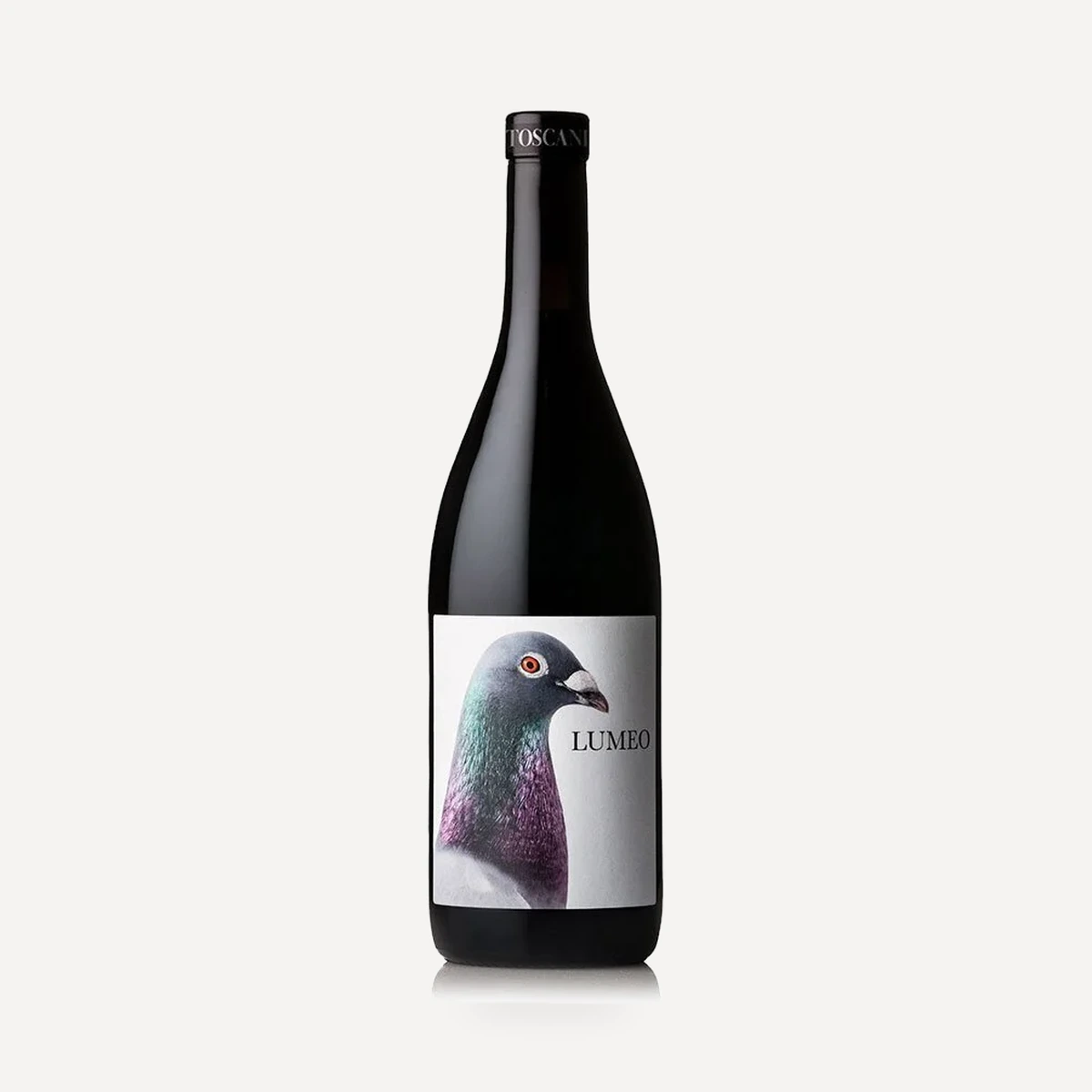
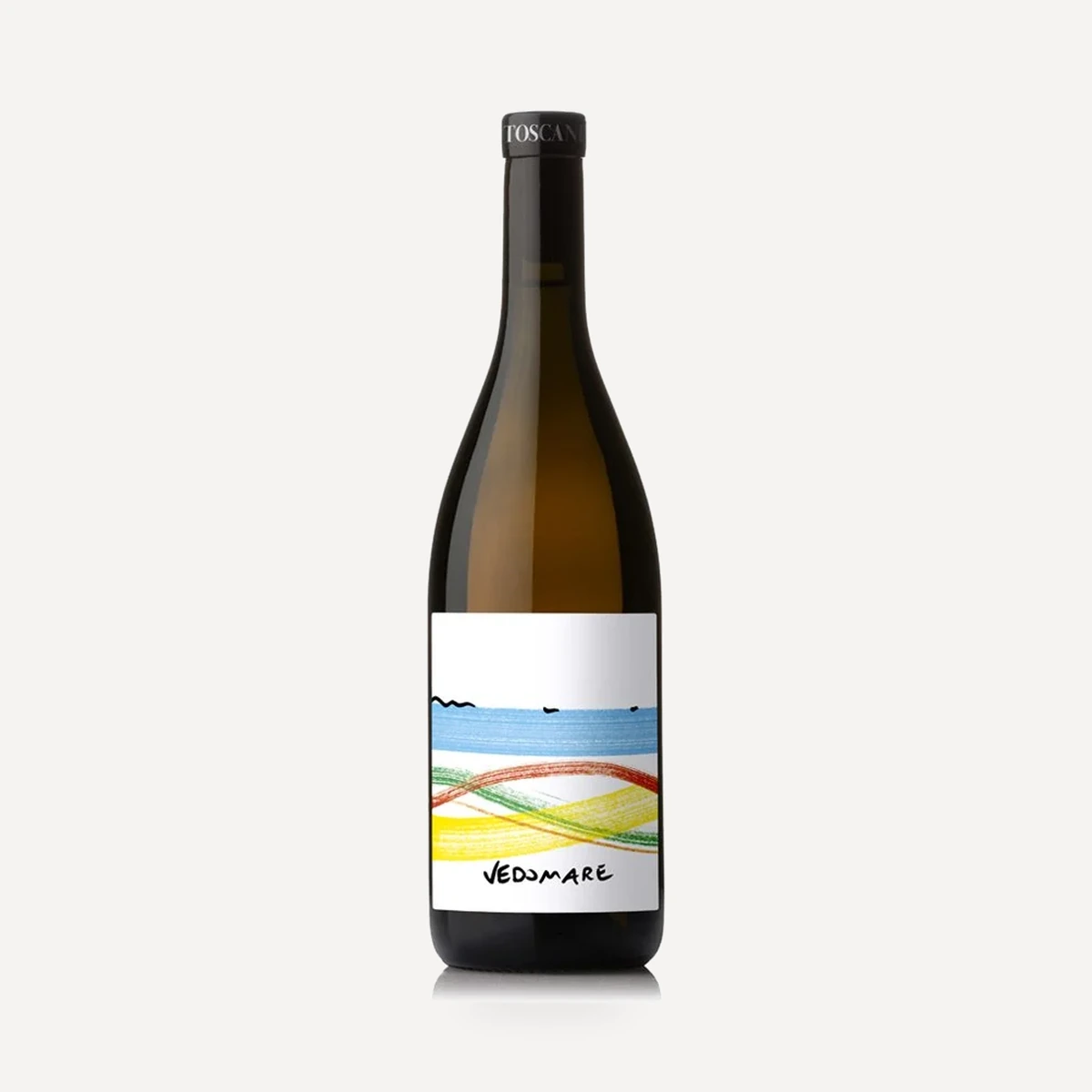
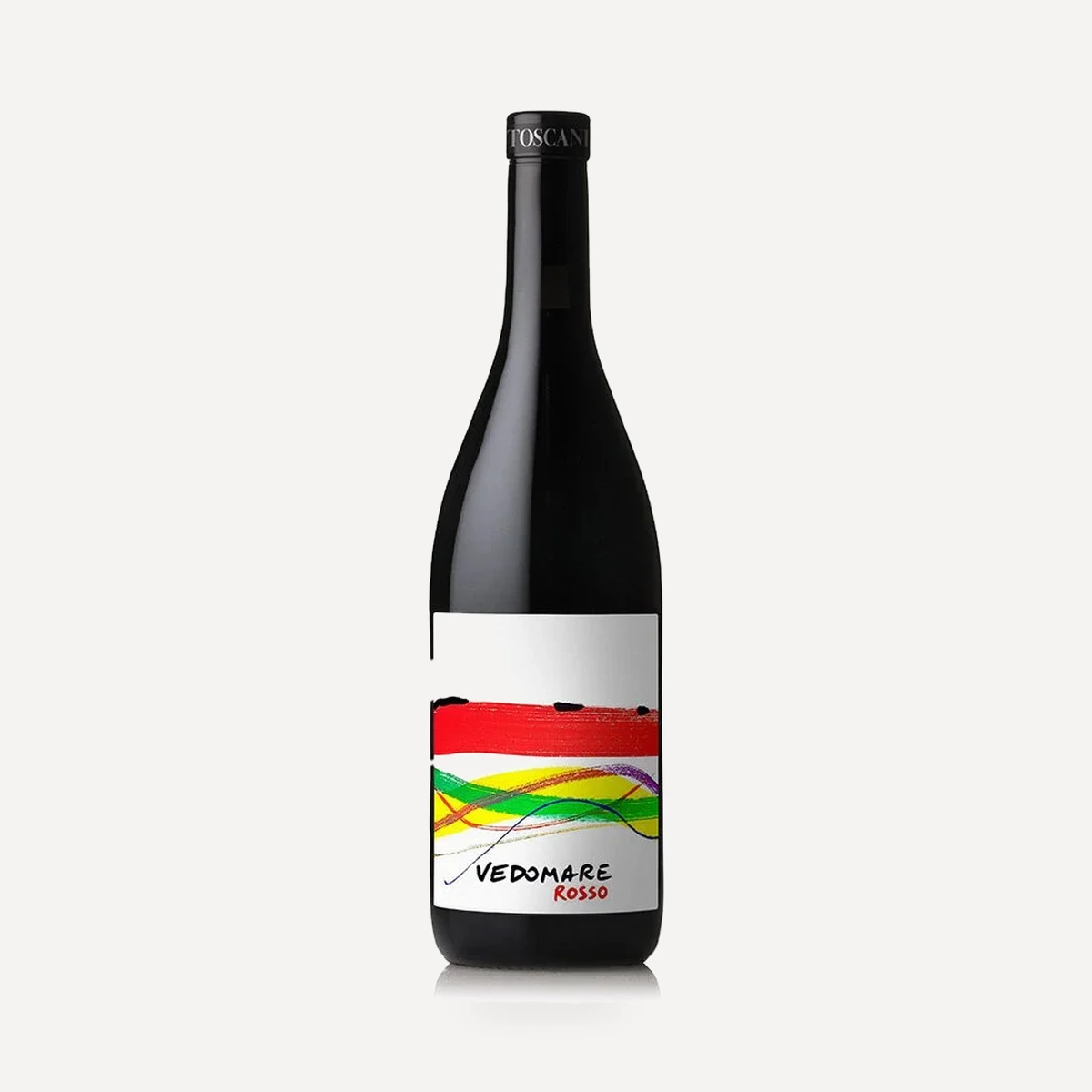
I Toscani became the estate's first wine and a tribute to Fedele. Other releases developed around family memories, the landscape and the property's agricultural history. Vedomare arose from four rows of Greco at Olmaia and a discussion between Rocco and Massimo about reviving skin-contact methods remembered from Massimo's childhood. Lolí recalls the first Appaloosa and the estate's original winged-horse emblem. Lumeo combines the names of Rocco's children, Luce and Romeo, and uses the homing pigeon as a symbol of attachment and return. Vedomare Rosso extends the estate's relationship with the view from the Syrah vines: its labels are individually painted by hand.
Terroir
The vineyards lie at Casale Marittimo on the Tuscan coast, a few kilometres north of Bolgheri. They occupy an amphitheatre-shaped hillside setting between 220 and 350 metres above sea level, with south-westerly orientation and exposure. From the upper vines, the view extends across rolling hills and fields to the sea and islands.
The climate is Mediterranean, with mild winters, rainy springs and autumns, and warm, dry summers.
The two vineyards have distinct soil profiles. Olmaia is based on calcareous clay. Monteromboli has iron-rich, intensely red soils of medium texture, with stony material derived from decomposed granite. The latter soils are also described as loose and free-draining.
Vinificazione
The estate is farmed organically and places environmental care at the centre of vineyard management. Under Rocco's direction, cultivation moved away from its former conventional system. The approach encourages beneficial insects rather than relying on chemical methods and treats sustainable production as a governing principle.
The vineyards use candelabra-trained bush vines and Guyot training; the English vineyard description renders the former system as double cordon spur. Harvesting is manual into crates, accompanied by rigorous selection in the vineyard. Across the estate, harvest extends from the middle of August for early-picked rosé fruit to the second half of October, while the principal vineyard description gives the main harvest window as the second half of September through the second half of October.
Winemaking is artisanal and low-intervention, with very limited use of sulphites. Grapes are harvested and selected by hand. Temperature-controlled stainless-steel tanks are used for much of the fermentation, while terracotta and cocciopesto amphorae provide an alternative vessel for extended fermentation, maceration and maturation.
Maceration varies with the intended expression. Practices include a brief two-day cold maceration before alcoholic fermentation, approximately three days of skin contact for Greco, around 20 days for several reds and six months in amphora for a Syrah-based cuvée. An ancestral sparkling method is used for the rosé, which is presented with its lees. The Greco white revives an older skin-contact approach and is left unfiltered.
Maturation takes place in stainless steel, amphora, 350-litre French-oak tonneaux and Slavonian-oak casks, including 1,000-litre vessels. Depending on the cuvée, cellar ageing is followed by 6–36 months in bottle. Closures include natural cork, crown cap and sugar-cane-based Nomacorc Reserva closures described as having a zero carbon footprint.
Filosofia
Toscani treats environmental care and sustainable production as the foundations of both vineyard and cellar work. Rocco's aim is to develop the inherent strengths of the vineyards and their terroir while making wines that had not previously been attempted in the area. Grape identity is central: the desired range of expression runs from crisp freshness to structural power.
The project favours organic cultivation, beneficial insects, manual selection, low-intervention cellar work and very limited sulphite use. It also accepts the additional difficulty created by this approach as part of the project's interest and purpose.
Photography provides the estate's principal creative analogy. Oliviero presents photography as a way of reassembling dimensions such as movement, emotion and meaning; wine similarly gathers a vintage, nature, light, wind and experience into a bottle. The intended balance encompasses grape varieties, flavours, aromas, tannin and acidity, combining sensitivity and discipline with an element of creative unpredictability. Photography narrates reality through sight, while wine does so through taste.
Family memory and attachment to place recur throughout the project. Several wines refer to relatives, farm workers, animals, landscape and the instinct to return home. Older practices are not treated as fixed formulas but as material for contemporary exploration, exemplified by the revival of skin-contact Greco and the use of terracotta and cocciopesto.
Vini
I Toscani
Lolí
Lumeo
O.T.
Vedomare
Vedomare Rosso