Storia
The Cecchi acquisition
In 1996, Cecchi acquired Val delle Rose at Poggio la Mozza, in the productive heart of the Morellino di Scansano territory. The property then had 25 hectares under vine.
The agricultural methods previously employed could not provide the consistency required for a viable wine estate. Cecchi consequently reorganized the vineyard approach and undertook a study of the available soils. The results revealed sufficient potential to justify a major expansion: the planted area grew from 25 hectares to approximately 100 hectares within a total estate of 185 hectares. Sangiovese became the central variety.
Development of the territory and range
In 2007, Morellino di Scansano received DOCG recognition. Val delle Rose works within this denomination as well as Maremma Toscana DOC, developing wines from Sangiovese alongside Ciliegiolo, Cabernet Franc, Merlot and Vermentino.
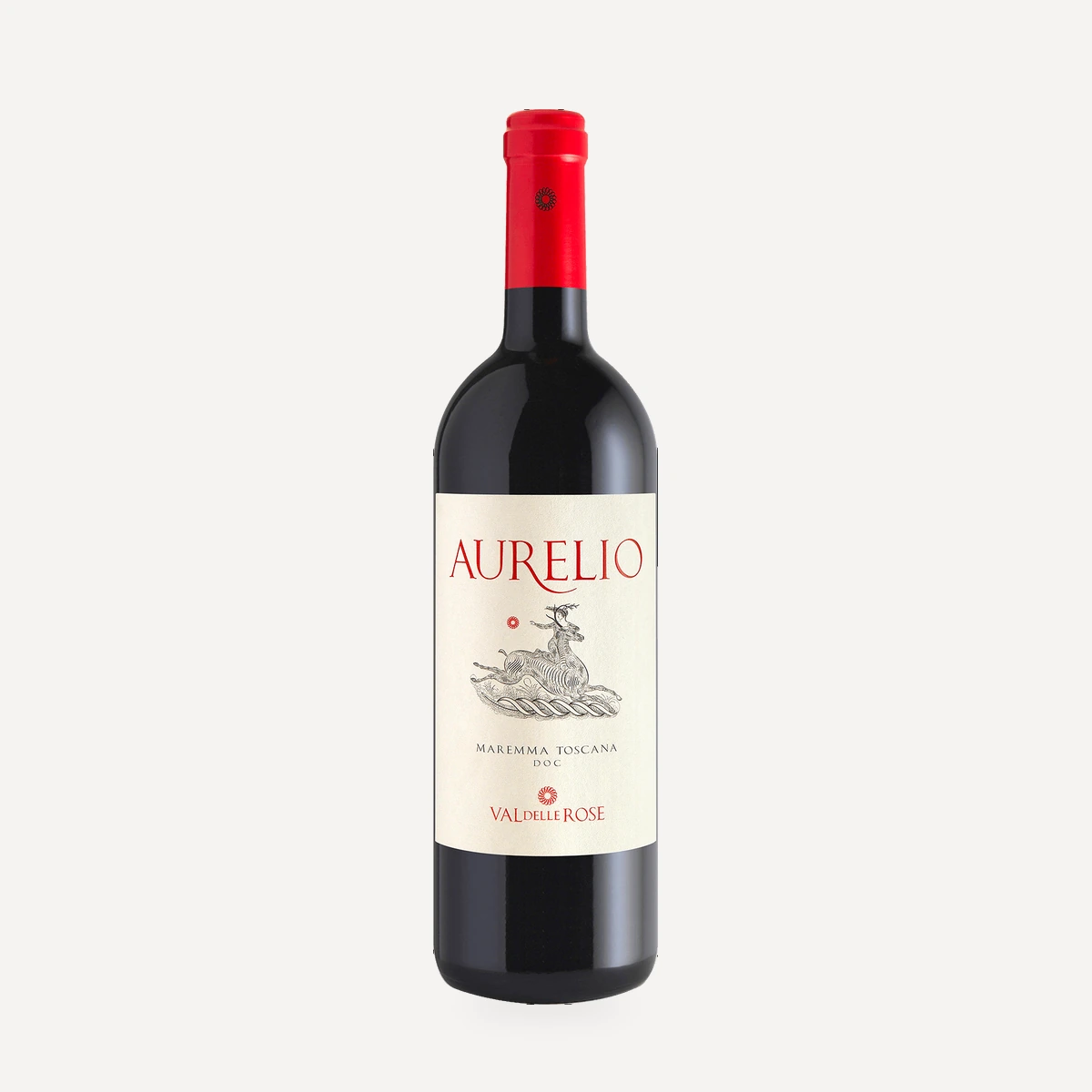
The first vintage of Aurelio was produced in 2013. The wine was conceived as a tribute to Maremma and named for the Via Aurelia, the road following the southern Tuscan coast.
Cobalto debuted with the 2017 vintage. It was created from selected Vermentino vineyards to interpret the estate’s different terroirs through fermentation in oak, amphora and stainless steel.
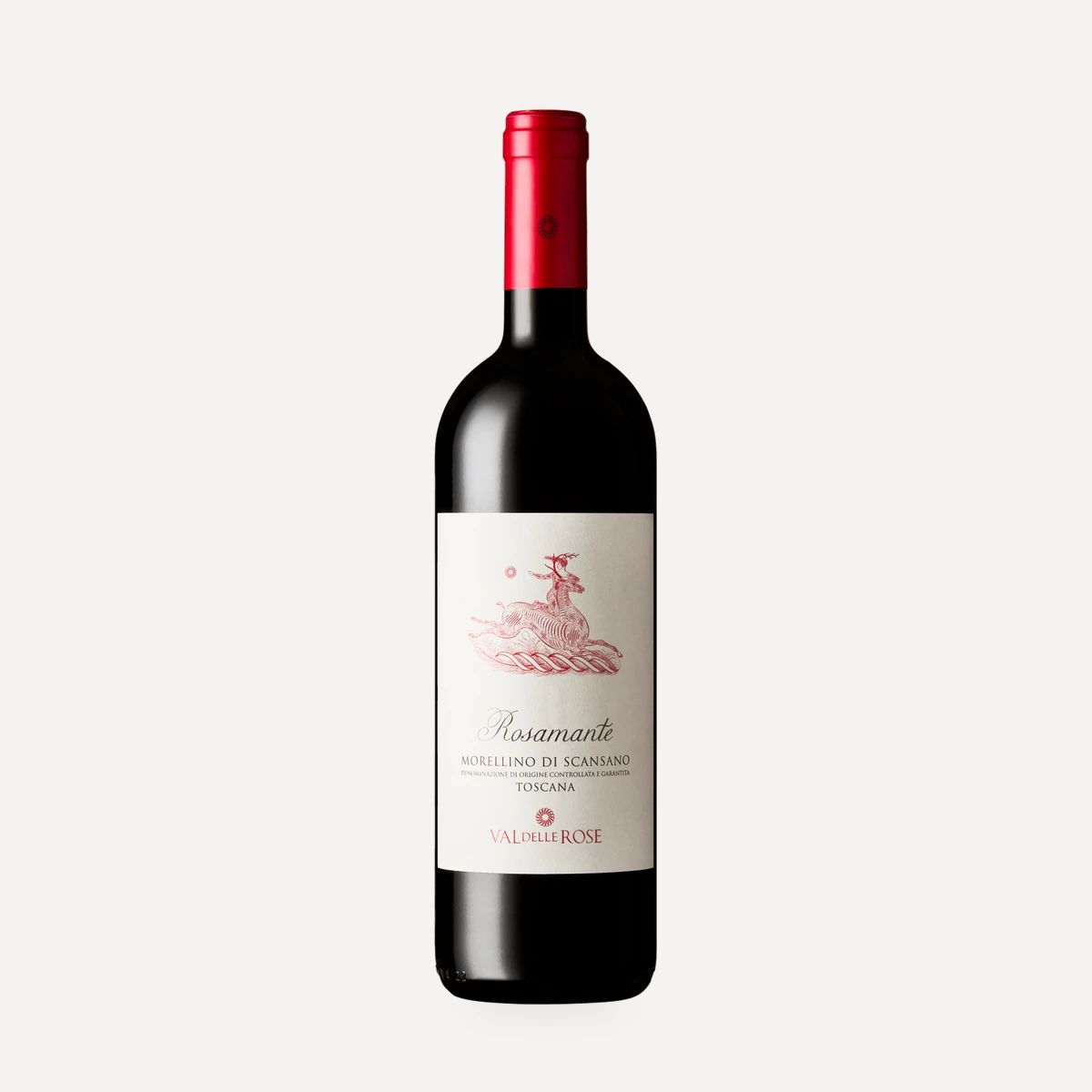
Rosamante’s 2022 vintage carried organic certification. Its name frames the wine as a dedication to Maremma and an expression of the Cecchi family’s attachment to Val delle Rose.
Terroir
Val delle Rose lies at Poggio la Mozza in Grosseto, within the Maremma of coastal southern Tuscany and the productive heart of Morellino di Scansano. The estate covers 185 hectares, approximately 100 of which are planted with vines.
The estate vineyards represented in the technical material stand at approximately 150 metres above sea level. Their soils are described as sandstone rich in decomposing rock and, more specifically in several red-wine blocks, as feldspathic quartz sandstone. These soils can be largely siliceous and contain a substantial rocky skeleton.
Sun exposure and maritime air are defining climatic elements. The Sangiovese vineyards benefit from strong or nearly continuous sunlight tempered by steady breezes, including moderating sea breezes.
The broader Morellino di Scansano growing area encompasses approximately 1,500 hectares across six municipalities in the province of Grosseto. Scansano itself stands at about 500 metres, while the cultivated slopes around the town descend toward the sea. Val delle Rose’s documented vineyards are lower, at approximately 150 metres.
Vinificazione
The present vineyard area is the result of a soil-led reorganization begun after the 1996 acquisition. Study of the property’s soils preceded the expansion from 25 to approximately 100 hectares under vine, with Sangiovese established as the leading variety.
Training and pruning vary by block. Red-wine vineyards are documented at roughly 4,800–5,000 vines per hectare, using vertical trellising or espalier and predominantly spurred-cordon pruning. Vermentino vineyards reach approximately 5,500 vines per hectare and are Guyot-pruned.
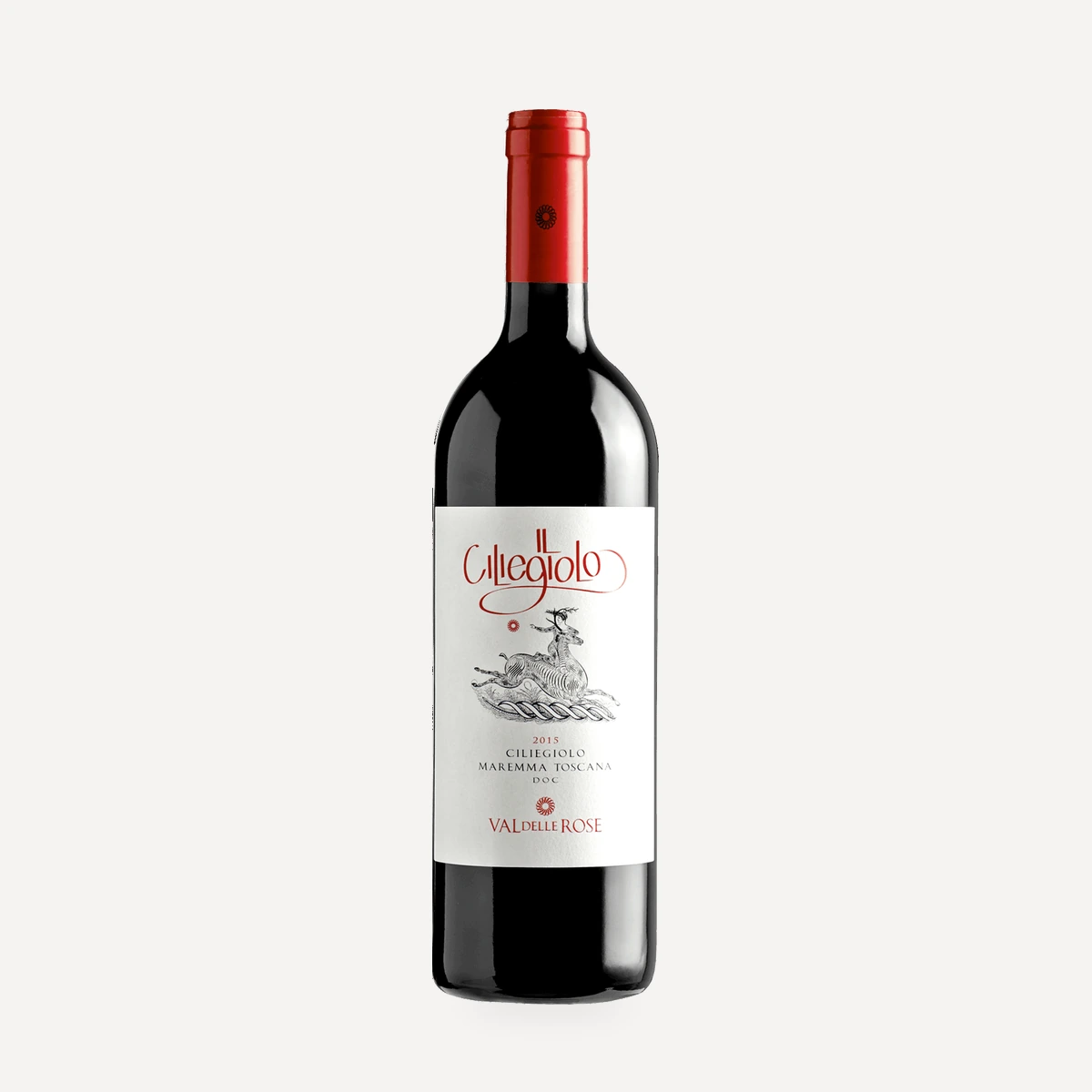
Reported yields reflect the intended use of each block: approximately 4 tonnes per hectare for Ciliegiolo, Cabernet Franc and selected Sangiovese destined for Riserva production; 7 tonnes per hectare for Vermentino; and 9 tonnes per hectare for the 2022 Rosamante vineyards.
Vermentino is the earliest documented harvest, picked between the end of August and the first week of September. Aurelio’s Merlot-led 2013 vineyard was harvested in the second half of September, while Sangiovese for Poggio al Leone was harvested in the second half of October.
Rosamante 2022 was certified organic. That season began with delayed flowering following a cold winter. Above-average spring temperatures brought vegetative development back into alignment; a hot, dry summer was followed by rain at the end of August, supporting full bunch maturation. The certification record does not identify the certifying organization or establish an estate-wide certification status.
The cellar works with several vinification paths rather than a single standardized process.
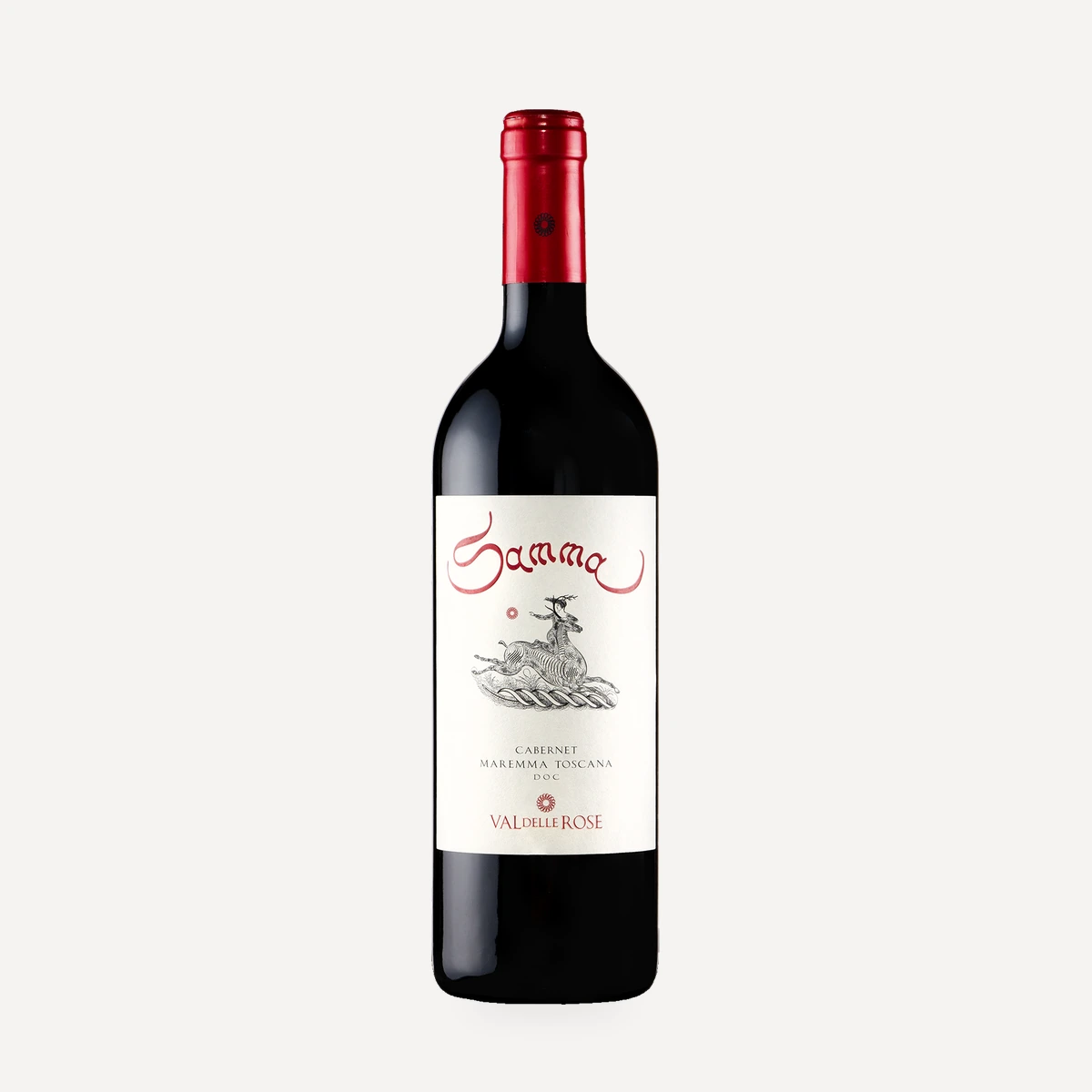
Red wines are fermented on their skins in temperature-controlled stainless steel. Documented fermentation temperatures are 25–26°C, with approximately 15–16 days of fermentation and maceration. The methods include cold pre-fermentation maceration, conventional temperature-controlled skin fermentation and prolonged skin contact. Small-capacity stainless-steel fermenters are used for Samma and Aurelio.
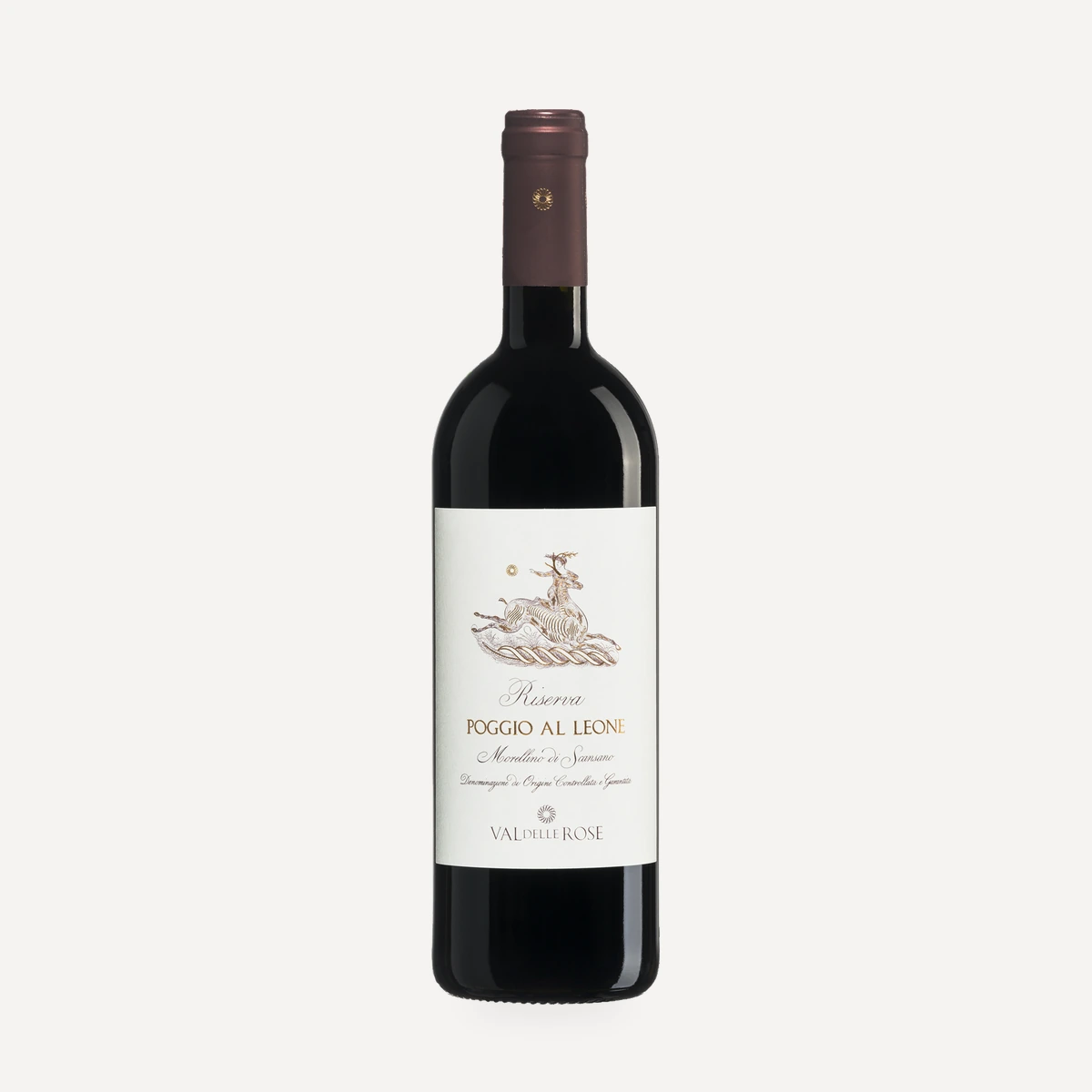
Maturation depends on the wine. Rosamante 2022 received five months in barrique or, in its more recent Italian specification, partial maturation for five months in tonneaux, followed by at least three months in bottle. Samma and Aurelio matured for 12 months in barrique and at least six months in bottle. Poggio al Leone underwent cold pre-fermentation maceration, stainless-steel fermentation, at least 12 months in barrique and a further minimum ageing period recorded as eight months.
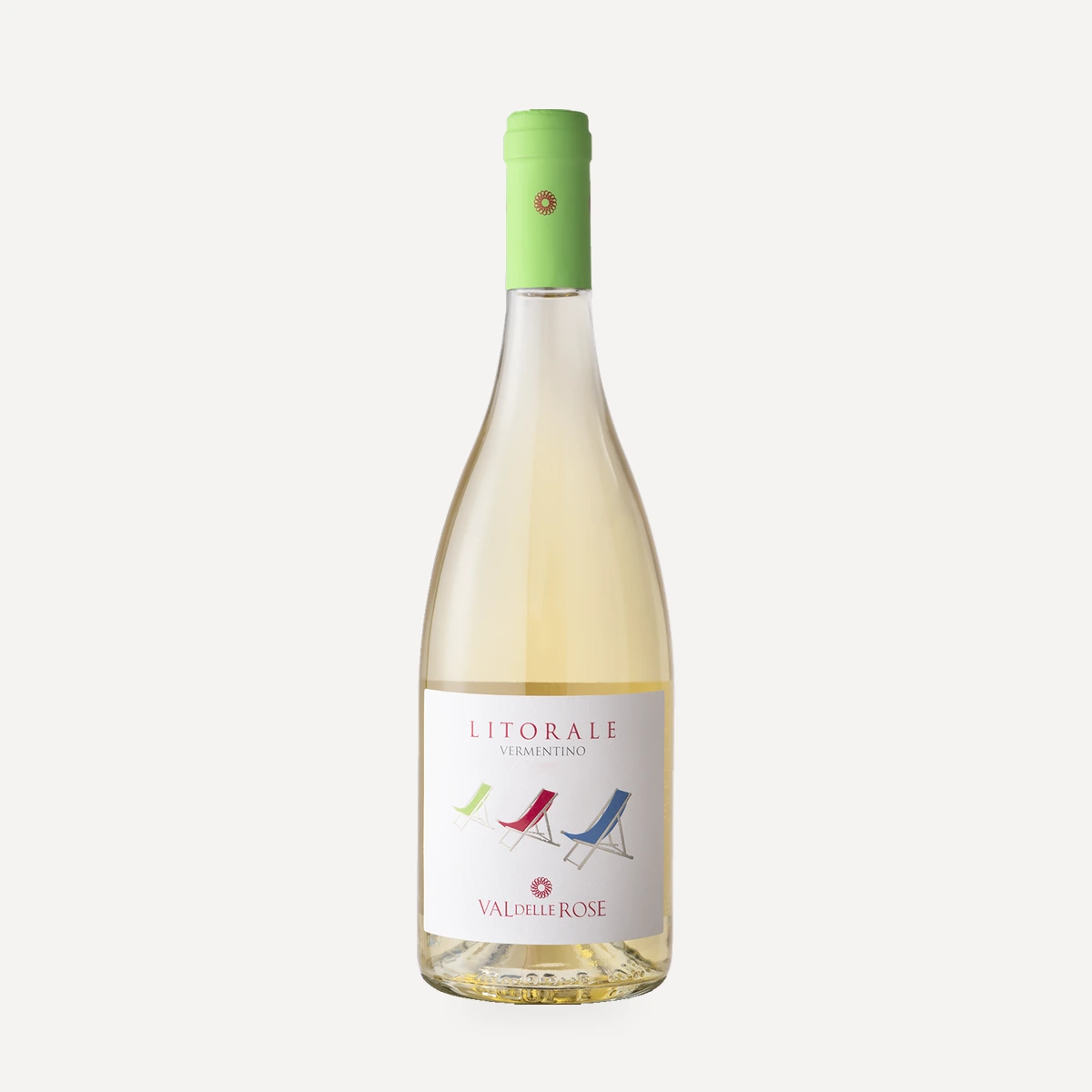
For Litorale, Vermentino is vinified off the skins after cold-controlled pre-fermentation maceration. Fermentation takes place for 15 days at 15°C in small and medium stainless-steel tanks, followed by at least two months in bottle.
Cobalto employs three fermentation vessels: 50% of the must is fermented in oak, 34% in amphora and 16% in stainless steel. Fermentation lasts about 15 days at 15°C. The fractions then remain on their yeasts in their respective vessels for ten months before at least six months of bottle ageing.
Filosofia
Tradition and innovation
Val delle Rose defines its approach through the meeting of tradition and innovation. Cecchi’s experience with and commitment to Sangiovese form the foundation of the Maremma project, while soil research, revised agricultural methods and differentiated cellar vessels provide its technical framework.
The post-1996 reorganization pursued reliable quality from one batch to the next. Rather than treating the estate as uniform, the approach began with an examination of its soils and subsequently expanded the vineyard area in response to the potential identified in different sites.
Sangiovese remains the estate’s protagonist, particularly through Morellino di Scansano. The range also explores indigenous Ciliegiolo, Cabernet Franc and coastal Vermentino. Cobalto expresses the goal of translating several estate terroirs through selected Vermentino vineyards and separate oak, amphora and steel components. Rosamante presents the Cecchi family’s connection to Val delle Rose as a dedication to Maremma.
Vini
Aurelio
Il Ciliegiolo
Litorale Vermentino
Poggio al Leone
Rosamante Morellino di Scansano