Storia
Origins in the 1970s
Valli Unite was founded in the 1970s by Ottavio Rube, Enrico Boveri and Cesare Berutti. The three founders wanted to challenge an agricultural system that was compelling people to leave their land uncultivated. Their initiative developed as more people joined the cooperative and embraced its values.
The cooperative established a model centred on healthy food, care for the land and concern for the people living on it. From its earliest phase, livestock was considered essential to an agroecological, closed-loop system in which the farm’s different activities could support one another and strengthen biodiversity.
1981 and the cooperative’s development
Valli Unite identifies itself with the phrase “Since 1981, naturally responsible.” Over time it expanded into a diversified agricultural cooperative seeking a continuing balance between tradition and innovation. Its activities came to encompass vineyards and wine, arable crops, vegetable growing, livestock, beekeeping, food processing, hospitality, direct sales and educational experiences.
The farm now cultivates more than 100 hectares organically. Its integrated activities transform grapes, cereals, hay and flowers, while the agritourism includes a restaurant, three apartments, a camping area and a farm shop.
The Timorasso revival
Timorasso had been cultivated in the Colli Tortonesi since the Middle Ages but was largely abandoned after the Second World War because of its poor resistance to wet conditions. Around the 2000s, local growers responded to a warmer climate by replanting the old variety. Timorasso now underpins Valli Unite’s four-part Derthona range: a base expression, a macerated version, a reserve and a mountain sparkling wine.
2009: a less-interventionist cellar
In 2009, Valli Unite stopped adding substances it considered unnecessary, including products that remained permissible under organic certification. It also rejected sterile filtration, clarification and selected yeasts. This marked a defined move toward less-invasive wine production.
An integrated contemporary farm
The wine operation now cares for 22 hectares. Cellar machinery is powered with photovoltaic energy, while wash water is decanted and reused in the vegetable garden and for vineyard treatments. A naturally insulated wine warehouse was built with rammed earth from excavations and straw from the cooperative’s fields, reducing the need for energy-intensive air conditioning.
The cooperative also developed solidarity-wine projects with local organisations and associations, using wine to support the inclusion and social integration of disadvantaged people.
Terroir
Valli Unite is based at Cascina Montesoro in Costa Vescovato, among the Piedmontese hills of the Colli Tortonesi. The cooperative’s hospitality spaces look across the surrounding countryside and toward Cornigliasca; the Coustieu camping area occupies one of its most panoramic positions, with terraces in the orchard and places beside the vineyard or at the top of the hill.
Seasonal and climatic conditions guide vineyard care. Five Stevenson screens supplied by the municipality continuously measure humidity and temperature and help track conditions favourable to fungi and insects. This monitoring is used to determine when intervention is actually necessary.
The vineyard strategy centres on soil fertility, management of the permanent plant cover and balance between vine roots and their aerial growth. Diverse herbs are sown between the rows to retain humidity and sustain microfauna and varied microflora, countering the depletion associated with monoculture.
Timorasso is presented as a historic variety of the Colli Tortonesi. Its post-war decline was linked to poor resistance to wetter conditions, while its revival around the 2000s coincided with a warmer climate.
Vinificazione
Valli Unite’s vineyards form part of an organically managed farm of more than 100 hectares. The approach is preventive: soil fertility, the condition of the grass cover and the balance between vine roots and aerial growth are managed together.
Treatments are limited to copper, sulphur, orange extracts and propolis produced by the cooperative’s bees. Propolis is used in particular to treat hail wounds. Disease control prioritises physical action rather than chemical intervention: infected material is removed, and vines showing the first symptoms of flavescence dorée may be pollarded.
Five municipal Stevenson screens provide continuous vineyard monitoring. Measurements of humidity and temperature, together with observation of fungi and insects, help identify the necessary timing of interventions and avoid unnecessary treatments and waste.
Operations follow lunar-calendar rhythms and the vine’s life cycle. Winter work begins with cane pruning. The fruiting cane is then tied manually to the wire with willow branches. Spring brings the tying of green shoots, bud or shoot thinning and removal of lateral shoots. Harvest takes place in September. These operations are carried out manually rather than mechanically to protect the grapes and maintain direct contact with the vines.
To preserve biodiversity and avoid the impoverishment associated with monoculture, selected herbs are sown between the rows. This vegetation helps retain humidity and supports microfauna and diverse microflora. The vineyard team also participates in continuing education on innovative techniques through collaboration with the Vinnatur association.
The wider farm supports this approach through crop rotation, livestock, beekeeping and organic vegetable cultivation. Propolis from the apiary returns to the vineyard as a plant-care material, while rotations across the arable fields are intended to preserve and restore soil organic matter.
Cellar approach
Since 2009, Valli Unite has excluded additives it considers unnecessary, including substances still permitted under organic certification. Sterile filtration, clarification and selected yeasts are not used. The cellar approach is framed as the natural transformation of grapes into wine and as a means of carrying the cooperative’s values into people’s homes and shared meals.
Energy, water and wine storage
Photovoltaic panels supply energy for cellar machinery. Water used for washing is collected and decanted in tanks, then reused for vegetable-garden irrigation and vineyard treatments.
The wine warehouse was constructed according to bio-building principles. Rammed earth from the excavations and straw grown in the cooperative’s own fields provide natural insulation, maintaining suitable wine-storage temperatures without energy-intensive air conditioning.
Production scope
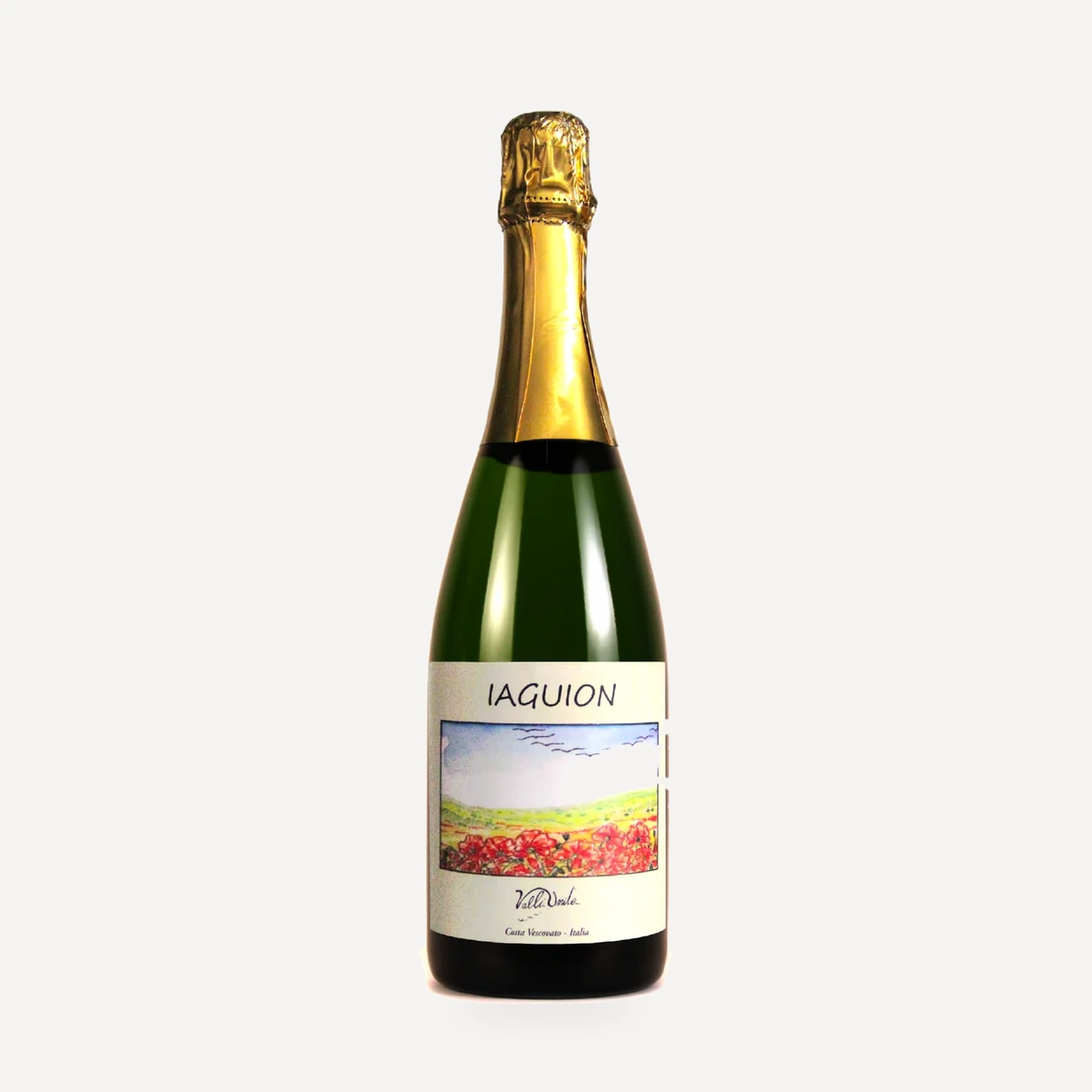
Wine is produced from Timorasso, Dolcetto, Barbera, Croatina, Cortese and Favorita. Timorasso supports four Derthona expressions: base, macerated, reserve and mountain sparkling wine. The cooperative also produces bottled and bulk wine, grappa and grape juice.
Filosofia
Valli Unite defines itself as an agricultural cooperative built around a life in harmony with nature. Its priorities encompass healthy food, care for the land and respect for the people who inhabit it. The cooperative’s development is rooted in a refusal to accept the abandonment of farmland and in the participation of people who share its values.
Its working model seeks equilibrium between tradition and innovation. Organic cultivation, crop rotation, livestock, beekeeping, vegetable growing and food processing are connected within a diversified agroecological system rather than treated as isolated activities. The aim is a closed cycle that encourages biodiversity and creates practical synergies among the cooperative’s internal processes.
In wine, minimal intervention is linked to communication: wine is understood as a way of reaching people’s homes, tables and lives while expressing the cooperative’s philosophy. Unnecessary additions and invasive techniques are rejected, and seasonal work follows the vine’s life cycle and lunar calendars. Manual vineyard work is valued both for protecting the raw material and for maintaining a direct relationship with nature.
Environmental responsibility extends to energy, water and construction. Solar power operates cellar machinery, process water is reused after decanting, and the wine warehouse relies on earth and straw insulation. The same outlook informs the cooperative’s support for fair trade, informed consumption, shared resources and purchasing systems intended to reduce waste and consumerism.
Social responsibility is also part of the wine programme. Solidarity-wine projects support organisations with compatible ethical aims, while partnerships with local bodies and associations promote inclusion and social integration for disadvantaged people.
Vini
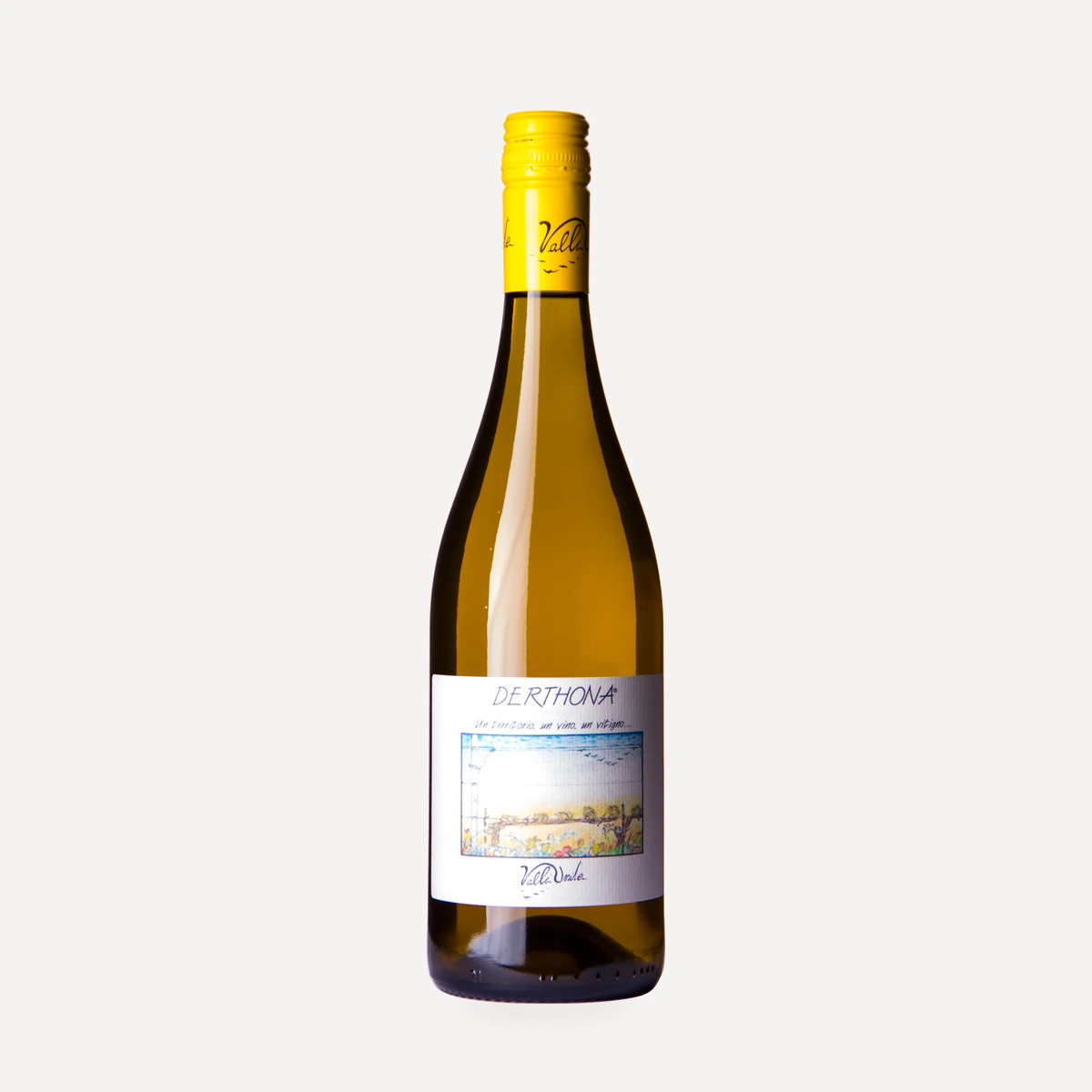
Derthona base
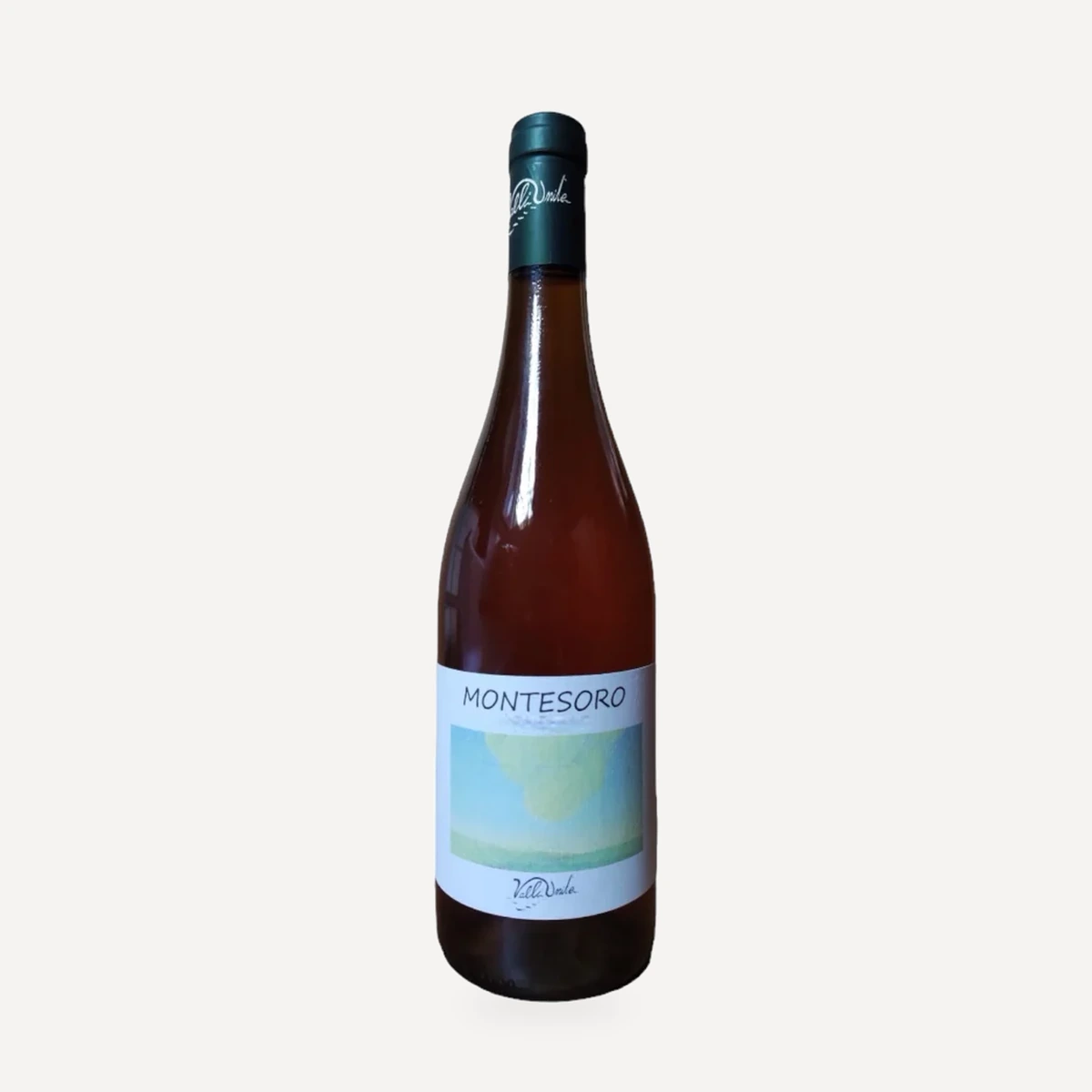
Derthona macerato
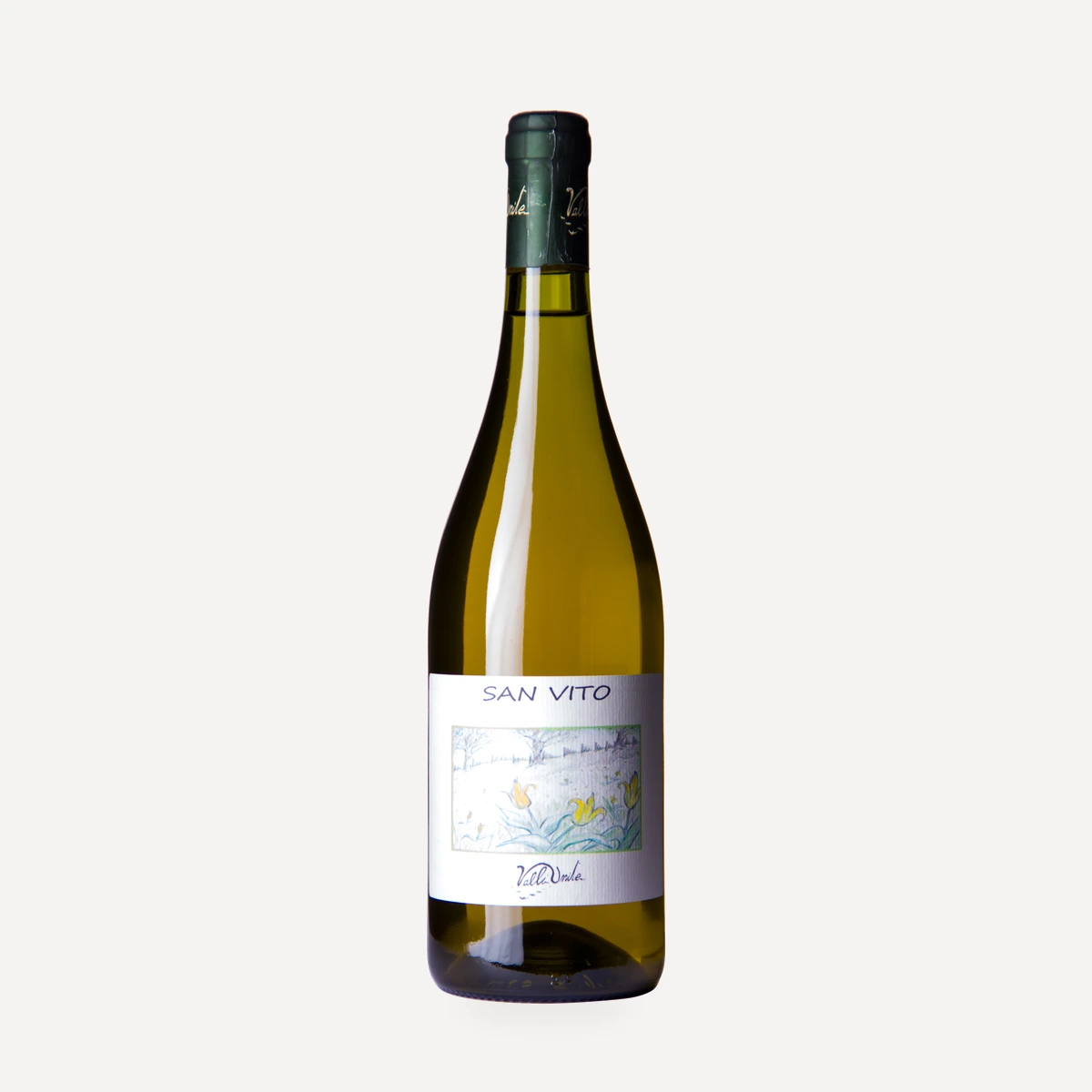
Derthona riserva