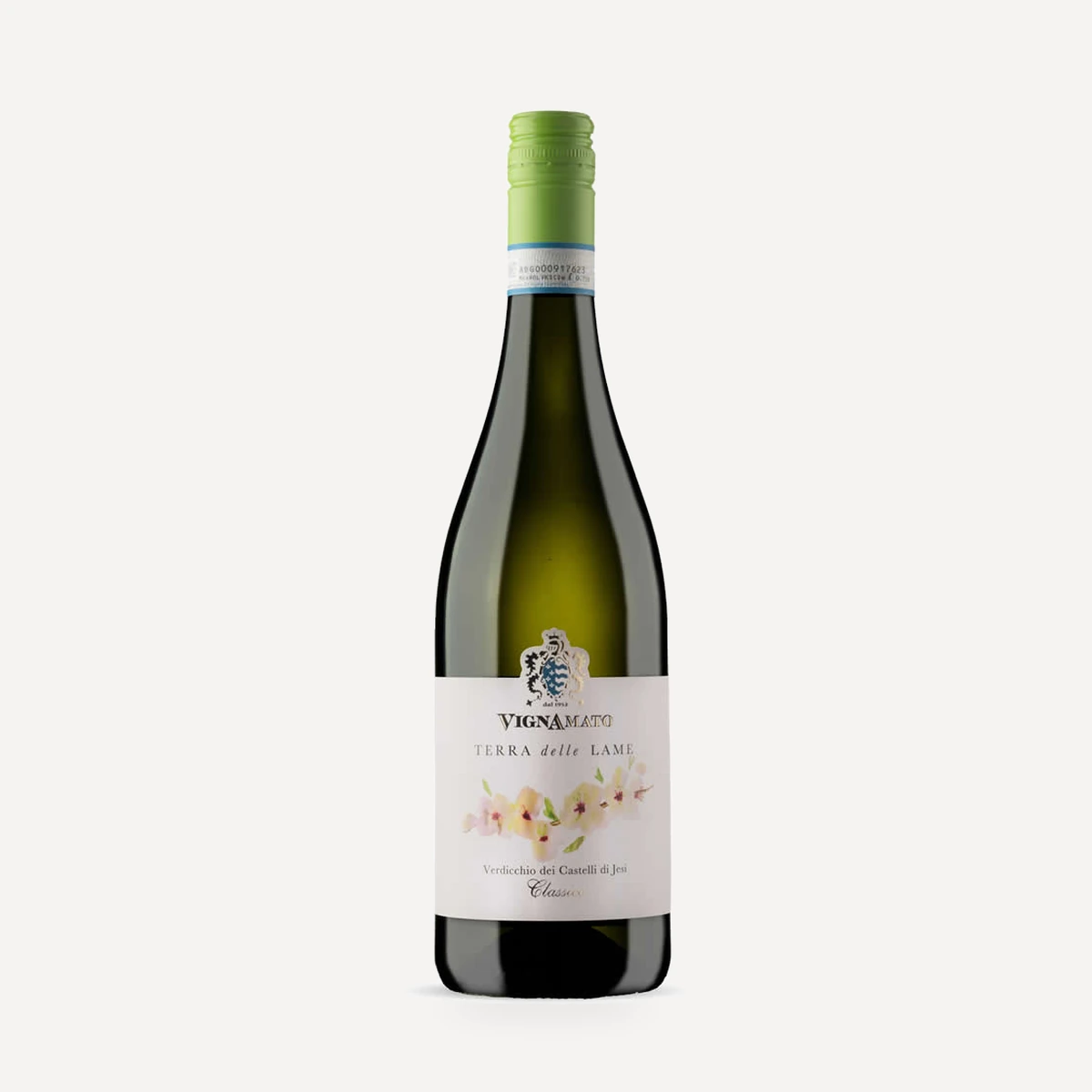
Storia
The first family vineyard
In the late 1940s, Umberto Ceci bought a small plot in Contrada Battinebbia, San Paolo di Jesi, planted for the production of Verdicchio grapes. At the beginning of the 1950s, he entrusted this land to Amato—one of his fifteen children—and Amato’s wife, Maria. Both were committed winegrowers, and they began producing and selling wine from the property. The estate identifies 1952 as its founding year.
Amato and Maria
Amato recognized the viticultural potential of San Paolo di Jesi and the Castelli di Jesi. The family credits him with passing on a love of land and vines, together with the values of sacrifice and humility. In 1975, he planted the estate’s oldest vineyard in Contrada Battinebbia. This vineyard later became the source of Ambrosia and of the north-facing Verdicchio rows used for Amato.
The third generation
In 1992, Amato and Maria brought their son Maurizio and his wife Serenella into the family enterprise. Maurizio and Serenella believed that growth and improvement required openness to change and exchange. During the early 2000s, they consequently created a new production project named “Vignamato”—literally, “Amato’s vineyard”—as a dedication to the family member who had first understood the potential of Verdicchio and its territory.
The fourth generation
Vignamato is now managed by Maurizio and Serenella’s three children under their parents’ supervision. Alessandra, the eldest, handles administration. Andrea directs production and develops export markets. Francesco, the youngest, is responsible for the Italian market. Together, they represent the fourth generation of the Ceci family at the estate.
Terroir
Setting
Vignamato lies in San Paolo di Jesi, in the province of Ancona, within the historic Classico area of the Castelli di Jesi. The broader landscape of the central Marche is bounded by the Apennines on one side and open to the Adriatic on the other. Hills descend toward the sea, while fresh air moving inland through the valleys contributes to marked day–night temperature changes.
San Paolo di Jesi covers 10.07 km². Its historic centre stands at 224 metres above sea level; the municipal territory extends from approximately 350 metres in the upper part of Contrada Follonica to 100–110 metres beside the Cesola stream. Its morphology is generally gentle, without abrupt breaks or especially steep escarpments.
Geological context
The oldest exposed rocks around San Paolo di Jesi belong to a Pliocene sequence dating back approximately five million years. Tectonic movements during the last phases of formation of the Earth’s crust, approximately four to two million years ago, brought local clay-and-sand formations to the surface and created the present structure of the territory.
Northwest of the village, toward the Cesola, centuries of landslides gave rise to the names Contrada Valle delle Lame and Fosso delle Lame. San Paolo also has small mud-volcano phenomena: one in Contrada Fonte and another in Contrada Battinebbia. Gas-driven mud forms miniature cones and craters at the surface.
The Cesola stream marks part of the boundary between San Paolo di Jesi and Cupramontana. A mineral-salt-rich spring along its course gave rise to the place-name Acquasalata. Historically valued for supposed therapeutic qualities and known locally as “acqua santa,” the water was also used for cooking or boiled to recover salt during the Second World War.
Estate vineyard zones
The soils change materially between the estate’s zones. Follonica has sandstone and sedimentary rock at 250–350 metres. Valle delle Lame and Contrada Battinebbia, at approximately 230 metres, have medium-textured clay soils with an increasing sandy component. The Maiolati Spontini sites lie at 350–450 metres; sand predominates in the east-facing sector, while limestone is more prominent on the north-facing side. Contrada San Michele in Cupramontana stands at approximately 350 metres and has calcareous soils dominated by clay, marl and gypsum.
The vineyards’ pronounced slopes promote air movement and support the ripening of Verdicchio. Across the Castelli di Jesi district, the interaction of clay, limestone, sandstone, exposure and fresh maritime and mountain air underpins a diversity of local expressions rather than a single uniform terroir.
Vinificazione
Vignamato farms approximately 26 ha of vines divided among eight plots. Seventeen hectares lie in different sectors of San Paolo di Jesi, with additional vineyards in Maiolati Spontini and Cupramontana. Average vine age is 25–35 years.
Verdicchio is the principal grape. It is joined by Incrocio Bruni 54, created through pollination between Verdicchio and Sauvignon, and by Montepulciano, Sangiovese and Lacrima di Morro d’Alba. Smaller parcels of Cabernet Sauvignon and Merlot complete the vineyard holdings.
The viticultural approach is based on low yields, harvesting at appropriate ripeness, careful management of soil resources and reducing interventions and external inputs to a minimum. Chemical products are avoided even in difficult years. Vineyard fertility is supported through green manure and organic fertilization. The estate treats the differences among individual vineyards and production zones as a central element of its work.
All grapes are harvested by hand, with selection restricted to the best bunches. Significant vineyard slopes aid air circulation and Verdicchio ripening. Individual wine parcels document Guyot and double-Guyot training, organic cultivation and manual collection into crates, while planting dates represented in the estate range from 1975 through 2015.
The winemaking building overlooks the estate vineyards and is designed to sit within the surrounding landscape. Its production spaces combine inherited equipment with contemporary cellar technology.
Small-capacity vitrified-concrete tanks inherited from Amato and stainless-steel tanks allow musts from individual vineyards to be vinified separately, preserving the characteristics of each plot. Vignamato places particular emphasis on maturation, both in tank and after bottling. Vitrified concrete remains an important traditional vessel, while stainless steel is used alongside it.
An underground room provides controlled temperature and humidity. Red wines mature there in French-oak barrels, while bottled wines also rest in the cellar. Extended bottle maturation is considered particularly important for Verdicchio because of its capacity to develop over time.
Across the estate’s documented production, hand-picked grapes arrive in crates and may undergo soft pressing, followed by static settling of the free-run must. Fermentation takes place in stainless steel or vitrified concrete according to the parcel and intended wine. Some concrete-fermented Verdicchio is fermented with indigenous yeasts and held for an extended period on fine fermentation lees. Temperature-controlled fermentations and both tank and bottle maturation form part of the estate’s production toolkit. Malolactic fermentation is avoided for some wines and used according to vintage for others.
Filosofia
Viticulture as a life choice
Vignamato defines viticulture as a choice of life rather than merely an occupation. Its vineyards embody accumulated experience, sacrifice and the lessons of both favourable and difficult growing seasons. The family consequently regards the vineyard as the centre of the entire production process.
Quality begins with low yields, responsible management of the land’s resources and harvesting at proper maturity. Work is organized around the rhythms of nature and the plants, with the aim of allowing terroir to express itself rather than imposing uniformity.
Distinct vineyards, distinct expressions
The family gives particular weight to the differences among individual vineyards and production areas. Each zone is understood as capable of producing its own character and stylistic signature. Separate vinification and the use of smaller tanks extend this parcel-focused approach into the cellar.
Sustainability and continuity
Avoiding chemical products, limiting external inputs, using green manure and organic fertilizer, harvesting by hand and adopting recyclable packaging all form part of an ecological outlook. Tradition is maintained through vessels such as vitrified concrete, while stainless steel, controlled cellar conditions and photovoltaic energy support the contemporary operation. The family’s stated objective is to unite inherited knowledge with continuing experimentation and new projects.
Vini
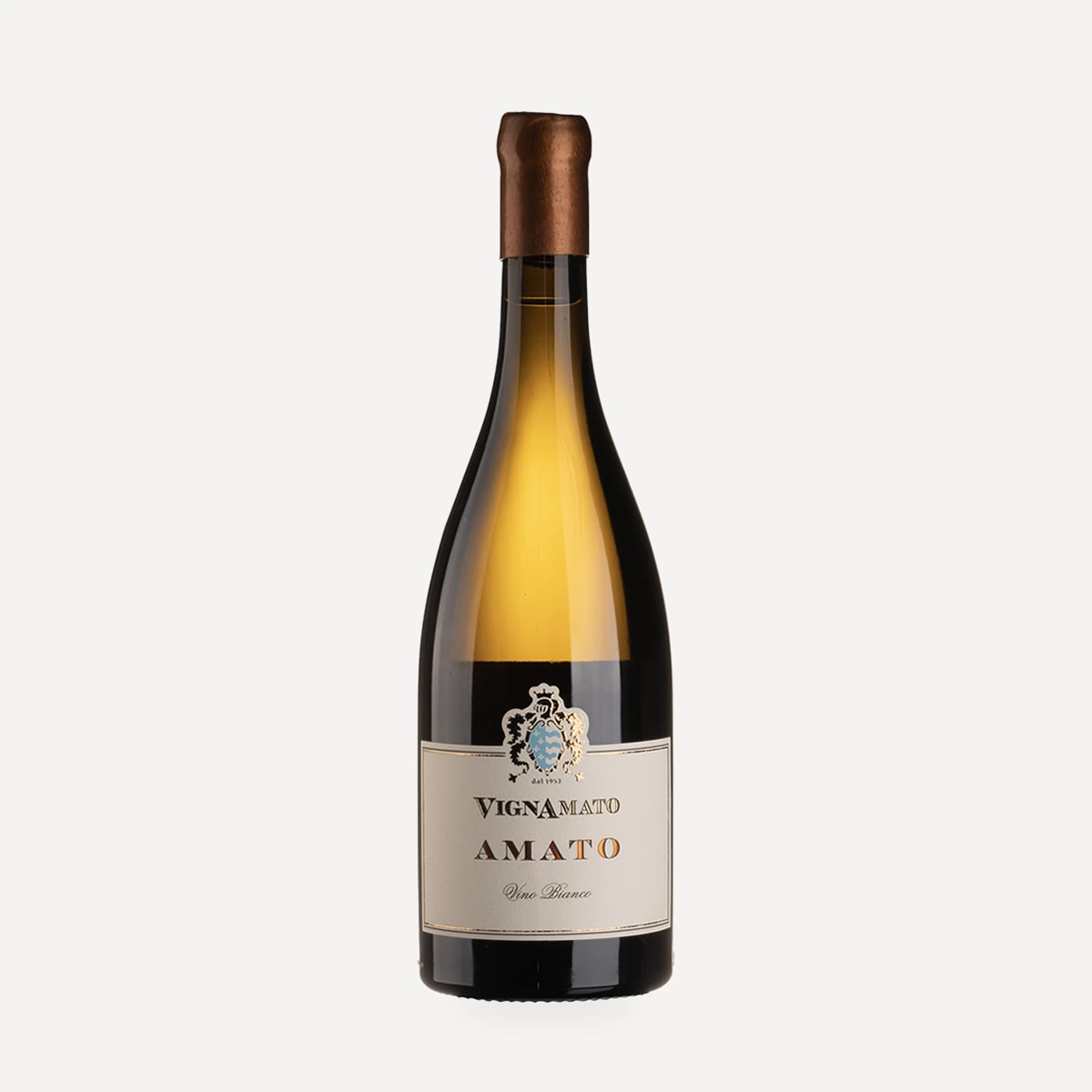
Amato
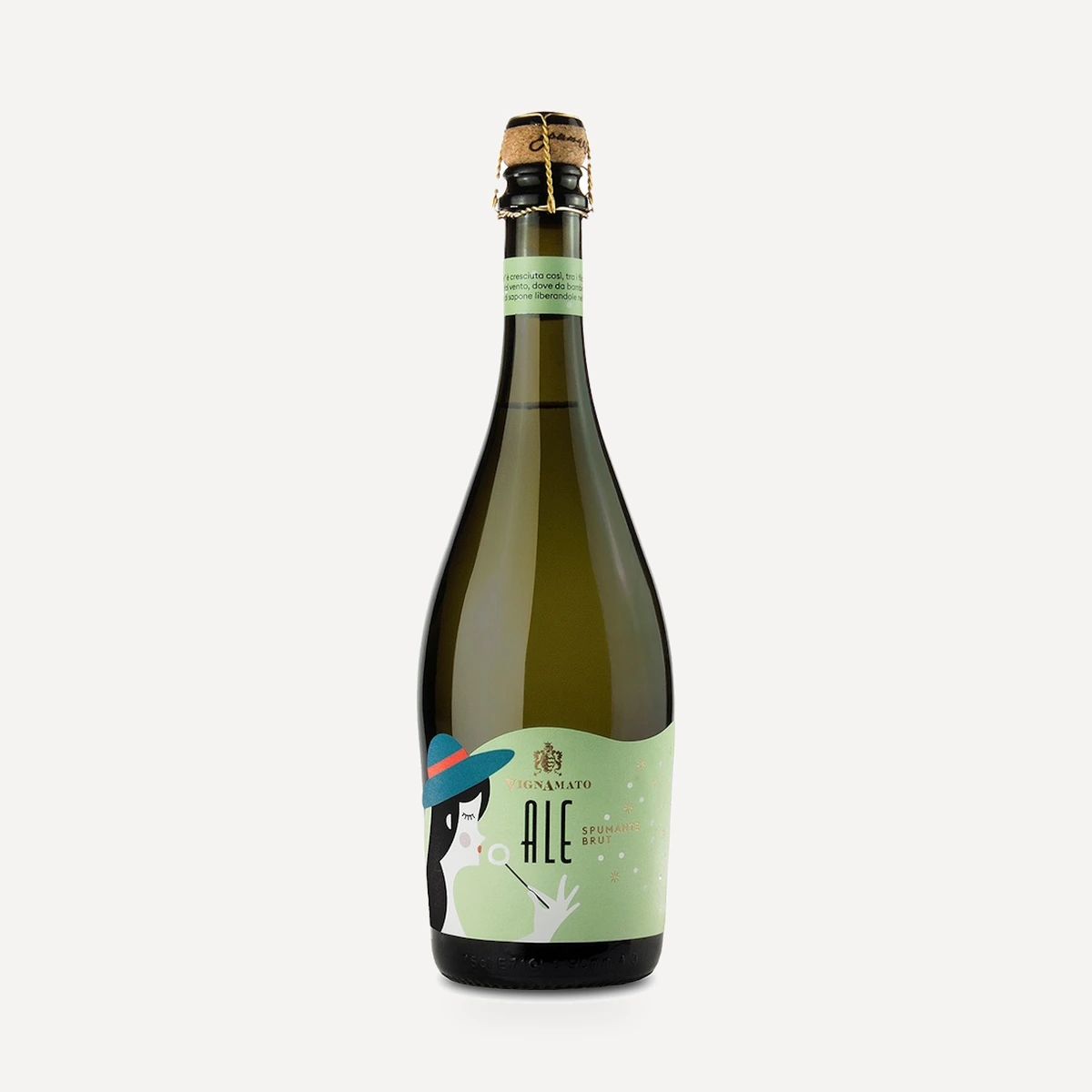
ALE Vino Spumante Brut Bianco
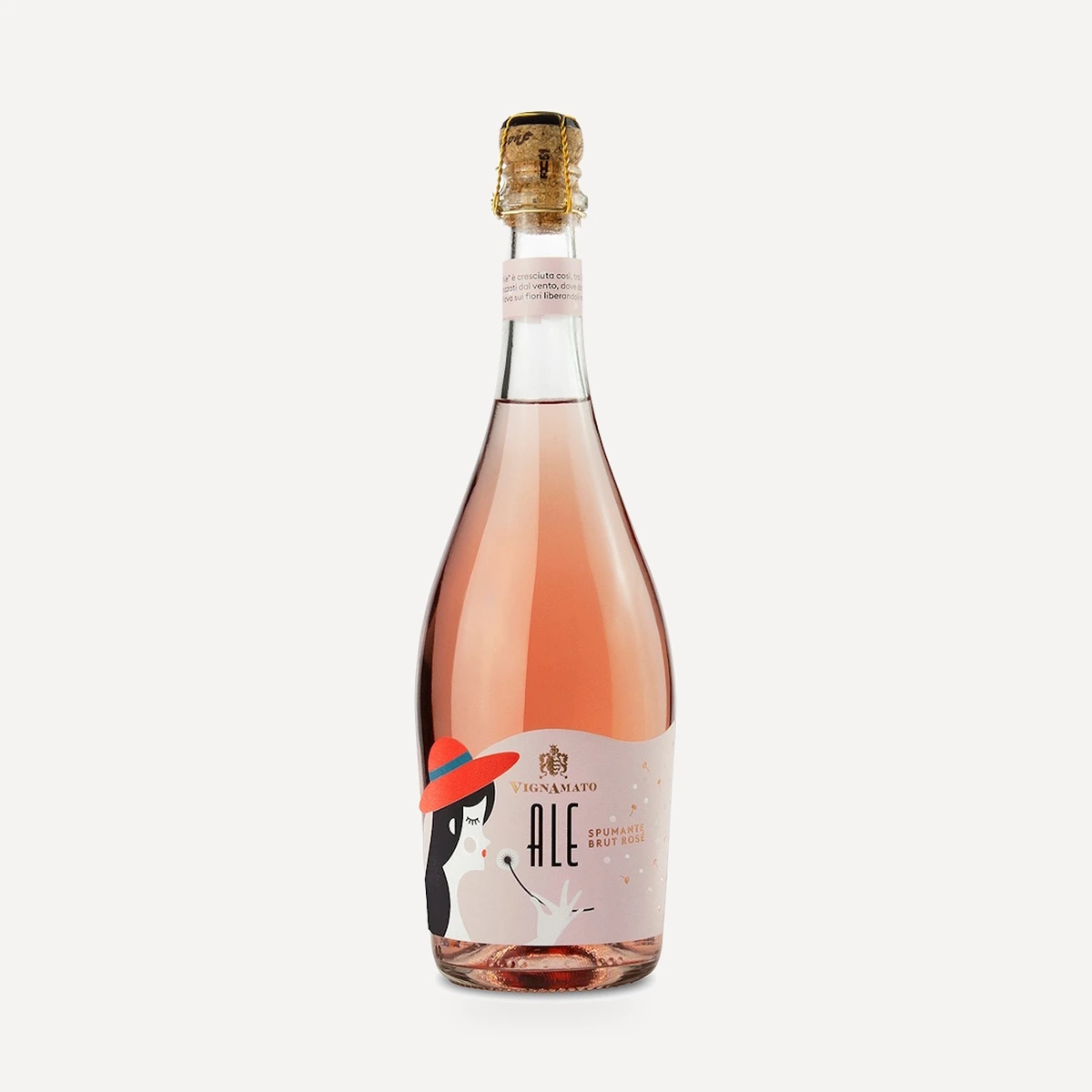
ALE Vino Spumante Brut Rosè
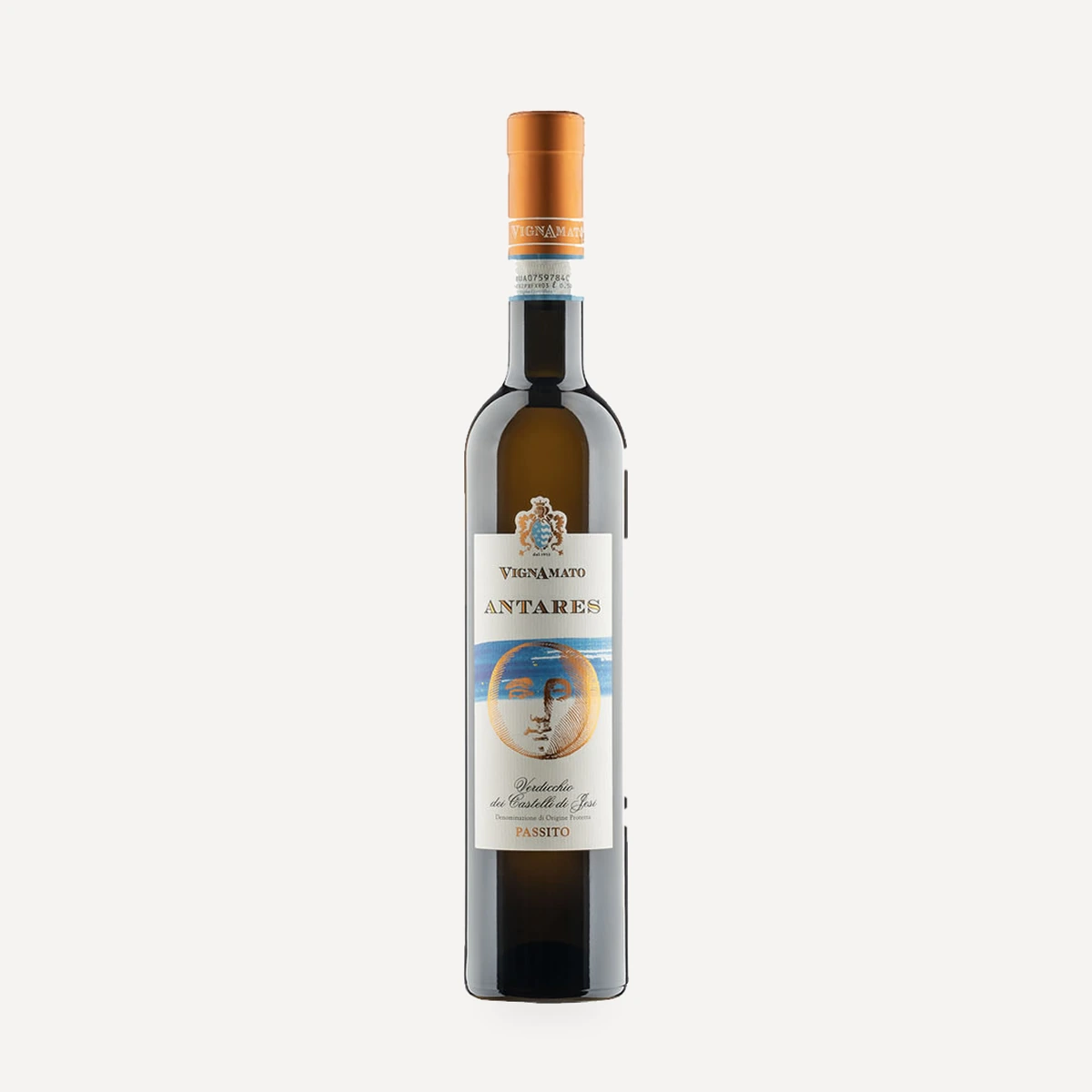
Antares
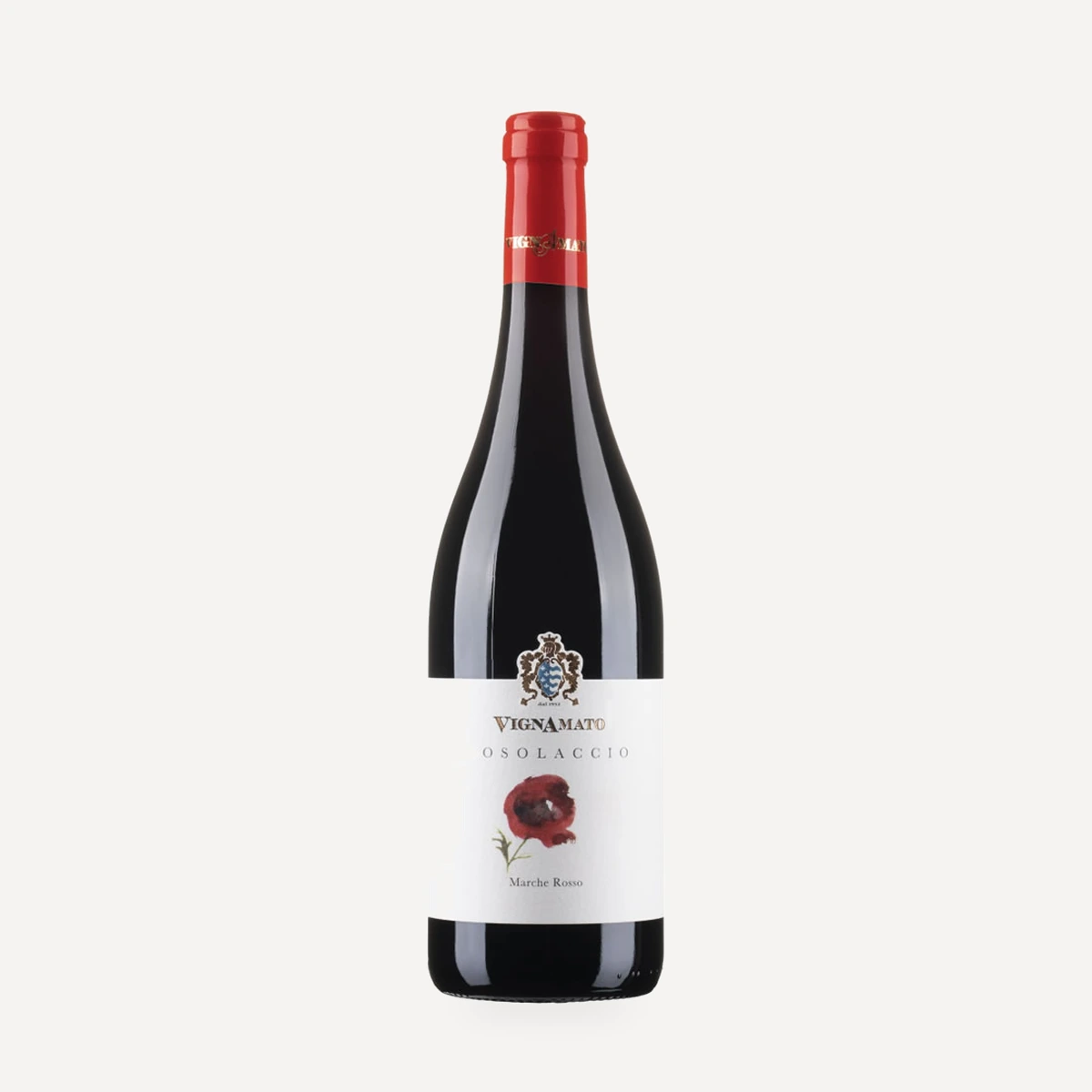
Rosolaccio