Storia
From sharecropping to ownership, 1903–1963
The family's connection with the property began in 1903, when the Fazzini family moved to Colli del Tronto with their son Carlo and began working the land under a sharecropping agreement. Carlo's daughter Filomena grew up in the rural society that developed around this form of farming.
During the Second World War, nine-year-old Filomena was entrusted with protecting the family's animals and food supplies from confiscation. When soldiers approached, she and her eight-year-old sister hid with the animals in the Pescolla ditch near the vineyard, sometimes remaining there for two days. As the eldest of five daughters, Filomena assumed responsibilities conventionally assigned to a male heir while also helping in the house, caring for her sisters and tending the animals.
Filomena married Livio Vallorani in 1950. Contrary to the local custom by which a married daughter moved into her husband's household, she remained in her paternal home because of her close connection to the family and to Carlo. Giancarlo Vallorani was born in 1955.
In 1963, after years of working as sharecroppers and dividing the farm's output with its landowners, Filomena and Livio purchased the property. They established their own agricultural enterprise and planted vineyards and olive groves with local varieties. Wine was initially sold in bulk, including directly from house to house. The couple also operated a small shop; Filomena extended credit to customers who could not pay immediately and kept their accounts in a ledger.
Giancarlo and the continuation of bulk-wine production
Filomena and Livio passed the agricultural tradition to their son Giancarlo. A photograph from the 1980 harvest records Giancarlo working with the old press. Livio died in 1993, after which Giancarlo assumed control of the farm and continued supplying bulk wine to the local market.
Filomena lived long enough to see bottles bearing the Vigneti Vallorani name and a former hayloft converted into the first tasting room. The transformation moved her deeply: land first worked under sharecropping, then purchased through sacrifice, had become a bottled family product. Her practical concern for wholesome food also influenced family values. Although her shop sold packaged sweets, she fed her grandchildren homemade bread dressed with oil from the family olive groves, sometimes adding tomato and sugar, and questioned products designed to remain edible for years.
Organic conversion and the next generation, 2002–2010
Synthetic chemical products were removed from the vineyards in 2002. Organic certification followed in 2004.
Stefano Vallorani studied agronomy in Ascoli and Ancona and returned in 2009 to help Giancarlo manage the vineyards and cellar. Rocco Vallorani completed a degree in Viticulture and Oenology at the University of Perugia and a master's degree in Varietal Oenology at the University of Turin. He then worked as an oenologist in Abruzzo, Marche and Tuscany and abroad in France, the United States and New Zealand. Rocco returned to the family estate in August 2010.
In 2010, Rocco and Stefano joined the business and the family bottled its wines for the first time, replacing a history centred on local bulk sales with a closed estate-bottling operation. The limited scale enables the family to follow the entire process personally, from work in the vineyard to bottling.
Estate hospitality and recent development
A new panoramic tasting room opened in 2023, overlooking the estate vineyards and the Gran Sasso, Monti della Laga and Monti Sibillini. It was designed and furnished by local professionals and conceived for tastings, private occasions and company meetings. A permanent display presents original works by Piceno artists used on the wine labels.
By 2026, the estate described its winegrowing continuity as spanning five generations. Hospitality became a greater focus as the family reduced the pace of fairs and large events in favour of receiving guests at the property. The estate nevertheless continued its long association with the Mercato dei Vini dei Vignaioli Indipendenti FIVI, having participated since its first edition and returning for the fifteenth event in 2026.
Terroir
Tronto Valley setting
The estate lies in the Tronto River valley, between the Monti Sibillini of the central Apennines and the Adriatic Sea. The landscape consists of gently undulating hills shaped by a long agricultural history. A temperate climate, proximity to both sea and mountains, and differences in aspect and soil create varied growing conditions.
The vineyards surround the winery at the top of a sunny, windy hill, approximately 200 m above sea level. Views extend toward the Gran Sasso, Monti della Laga and Monti Sibillini. The estate grows Montepulciano, Sangiovese, Pecorino, Passerina, Trebbiano and Malvasia.
Soils and vineyard environment
The general soil is medium-textured, predominantly clay-rich, well drained and marked by a significant limestone presence. In the north-facing sector associated with Avora, pieces of travertine containing marine fossils are regularly found, evidence of the sea that once covered these hills.
Broad bands of spontaneous vegetation and indigenous plants surround and protect the vineyards. They act as buffers against extreme weather and support the biodiversity needed for vine health. Mulberry trees remain as traces of the area's former silkworm and silk-making tradition. Neolithic archaeological finds attest to a much older history of human settlement and agriculture in the locality.
North-facing old vines
The old vineyards described locally as a vora or a bora face north. A small wood lies at their base. Northern exposure and diurnal temperature variation help preserve freshness and contribute to depth and longevity. The vineyards used for the estate's Falerio blend are rooted in soils containing marine fossils.
Vinificazione
Organic farming began with the elimination of synthetic chemical inputs in 2002, followed by organic certification in 2004. Vineyard work is conceived around soil health, natural cycles and seasonal rhythms rather than corrective intervention.
Permanent spontaneous grass cover is maintained between the rows. Its varied plants attract beneficial insects and microorganisms, limit erosion, protect the fertility of the hillside soils, reduce soil heating during hot summers and create channels that help rain penetrate toward vine roots during dry periods. Wide belts of uncultivated vegetation and indigenous plants provide an additional buffer against severe weather and preserve habitat around the vines.
Pruning material and winemaking by-products are returned to the vineyards as fertilizer. Organic, plant-based compost and natural processing residues are used to nourish the soil. Water is managed rationally. The family performs winter pruning, field selection and harvest by hand; only ripe, healthy bunches are picked. The limited scale permits direct supervision of the entire closed production cycle.
The vineyards include plants between 10 and 60 years old, with the oldest blocks generally described as 40–60 years old. The age and deep roots of these vines are valued for the complexity and depth they can bring to the fruit.
The broader environmental programme includes thermally insulated production, ageing and sales spaces; an underground barrel cellar whose temperature remains stable without air conditioning; photovoltaic generation covering more than 80% of annual energy requirements; reuse of collected cellar wash water to irrigate the garden; lightweight glass bottles; and labels printed on natural paper.
The estate operates a closed production cycle: its organic wines and extra-virgin olive oil are made exclusively from plants cultivated by the family. Limited production allows the family to follow every stage personally, from vineyard work through bottling.
Ripe, healthy bunches are selected and harvested by hand. Because the vineyards surround the winery, fruit can be vinified immediately after picking. Fermentation and élevage employ steel, wood and amphora according to the intended wine. Skin-maceration duration changes with the grape variety and the desired result.
Fermentations begin spontaneously through yeasts naturally present on the grape skins, using a pied-de-cuve. Wines mature on their fine or noble lees to develop aromatic richness and greater palate volume and to reach stability naturally. This restrained approach is intended to avoid invasive stabilization. Synthetic chemical products and animal-derived processing aids are excluded, in keeping with a vegan and cruelty-free production philosophy.
The production, maturation and sales areas are thermally insulated. The barrel cellar is below ground, maintaining a stable temperature without air conditioning. Renewable energy is supplied by a photovoltaic installation covering more than 80% of annual requirements. Cellar wash water is collected and reused in the garden.
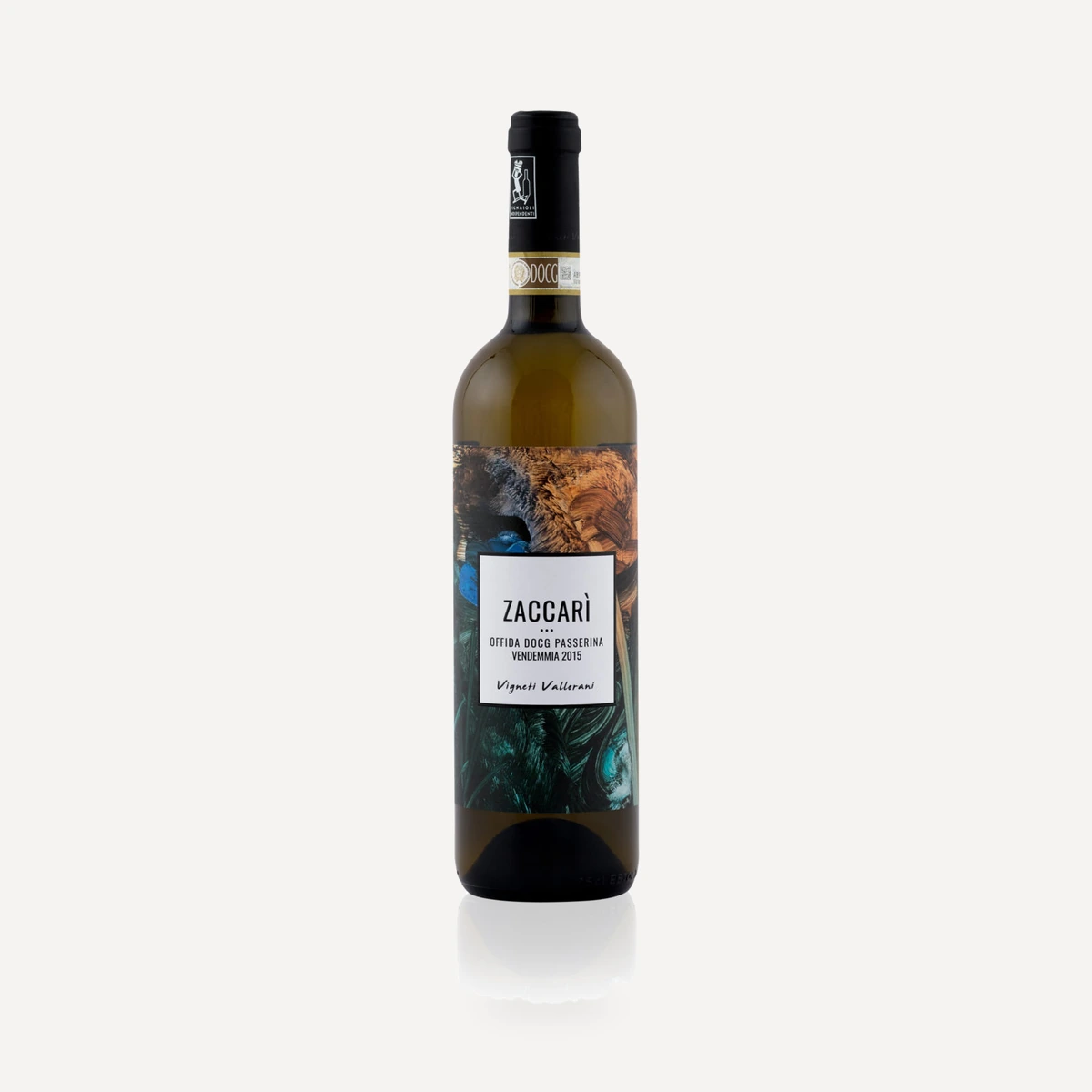
The range follows the historical specifications of Offida DOCG Passerina, Falerio DOC/DOP, Piceno Superiore DOC/DOP and Marche IGT/IGP in white, red and rosé. Reserve bottlings are made only in the vintages considered most suitable. Blending is treated as an annual interpretive decision rather than a fixed formula: varieties, sites, climate and the character of the vintage are assembled to express the territory while adapting to changing seasons.
Filosofia
Vigneti Vallorani places soil and nature at the centre of its work. Its stated objective is to respect natural cycles, seasonal rhythms and the equilibrium of the land, managing vineyards so that corrective treatments are unnecessary. The family sees itself as a custodian of the Marche agricultural landscape created through generations of local farming.
Sustainability extends across the complete production cycle. Field and cellar operations are planned to reduce environmental impact through organic compost, rational water use, renewable energy, natural stabilization and the exclusion of chemical additives and animal derivatives. Environmental responsibility also includes support for the local community through regional artists, craftspeople and small food producers.
The estate defines wine as a narrative of changing seasons, vineyard observation, practical intuition, mistakes and discoveries. Vintage variation is accepted rather than corrected away. Blending is central to this philosophy: each variety contributes a distinct voice, and the task is to find an honest equilibrium rather than an abstract perfection.
This commitment to blends is rooted in mixed-variety peasant farming. Earlier generations planted productive and delicate, early- and late-ripening varieties together to reduce the risk of difficult seasons and to make more complete and stable wines. In the present climate, varietal diversity is also treated as a means of adaptation, distributing harvest dates and supporting biodiversity. Territory—its geology, climate and people—is intended to remain the protagonist rather than any single grape variety.
Family continuity, direct responsibility and a closed supply chain underpin the estate's understanding of independent winegrowing. The family follows the wine from the vineyard to the bottle and maintains direct contact with those who drink it. Tradition is not treated as a fixed formula: it supplies the experience through which each new season is interpreted.
Vini
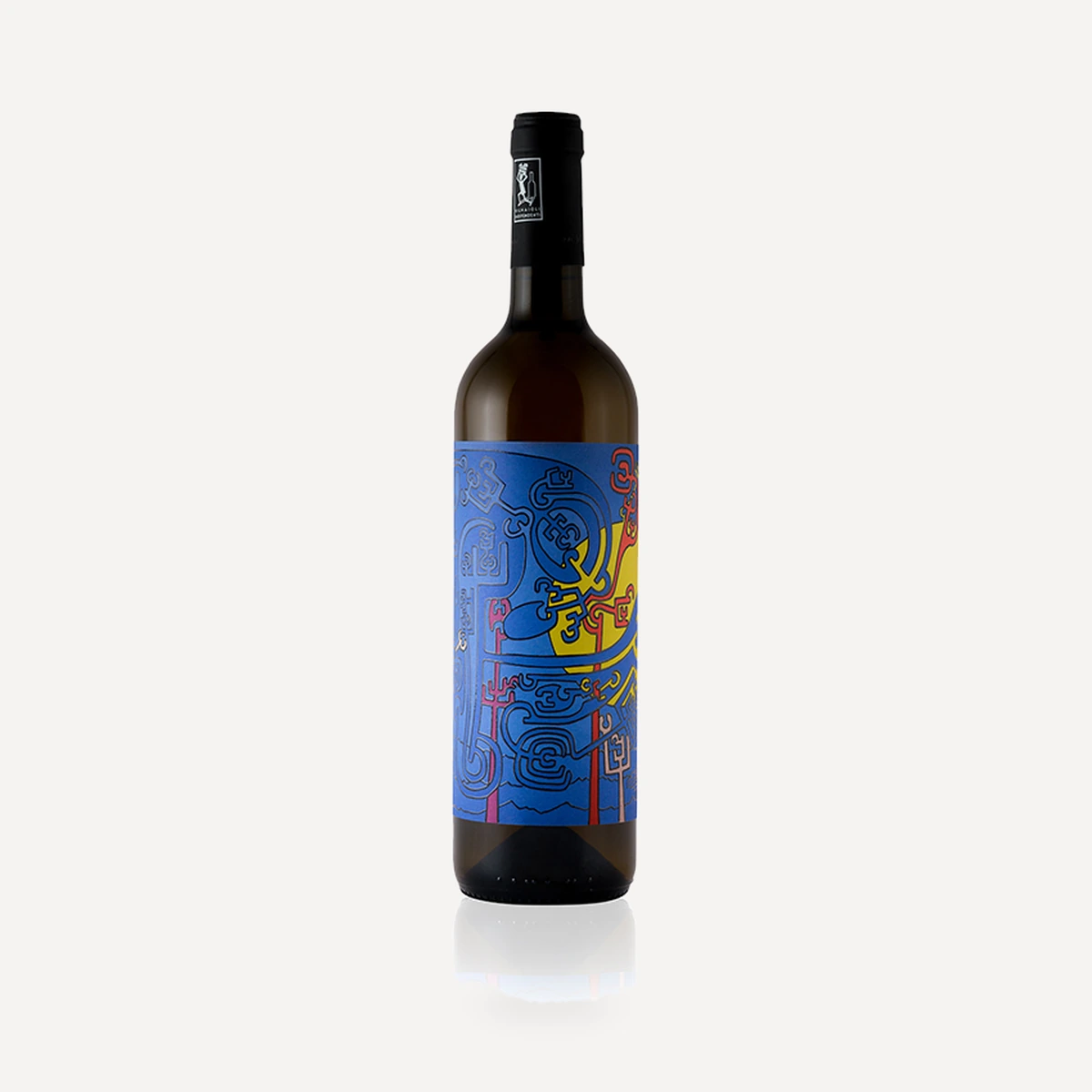
Lefric Marche Bianco BIO
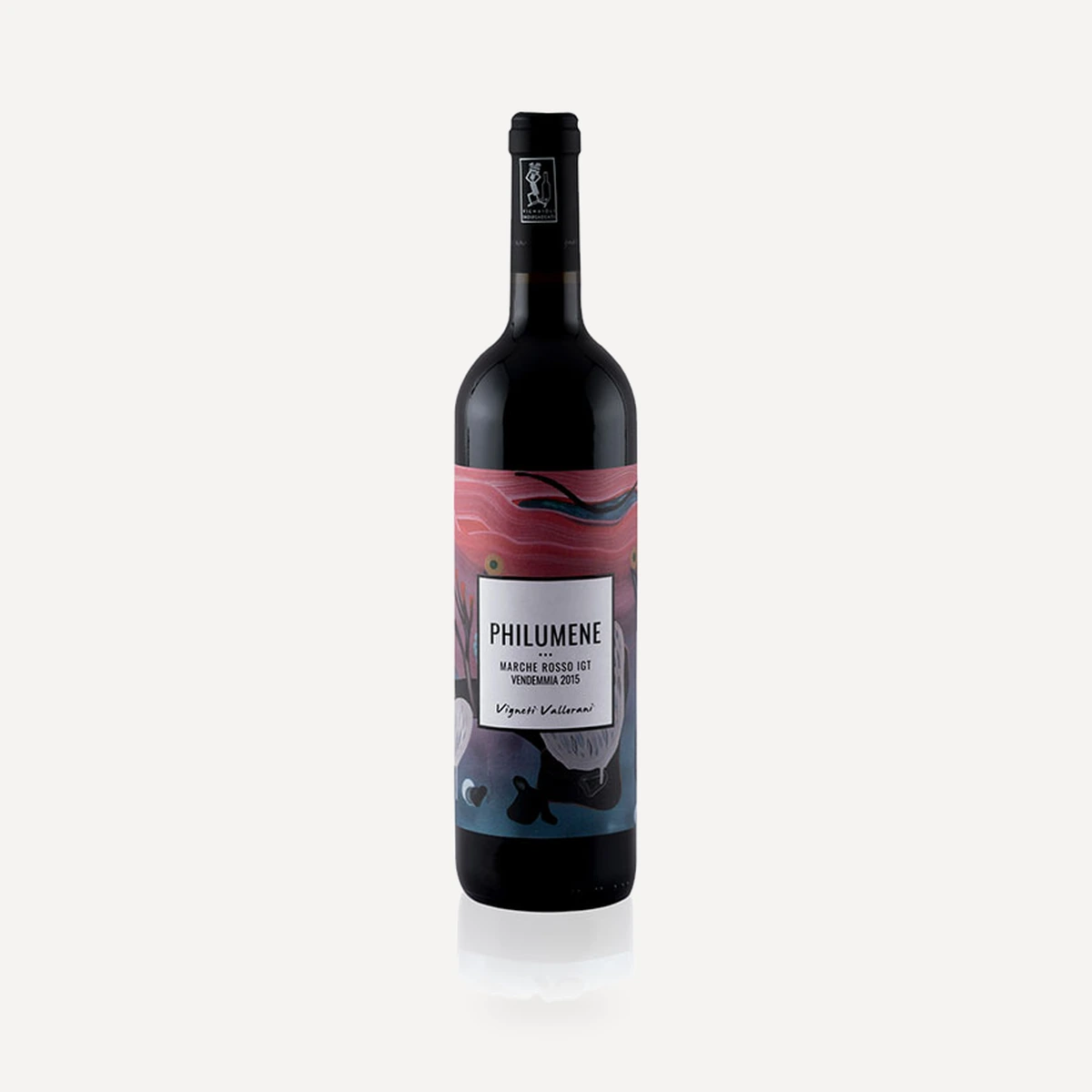
Philumene Marche Rosso IGT
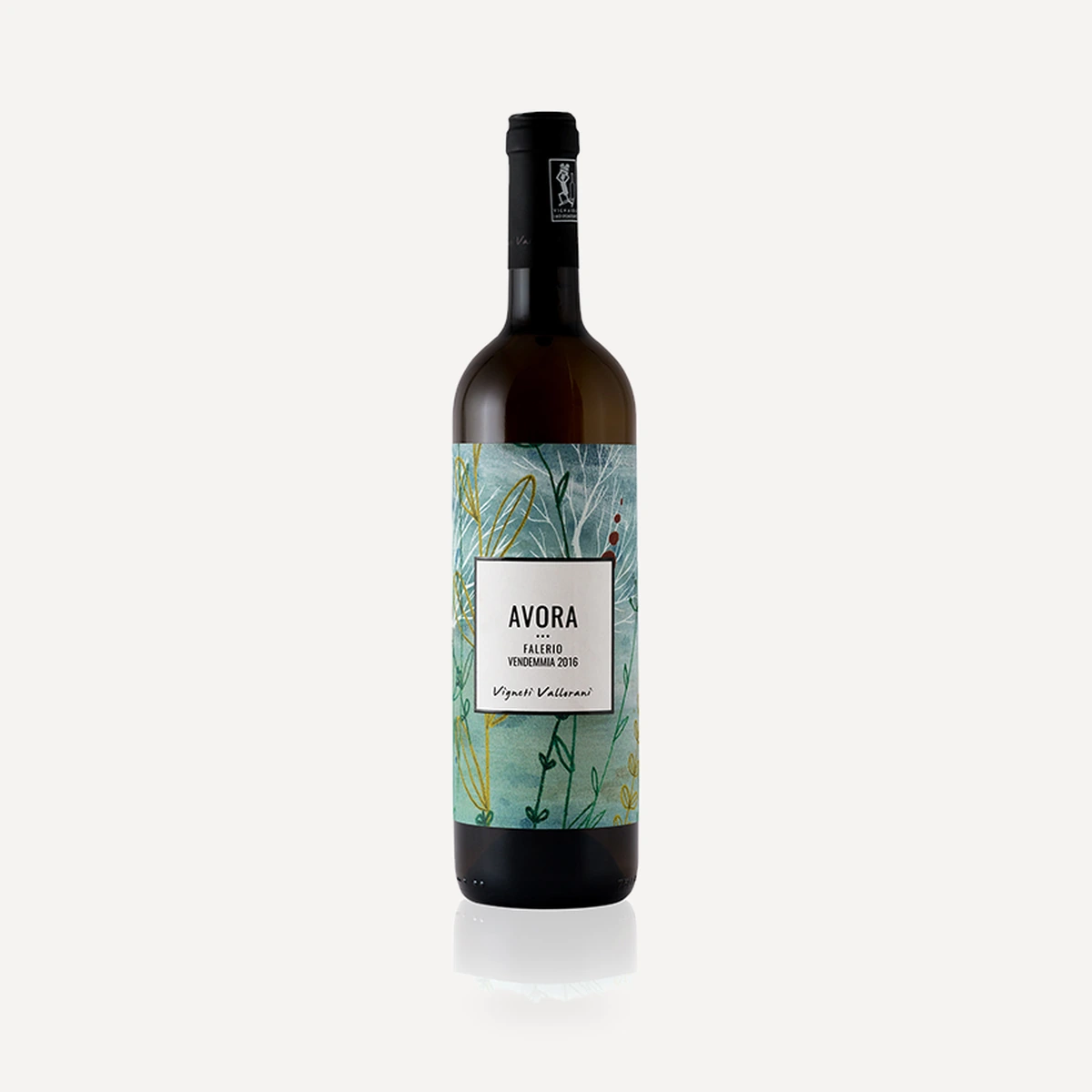
Avora Falerio DOP Bio
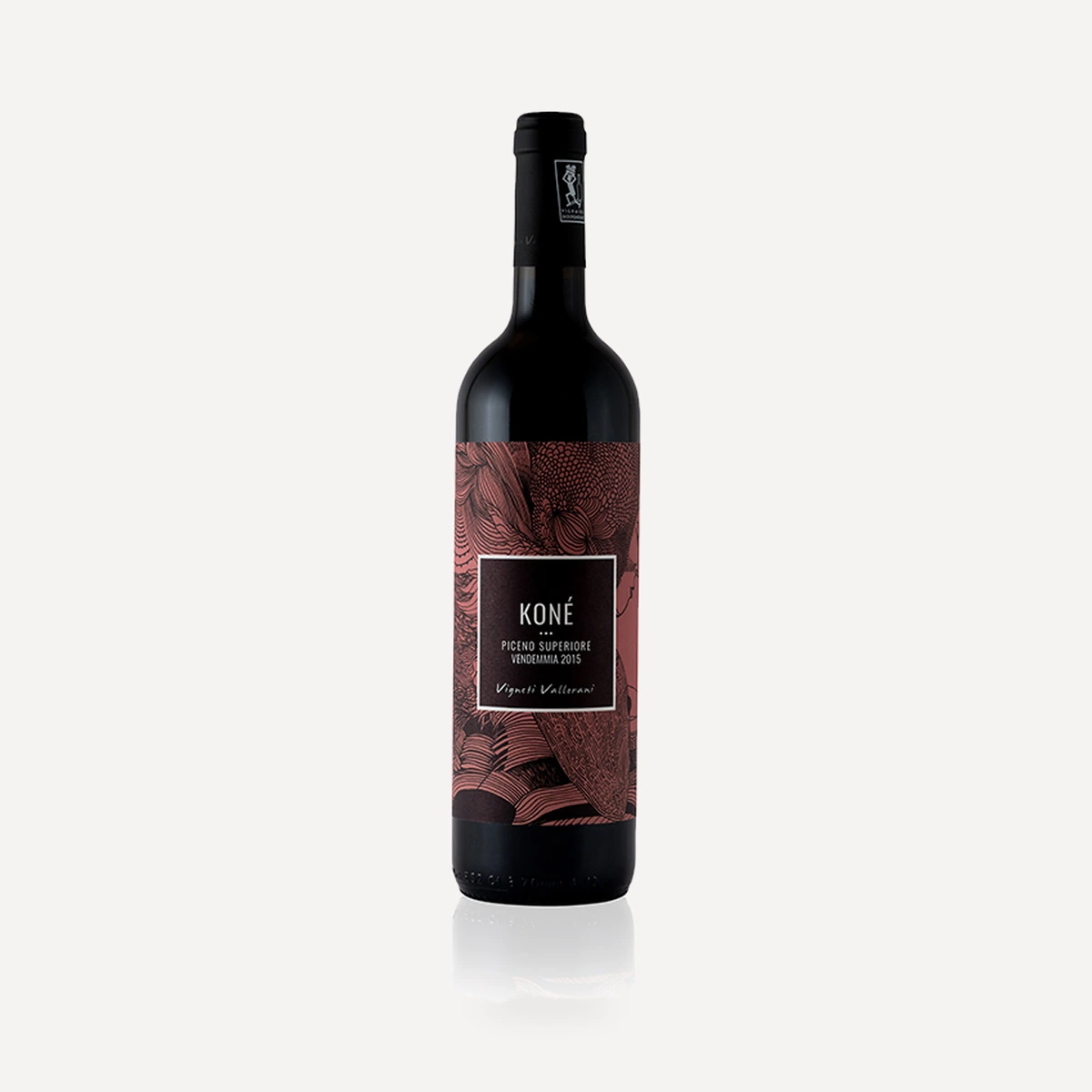
Konè Piceno Superiore DOP
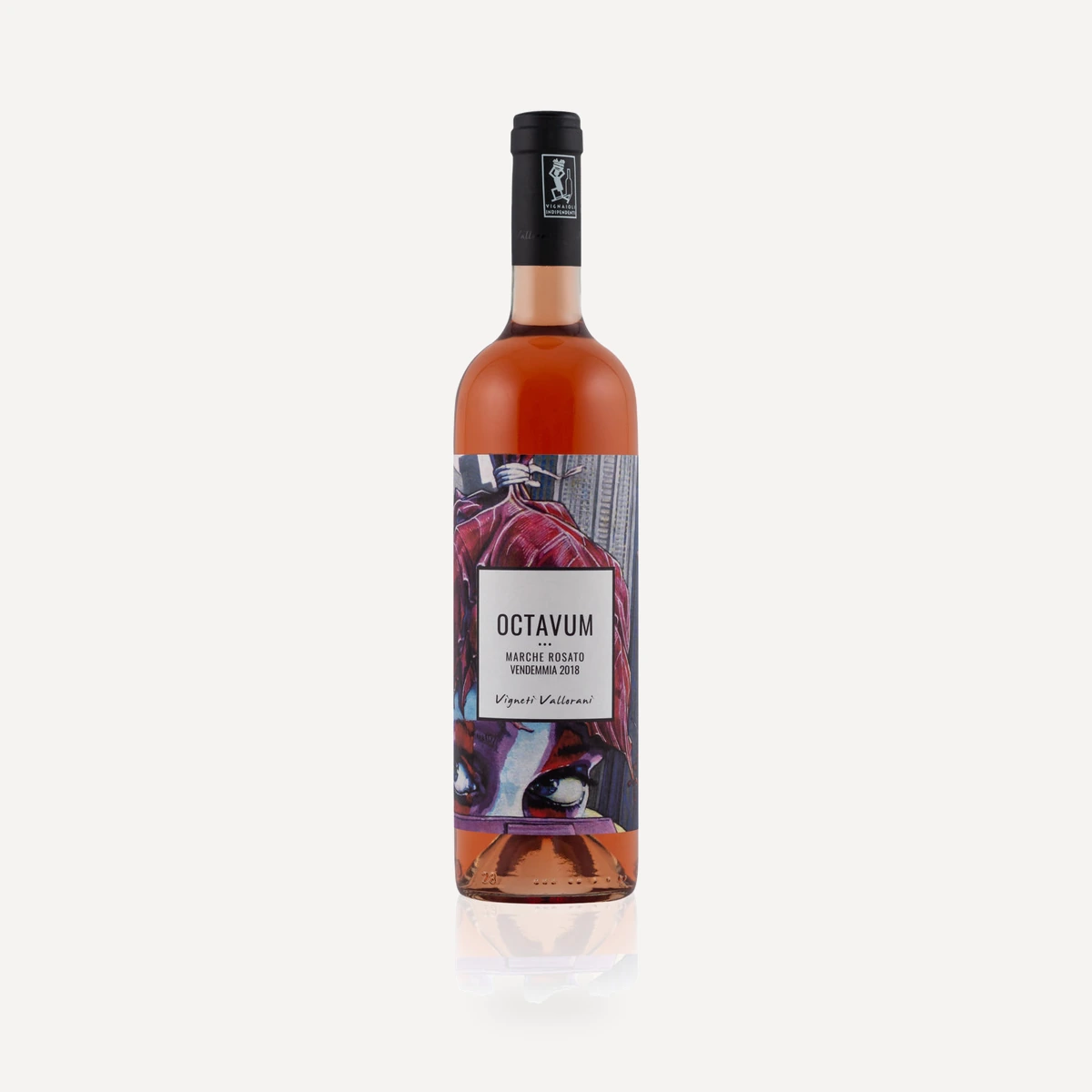
Octavum Marche Rosato IGT BIO
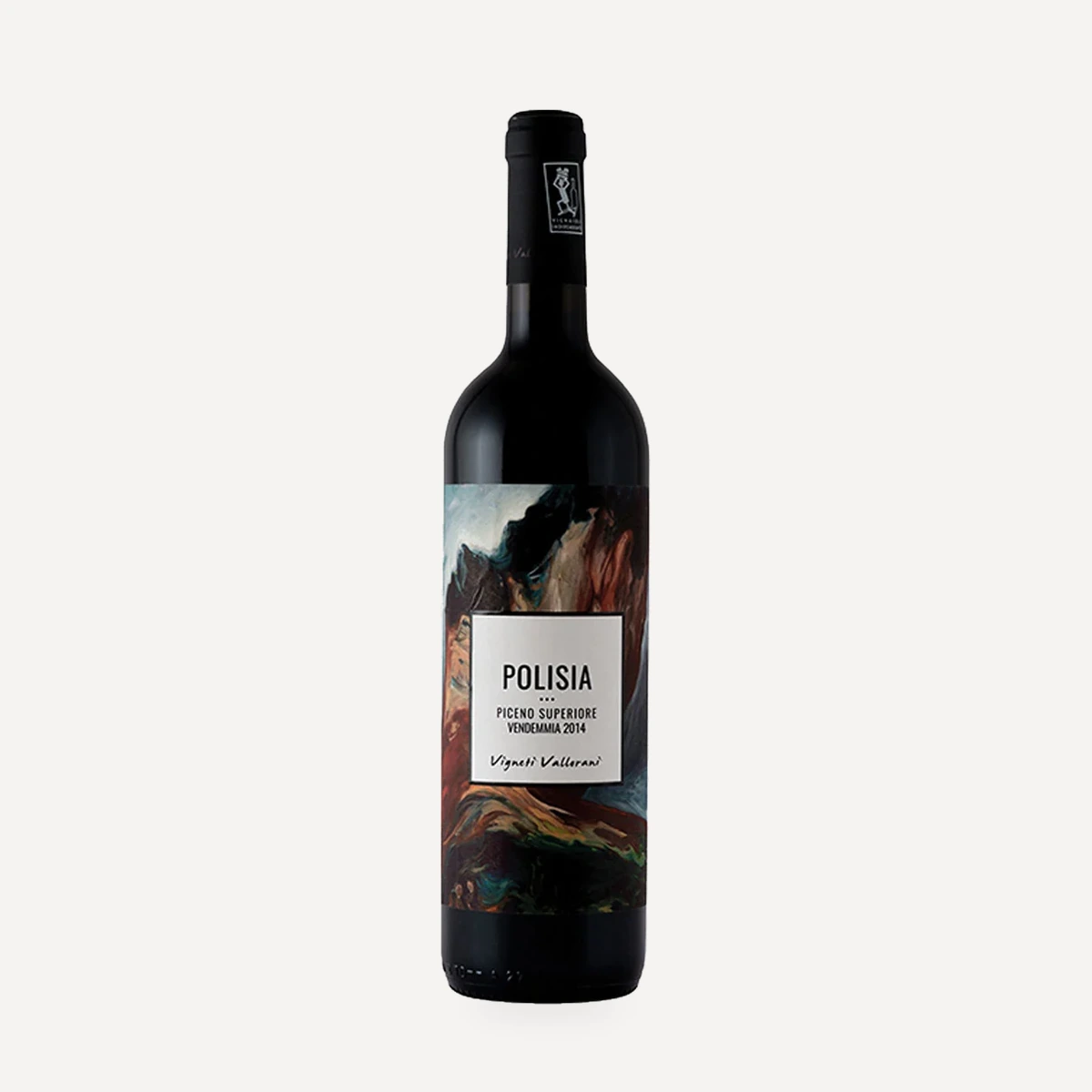
Polisia Piceno Superiore DOP Bio